




 angol
 kínai (Kína)
 spanyol
 német
 Francia
 olasz
 japán
 koreai
 bolgár
 görög
 indonéz
 kínai (Hongkong)
 orosz
 dán
 finn
 török
 holland
 portugál
 svéd
 román
 szlovák
 szerb
 norvég
 horvát
 albán
 katalán
 cseh
 észt
 örmény
 bengáli
 amhara
 fényesít
 thai
 ukrán
 vietnami
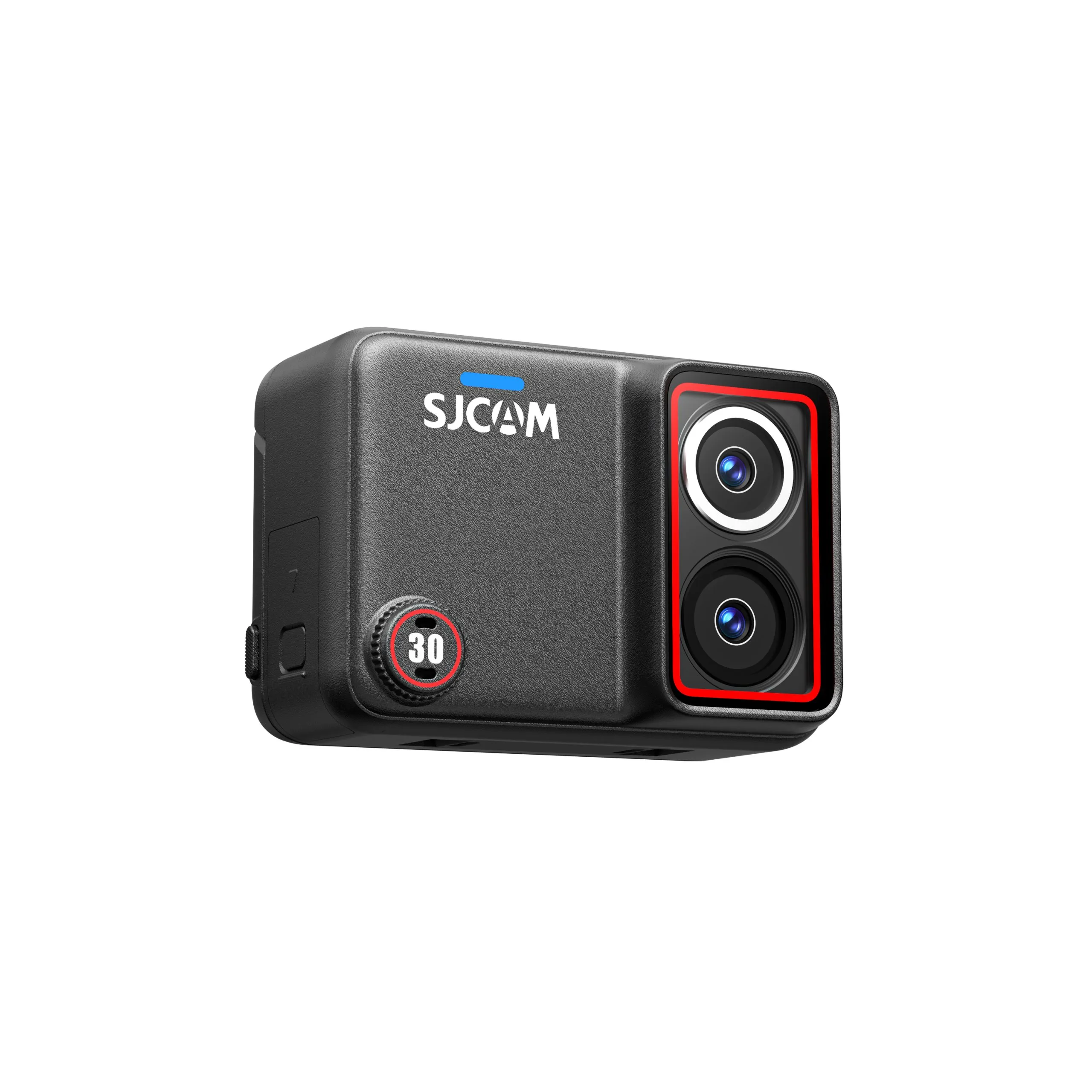
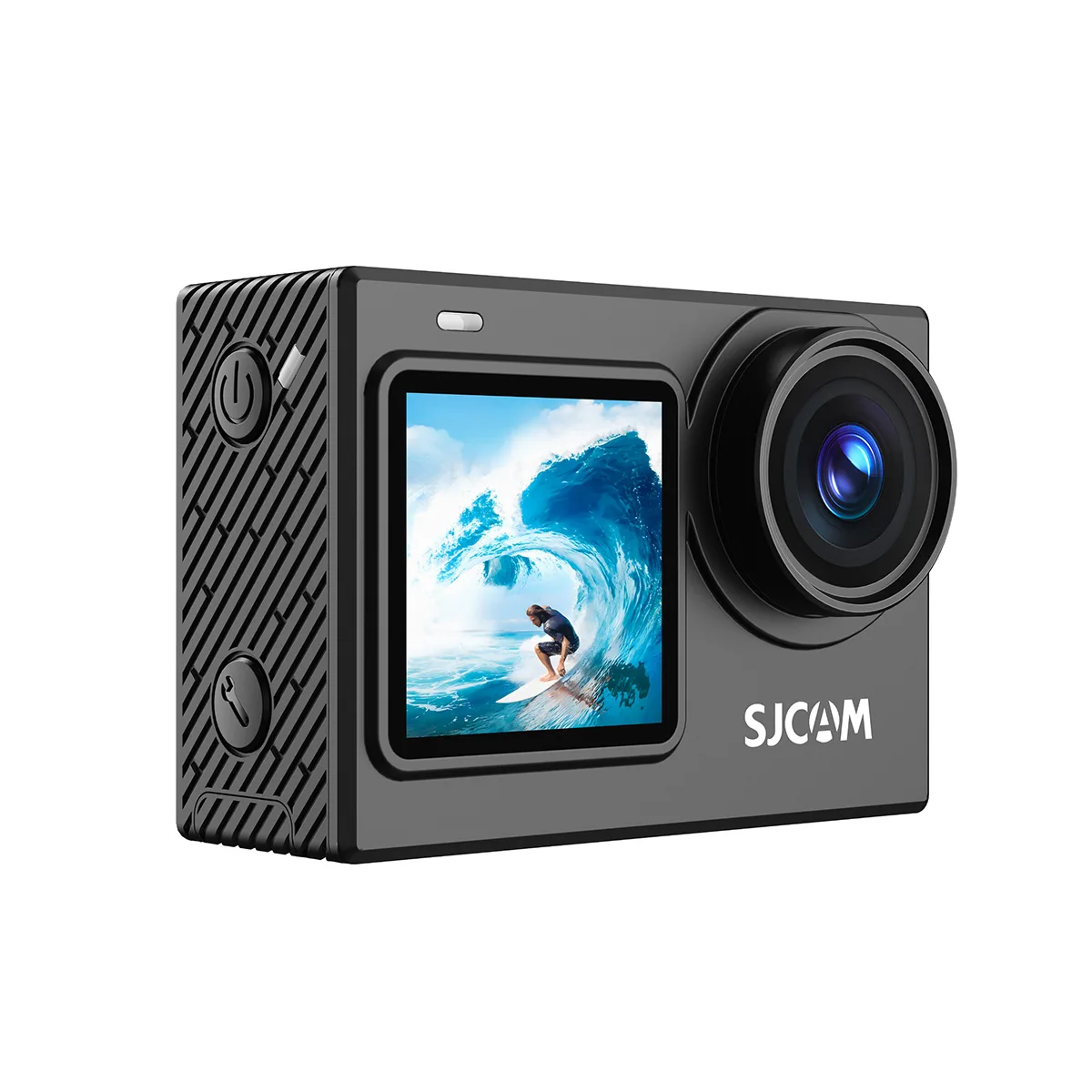
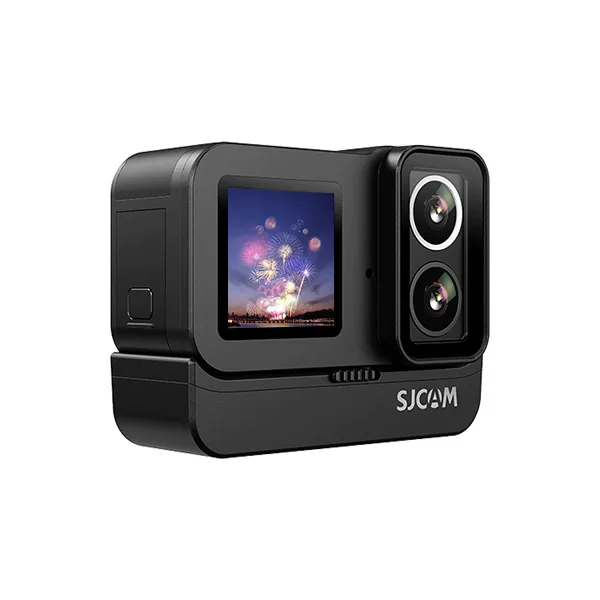
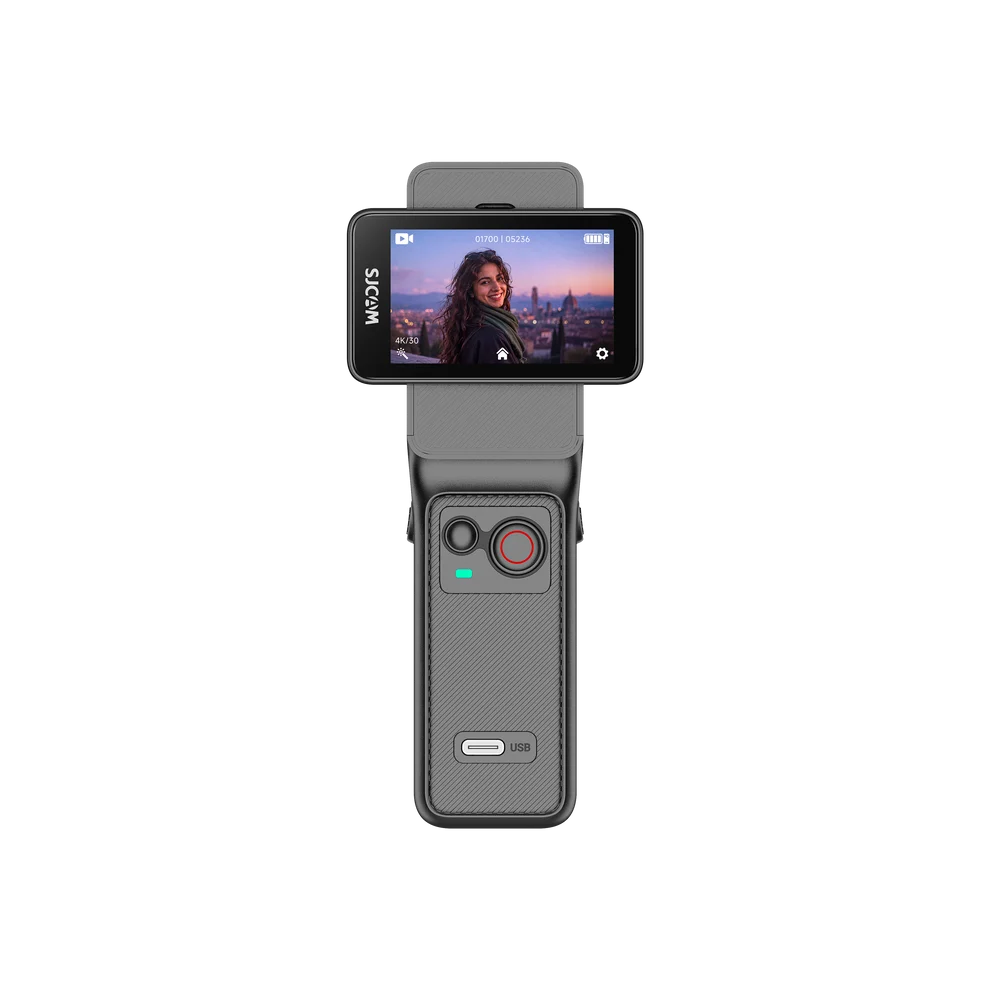
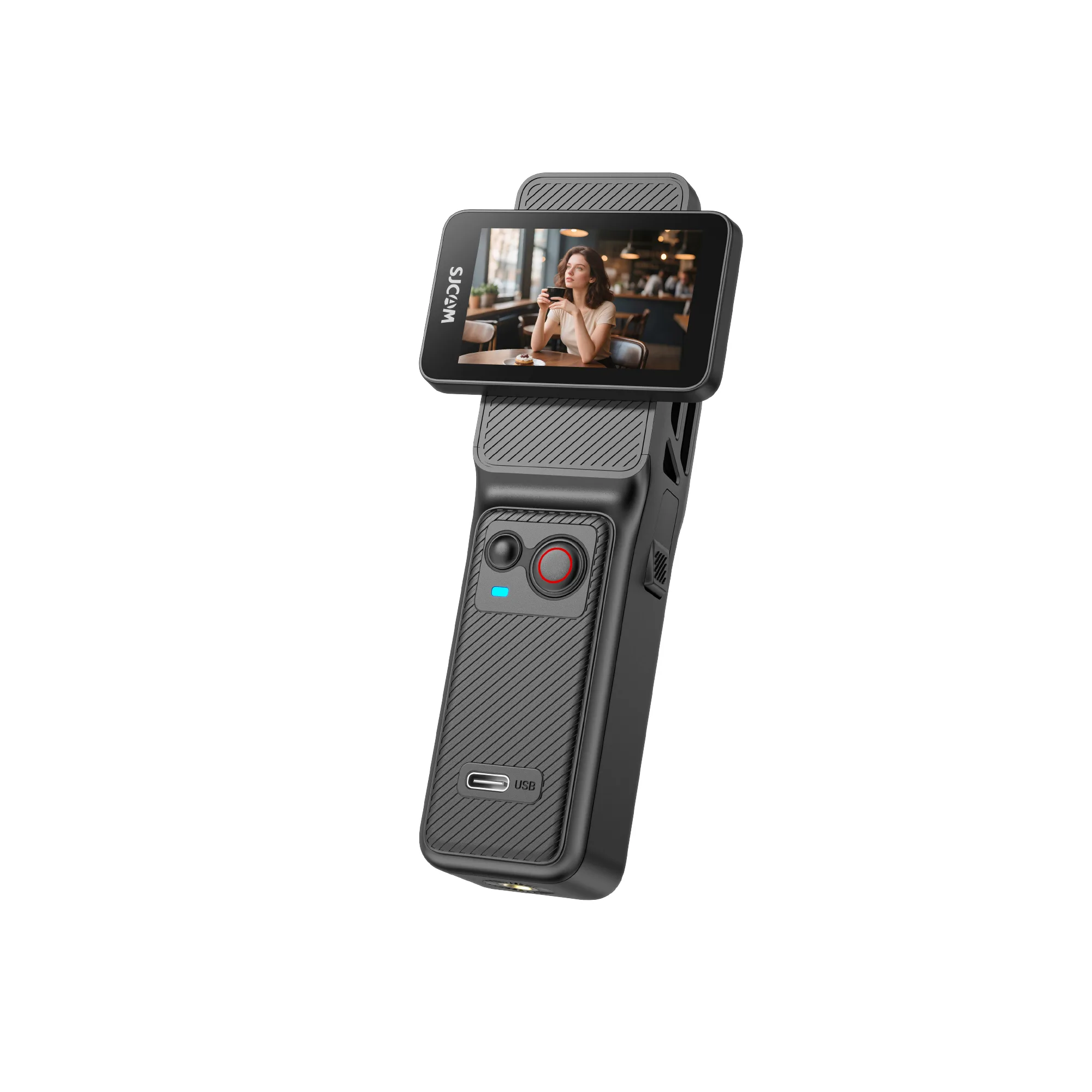
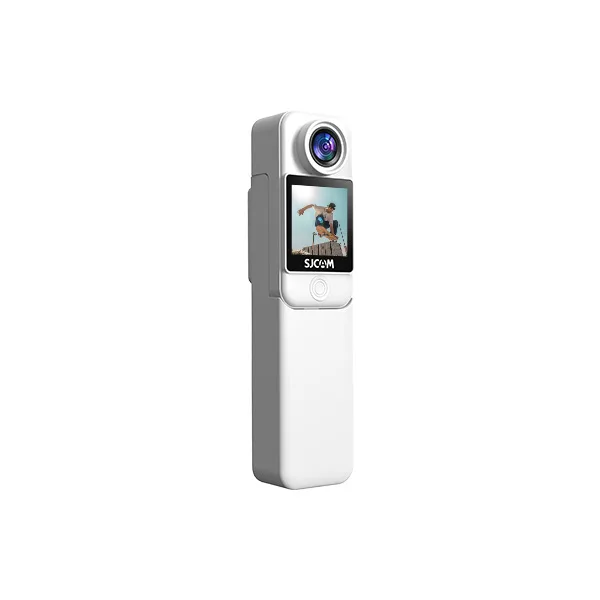
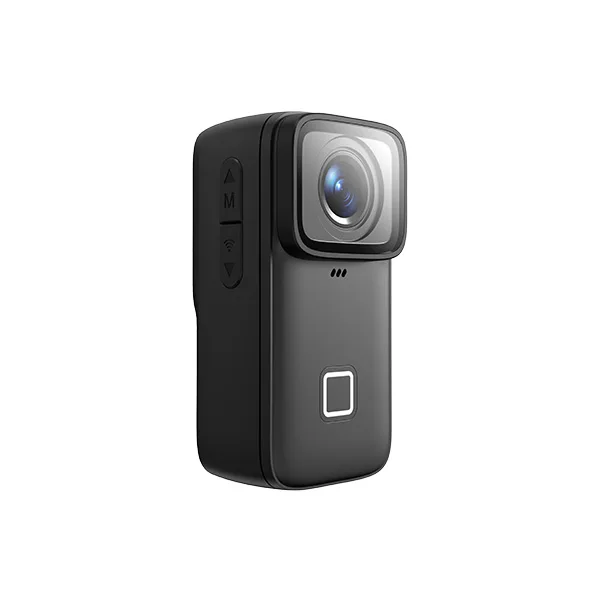
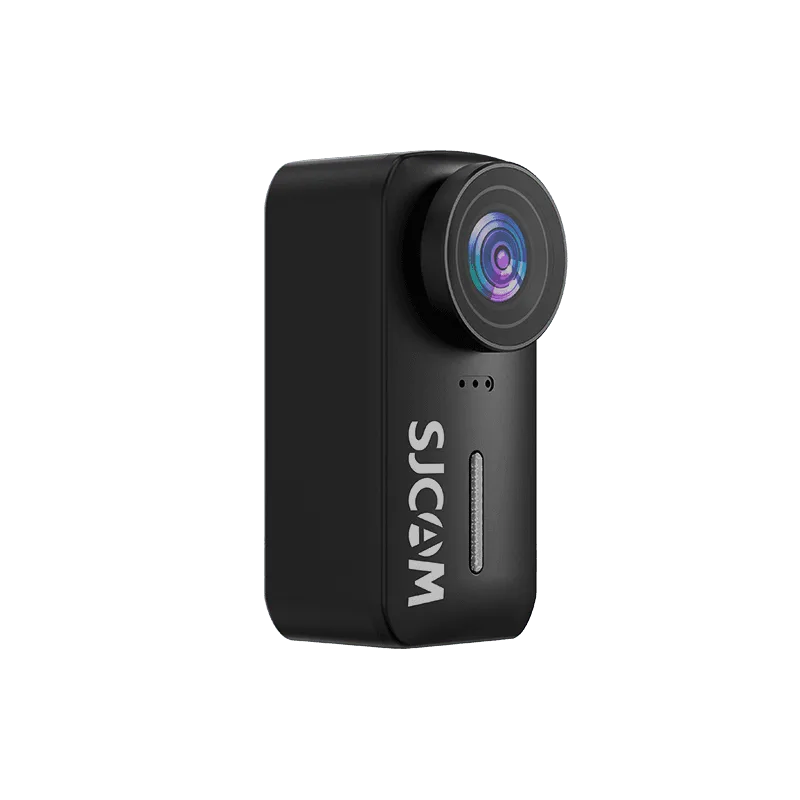
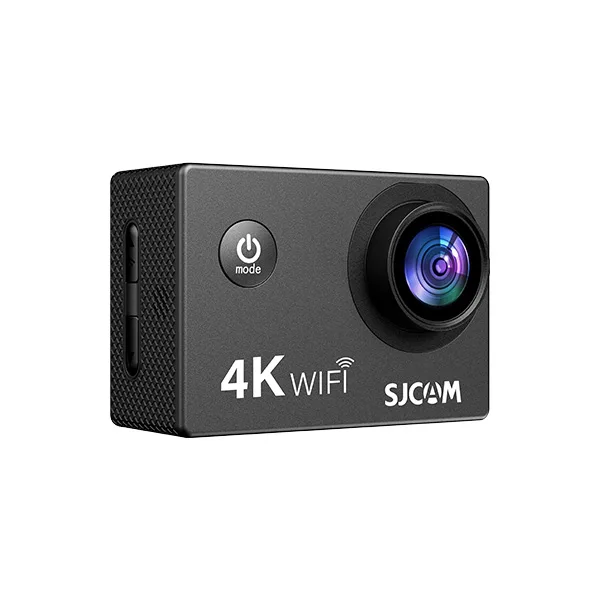
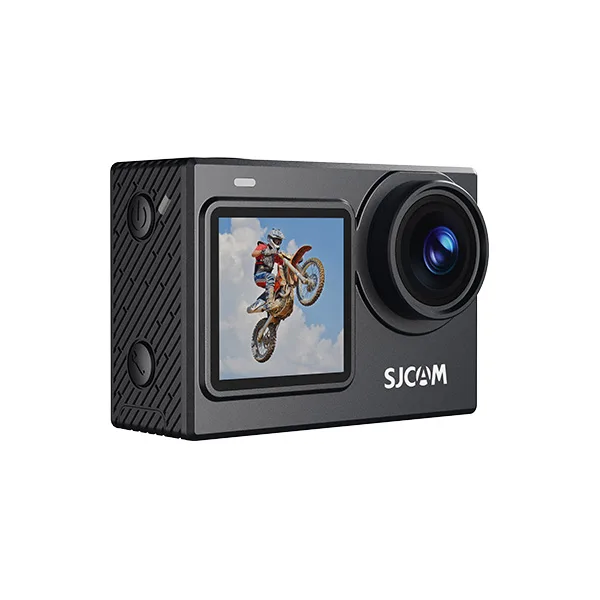
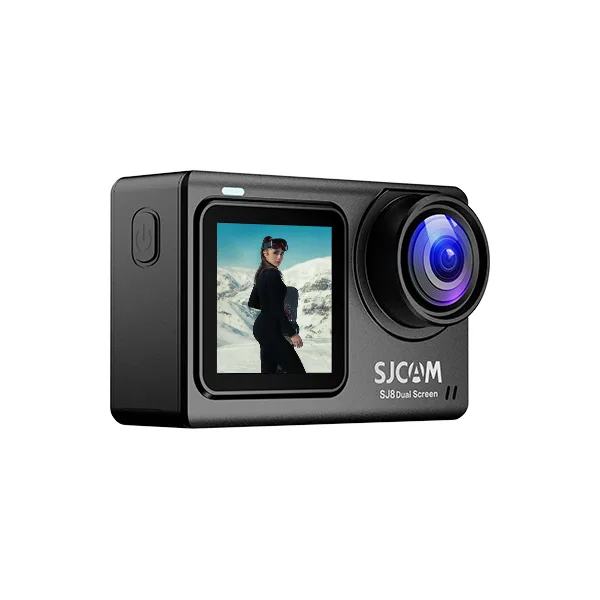
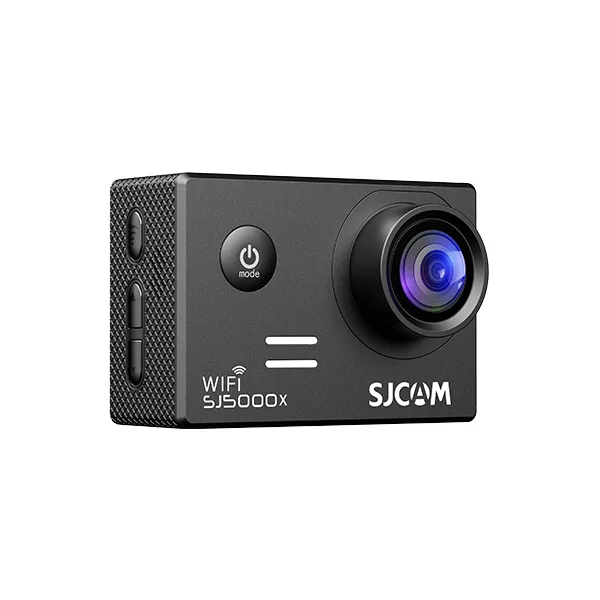


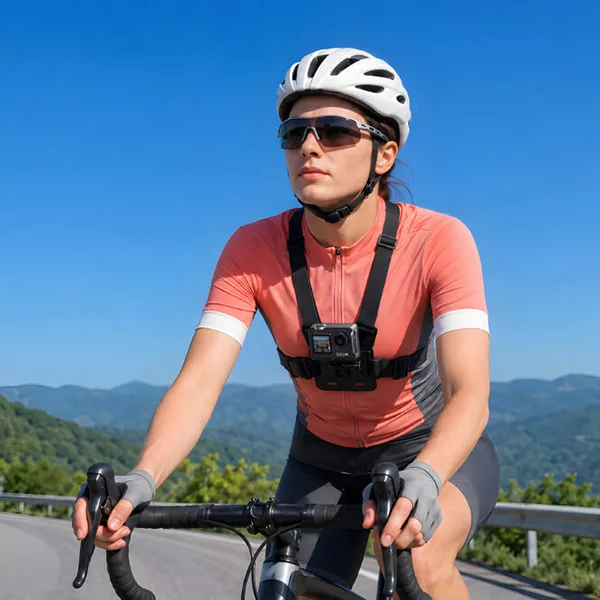

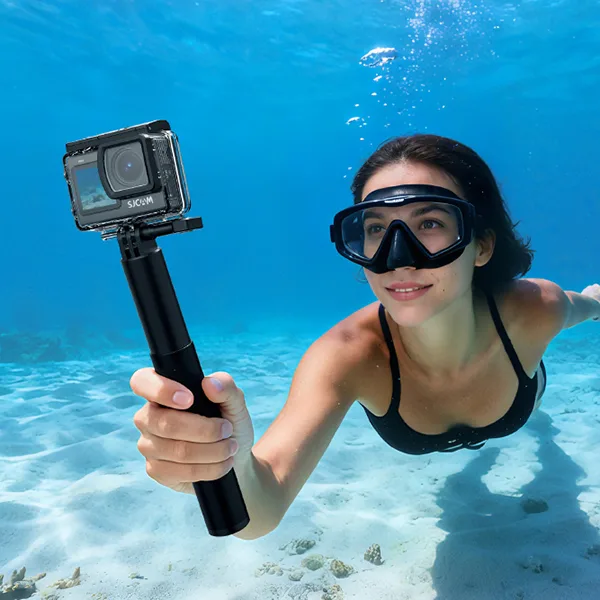
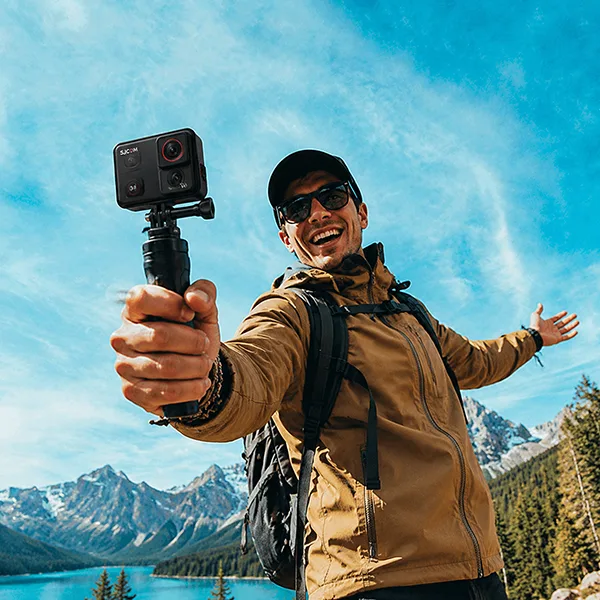
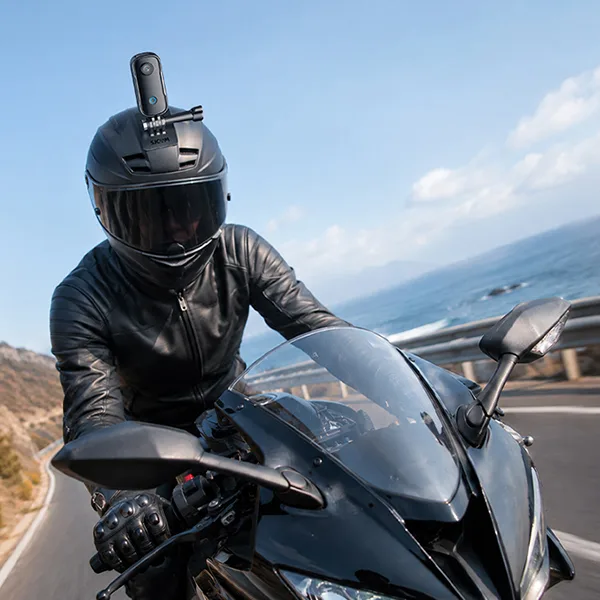
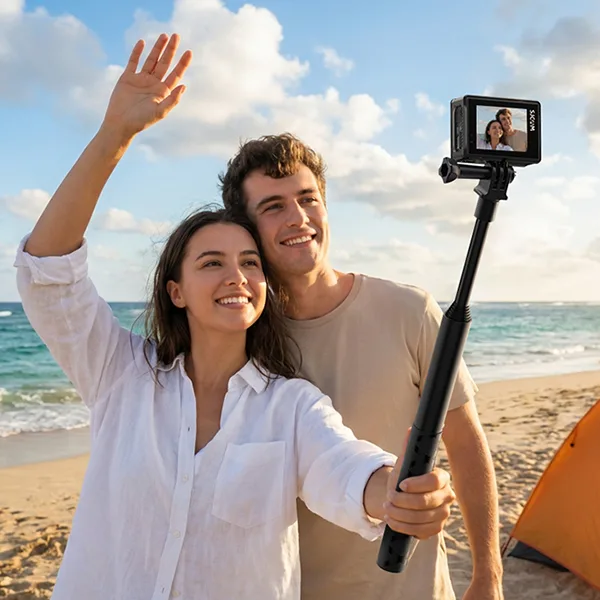

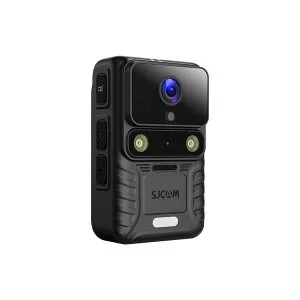
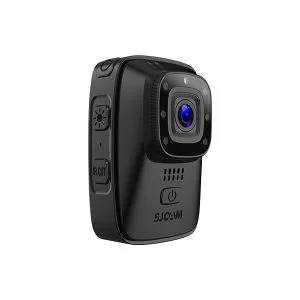
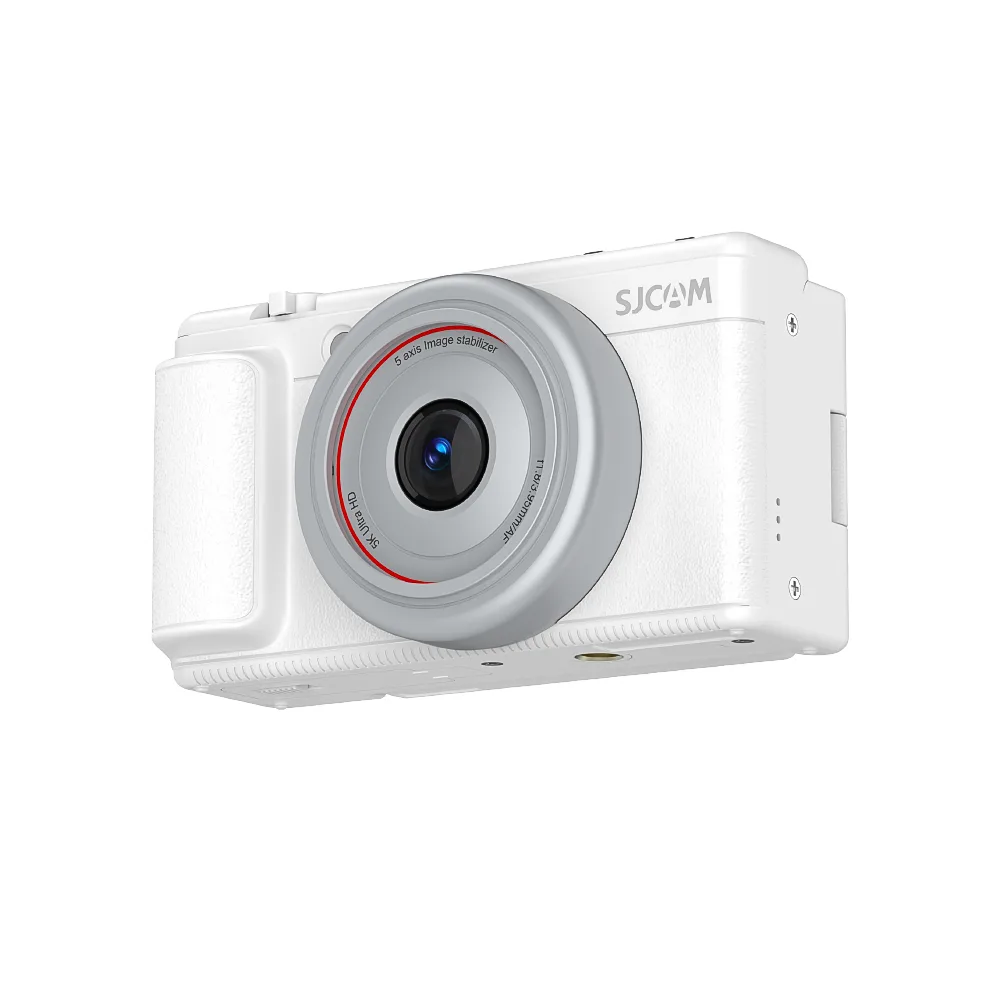


Choosing between the SJCAM C400 és C400 Pro comes down to what matters most in your videos: better image quality, smoother stabilization, clearer audio, or longer recording time.
Both cameras offer 4K video recording, a detachable 3-in-1 design, and a wireless handheld controller with a rotatable touchscreen. However, the C400 Pro introduces a larger image sensor, upgraded stabilization, and external wireless microphone support. Meanwhile, the original C400 still has an important advantage: longer battery life.
So, is the SJCAM C400 Pro worth choosing over the C400? Let’s compare their key features and find out which camera better fits your shooting needs.
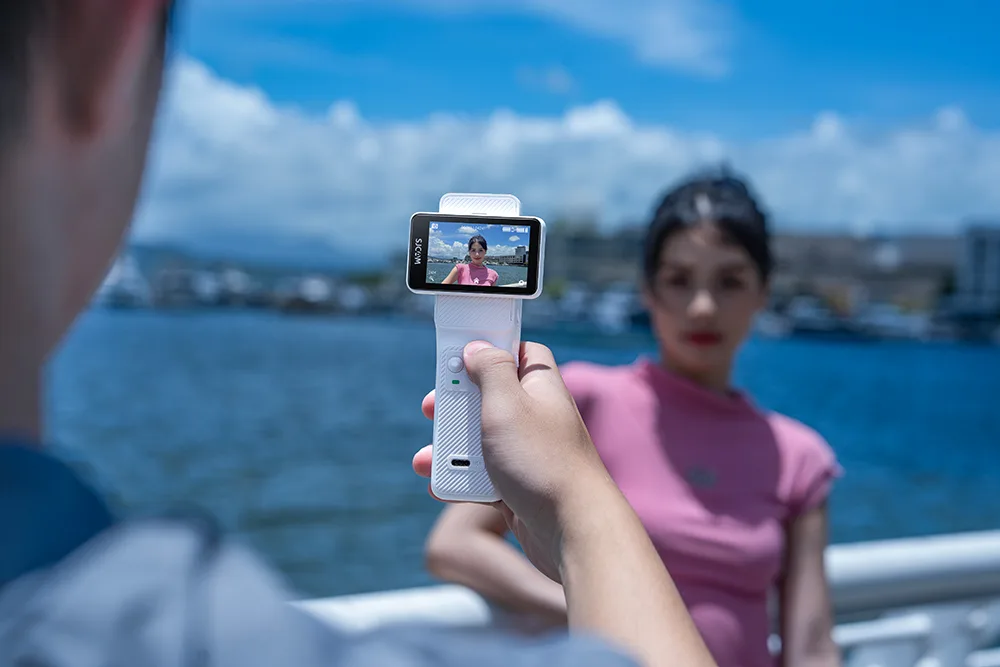
C400 Pro
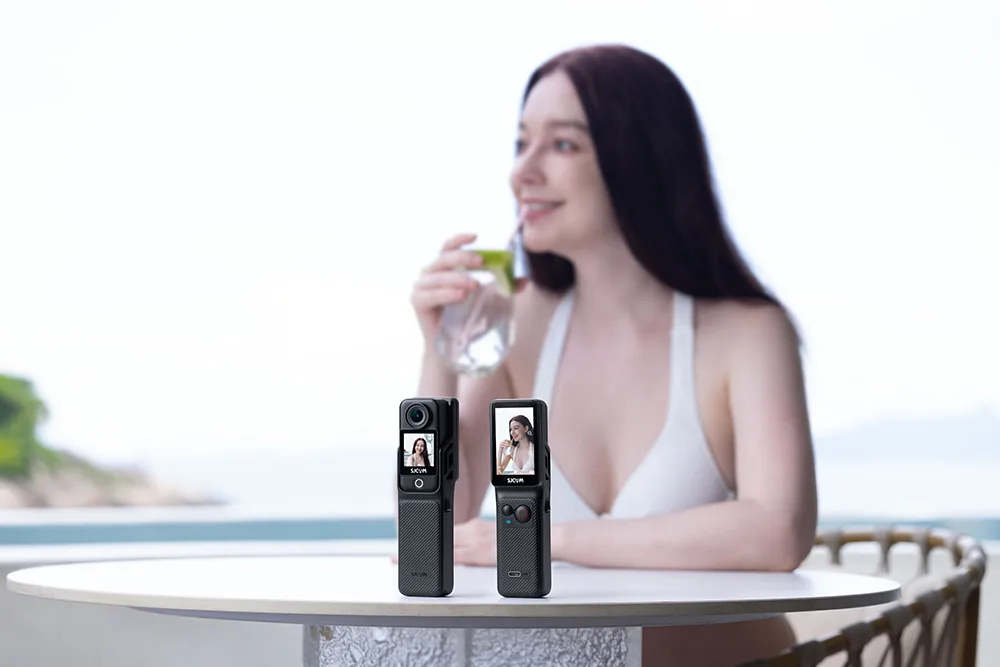
C400
SJCAM C400 vs C400 Pro: Quick Comparison
Before exploring their differences, here’s a side-by-side comparison of the two cameras.
| Jellemző | SJCAM C400 | SJCAM C400 Pro |
|---|---|---|
| Videó felbontás | 4K/30 képkocka/másodperc | 4K/30 képkocka/másodperc |
| Képérzékelő | 1/2.8-inch CMOS | 1/1.8-inch CMOS |
| Látómező | 154° | 160° |
| Nyílás | f/2.0 | f/1.9 |
| Stabilizáció | SteadyMotion V1.0 | SteadyMotion V2.0 |
| Handheld Touchscreen | 2.29-inch | 2.29-inch |
| Külső mikrofon | Nem támogatott | Supports M4 wireless mic |
| Hangvezérlés | Nem támogatott | Támogatott |
| Battery Life (Camera Only) | Up to 172 minutes | Up to 120 minutes |
| Battery Life (With Handle) | Up to 437 minutes | Up to 300 minutes |
| Weight (With Handle) | 189 g | 189 g |
| Vízálló | 30 méter vízálló tokkal | 30 méter vízálló tokkal |
Battery life figures are based on SJCAM’s published specifications for 4K/30fps recording. Actual runtime varies with settings and operating conditions.
Quick Verdict: The C400 Pro is the better choice for vloggers and content creators who prioritize image quality, stabilization, and audio flexibility. The C400 remains a strong option for travelers and everyday users who value longer recording time.
Image Quality: Does the C400 Pro Make a Difference?
One of the biggest differences between the SJCAM C400 and C400 Pro is their image sensors.
Larger Sensor for Better Low-Light Potential
The C400 uses a 1/2.8-inch CMOS sensor, while the C400 Pro features a larger 1/1.8-inch CMOS sensor.
A larger sensor generally provides greater light-gathering potential, which can help produce cleaner footage in challenging lighting conditions. The C400 Pro also features a slightly wider f/1.9 aperture compared with the C400’s f/2.0 aperture.
These upgrades make the C400 Pro particularly appealing for indoor recording, evening walks, and travel videos shot in changing light.
However, sensor size alone doesn’t determine final video quality. Image processing, exposure settings, and shooting conditions also affect the results.
4K Video Recording and Field of View
Both cameras support 4K recording at 30fps, so upgrading to the C400 Pro doesn’t increase the maximum standard 4K frame rate.
Instead, the Pro model focuses on improving the overall imaging system.
The C400 Pro also features a wider 160° field of view, compared with the C400’s 154°. This allows the Pro model to capture more of the surrounding scene, which can be useful for POV recording, travel vlogs, and filming in confined spaces.
Which should you choose? If you mainly record outdoors in daylight, the C400 offers a capable 4K setup. If you frequently shoot indoors, in the evening, or under mixed lighting, the C400 Pro’s upgraded imaging hardware makes it the more attractive choice.
Stabilization: SteadyMotion V1.0 vs. V2.0
Video stabilization is essential when recording handheld footage or capturing activities involving constant movement.
The SJCAM C400 uses SteadyMotion V1.0, supported by six-axis gyroscope stabilization. It is designed to reduce visible camera shake during everyday activities such as walking and casual outdoor recording.
The C400 Pro introduces SteadyMotion V2.0, an upgraded stabilization algorithm designed to deliver smoother footage during movement.
This improvement is especially relevant for activities such as:
- Walking while recording travel vlogs
- Cycling on uneven roads
- Capturing handheld footage without a gimbal
- Recording outdoor adventures from different angles
Both cameras are designed for active shooting, but the C400 Pro offers the newer stabilization technology.
Keep in mind that actual stabilization performance depends on shooting conditions, mounting position, and camera movement. A side-by-side recording under identical conditions is the best way to evaluate the visible difference.
Verdict: The C400 Pro has the advantage in stabilization technology, making it a more suitable option for buyers who frequently record moving footage.
Audio Recording: A Key Upgrade for Vloggers
Audio quality can be just as important as image quality, especially when creating travel vlogs, interviews, or talking-to-camera videos.
Both the C400 and C400 Pro feature a built-in microphone for everyday recording.
However, there is one significant difference.
The SJCAM C400 Pro supports the SJCAM M4 vezeték nélküli mikrofon, while the original C400 does not support an external microphone.
The M4 wireless microphone option gives C400 Pro users additional flexibility when recording spoken content. For example, a wireless microphone can be useful when filming yourself from a distance, recording interviews, or capturing dialogue while moving.
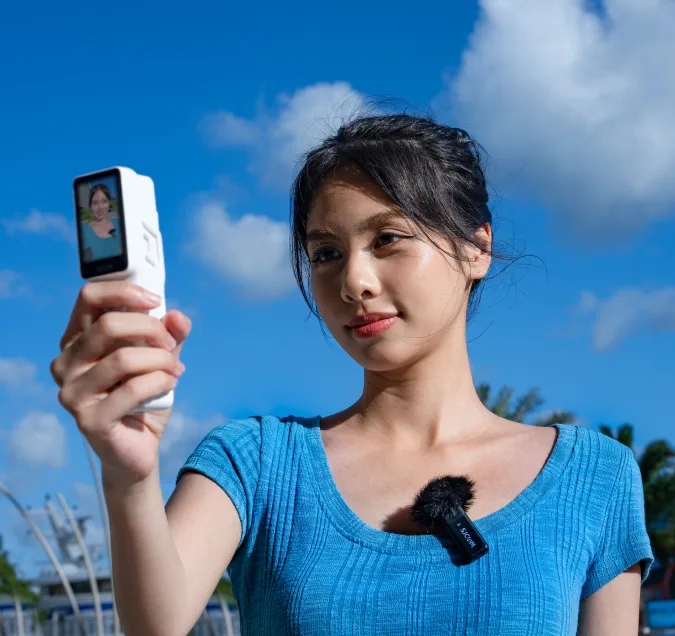
It is important to note that the C400 Pro supports the compatible M4 wireless microphone, not wired external microphones.
For users who primarily record scenery, sports footage, or everyday moments without much dialogue, the C400’s built-in microphone may be sufficient.
Verdict: If spoken audio is an important part of your videos, the C400 Pro is the clear winner.
Battery Life: Which Camera Records Longer?
While the C400 Pro offers several technical upgrades, the original C400 has an advantage when it comes to battery runtime.
According to SJCAM’s published specifications, the recording times at 4K/30fps are:
| Recording Setup | C400 | C400 Pro |
|---|---|---|
| Csak kamera | Up to 172 minutes | Up to 120 minutes |
| Camera + Handheld Controller | Up to 437 minutes | Up to 300 minutes |
With the handheld controller attached, the C400 offers up to 137 minutes more recording time based on the official figures.
This difference may matter when shooting during long sightseeing trips, outdoor excursions, or situations where charging opportunities are limited.
For example, if you plan to record throughout a full day of travel, the C400’s longer advertised runtime could mean fewer interruptions.
The C400 Pro still offers up to five hours of recording with its handheld controller, which may be sufficient for many everyday shooting situations.
Actual battery life will vary depending on settings, ambient temperature, and operating conditions.
Verdict: Choose the C400 if maximizing recording time is your priority. The C400 Pro remains practical for regular vlogging and travel recording, but it has a shorter rated runtime.
Design and Usability: What Do They Have in Common?
Despite their technical differences, the C400 and C400 Pro share a similar design philosophy.
Both use SJCAM’s flexible 3-in-1 system, allowing users to switch between a compact camera module and a handheld recording setup.
Detachable Design for Flexible Recording
The camera module can be detached from the handheld controller, making it easier to use in situations where portability and hands-free recording matter.
For example, you can use the compact camera module for POV footage or attach the handheld controller when you need easier framing and camera operation.
This versatility makes both models suitable for travel, everyday recording, and creative content production.
Rotatable Touchscreen and Wireless Control
Both models feature a 2.29-inch touchscreen on the handheld controller.
The rotatable design makes it easier to adjust the screen orientation when recording from different angles. The wireless controller also allows users to preview footage and operate the camera without constantly touching the camera module.
For solo creators, this can make framing shots more convenient.
Both models weigh approximately 189g with the handheld controller, so there is no significant weight difference between them.
The C400 Pro additionally supports voice control, offering another way to operate the camera in supported situations.
Verdict: Both cameras deliver similar portability and flexibility. The C400 Pro adds some operating convenience, but buyers who mainly value the detachable design will find both options appealing.
SJCAM C400 vs C400 Pro: Which Is Better for Your Needs?
The best choice depends on how you plan to use your camera.
| Shooting Scenario | Ajánlott kamera | Why? |
|---|---|---|
| Travel and sightseeing | C400 | Longer advertised battery life |
| Vlogging and interviews | C400 Pro | M4 wireless microphone support |
| Indoor and evening recording | C400 Pro | Larger sensor and wider aperture |
| Extended outdoor recording | C400 | Longer rated recording time |
| Walking and cycling videos | C400 Pro | Upgraded SteadyMotion V2.0 |
| Hands-free POV recording | Both | Compact detachable camera design |
| Social media video creation | C400 Pro | Higher-resolution vertical video mode and audio flexibility |
| Everyday casual recording | C400 | Practical 4K recording and long battery life |
For Travel and Outdoor Adventures
If you spend long hours exploring new places and want to record without frequently recharging, the C400 is worth considering.
Its combination of compact design, 4K recording, and extended battery runtime makes it practical for everyday travel footage.
For Vlogging and Content Creation
If you regularly record yourself speaking to the camera, the C400 Pro offers meaningful advantages.
Its larger sensor, upgraded stabilization, and compatible wireless microphone make it a more versatile choice for creators who want greater flexibility in both video and audio recording.
For Hands-Free POV Recording
Both cameras can be detached from their handheld controllers and used as compact camera modules.
For this type of filming, your choice may depend more on battery requirements, mounting accessories, lighting conditions, and whether you need the Pro model’s additional features.
Price and Value: Is the C400 Pro Worth Choosing?
Price is another important consideration when comparing the SJCAM C400 and C400 Pro.
Rather than focusing only on which model costs less, consider the features you will actually use.
The original C400 already provides 4K/30fps recording, a detachable design, a rotatable touchscreen, and long battery life. If these features meet your needs, you may not benefit much from the Pro model’s additional capabilities.
The C400 Pro, on the other hand, adds several features that may justify choosing it:
- A larger 1/1.8-inch image sensor
- SteadyMotion V2.0 stabilizáció
- M4 wireless microphone compatibility
- Voice control
- A wider 160° field of view
- Higher-resolution native vertical video recording
These upgrades are particularly valuable for people who create videos regularly and want greater flexibility across different recording situations.
The relative value of each model also depends on current promotions, product bundles, and included accessories. Check the latest prices before making your decision.
Our Recommendation: If your priority is long battery life and straightforward 4K recording, the C400 remains a compelling choice. If you care more about imaging hardware, external wireless audio, and upgraded stabilization, choose the C400 Pro.
Final Verdict: SJCAM C400 or C400 Pro?
Both the SJCAM C400 and C400 Pro offer a flexible approach to 4K recording, but they are designed to meet slightly different priorities.
The SJCAM C400 is a great choice for travelers, beginners, and everyday users who appreciate its detachable design and longer recording time.
The SJCAM C400 Pro is the better option for vloggers, content creators, and users who want upgraded imaging hardware, newer stabilization technology, and wireless microphone support.
If you’re buying a camera primarily for creating videos with spoken commentary, indoor scenes, and moving footage, we recommend the C400 Pro.
However, if extended recording time matters more than the additional features, the original C400 is still worth considering.
Ultimately, the best camera isn’t necessarily the newest one. It’s the one that best matches how, where, and what you plan to film.
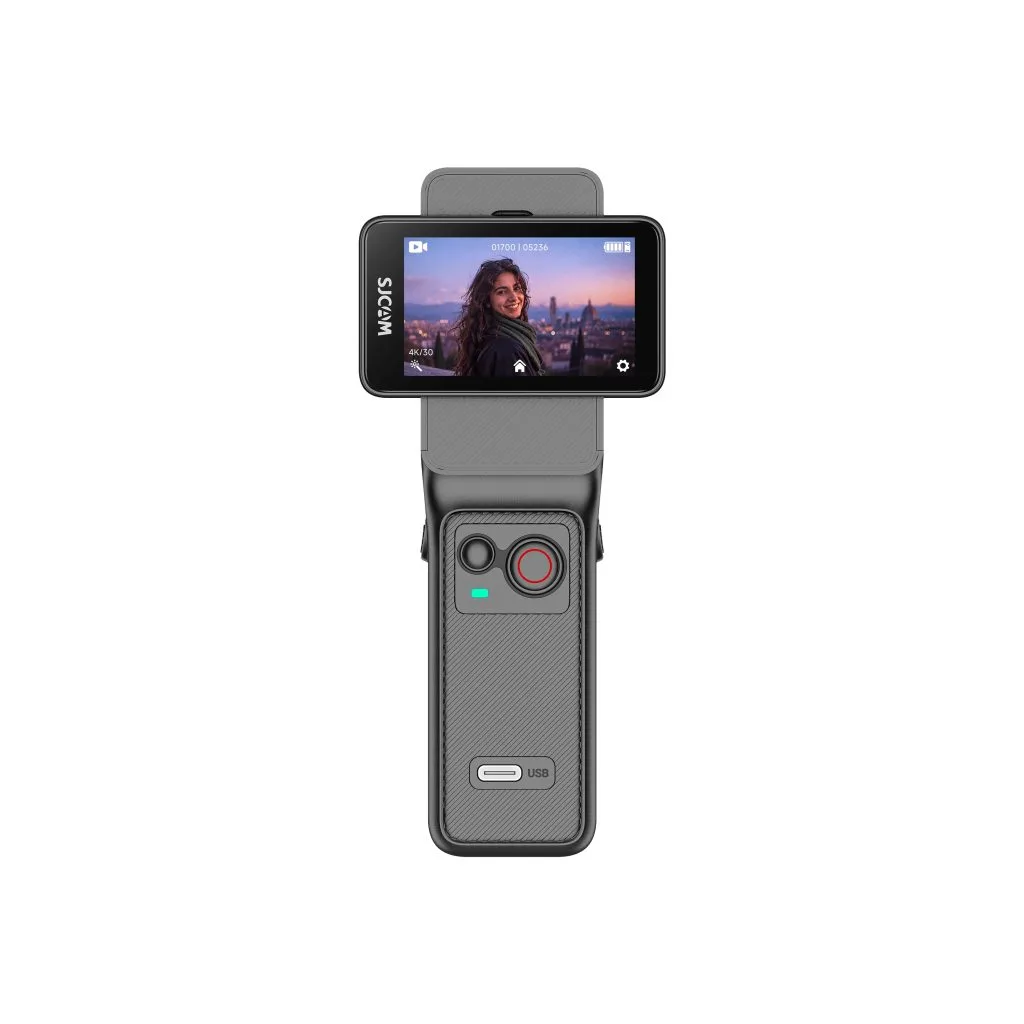
C400 Pro
The SJCAM C400 Pro combines 4K video recording, a detachable camera design, a rotatable flip screen, and wireless handheld control for versatile shooting. With SteadyMotion V2.0 stabilization and voice control, it makes capturing travel vlogs, outdoor adventures, and everyday moments easier and more convenient.
C400
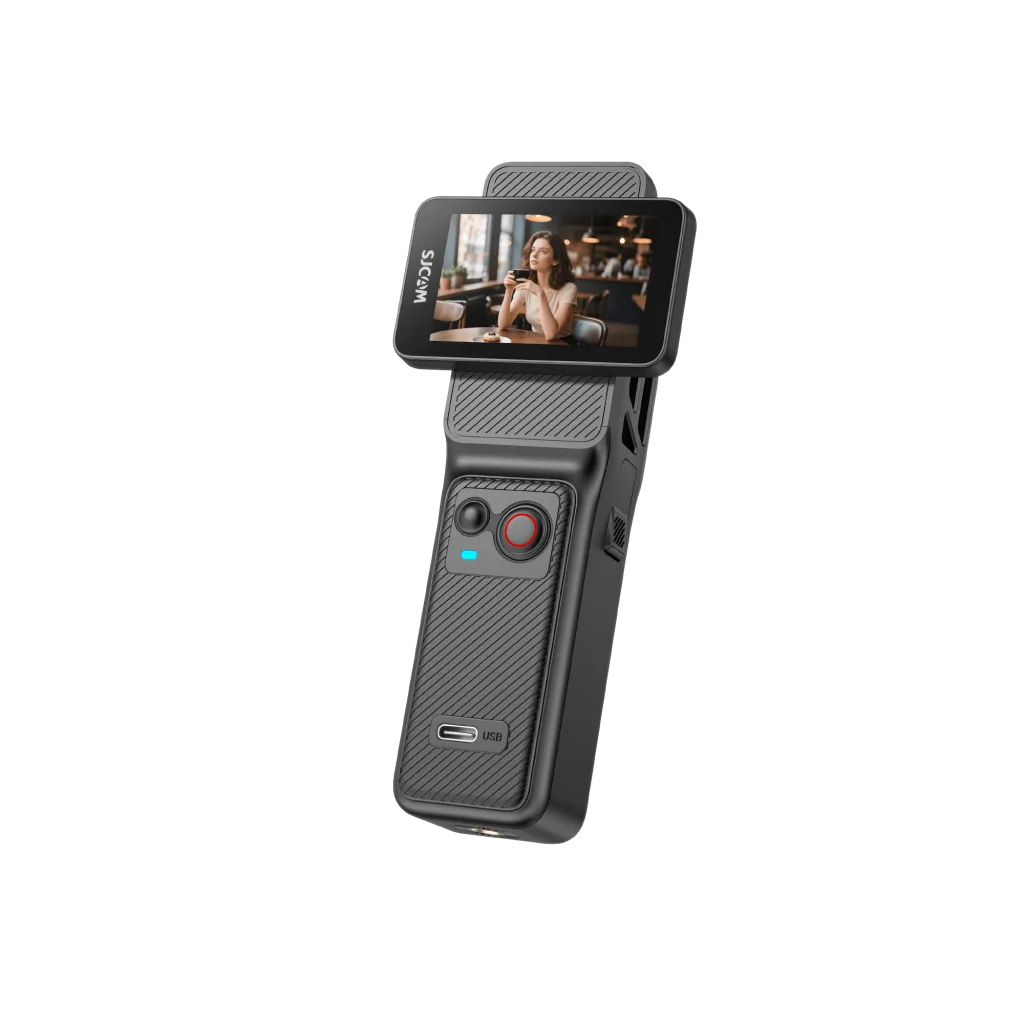
The SJCAM C400 features 4K video recording, a detachable camera design, a rotatable flip screen, and a wireless handheld controller for flexible shooting. With image stabilization and easy-to-use controls, it’s ideal for travel vlogs, daily adventures, and capturing life’s special moments.
GYIK
The C400 Pro offers upgraded imaging hardware, SteadyMotion V2.0 stabilization, wireless microphone compatibility, and voice control. However, the C400 provides longer advertised battery life. The better choice depends on your recording priorities.
Yes. Both the C400 and C400 Pro support 4K video recording at 30fps. The Pro model features a larger image sensor and a wider field of view rather than a higher maximum standard 4K frame rate.
No. The original C400 does not support an external microphone. The C400 Pro supports the compatible SJCAM M4 wireless microphone but does not support wired external microphones.
The C400 has longer advertised battery life. With the handheld controller, it supports up to 437 minutes of 4K/30fps recording, compared with up to 300 minutes for the C400 Pro.
Some accessories designed for the C400 series may work with both models, but compatibility should be checked for each accessory. Pay particular attention to waterproof housings, mounting adapters, and electronic accessories before purchasing.
If you already own the C400, upgrading is most worthwhile if you need better low-light imaging potential, the newer stabilization system, voice control, or M4 wireless microphone compatibility. If your current camera meets your needs and you value long recording time, keeping the C400 may be the more practical decision.