





 Inglese
 Cinese (Cina)
 spagnolo
 Tedesco
 francese
 giapponese
 coreano
 bulgaro
 greco
 indonesiano
 Cinese (Hong Kong)
 russo
 danese
 finlandese
 ungherese
 Turco
 Olandese
 portoghese
 svedese
 rumeno
 slovacco
 serbo
 norvegese
 croato
 albanese
 catalano
 ceco
 Estone
 armeno
 bengalese
 Amarico
 Polacco
 tailandese
 ucraino
 vietnamita
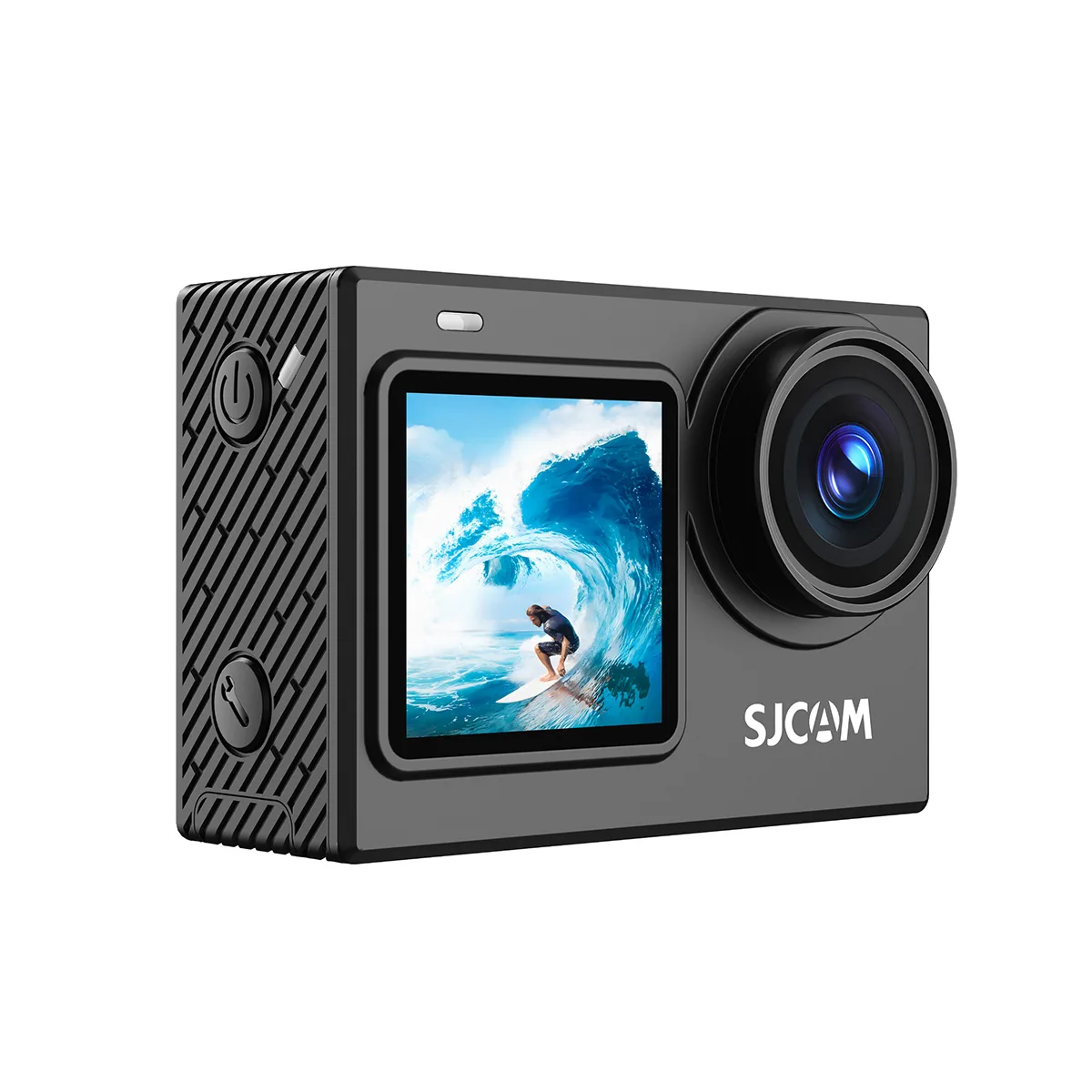
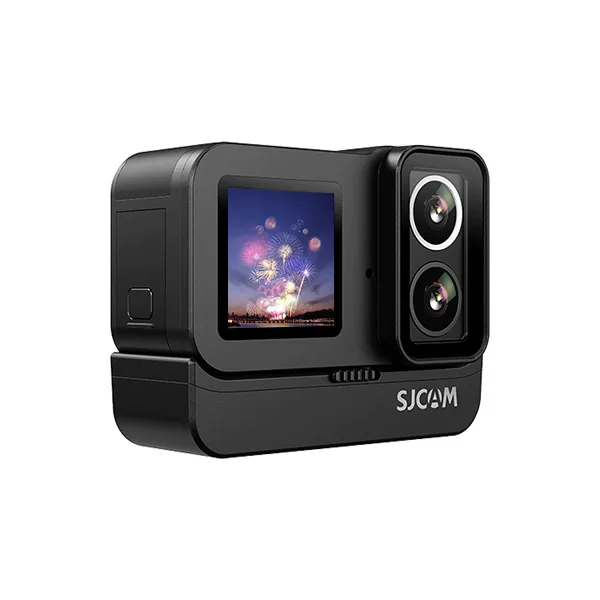
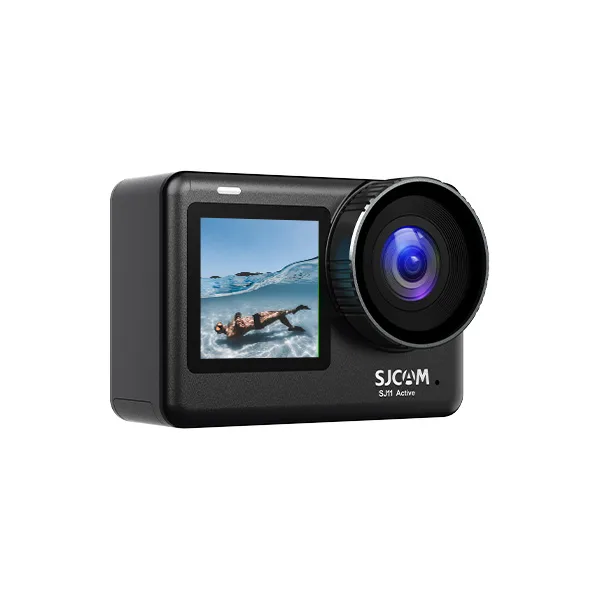
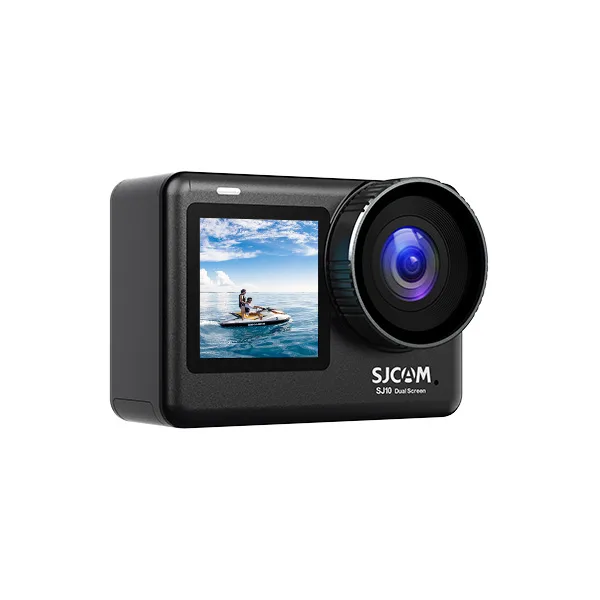
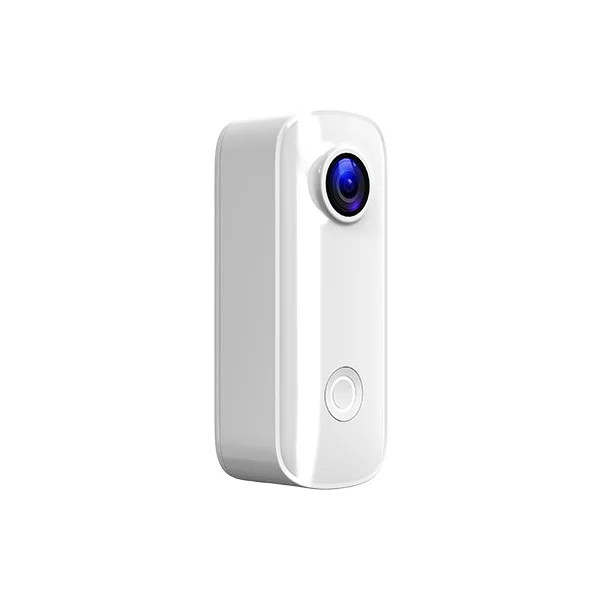
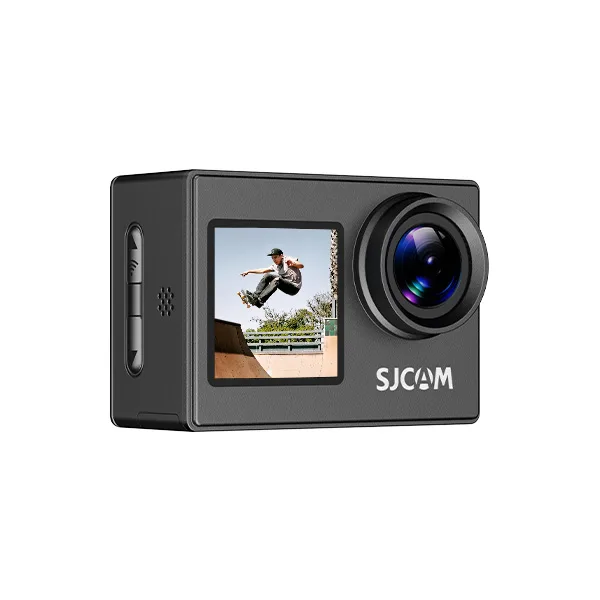
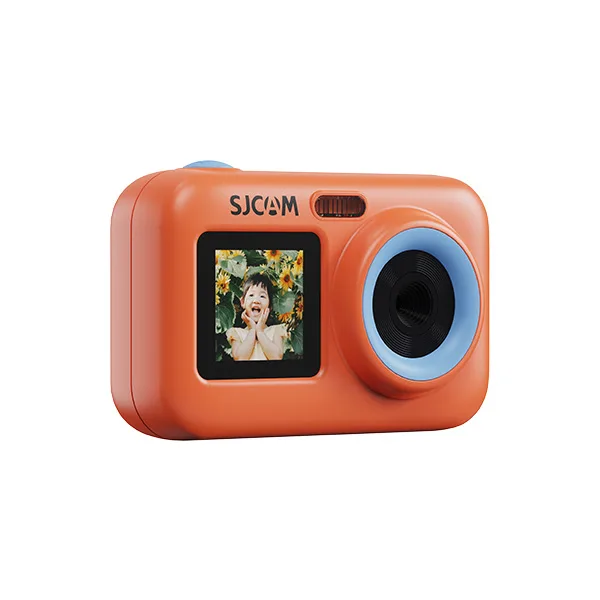
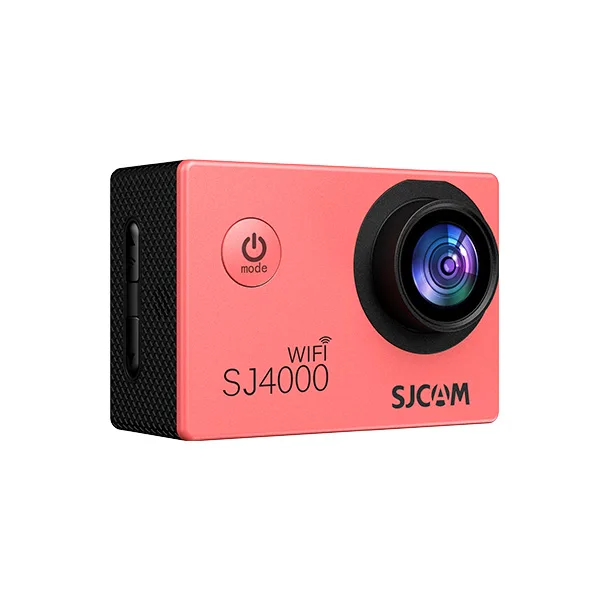
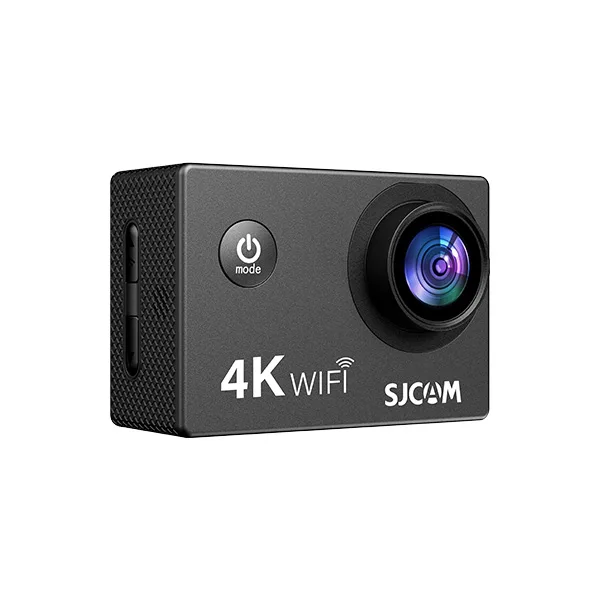
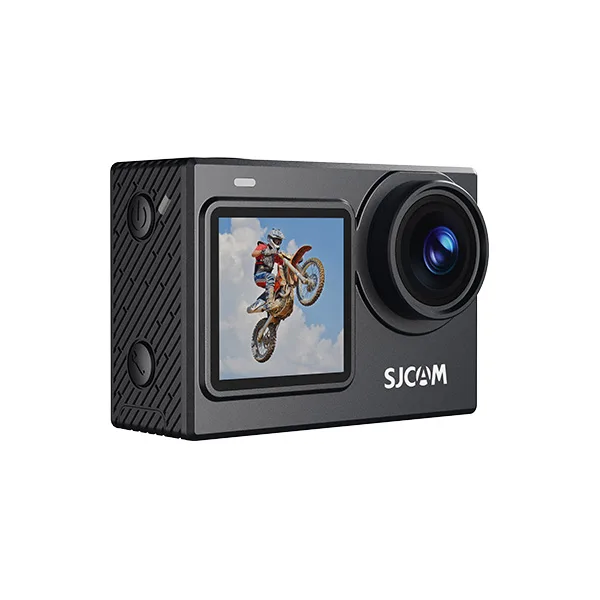
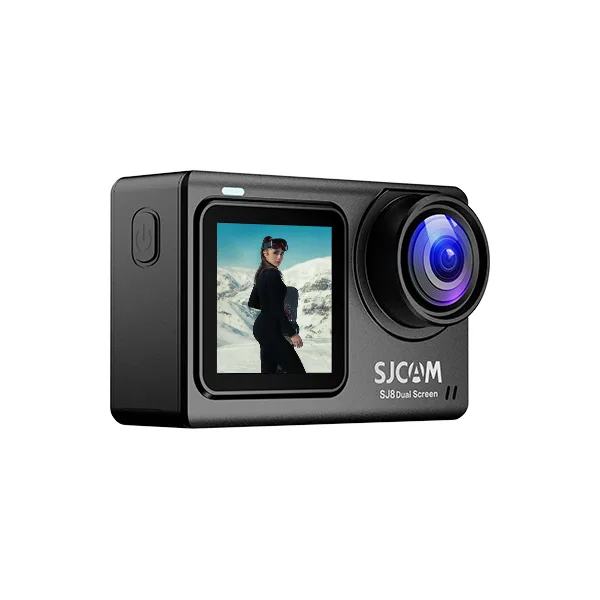
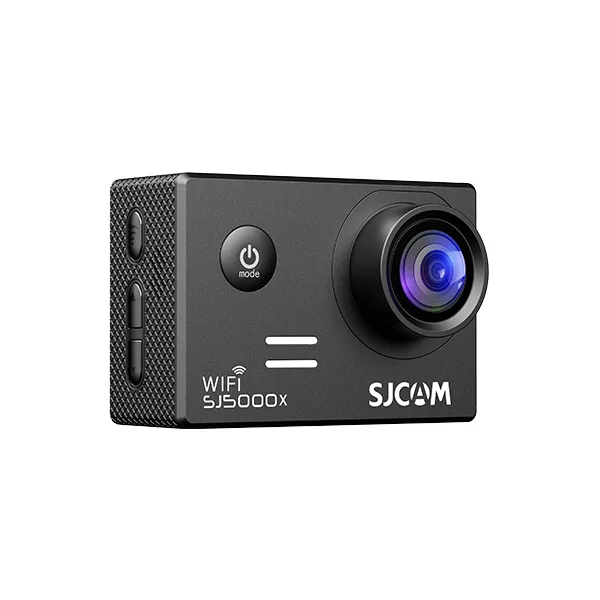

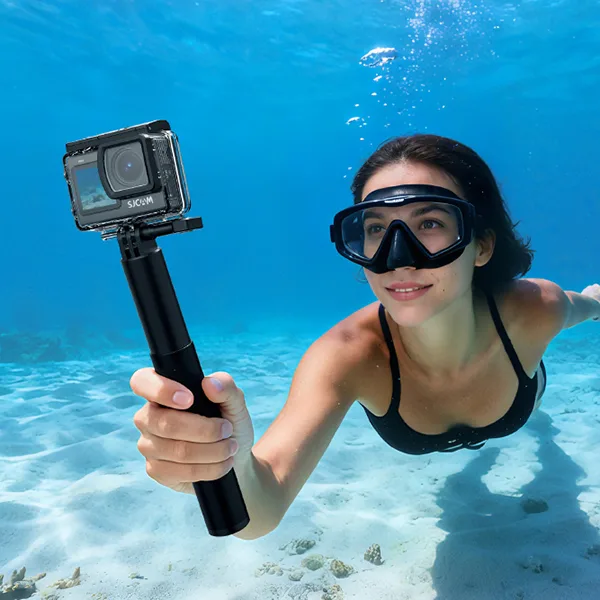
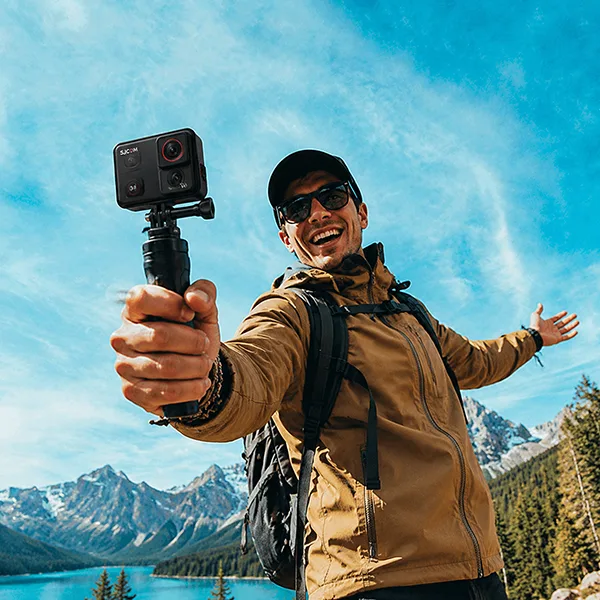
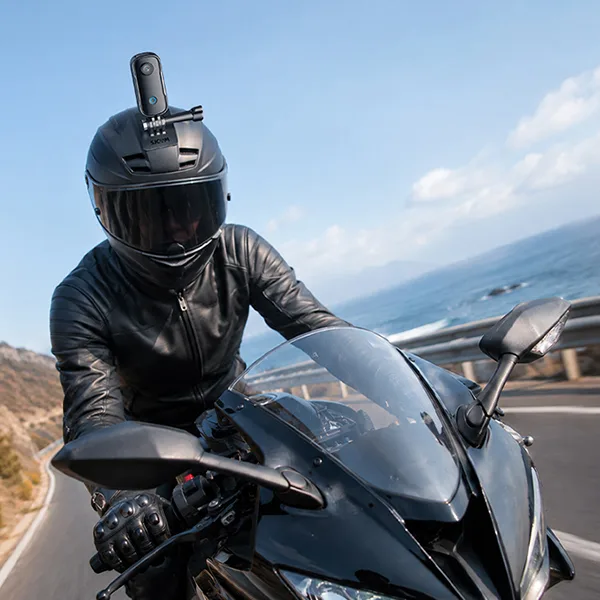
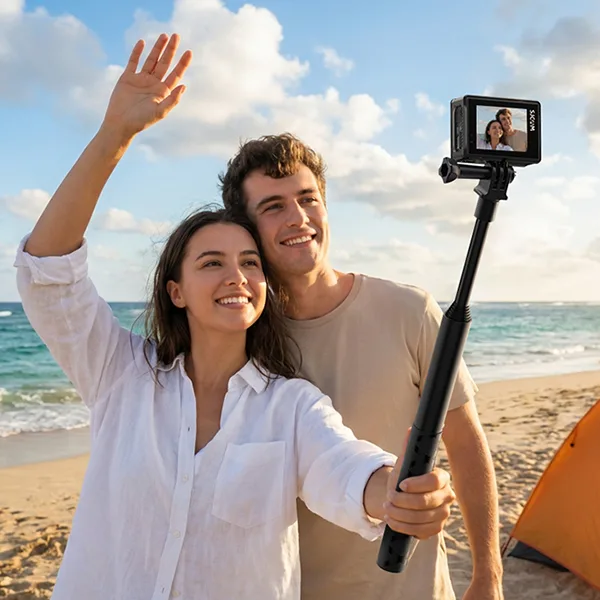


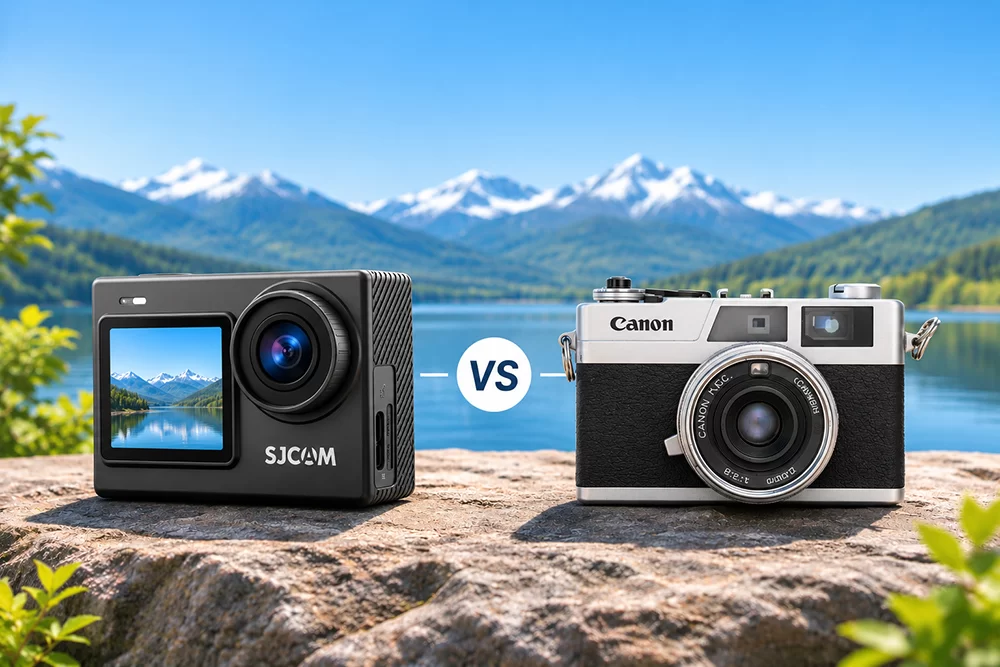
Choosing between an action camera and a compact camera can be tricky, especially when both promise great travel photos and videos in a portable design.
An action camera is generally better for hiking, cycling, water sports, and hands-free travel videos. A compact digital camera is often better for photography, optical zoom, and capturing distant subjects. Meanwhile, a compact gimbal camera can be a good choice for smooth handheld travel vlogs.
The right camera depends on what you plan to shoot, how you travel, and whether photos or videos matter more to you.
This guide compares action cameras and compact cameras across image quality, stabilization, durability, and real-world travel situations to help you make the right choice.
Action Camera vs. Compact Camera: Quick Comparison
Both camera types are portable, but they’re designed for different shooting experiences.
| Caratteristica | Fotocamera d'azione | Compact Digital Camera |
|---|---|---|
| Main Purpose | Action, adventure, and POV video | Everyday photography and travel |
| Photo Quality | Good for wide-angle scenes | Often more flexible for photography |
| Video Recording | Commonly offers 4K and high-frame-rate modes | Varia a seconda del modello |
| Optical Zoom | Usually limited or unavailable | Available on many models |
| Stabilizzazione | Often electronic stabilization | Optical or digital stabilization |
| Impermeabilizzazione | Some models support water resistance or protective housings | Usually requires a specifically rated model |
| Opzioni di montaggio | Helmet, chest, bicycle, and backpack mounts | Usually handheld or tripod-mounted |
| Portabilità | Compact and easy to wear | Portable but often larger |
| Ideale per | Outdoor adventures and hands-free recording | Sightseeing, portraits, and travel photography |
Verdetto rapido: Choose an action camera if you spend more time recording activities than taking photos. Choose a compact camera if you want flexible framing, optical zoom, and a camera primarily for photography.
What Is the Difference Between an Action Camera and a Compact Camera?
The biggest difference is how each camera is designed to be used.
Cos'è una action camera?
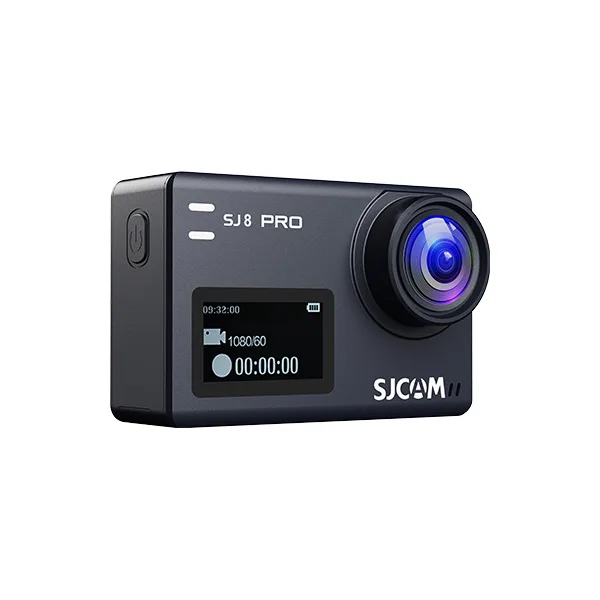
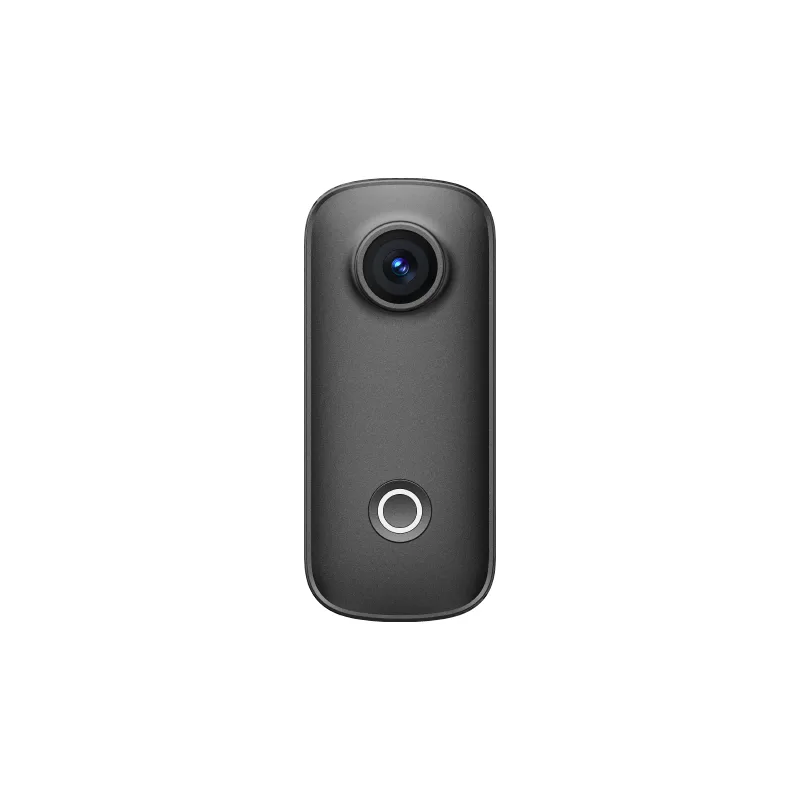
An action camera is a small camera designed to capture video during movement and outdoor activities.
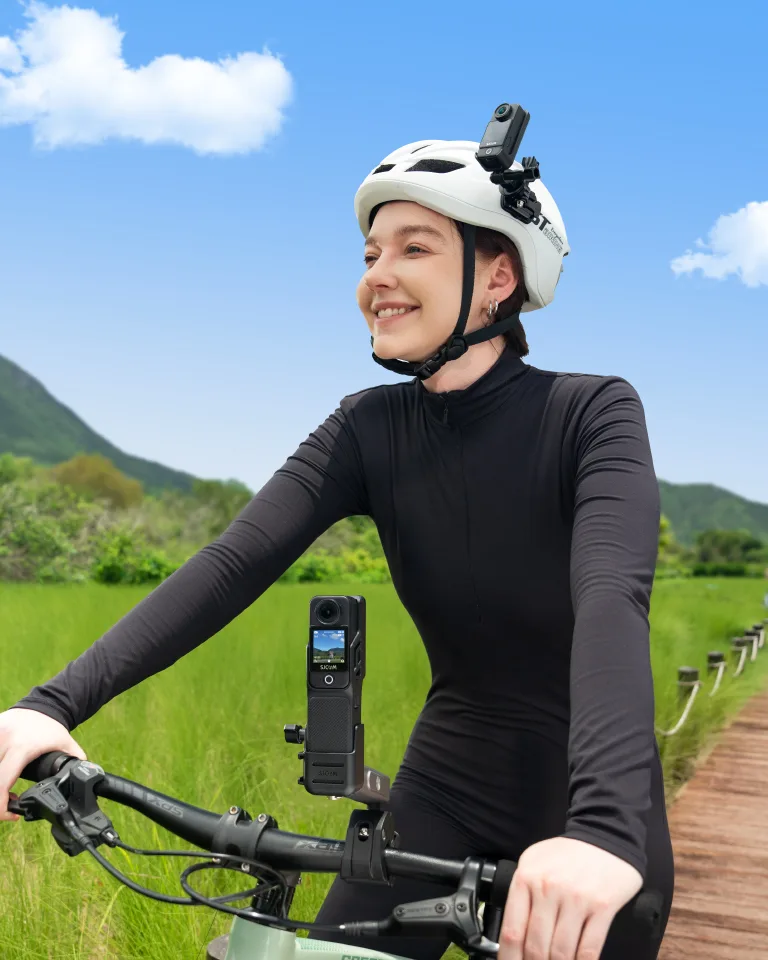
Most action cameras feature wide-angle lenses, compact bodies, and video stabilization. They can also be attached to helmets, bicycles, backpacks, and other equipment using compatible mounts.
These features make action cameras particularly useful for first-person or POV recording.
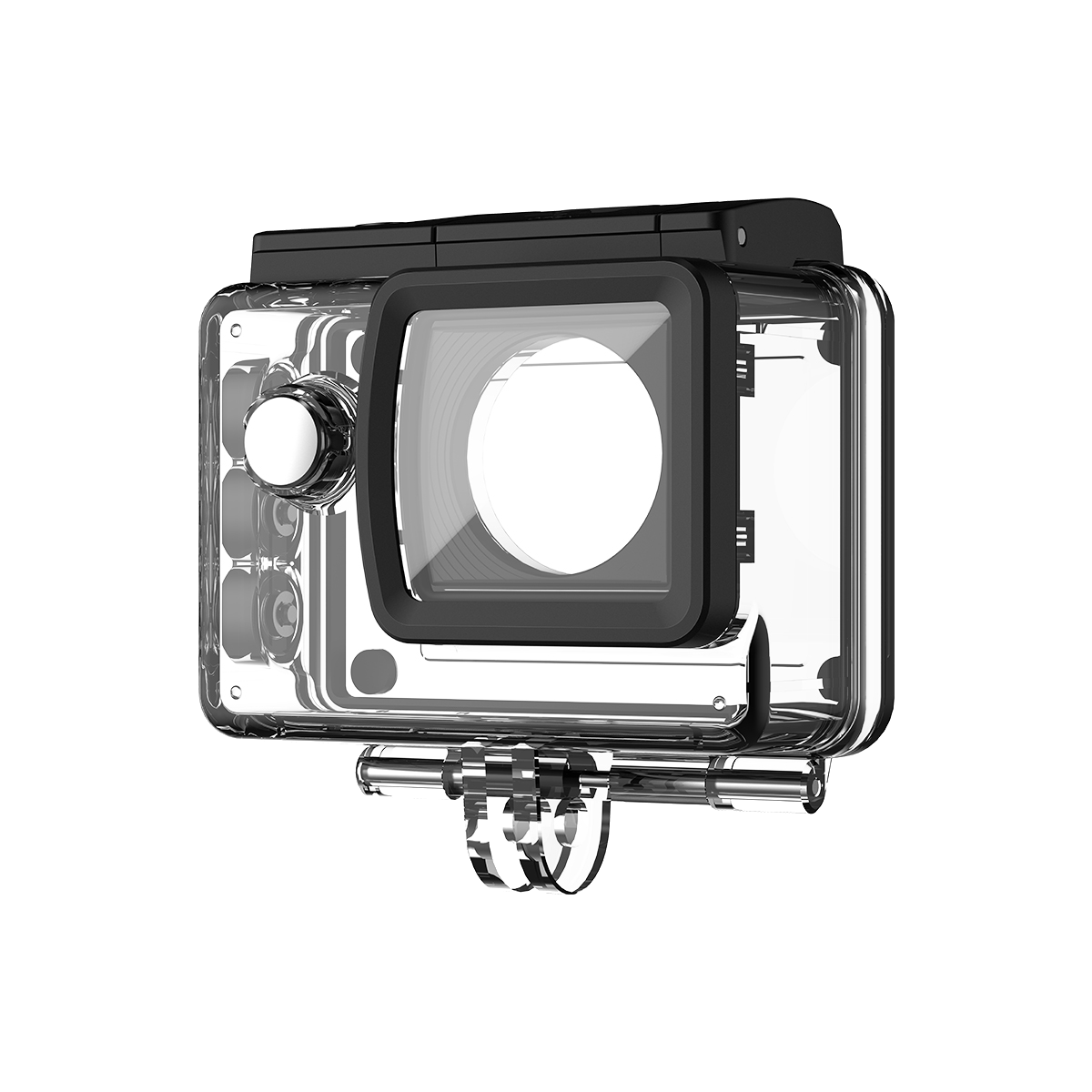
Some models offer built-in water resistance, while others require a waterproof housing for certain activities.
What Is a Compact Digital Camera?
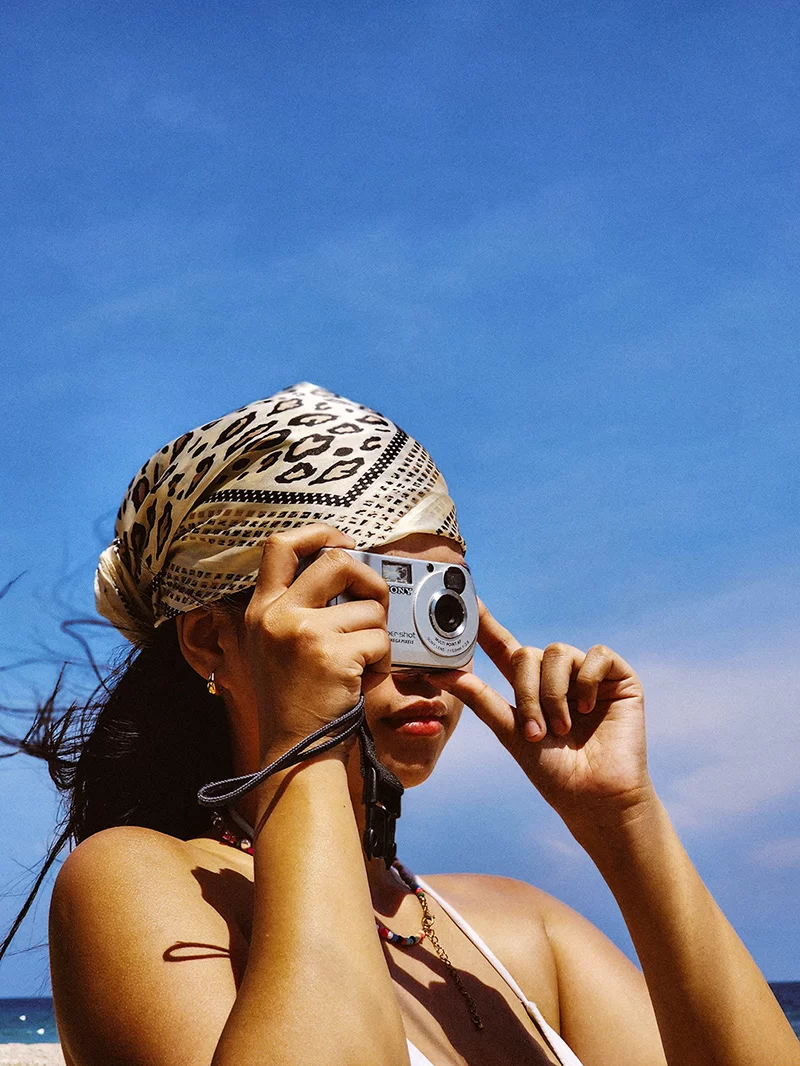
A compact digital camera, also known as a point-and-shoot camera, is a portable camera with a built-in lens.
Unlike most action cameras, many compact cameras offer optical zoom, allowing users to photograph distant subjects without relying entirely on digital cropping.
They are often used for travel photography, portraits, architecture, and everyday moments.
Image quality varies widely. Some compact cameras use small sensors, while premium models offer larger sensors and more advanced controls.
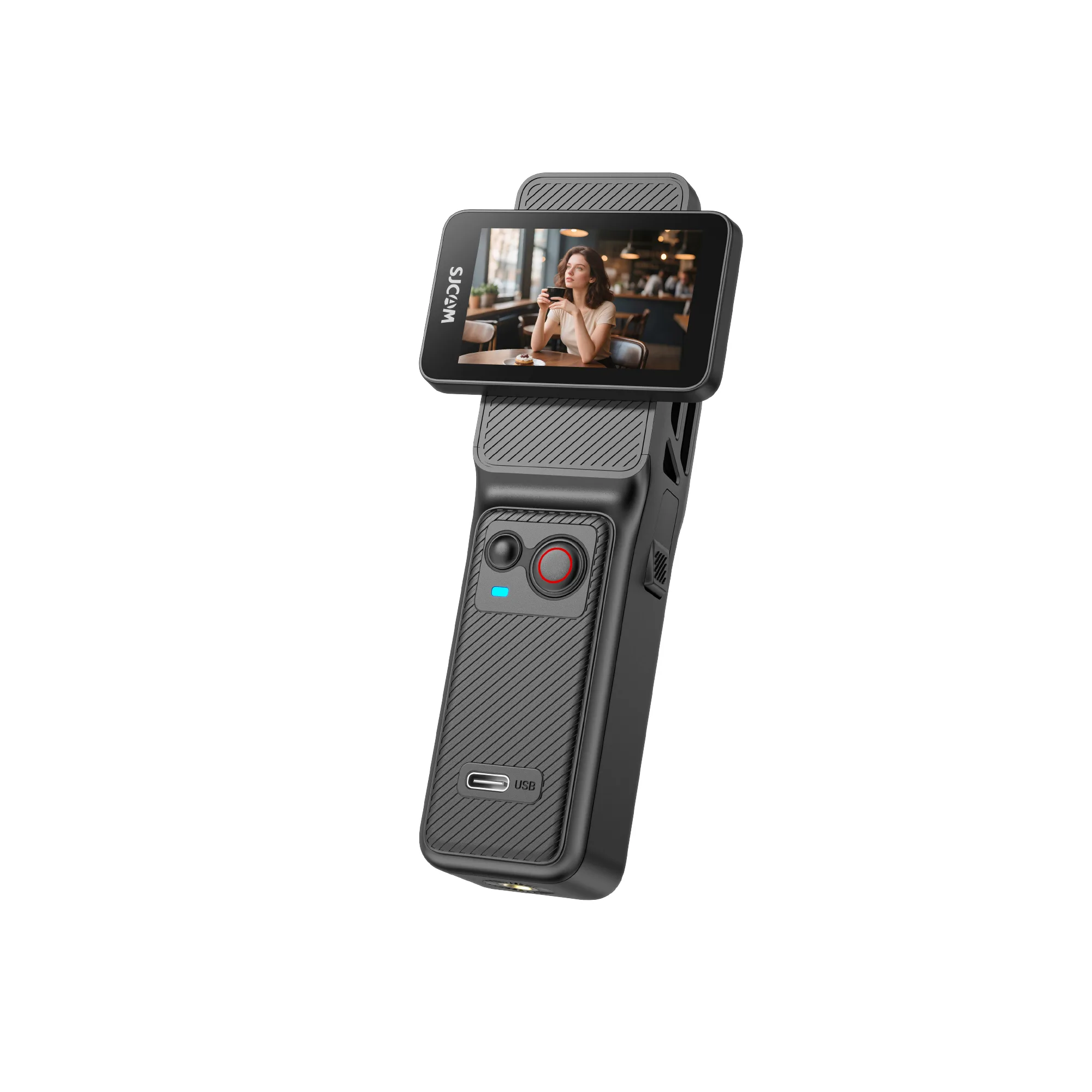
What About Compact Gimbal Cameras?
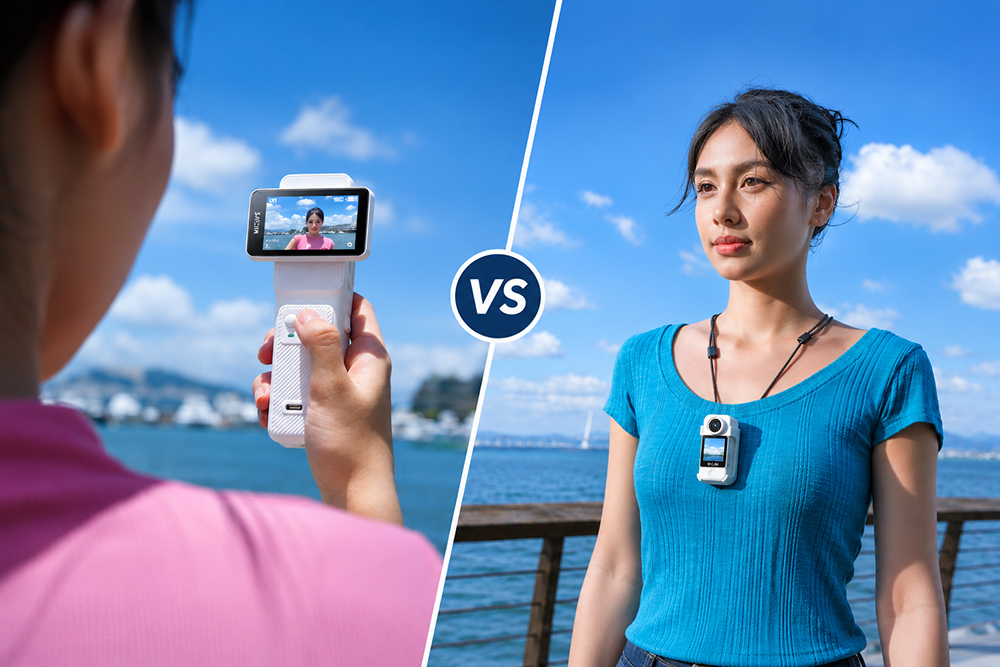
Compact gimbal cameras are a separate category designed primarily for portable video recording.
They use a mechanical gimbal to stabilize the camera during movement, making them useful for walking tours and handheld vlogging.
Unlike traditional compact digital cameras, they often prioritize video stabilization over optical zoom.
Understanding this distinction matters because not every compact camera has a gimbal, and not every compact camera is designed for the same type of travel content.
Image Quality: Which Camera Takes Better Travel Photos and Videos?
Image quality depends on more than whether a camera is labeled “action” or “compact.”
Sensor size, lens quality, processing, and recording settings all influence the results.
Travel Photography and Image Detail
Compact digital cameras often provide more flexibility for photography.
Models with larger sensors and suitable lenses may capture better dynamic range, cleaner low-light images, and more natural background separation.
Action cameras are designed primarily for wide-angle recording. They work well for capturing landscapes, outdoor activities, and immersive perspectives.
However, their wide field of view can make portraits and distant subjects harder to frame.
If photography is your main priority, a compact digital camera may be the better choice.
Optical Zoom vs. Wide-Angle Recording
Optical zoom is one of the clearest advantages of many compact cameras.
It allows you to photograph distant buildings, wildlife, or architectural details without physically moving closer.
Action cameras typically use fixed wide-angle lenses. This makes them useful for capturing more of the surrounding environment, particularly when recording sports or POV footage.
For example, a compact camera with optical zoom may be more useful when photographing wildlife on a trip. An action camera is better suited to recording your experience while hiking through the same landscape.
Low-Light and Night Photography
For night markets, indoor attractions, and evening street photography, sensor performance and lens aperture matter more than resolution alone.
A premium compact camera with a relatively large sensor and bright lens may outperform a smaller-sensor action camera in low light.
However, results vary by model, and some action cameras offer dedicated low-light recording features.
Before buying, compare real sample images or videos captured under similar lighting conditions.
Video Resolution and Frame Rates
Both action cameras and compact cameras may support 4K recording, although available frame rates vary.
Action cameras often emphasize high-frame-rate video for sports and slow-motion footage.
Compact cameras may offer more photography-oriented controls, while compact gimbal cameras focus on smooth handheld video.
If you’re unsure whether you need 4K, read our guide to Videocamere d'azione 1080p vs. 4K.
Stabilization: Action Camera EIS vs. Compact Camera OIS and Gimbal
Stabilization is essential when filming while walking or moving.
Different cameras use different technologies to reduce unwanted shake.
| Stabilization Type | Come funziona | Applicazioni comuni |
|---|---|---|
| Stabilizzazione elettronica dell'immagine (EIS) | Digitally adjusts footage using motion information | Videocamere d'azione e smartphone |
| Stabilizzazione ottica dell'immagine (OIS) | Physically compensates for camera movement through lens or sensor mechanisms | Many compact cameras |
| Mechanical Gimbal | Uses motors to stabilize and orient the camera | Compact gimbal cameras |
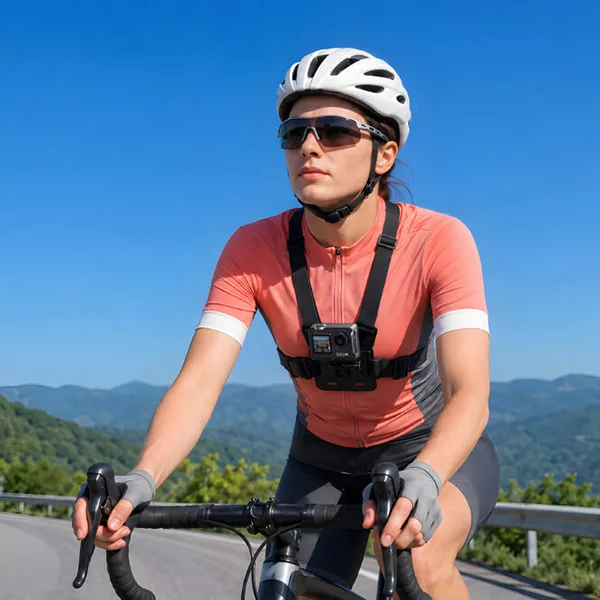
For cycling, skiing, and other active sports, an action camera with effective EIS and a secure mount can provide smooth POV footage.
For handheld walking videos, a compact gimbal camera may produce particularly fluid movement.
For stationary photography in lower light, optical stabilization can help reduce blur caused by camera shake, although it cannot freeze moving subjects.
No single stabilization method is always superior. The best choice depends on your shooting conditions.
Durability, Waterproofing, and Portability
Travel often involves unpredictable weather, crowded environments, and limited packing space.
Water and Dust Protection
Some action cameras are designed for outdoor use and offer water resistance or compatible waterproof housings.
Most traditional compact cameras aren’t intended for underwater recording unless specifically designed and rated for it.
For beach trips, kayaking, or snorkeling, an action camera with verified waterproof protection may be more practical.
However, waterproof performance varies by model and configuration.
For a detailed explanation of protection levels, read our Guida all'acquisto di fotocamere resistenti alle intemperie.
Dimensioni e peso
Both camera types can be portable, but action cameras are often smaller and easier to attach to clothing or equipment.
Compact cameras may offer better handling for photography, especially when they include a zoom lens and physical controls.
When packing for a trip, consider the complete setup, including mounts, batteries, protective cases, and chargers.
Registrazione a mani libere
This is one of the biggest advantages of an action camera.
With compatible accessories, you can mount it on a helmet, chest strap, or backpack and record without holding the camera.
Compact digital cameras are generally better suited to handheld photography or tripod use.
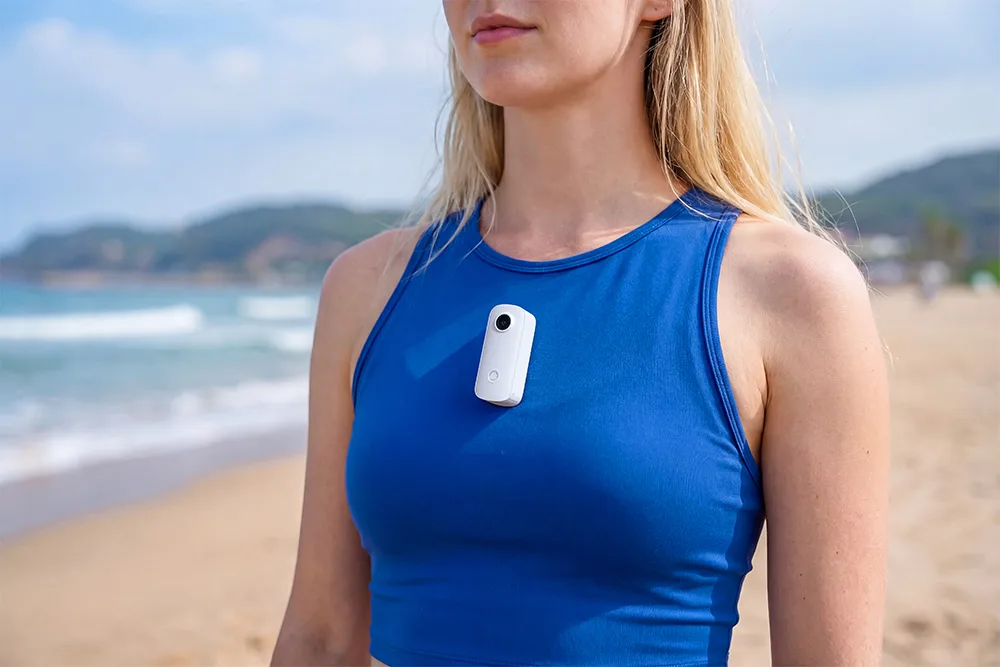
For travelers who want to document an activity while keeping their hands free, an action camera is often more convenient.
Action Camera vs. Compact Camera for Different Travel Styles
The best travel camera depends on where you’re going and what you want to capture.
| Travel Scenario | Better Choice | Main Reason |
|---|---|---|
| City Sightseeing | Compact camera | Flexible framing and optical zoom |
| Escursionismo e trekking | Action camera | Hands-free recording and portability |
| Ciclismo e mountain bike | Action camera | Secure mounting and POV footage |
| Beach and Snorkeling | Appropriately rated action camera | Water protection and mounting options |
| Wildlife Photography | Compact camera with optical zoom | Capturing distant subjects |
| Walking Travel Vlogs | Compact gimbal camera or action camera | Stabilized handheld recording |
| Night Markets | Camera with strong low-light performance | Better image quality in dim lighting |
| Family Vacations | Depends on priorities | Photography versus active video |
Hiking and Outdoor Adventures
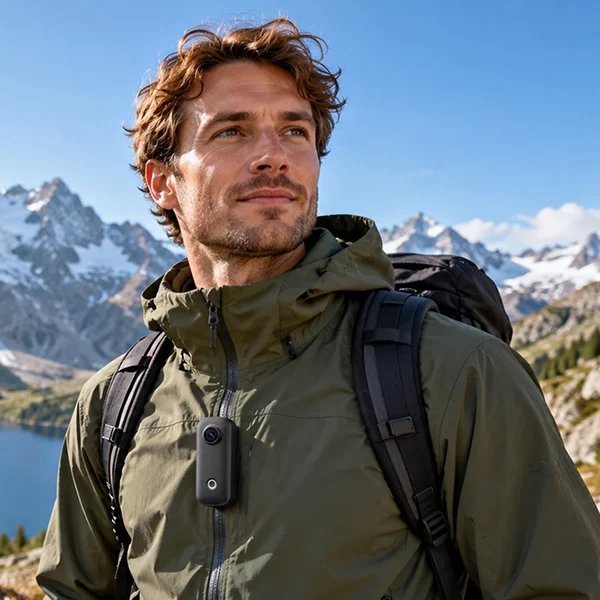
For hiking, an action camera is useful when you want to record the trail while walking.
Backpack clips, chest mounts, and other accessories allow hands-free recording without constantly stopping to take out your camera.
A compact camera is still useful if you want detailed landscape photographs or optical zoom.
Explore our Videocamere d'azione per l'escursionismo page for outdoor filming ideas.
City Travel and Sightseeing
Compact digital cameras are often better suited to city sightseeing.
Optical zoom helps capture architectural details, distant landmarks, and candid moments without requiring you to move closer.
For walking tours and immersive first-person footage, an action camera can complement a compact camera.
Skiing and Water Sports
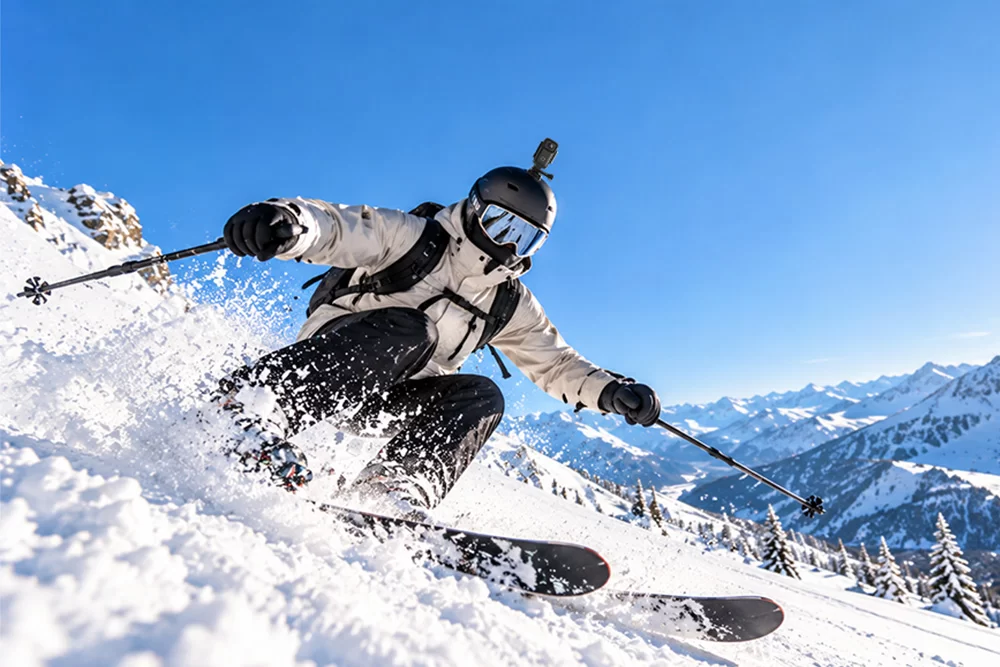
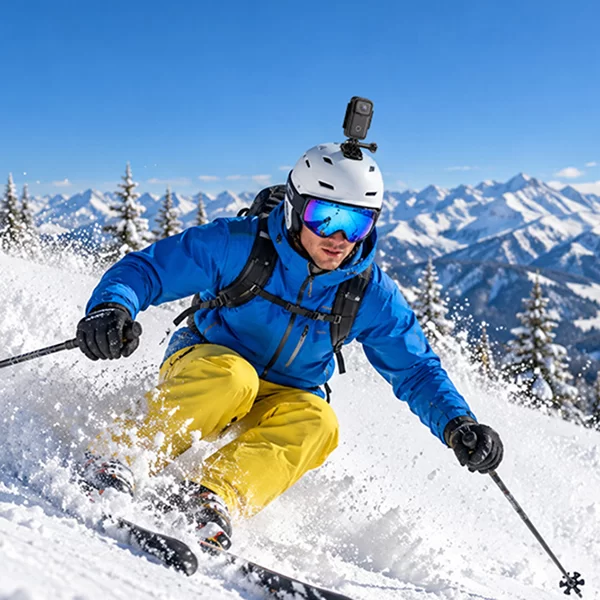
For skiing, snowboarding, and water sports, mounting flexibility and environmental protection become more important.
A compact action camera can be attached to suitable equipment, making it easier to record during movement.
Choose a model with stabilization and protection appropriate for the activity.
For winter adventures, see our Videocamere d'azione per lo sci recommendations.
Travel Vlogging
If you mainly record yourself speaking to the camera, consider screen visibility, audio quality, stabilization, and framing.
A compact gimbal camera can be useful for smooth handheld footage, while an action camera offers greater flexibility for wearable or mounted perspectives.
For more practical advice, read our travel video creation guide.
Battery Life, Audio, Storage, and Travel Costs
Image quality isn’t the only consideration when choosing a travel camera.
Durata della batteria: Recording duration depends on resolution, frame rate, stabilization, battery capacity, and temperature. Compare tested recording times under similar settings.
Audio: For travel vlogging, microphone quality and wind noise handling can be as important as video quality. Check whether the camera supports external microphones if you frequently record speech.
Magazzinaggio: High-resolution video requires adequate storage. Check memory card compatibility, transfer options, and file sizes before traveling.
Total cost: Consider the camera and accessories together. An action camera may require additional mounts or waterproof housing, while a compact camera may benefit from spare batteries, a carrying case, or a tripod.
The most affordable camera body isn’t necessarily the least expensive complete travel setup.
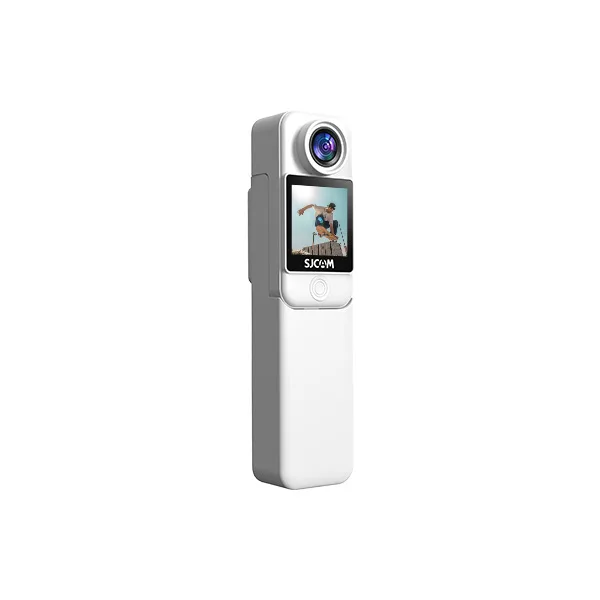
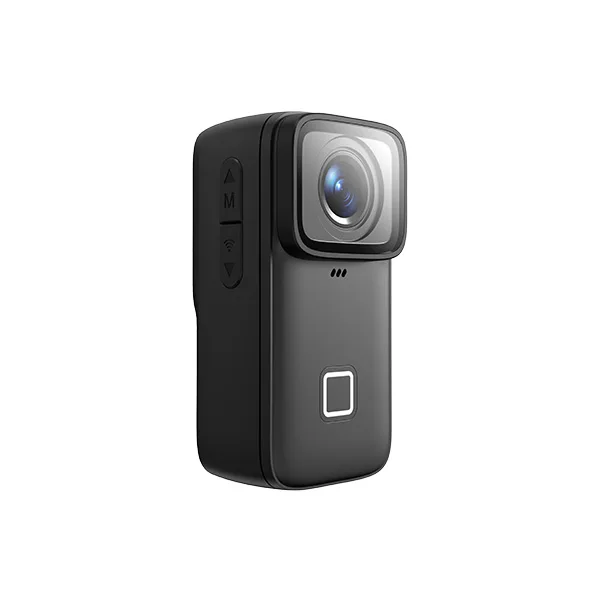
Which SJCAM Action Camera Is Best for Travel?
If you prioritize outdoor adventures and flexible video recording, these two SJCAM models are worth considering.
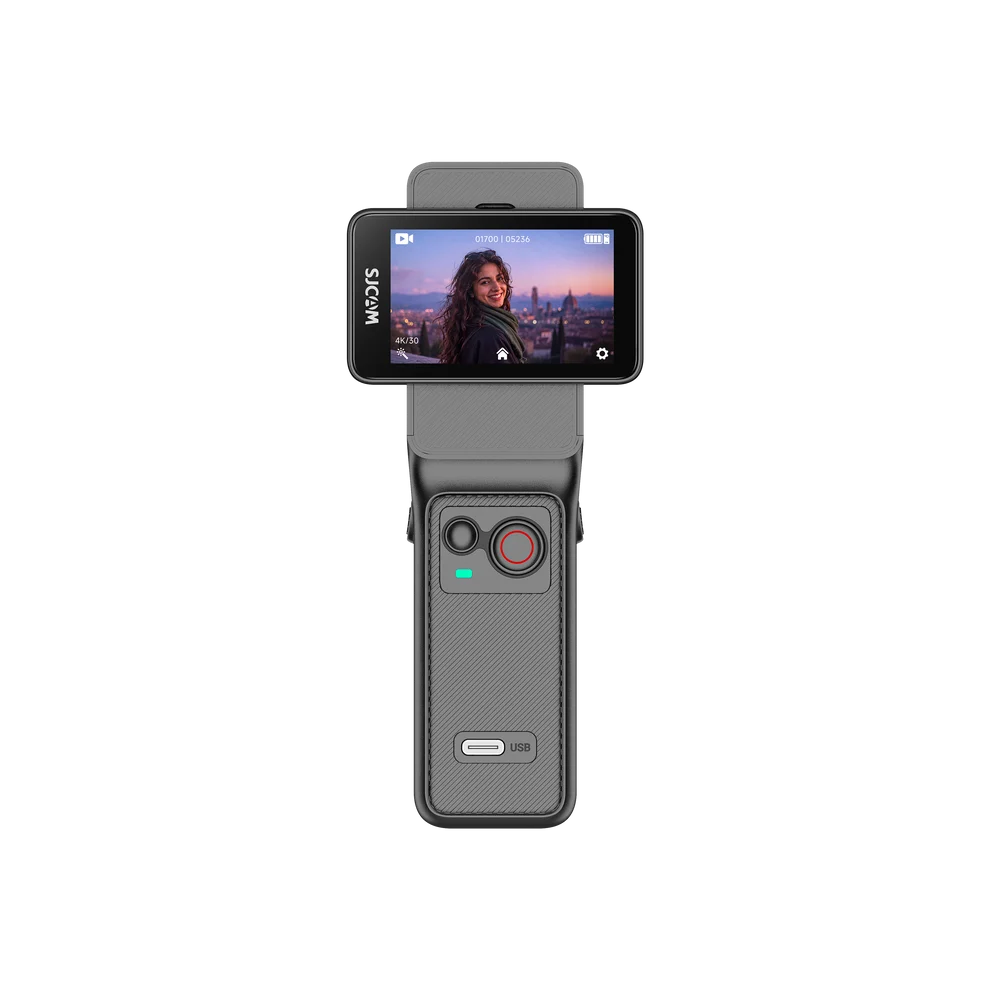
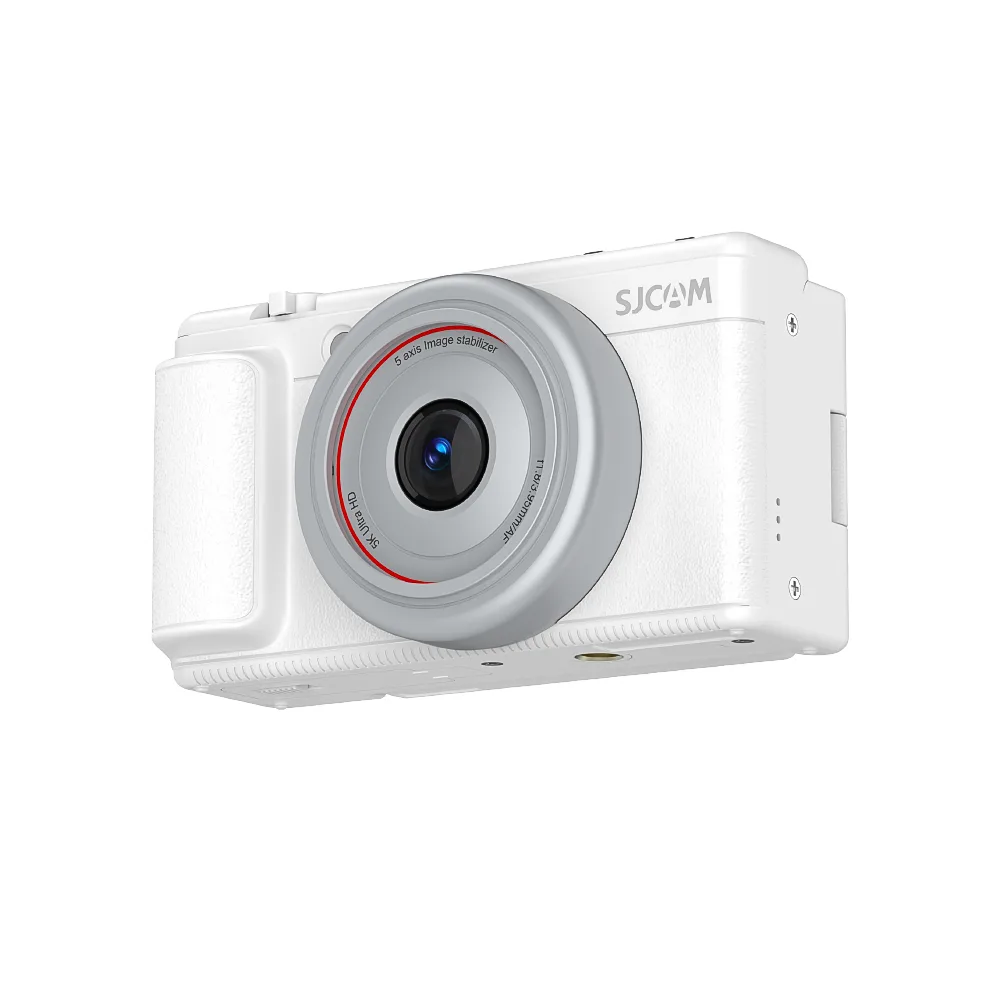
SJCAM C400 Pro – Best for Flexible Travel Filming
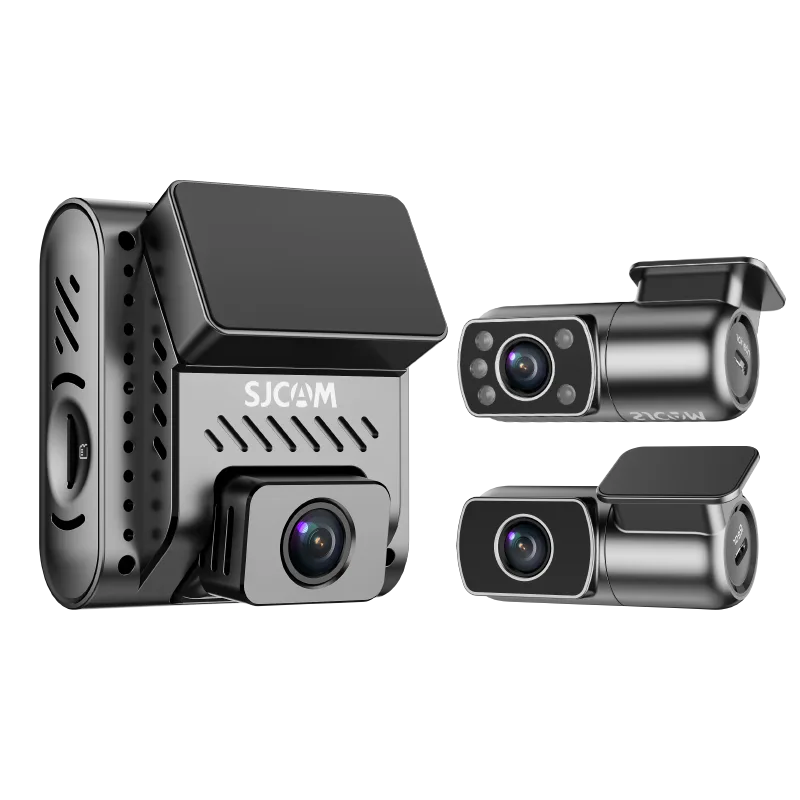
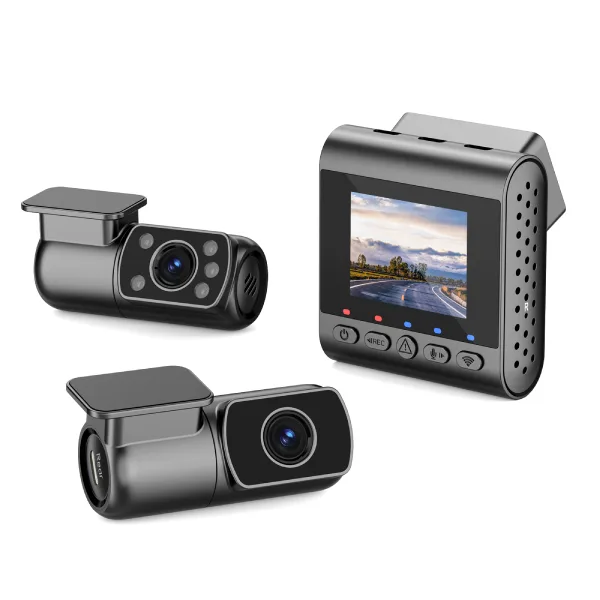
IL SJCAM C400 Pro features a 3-in-1 design that supports different shooting styles.
It makes switching between handheld filming and wearable POV recording more convenient, making it a practical option for travelers who want to capture both personal travel stories and outdoor activities.
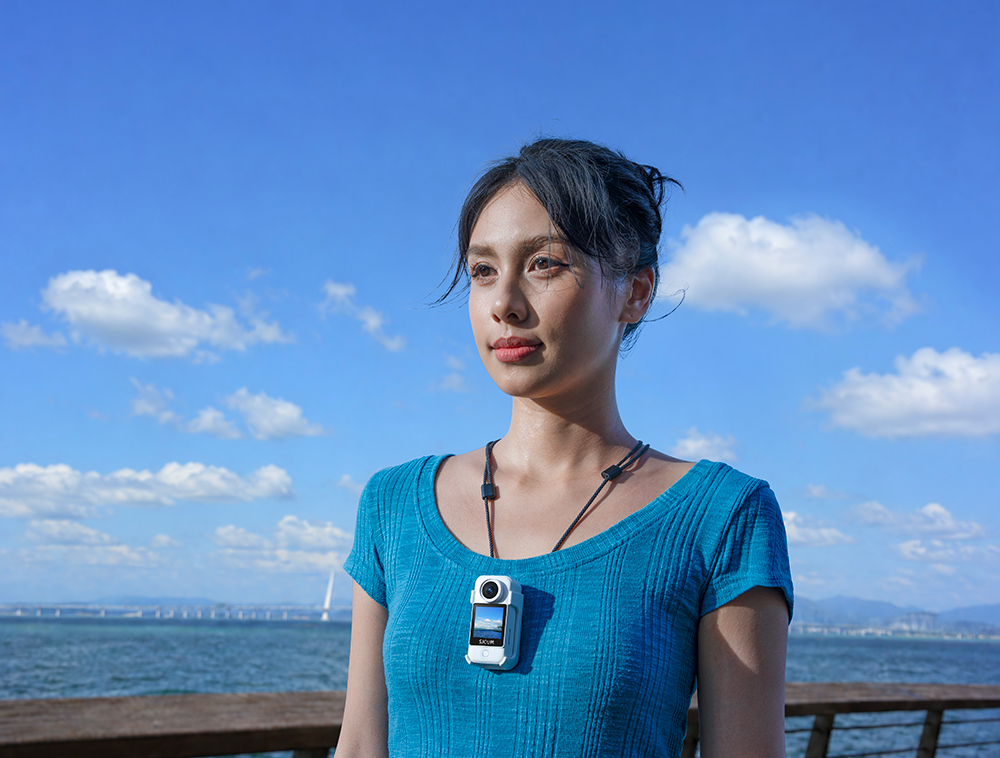
Ideale per: Travel vlogging, sightseeing videos, and creators who want flexible shooting perspectives.
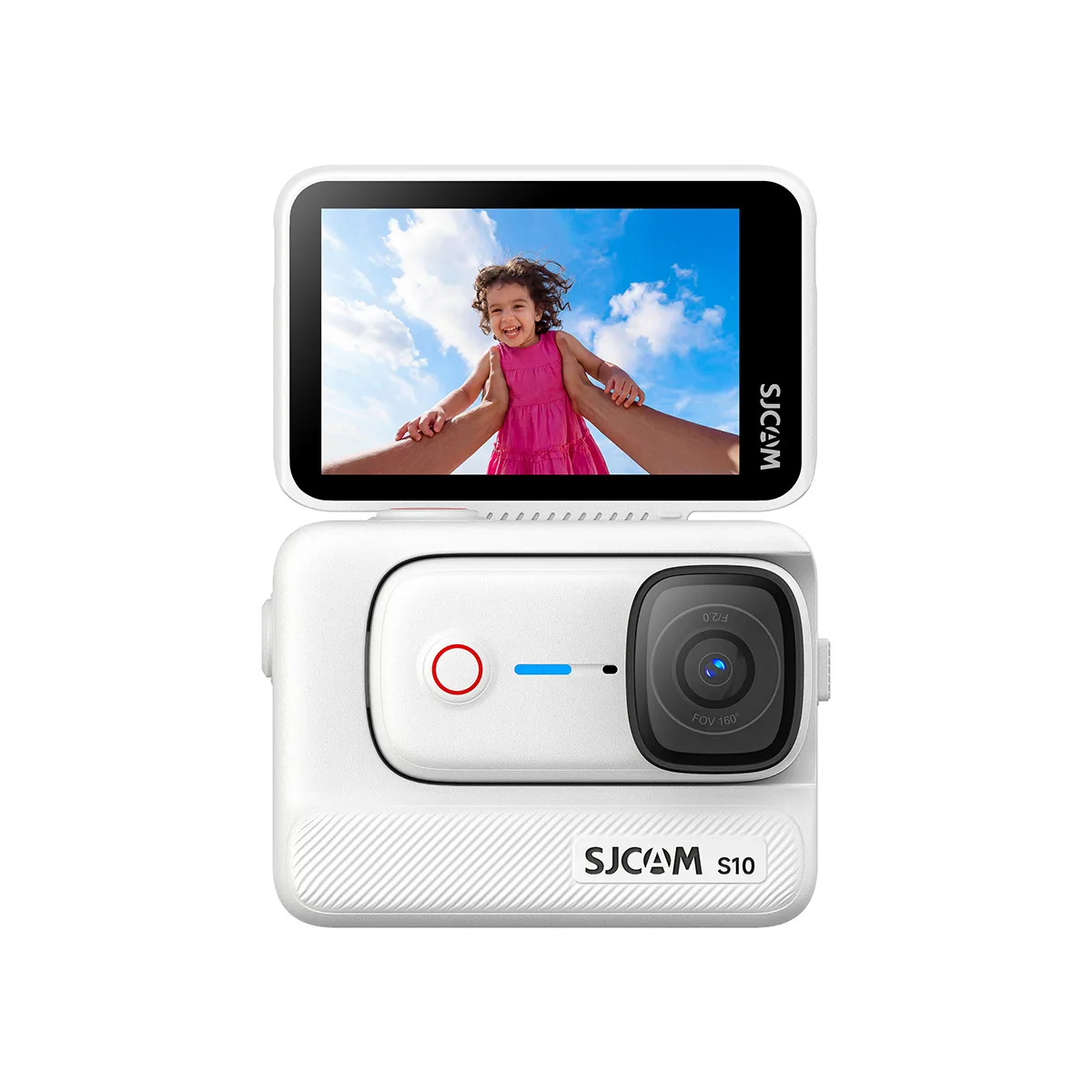
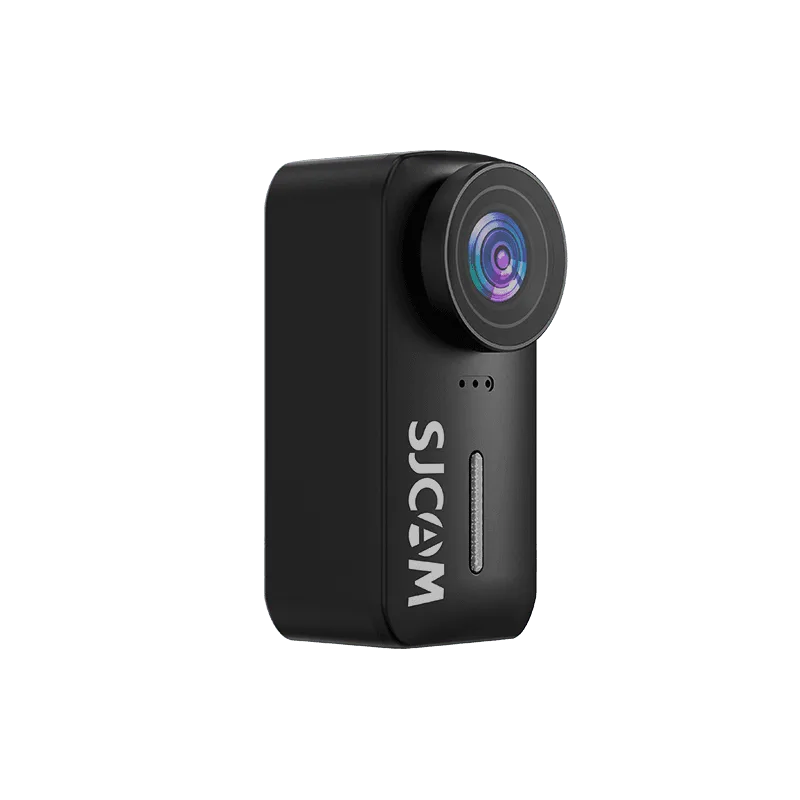
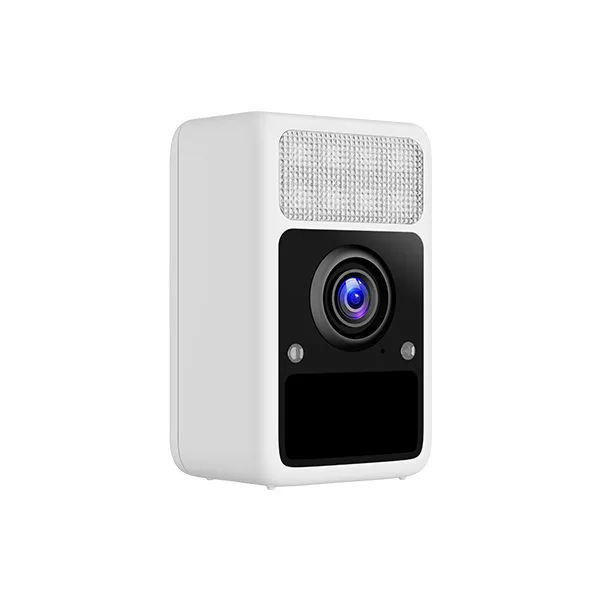
SJCAM S10 – Best for Lightweight, Hands-Free Adventures
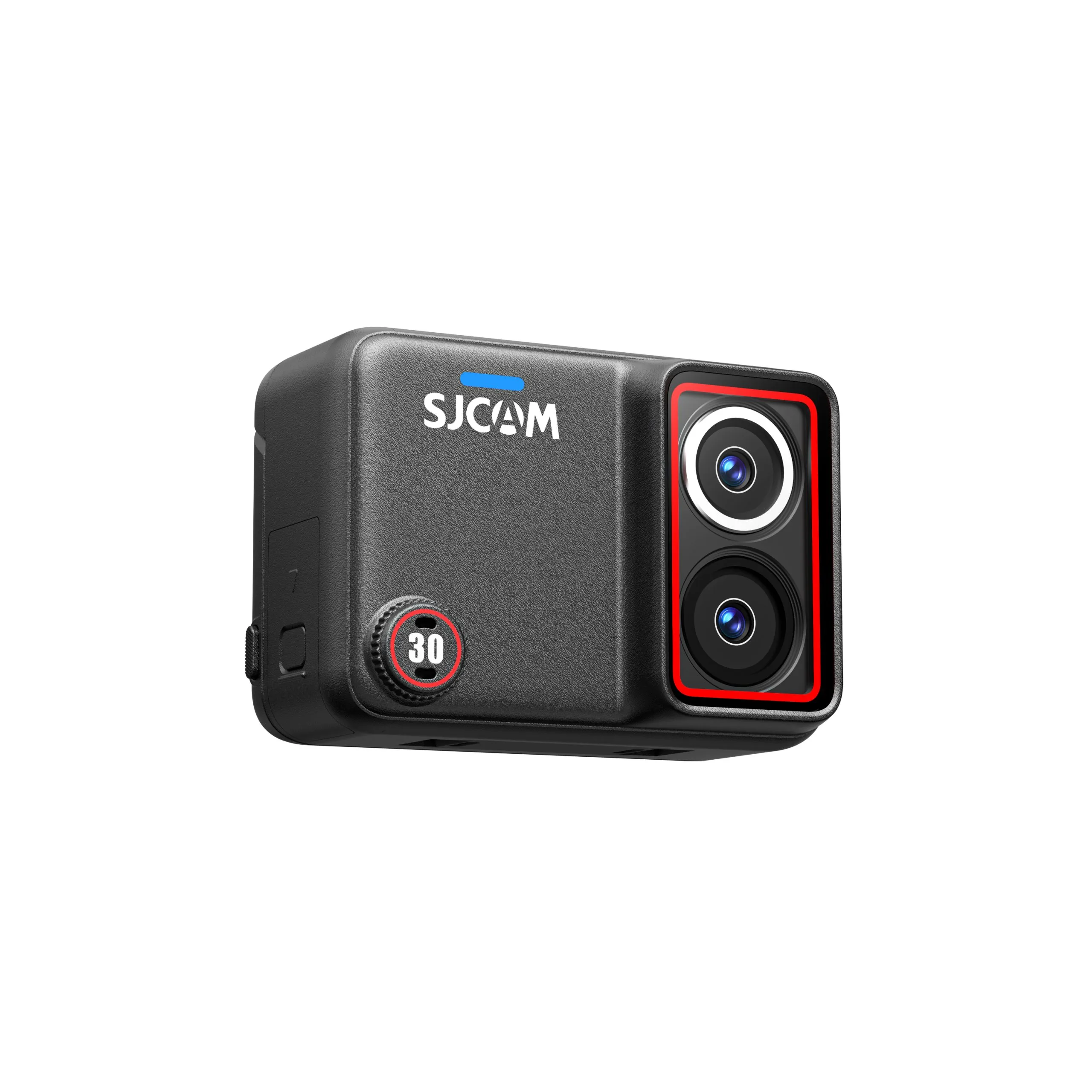
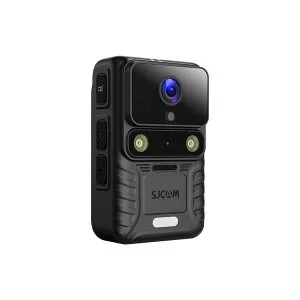
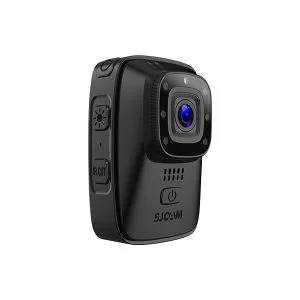
IL SJCAM S10 is a compact action camera designed for wearable POV recording.
Its small size and magnetic mounting design make it convenient for capturing first-person footage during hiking, cycling, and everyday travel activities without constantly holding a camera.
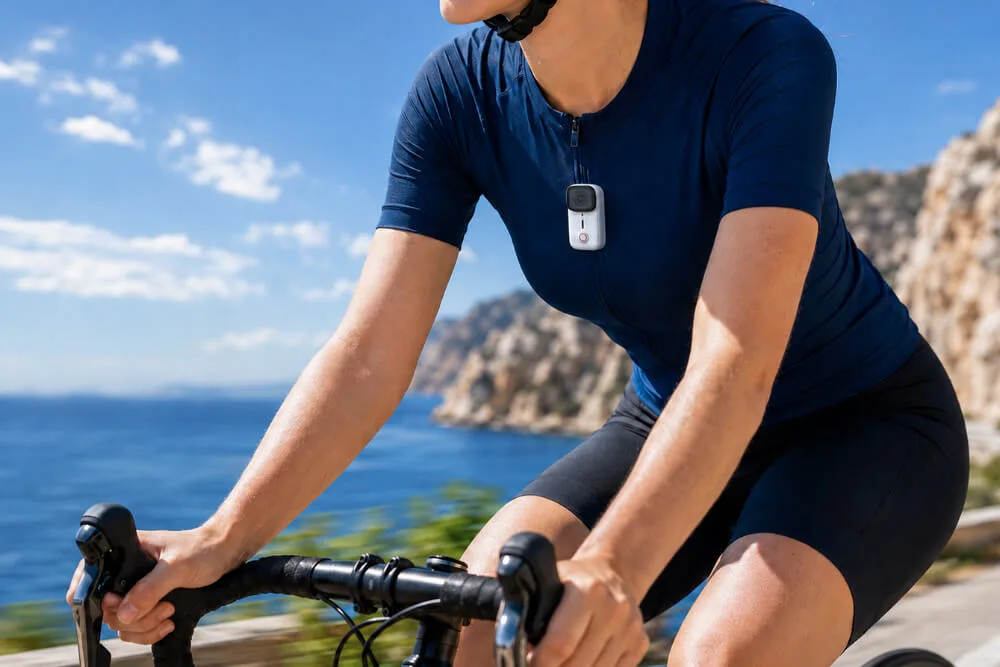
Ideale per: Backpacking, cycling, and travelers who prioritize portability and hands-free filming.
Action Camera or Compact Camera: Which Should You Buy?
Choose an action camera if you mainly record outdoor sports, hiking, water activities, or hands-free travel footage.
Choose a compact digital camera if photography, optical zoom, portraits, and detailed travel images matter more.
Choose a compact gimbal camera if your main priority is smooth handheld travel vlogging.
If you regularly combine photography with outdoor adventures, using both an action camera and a compact camera may offer the most flexibility.
The goal isn’t to buy the camera with the longest specification list. It’s to choose the device that fits how you actually travel.
Domande frequenti
Una action camera è generalmente più adatta per gli sport all'aria aperta, le riprese in soggettiva e le riprese a mani libere. Una fotocamera compatta è spesso più indicata per la fotografia di viaggio, lo zoom ottico e per immortalare soggetti distanti.
Può sostituire una fotocamera compatta per alcune esigenze di riprese video in viaggio, soprattutto per le inquadrature grandangolari e le riprese d'azione. Tuttavia, potrebbe non offrire lo stesso zoom ottico, gli stessi controlli fotografici o la stessa flessibilità per i ritratti.
Una fotocamera digitale compatta è spesso la scelta migliore, soprattutto se offre un sensore più grande, zoom ottico o controlli fotografici avanzati. La qualità effettiva dell'immagine dipende dal modello.
Sì. Le action camera possono scattare foto di viaggio grandangolari e scene all'aperto. Tuttavia, i loro obiettivi grandangolari fissi potrebbero essere meno adatti per ritratti e soggetti distanti.
Alcune fotocamere compatte offrono prestazioni migliori in condizioni di scarsa illuminazione grazie a sensori più grandi o obiettivi più luminosi. Tuttavia, non tutte le fotocamere compatte presentano questi vantaggi, pertanto è importante confrontare i singoli modelli.
Una videocamera compatta con gimbal è spesso comoda per vlog fluidi a mano libera. Una action camera è più versatile per riprese in soggettiva, da indossare o montate su supporti.
Non necessariamente. Una sola fotocamera potrebbe soddisfare la maggior parte delle esigenze. Tuttavia, i viaggiatori che desiderano sia scattare foto dettagliate che girare video delle proprie avventure a mani libere potrebbero trarre vantaggio dall'utilizzarle entrambe.
Verdetto finale
An action camera and a compact camera serve different purposes, even though both are portable travel companions.
For photography, optical zoom, and sightseeing, a compact digital camera is often the better choice. For hiking, cycling, water sports, and hands-free recording, an action camera offers clear practical advantages.
If you enjoy both photography and adventure filming, the two devices can complement each other.
Ultimately, the best travel camera is the one that helps you capture the moments that matter most, without getting in the way of your trip.