






 英語
英語  中国語(中国)
  スペイン語
スペイン語  ドイツ人
ドイツ人  フランス語
フランス語  イタリアの
イタリアの  韓国語
韓国語  ブルガリア語
  ギリシャ語
ギリシャ語  インドネシア語
  中国語(香港)
  ロシア
ロシア  デンマーク語
  フィンランド語
  ハンガリー語
  トルコ語
トルコ語  オランダの
オランダの  ポルトガル語
  スウェーデンの
  ルーマニア語
  スロバキア語
  セルビア語
セルビア語  ノルウェー語
  クロアチア語
  アルバニア語
  カタロニア語
  チェコ語
チェコ語  エストニア語
  アルメニア語
  ベンガル語
ベンガル語  アムハラ語
アムハラ語  研磨
研磨  タイ語
タイ語  ウクライナ語
  ベトナム語
ベトナム語 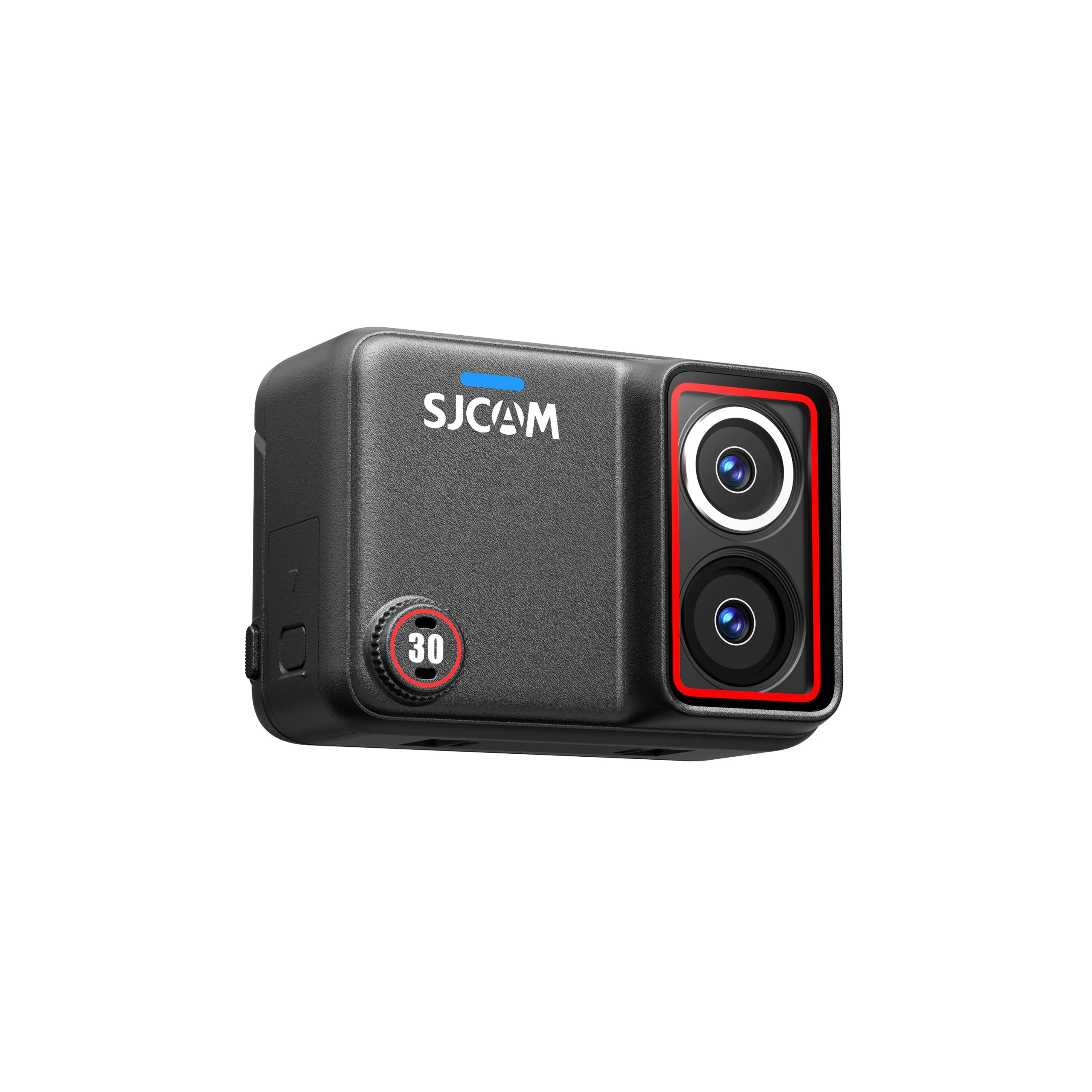
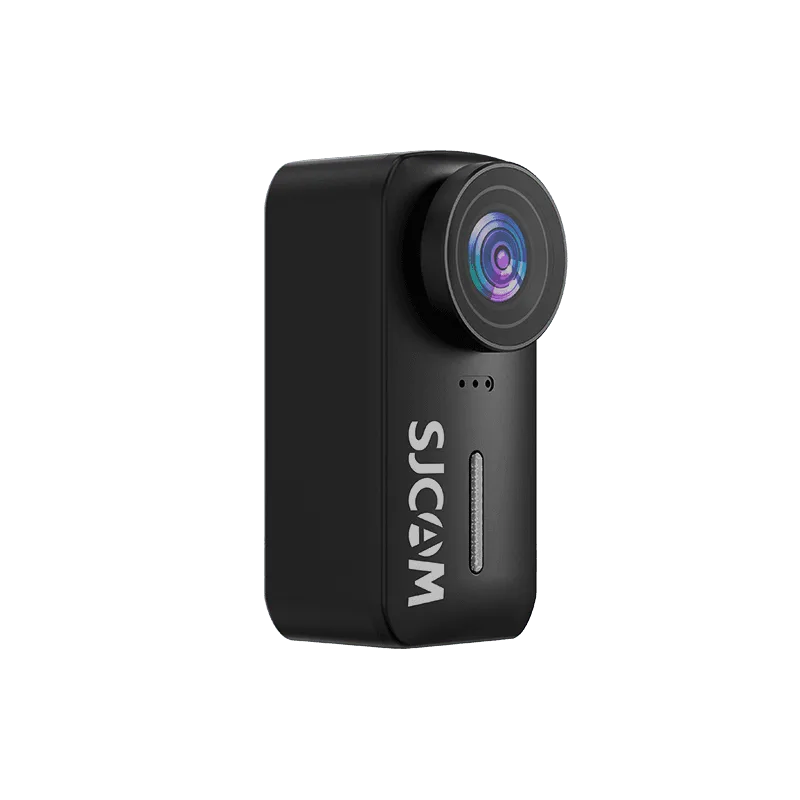
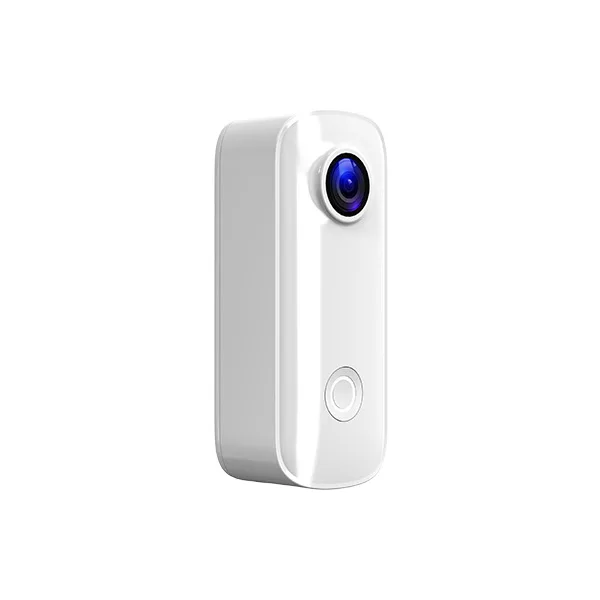
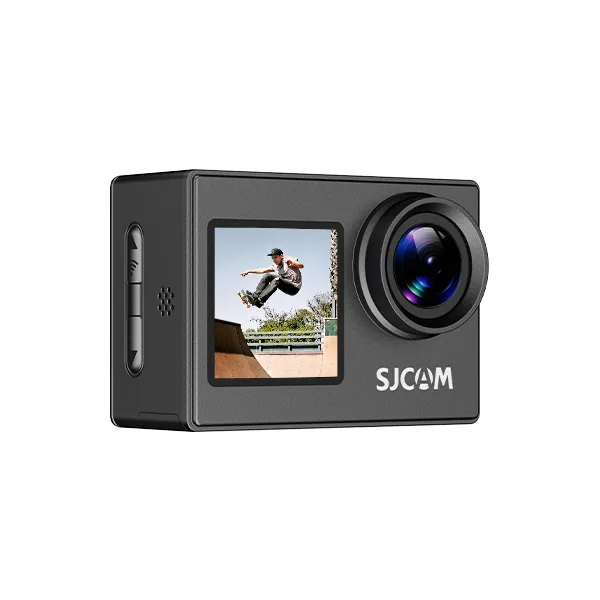
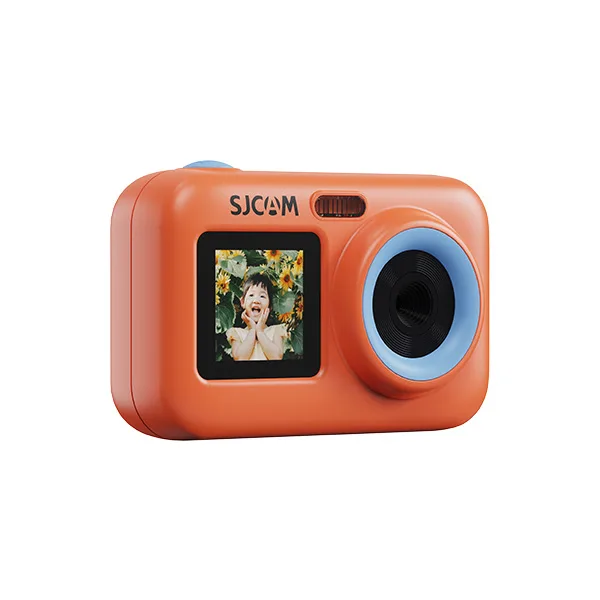
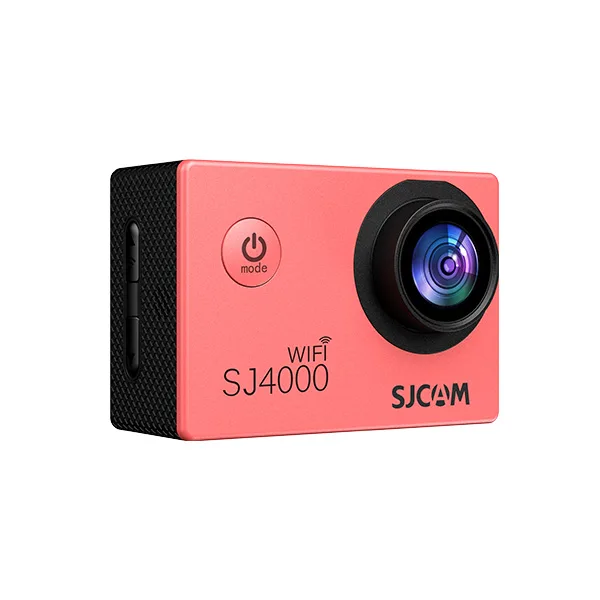
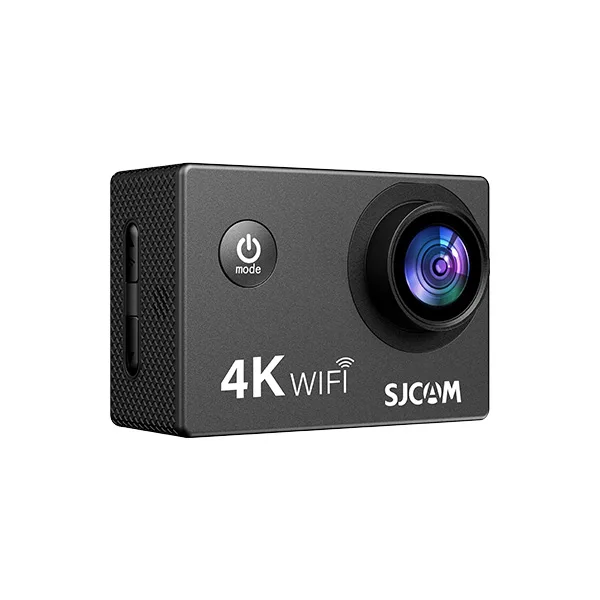
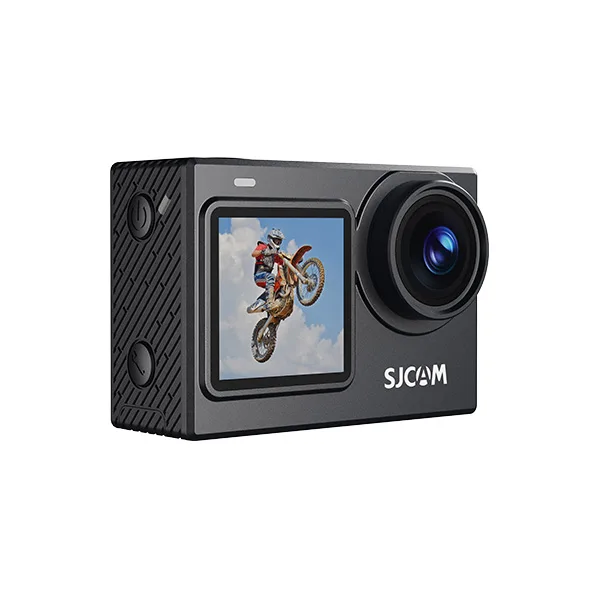
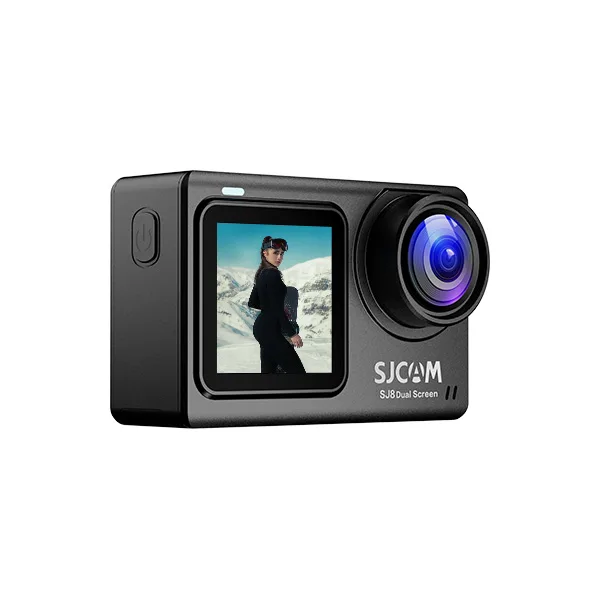
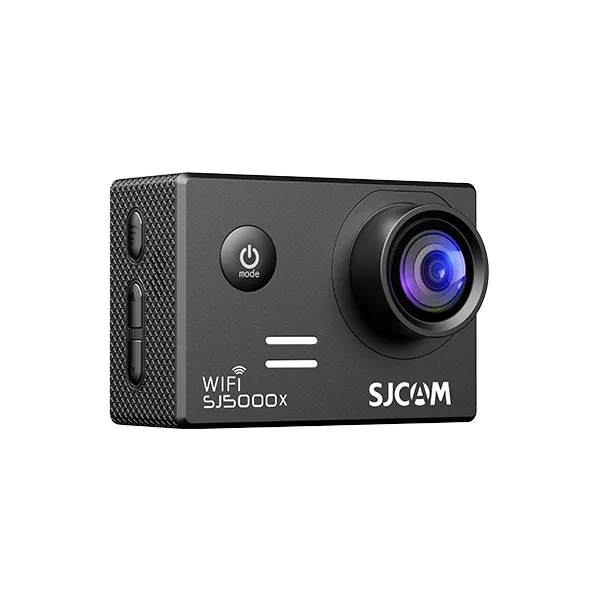

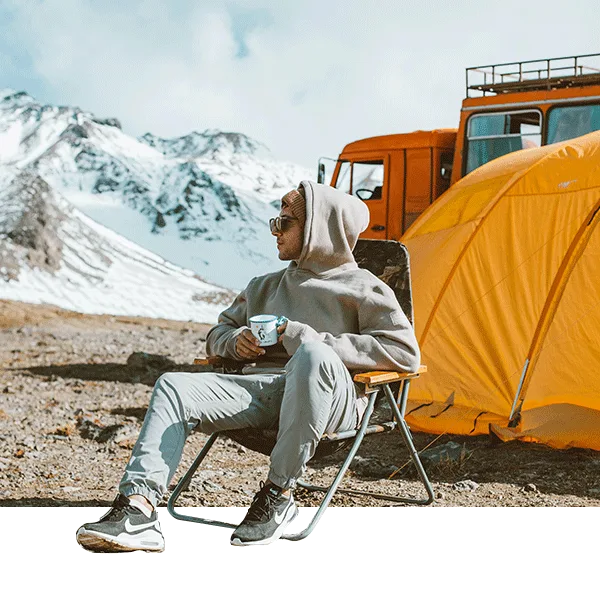
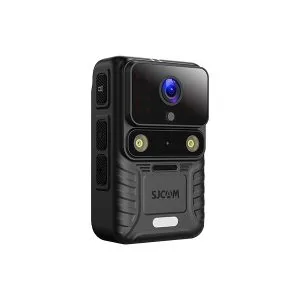
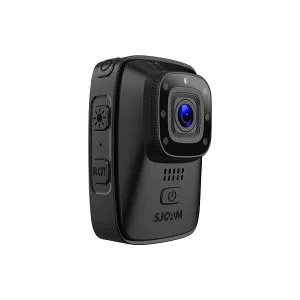
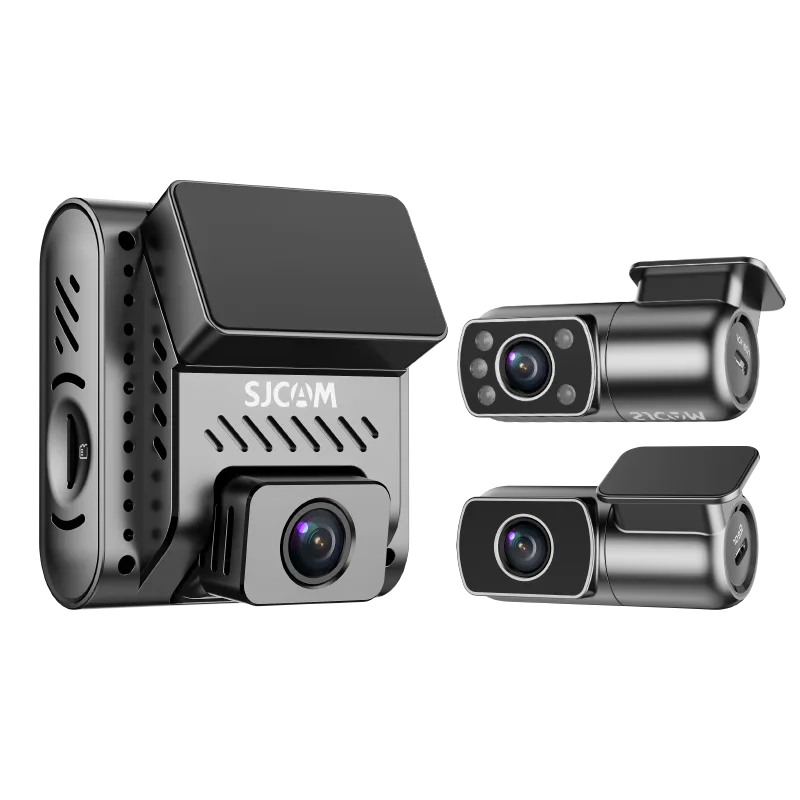
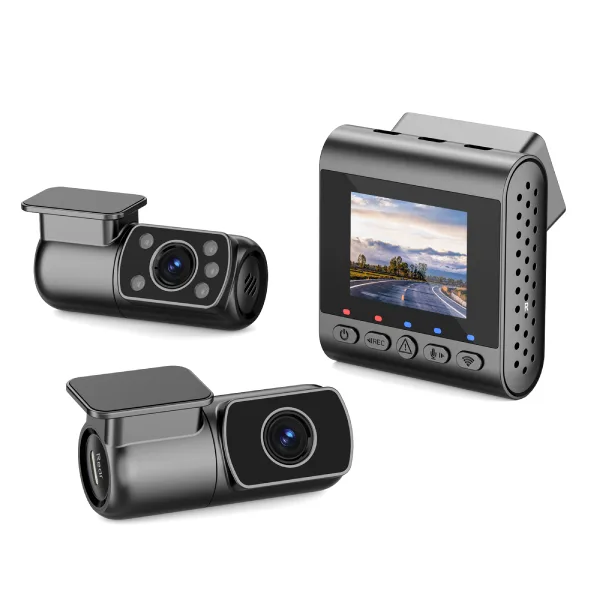
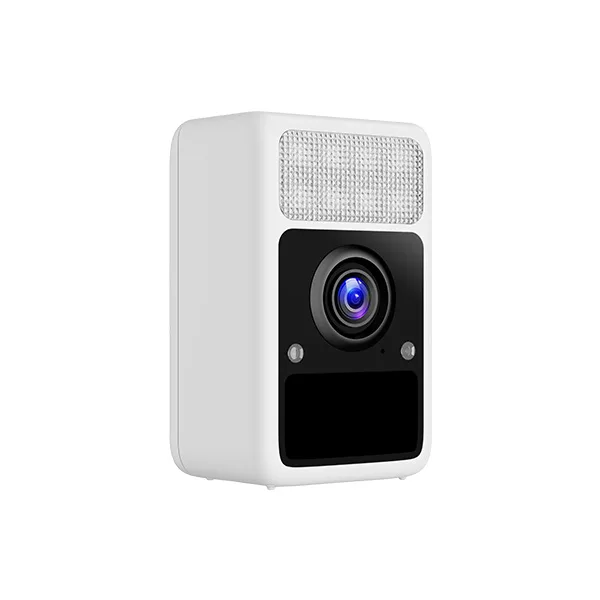
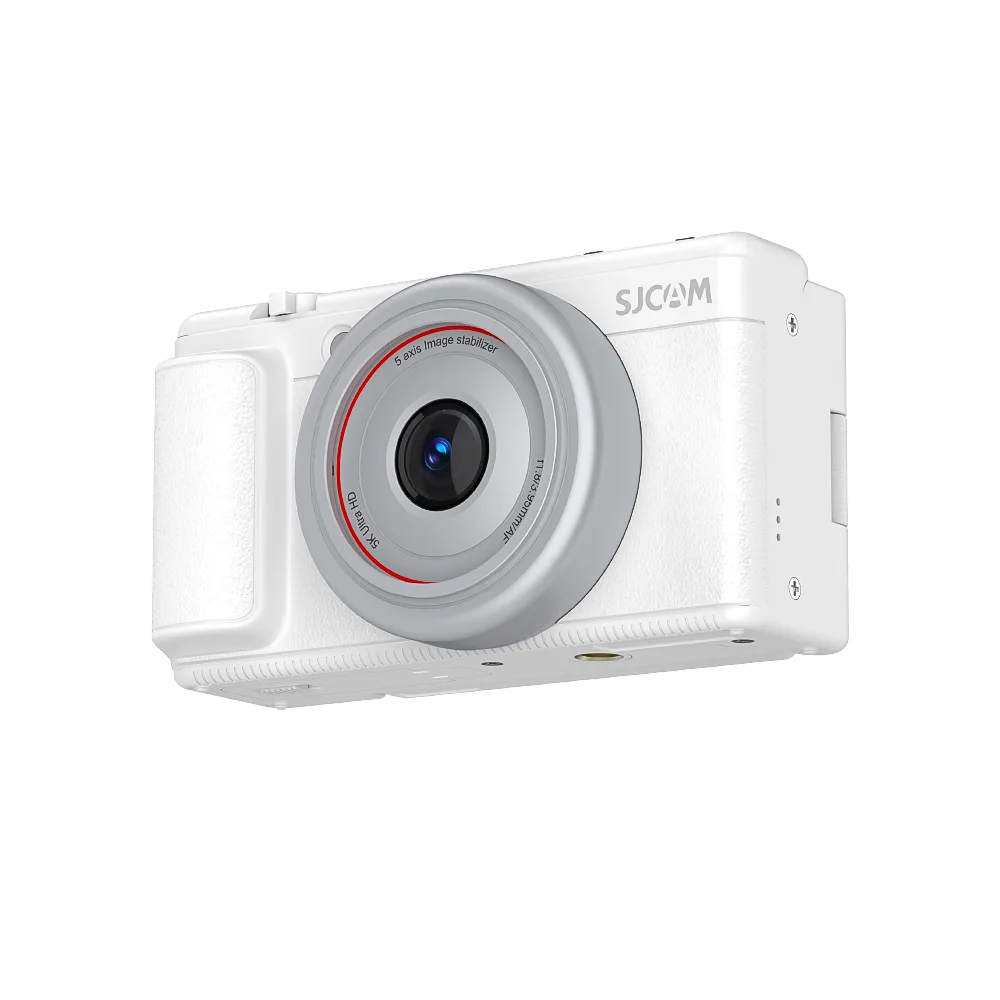
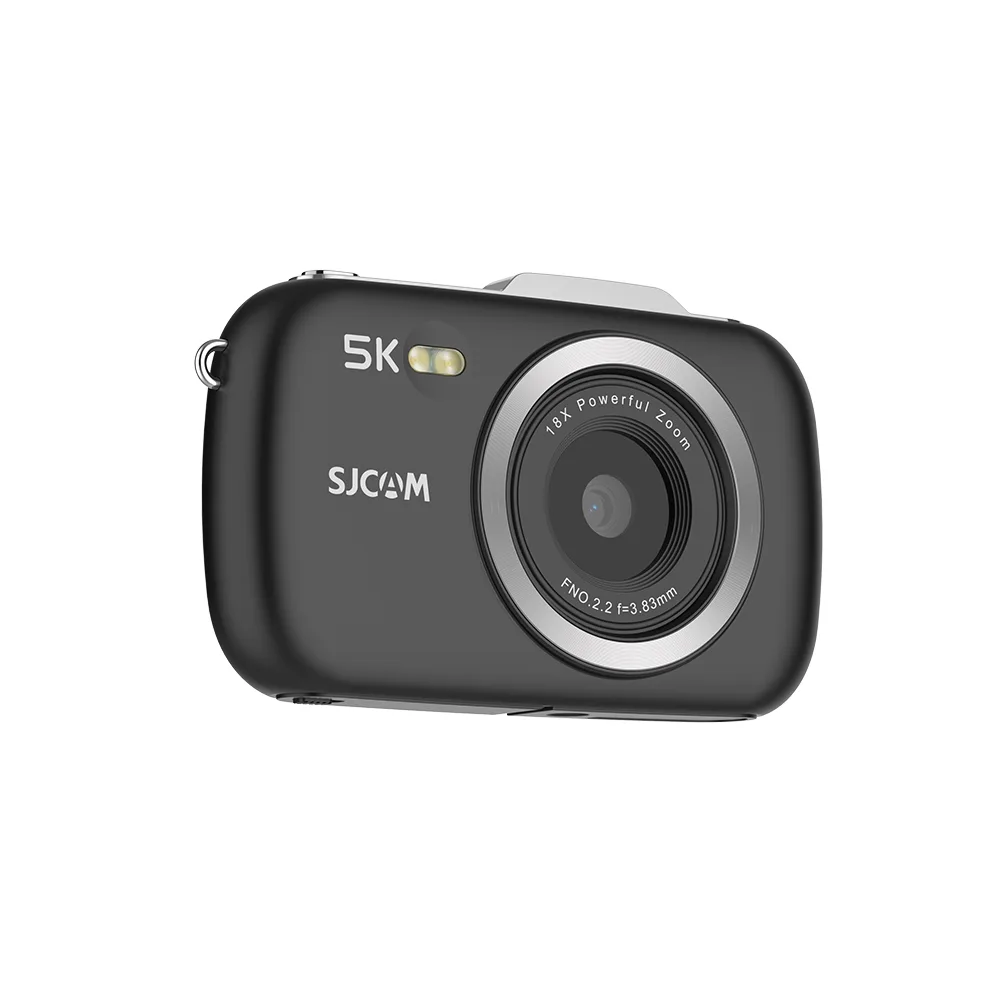


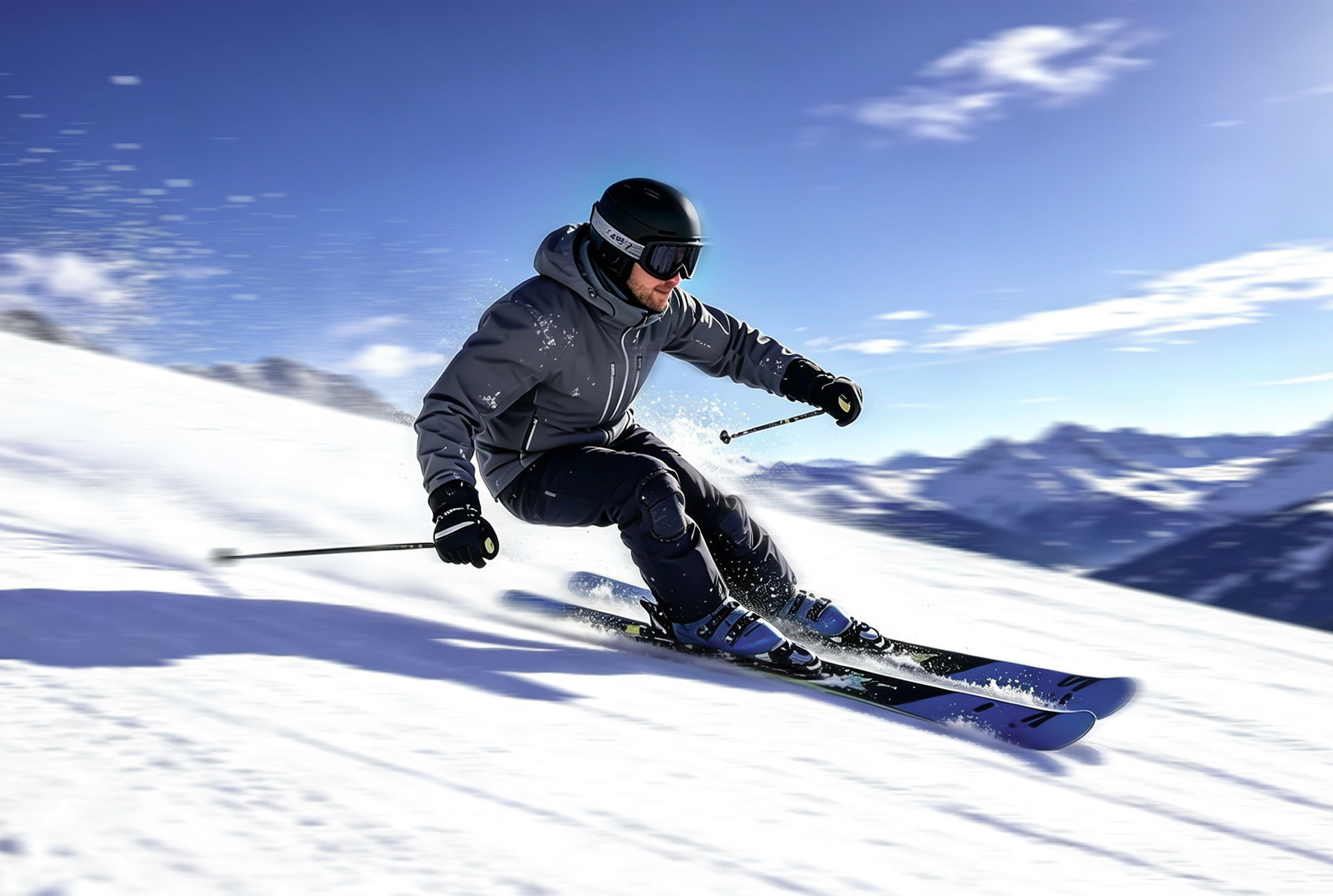
Action Cameras for Skiing
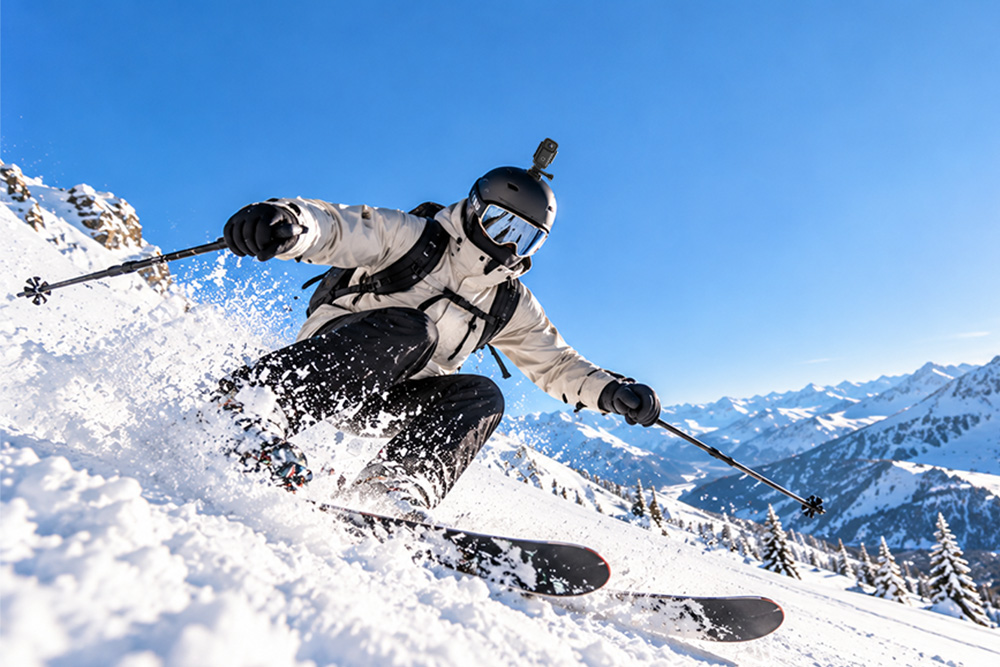
Capture Every Turn, Run & Mountain View
スキーにアクションカメラを使う理由
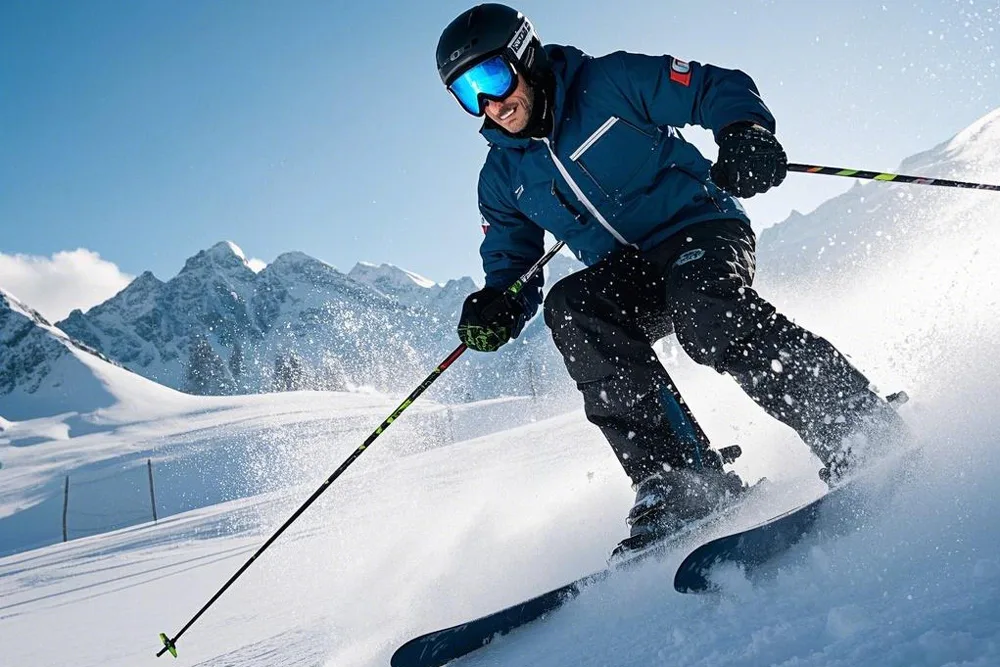
Skiing is fast, and most of it happens where your phone can’t follow—inside a glove,
in a pocket, or buried under three layers. An action camera stays mounted and recording
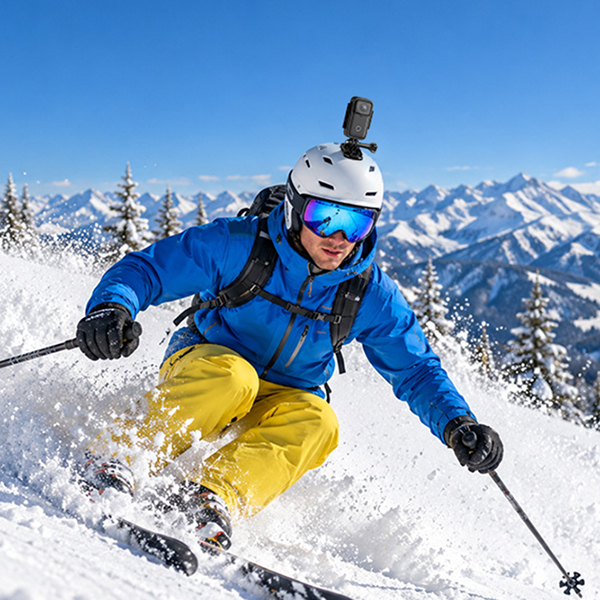
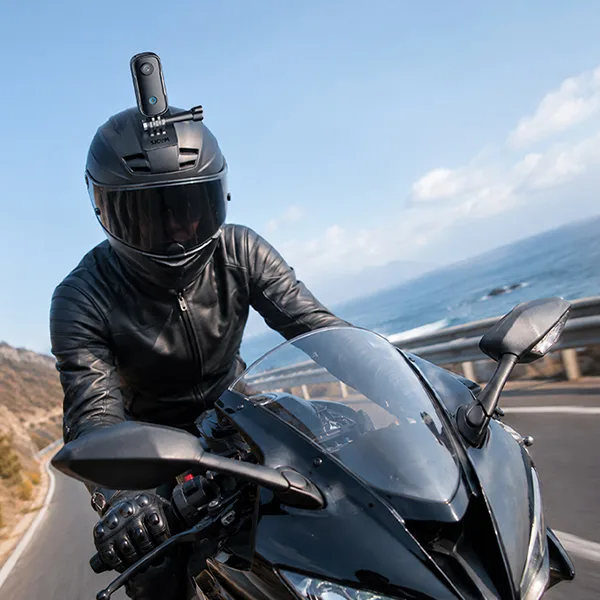
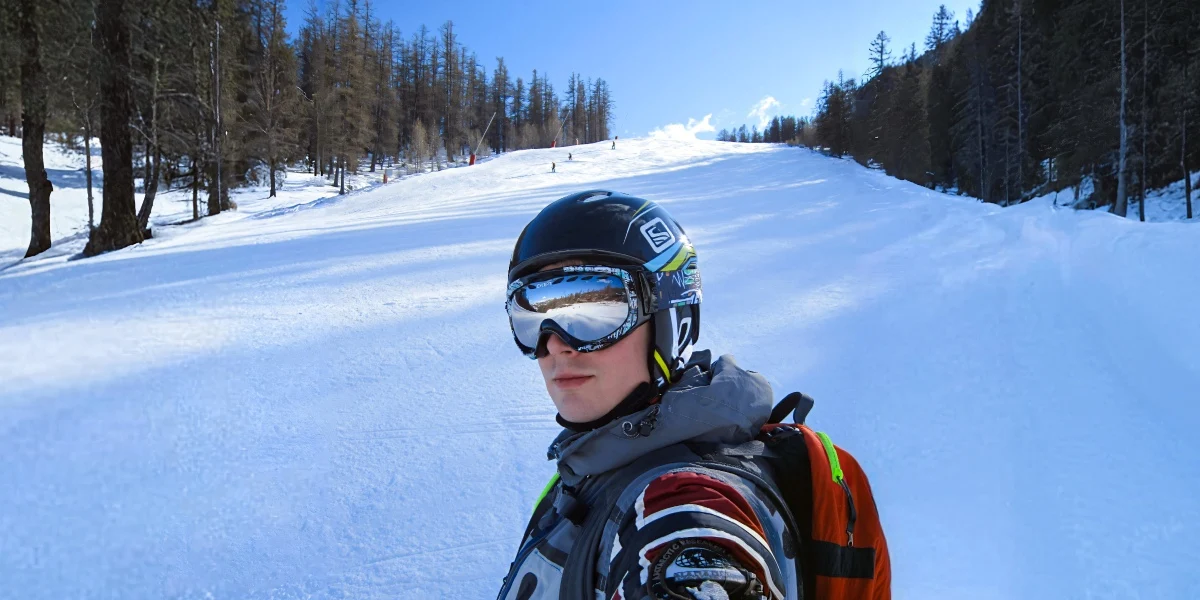
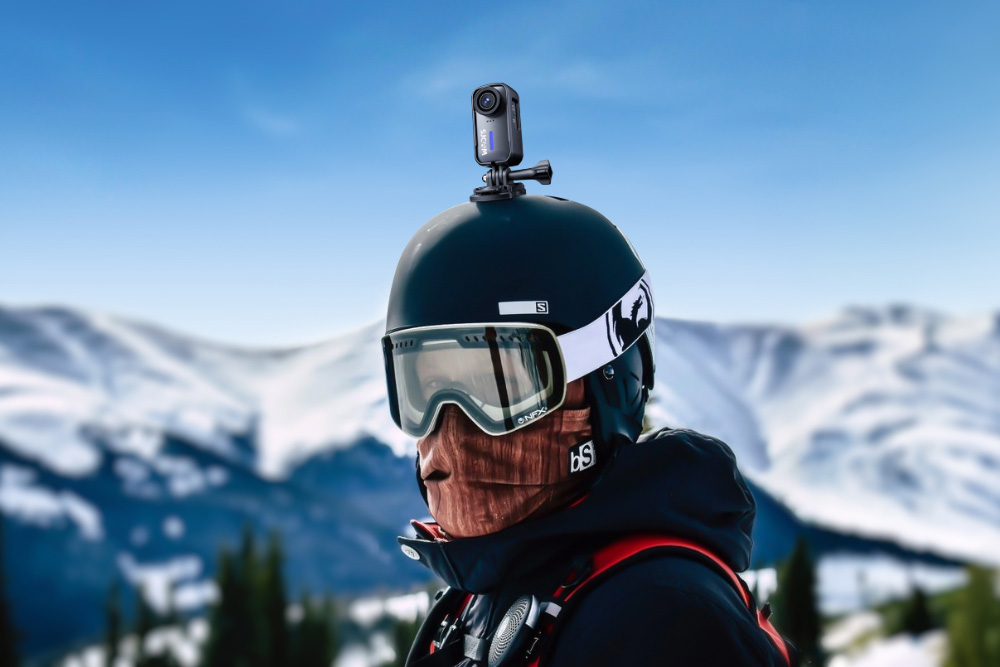
while you ski, so the run you just finished is already on the card. Mounted on a helmet it
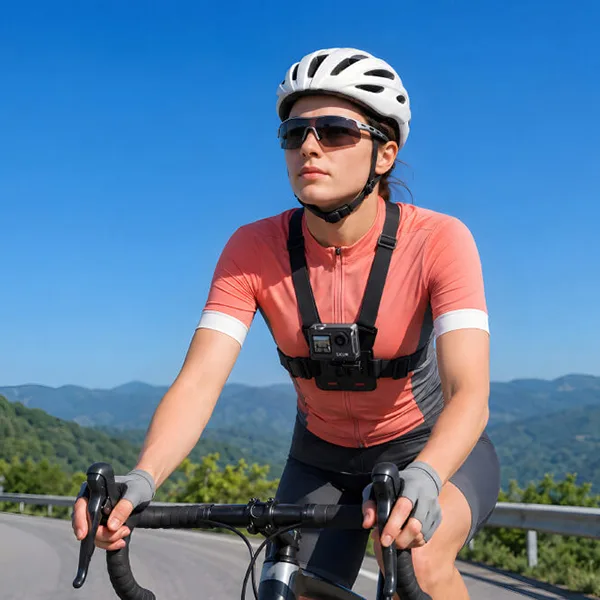
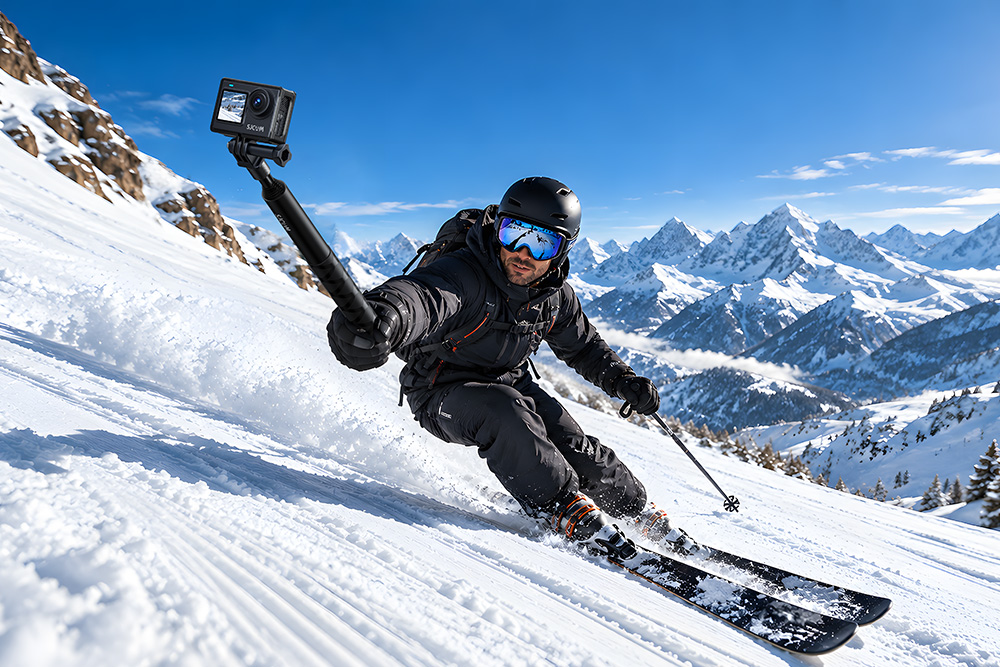
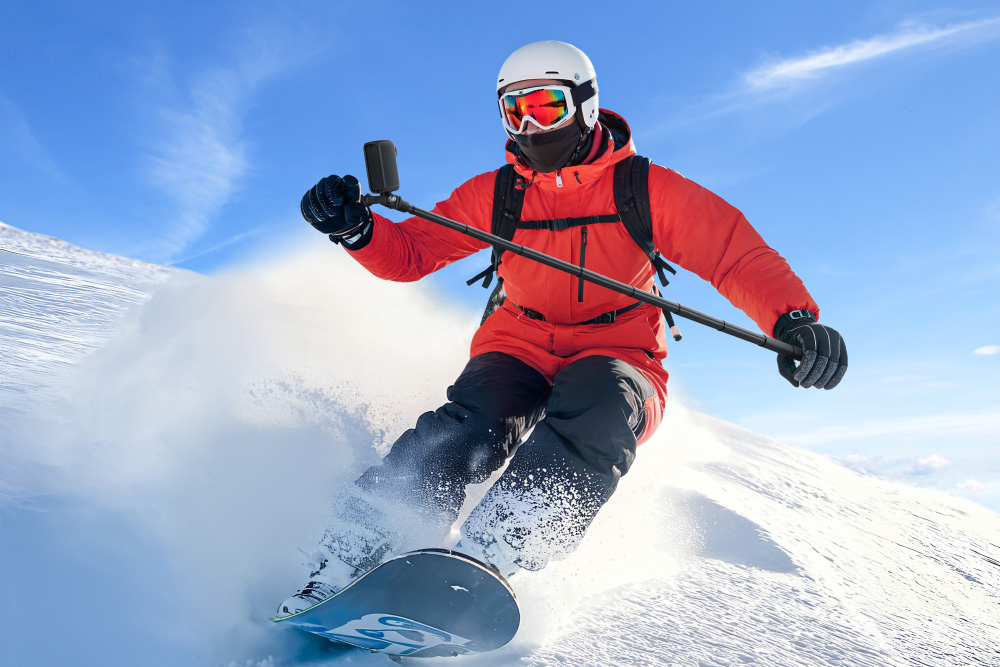
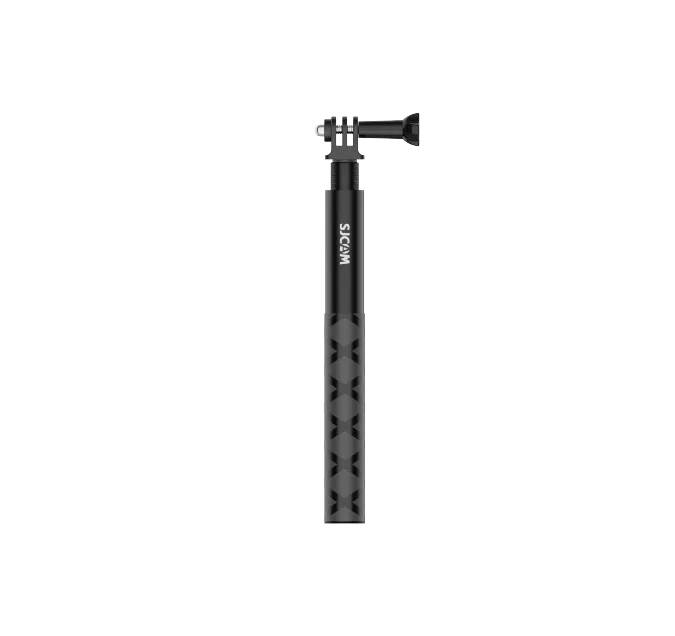
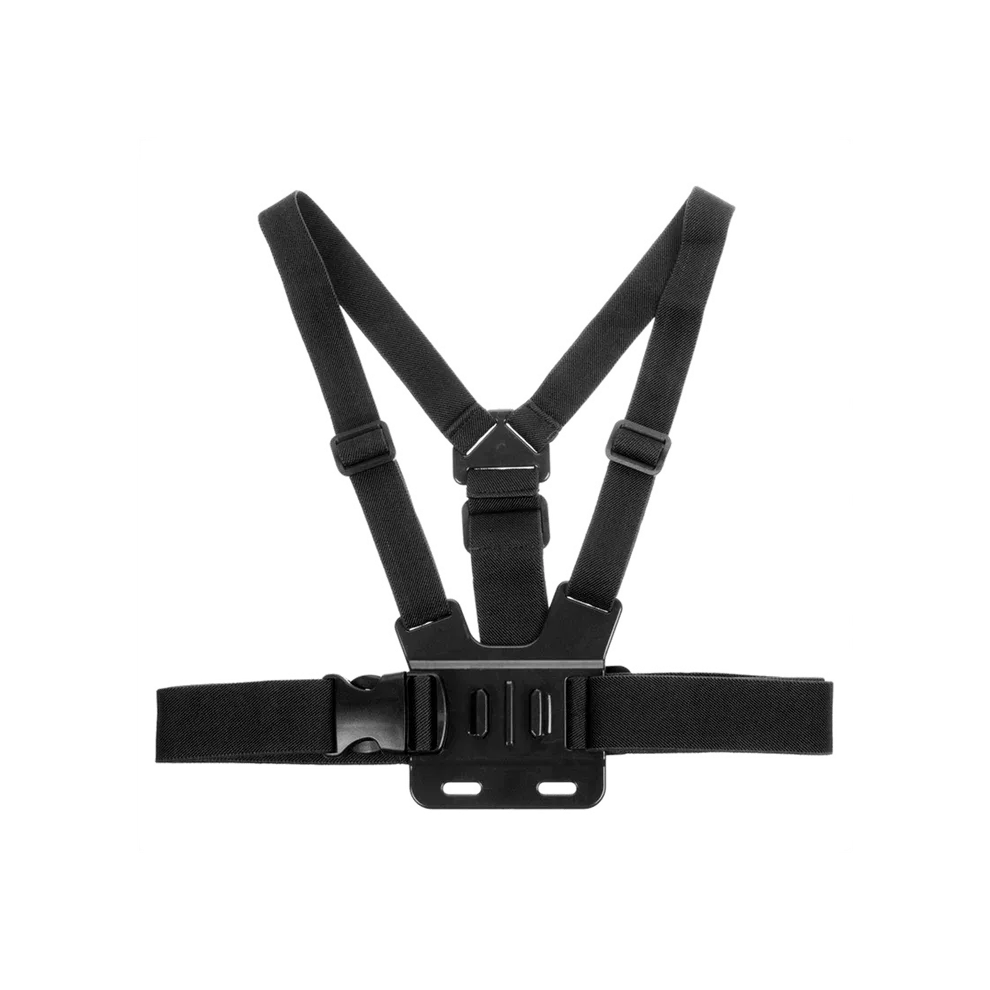
films what you see; on a chest harness it shows your body position and ski tips; on a pole it
turns into a follow-cam. A good skiing camera should be light enough to forget, stable
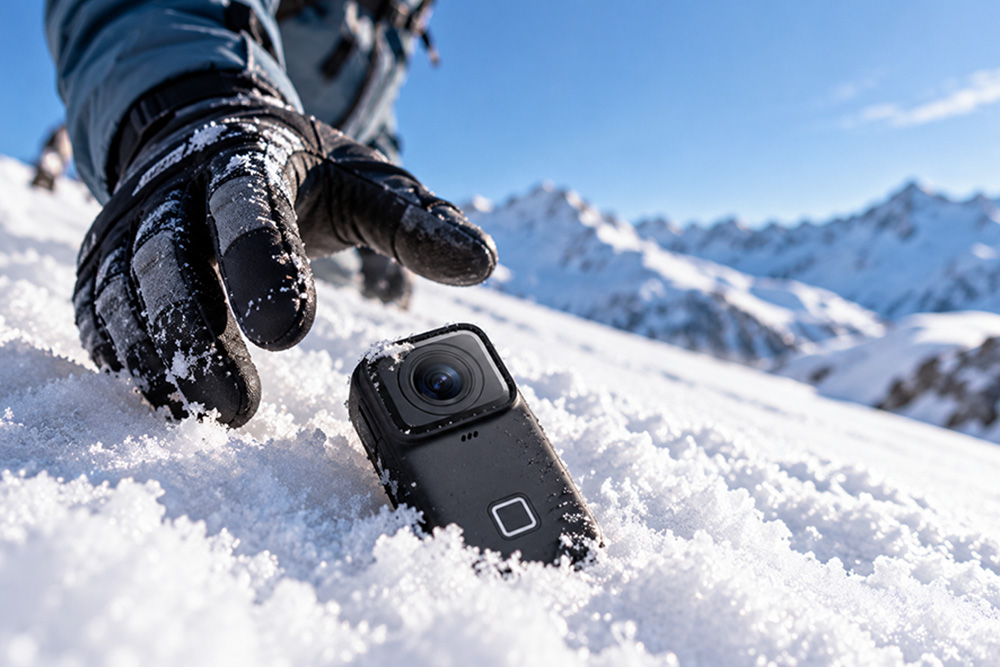
enough for moguls, and still working after an hour at −10 °C.
Smooth & Stable Footage
Capture fast turns, downhill runs, and changing terrain with stabilization designed to help reduce camera shake.
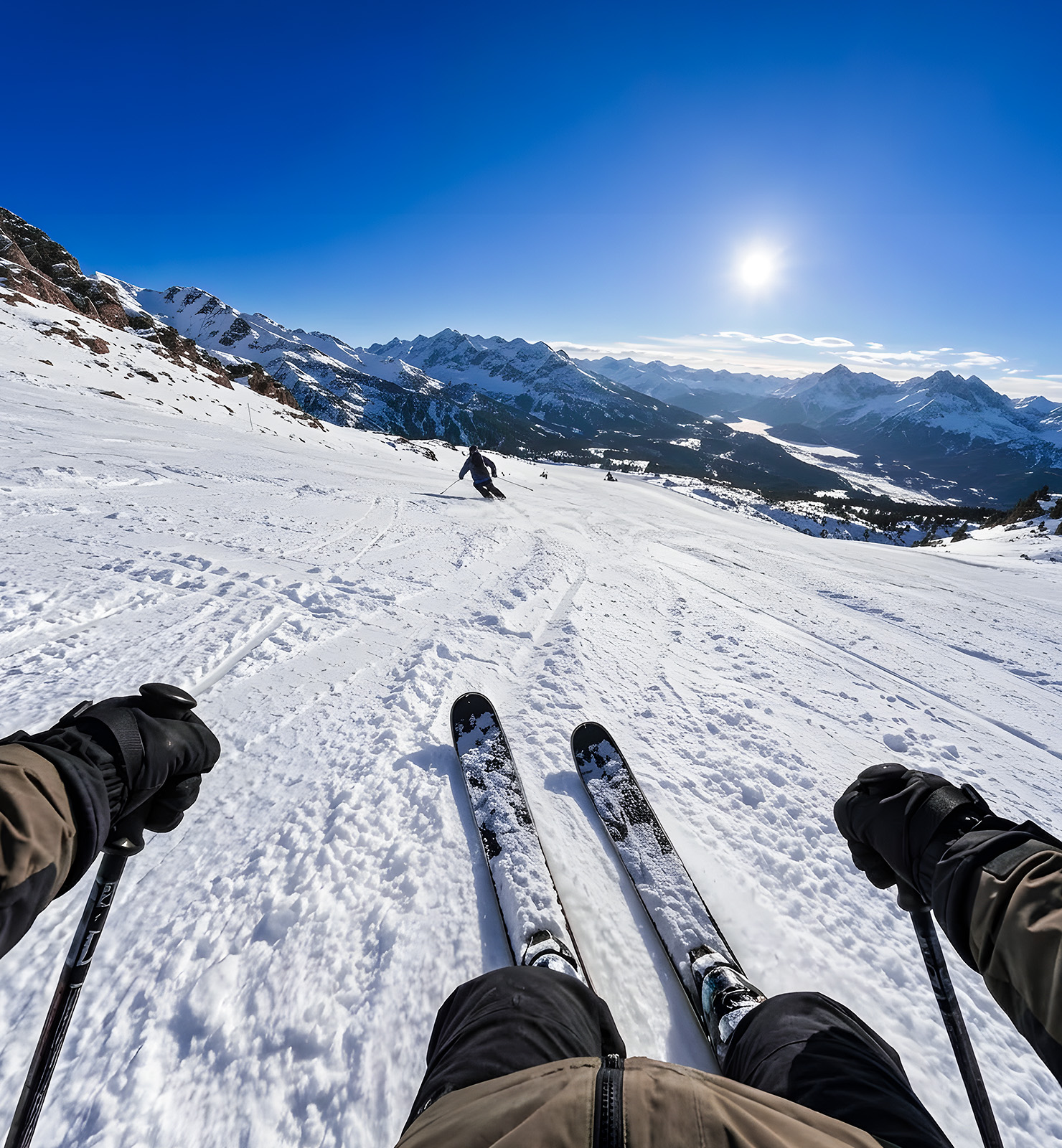
軽量で持ち運びやすい
Choose a compact camera that fits comfortably into your ski setup without adding unnecessary bulk to your gear.
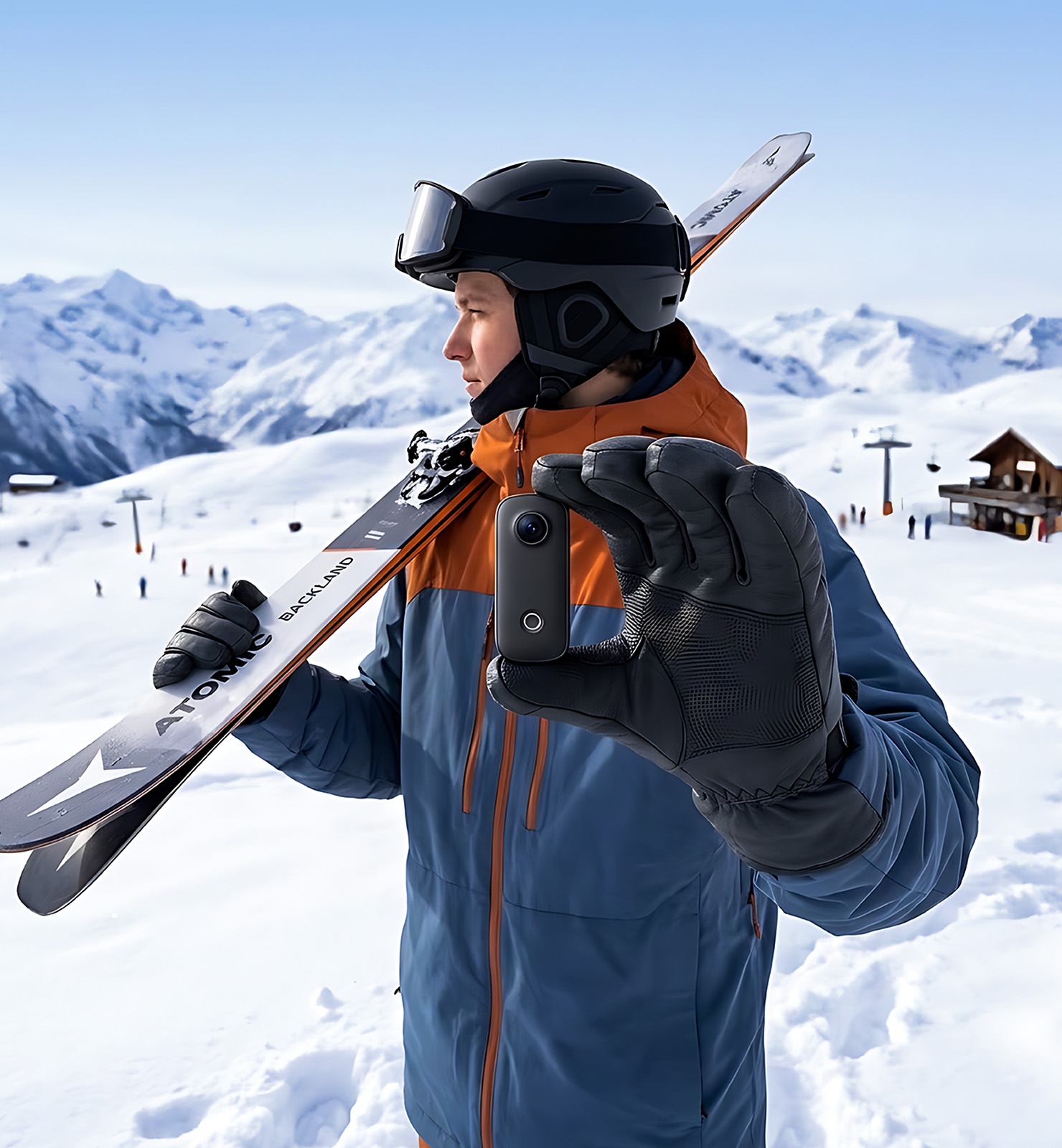
Wide-Angle Mountain Views
Capture more of the slopes, surrounding peaks, and your skiing movements in one immersive frame.
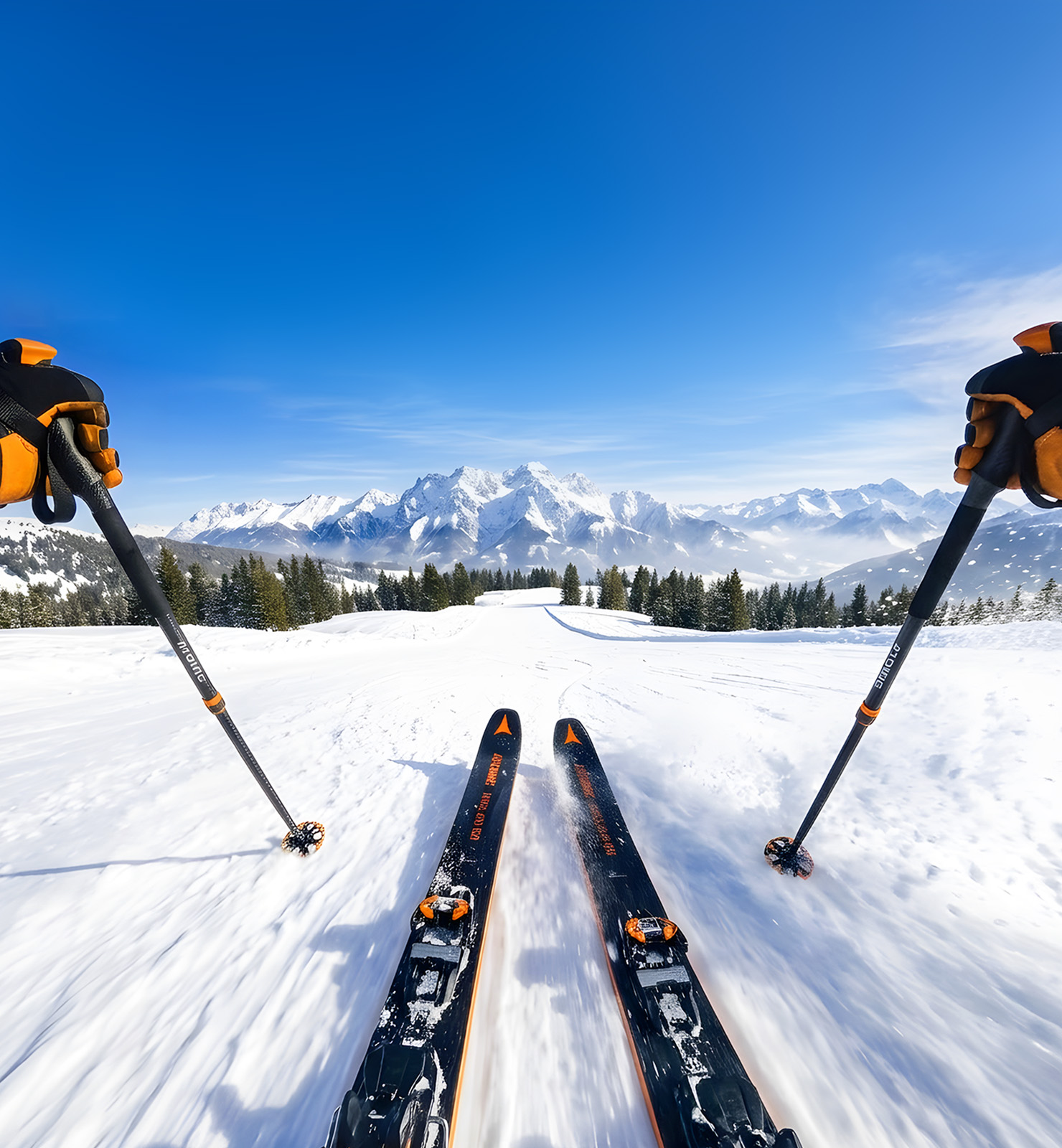
High-Performance Ski Cameras
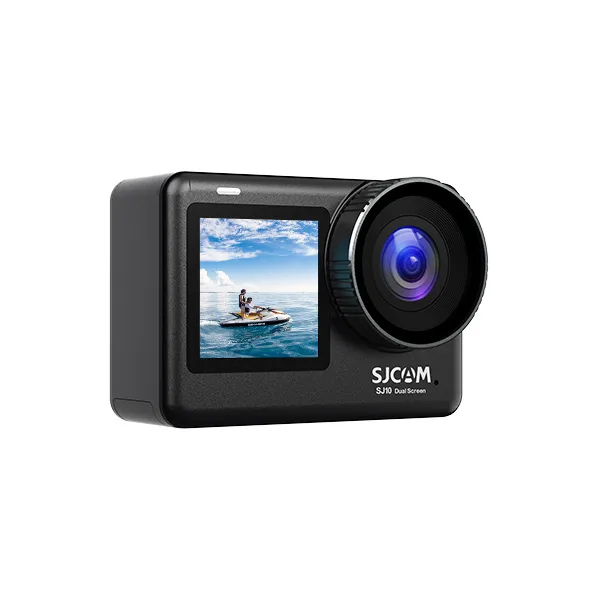
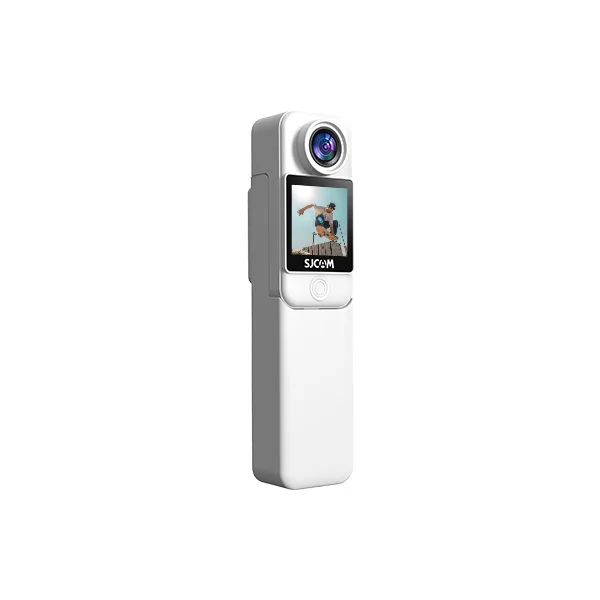
SJ6 Ultra—Best for a level horizon
Badge: Best for carving and steep terrain
SteadyMotion 2.0 + 45° horizon correction: the camera keeps the snow line level while you lean into turns—the single biggest difference between “watchable” and “dizzying” ski footage.
Hands-free voice control: start and stop recording by voice in cold weather, without pulling a glove off to tap a touchscreen.
The 77 g with dual screens: the 2.0″ rear touchscreen and 1.3″ front display let you check framing while the camera is already on your helmet.
Specs that matter on snow: 4K/30 fps · 166° wide · up to 512 GB microSD · 1000 mAh removable battery · lossless vertical shooting for social clips.
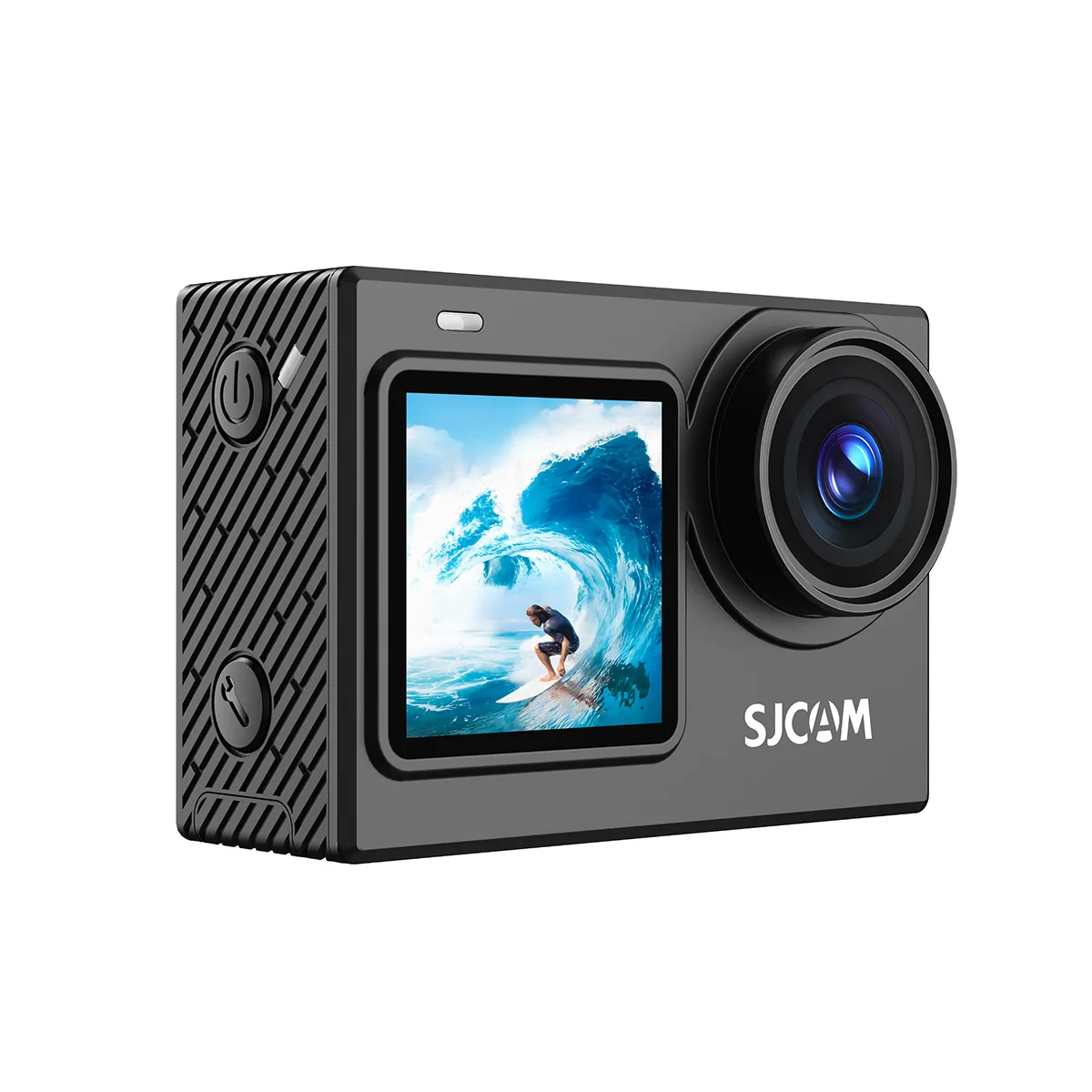
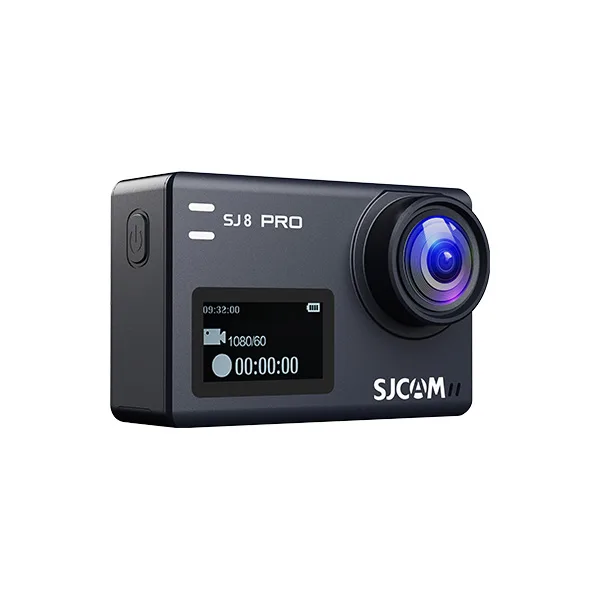
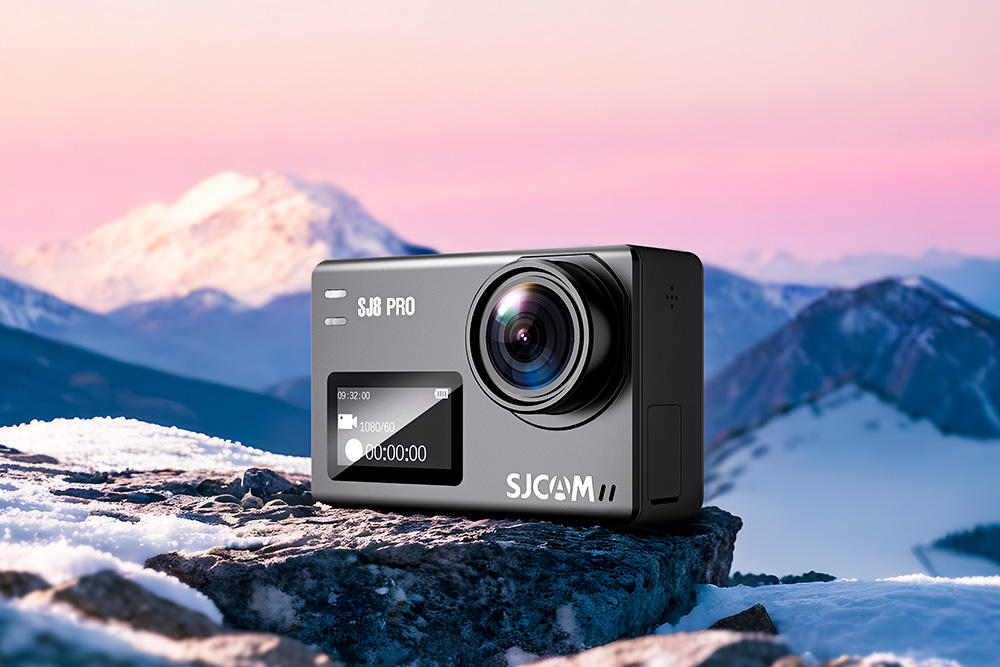
SJ8 Pro—Best overall for skiing
Badge: Best for 4K/60 fps piste footage
4K/60 fps for fast downhill runs: sixty frames per second keeps carving smooth instead of juddering, and 1080p/240 fps slow motion turns jumps and park hits into usable slow-mo.
6-axis gyro stabilization: mogul fields and icy patches produce constant high-frequency vibration; the gyro EIS takes the edge off without a gimbal.
170° ultra-wide with distortion correction: wide enough to keep ski tips and the fall line in frame, with correction so the horizon doesn’t bow.
Specs that matter on snow: 85 g · 1200 mAh · 70 min at 4K/60 fps · 30 m waterproof with case · dual-band Wi-Fi for fast offload at the lodge.
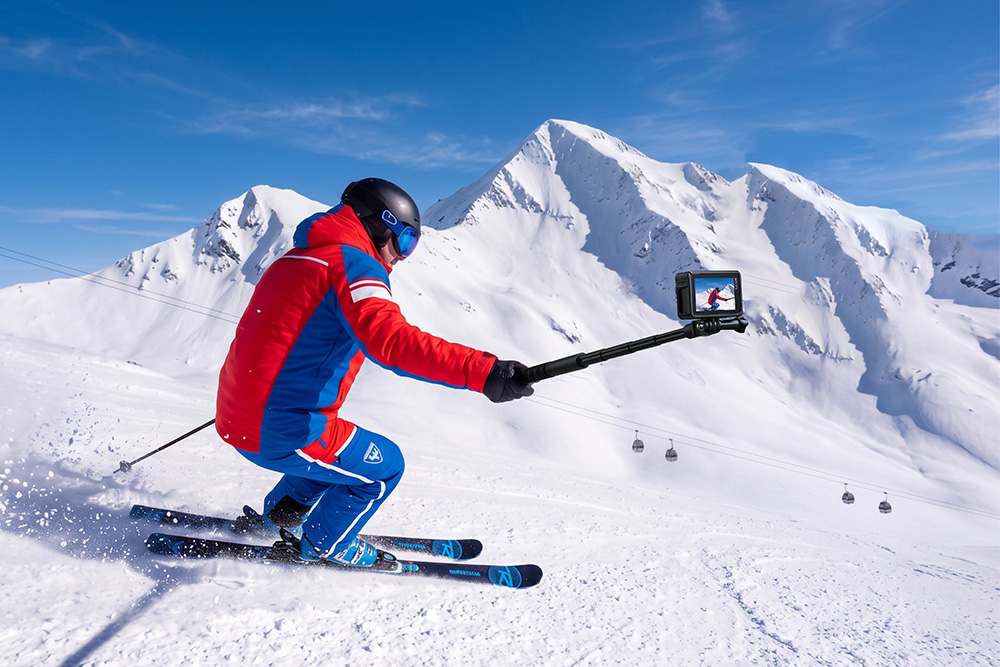
Lightweight POV Cameras for Skiing
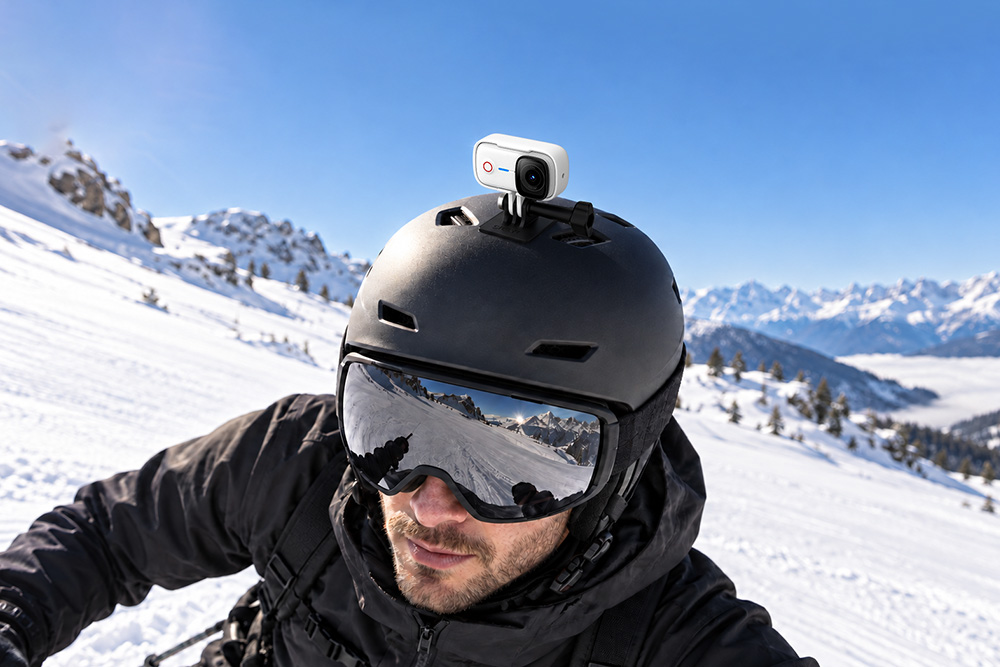
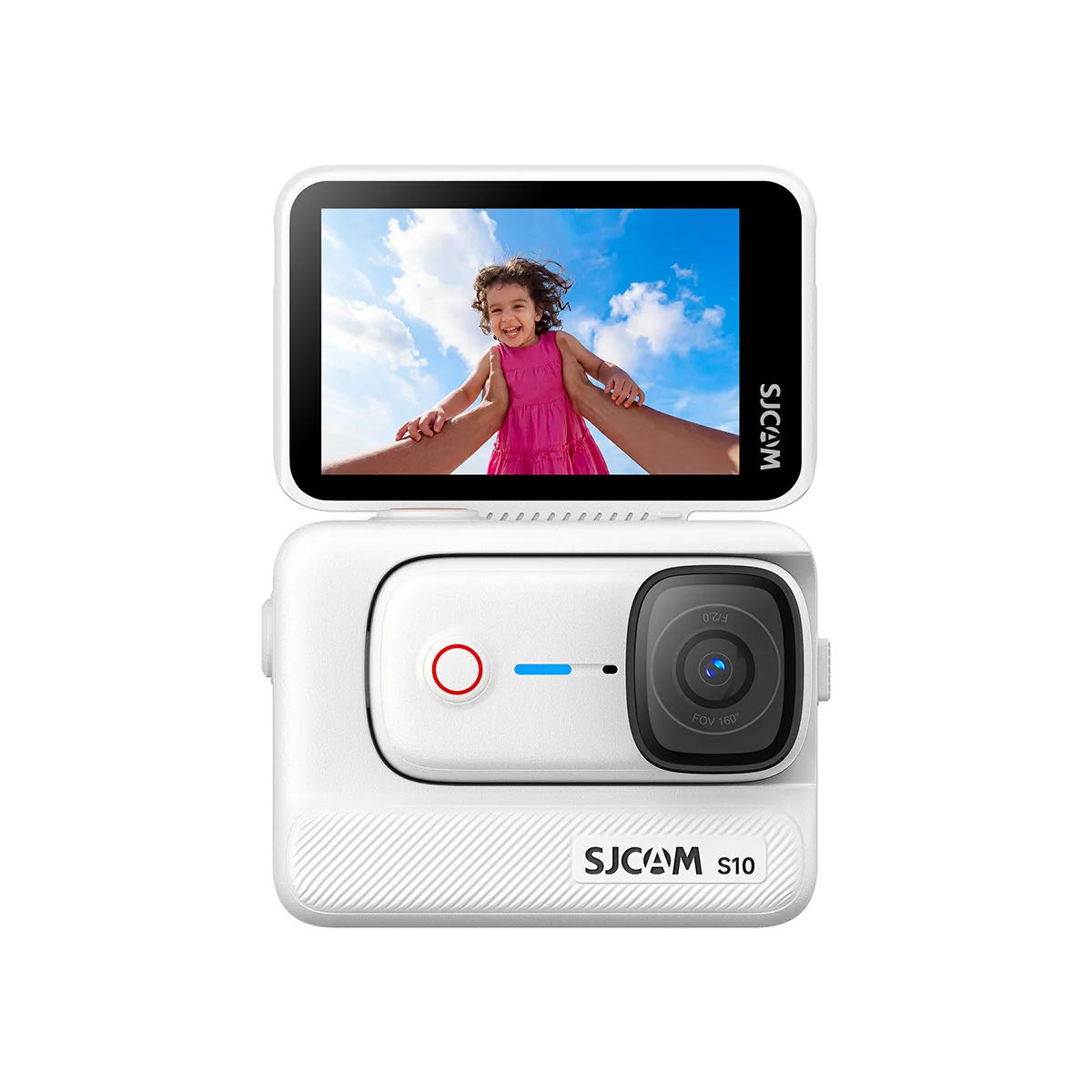
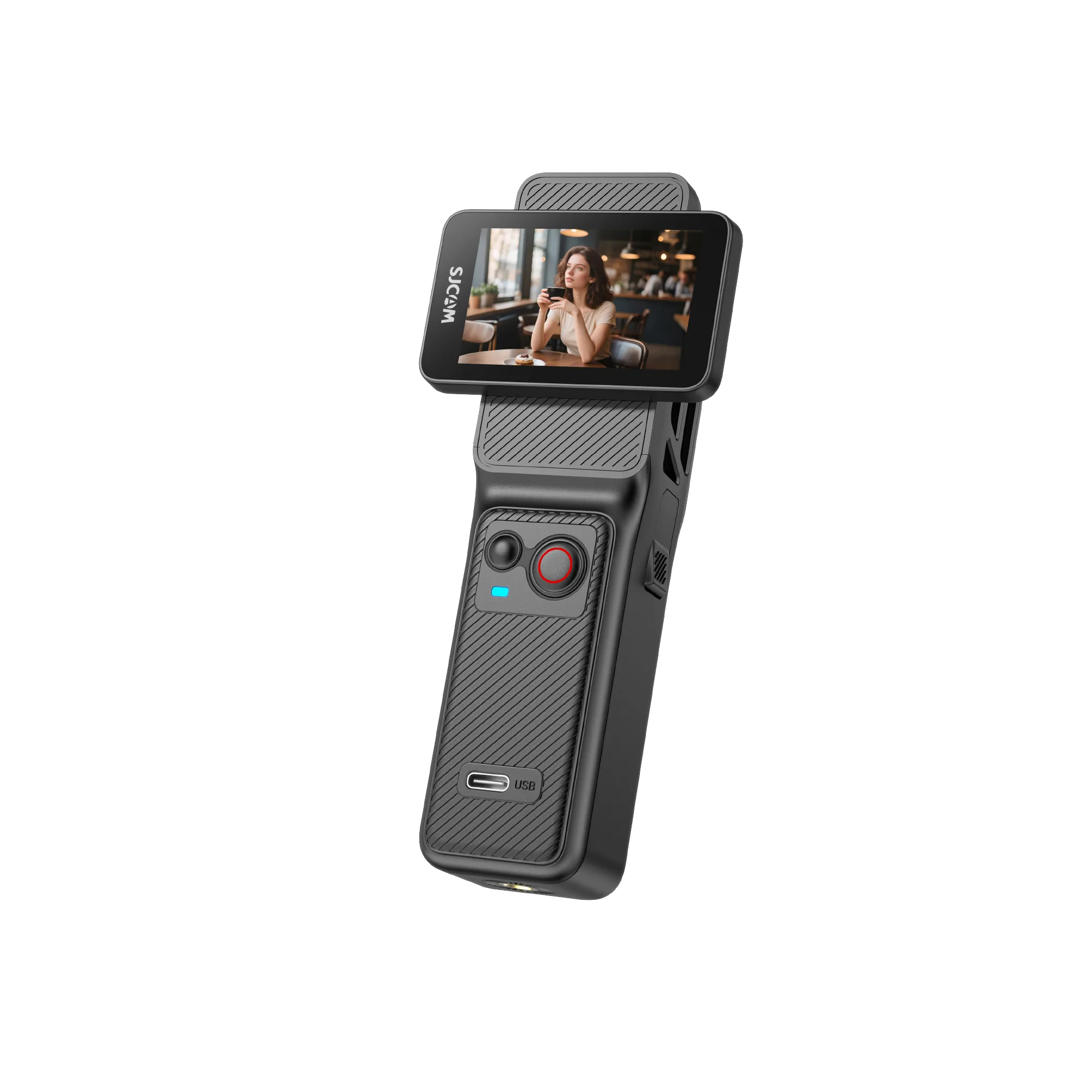
S10 — Best all-day POV camera
Badge: Best for helmet and goggle mounting
46 g—you forget it’s there: On a helmet or goggle strap, weight is the difference between filming all day and taking the camera off after two runs.
Up to 290 minutes with the Boost Pod: A full ski day on one setup; the camera also supports recording while charging from a power bank in your pocket.
2.51″ flip touchscreen: Flip the screen up to frame yourself on the chairlift or record a quick slope-side piece to the camera.
Specs that matter on snow: 4K/30 fps · 150° ultra-wide · SteadyMotion V2.0 · 115 min standalone runtime.
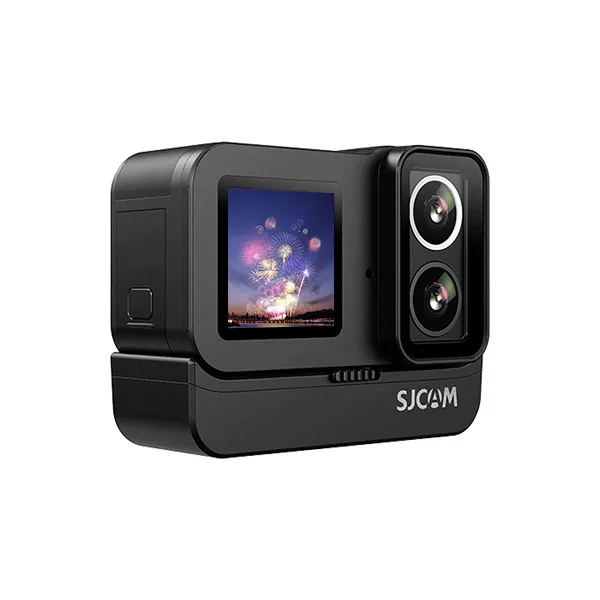
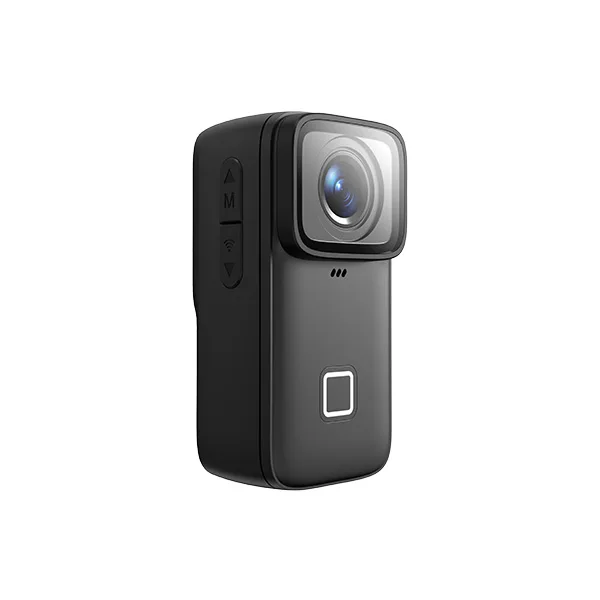
C110+—Best for flat light and night skiing
Badge: Best compact magnetic camera
F1.8 large aperture: Overcast days, whiteouts, and floodlit night slopes are where small sensors normally give up; the wider aperture pulls in more light.
Magnetic mounting: Snap it to a lift pole, a metal sign, or any magnetic base for static B-roll, then pull it off one-handed with gloves on.
170° wide with gyro stabilization: Wide, corrected, and stable enough for body-worn POV at speed.
Specs that matter on snow: 85 g · 1200 mAh · 70 min at 4K/60 fps · 30 m waterproof with case · dual-band Wi-Fi for fast offload at the lodge.
Compact & Budget Ski Cameras
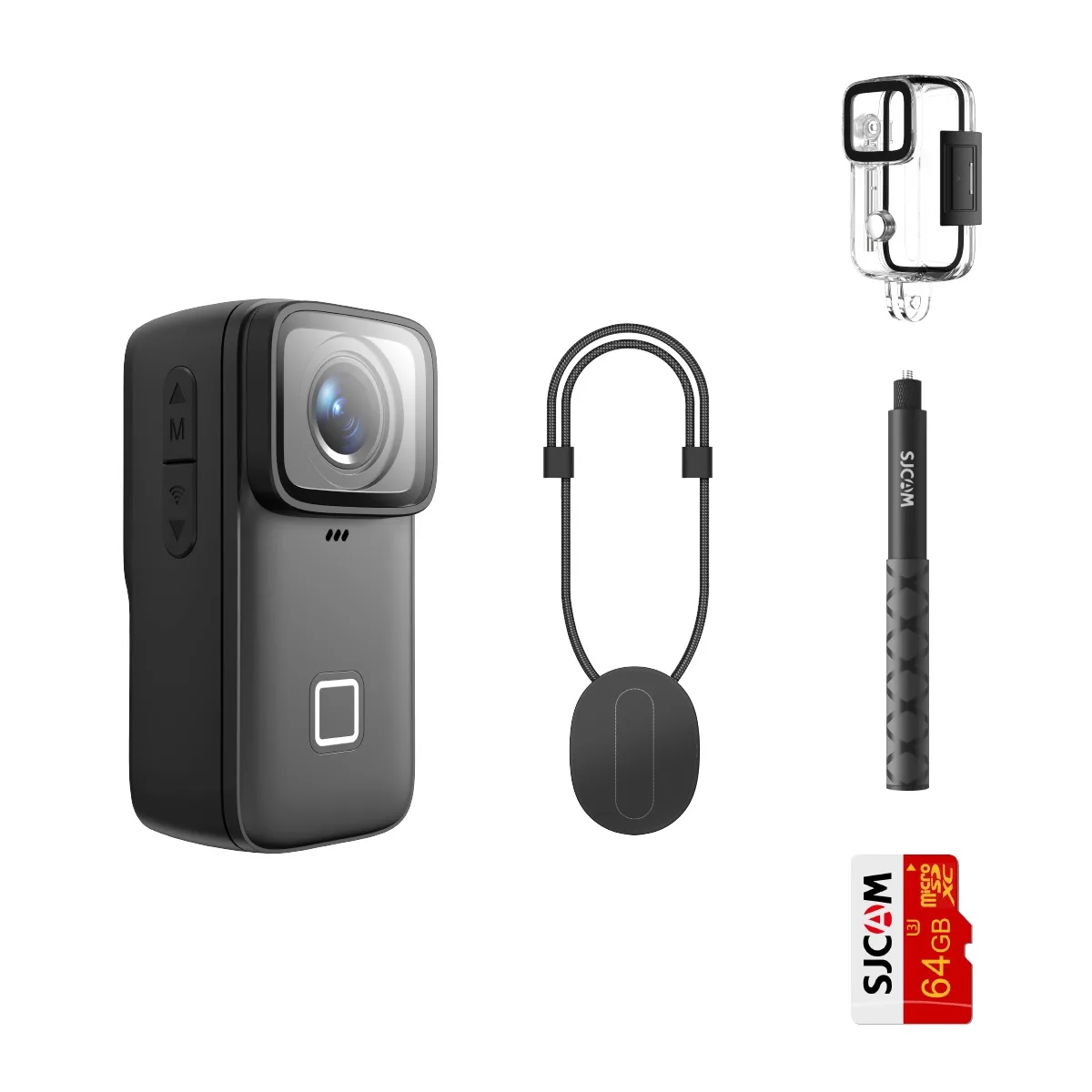
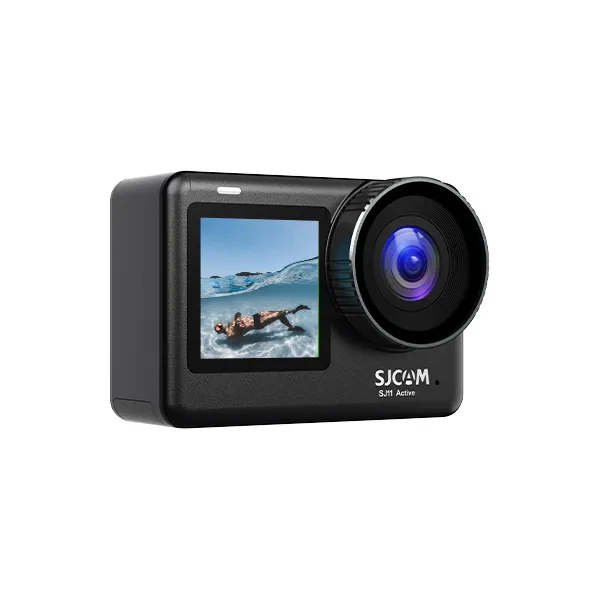
C200 Pro—Best value 4K for family ski trips
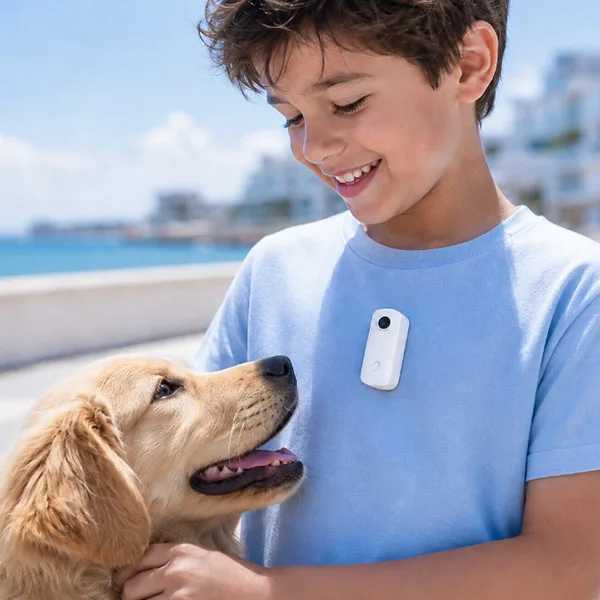
Badge: Best for family and kids
4K/30 fps and 20 MP photos: Enough resolution for slope scenery and for printing the photo at the end of the week.
HDR for high-contrast snow: Bright snow against dark trees is the hardest scene for a small sensor; HDR keeps both ends usable.
5 m of body waterproofing and 30 m with the case: Falls, wet snow and chairlift sleet stop being a problem.
Specs that matter on snow: 88 g · 1200 mAh · 70 min at 4K/30 fps · 135° wide with distortion correction · Pre-record catches the moment before you press.
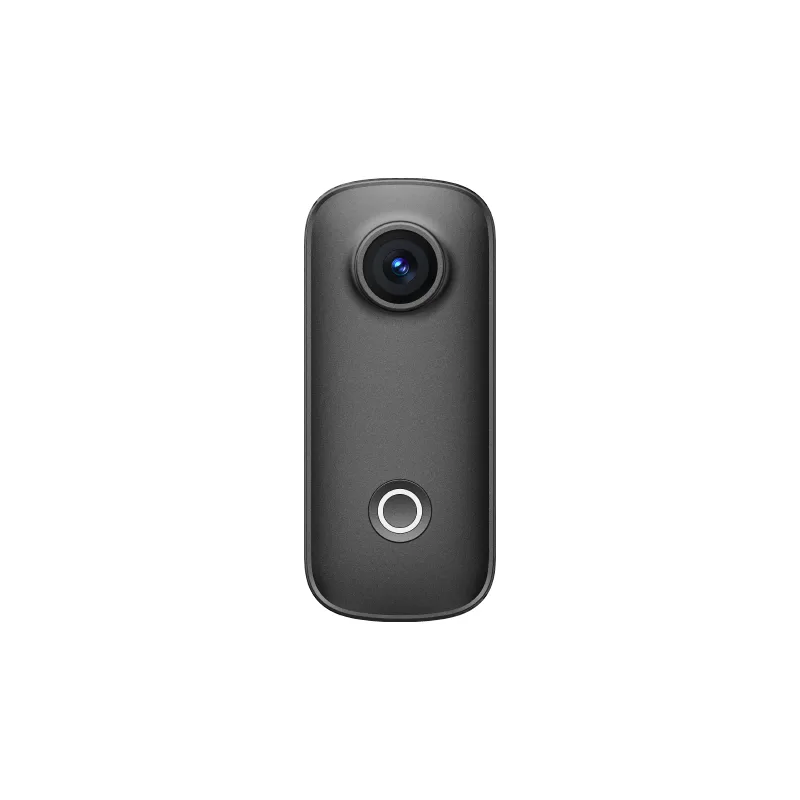
C200—Best budget action camera for skiing
Badge: Best first ski camera
154° wide angle at 78 g: A wide, light body that works on a helmet or chest harness without weighing down a beginner’s setup.
5 m body / 40 m with case waterproofing: Snow-proof on the body, fully protected with the case.
Specs that matter on snow: 4K · 1200 mAh · 1.28″ screen · external microphone support · Sony IMX335 sensor.

その他のアクティビティを見る
よくある質問
The best action camera for skiing depends on your budget, preferred mounting style, and recording needs. Look for reliable stabilization, a suitable field of view, practical battery life, and compatible mounts. If you want 4K60 footage, compare models such as the SJCAM SJ8 Pro; for lightweight POV recording, the S10 is another option to consider.
A good budget ski camera should balance video quality, stabilization, and ease of use. Compare options such as the SJCAM C200, C110+, and C200 Pro based on their recording modes, size, battery life, and compatible accessories.
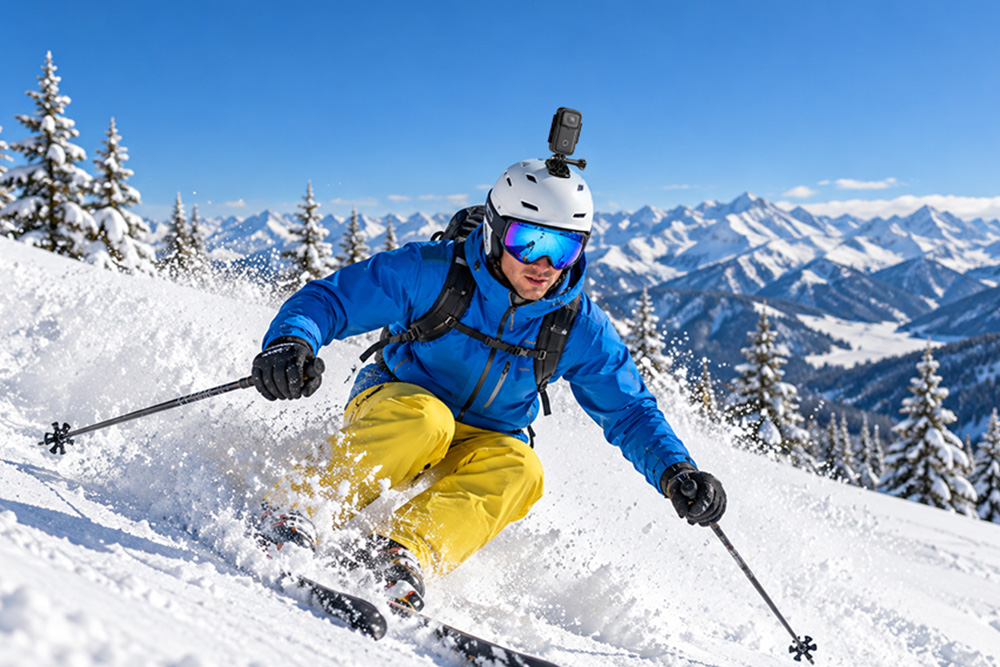
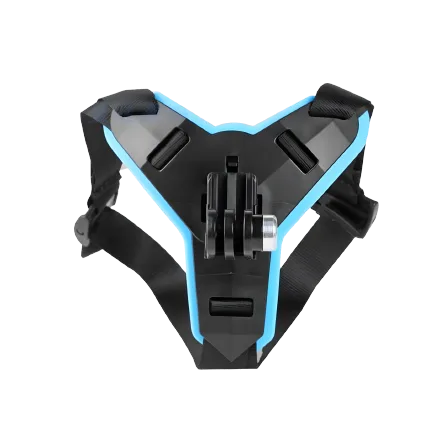
A helmet mount provides a head-level first-person view, while a chest mount captures a lower perspective that can include your skis and the terrain ahead. Use a compatible mount, secure it before each run, and follow the helmet manufacturer’s safety guidance.
4K 30 works well for everyday skiing footage and mountain scenery. 4K 60 captures more frames per second and can be useful for fast movement or slow-motion editing, but it may use more battery and storage. Check which recording modes are supported by your camera.
Performance depends on the model’s operating-temperature rating and battery conditions. Check the manufacturer’s specifications, keep spare batteries warm when possible, and plan for shorter runtime in cold conditions.
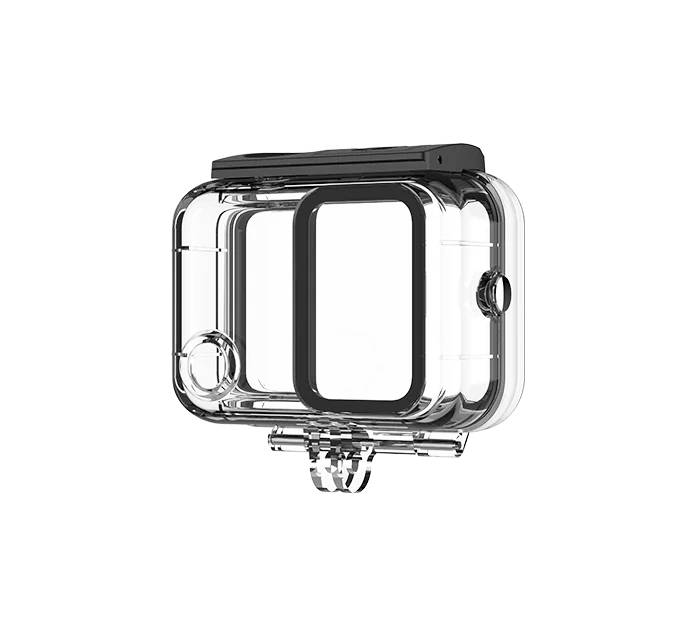
Not every camera requires a separate case for every skiing situation. Check the camera’s water-resistance rating and guidance for snow, moisture, and condensation, and use a compatible housing when needed.