





 Angličtina
  čínština (Čína)
  španielčina
  nemecký
  francúzsky
  taliansky
  japončina
  kórejský
  bulharčina
  grécky
  indonézsky
  čínština (Hongkong)
  ruský
ruský  dánčina
  fínsky
  maďarský
  turecký
  holandský
  portugalčina
  švédsky
  rumunský
  srbský
  nórsky
  chorvátsky
  albánsky
  katalánsky
  český
český  estónsky
  arménsky
  bengálsky
  amharčina
  poľský
  thajčina
  Ukrajinčina
  Vietnamci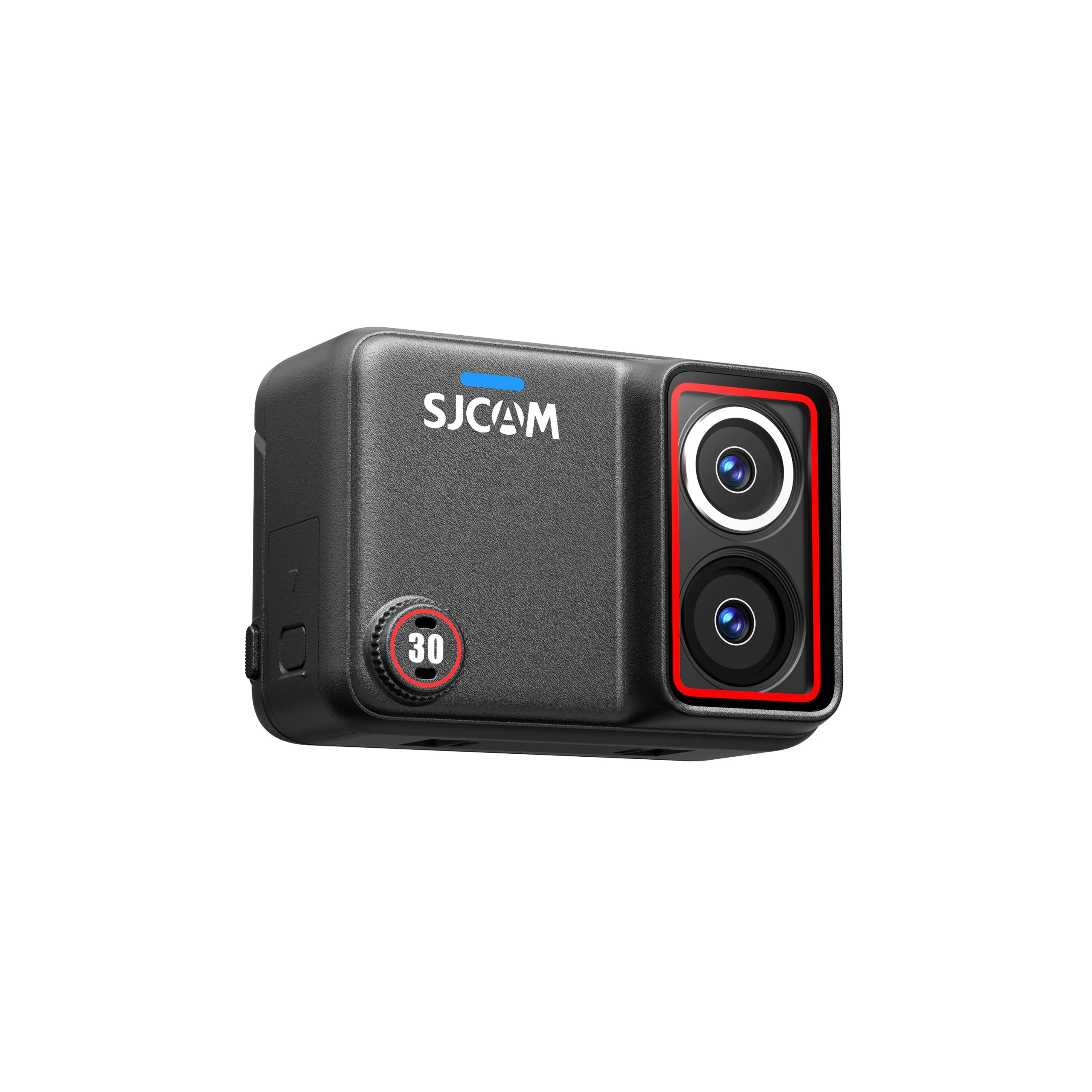
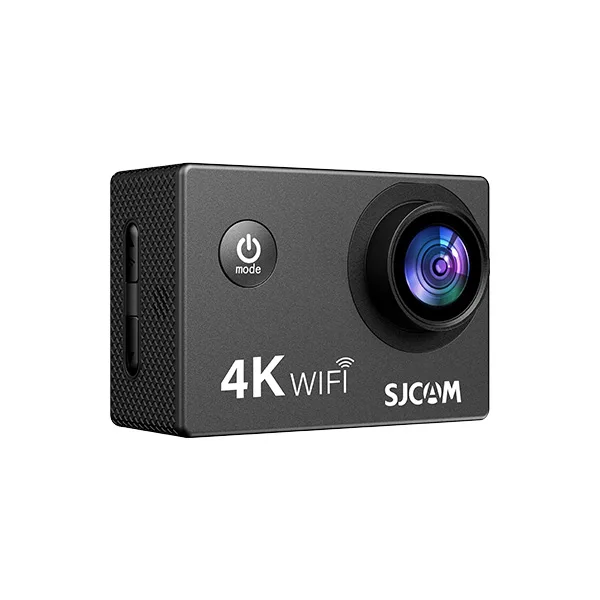
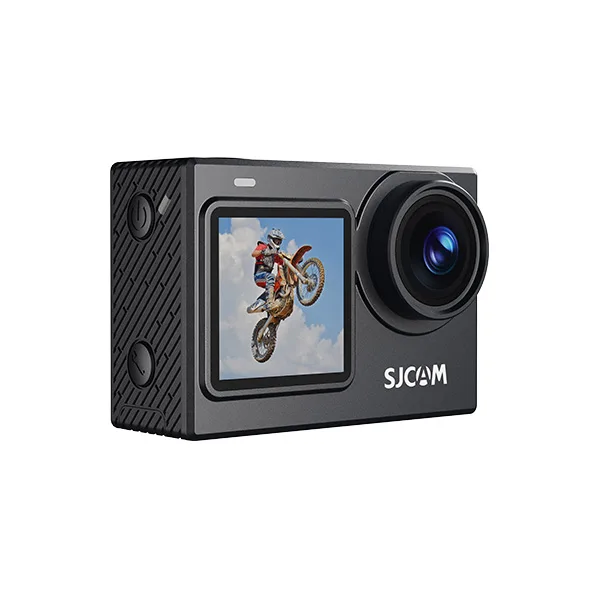
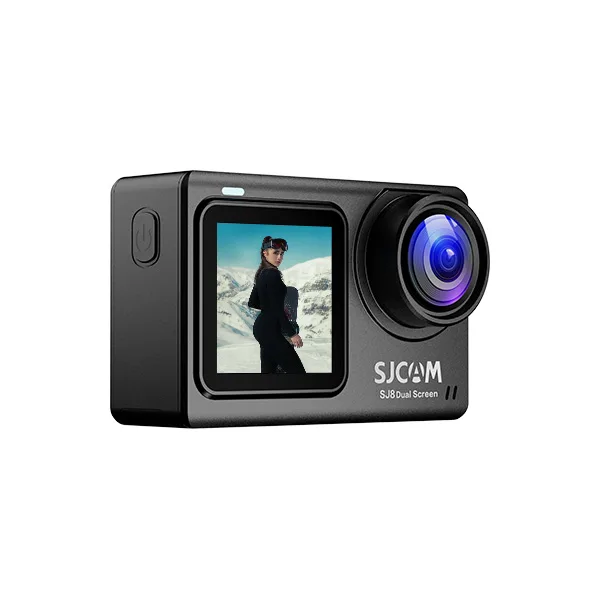
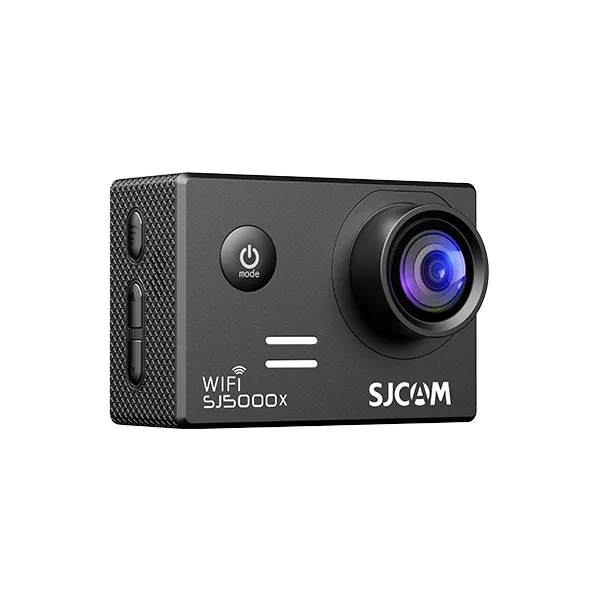

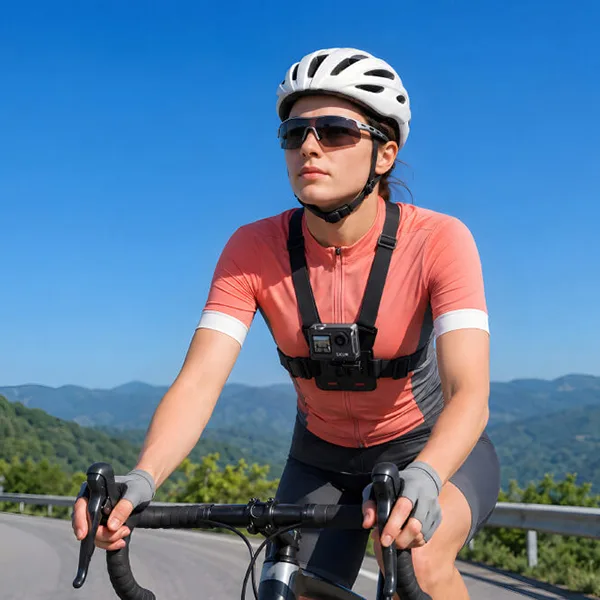
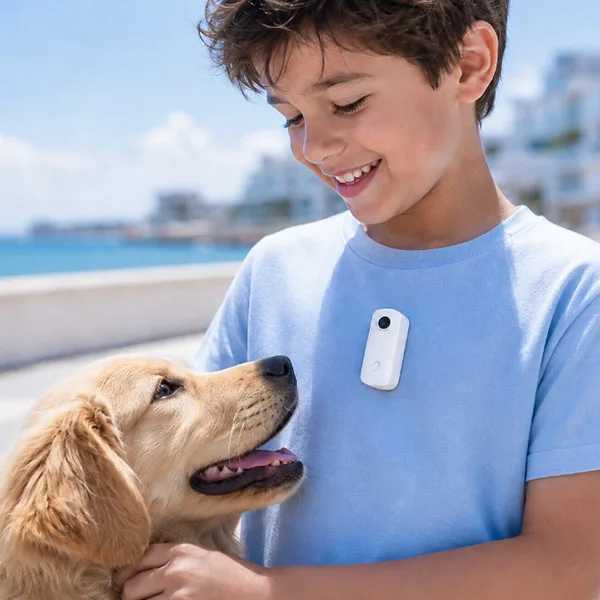
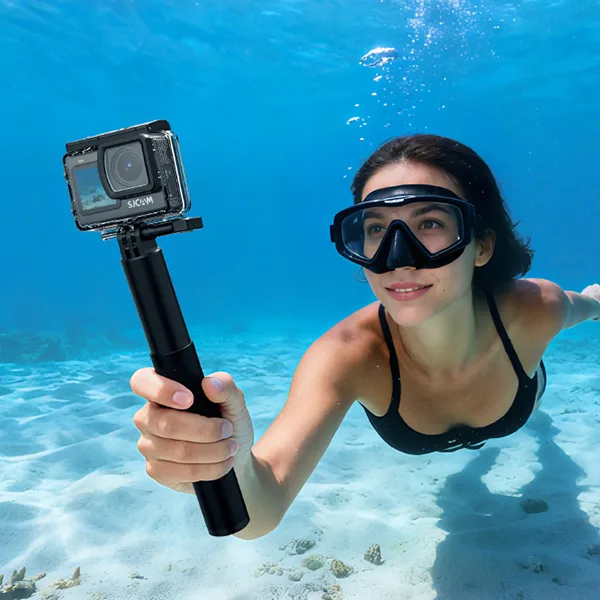
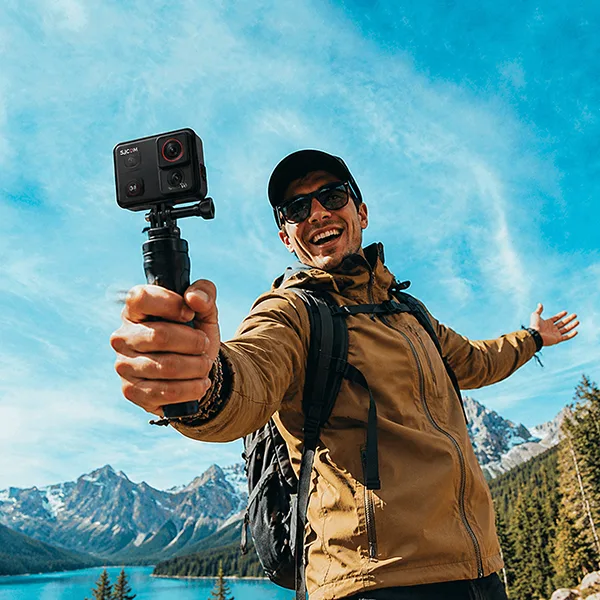
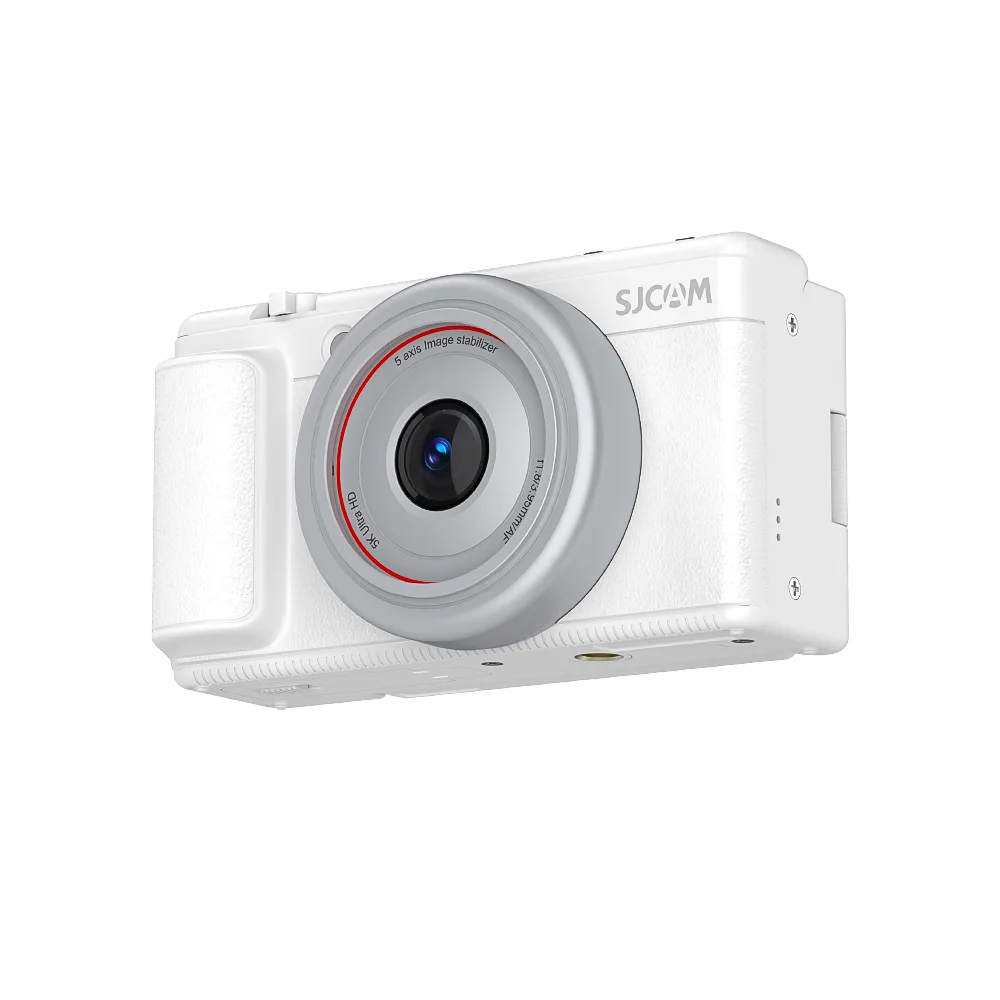
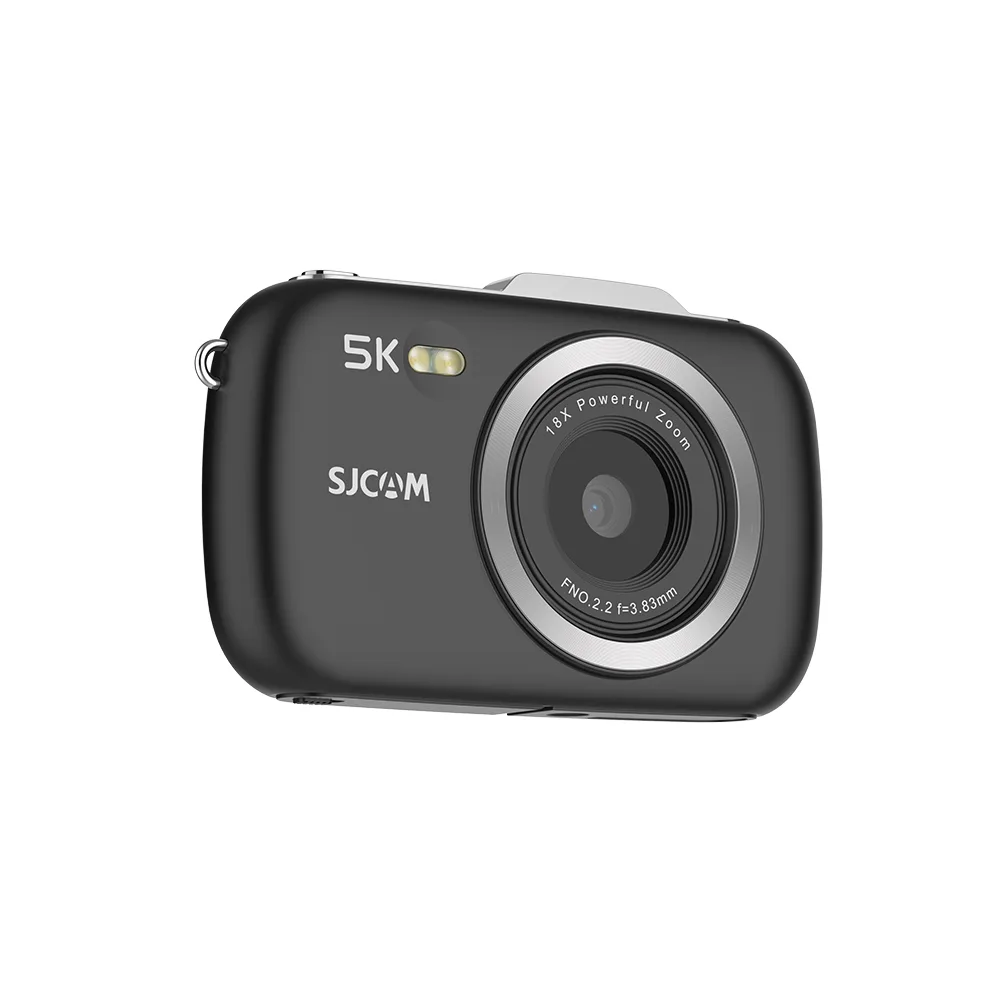


Camera technology can now fit into incredibly small devices, but the world’s smallest medical camera module and the smallest camera you can actually buy for everyday use are very different things.
In this guide, we explain how small the world’s tiniest camera technology really is, then compare practical mini digital and action cameras for travel, POV recording, vlogging, and phone-connected shooting.

What Is the Smallest Camera?
| Typ | Príklad | Size / Weight | Najlepšie pre |
|---|---|---|---|
| Smallest commercial image sensor | OmniVision OV6948 | 0.575 × 0.575 mm | Lekárske zobrazovanie |
| Tiny complete camera module | OmniVision OVM6948 | 0.65 × 0.65 × 1.158 mm | Endoscopes and medical devices |
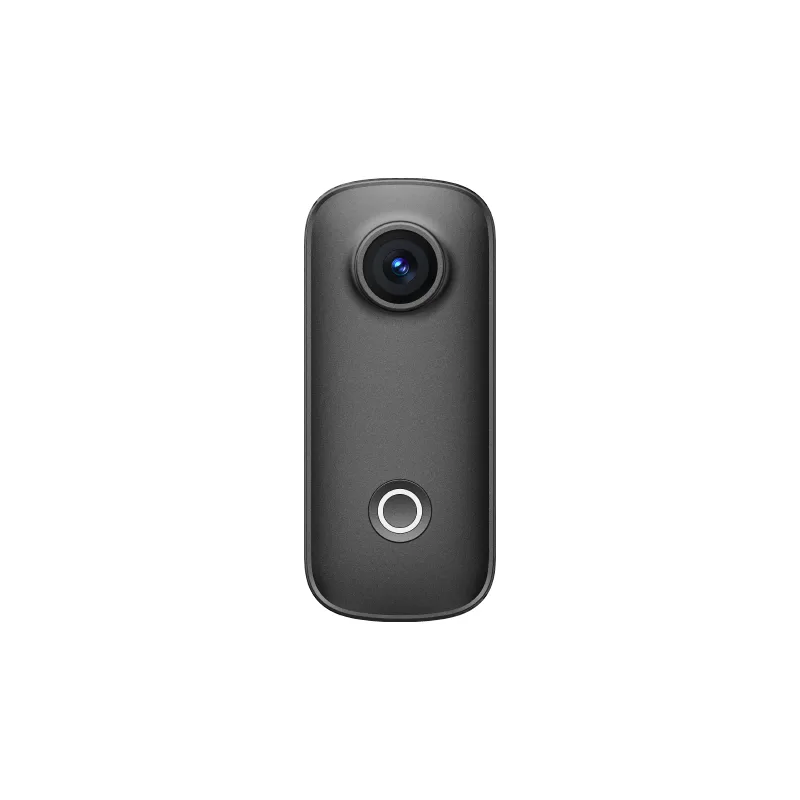
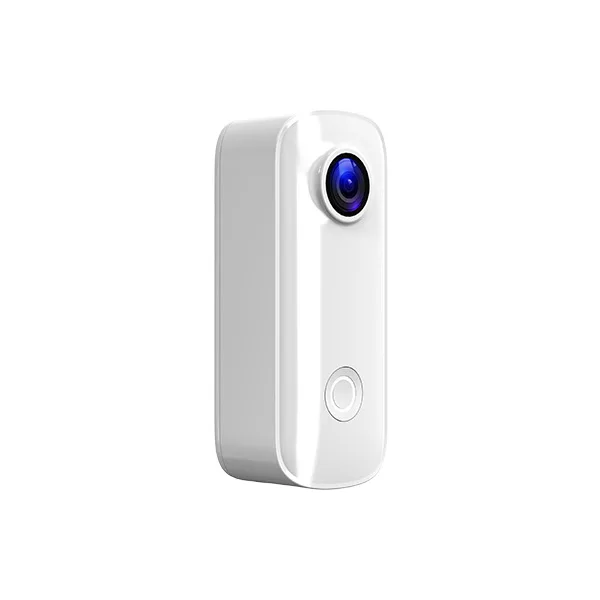
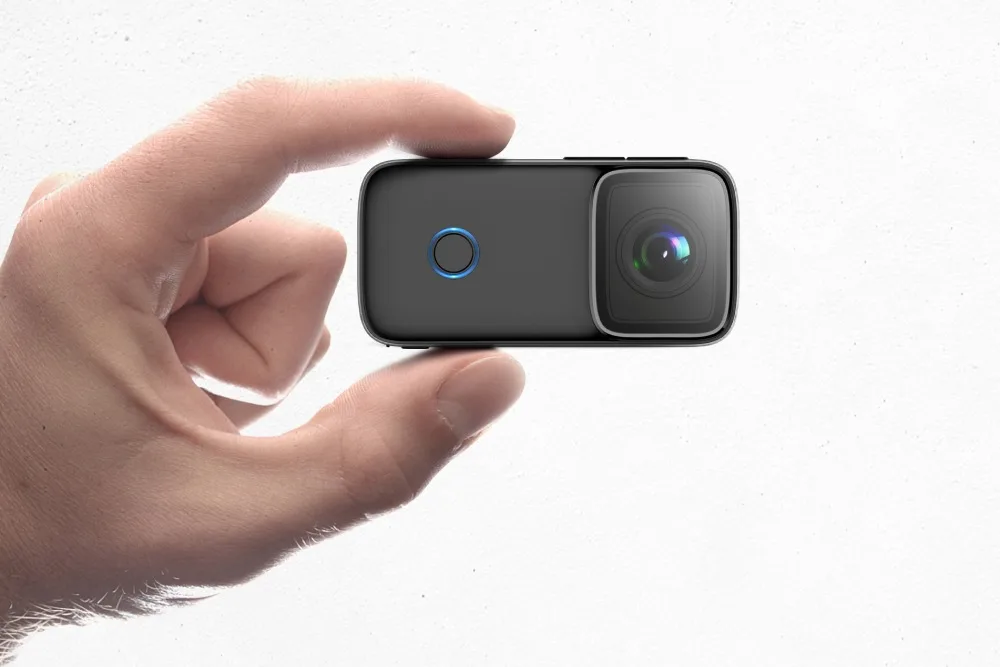
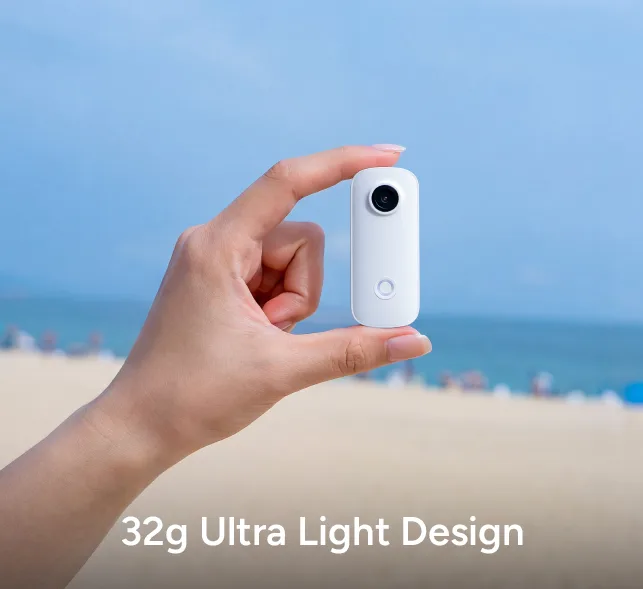
| Small consumer action camera | SJCAM C100 Pro | 60 × 20 × 26 mm, 32g | POV, travel, wearable recording |
The world’s smallest imaging technology is designed for specialized medical use. If you want a tiny camera you can actually buy and use, a mini action camera is far more practical.
What Is the Smallest Camera You Can Buy?
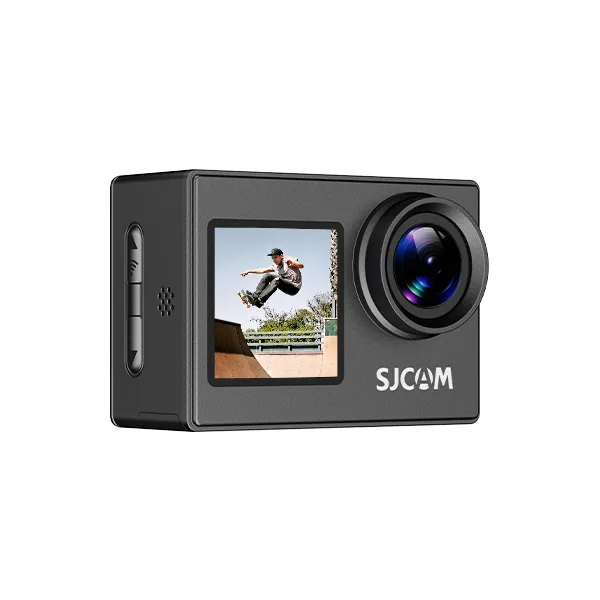
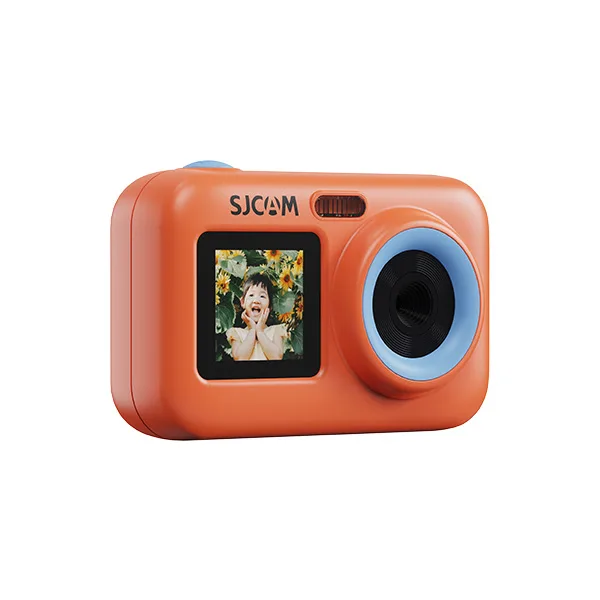
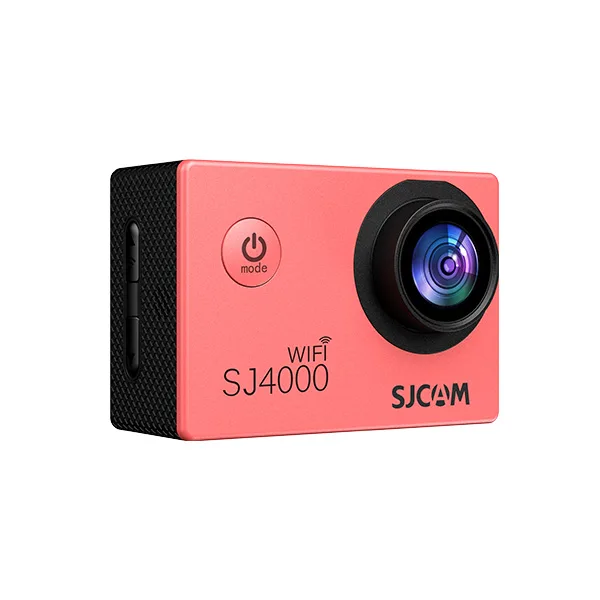
If you are looking for the smallest camera you can actually buy for everyday use, focus on mini digital or action cameras rather than medical camera modules. These cameras are designed to balance compact size with practical features such as 4K recording, Wi-Fi, app control, stabilization, battery life, and mounting options.
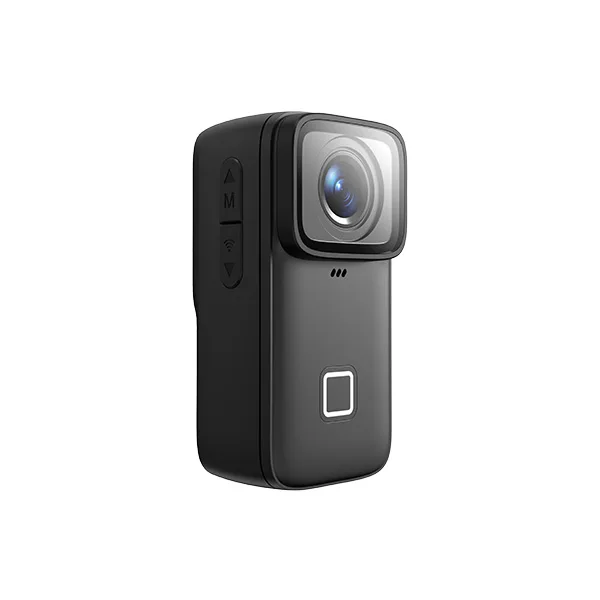
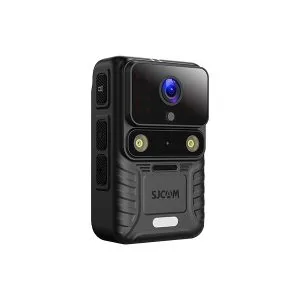
For example, the SJCAM C100 Pro weighs just 32g and measures 60 × 20 × 26 mm while still offering 4K/30fps video, Wi-Fi, app control, and wearable mounting options.
Small Camera That Connects to Your Phone
Many modern mini cameras use Wi-Fi and a companion app to connect to a smartphone. This allows you to preview the shot, change settings, control recording, and transfer footage without relying on a large built-in screen.
The SJCAM C100 Pro supports 5GHz Wi-Fi and works with the SJCAM X app, making it possible to control the camera from a phone while keeping the camera body small and lightweight.
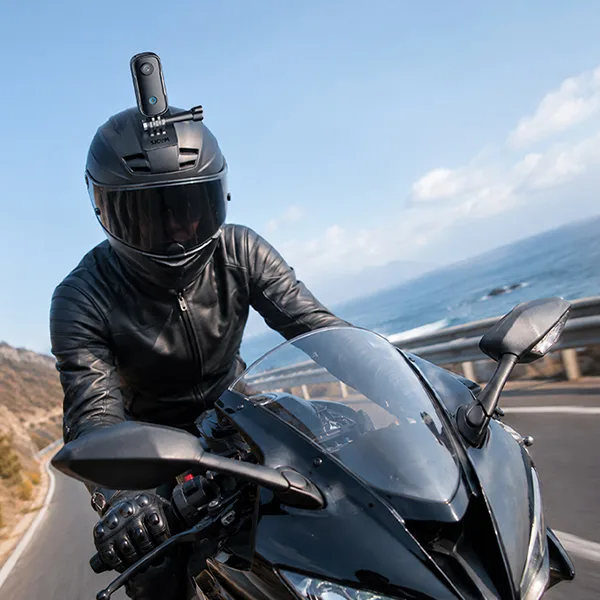
A phone-connected mini camera is especially useful for wearable POV recording, travel, cycling, pets, and situations where the camera is mounted somewhere that is difficult to reach.
What Makes a Small Digital Camera Practical?
For everyday users, a useful small digital camera needs more than a tiny body. It should also provide acceptable image quality, easy controls, sufficient battery life, storage, and simple file transfer.
| Funkcia | Prečo je to dôležité |
|---|---|
| Veľkosť a hmotnosť | Easier to carry or wear |
| Kvalita videa | Determines usable footage |
| Stabilizácia | Important for moving shots |
| Wi-Fi / App Control | Makes tiny cameras easier to control |
| Životnosť batérie | Smaller bodies usually limit battery size |
| Montáž | Important for POV and hands-free shooting |
How Small Can an Action Camera Be?
Small action cameras trade larger screens and bigger sensors for portability, wearable mounting, and hands-free recording. The C100 Pro is a current example of this design approach: its 32g body is built around compact POV capture rather than traditional handheld photography.
World’s Smallest Camera vs. Smallest Usable Camera
The world’s smallest camera technology and the smallest camera you can actually use every day are very different.
Ultra-miniature camera sensors and modules are mainly designed for specialized applications such as medical imaging, where reducing physical size is more important than battery life, controls, stabilization, or easy file sharing. Consumer cameras, on the other hand, need enough space for a battery, processor, storage, wireless connectivity, and mounting hardware.
| Funkcia | World’s Smallest Camera Technology | Smallest Usable Consumer Camera |
|---|---|---|
| Main Goal | Extreme miniaturization | Practical everyday recording |
| Typical Use | Medical and industrial imaging | Travel, POV, vlogging, sports |
| Video Controls | Very limited | User-adjustable settings |
| Batéria | Usually external or system-powered | Built-in rechargeable battery |
| Skladovanie | Depends on the external system | microSD or internal storage |
| Phone Connectivity | Usually not designed for consumers | Often available through Wi-Fi and apps |
| Stabilizácia | Not a priority | Important for handheld and action footage |
| Easy to Buy and Use | Nie | Áno |
For most buyers, the more useful question is not “What is the smallest camera in the world?” but “What is the smallest camera that still gives me the features I need?”
A practical mini camera should balance size, video quality, battery life, stabilization, storage, and phone connectivity rather than focusing on size alone.
SJCAM C100 Pro—Tiny 4K POV Camera
The SJCAM C100 Pro is a compact action camera designed for wearable POV recording, travel, everyday moments, and hands-free shooting. Its camera body weighs just 32g and measures 60 × 20 × 26 mm, making it small enough to wear with a magnetic pendant or mount in places where a larger camera would feel bulky.
Despite its small size, the C100 Pro records up to 4K at 30fps and supports a 120° field of view. It also includes vertical recording modes, making it suitable for short-form content as well as traditional landscape video.
Key Features
- 32g compact camera body
- 4K/30fps video recording
- 120° field of view
- 5GHz Wi-Fi and SJCAM X app control
- Magnetic and wearable mounting options
- Podpora microSD kariet až do 512 GB
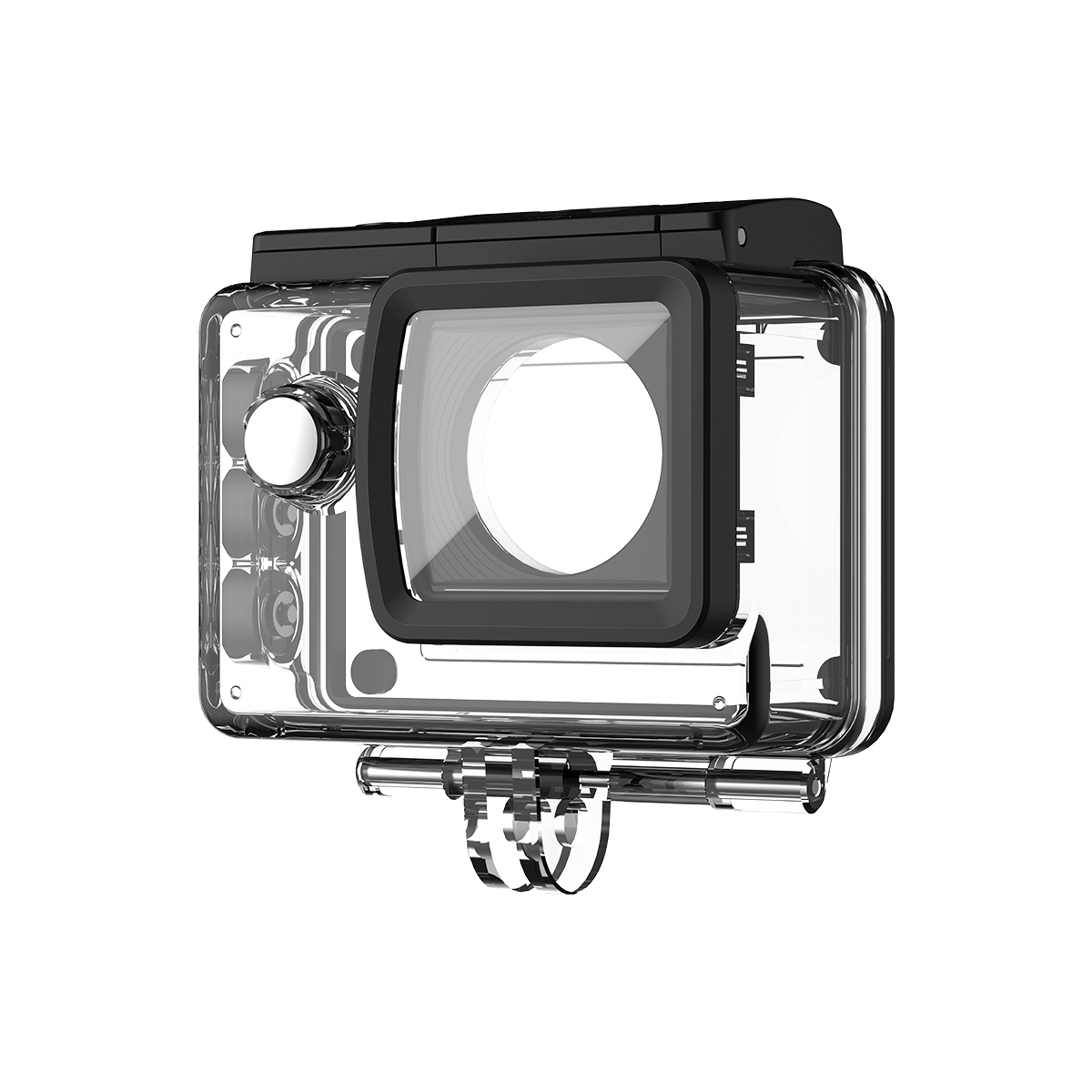
- Up to 30m waterproof with the waterproof case
The C100 Pro is not the smallest camera technology in the world, but it is a good example of how a tiny consumer camera can balance portability with practical features such as 4K video, phone connectivity, storage, and hands-free mounting.
How to Choose a Tiny Camera?
The smallest camera is not always the most practical one. When choosing a tiny camera, look for a balance between portability, video quality, battery life, connectivity, and ease of use.
Veľkosť a hmotnosť
Check both the camera’s dimensions and weight. A lighter camera is easier to wear, mount, or carry while traveling, but an extremely small body may mean a smaller battery, fewer controls, or no built-in screen.
Kvalita videa
For everyday recording, 1080p may be sufficient, while 4K provides sharper footage and more flexibility for cropping and editing. Also consider frame rate and low-light performance rather than judging a camera by resolution alone.
Phone Connectivity
A tiny camera with Wi-Fi and app control can be much easier to use. Your phone can act as a larger screen for previewing shots, changing settings, starting or stopping recording, and transferring files.
This is especially useful for cameras that are too small to include a large display.
Stabilizácia
If you plan to use the camera for walking, cycling, travel, sports, or wearable POV recording, stabilization is important. It helps reduce shake and makes footage easier to watch without requiring extra equipment.
Životnosť batérie
Smaller cameras generally have less room for large batteries, so check the expected recording time before buying. For travel or longer recording sessions, look for convenient charging options or support for extended power.
Mounting and Durability
Think about where and how you will use the camera. A good tiny camera should support the mounts you need, such as clips, magnetic mounts, helmet mounts, or chest mounts.
For outdoor use, also check water resistance, protective housing options, and overall durability.
The best tiny camera is not simply the smallest model—it is the smallest camera that still provides the video quality, battery life, controls, and connectivity you need for your shooting style.
Where Are Tiny Cameras Used?
Tiny cameras are useful in situations where a full-size camera would be too large, heavy, or difficult to position. Their small size allows them to fit into wearable devices, medical equipment, drones, and compact consumer products.
Medical Imaging
Ultra-small camera modules are widely used in endoscopes and other medical imaging devices where size is critical. These systems are designed to capture images inside areas that traditional cameras cannot reach.
Action and Wearable Cameras
Compact action cameras are popular for POV recording, cycling, hiking, skiing, and other hands-free activities. If hands-free recording is your priority, see our guide to choosing the best POV camera for vlogging.
Travel and Vlogging
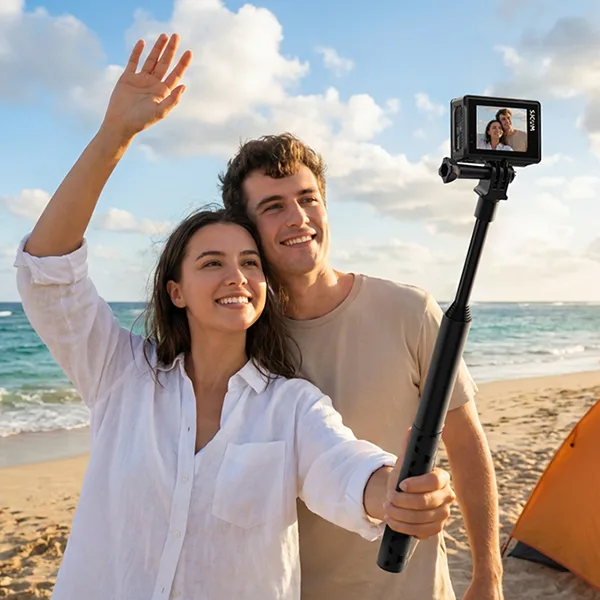
Tiny cameras are useful for travelers and vloggers who want a lightweight setup. Models with Wi-Fi or app control can also connect to a smartphone, making framing and remote operation easier even when the camera itself has a very small screen.
Drones and Robotics
Small cameras help keep drones and robots lightweight while still providing video for navigation, inspection, mapping, or recording. Lower camera weight can be especially important in compact drones where every gram affects flight time and stability.
Everyday Portable Recording
Mini cameras can also be useful for casual video, family trips, pet footage, and quick everyday recording. Their main advantage is convenience: they are easier to carry and more likely to be available when a larger camera would be left at home.
The main reason tiny cameras are used across these applications is simple: they provide useful imaging while taking up as little space and weight as possible.
Which Small Camera Is Right for You?
The right small camera depends on how you plan to use it. Instead of choosing the smallest model available, focus on the features that matter most for your shooting style.
| If You Mainly Want To… | Look For… | Best Camera Type |
|---|---|---|
| Record everyday moments | Simple controls, good battery life, easy file transfer | Compact digital camera |
| Film travel and vlogs | Lightweight design, 4K video, stabilization | Mini akčná kamera |
| Control the camera from your phone | Wi-Fi, app preview, remote control | Phone-connected mini camera |
| Record hands-free POV footage | Low weight, wearable mounts, stabilization | Wearable action camera |
| Film cycling, hiking, or sports | Secure mounting, durability, stabilization | Action camera |
| Record underwater activities | Waterproof housing or verified water resistance | Waterproof action camera |
| Capture pets or family activities | Compact size, quick startup, flexible mounting | Small everyday camera |
| Use the camera on a drone or robot | Very low weight and compact dimensions | Mini camera module |
For most buyers, the best small camera is one that remains easy to carry while still offering the features you actually need. If phone control matters, prioritize Wi-Fi and app support. For sports and POV recording, focus more on stabilization, mounting options, and durability. For travel and everyday use, battery life and portability are usually more important than choosing the absolute smallest camera available.
Challenges of Making Cameras Smaller
Making a camera smaller is not just a matter of shrinking the outer shell. Engineers have to balance size with image quality, battery life, heat control, storage, connectivity, and usability.
Smaller Sensors and Image Quality
Very small cameras often have limited space for larger image sensors and lenses. This can affect low-light performance, dynamic range, and overall image detail, especially when compared with larger cameras.
Limited Battery Space
A compact body leaves less room for a large battery. As a result, tiny cameras may have shorter recording times and need more frequent charging during travel or long shooting sessions.
Heat Management
High-resolution video generates heat. In a very small camera body, there is less surface area and internal space to dissipate that heat, which can make thermal management more difficult during extended recording.
Fewer Physical Controls
Tiny cameras may have fewer buttons or smaller screens. Many compensate by using smartphone apps, touch controls, or remote operation, but this can make the camera more dependent on wireless connectivity.
Stabilization and Lens Limitations
Smaller bodies also leave less room for large optical stabilization systems or complex lens mechanisms. Mini cameras therefore often rely more heavily on electronic stabilization and fixed wide-angle lenses.
Storage and Connectivity
A small camera still needs space for memory cards, Wi-Fi components, processors, microphones, and charging ports. Fitting all of these into a compact body without sacrificing durability requires careful design.
Ultimately, the challenge is not simply making a camera smaller—it is reducing size while keeping the camera practical, reliable, and easy to use. This is why the smallest usable consumer camera is usually larger than specialized miniature camera modules designed only for imaging.
Často kladené otázky
Najmenšia kamera, ktorú si môžete kúpiť, je zvyčajne mini akčná kamera alebo nositeľná kamera určená na prenosnosť. Tieto kamery sú dostatočne malé na to, aby ste ich mohli nosiť vo vrecku, pripevniť na oblečenie alebo na príslušenstvo a zároveň poskytovali vysokokvalitný videozáznam.
The best choice depends on your needs. If you want an ultra-compact camera for hands-free recording, travel, and daily vlogging, a lightweight action camera such as the SJCAM C100 Pro is a practical option.
Áno. Mnoho moderných mini kamier dokáže nahrávať video vo vysokom rozlíšení vrátane 4K záberov. Pokroky v senzoroch kamier a technológii spracovania umožňujú výrobcom vytvárať menšie kamery bez toho, aby sa obetovala kvalita obrazu.
Pri výbere malej 4K kamery zvážte nielen rozlíšenie, ale aj stabilizáciu, výdrž batérie, kvalitu objektívu a možnosti úložiska, pretože tieto faktory výrazne ovplyvňujú výkon videa v reálnom svete.
Pri výbere malého fotoaparátu zvážte tieto dôležité faktory:
Veľkosť a hmotnosť: Kompaktný fotoaparát by sa mal dať ľahko prenášať a upevniť.
Kvalita videa: Hľadajte funkcie ako nahrávanie v rozlíšení 4K a dobré spracovanie obrazu.
Stabilizácia: Elektronická stabilizácia obrazu pomáha vytvárať plynulejšie videá počas pohybu.
Životnosť batérie: Dlhší čas prevádzky je dôležitý pri cestovaní a nahrávaní v exteriéri.
Možnosti montáže: Flexibilné upevnenie uľahčuje snímanie z pohľadu prvého a druhého pohľadu a snímanie bez použitia rúk.
Malý fotoaparát je najužitočnejší, keď kombinuje prenosnosť s praktickými funkciami.
Malá akčná kamera a smartfón slúžia na rôzne účely. Smartfóny sú vhodné na každodenné fotografie, zatiaľ čo mini akčné kamery sú lepšie na nahrávanie bez použitia rúk, outdoorové aktivity a videá z pohľadu prvého pohľadu.
Akčné kamery sú zvyčajne ľahšie, ľahšie sa montujú, sú odolnejšie a určené na snímanie založené na pohybe. Sú ideálne pre aktivity ako turistika, cyklistika, cestovanie a dobrodružné športy.