





 Chinese (China)
 Spanish
 German
 French
 Italian
 Japanese
 Korean
 Bulgarian
 Greek
 Indonesian
 Chinese (Hong Kong)
 Russian
 Danish
 Finnish
 Hungarian
 Turkish
 Dutch
 Portuguese
 Swedish
 Romanian
 Slovak
 Norwegian
 Croatian
 Czech
 Bengali
 Polish
 Thai
 Ukrainian
 Vietnamese
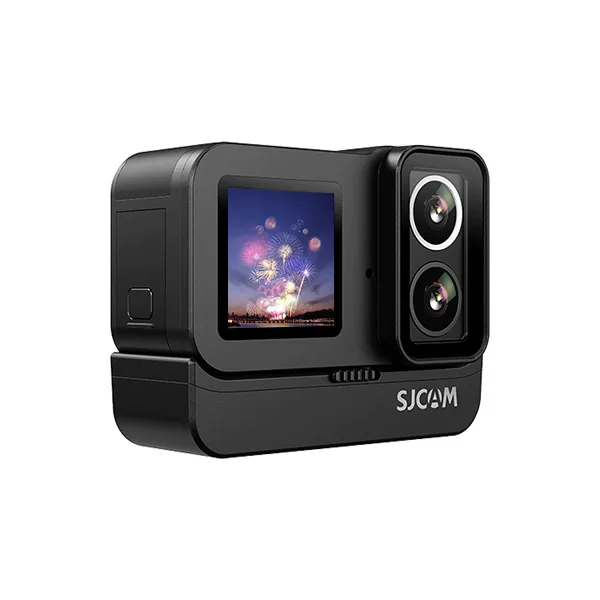
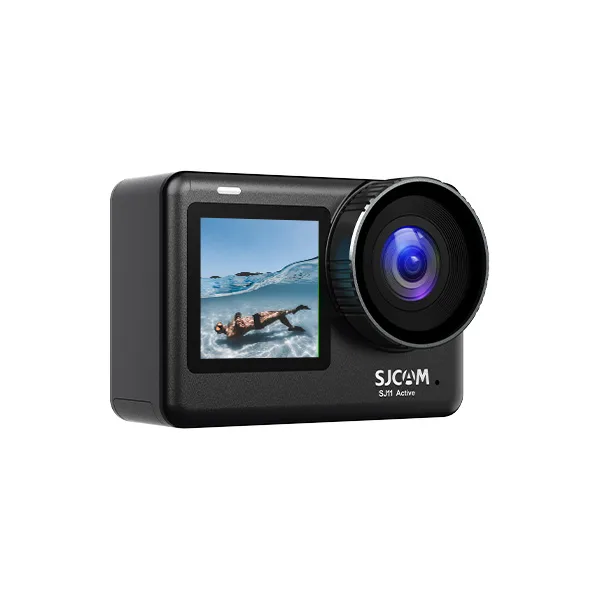
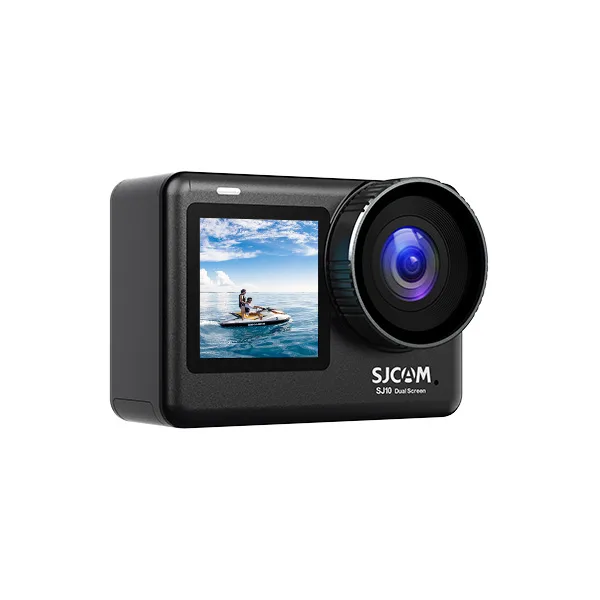
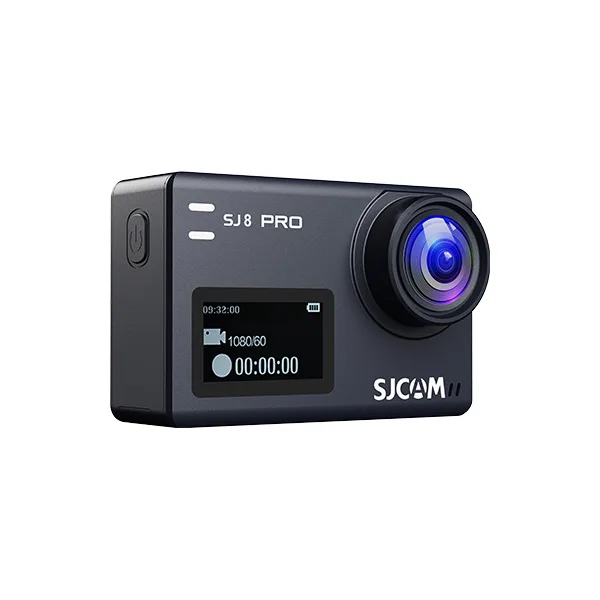
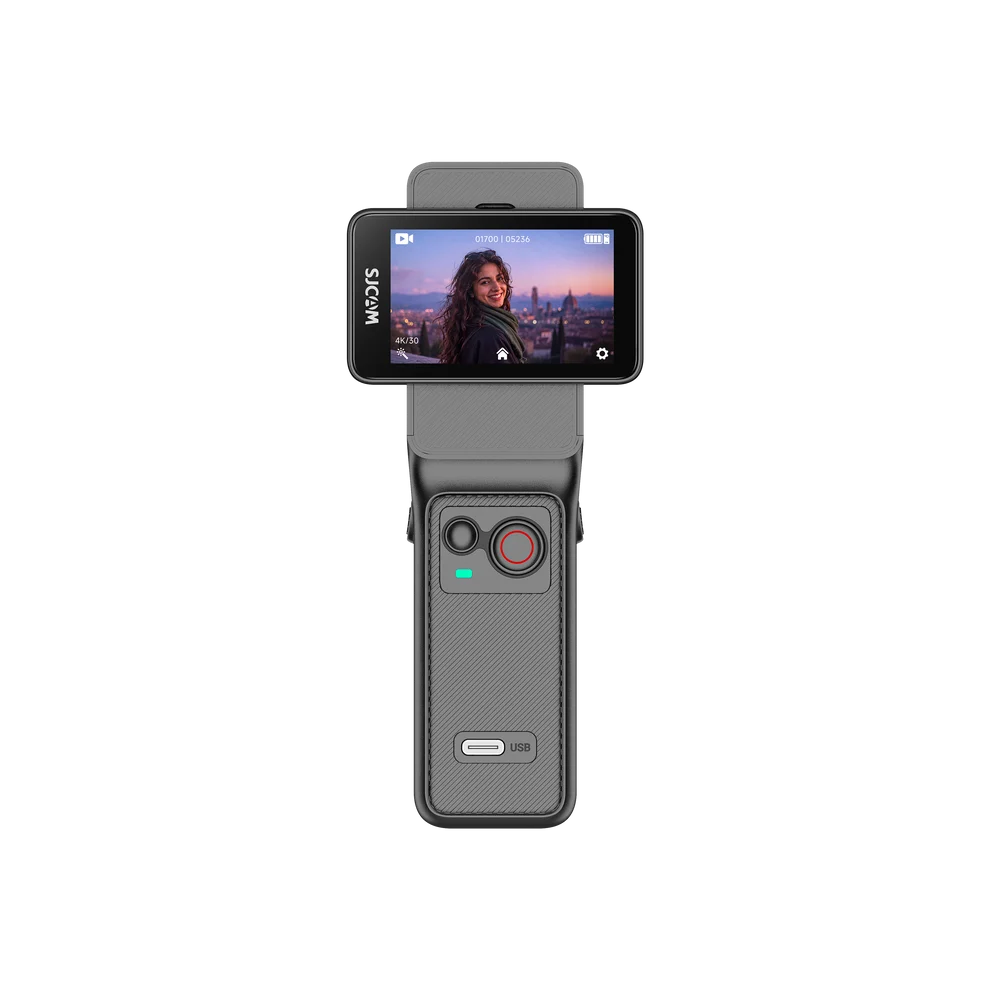
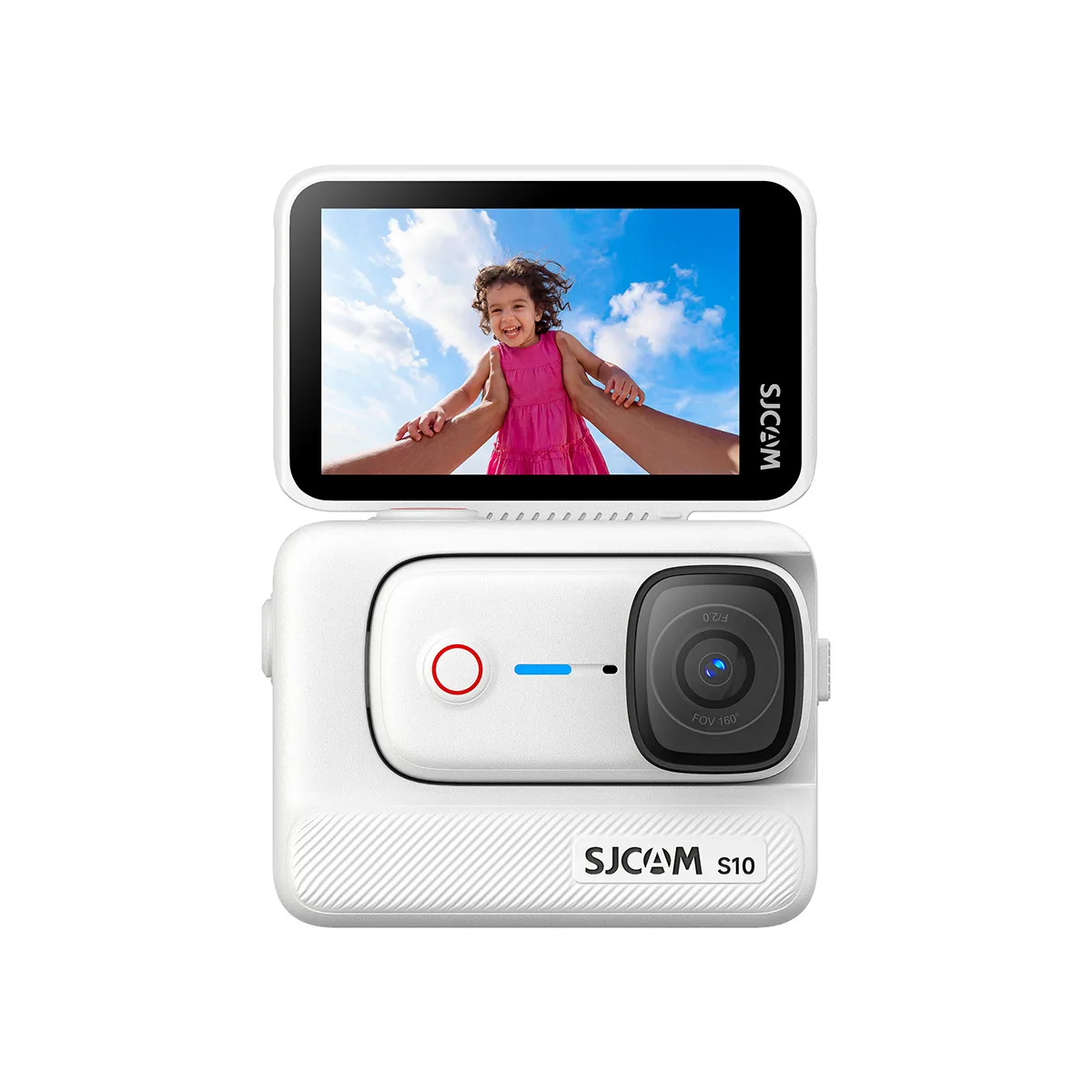
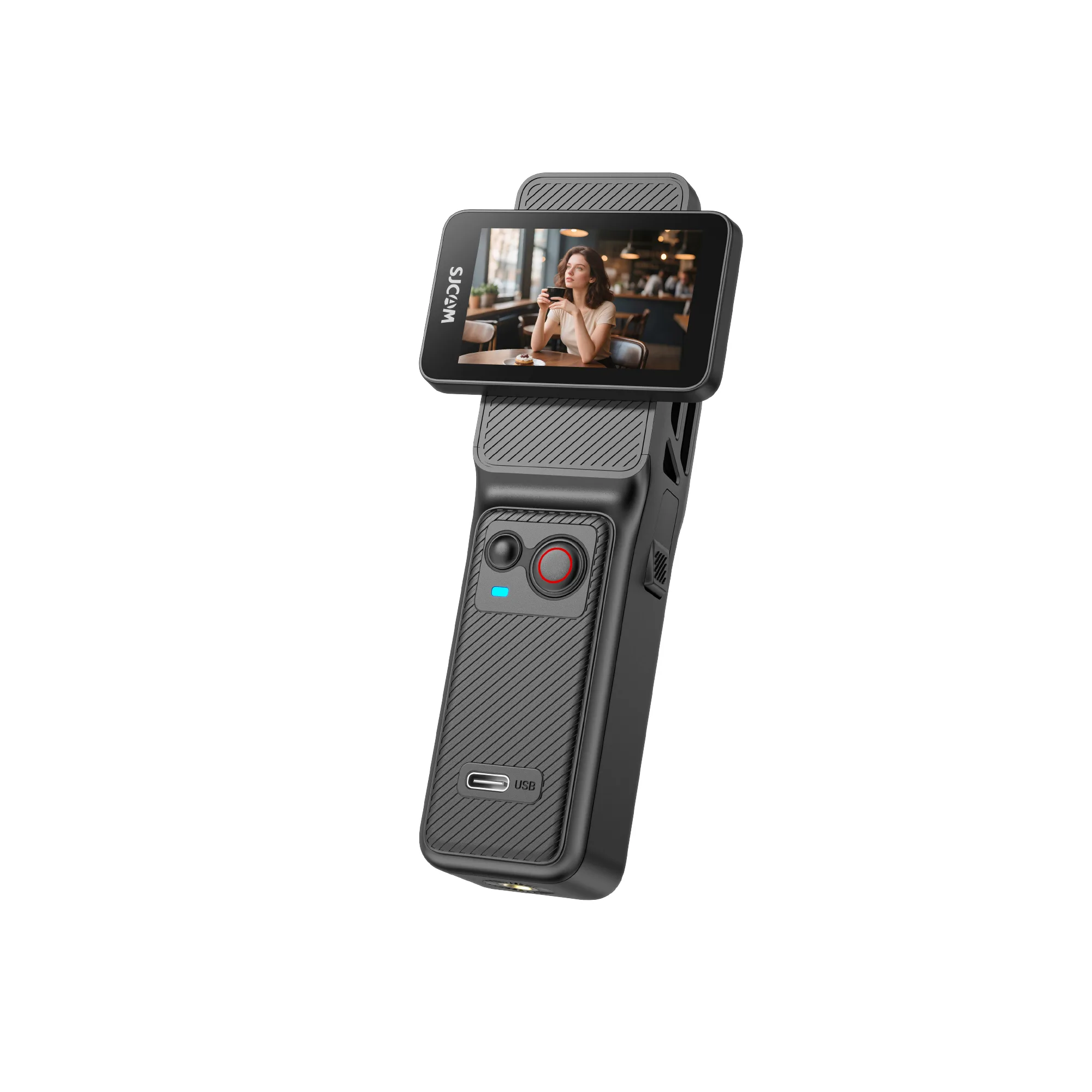
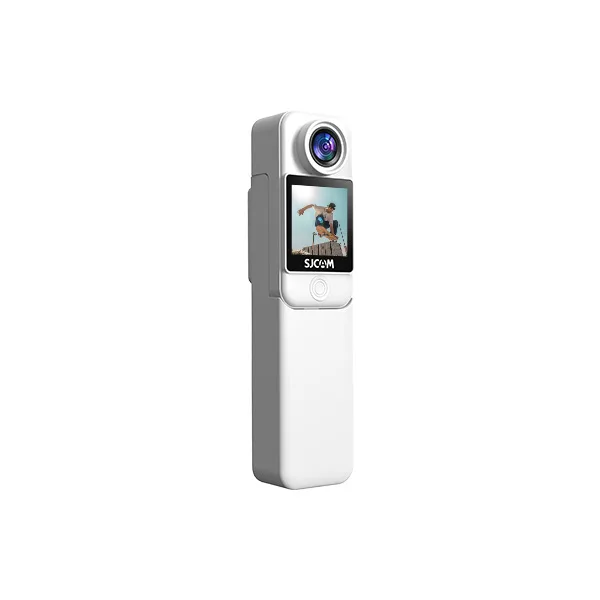
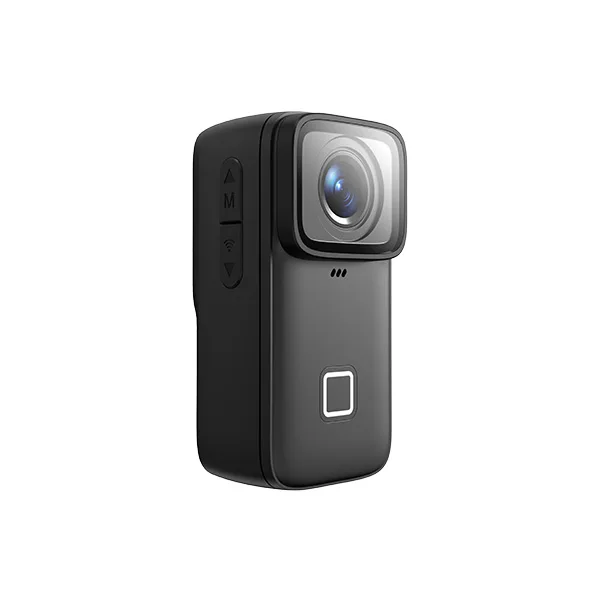
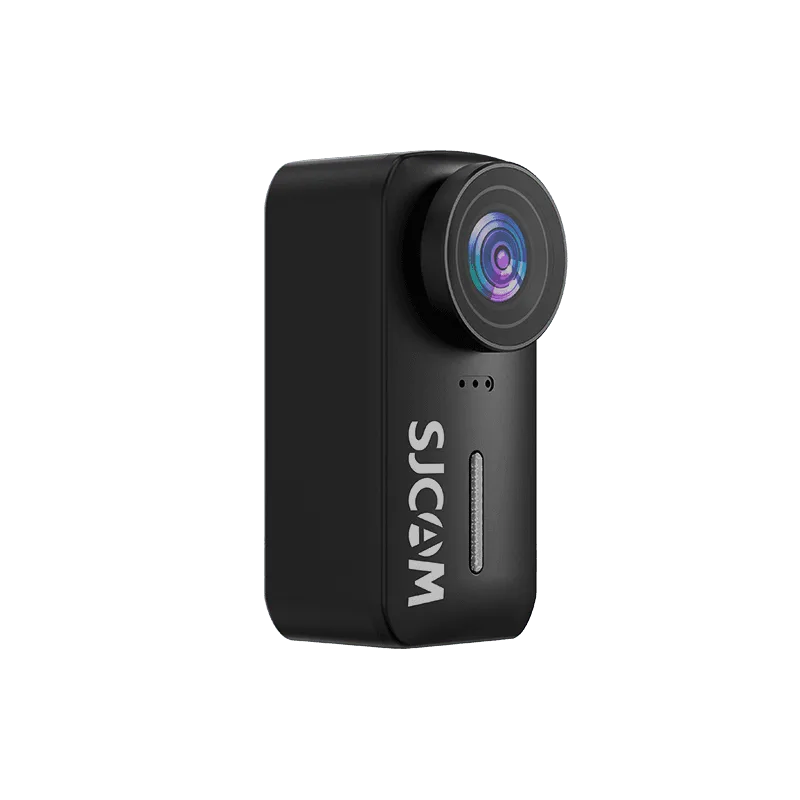
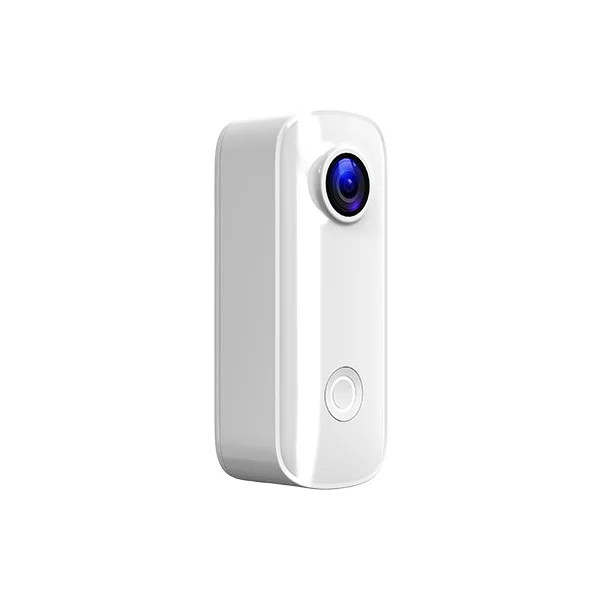
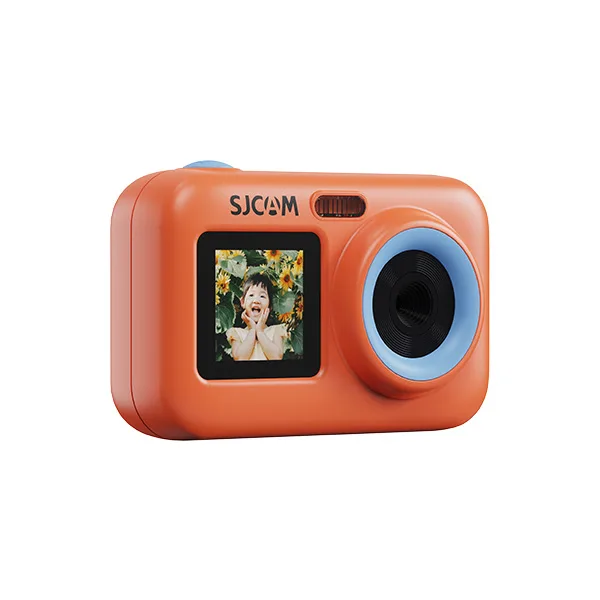
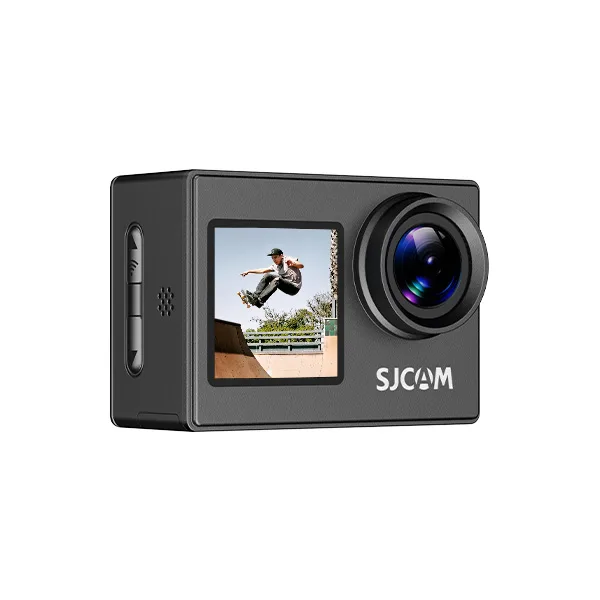
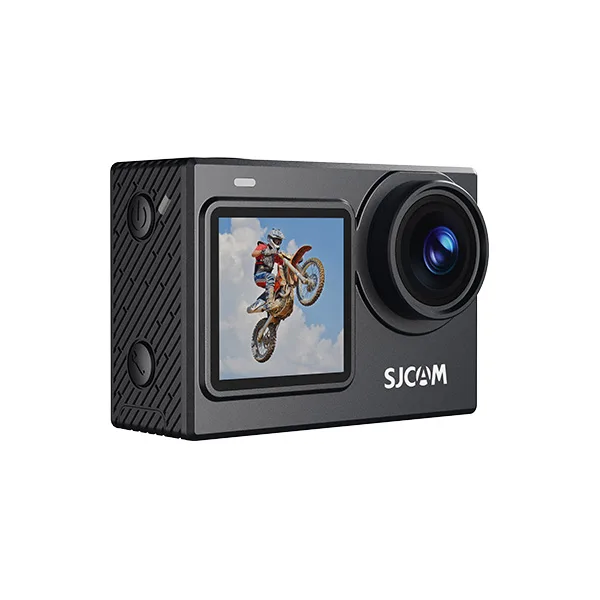
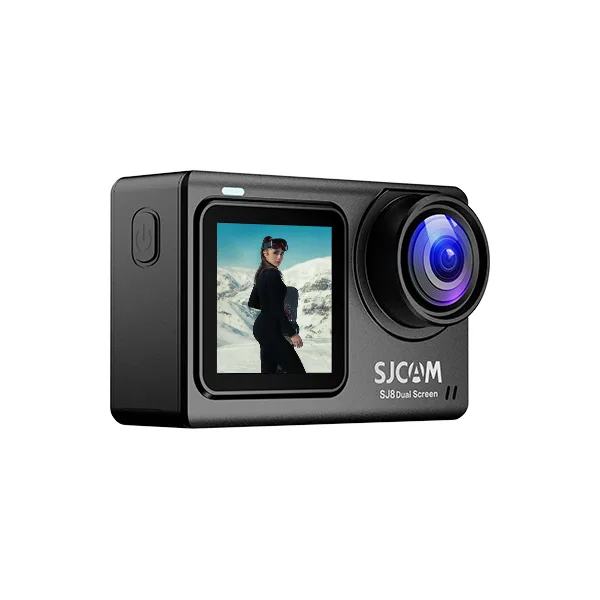
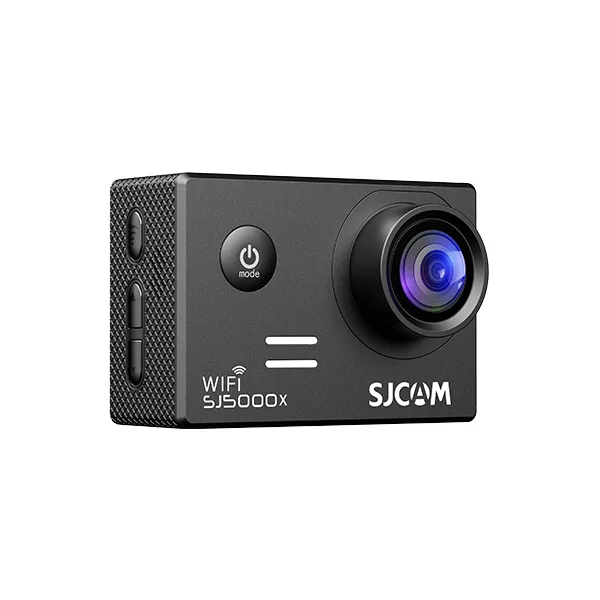




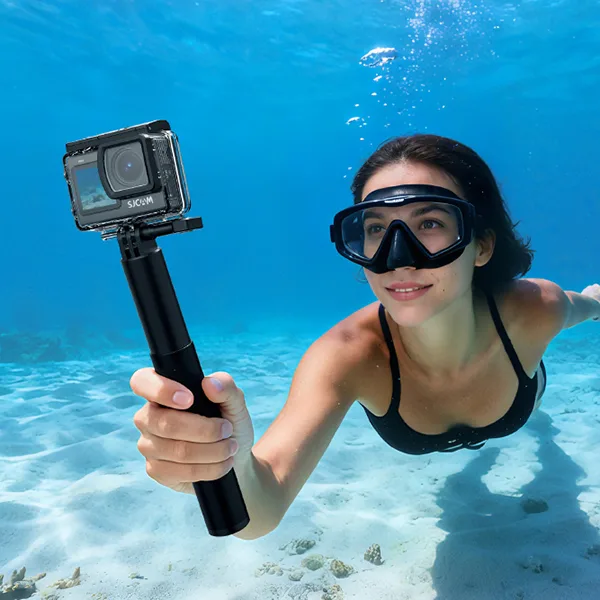
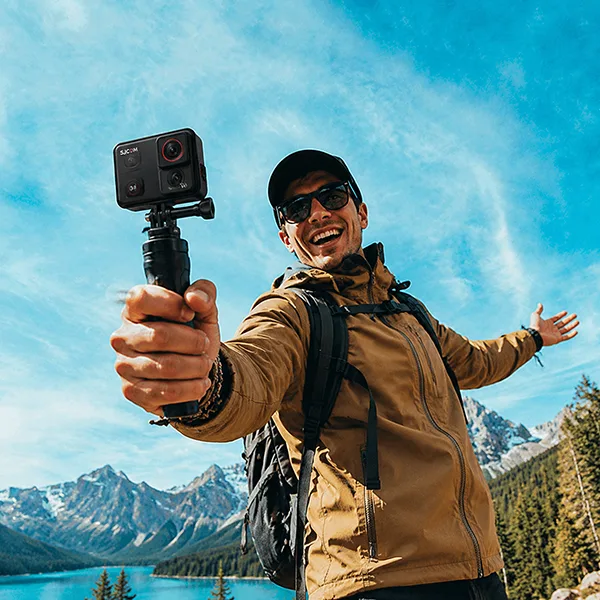
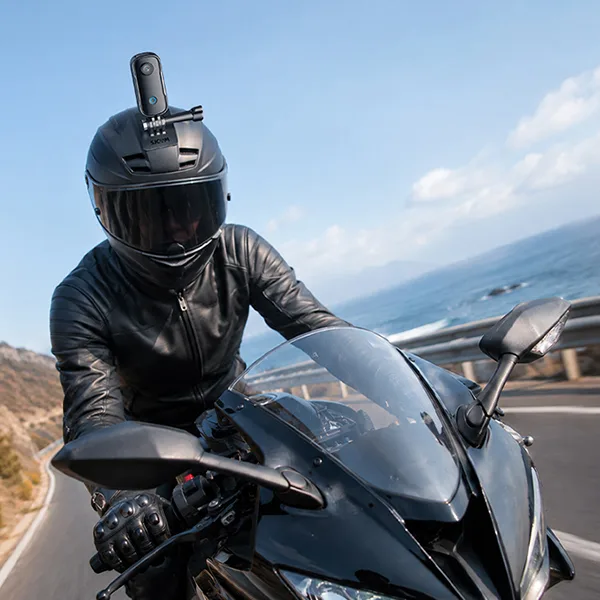
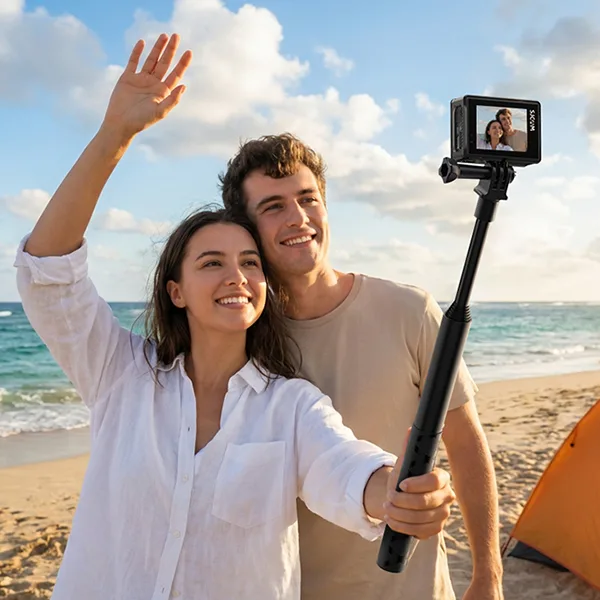
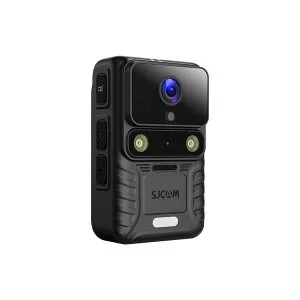
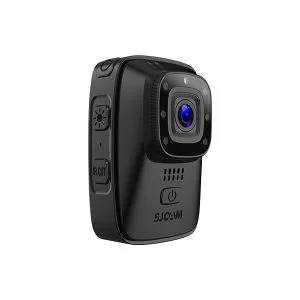
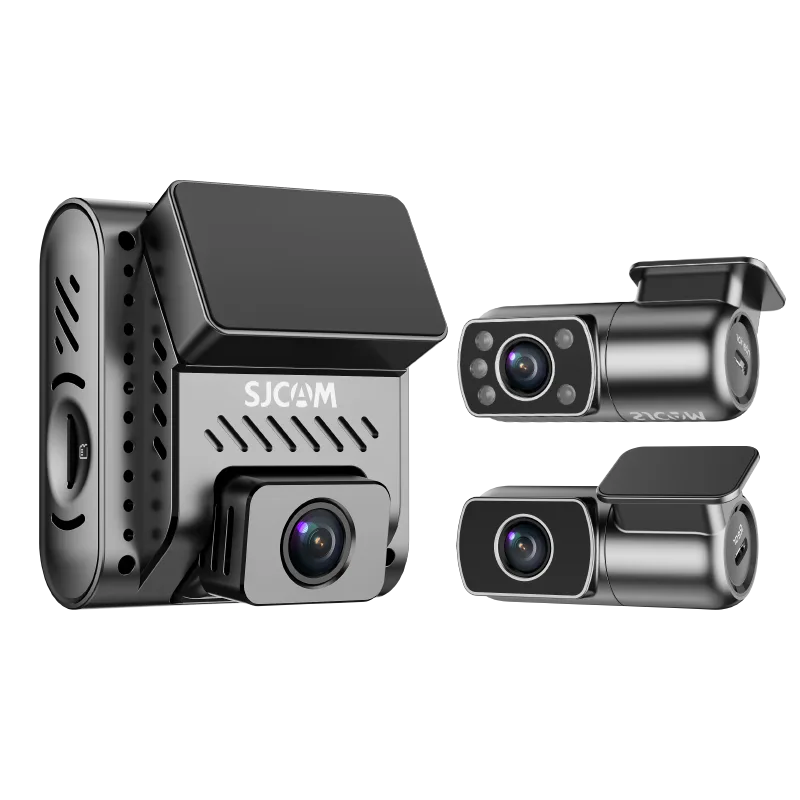
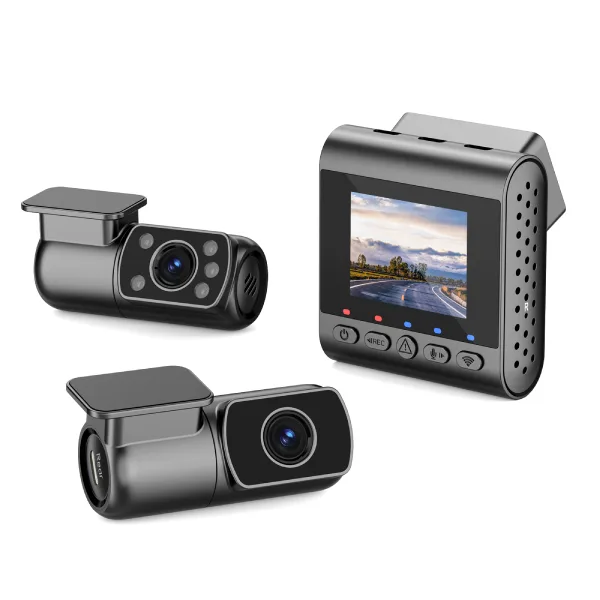


A dual-lens camera uses two optical systems to capture visual information. Depending on its design, the lenses may provide different focal lengths, capture depth information, or improve recording flexibility under different lighting conditions.
But how does a dual-lens camera work, and is it better than a single-lens camera?
The answer depends on what the two lenses are designed to do.
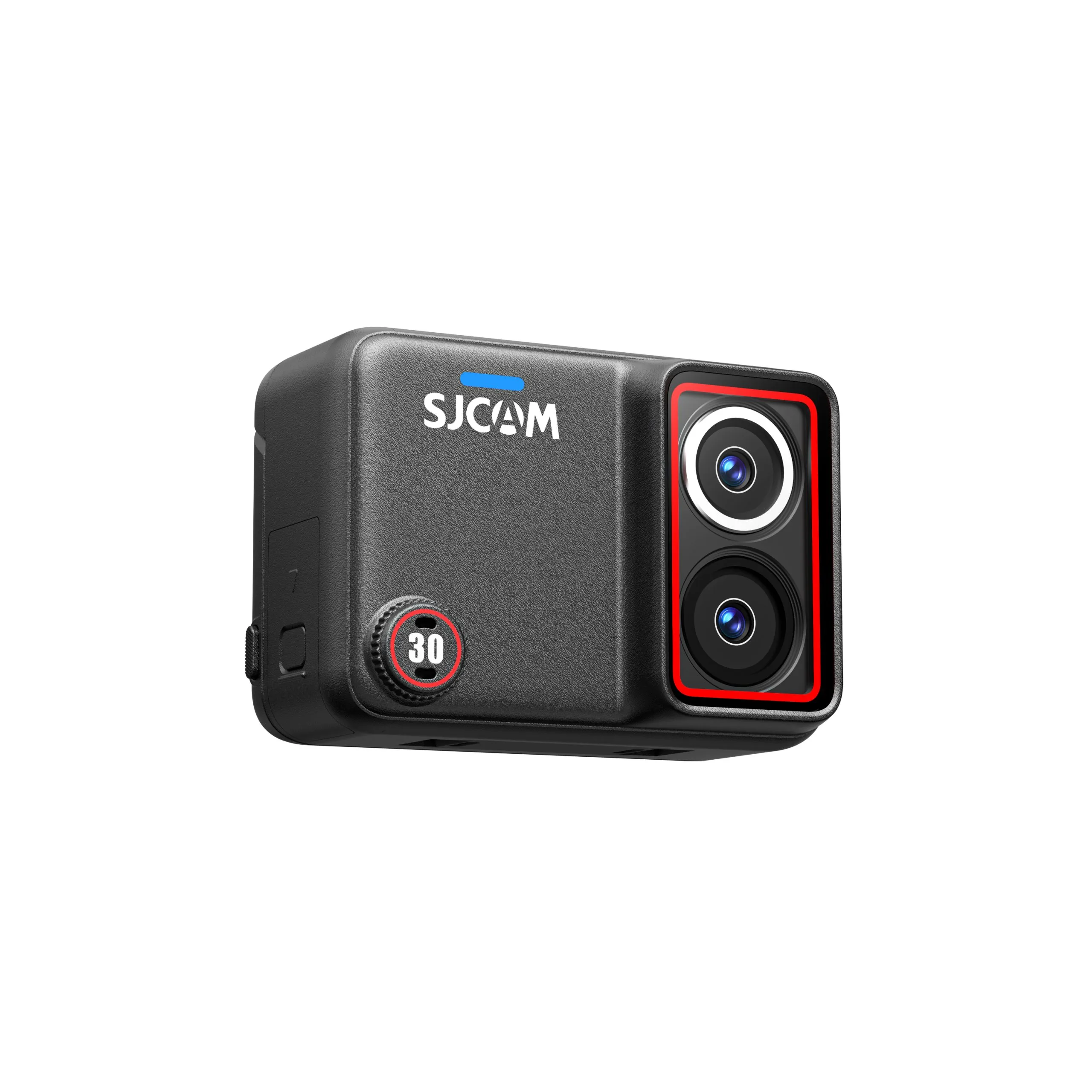
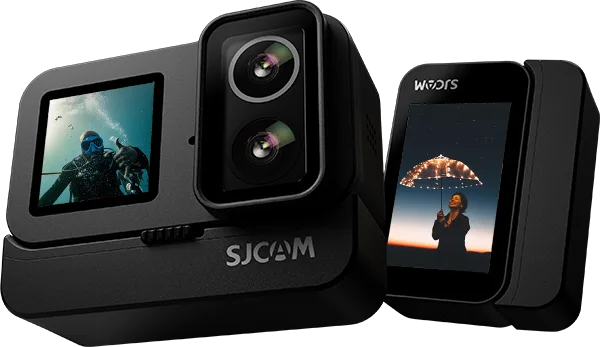
For example, dual-lens action cameras such as the SJCAM SJ20 and SJ30 use dedicated daylight and low-light imaging systems. This approach helps users record outdoor activities as lighting conditions change from bright daylight to dusk and night.
This guide explains how dual-lens cameras work, the different types available, their advantages and limitations, and how SJCAM uses dual-lens technology in action cameras.
What Is a Dual-Lens Camera?
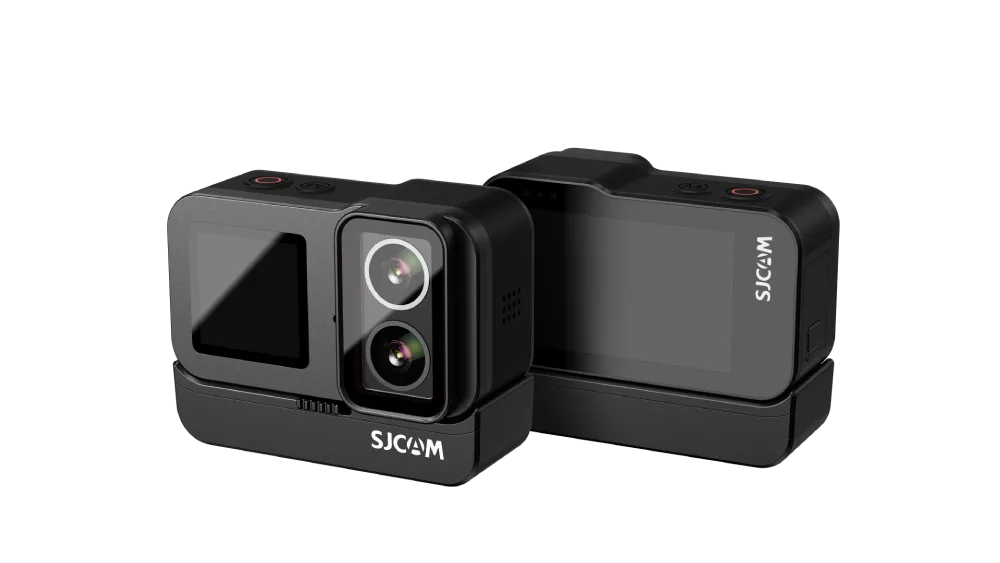
A dual-lens camera is a camera equipped with two separate lenses that can capture different types of visual information. Depending on the design, each lens may have its own image sensor and serve a specific recording purpose.
Unlike a conventional single-lens camera, a dual-lens system can provide additional imaging options without requiring the user to physically replace a lens.
However, not every camera with two lenses works the same way.
Some dual-lens cameras use different focal lengths for wide-angle and zoomed-in images. Others capture images from slightly different viewpoints to estimate depth.
In dual-lens action cameras designed for day and night recording, the two optical systems are optimized for different lighting conditions.
The important distinction is that having two lenses does not automatically mean a camera records two videos simultaneously or produces 3D footage. Those capabilities depend on the specific hardware and software.
How Does a Dual-Lens Camera Work?
A dual-lens camera combines optical components, image sensors, and an image-processing system to capture and record visual information.
In a day/night dual-lens action camera, the basic process involves four steps.
Step 1: Light Enters Through the Camera Lens
Each lens directs incoming light toward an image sensor.
The lens design affects how much light reaches the sensor and how the scene is projected.
A daylight lens can be optimized for recording outdoor scenes in bright conditions, while a low-light lens may use a wider aperture and a sensor configuration better suited to darker environments.
Step 2: The Image Sensor Converts Light Into Signals
The image sensor converts incoming light into electronic information.
A sensor designed for daylight recording aims to capture useful detail and color across brighter scenes.
A low-light sensor is intended to collect usable image information when less light is available.
For example, the SJCAM SJ30 combines a 1/2.0-inch daylight sensor with a 1/1.8-inch starlight sensor.
These sensors serve different imaging needs, allowing the camera to offer recording options for changing lighting conditions.
Step 3: The Image Processor Processes the Footage
After the sensor captures the image, the camera’s image processor handles tasks such as:
- Exposure and color adjustment
- Noise reduction
- Image sharpening
- Video compression and encoding
- Electronic image stabilization, when supported
The processing system plays an important role in determining the final appearance of the footage.
A dual-lens design alone cannot guarantee sharp images or accurate colors. The sensor, optics, processor, and recording settings must work together.
Step 4: The Camera Records the Video
The camera records footage using the selected lens or supported imaging mode.
Some dual-lens systems can process information from both lenses simultaneously. Others use different lenses for different recording modes.
In SJCAM’s day/night dual-lens action cameras, the key benefit is access to separate imaging systems optimized for different lighting conditions.
In simple terms: two specialized lenses provide different imaging options, while the camera’s sensors and processor turn captured light into recorded video.
For a broader explanation of sensors, video recording, and stabilization, see our guide on how action cameras work.
What Are the Different Types of Dual-Lens Cameras?
The term “dual-lens camera” describes several different technologies.
Understanding these differences is important because the benefits of one design do not necessarily apply to another.
| Dual-Lens Camera Type | How the Two Lenses Work | Common Applications |
|---|---|---|
| Day/Night Dual-Lens | Uses imaging systems optimized for bright and low-light conditions | Action cameras and some security cameras |
| Wide-Angle + Telephoto | Provides different focal lengths and fields of view | Smartphones and digital cameras |
| Stereo Dual-Lens | Captures images from different viewpoints for depth estimation | 3D imaging and machine vision |
| Dual-Facing Camera | Records different directions | Dash cameras and monitoring systems |
Day/Night Dual-Lens Cameras
A day/night dual-lens camera uses separate optical systems to support recording under different lighting conditions.
For outdoor action cameras, this is useful because lighting can change significantly during a single activity.
A daytime bike ride may continue into sunset, while a camping trip may involve recording both daylight scenery and nighttime surroundings.
The SJCAM SJ20 Dual Lens and SJCAM SJ30 are examples of this approach.
Wide-Angle and Telephoto Dual-Lens Cameras
Some smartphones and digital cameras use two lenses with different focal lengths.
One captures a wider scene, while the other provides a narrower field of view for more distant subjects.
This arrangement offers framing flexibility but does not necessarily improve nighttime recording.
Stereo Dual-Lens Cameras
Stereo cameras capture images from slightly different positions.
By comparing corresponding details in the two images, compatible systems can estimate depth.
This approach is used in applications such as robotics, machine vision, and certain 3D imaging systems.
However, a day/night dual-lens action camera should not be confused with a stereo camera. The two designs serve different purposes.
What Are the Benefits of a Dual-Lens Camera?
The advantages of dual-lens cameras depend on their optical configuration.
For day/night action cameras, three benefits are particularly relevant.
1. Greater Flexibility Across Lighting Conditions
A dedicated daylight and low-light imaging system allows a camera to use optical components designed for different environments.
This can be useful for recording activities that begin during the day and continue after sunset.
For example, a cyclist may want to capture bright mountain scenery in the afternoon and city streets after dark.
A day/night dual-lens action camera offers separate imaging options for these conditions.
2. More Specialized Image Capture
Instead of relying on one optical system for every situation, a dual-lens design can use different components for different tasks.
In the SJ30, the daylight and starlight sensors have different sizes, and the night imaging system uses an f/1.8 aperture.
These design choices are intended to support low-light recording.
However, real-world performance still depends on available light, movement, exposure settings, and image processing.
3. Convenient Recording Without Changing Lenses
A dual-lens action camera keeps both optical systems within one device.
This is convenient for outdoor users who want different recording capabilities without carrying additional interchangeable lenses.
For hiking, cycling, and travel, an integrated camera system can simplify the recording setup.
What Are the Limitations of Dual-Lens Cameras?
Two lenses also introduce design complexity.
Depending on the model, a dual-lens camera may be larger, heavier, or more expensive than a simpler single-lens alternative.
More importantly, two lenses do not automatically provide better stabilization, optical zoom, autofocus, or 3D recording.
Those features depend on the camera’s specific design.
A well-designed single-lens camera may still deliver better results in certain conditions.
Dual-Lens vs. Single-Lens Camera: What’s the Difference?
The main difference is the number of optical systems.
A single-lens camera captures footage through one lens, while a dual-lens camera has two lenses that may provide different imaging capabilities.
| Feature | Single-Lens Camera | Dual-Lens Camera |
|---|---|---|
| Optical Systems | One | Two |
| Imaging Flexibility | Depends on one optical system | May provide specialized imaging options |
| Low-Light Recording | Depends on sensor, lens, and processing | May use a dedicated low-light system |
| Optical Zoom | Depends on the camera design | Some designs provide different focal lengths |
| Depth Estimation | Possible with supported technology | Available in suitable stereo systems |
| Size and Complexity | Often simpler | May require additional components |
| Video Quality | Depends on hardware and processing | Depends on hardware and processing |
Is a Dual-Lens Camera Better Than a Single-Lens Camera?
Not necessarily.
A dual-lens camera may be more suitable when its two imaging systems offer capabilities that matter to the user.
For example, someone who frequently records outdoor activities during both daylight and nighttime may benefit from a dedicated day/night dual-lens design.
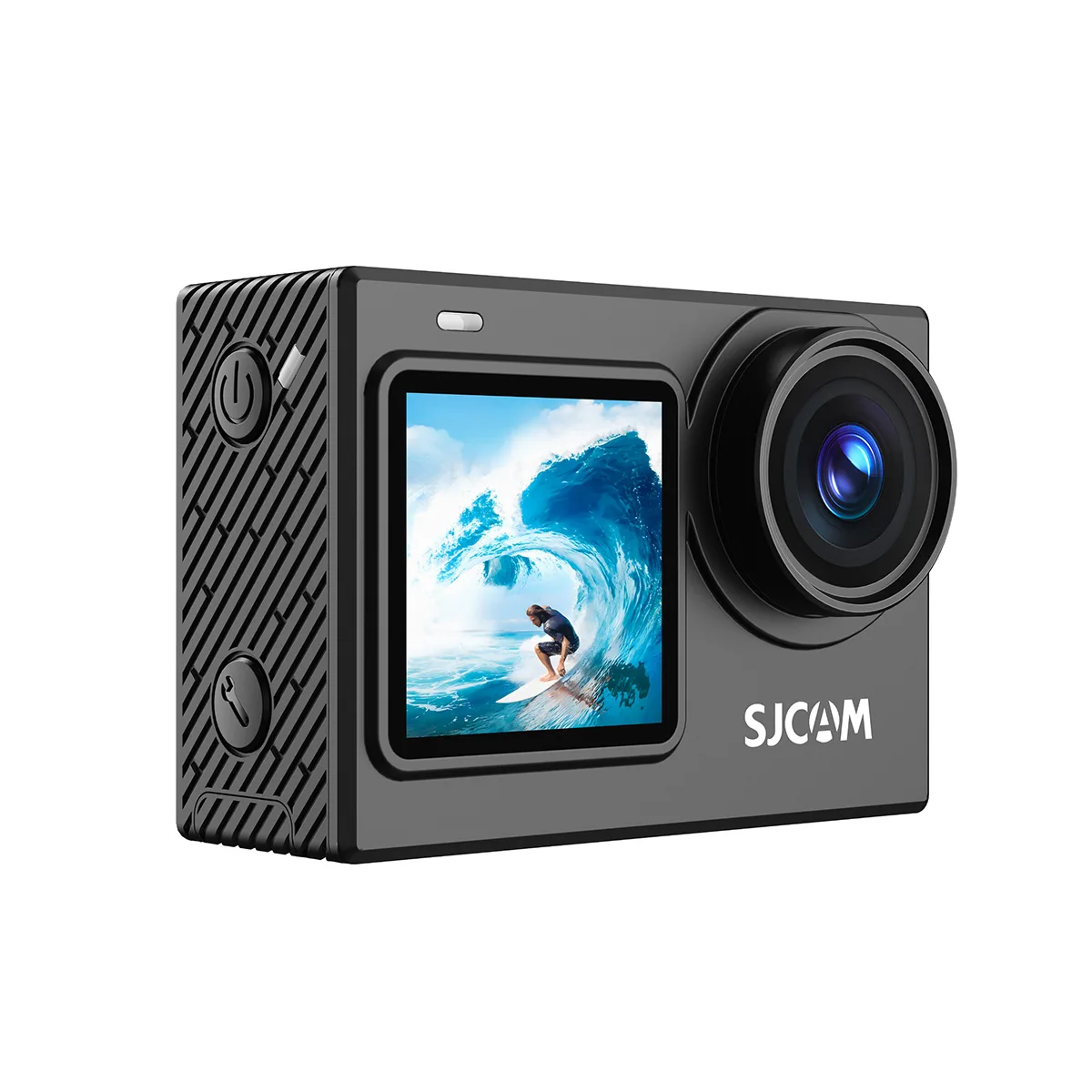
However, someone who primarily records in bright daylight may find that a good single-lens action camera meets their needs.
The better choice depends on your shooting environment, preferred video resolution, stabilization requirements, and budget.
How SJCAM Uses Dual-Lens Technology: SJ20 vs. SJ30
SJCAM offers two examples of day/night dual-lens action cameras: the SJ20 and SJ30.
Both use dedicated daylight and starlight imaging systems, but their sensor configurations and recording capabilities differ.
| Feature | SJCAM SJ20 Dual Lens | SJCAM SJ30 |
|---|---|---|
| Daylight Sensor | 1/2.8-inch CMOS | 1/2.0-inch CMOS |
| Starlight Sensor | 1/2.8-inch CMOS | 1/1.8-inch CMOS |
| Maximum Video Resolution | 4K/30fps | 8K/20fps |
| Stabilization | Six-axis gyro stabilization | SteadyMotion 2.0 |
| Camera Weight | 145g | 162g |
| Main Focus | 4K day/night action recording | Higher-resolution day/night action recording |
Specifications are based on SJCAM’s published product information. Actual image quality and available features depend on recording settings and conditions.
SJCAM SJ20: A 4K Day/Night Dual-Lens Action Camera
The SJCAM SJ20 Dual Lens uses separate daylight and starlight sensors to support recording under different lighting conditions.
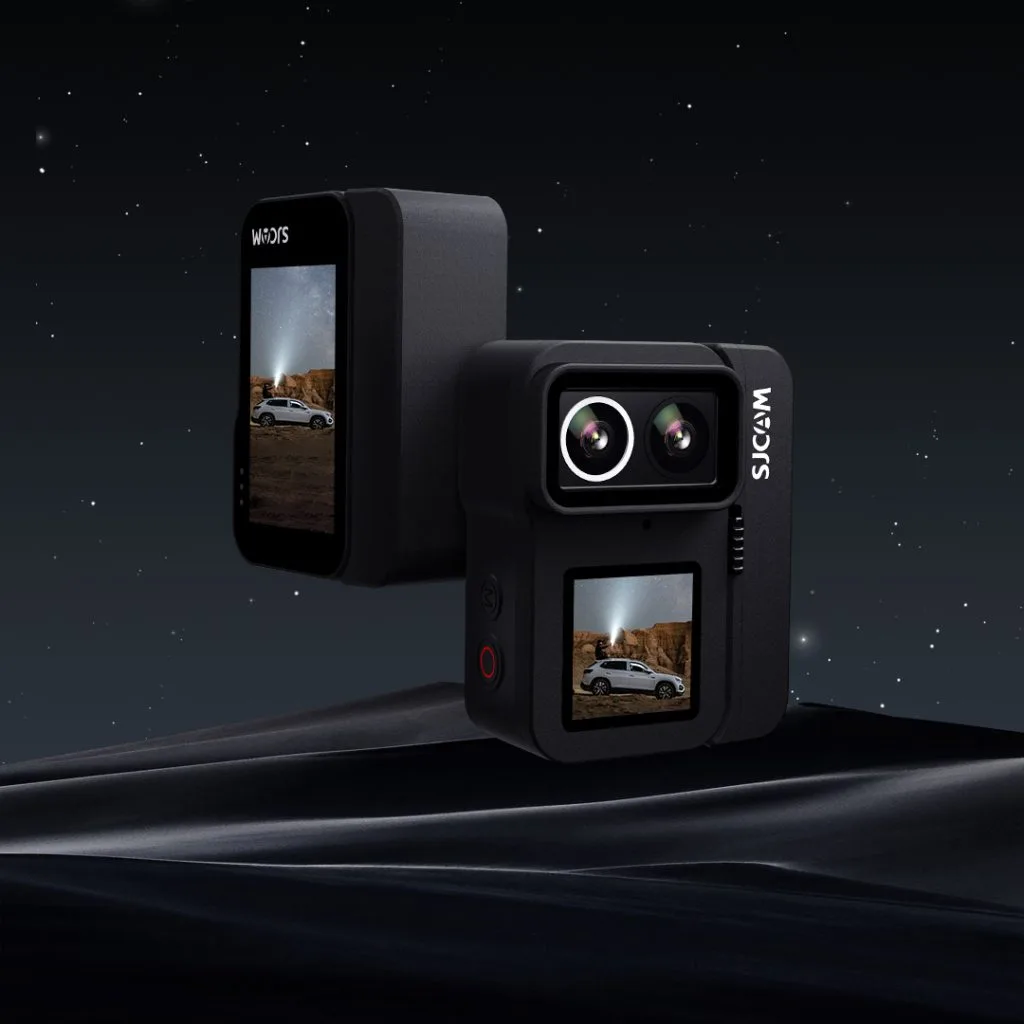
It offers up to 4K/30fps video recording and six-axis gyro stabilization.
The SJ20 is an option for users who want a dedicated day/night action camera without prioritizing resolutions above 4K.
Its dual-lens design is especially relevant for activities involving changing light, such as evening rides and outdoor adventures.
SJCAM SJ30: An Advanced Day/Night Dual-Lens Action Camera
The SJCAM SJ30 builds on the day/night dual-lens approach with a 1/2.0-inch daylight sensor and a larger 1/1.8-inch starlight sensor.
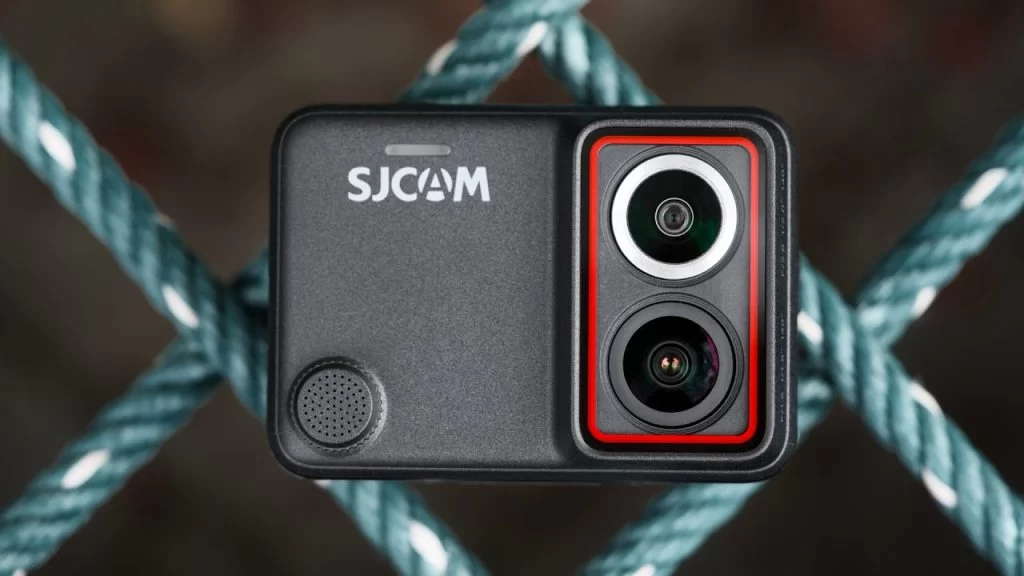
It supports video recording up to 8K/20fps, along with 4K/60fps and SteadyMotion 2.0 stabilization.
The SJ30’s dedicated low-light imaging system is designed to capture usable detail in darker environments, while its higher-resolution recording options provide additional flexibility for video production.
For users interested in outdoor filmmaking across different lighting conditions, the SJ30 demonstrates how specialized dual-lens technology can be integrated into an action camera.
Which should you choose? Consider the SJ20 if 4K day/night recording meets your needs. Consider the SJ30 if you want higher-resolution options and its updated imaging and stabilization features.
When Should You Use a Dual-Lens Action Camera?
A day/night dual-lens action camera is most useful when lighting conditions vary during your activities.
Hiking and Camping
Mountain trails, forests, and campsites can have dramatically different lighting conditions.
A dual-lens action camera can provide flexibility for recording bright landscapes, shaded trails, and evening scenes.
For additional outdoor filming ideas, explore our guide to action cameras for hiking.
Cycling and Motorcycle Riding
Cycling routes often include direct sunlight, shaded roads, tunnels, and evening environments.
A day/night dual-lens camera provides recording options for these situations.
However, image stabilization, secure mounting, and suitable exposure settings remain essential for moving footage.
Travel and Nighttime City Scenes
Travelers may want to record daytime landmarks and nighttime streets with the same camera.
A dedicated low-light imaging system can be useful for illuminated cityscapes, night markets, and evening walks.
Keep in mind that low-light recording is not the same as recording in complete darkness.
For a more detailed explanation, read our night vision camera guide.
How to Get Better Footage With a Dual-Lens Action Camera
Even with two imaging systems, good recording technique matters.
Choose the appropriate imaging mode. Use the camera’s available daylight or low-light settings according to the scene and the manufacturer’s instructions.
Keep the lenses clean. Fingerprints, water droplets, and dust can reduce image clarity, especially when filming bright lights at night.
Use a secure mount. A stable mounting position helps reduce unnecessary movement and makes stabilization more effective.
Match the recording settings to your activity. Higher resolution provides more image detail, while higher frame rates can help capture smoother motion.
If you’re unsure which resolution to use, see our comparison of 1080p and 4K action cameras.
Pay attention to available light. Even a dedicated low-light camera needs sufficient illumination to produce usable footage. Fast movement and extremely dark environments remain challenging.
FAQ
A dual-lens camera is a device with two separate optical systems. Depending on the design, the lenses may support different focal lengths, depth estimation, or specialized recording conditions. SJCAM’s day/night dual-lens action cameras use separate imaging systems optimized for daylight and low-light recording.
A day/night dual-lens camera can use a dedicated low-light imaging system to capture available light. The sensor converts that light into electronic information, and the camera processes it into an image or video. Recording quality still depends on lighting, exposure, movement, and sensor performance.
Some dual-lens cameras can capture information from both lenses simultaneously, but others use separate lenses for different modes. Simultaneous recording is a model-specific capability and should not be assumed simply because a camera has two lenses.
A dual-lens camera can offer greater flexibility when its two lenses serve different purposes. However, it is not automatically better. Image quality depends on sensor performance, optics, processing, stabilization, and recording conditions.
Not all dual-lens cameras produce 3D images. Stereo dual-lens systems can estimate depth by comparing images from different viewpoints. Day/night dual-lens action cameras, such as the SJCAM SJ20 and SJ30, are designed primarily for recording under different lighting conditions rather than stereoscopic imaging.
A dual-lens camera has two optical systems for capturing images. A dual-screen camera has two displays, often positioned on the front and rear for framing and monitoring.
A camera can have two screens without having two lenses, and a dual-lens camera may also include multiple displays. These terms describe different hardware features.
Not necessarily. Starlight and low-light cameras rely on available light, even if only a small amount. Recording in complete darkness generally requires additional technology, such as infrared illumination or thermal imaging, depending on the intended application.
Conclusion
A dual-lens camera uses two optical systems to provide imaging capabilities that a single optical system may not offer.
The actual benefits depend on the camera’s design. Some dual-lens systems support different focal lengths or depth estimation, while day/night dual-lens action cameras use specialized sensors for different lighting conditions.
The SJCAM SJ20 and SJ30 demonstrate how this technology can support outdoor video recording from daylight into darker environments.
If you regularly record activities under changing lighting conditions, a day/night dual-lens action camera may be worth considering.
Explore the SJCAM action camera collection to compare models and find the right camera for your recording needs.