





 Chinese (China)
 Spanish
 German
 French
 Italian
 Japanese
 Korean
 Bulgarian
 Greek
 Indonesian
 Chinese (Hong Kong)
 Russian
 Danish
 Finnish
 Hungarian
 Turkish
 Dutch
 Portuguese
 Swedish
 Romanian
 Slovak
 Norwegian
 Croatian
 Czech
 Bengali
 Polish
 Thai
 Ukrainian
 Vietnamese
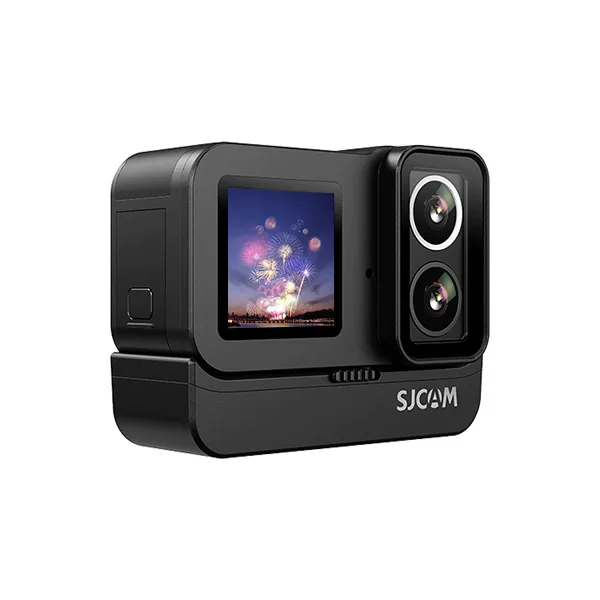
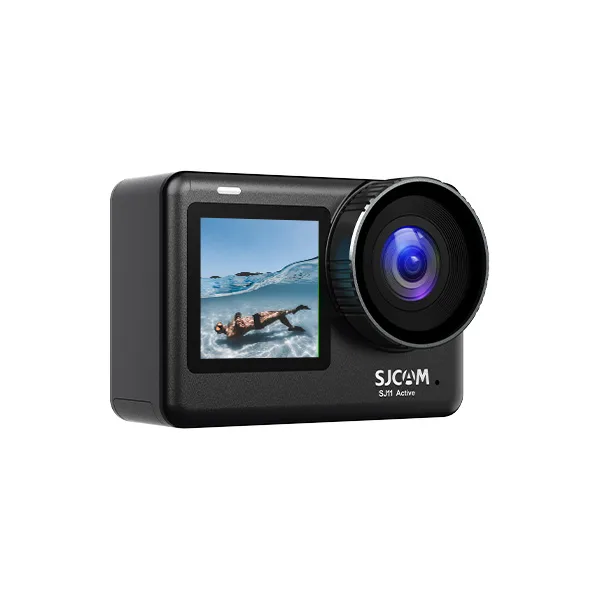
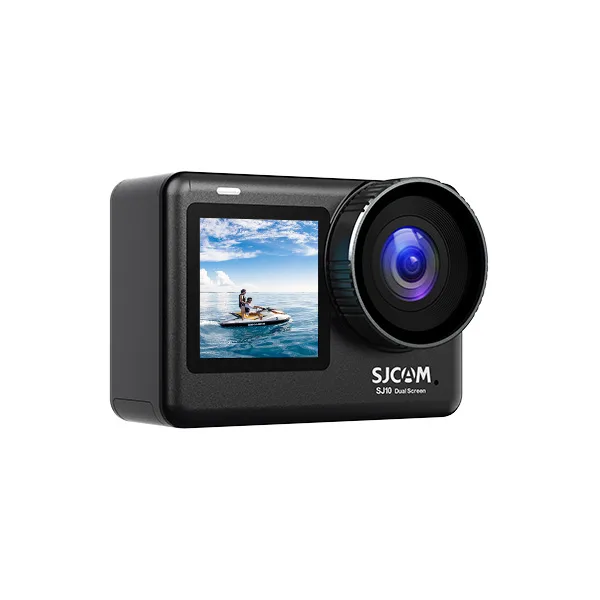
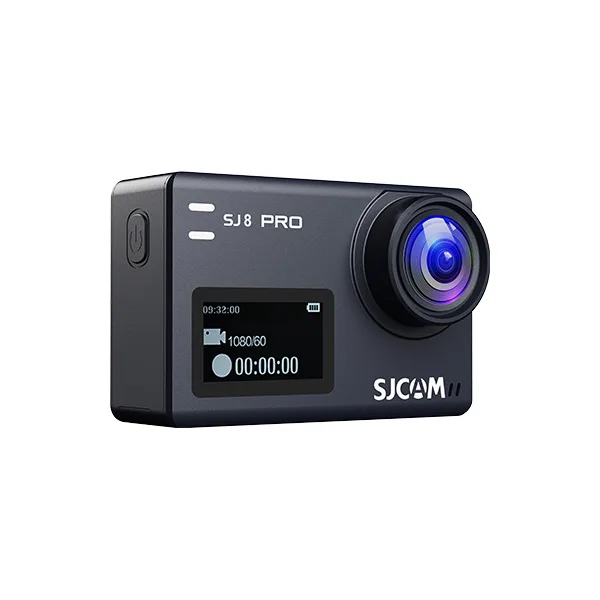
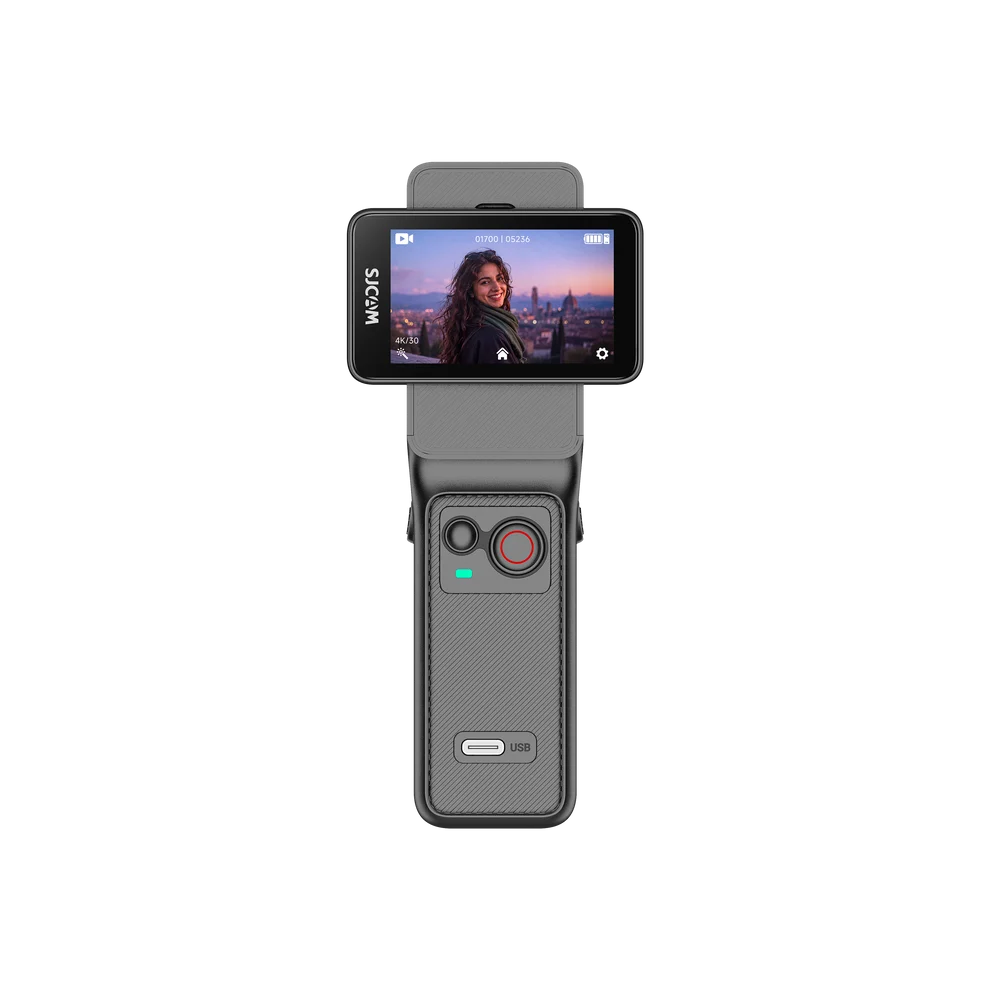
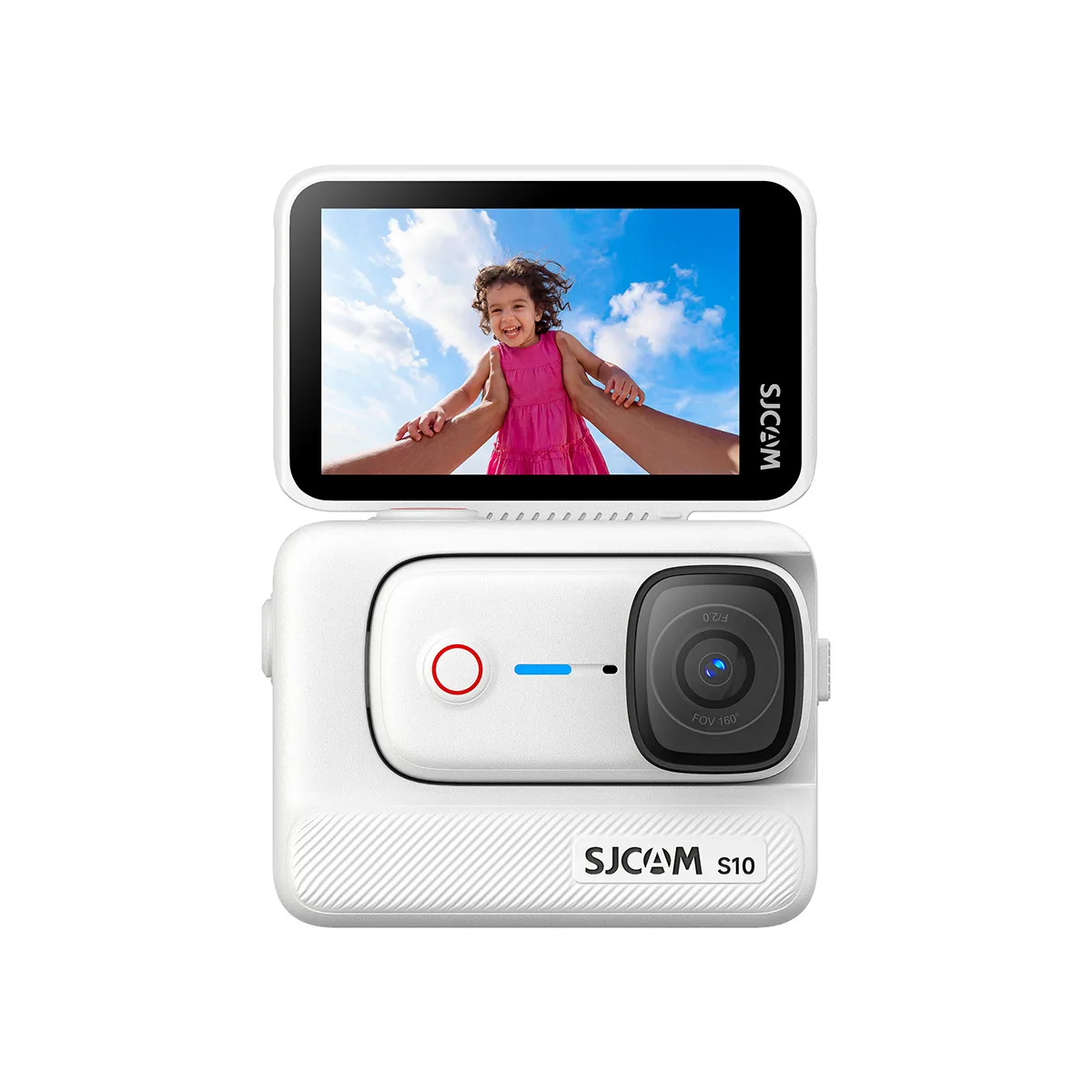
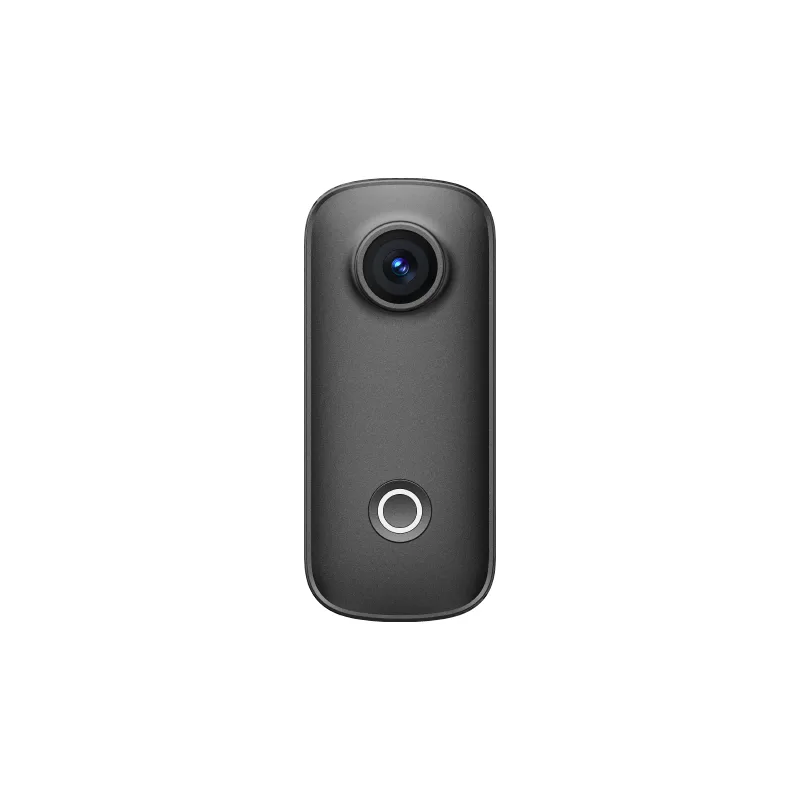
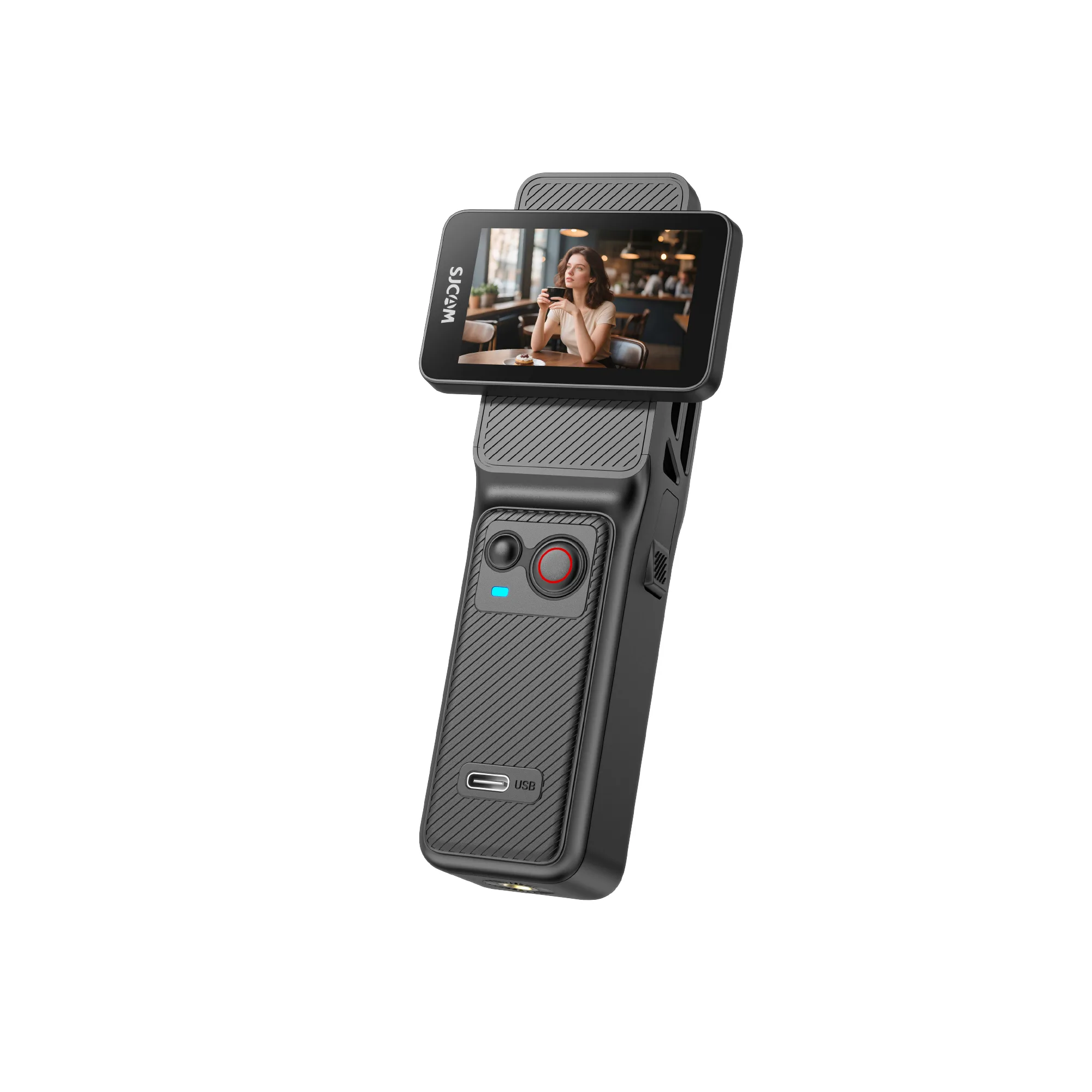
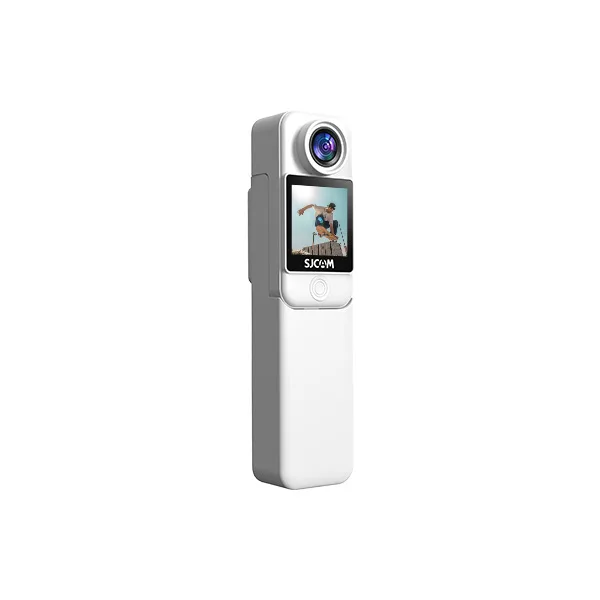
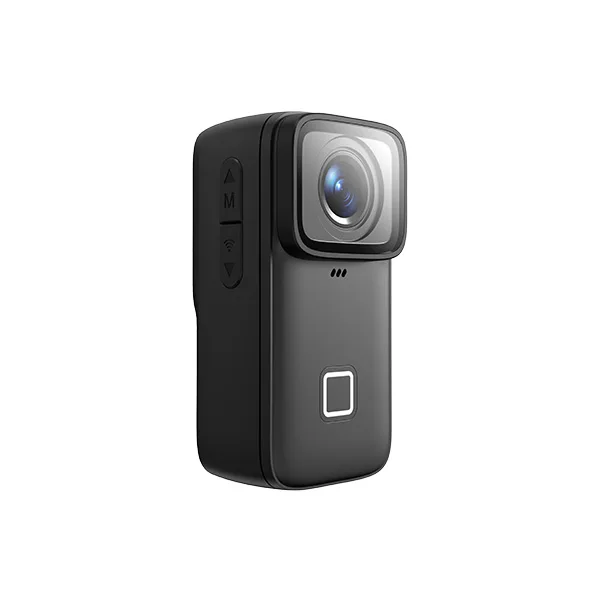
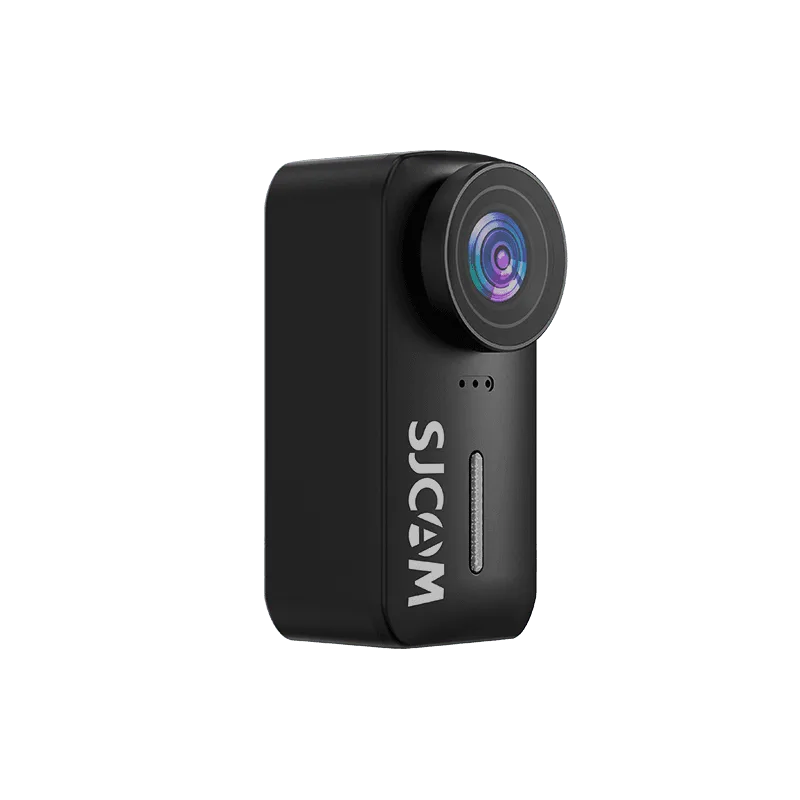
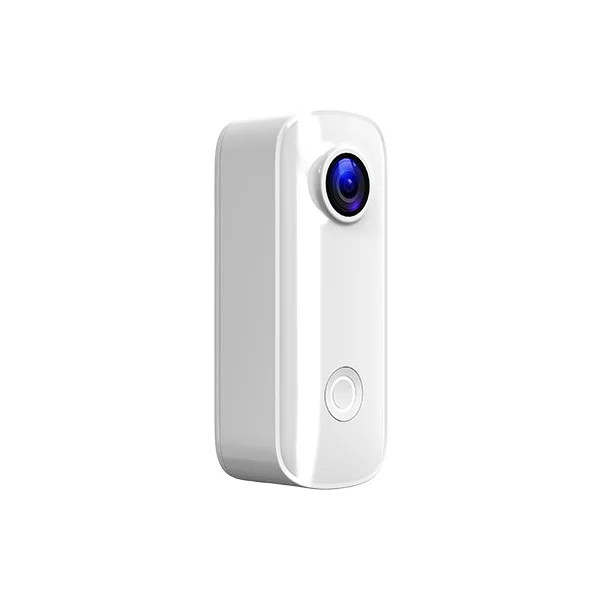


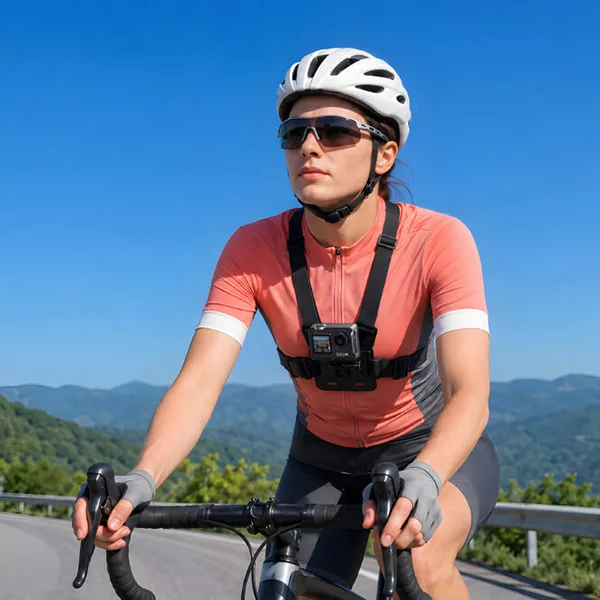

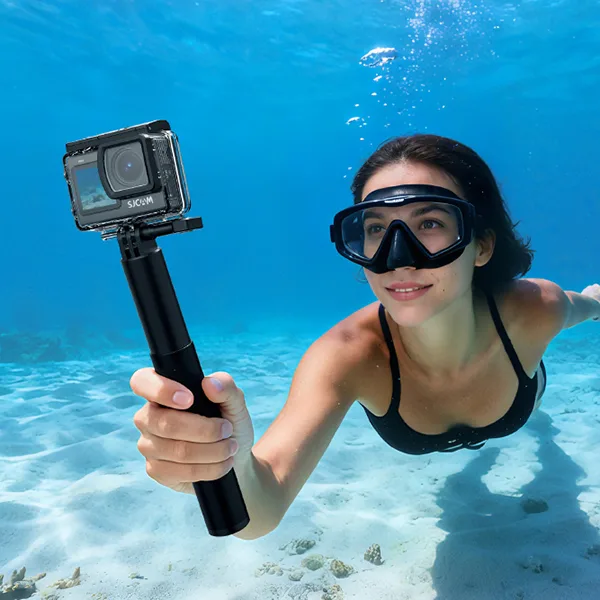
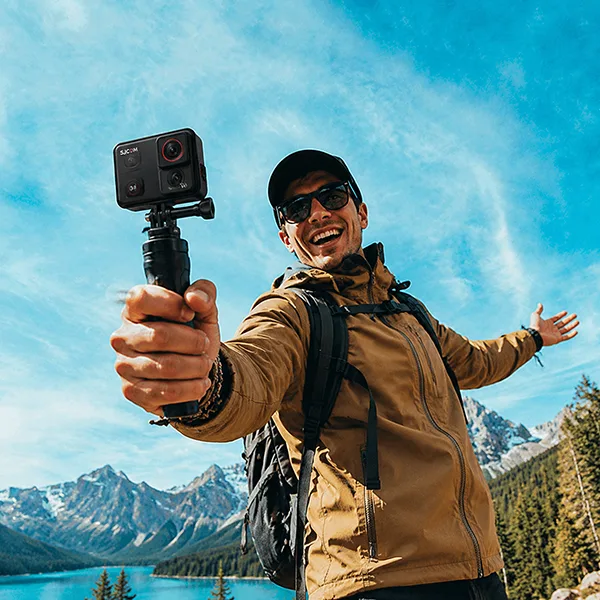
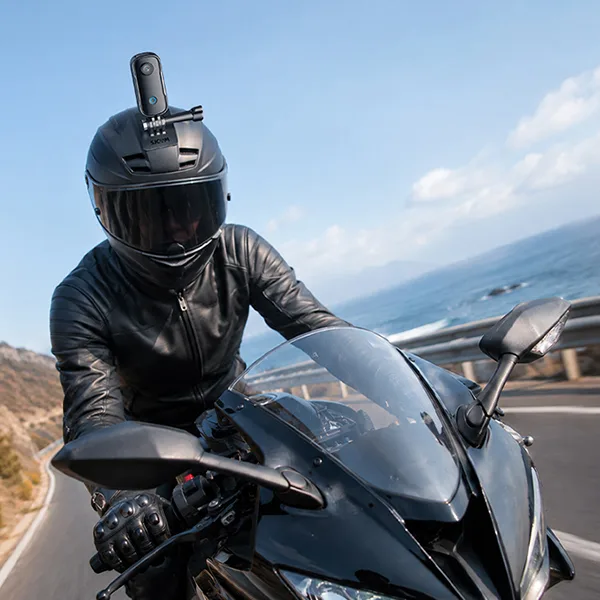
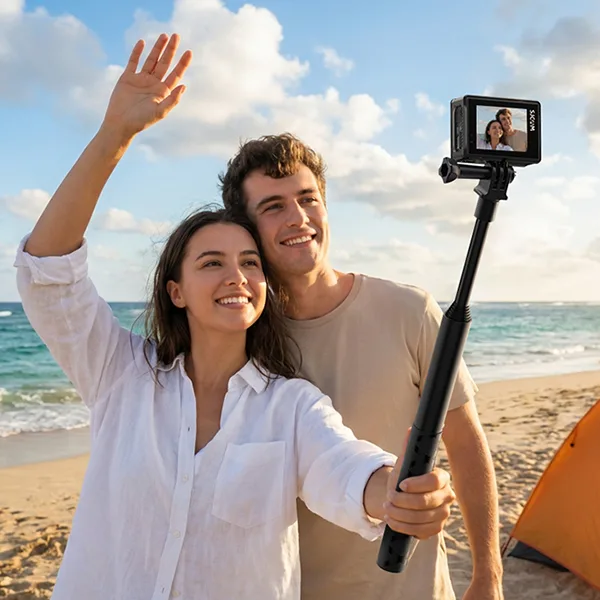
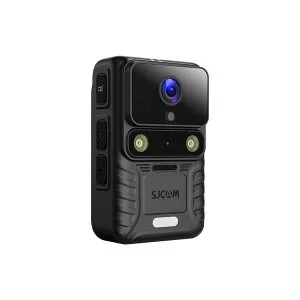
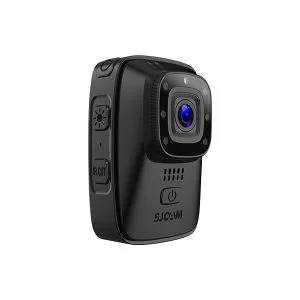
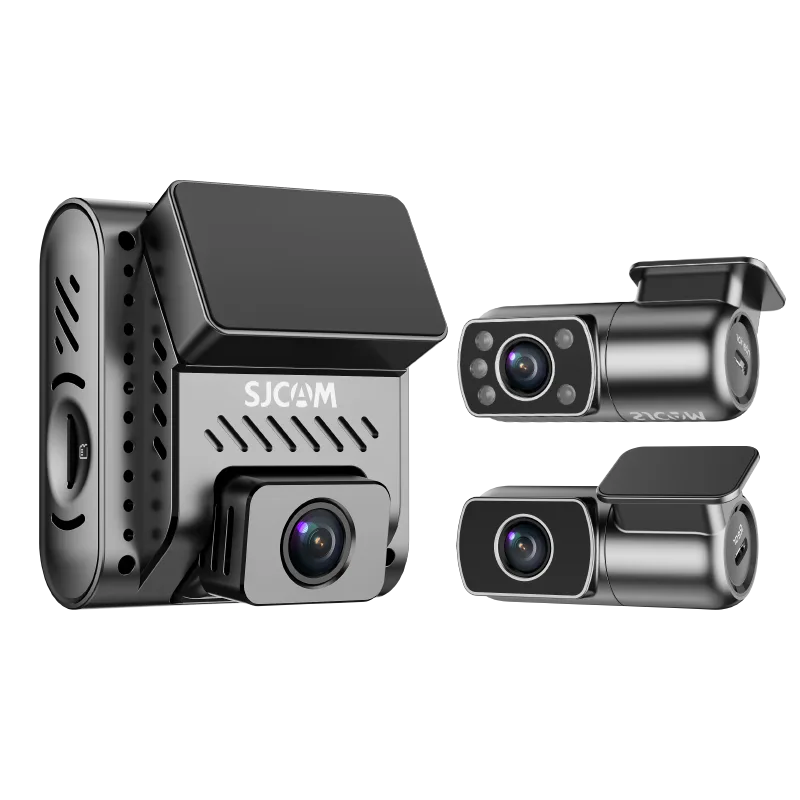

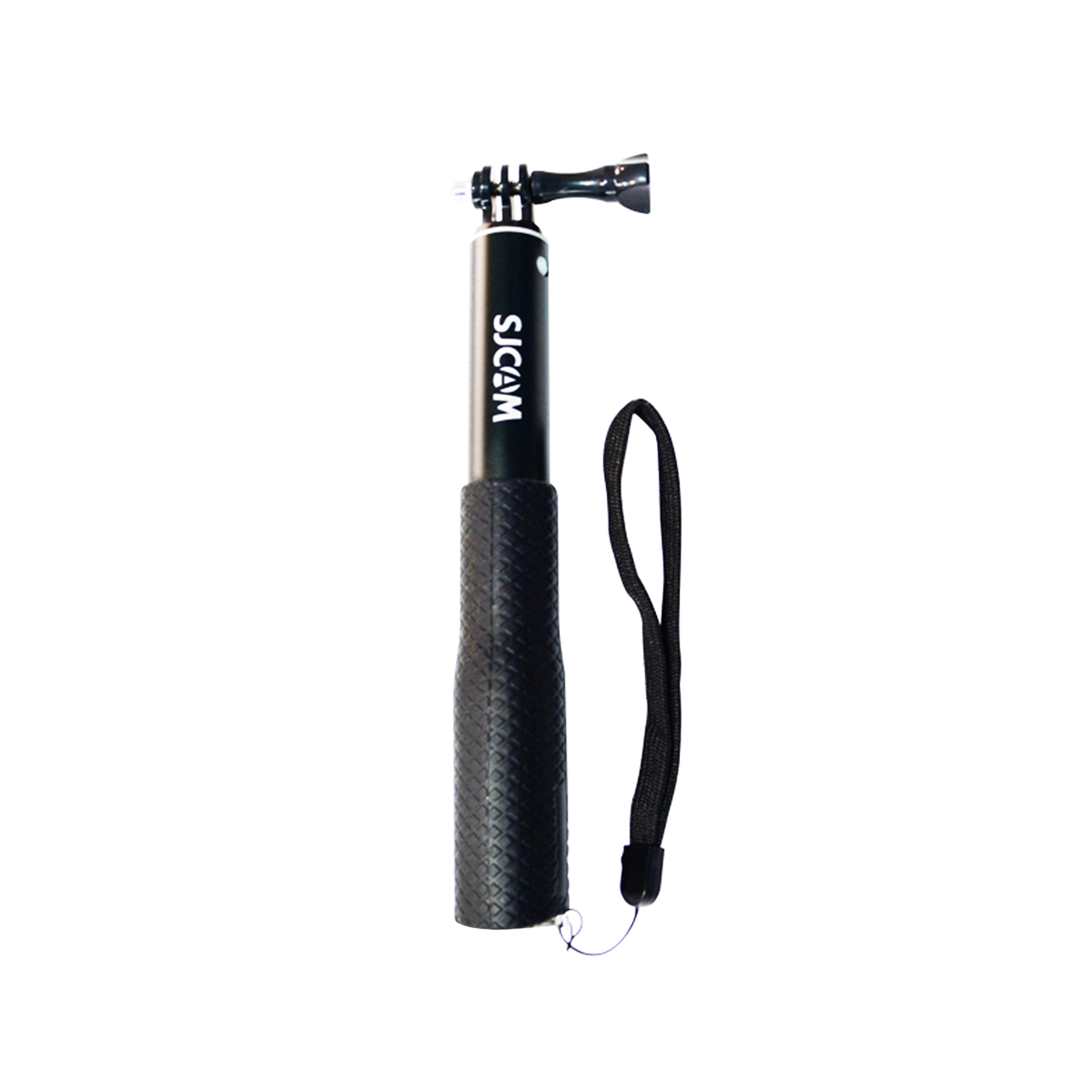

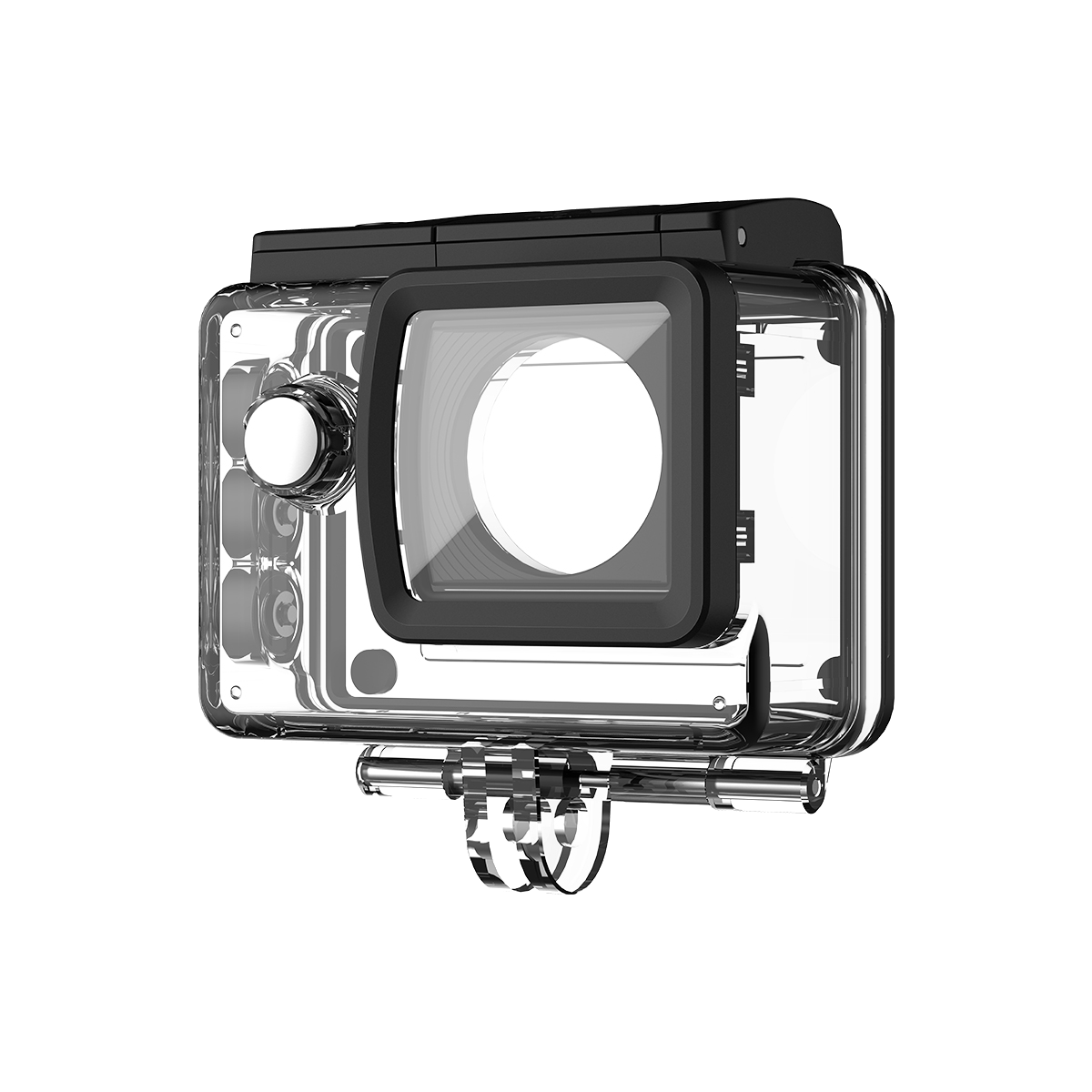
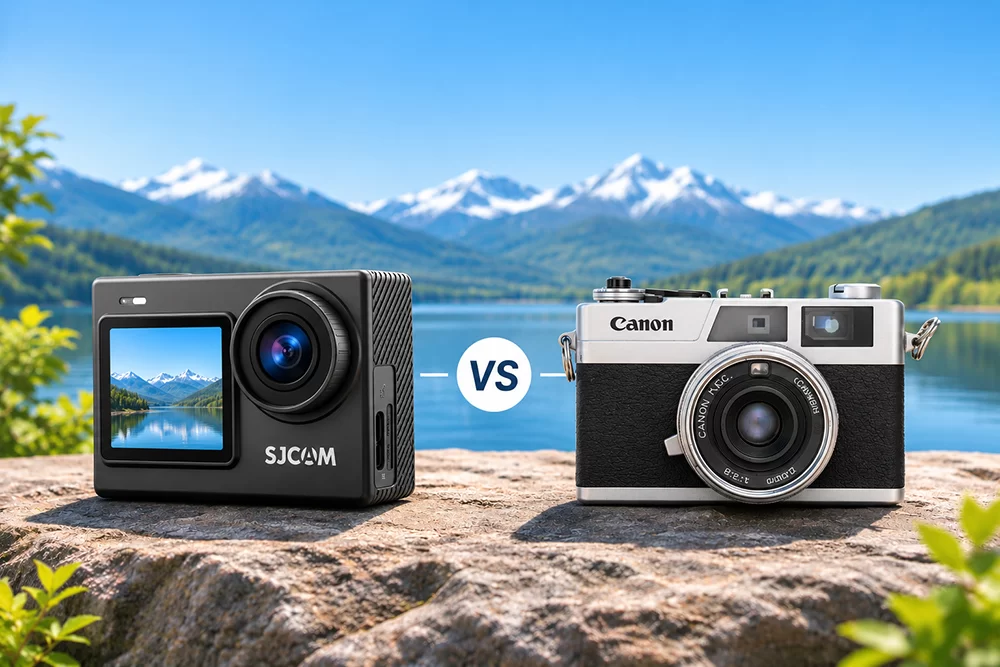
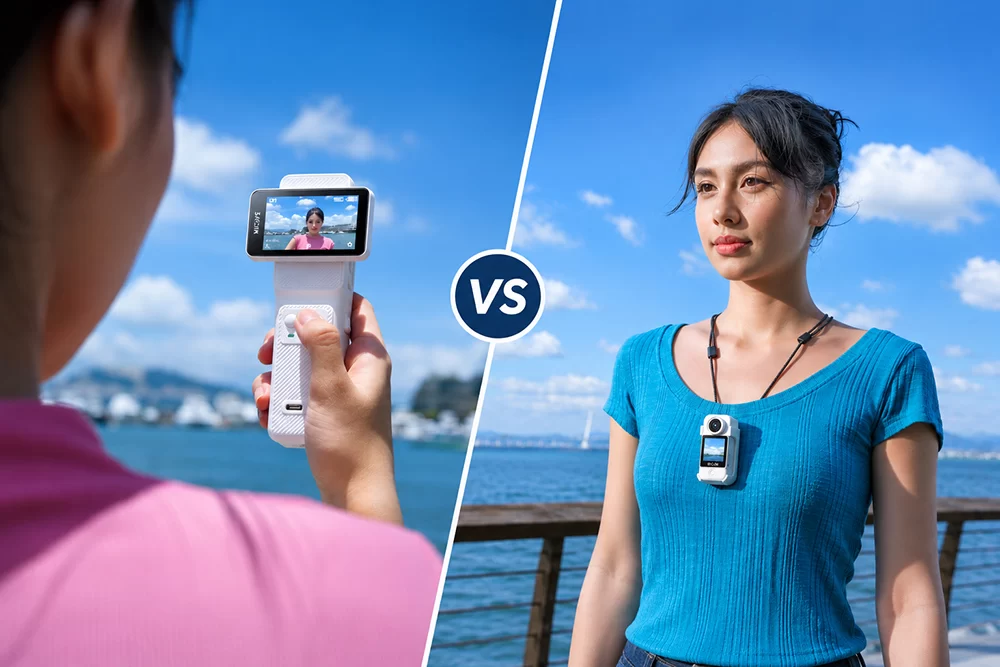
Compact cameras remain a practical choice for people who want a dedicated photography or video device without carrying bulky equipment. From everyday snapshots to travel vlogs, these portable cameras offer different features for different shooting styles.
But with smartphones becoming increasingly capable, are compact cameras still worth buying in 2026?
The answer depends on what you want to capture.
This guide explains what a compact camera is, the different types available, how they compare with smartphones and action cameras, and what to consider before buying one.
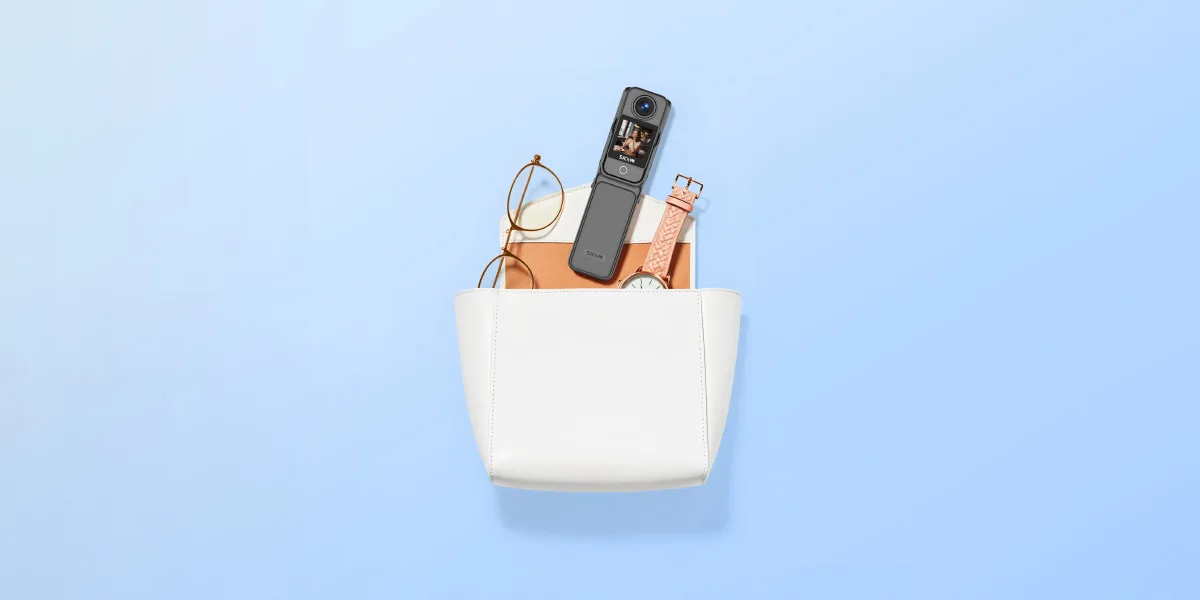
What Is a Compact Camera?
A compact camera is a small, portable camera with a built-in, non-interchangeable lens, designed for convenient photography and video recording.
Traditional compact digital cameras are often called point-and-shoot cameras because many provide automatic settings that make taking photos straightforward.
Unlike DSLR and mirrorless camera systems with interchangeable lenses, compact cameras generally combine the lens, image sensor, and controls in one body.
Common features include:
- Portable design: Convenient to carry in a bag or, for smaller models, a pocket.
- Built-in lens: No need to purchase or change lenses.
- Automatic shooting modes: Useful for beginners and casual photography.
- Digital display: Allows users to frame shots and review images.
- Photo and video recording: Capabilities vary by model.
Some compact cameras also offer optical zoom, manual controls, image stabilization, or advanced video recording.
However, these features are not universal. A compact camera’s capabilities depend on its specific design.
What Are the Different Types of Compact Cameras?
Compact cameras come in several categories, each suited to different needs.
| Camera Type | Main Characteristics | Best For |
|---|---|---|
| Point-and-Shoot Camera | Simple controls, fixed lens, automatic modes | Everyday photography |
| Premium Compact Camera | Advanced controls and higher-end imaging hardware | Enthusiast photography |
| Rugged Compact Camera | Model-specific water, dust, or shock protection | Outdoor photography |
| Compact Vlogging Camera | Video-oriented features and convenient framing | Content creation |
| Compact Action Camera | Wide-angle video, stabilization, wearable mounting | Sports and POV recording |
Point-and-Shoot Cameras
Point-and-shoot cameras prioritize simplicity. Many feature automatic exposure, autofocus, and built-in zoom lenses.
They are suitable for family photos, casual travel photography, and users who prefer a dedicated camera without complicated settings.
Premium Compact Cameras
Premium compact cameras often provide larger sensors, brighter lenses, or more advanced manual controls.
They appeal to photographers who want greater creative flexibility while keeping their equipment relatively portable.
Rugged and Action Cameras
Rugged compact cameras are designed for specific outdoor conditions, while action cameras focus on recording movement and hands-free perspectives.
Although action cameras are compact, they are not identical to traditional point-and-shoot cameras.
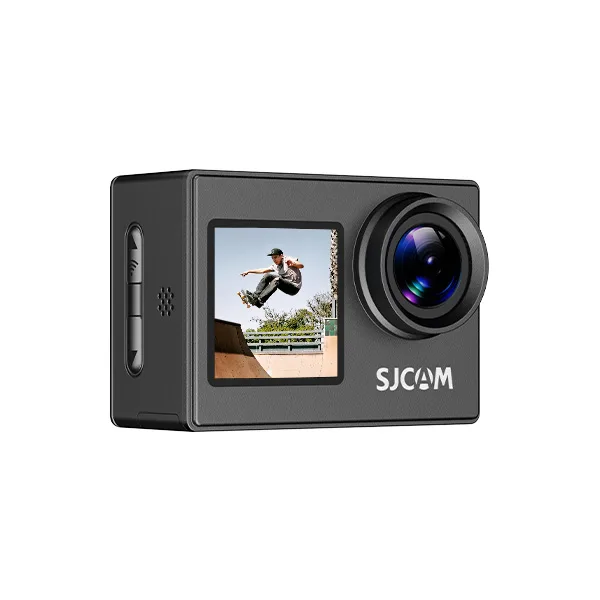
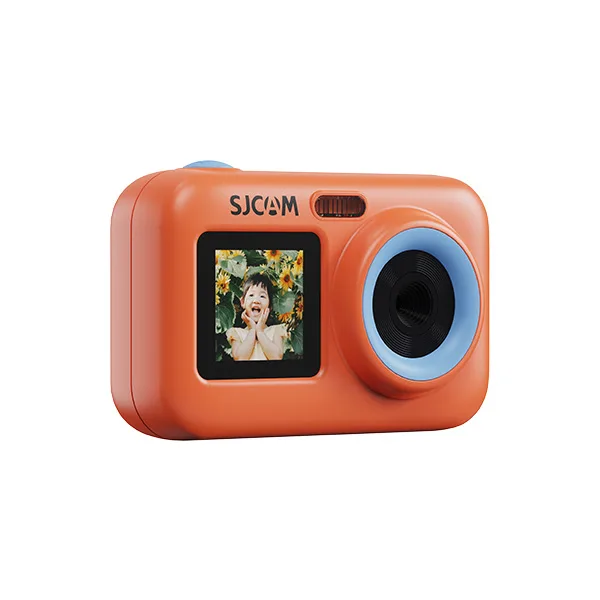
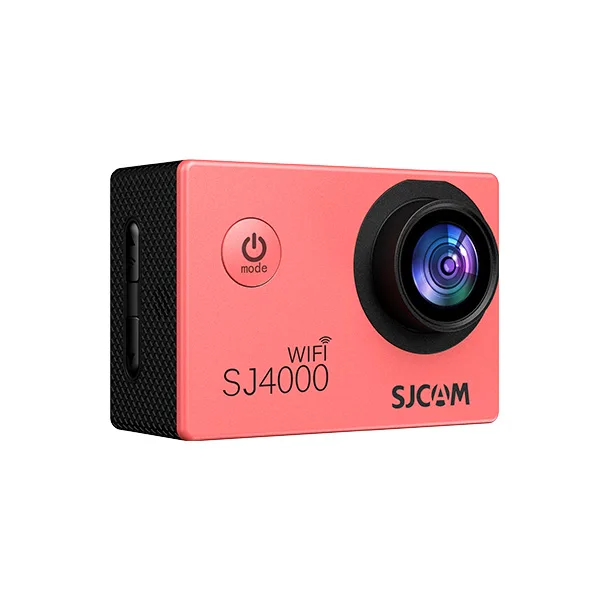
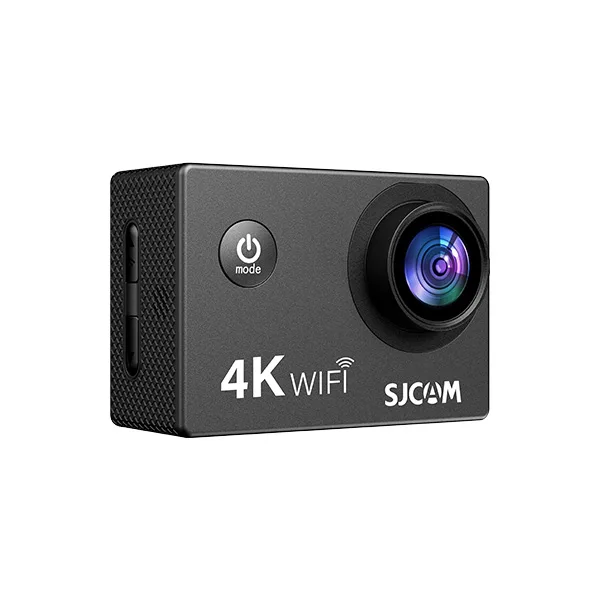
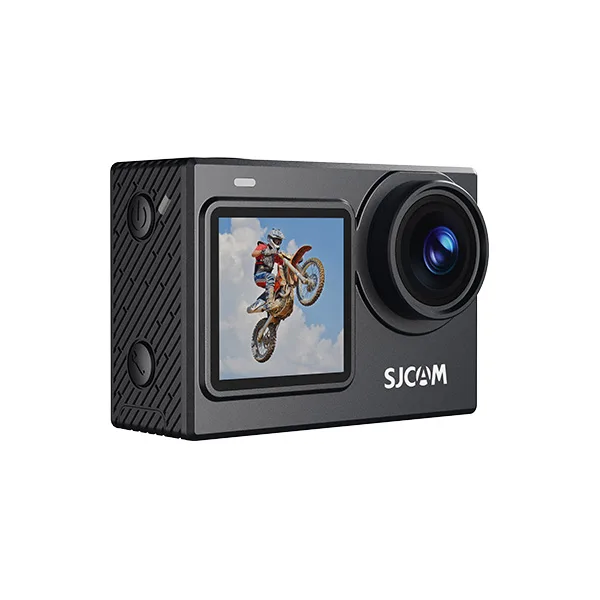
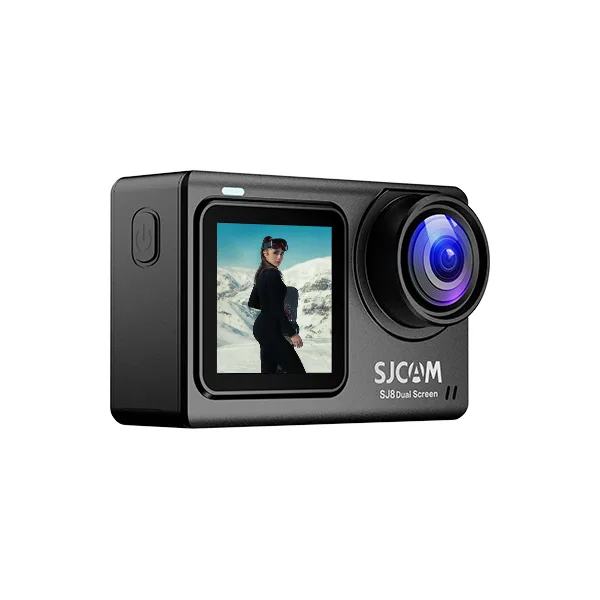
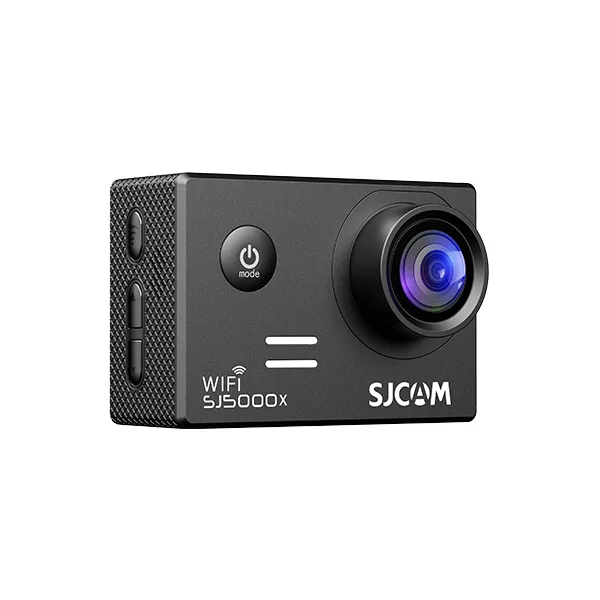
For example, SJCAM pocket action cameras prioritize portable video recording, stabilization, and mounting flexibility.
Are Compact Cameras Worth Buying in 2026?
Yes. Compact cameras are worth buying when they offer features or a shooting experience that your smartphone cannot provide as conveniently.
Their value comes from specific capabilities rather than simply having a dedicated camera body.
Advantages of Compact Cameras
1. Dedicated Photography Experience
A compact camera lets you take photos or record videos without using your phone.
Physical controls and specialized shooting modes may also make certain tasks easier.
2. Optical Zoom on Supported Models
Many traditional compact cameras include optical zoom lenses, allowing users to change focal length without relying entirely on digital cropping.
This can be useful for photographing distant subjects.
3. Specialized Recording Features
Depending on the model, compact cameras may offer advanced video settings, stabilization, manual exposure controls, or weather protection.
4. Portability
Compared with larger interchangeable-lens camera systems, compact cameras can be easier to carry during everyday activities and travel.
Limitations of Compact Cameras
Compact cameras also have disadvantages.
- They are an additional device to carry and charge.
- Some entry-level models may not outperform modern smartphones.
- Image quality varies significantly between models.
- Many lack interchangeable lenses.
- File transfers and sharing may be less convenient than using a phone.
The key is to choose a camera based on its actual features, not assume every compact camera delivers better results than a smartphone.
Compact Camera vs. Smartphone: Which Is Better?
Smartphones are excellent for everyday photography because they combine a camera, editing tools, and instant sharing in one device.
Compact cameras can be useful when you need dedicated controls, a particular lens, or specialized recording capabilities.
| Feature | Compact Digital Camera | Smartphone |
|---|---|---|
| Portability | Small dedicated device | Usually already with you |
| Optical Zoom | Available on many models | Available on some models |
| Manual Controls | Varies by camera | Varies by phone and app |
| Image Quality | Depends on sensor and lens | Depends on hardware and processing |
| Editing and Sharing | May require file transfer | Usually more convenient |
| Main Advantage | Dedicated photography features | All-in-one convenience |
When Should You Choose a Compact Camera?
Consider a compact digital camera if you want optical zoom, dedicated shooting controls, or a device specifically for photography.
When Is a Smartphone Enough?
A smartphone is often sufficient for casual photos, social media content, and everyday video recording.
Modern smartphones can produce excellent results, particularly when lighting is good.
For a more detailed comparison involving video recording and outdoor use, read our action camera vs. smartphone guide.
Compact Camera vs. Action Camera: What’s the Difference?
Although both can be portable, compact digital cameras and action cameras are designed for different purposes.
A traditional compact camera generally prioritizes everyday photography, convenient framing, and, on some models, optical zoom.
An action camera is designed primarily for recording movement, often with wide-angle lenses, electronic stabilization, and compatible wearable mounts.
| Feature | Compact Digital Camera | Action Camera |
|---|---|---|
| Primary Use | Everyday photography | Action and POV video |
| Lens | Often standard or zoom | Usually wide-angle |
| Stabilization | Depends on model | Commonly emphasized |
| Hands-Free Mounting | Less common | Often supported |
| Waterproofing | Model-specific | Common on outdoor models |
| Best For | Photos, portraits, travel snapshots | Sports, cycling, hiking |
Choose a compact digital camera for everyday photography and an action camera for hands-free video or active outdoor recording.
Neither category is automatically better in every situation.
If you’re deciding between them for a trip, read our detailed comparison: Action Camera vs. Compact Camera: Which Is Better for Travel?.
How to Choose a Compact Camera?
Before buying a compact camera, consider the features that will affect your actual shooting experience.
1. Sensor Size and Image Quality
The image sensor captures light and converts it into image information.
Larger sensors can offer advantages in low-light performance and dynamic range, but sensor size alone does not determine image quality.
Lens quality, image processing, exposure settings, and available light also matter.
Rather than comparing megapixel numbers alone, look at real sample photos taken in conditions similar to your intended use.
2. Optical Zoom vs. Digital Zoom
Optical zoom changes the lens’s focal length to bring distant subjects closer in the frame.
Digital zoom enlarges or crops the captured image, potentially reducing detail.
If you frequently photograph distant subjects, check whether a camera offers optical zoom and what focal-length range it provides.
A 16× digital zoom should not be treated as equivalent to a 16× optical zoom.
3. Video Resolution and Stabilization
If video recording is important, consider resolution, frame rate, and stabilization.
For example:
- 1080p/30fps: Suitable for everyday recording.
- 1080p/60fps: Useful for smoother motion.
- 4K/30fps: Provides more detail and cropping flexibility.
- Higher resolutions: May offer additional detail but require more storage and processing.
Available modes depend on the camera.
For more guidance, explore our 1080p vs. 4K action camera comparison.
4. Camera Size and Weight
A camera should be comfortable to carry during your intended activities.
For everyday photography, a lightweight camera that fits easily into a small bag may be sufficient.
For hiking or extended travel, consider the weight of the camera together with batteries and accessories.
5. Battery Life and Storage
Check battery runtime at your intended recording settings, especially for high-resolution video.
Also consider supported memory cards, storage capacity, and how easily you can transfer files.
6. Ease of Use
A camera with straightforward menus, accessible buttons, and reliable autofocus may be more useful than one with numerous features you rarely need.
Choose controls that match your experience level and shooting habits.
Which Compact Camera Is Right for You?
Different activities call for different camera features.
| Your Main Activity | Features to Prioritize | Camera Type |
|---|---|---|
| Everyday Photography | Simple controls, autofocus | Point-and-shoot |
| Street Photography | Compact size, fast operation | Compact digital camera |
| Travel Photography | Portability, image quality, battery life | Compact or premium compact |
| Vlogging | Convenient framing, video features | Compact vlogging camera |
| Cycling and Hiking | Stabilization, mounting, weather protection | Compact action camera |
For street photography, prioritize quick operation, reliable autofocus, and discreet handling.
For vlogging, look for convenient screen positioning, usable audio, and recording modes suited to your workflow.
For outdoor adventures, mounting compatibility and appropriate weather protection may matter more than optical zoom.
Which SJCAM Compact Camera Should You Consider?
SJCAM offers portable cameras for different photography and video recording needs.
SJCAM ZV200 — For Everyday Photography and Vlogging
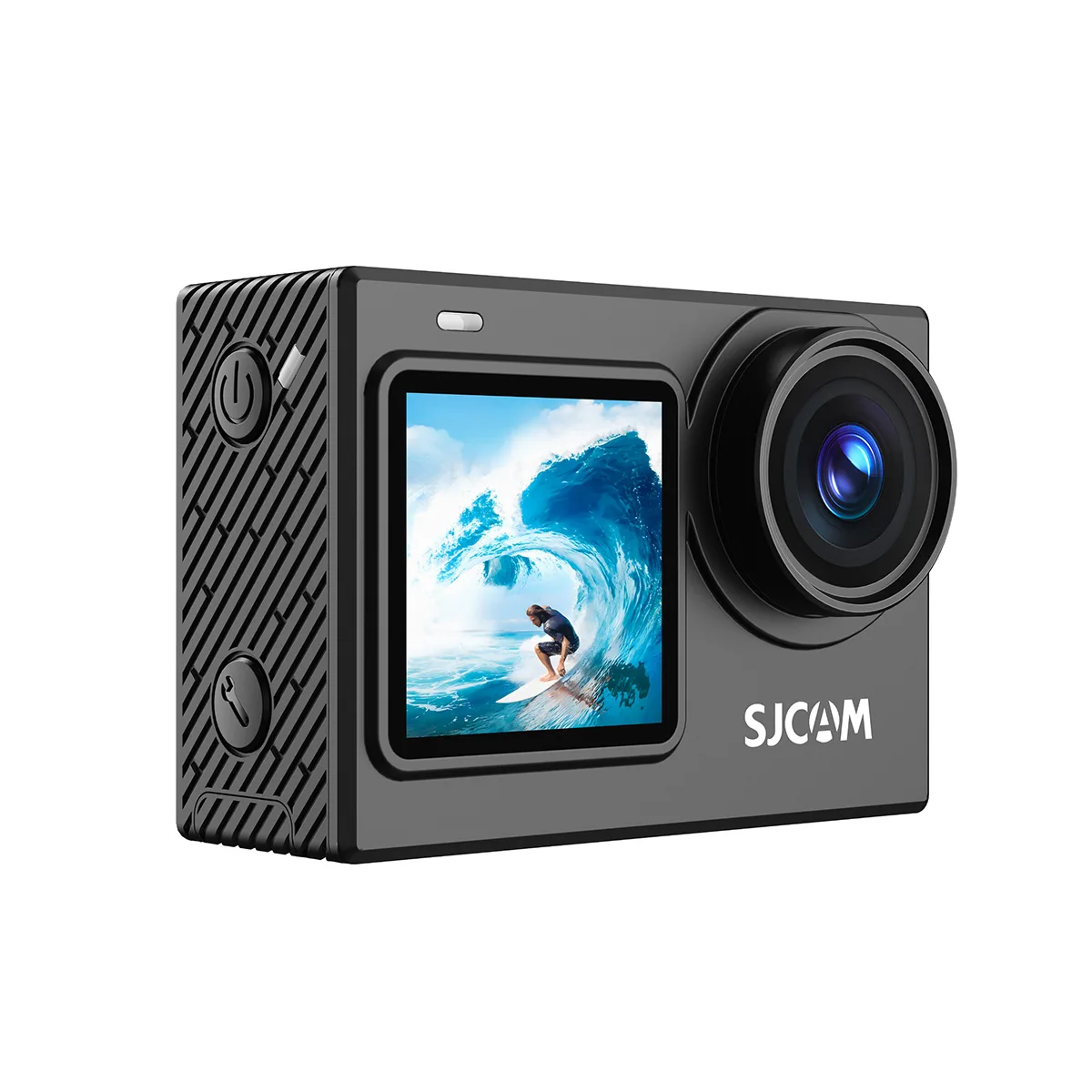
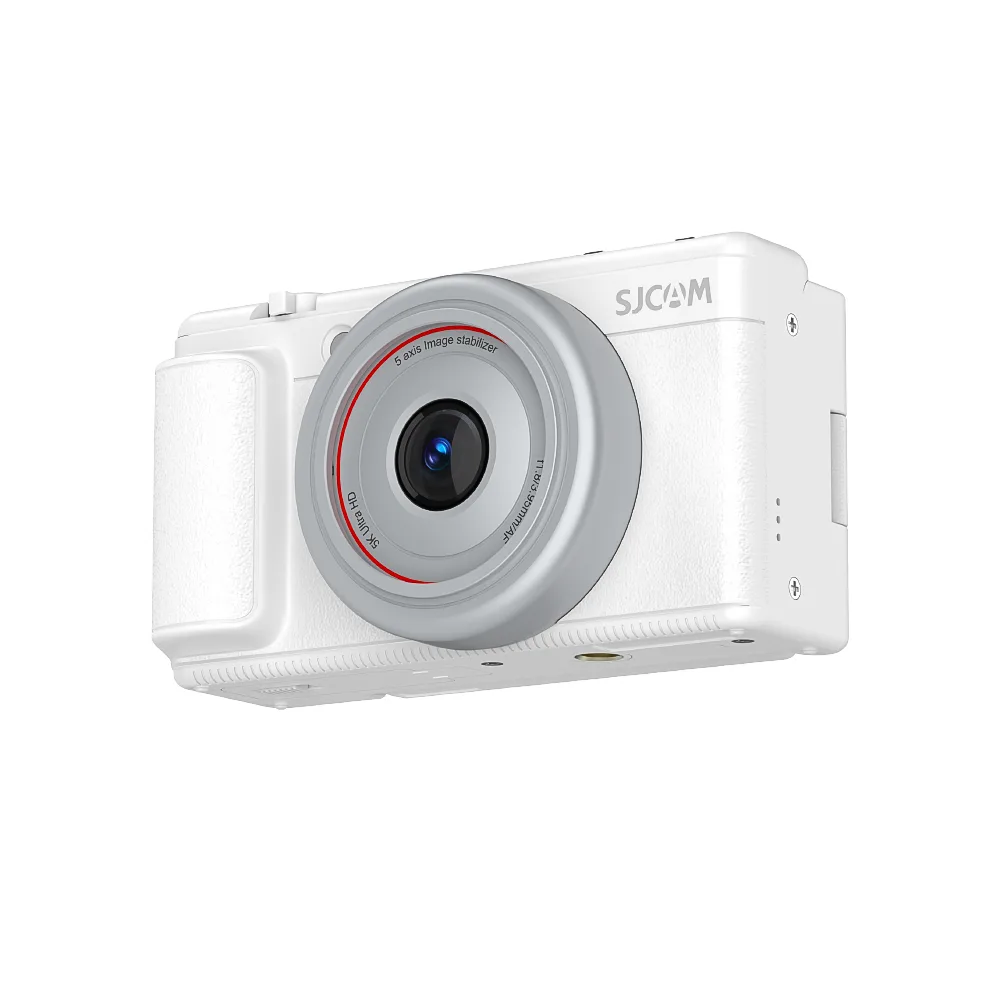
The SJCAM ZV200 Digital Camera is designed for users who want a dedicated camera for photos and videos.
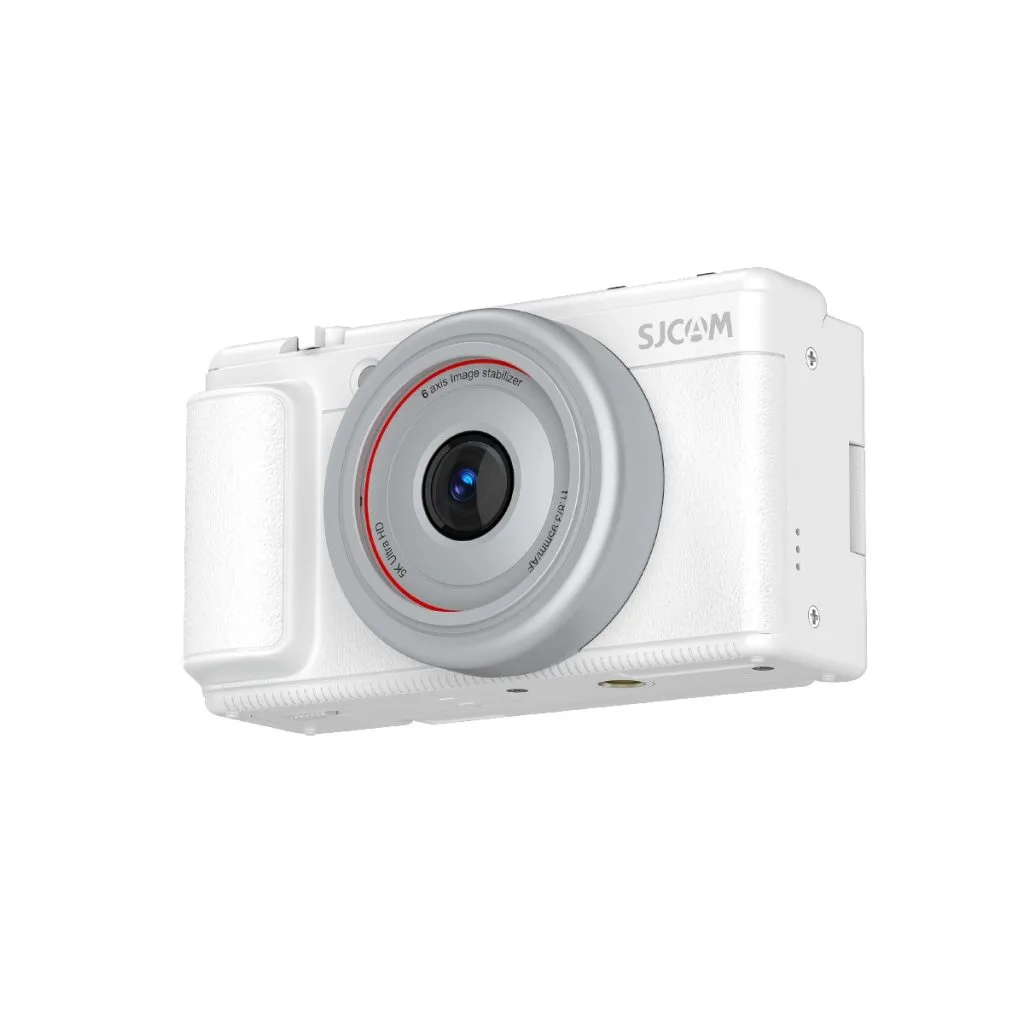
ZV200
Its features include:
- Up to 80MP photo output
- 5K/30fps video recording
- Rotatable 2.8-inch screen
- Autofocus and six-axis gyro stabilization
- 16× digital zoom
The ZV200 is worth considering for everyday photography, travel snapshots, and casual vlogging.
Its digital zoom provides additional framing flexibility, but it should not be confused with the optical zoom found on some traditional compact cameras.
SJCAM C400 Pro — For Handheld and Wearable Video
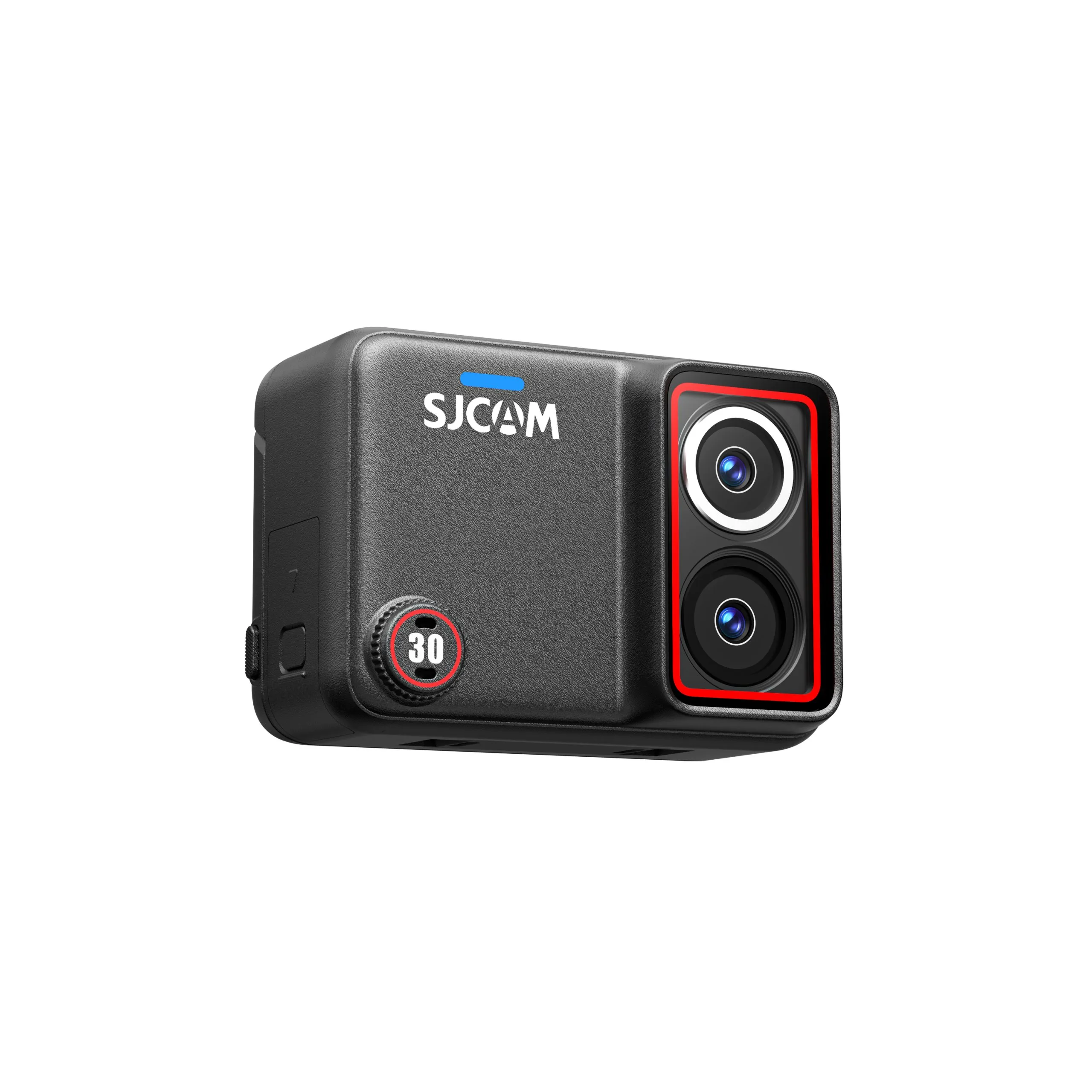
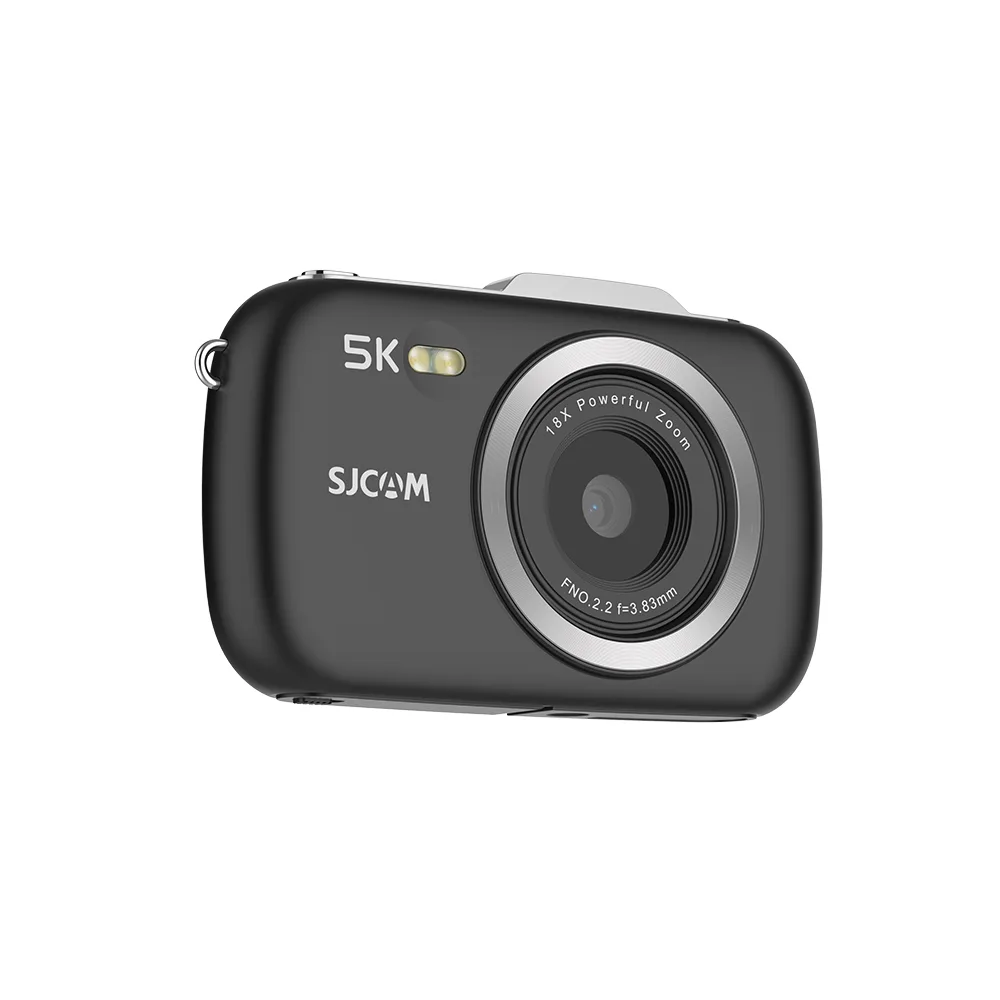
The SJCAM C400 Pro is a compact action camera designed for flexible video recording.
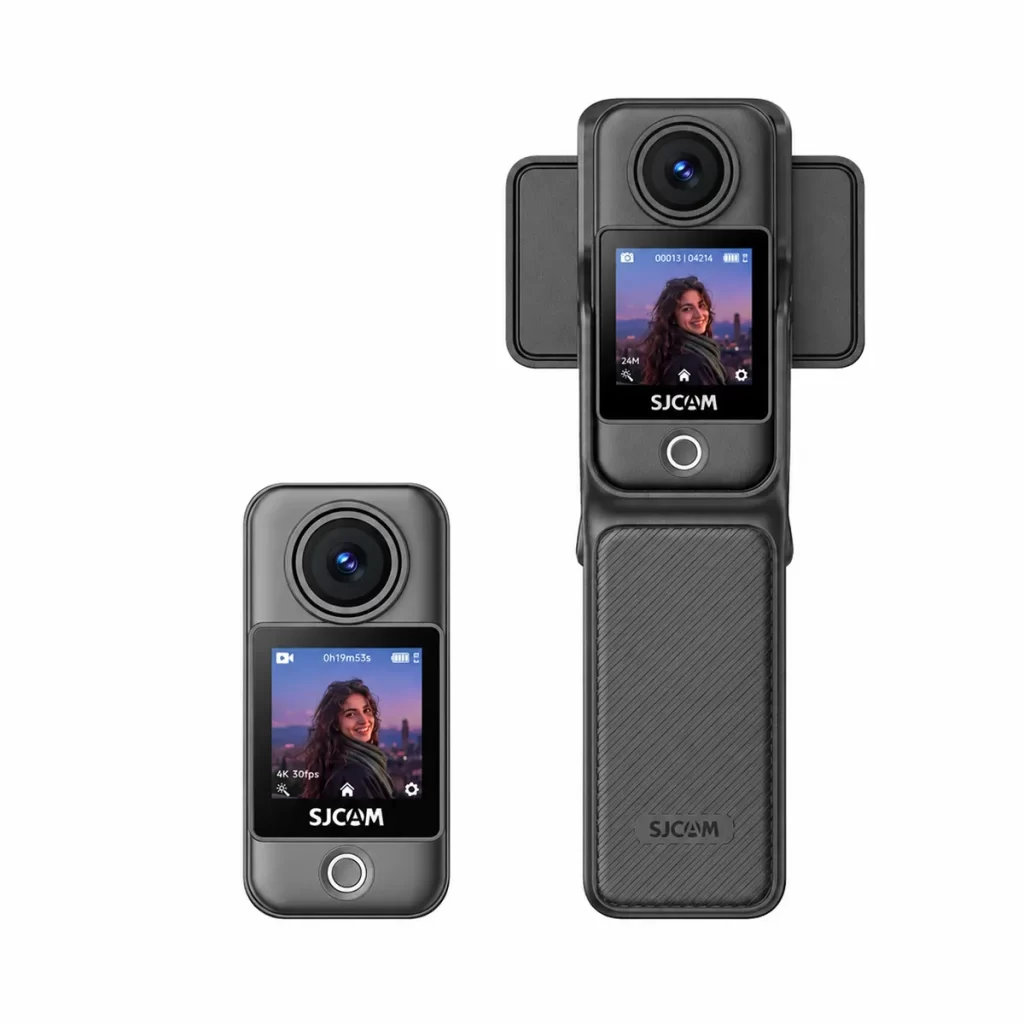
C400 Pro
Its detachable design supports different recording setups, making it suitable for handheld vlogs and wearable POV footage.
With 4K recording, stabilization, and a compact camera body, it is an option for users who prioritize video and outdoor activities.
Which should you choose?
Choose the ZV200 if you primarily want a compact digital camera for everyday photography and vlogging.
Consider the C400 Pro if your main priority is portable video recording with handheld and hands-free flexibility.
FAQ
A compact digital camera is a portable camera with a built-in, non-interchangeable lens. It is designed for convenient photography and video recording, often with automatic settings that make it easy to use.
Not always. Some compact cameras offer optical zoom, dedicated controls, or specialized features, while modern smartphones provide excellent image processing and easier sharing. The better choice depends on the specific devices and your needs.
A compact camera typically has a built-in lens and smaller body. A DSLR uses an interchangeable-lens system with a mirror-based optical viewfinder, providing greater lens flexibility but usually requiring more equipment.
No. Many traditional point-and-shoot cameras have optical zoom lenses, but some compact cameras use fixed focal lengths or digital zoom. Always check the product specifications.
Yes. Many modern compact cameras support 4K video, although recording resolutions and frame rates vary by model. Some cameras also support higher resolutions.
Yes. A compact camera can be convenient for travel because it combines portability with dedicated photo or video features. Choose a model based on whether you prioritize photography, vlogging, zoom, or outdoor recording.
Conclusion
Compact cameras remain useful for people who want portable, dedicated photography or video equipment.
Traditional compact digital cameras are well suited to everyday photography, while premium models may offer more advanced imaging features. Compact action cameras provide a different approach, emphasizing stabilization, wearable mounting, and outdoor video recording.
If you mainly want everyday photos, consider a compact digital camera such as the SJCAM ZV200. If you prioritize handheld and hands-free video, the SJCAM C400 Pro may be more suitable.
Ultimately, the best compact camera is the one that matches how you actually shoot—not simply the one with the highest resolution or the largest advertised zoom number.