





 Chinese (China)
  Spanish
  German
  French
  Italian
  Japanese
  Korean
  Bulgarian
  Greek
Greek  Indonesian
  Chinese (Hong Kong)
  Russian
  Danish
  Finnish
  Hungarian
  Turkish
  Dutch
Dutch  Portuguese
  Swedish
  Romanian
  Slovak
  Serbian
  Norwegian
  Croatian
  Albanian
  Catalan
  Czech
Czech  Estonian
  Armenian
  Bengali
  Amharic
  Polish
  Thai
Thai  Ukrainian
  Vietnamese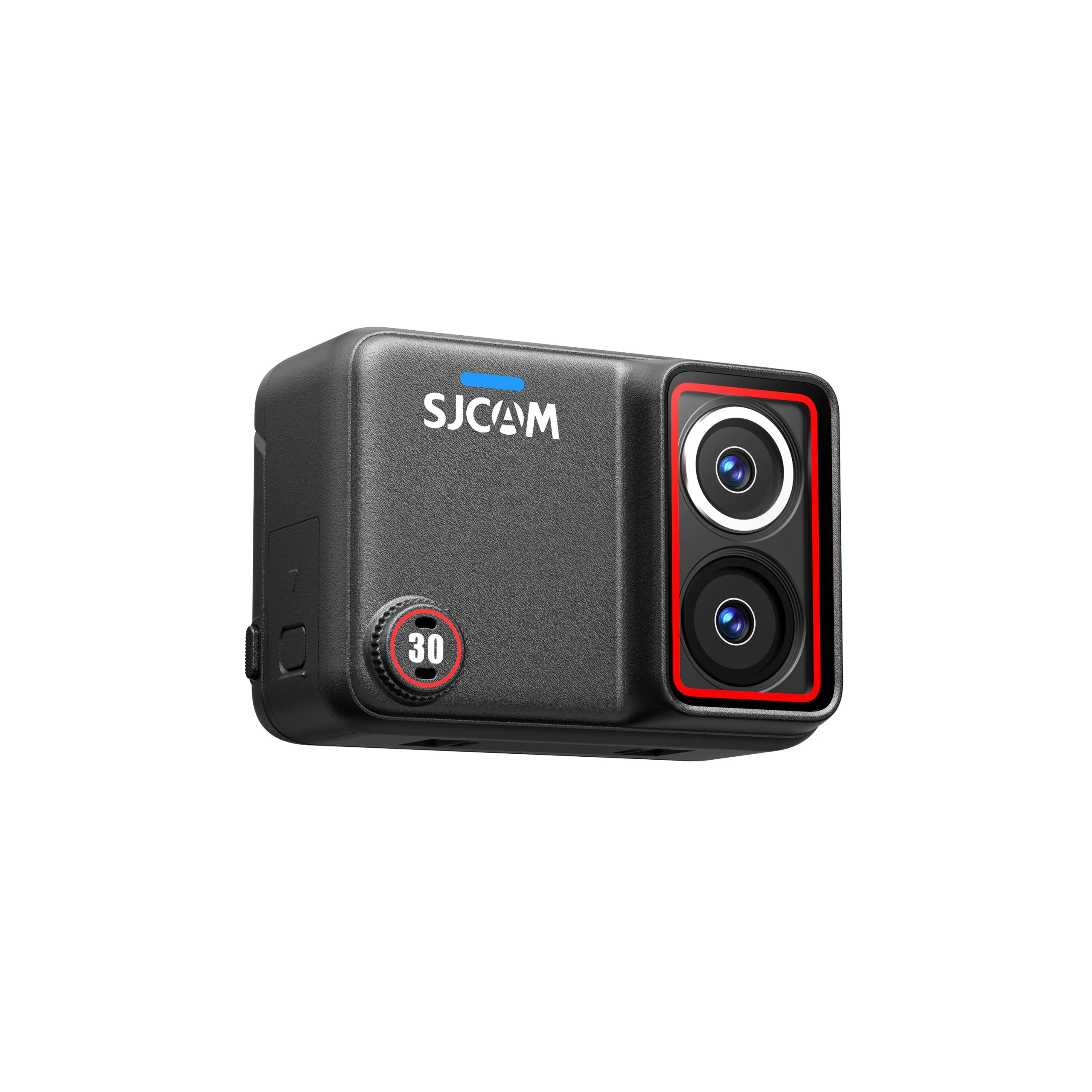
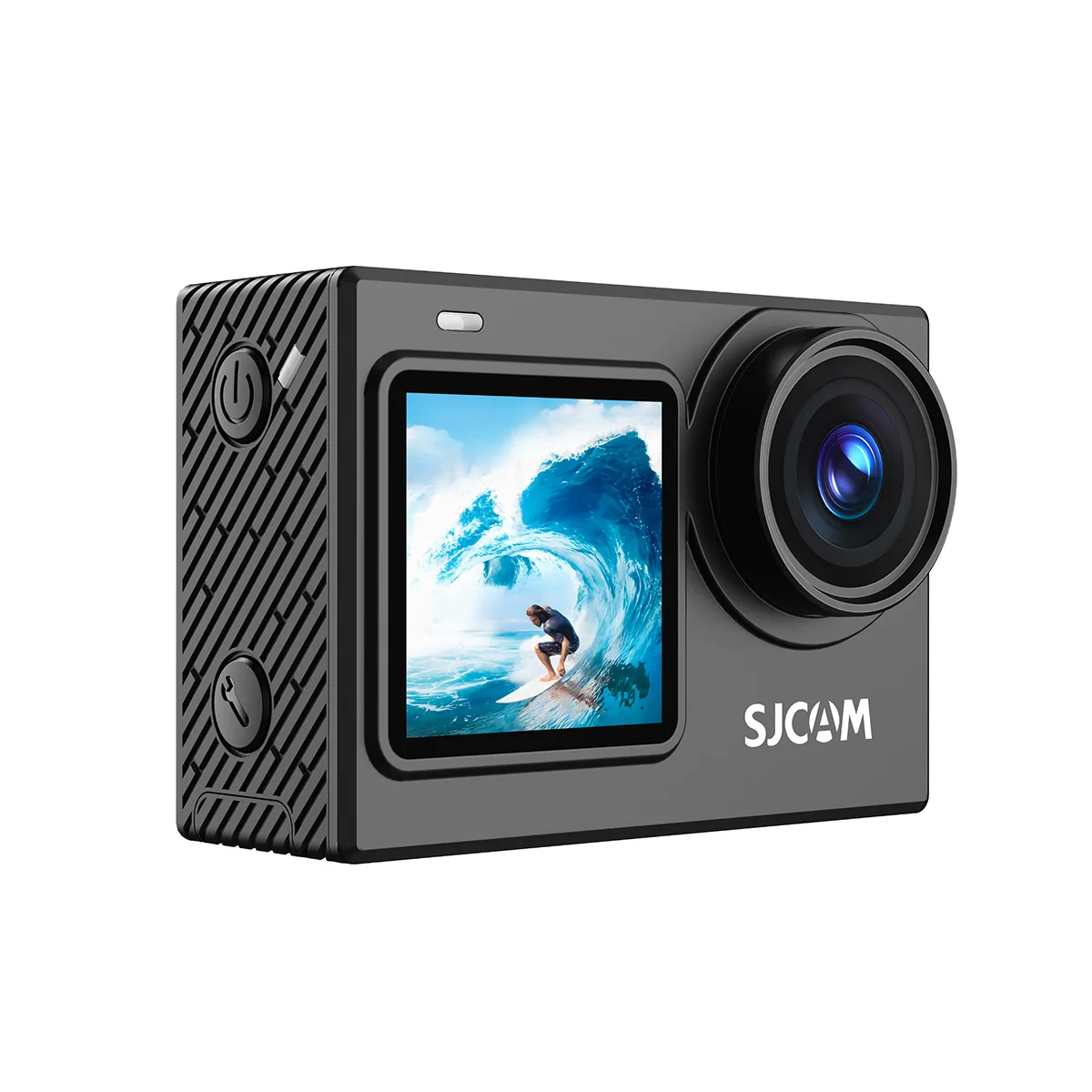
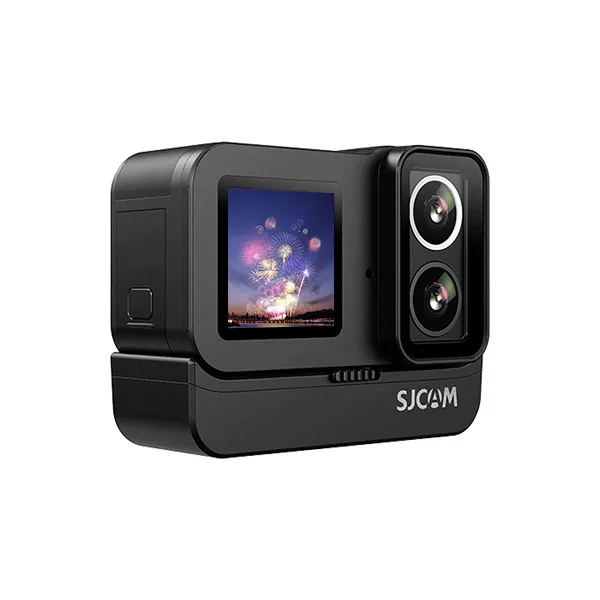
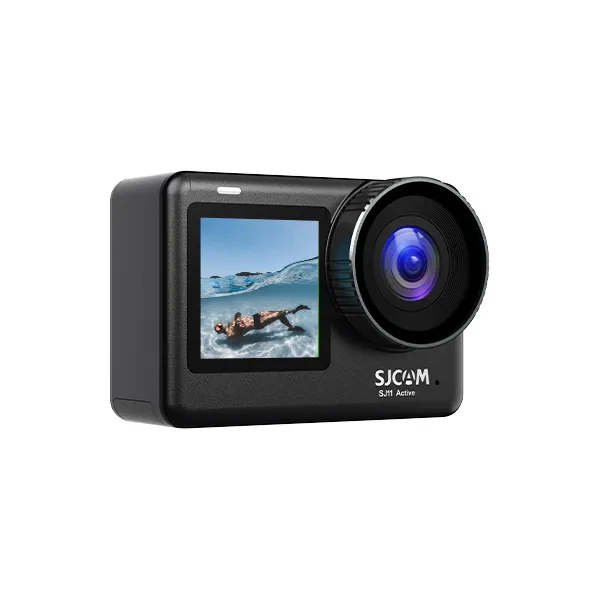
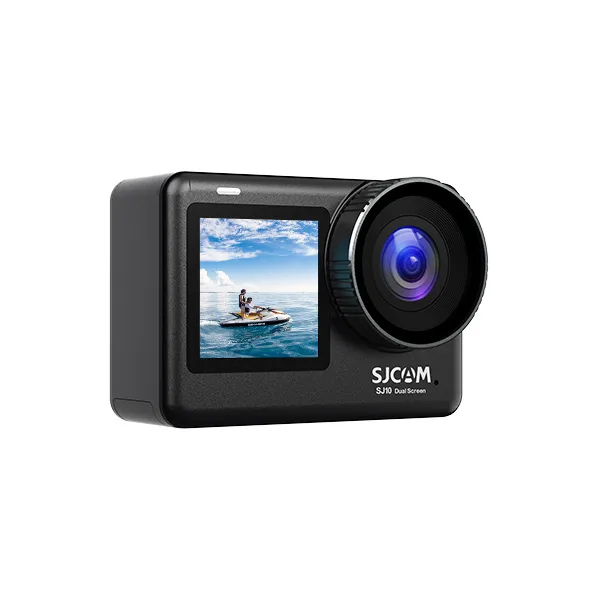
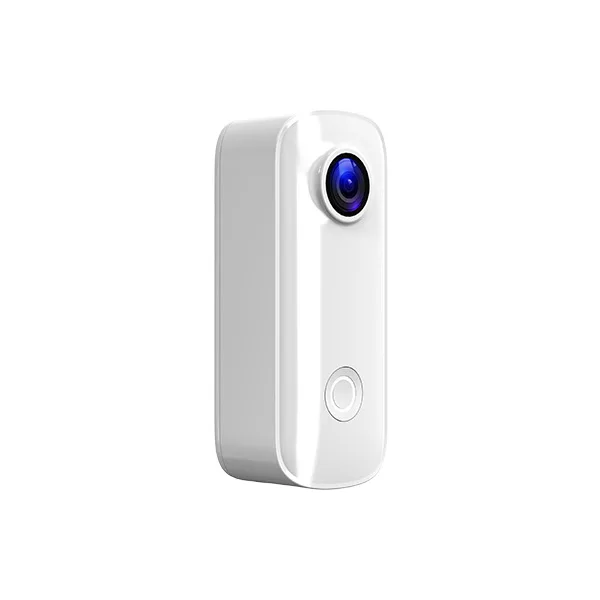
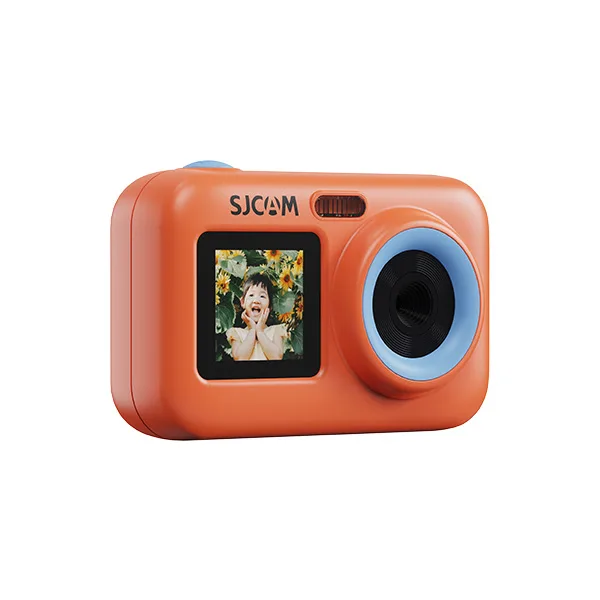
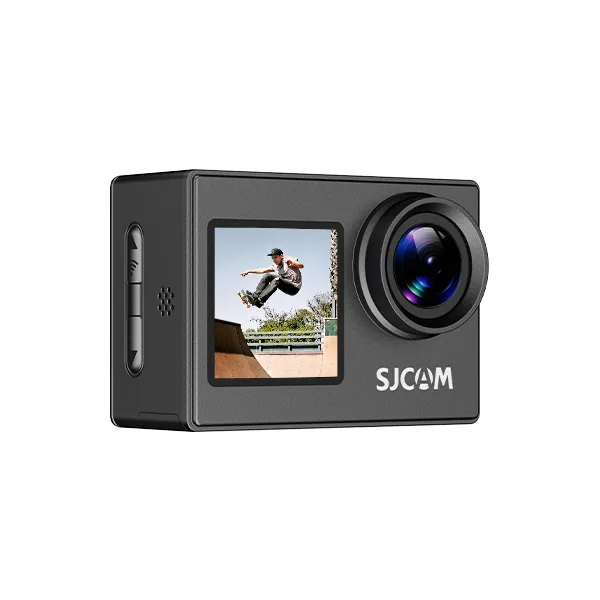
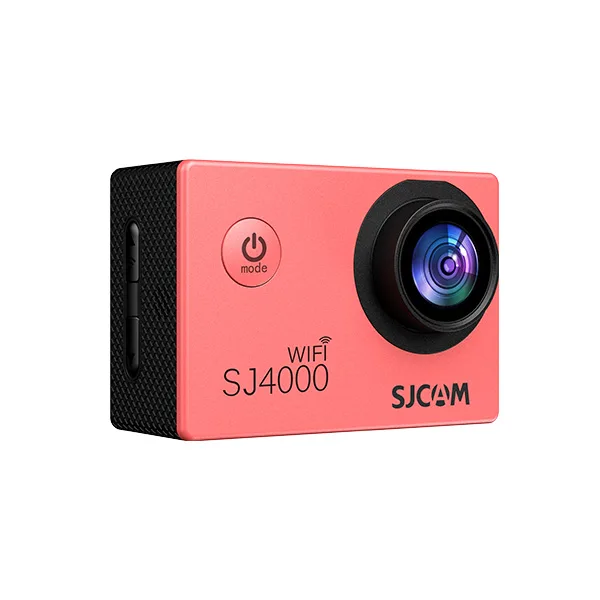
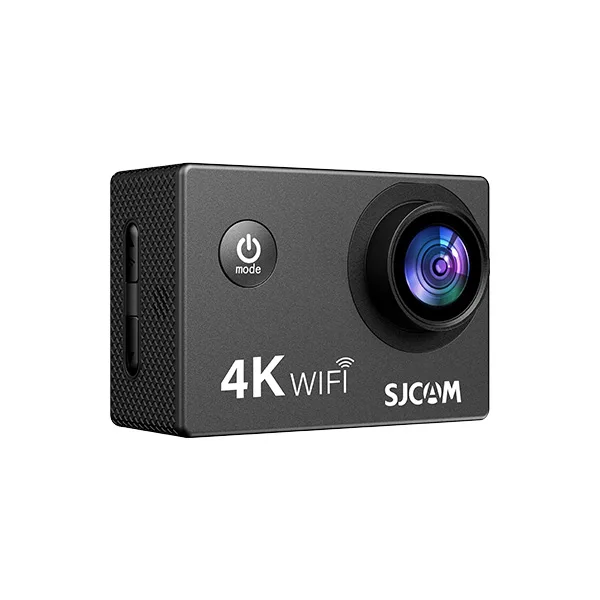
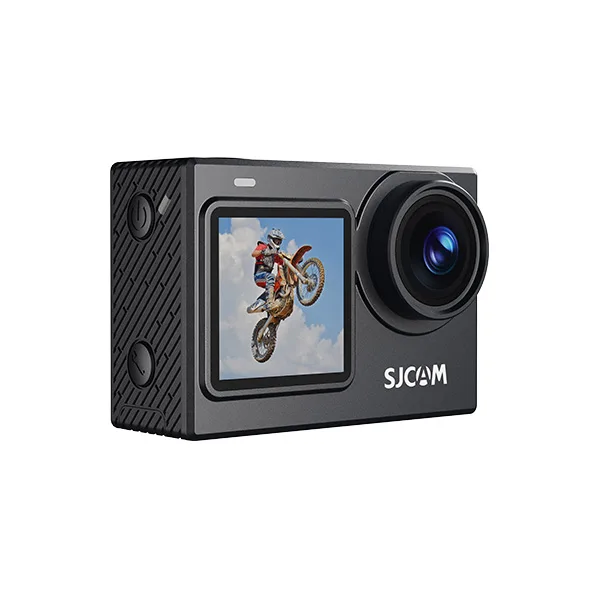
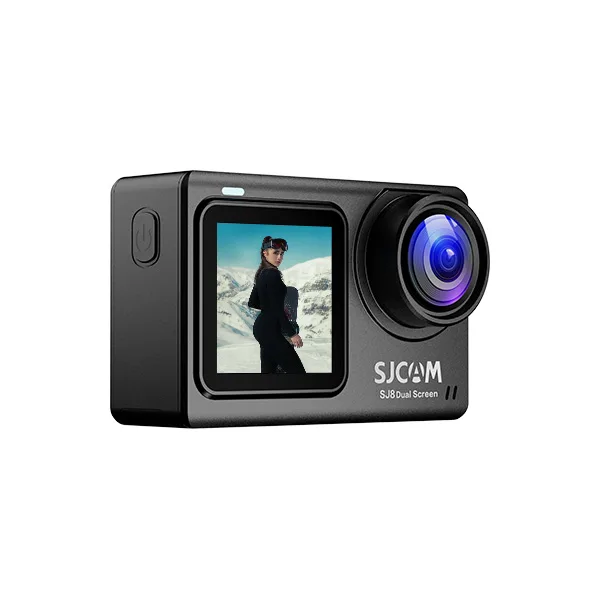
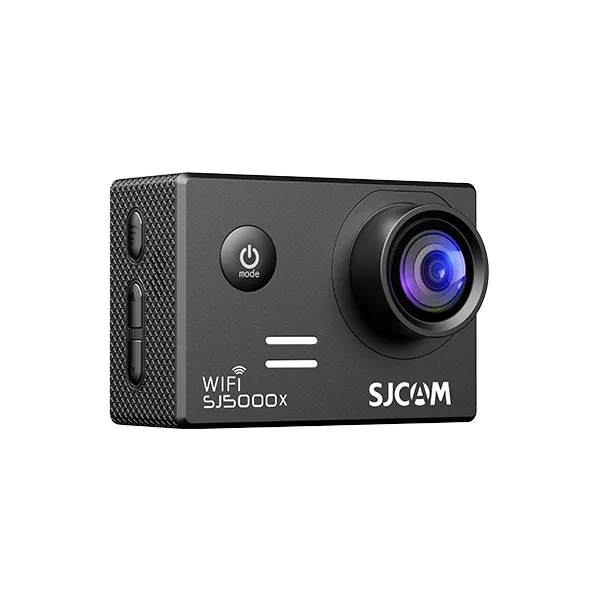
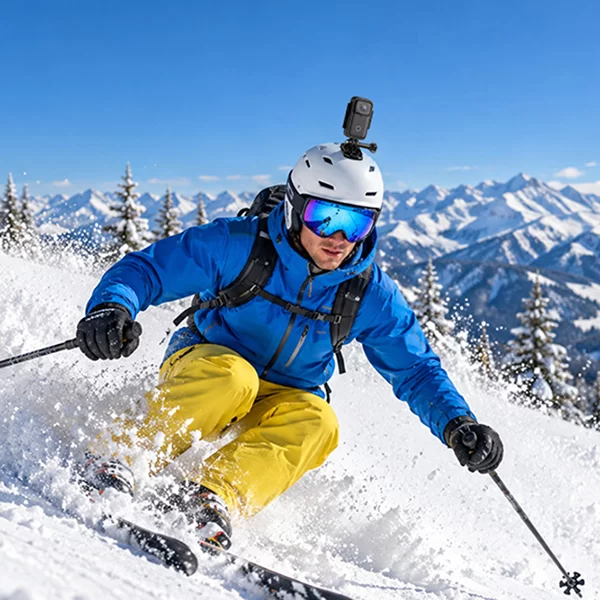

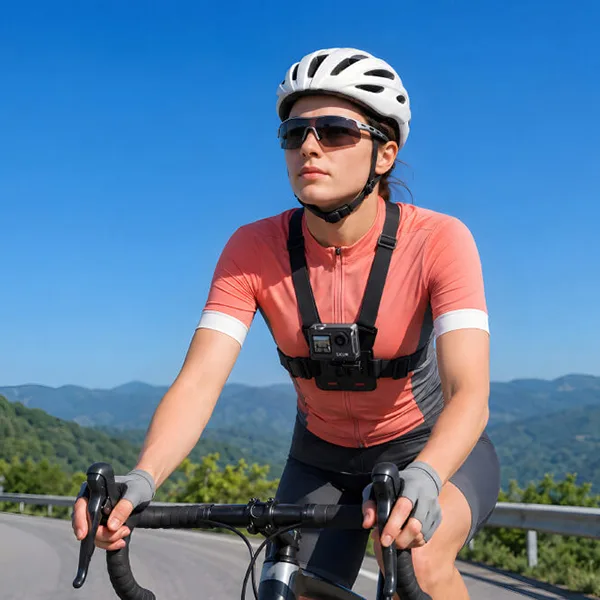
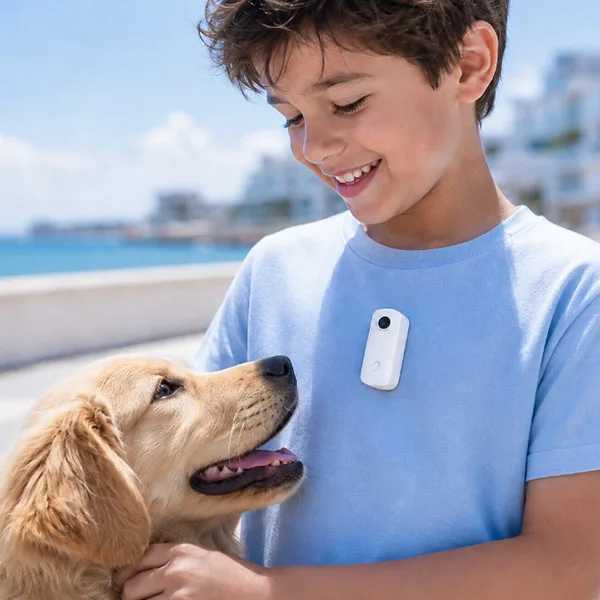
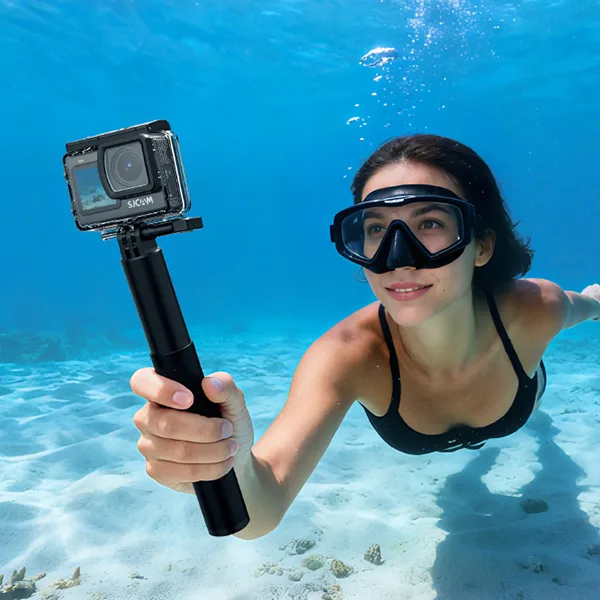
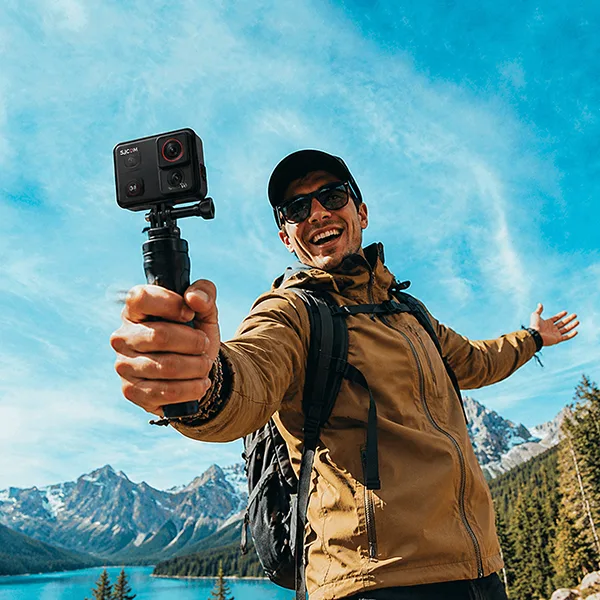
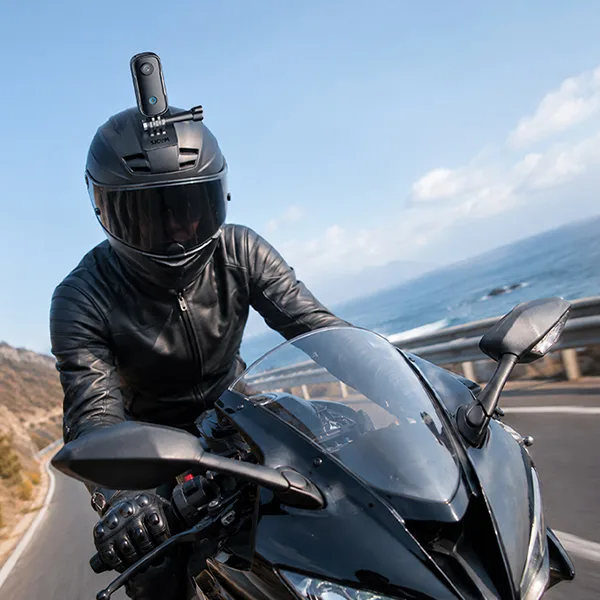
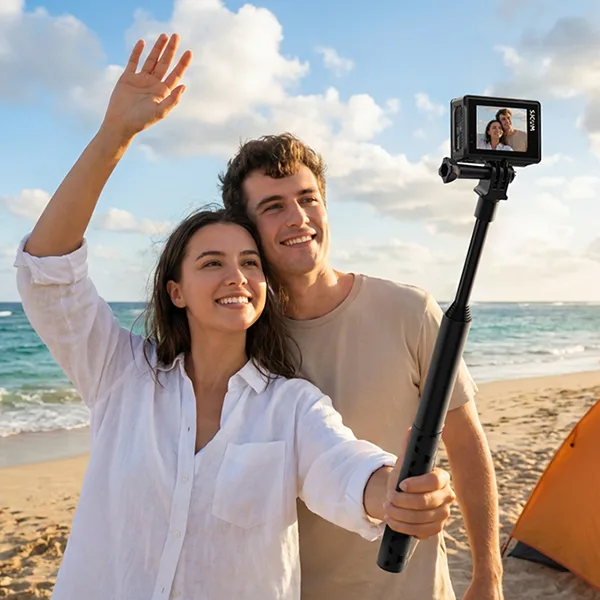


Choosing an adventure travel camera is different from choosing a regular camera.
Outdoor travelers need equipment that can survive unpredictable weather, movement, and long days away from power outlets.
A good adventure camera should be lightweight enough for backpacking, stable enough for action sports, and durable enough for water, dust, and extreme environments.
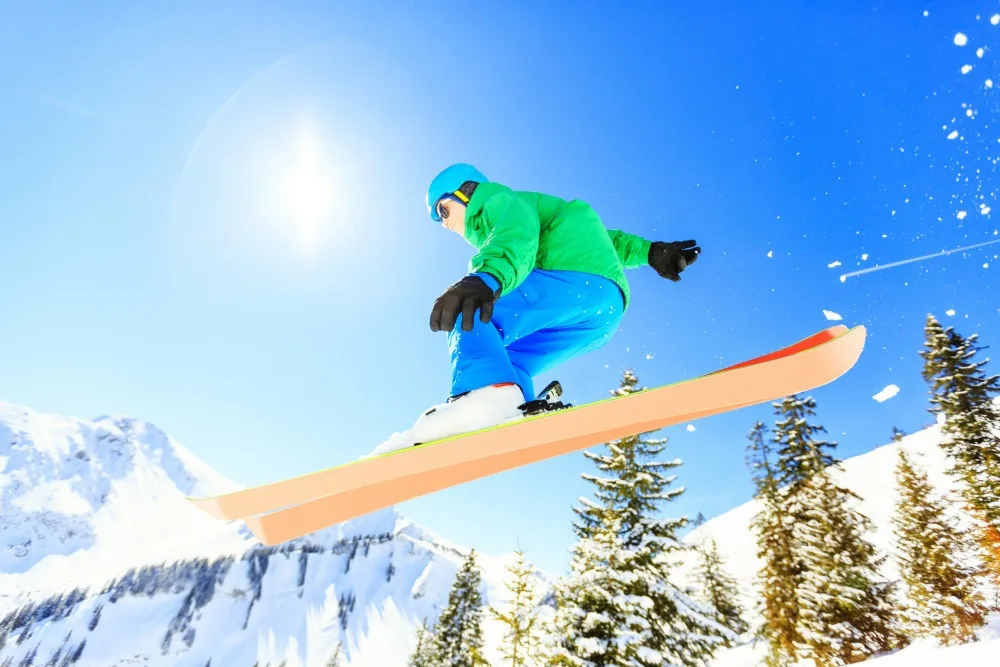
In this guide, we compare the key features that matter most and explore why cameras like the SJCAM SJ30 and C400 are designed for modern adventure travelers.
What Makes the Best Adventure Travel Camera? 5 Essential Features
If you’re just going sightseeing or on a relaxing retreat, most high-quality cameras or smartphones are good enough. But when your travels involve more adrenaline-inducing activities like hiking or cycling, your device should have a few key features built to withstand a challenging terrain, atmosphere, or lack of charging facilities.
Waterproof and Rugged Design for Outdoor Conditions
Many adventurers are bound to be met with muddy or windy conditions, moisture, extreme temperatures, and uneven ground. These are part of what makes their excursions so exciting, but not all devices can endure such harsh conditions.
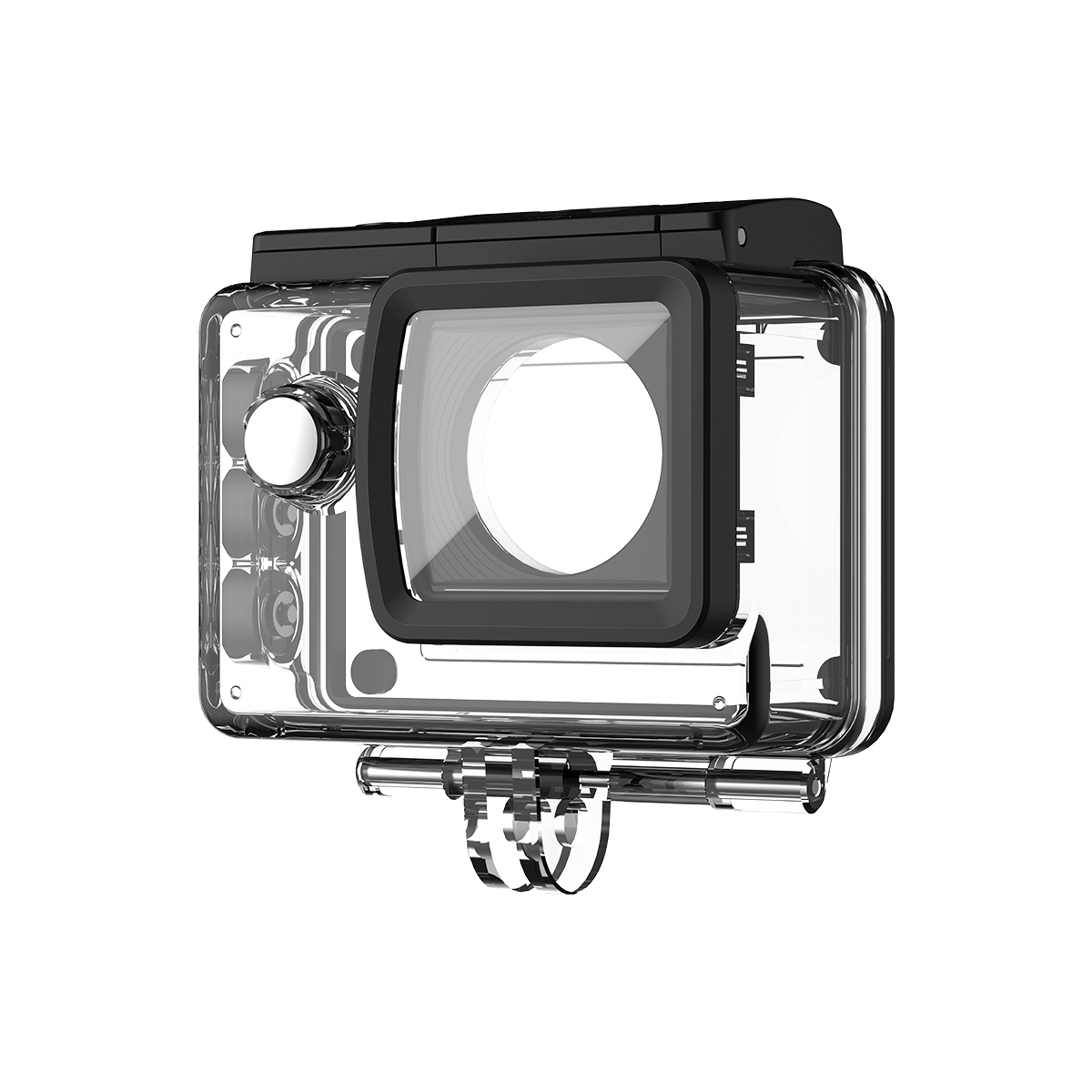
To record yourself without diluting your enjoyment or peace of mind, you need an IP68-rated model that is better adapted to dust or water contact. Many of SJCAM’s models offer 5-meter native waterproofing, which goes up to 30 meters with the protective housing.
This means you can quickly retrieve it from a puddle or stream or adjust to rainy conditions without panicking about possible damage.
Video Stabilization
Moving at high-speed or on rough, rocky surfaces can cause vibrations to travel from your feet or the wheels of your vehicle to your camera, causing it to capture shaky videos or unclear pictures.
Outdoor adventure cameras resist the effects of this action through electronic image stabilization or algorithms like Motion 2.0.
Lightweight and Portable Design
Packing light is crucial for an intrepid outing and ensuring that you can record without being inconvenienced by unwieldy gear. That is why the best action cameras weigh around 120 grams and fit in most pockets, pouches, and backpack compartments.
This ultra-light design makes sure that the camera is not burdensome when mounted on your backpack or helmet and even lets you put your gear safely away without it being unreachable when you are not using it.
Noise Cancellation
Noise and commotion are to be expected at most high-octane outings. However, wind noise picked up during gusty weather or high-speed activities like cycling or paragliding diminishes your video’s quality and charm.
Action cameras come with a number of features to fix this when changing the position of your mount is not enough. They can feature lightweight foam housing that physically keeps the turbulence away and adjustable camera and microphone settings that lead to crisper-sounding videos.
Extended Battery Life
Constantly recording your adventures during extended periods will inevitably take a toll on the camera’s battery, and low-quality models often last around an hour before they need to replenish their power.
Try to look for cameras that can capture uninterrupted ultra-high-definition footage for upwards of 400 minutes.
The Best Camera for Different Outdoor Adventures
Every outdoor trip creates different camera requirements. A hiking expedition, surfing trip, and motorcycle journey all challenge a camera in different ways. Even if the destinations have similar weather conditions and terrains, the activity that you’re looking forward to will dictate the specialized features that your camera must possess.
The Perfect Hiking & Backpacking Camera
Long trails demand efficiency in the face of changing light conditions. Meanwhile, carrying a heavy DSLR is risky, whereas dropping or damaging your phone means that you lose more than just a recording device, but also your primary means of communication and transactions.
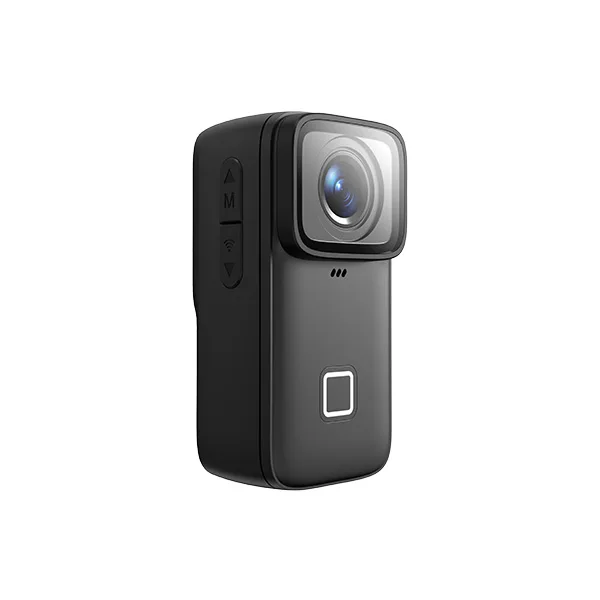
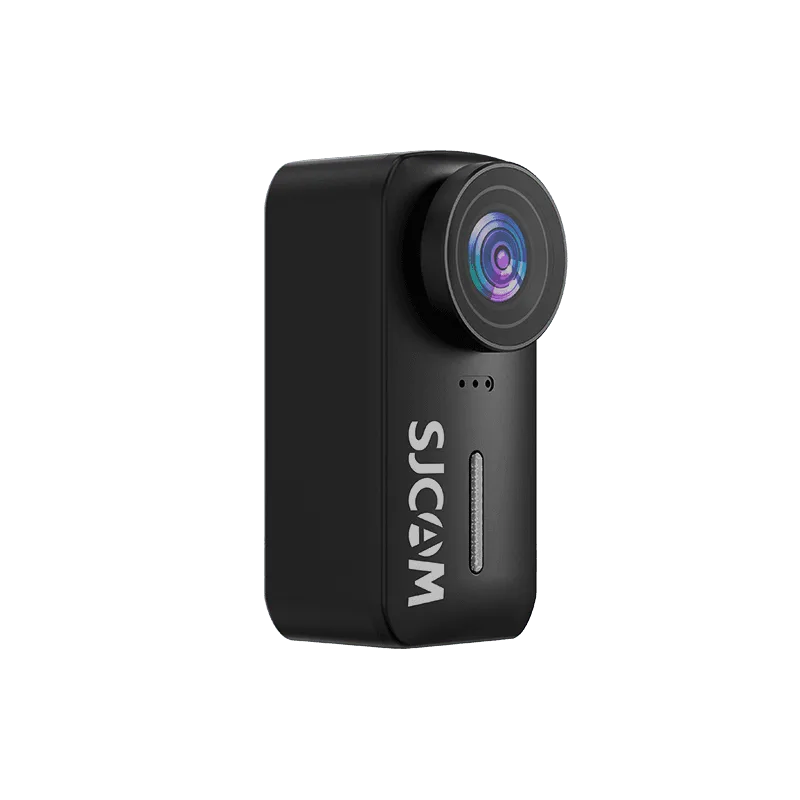
Best Adventure Camera for Hiking and Backpacking: SJCAM SJ30
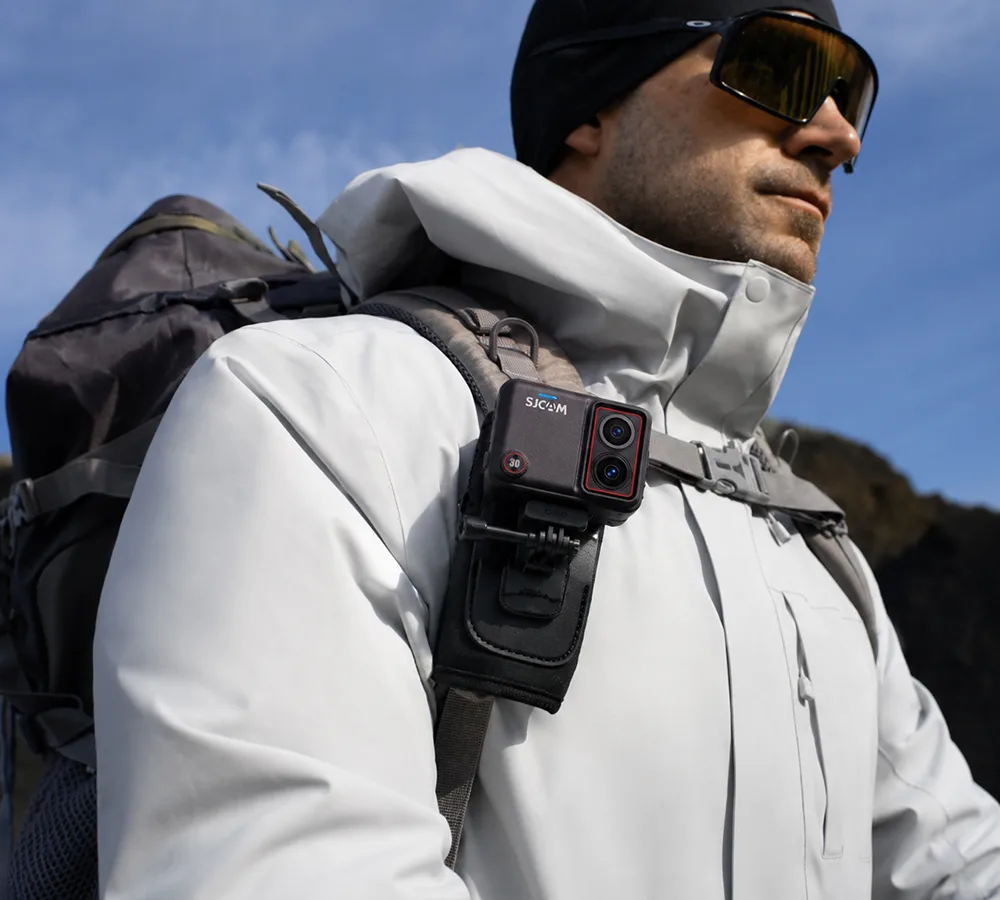
This camera comes with a smart dual-sensor array that can adapt to light or dark environments without the added weight of any specialized equipment.
It has a 48MP resolution for catching sharp views of sweeping mountain vistas, while its 162-gram body prevents your neck and shoulders from getting strained during long treks.
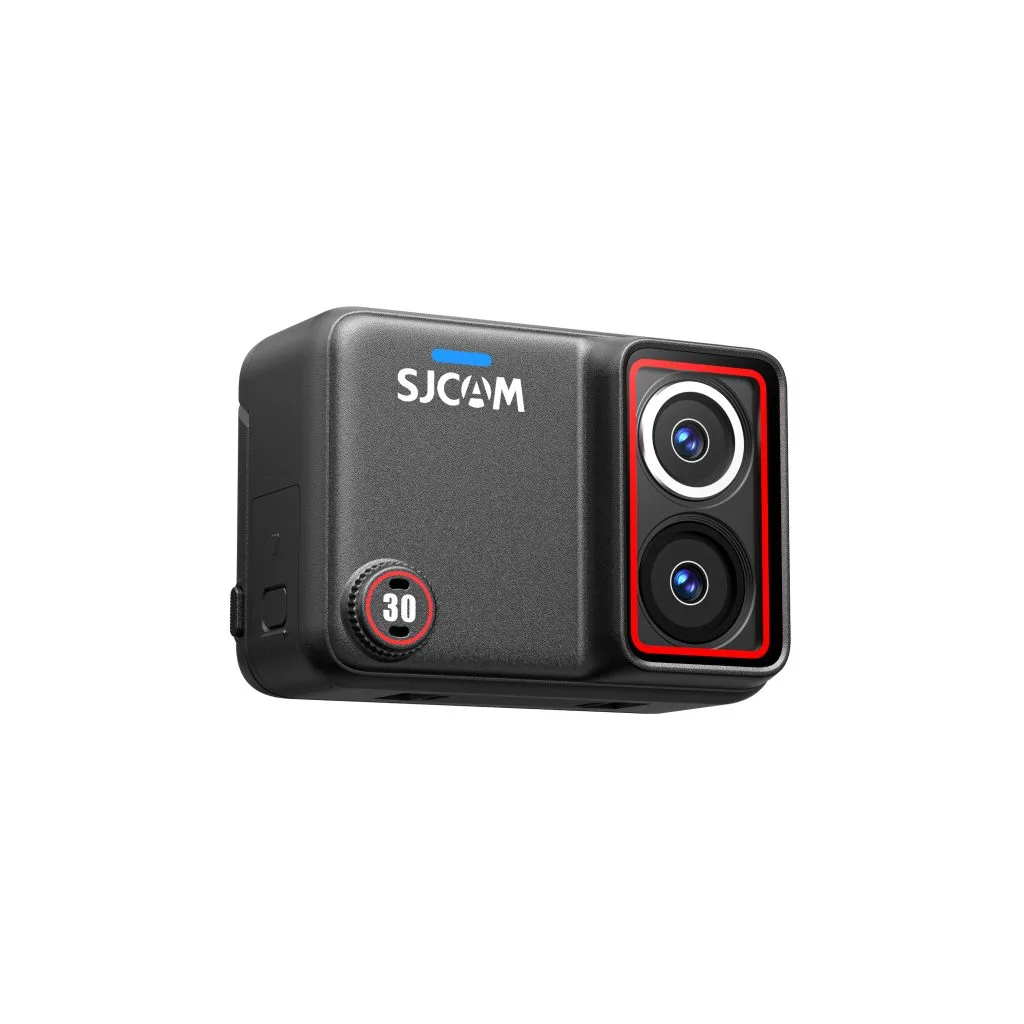
SJCAM SJ30
Why it works for hiking:
- Dual sensor design for changing lighting conditions
- 8K video capability for landscape shots
- Long battery performance for full-day trips
- Flip screen for solo travel vloggers
Expert Tip:
For long hiking days, avoid choosing a camera only based on resolution. Battery performance, stabilization, and weight usually have a bigger impact on real-world usability.
Water Sports & Beach Adventures
For you, getting sand or water in places they shouldn’t be is, at worst, irritating. But for expensive gadgets, they can be damaging.
Most standard devices have water-resistant features, but those offer very limited protection if you’re rafting, surfing, or traveling in humid conditions.
The SJ30 has a native waterproof rating of up to 5 meters, keeping it safe for making surfing or boating videos. Once you add the waterproof housing, the rating increases 30 meters, perfect for drops, snorkeling, or negating the effects of salt spray or fine sand.
Cycling & Adventure Sports
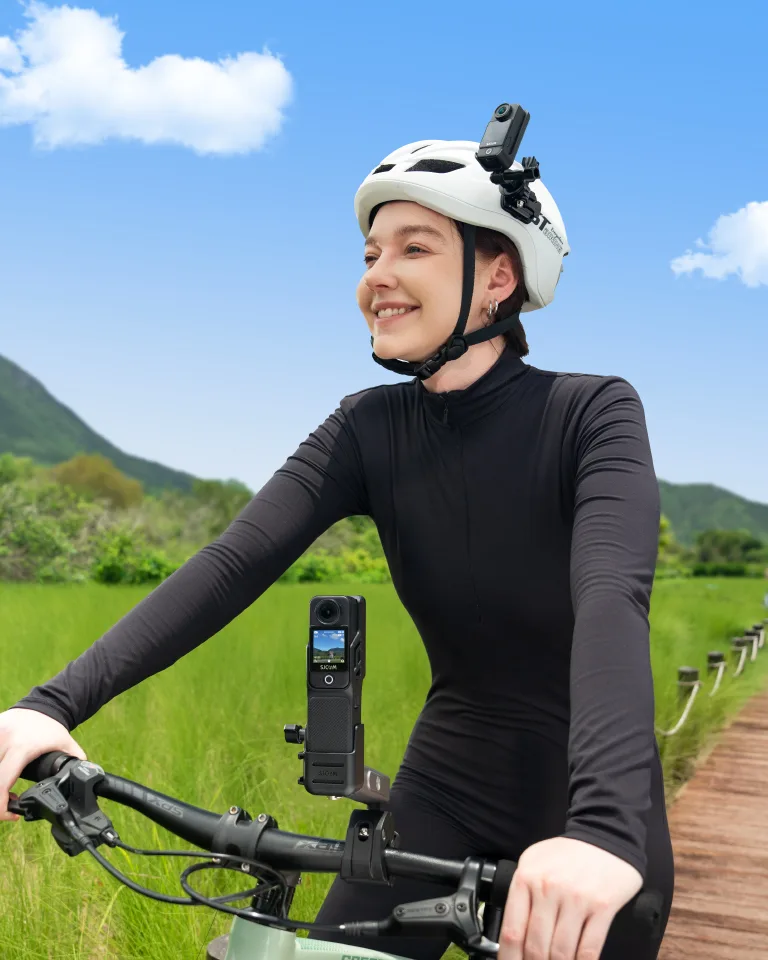
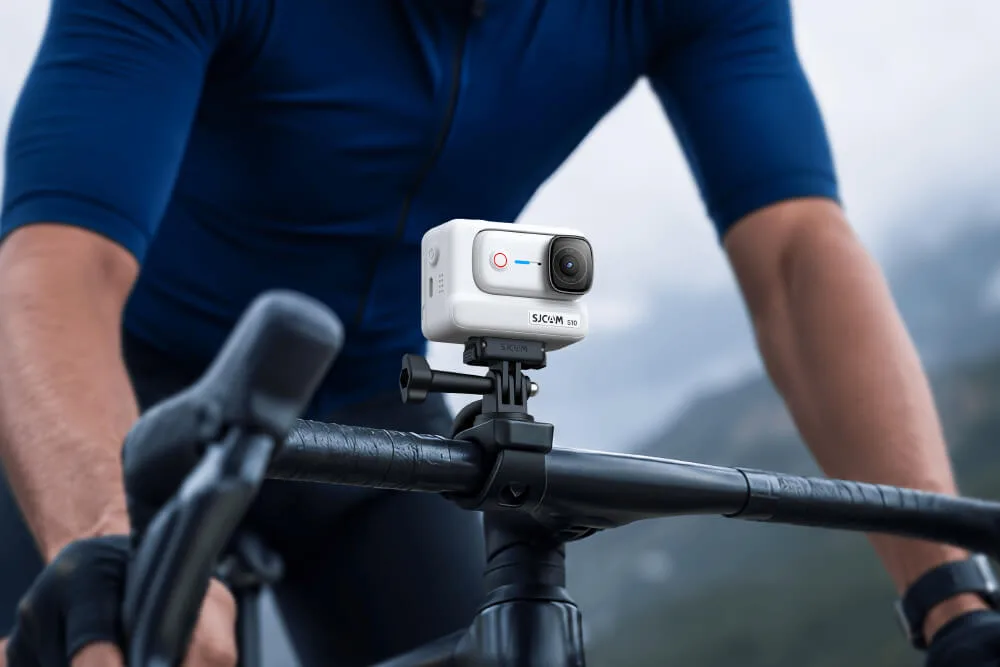
Sports like cycling or skateboarding present challenges that prevent most cameras from recording watchable videos, like vibrations, distorted audio, or unstable perspectives, which can perplex or, in some cases, even nauseate viewers.
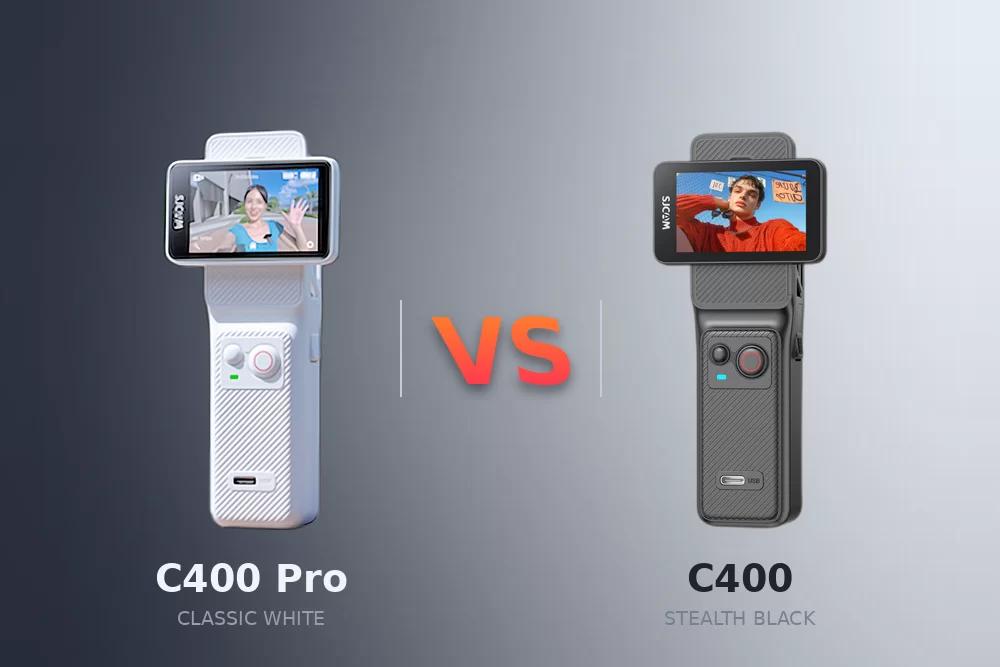
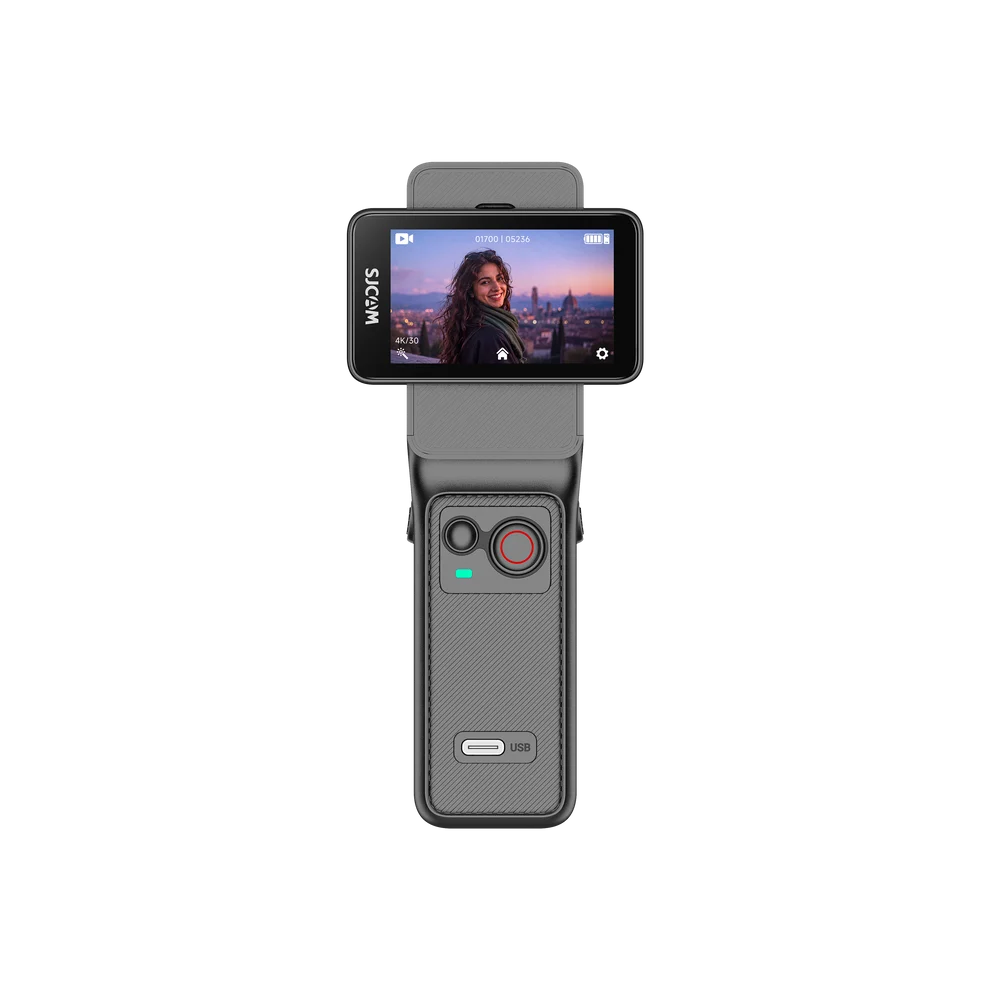
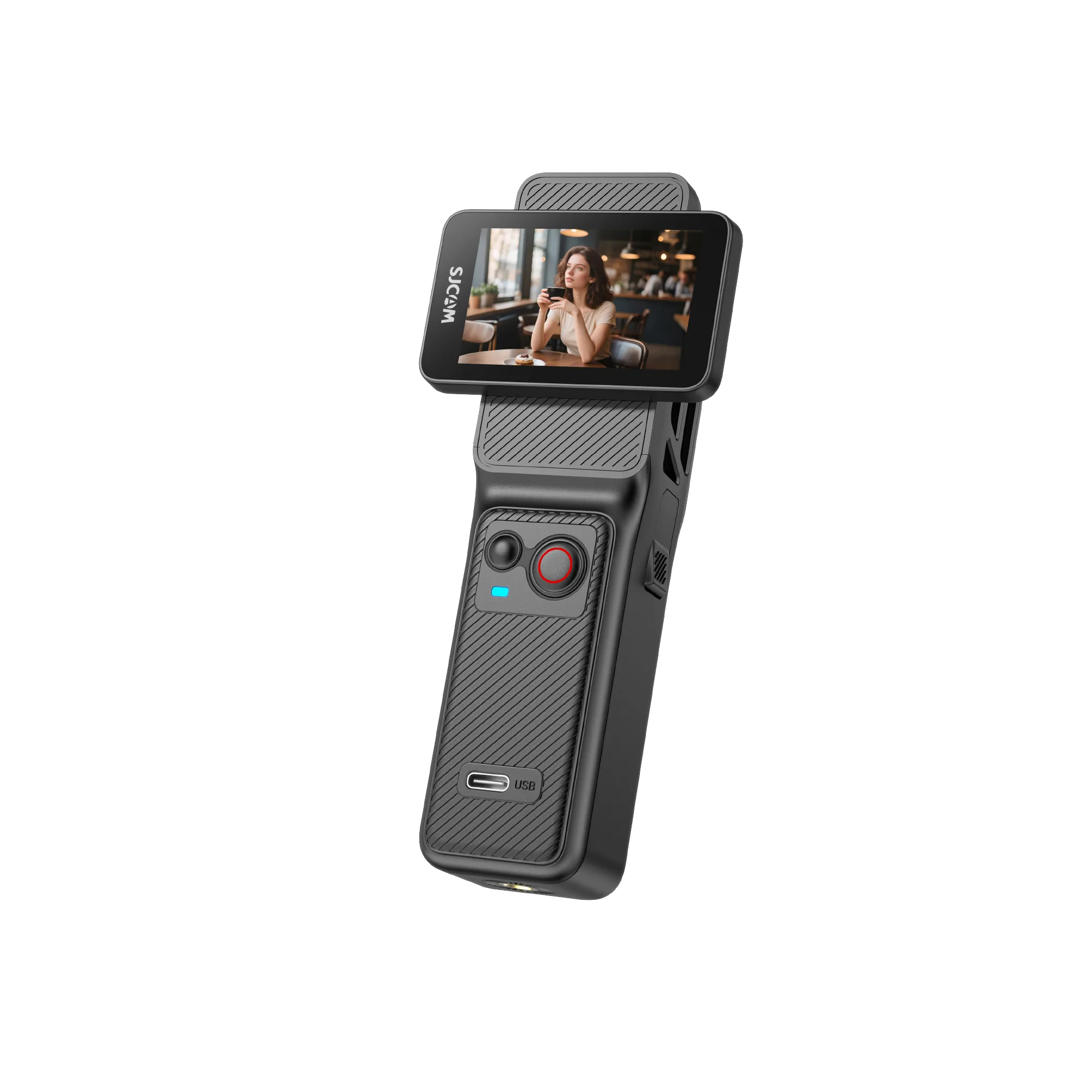
The SJCAM C400 shines with a 3-in-1 handheld design for easier usage and 6-axis stabilization for smoother videos.
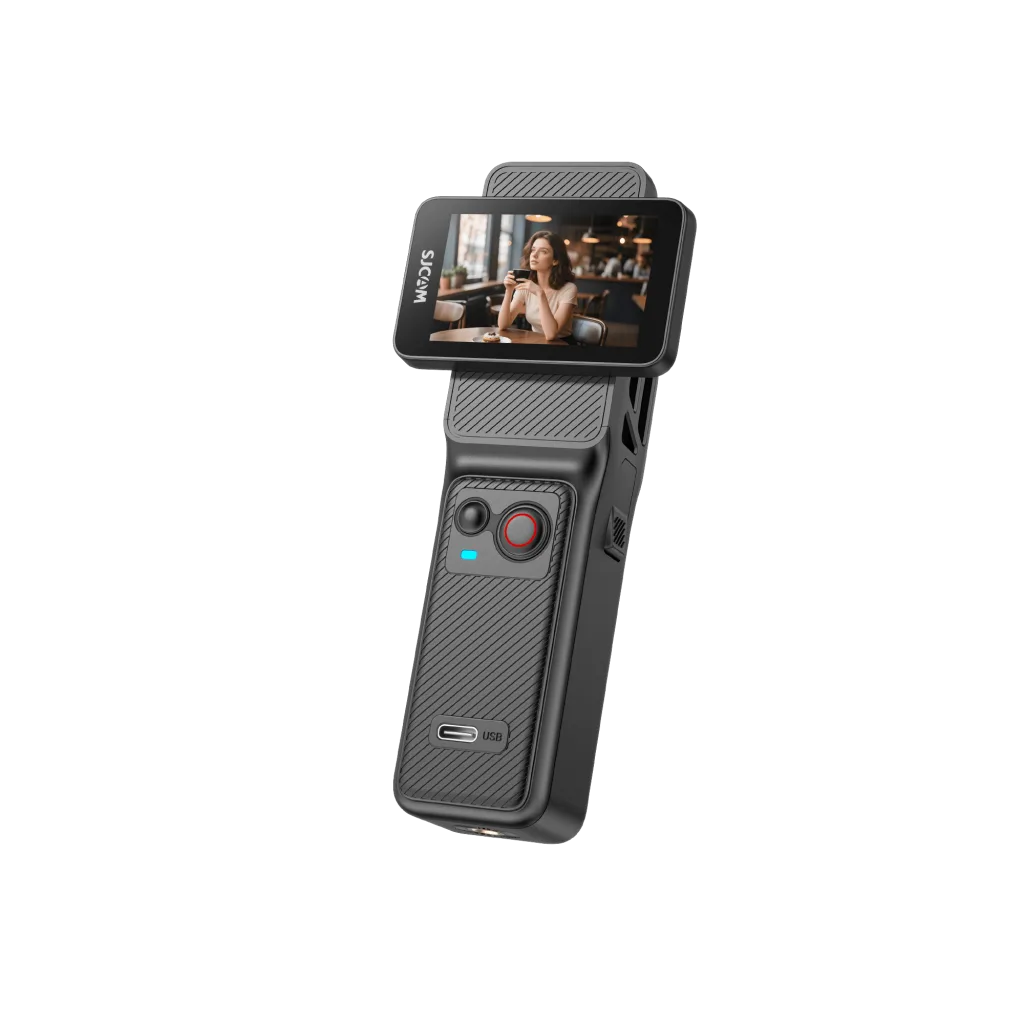
SJCAM C400
Why it works for cycling & adventure sports
- 6-axis stabilization for smooth riding videos
- Detachable design for versatile POV shooting
- Rotatable screen for easy framing
- Wireless remote control for hands-free recording
- Extended battery life for long adventures
Meanwhile, the SJ30 offers a streamlined design that reduces drag and wind noise even when it is mounted directly to a cycling helmet.
Adventure Camera vs. Smartphone: Which Is Better for Outdoor Travel?
When compared against specialized action cameras, smartphones have the benefit of ubiquity and provide users the ability to instantly share their media online. However, this is where the pros of using smartphones more or less come to an end.
Smartphones have limited special features and mounting options, fragile glass screens, and poor water resistance. Their peak battery performance is much briefer, and it drops even more when you are recording high-quality videos or using them for their core tasks, like taking calls.
| Feature | Standard Smartphone | SJCAM SJ30 / C400 |
| Waterproofing | 1.5 meters (static) | 5 meters (native rating), 30 meters with case |
| Battery Life | ~4 hours (screen on, heavy use) | Up to 437 minutes (with charging handle) |
| Video Stabilization | Basic digital crop (loss of resolution) | 6-Axis / Motion 2.0 Electronic Stabilization |
| Weight | 170–240 grams | Below 170 grams (highly portable) |
| Mounting Versatility | Requires bulky, unreliable third-party rigs | Included threaded mounts for helmets, bikes, chests |
Tips for Making Better Outdoor Adventure Videos
Try Different Frame Rates
Instead of relying on the default setting for every feature, adjust the framerate for different settings.
Record vast mountain ranges in 8K at 20 fps if you want to capture more details. For mountain biking or skiing, a 4K video at 60 fps can be slowed down to several magnitudes without losing the quality of the footage to motion blur.
Manage Your Audio
At high speeds or on exposed ridges, the camera’s microphone can pick up harsh sounds from wind resistance and distortion.
Invest in a simple foam wind muff or a soft cover for your camera. Use whichever external mic is compatible with your camera to record cleaner voiceovers without worrying about picking up a blowing racket.
Wipe the lens
Make sure to wipe the device with a microfiber fabric before recording so that you don’t have to edit out the imperfections afterward. This might seem menial for a tip, but you’ll thank yourself for it.
Choose the Right Adventure Travel Camera for Your Next Journey
For those who are gearing up for a thrilling outdoor escape, adventure travel cameras are not just a practical upgrade from a smartphone or a DSLR. They have all the features designed to preserve and boost performance in specific environments.
Proven models like the SJCAM SJ30 or C400 are purpose-built tools that will pay off whether you are scaling a rocky peak or paddling through coastal caves. Check out the SJCAM website to explore the bundles and find the perfect pocket-sized travel companion.
Frequently Asked Questions About Adventure Travel Cameras
The best adventure travel camera depends on your activities, but a good option should offer durability, stabilization, portability, and long battery life. For most outdoor travelers, an action camera is ideal because it is lightweight, waterproof, and designed for challenging environments.
The SJCAM SJ30 is a strong choice for hiking, camping, and water adventures thanks to its 8K video capability, dual-sensor design, stabilization, and waterproof protection. For creators who need a flexible setup for cycling, travel vlogging, and POV recording, the SJCAM C400 offers a detachable design and 6-axis stabilization.
Yes, an action camera is usually better than a smartphone for demanding outdoor activities.
Smartphones are convenient for everyday photography, but they are less suitable for adventure travel because they often have limited mounting options, shorter recording endurance, and less protection against drops, water, and extreme conditions.
An adventure camera like the SJCAM SJ30 or C400 is designed for outdoor environments with features such as stabilization, waterproof protection, wide-angle recording, and hands-free mounting.
However, smartphones remain a great option for casual city sightseeing and quick social media sharing.
Yes. Many adventure cameras are also excellent travel vlog cameras because they are compact, easy to carry, and designed for solo creators.
Features that are especially useful for travel vlogging include:
Flip screens for easier selfie framing
Lightweight designs for handheld shooting
Stabilization for walking videos
Wide-angle lenses for capturing scenery and people
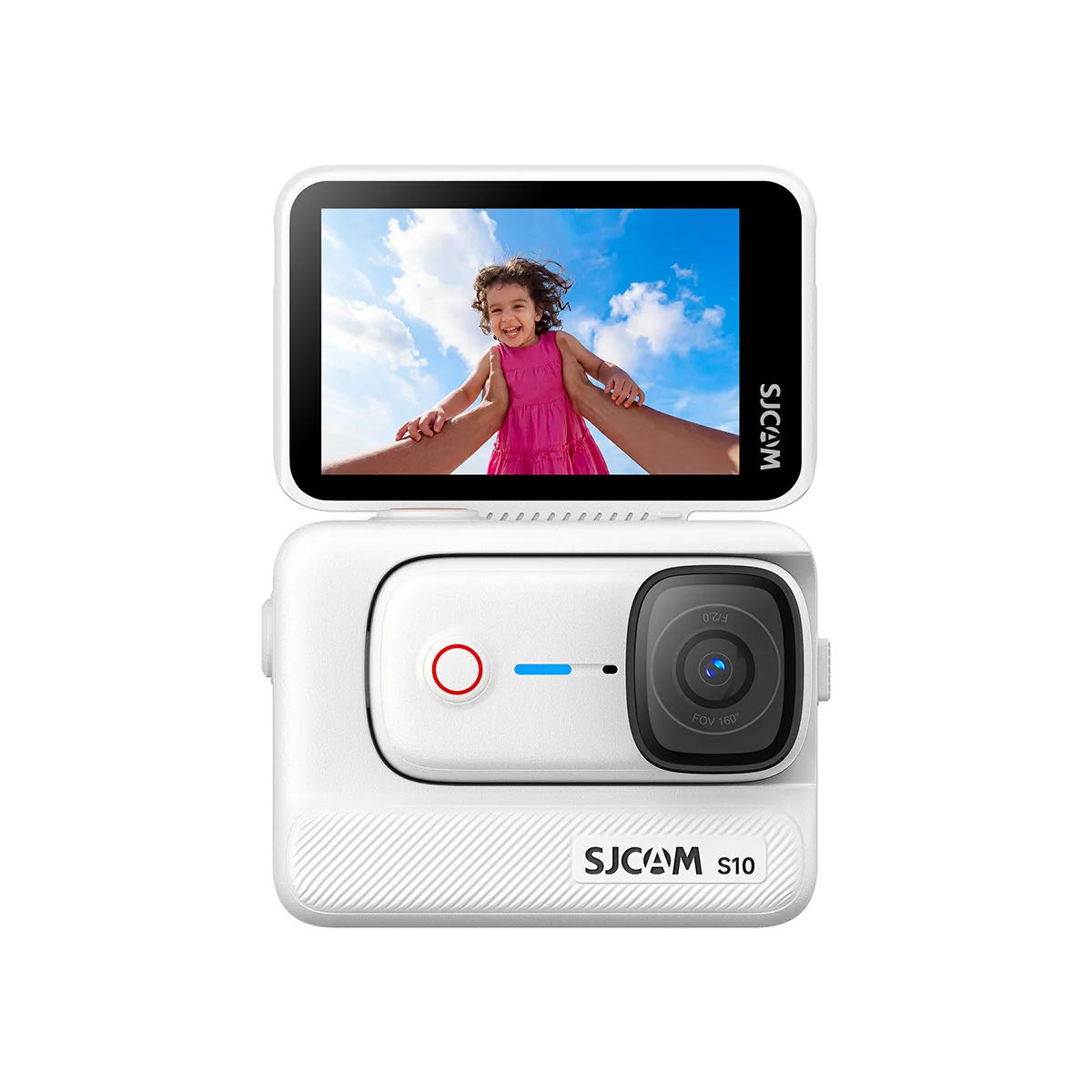
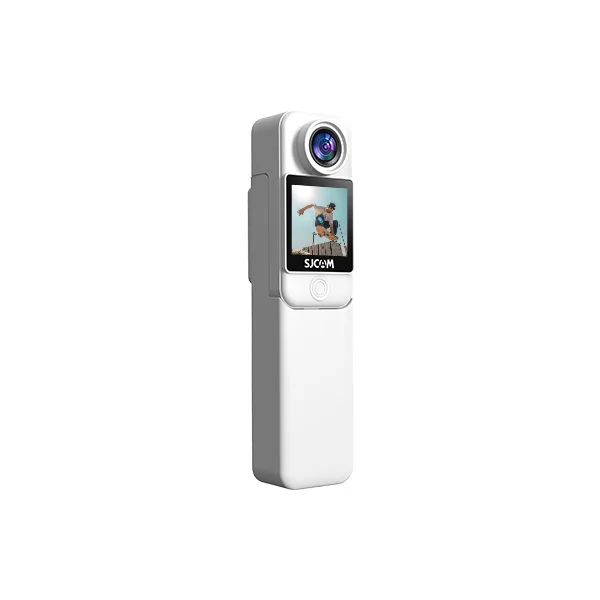
The SJCAM S10 is designed for lightweight daily vlogging with its ultra-light body and flip touchscreen, while the SJ30 is better suited for travelers who need more rugged outdoor performance.
8K video is not required for every traveler, but it can be useful when capturing landscapes, wildlife, or footage that may be cropped during editing.
Higher resolution provides:
More details in large scenery shots
Greater flexibility during post-production
Better options for creating travel content
However, stabilization, battery life, and durability are often more important than resolution alone when choosing an adventure camera.
The right accessories can significantly improve outdoor recording experiences. Common adventure camera accessories include:
Waterproof housing
Chest mount
Helmet mount
Handlebar mount
Selfie stick
Extra batteries
Memory cards
Floating grip for water activities
Choosing accessories based on your activity helps capture more immersive and stable adventure footage.