






 Chinese (China)
  Spanish
  German
  French
  Italian
  Japanese
  Korean
  Bulgarian
  Greek
Greek  Indonesian
  Chinese (Hong Kong)
  Russian
  Danish
  Finnish
  Hungarian
  Turkish
  Dutch
Dutch  Portuguese
  Swedish
  Romanian
  Slovak
  Serbian
  Norwegian
  Croatian
  Albanian
  Catalan
  Czech
Czech  Estonian
  Armenian
  Bengali
  Amharic
  Polish
  Thai
Thai  Ukrainian
  Vietnamese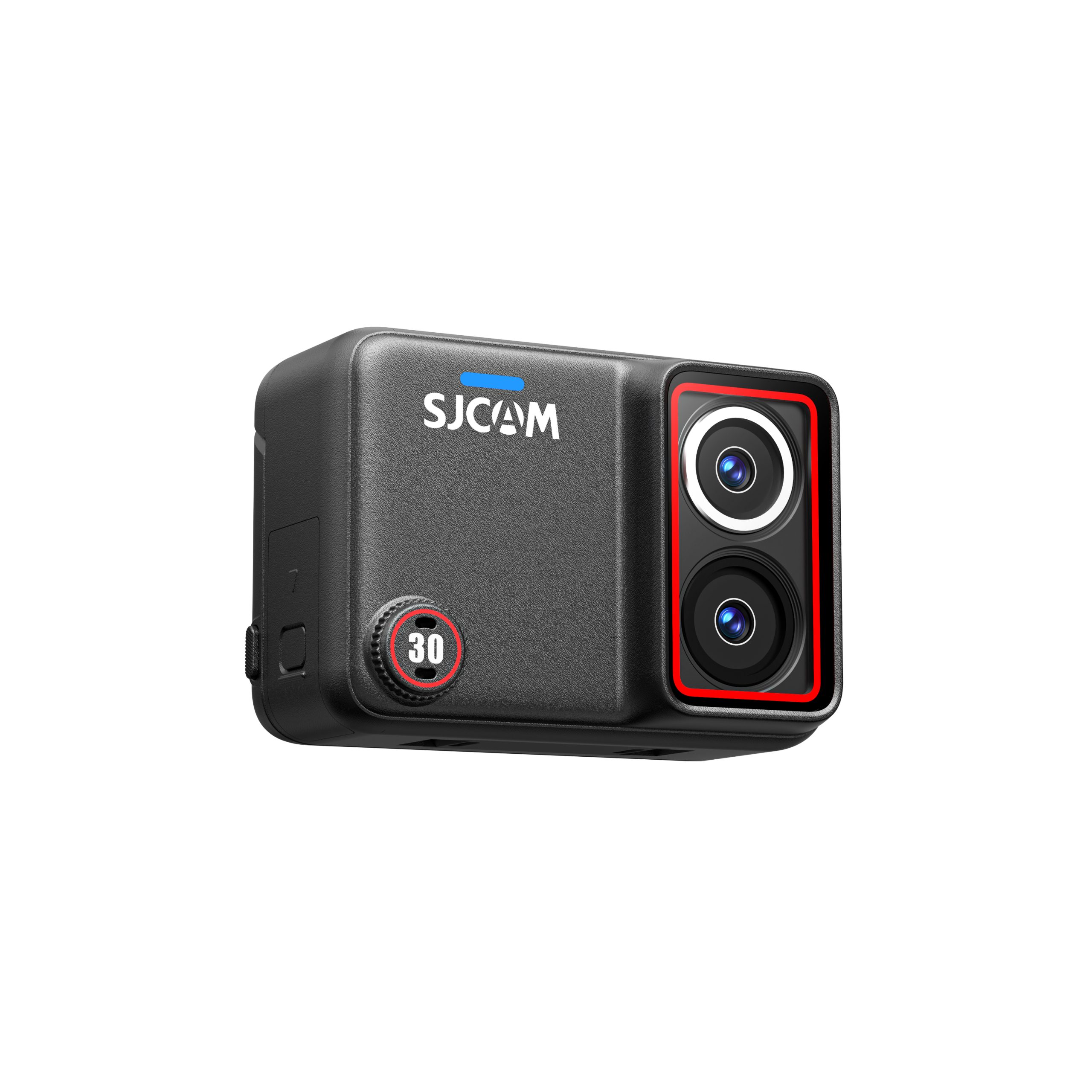




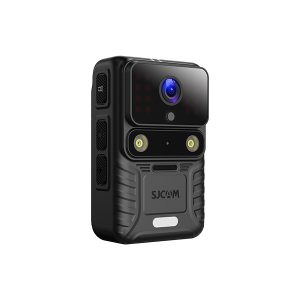
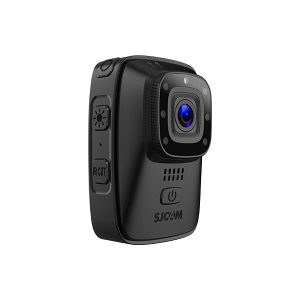


How to Choose the Best POV Camera for Vlogging?
In vlogging, producers usually desire to share what they see with their audience. This has made POV cameras very famous, as they can record videos from the perspective of the creator. These cameras are designed to record videos of activities such as travelling, biking, preparing meals, or other daily tasks without requiring creators to carry the camera, allowing them to focus on the activity.
To select a good POV camera, you need to examine its features, functionality, and convenience. This guide describes the working principle of these cameras, outlines the key features, compares popular models, and offers shooting and editing tricks to keep viewers interested.
Features of POV Cameras
Understanding camera features helps you select the right device for your videos.
Camera Quality and Resolution
The quality and resolution determine the clarity and detail of recordings. Most of the modern first-person cameras come with HD, 4K, or even a higher resolution, which makes it possible to record clear pictures. Likewise, higher resolution also ensures that during editing, video quality is not lost.
Field of View and Lens Options
The field of view (FOV) determines how much of the scene the camera captures. Wide-angle lenses create an immersive perspective, while some cameras offer adjustable FOV to switch between panoramic and focused shots.
Stabilization Technology
Movement can make footage hard to watch. For a smooth video capture, having a camera with good stabilization technology is necessary. Many first-person cameras include gyro-based or electronic image stabilization. These systems track the movements of the user and adjust the frame to keep the video stable. This helps in creating steady, professional, and easier-to-watch videos.
Battery Life and Storage Capacity
Long battery life and large storage allow longer recording sessions without interruption. Consider both the internal battery and optional battery grips or external storage options.
How Does a POV Camera Work?
A POV camera captures video from your perspective, showing exactly what you see. It can be mounted on your head, chest, helmet, or bike or held by hand. It uses wide-angle lenses to record more of the scene, creating a captivating experience for viewers.
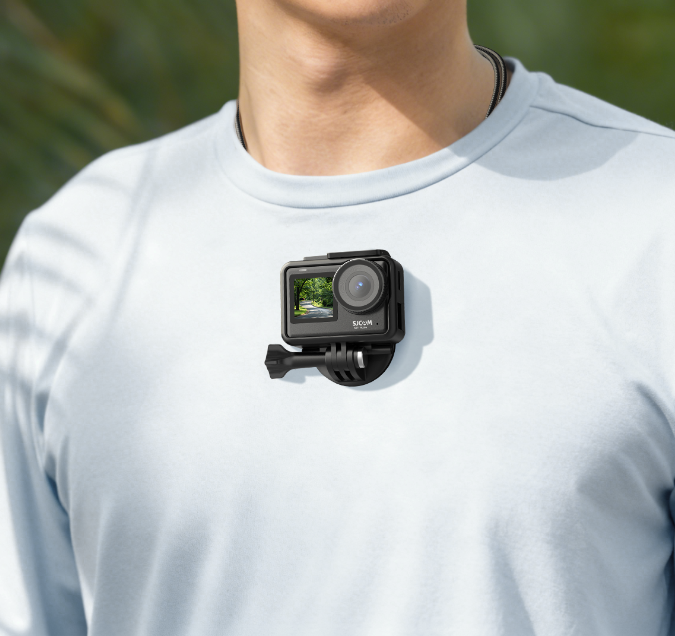
Hands-free mounts hold the camera in one position so you can move without handling it. Built-in stabilization reduces shake during fast action. The camera does not reframe the shot. Your mount position and body movement define what appears in the frame. Use a tight mount and balanced setup to reduce wobble. This gives viewers a steady view and helps them follow your activity from your perspective.
What Is the Best Pov Camera for Vlogging?
There are various POV cameras available, but selecting one that you can use for smooth and clear vlogs requires careful consideration. To find a good camera, look for a blend of price, quality, and features from camera models that work easily for travel and action. Considering these, compact cameras like the SJCAM C300 and SJCAM C400, each made for different needs, are a good fit for making vlogs. Below are a few key features of these cameras.
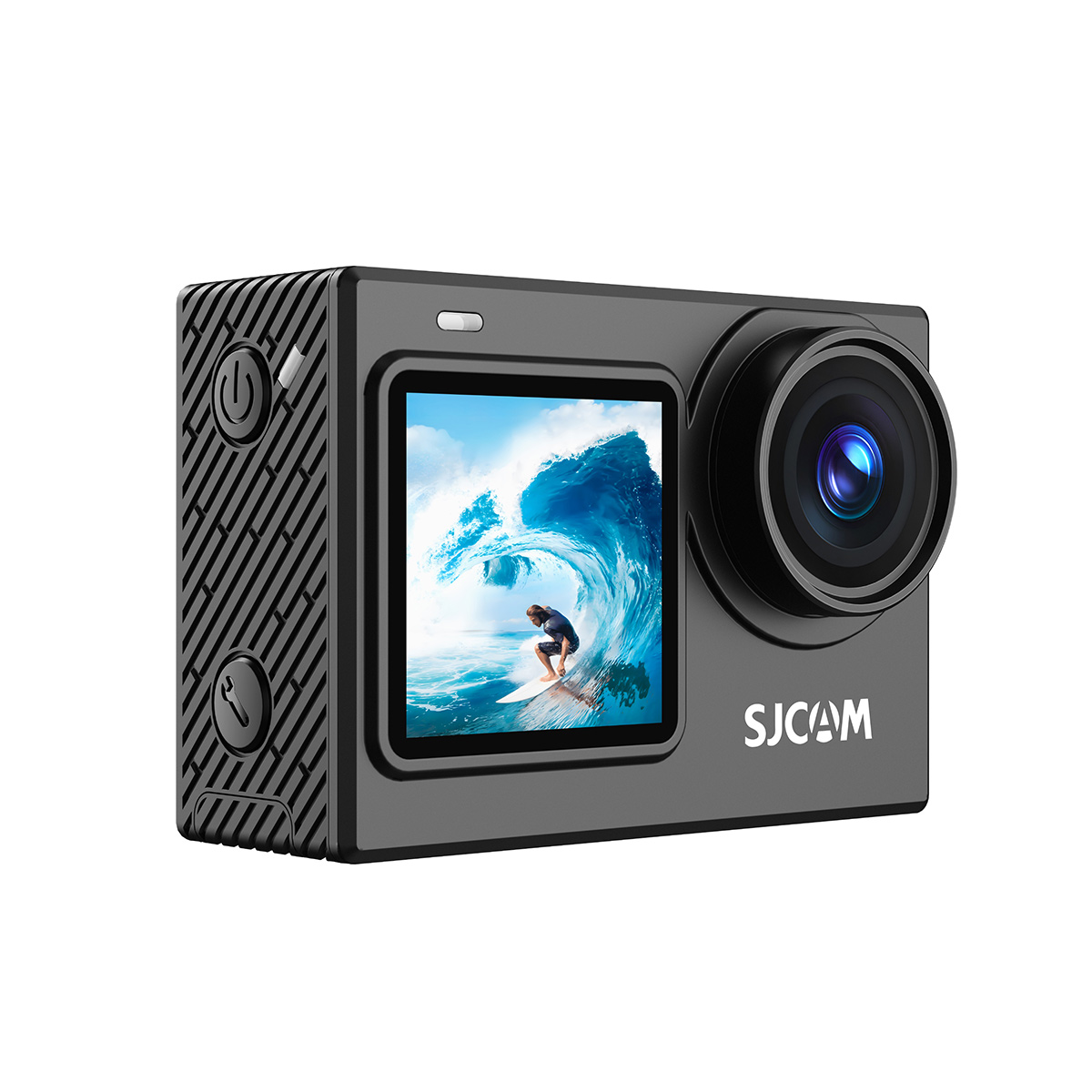
SJCAM C300
The C300 is a compact POV camera designed for daily use. It works well when you want a small device that fits in tight spaces. The camera attaches to helmets, chest straps, and bikes for active shots.

SJCAM C300
Key features:
Video Quality: Record at a resolution of 4K at 30 fps.
Stabilization: Uses standard six-axis gyro stabilization.
Screen: Has dual 1.3-inch touchscreens (front and back)
Battery Life: Records for “120 min” (camera only) or “460 min” with the battery grip.
Weight: Light enough for head and chest mounting
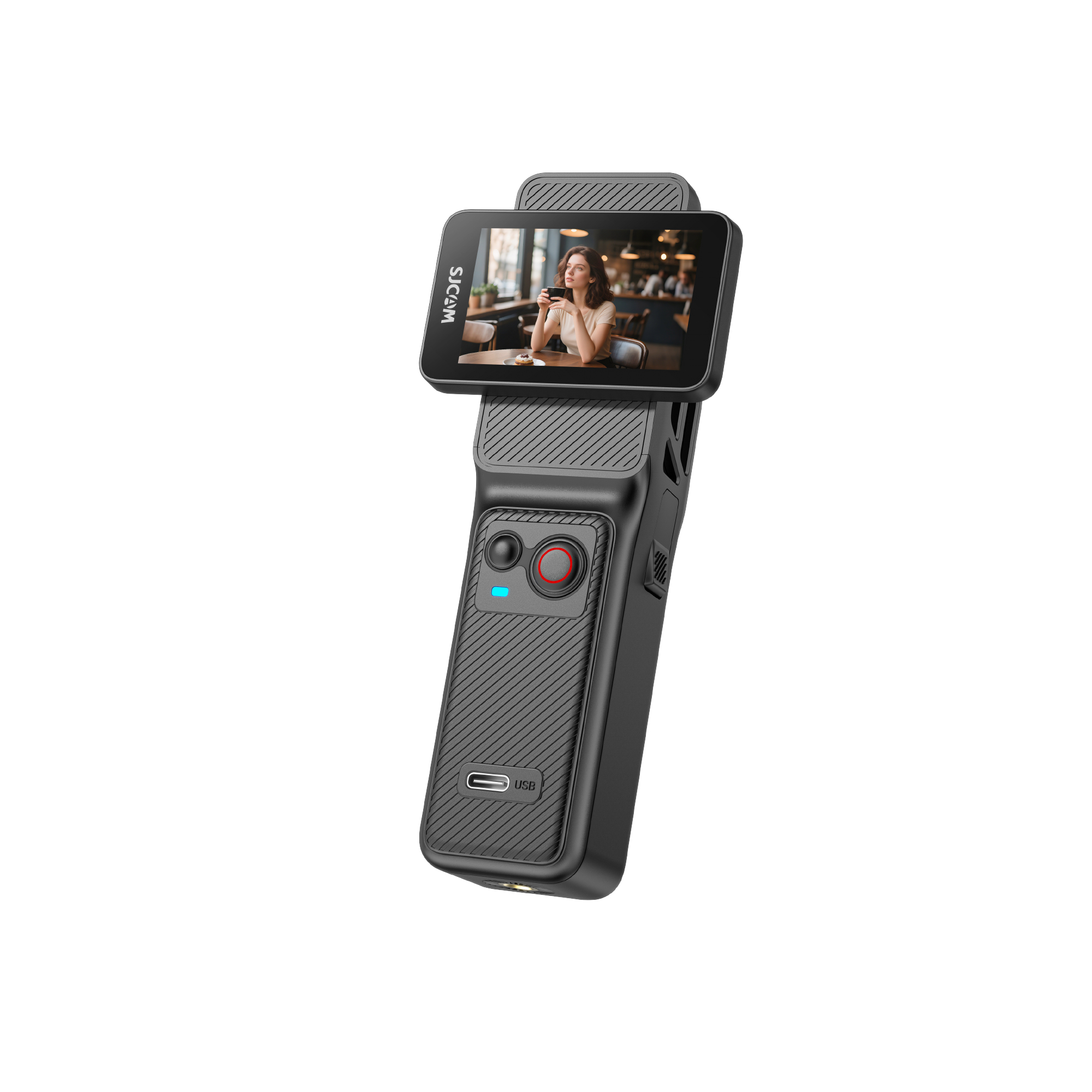
SJCAM C400
The C400 is a modular POV camera designed for vloggers who want to switch between handheld and hands-free setups with ease. It has a larger screen for framing shots and better control during recording.
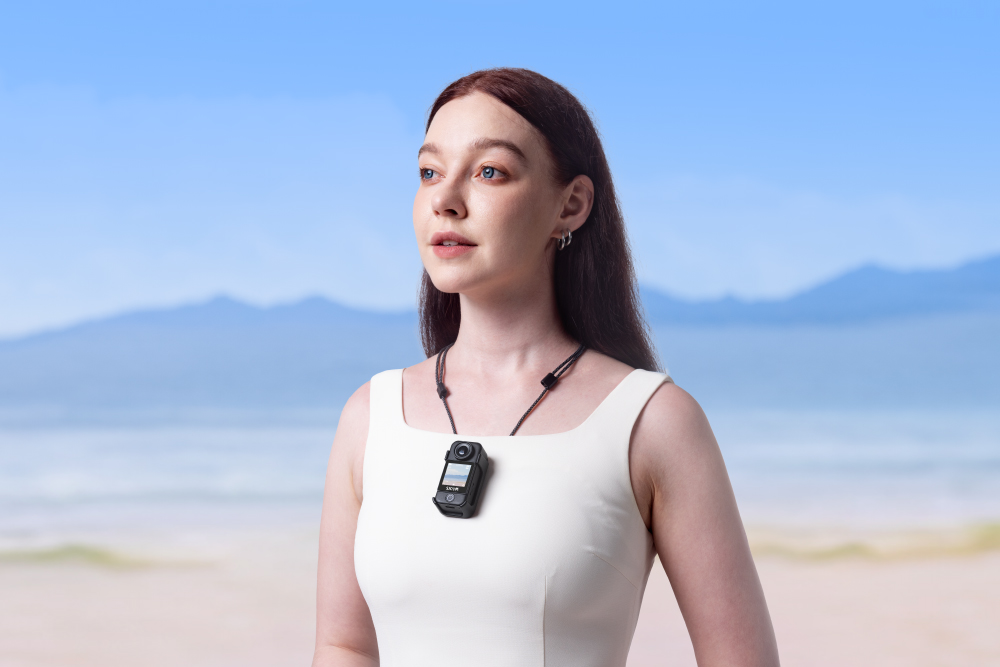
SJCAM C400
Key features:
Video Quality: Record at a resolution of 4K video at 30 fps.
Stabilization: Uses an updated algorithm (SteadyMotion V1.0)
Screen: Has a large 2.29-inch rotatable touchscreen
Battery Life: Records for 172 min (camera alone) or 437 min with the battery grip
Weight: Slightly heavier than C300 due to the larger screen
In conclusion, both cameras are good POV options for vlogging. However, if you want flexibility for your recordings, then we recommend using the SJCAM C400. This camera, along with its features, fits vloggers who are both excitement seekers and everyday creators.
Tips for Using POV Cameras in Vlogging
Selecting a good camera and gear does not guarantee good footage for a vlog. You need to record and edit the video specifically.
Best Practices for Shooting
For a good recording, the first thing you need is stability. Even with stabilization technology, sudden movements or loose mounts make footage hard to watch. So, use a secure mount or wear the camera where it smoothly follows your movements. Use natural light when possible. Good light can increase video clarity. You can film in the shade if the sun is too harsh.
Editing Techniques for POV Footage
Editing allows you to keep your videos engaging so you can keep your viewers interested. For this, you can:
- Remove dull moments before posting the video.
- Use different angles to show more details.
- Add music because a soundtrack can give your videos a specific mood (but keep it soft so your voice or natural sound stays clear).
- Change the speed of your video (slow motion can show detail or emotion that viewers would usually miss at regular speed). Fast motion, on the other hand, can compress long walks or drives.
Enhancing Viewer Engagement with POV Perspectives
To make a video for your vlog, the first thing to consider is what feeling you want to show. Do you want excitement, calm, or curiosity? Frame shots to support that feeling.
For example:
- You want excitement. Use close-ups, fast movement, and quick cuts.
- You want calm. Use wide shots, slow movement, and steady framing.
- You want curiosity. Use medium shots, focus on small details, and record longer videos.
Talk to your camera like you’re talking to someone right beside you. Include context. Let the viewers know your location, activity, and what you might do next. Doing this might help you improve viewer engagement.
Accessories to Consider
Camera accessories can significantly improve your recordings.
For example, accessories like
- Mounts such as helmet clips, chest straps, or bike holders allow you to capture videos without holding your cameras. A good mount can help reduce shakiness so you can make smooth recordings.
- An external microphone can improve sound in the video. Usually, cameras come with integrated mics that can pick up some voice. But using a dedicated mic can allow you to catch clearer speech and reduce wind noise.
- Extra batteries and high-speed microSD cards keep you shooting without pauses.
Frequently Asked Questions
What is the POV camera?
A POV camera is a compact, lightweight action camera designed to record first‑person footage. It is usually mounted on the head, chest, helmet, or body to capture scenes exactly from the user’s perspective and is commonly used for sports, vlogging, and outdoor activities.
What does “POV” mean in camera?
POV stands for Point of View. In filming and photography, it refers to a shot that shows what the subject or camera wearer is seeing, creating an immersive, first‑person viewing experience.
How to do POV filming?
- Mount a lightweight POV/action camera on your head, chest, or gear.
- Keep the camera stable and pointed toward your line of sight.
- Record naturally while moving or performing activities.
- Avoid excessive shaking for smooth, immersive first‑person footage.
How do you take a POV picture?
Hold or mount the camera at eye level, point it directly toward what you are looking at, and shoot. Keep the composition simple and aligned with your natural vision to create a realistic first‑person photo.
Conclusion
POV cameras change vlogs by letting your viewers see your activity from your perspective. They help people feel close to what you are experiencing in a personal and firsthand way. A good POV camera for vlogging lets you capture lengthy, stable video of excellent quality.
Whether you shoot travel stories, outdoor action, or daily moments, picking the right POV camera and using it well will improve your vlog quality. You can concentrate on telling your story with clarity, and your audience will feel like they are right next to you.