





 Chinese (China)
  Spanish
  German
  French
  Italian
  Japanese
  Korean
  Bulgarian
  Greek
Greek  Indonesian
  Chinese (Hong Kong)
  Russian
  Danish
  Finnish
  Hungarian
  Turkish
  Dutch
Dutch  Portuguese
  Swedish
  Romanian
  Slovak
  Serbian
  Norwegian
  Croatian
  Albanian
  Catalan
  Czech
Czech  Estonian
  Armenian
  Bengali
  Amharic
  Polish
  Thai
Thai  Ukrainian
  Vietnamese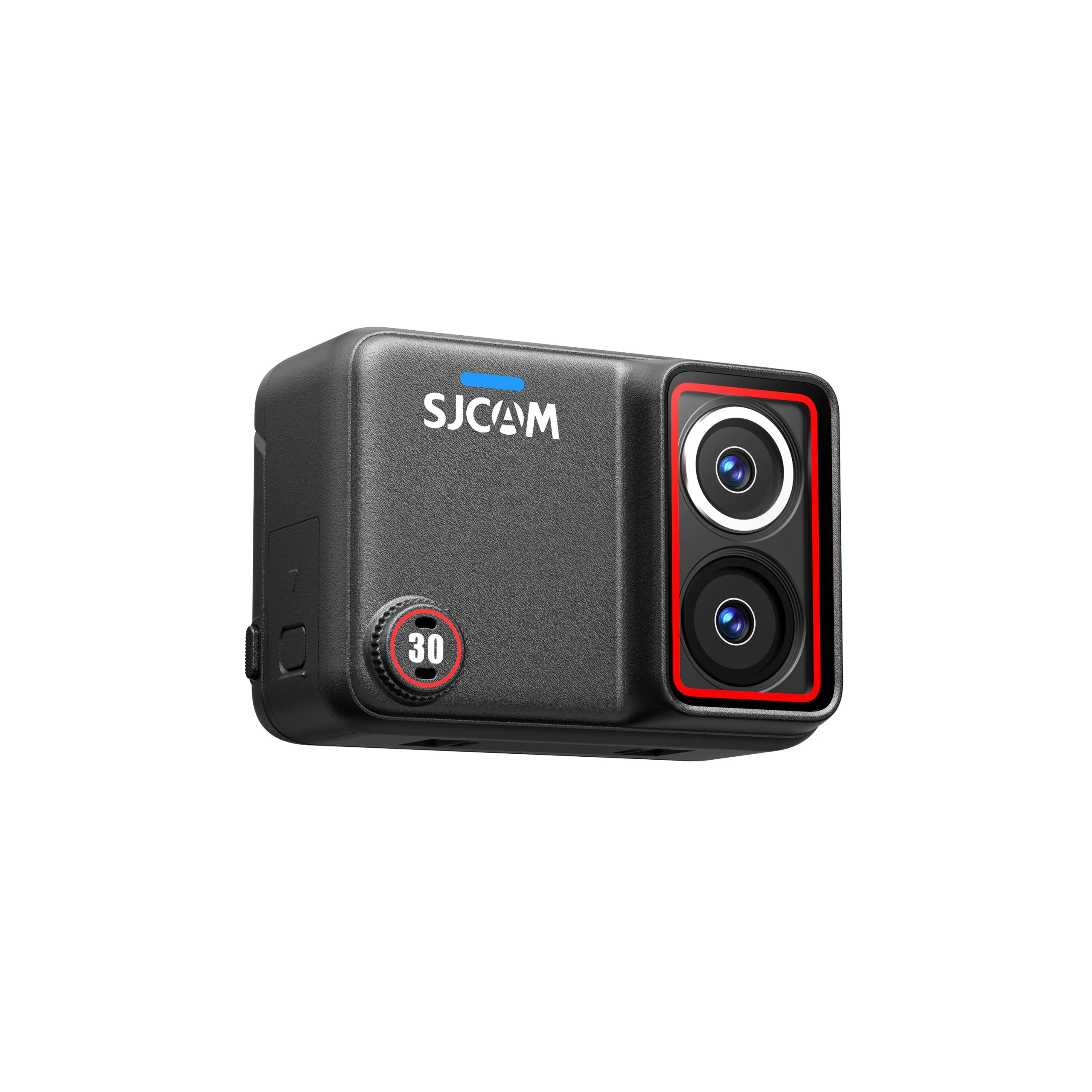
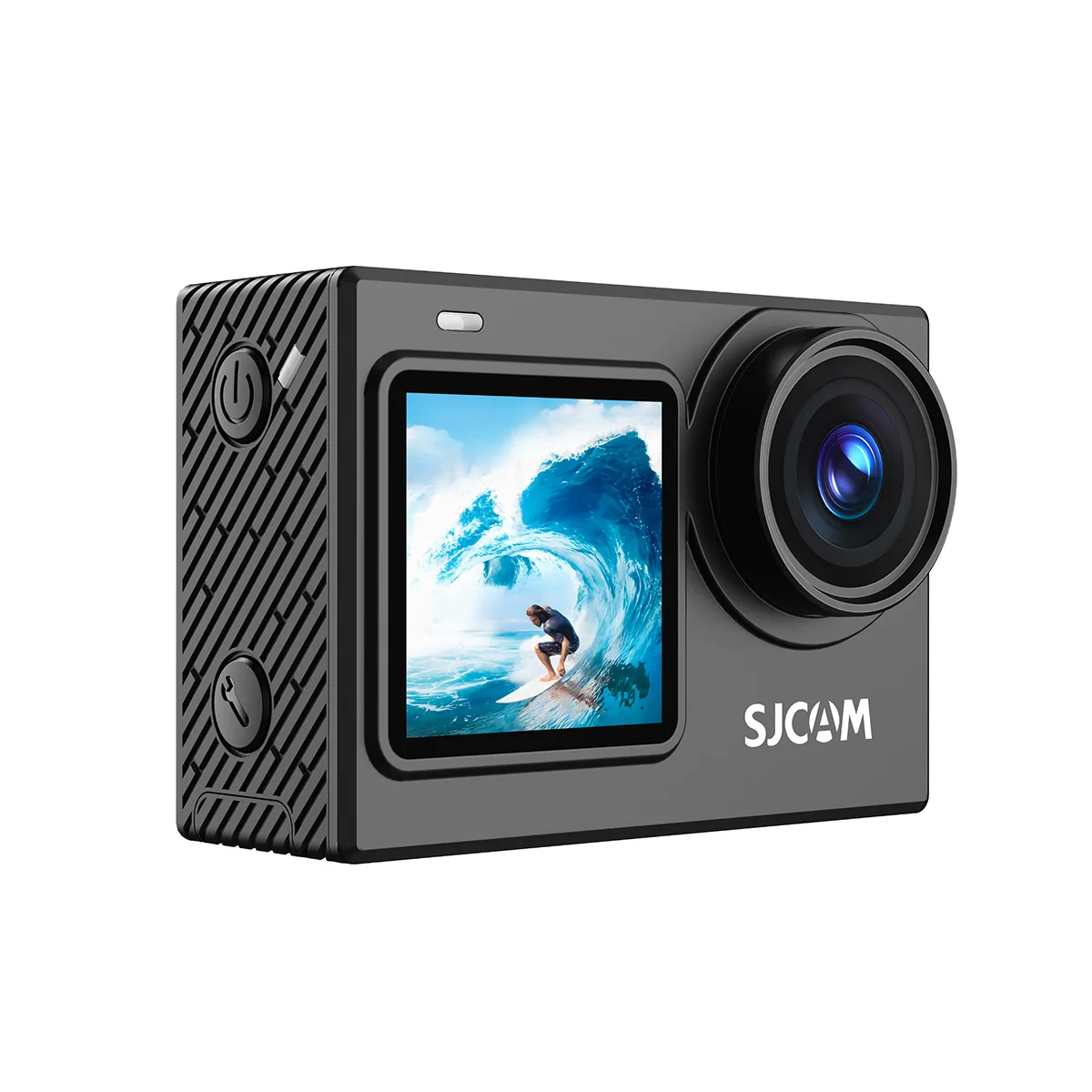
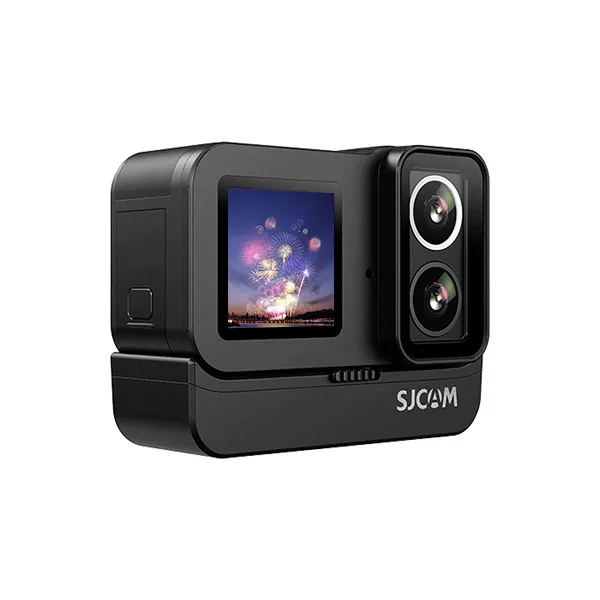
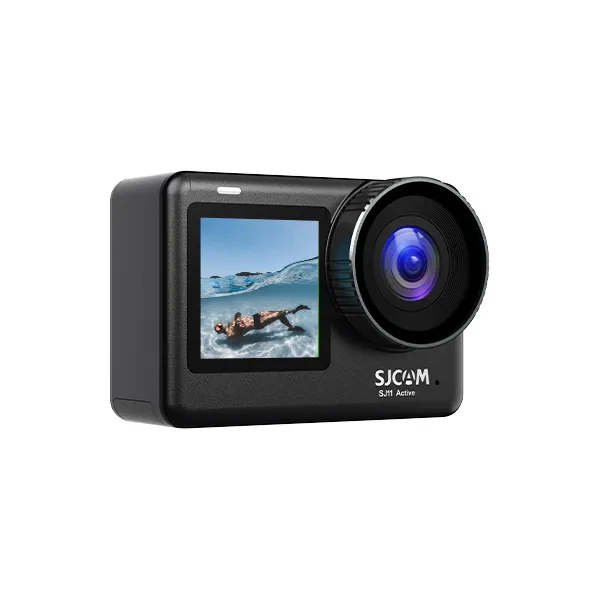
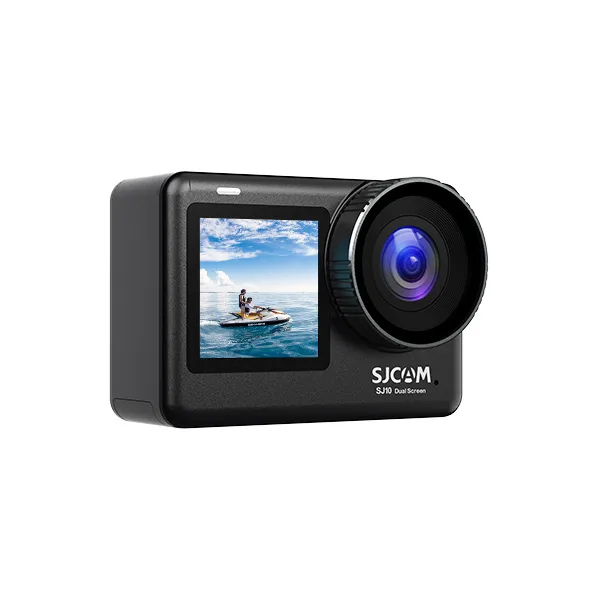
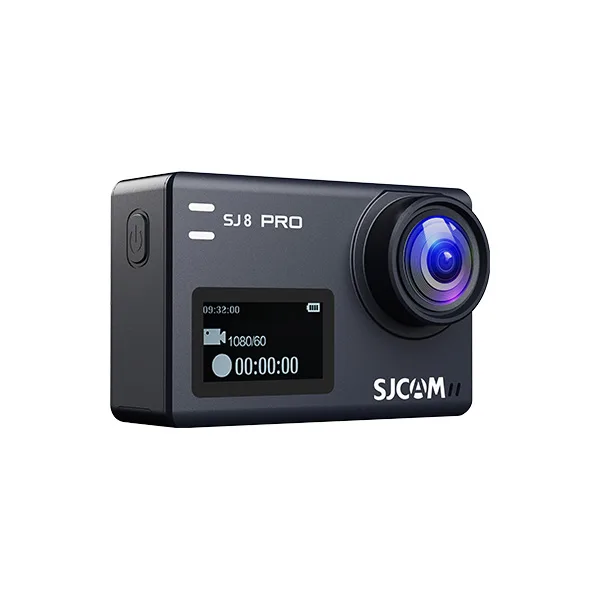
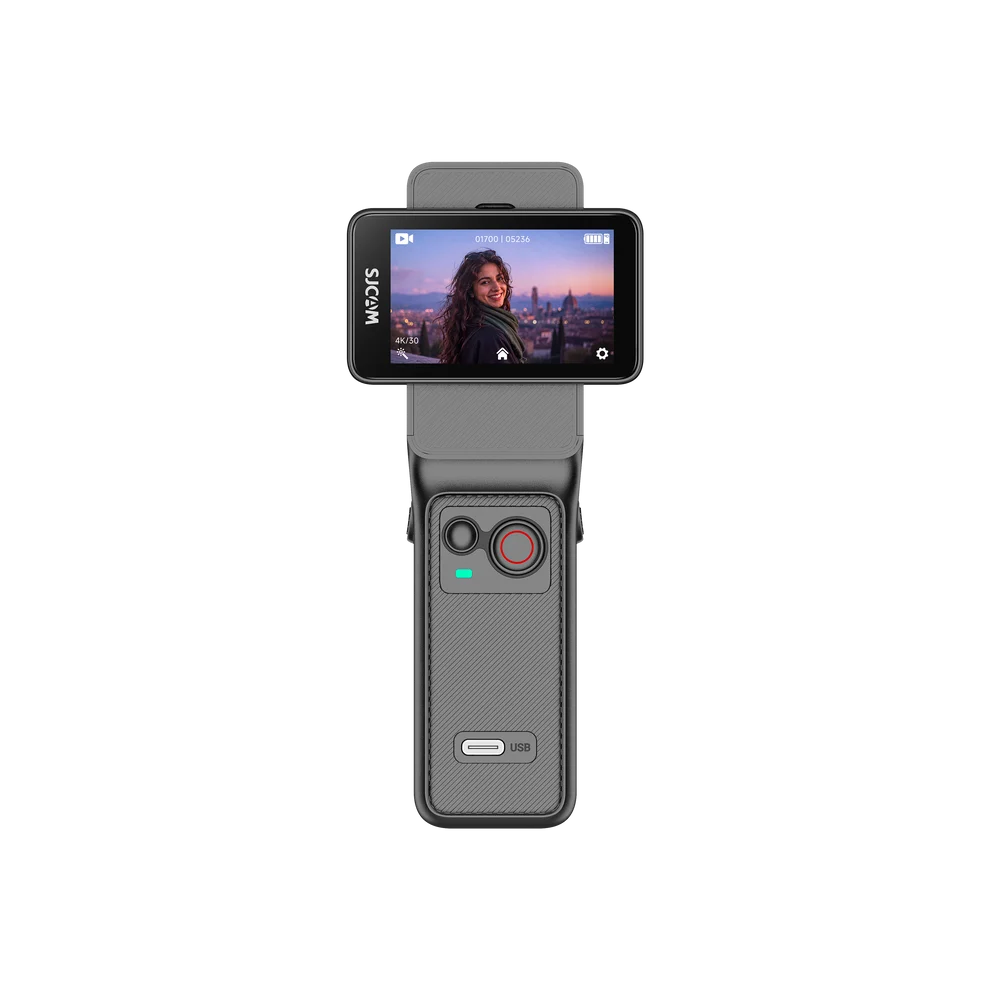
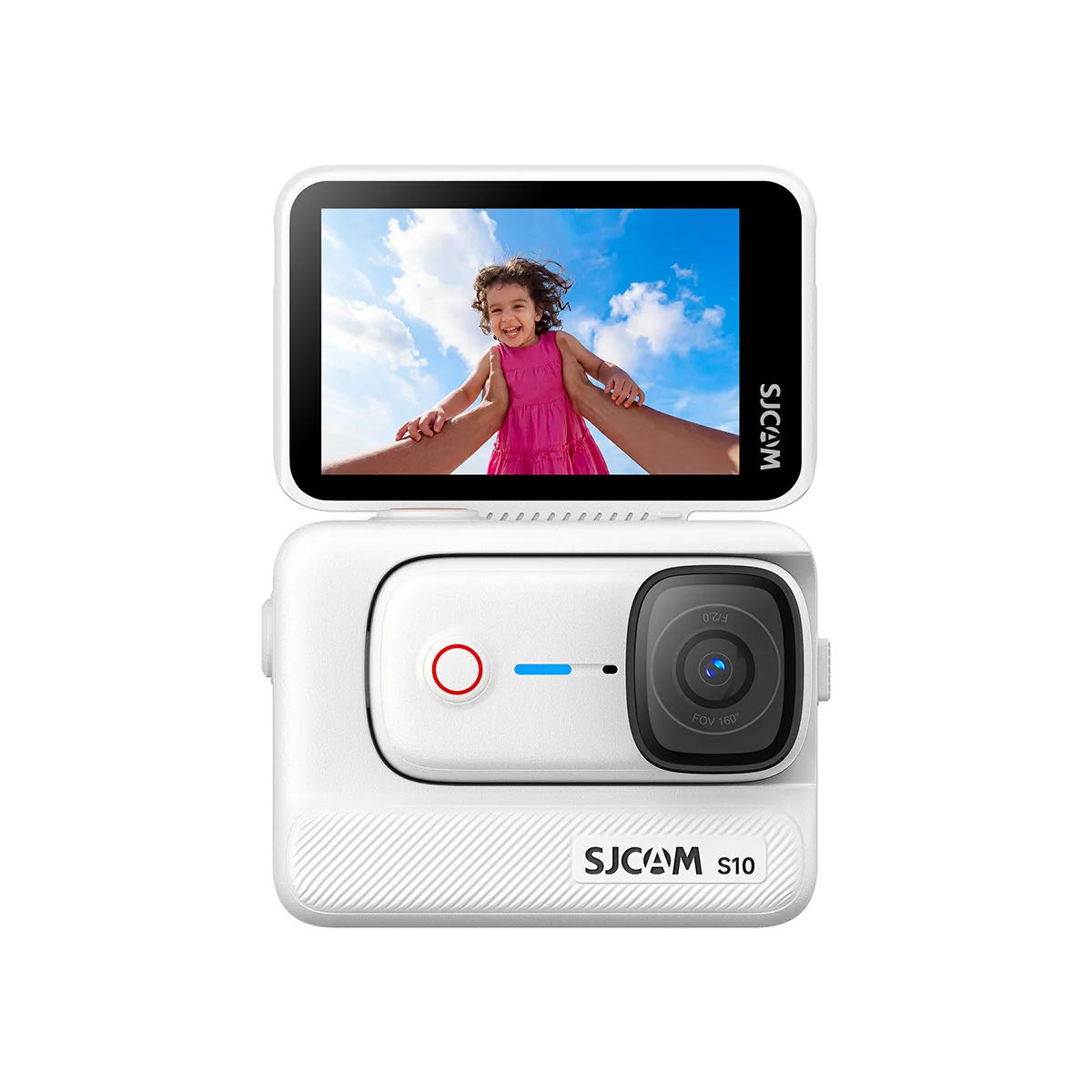
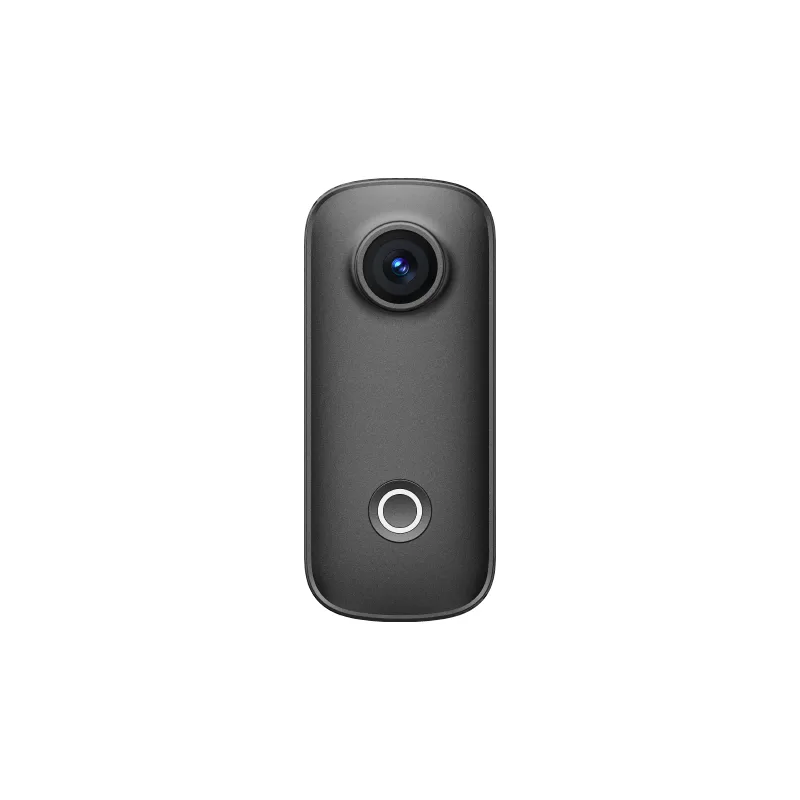
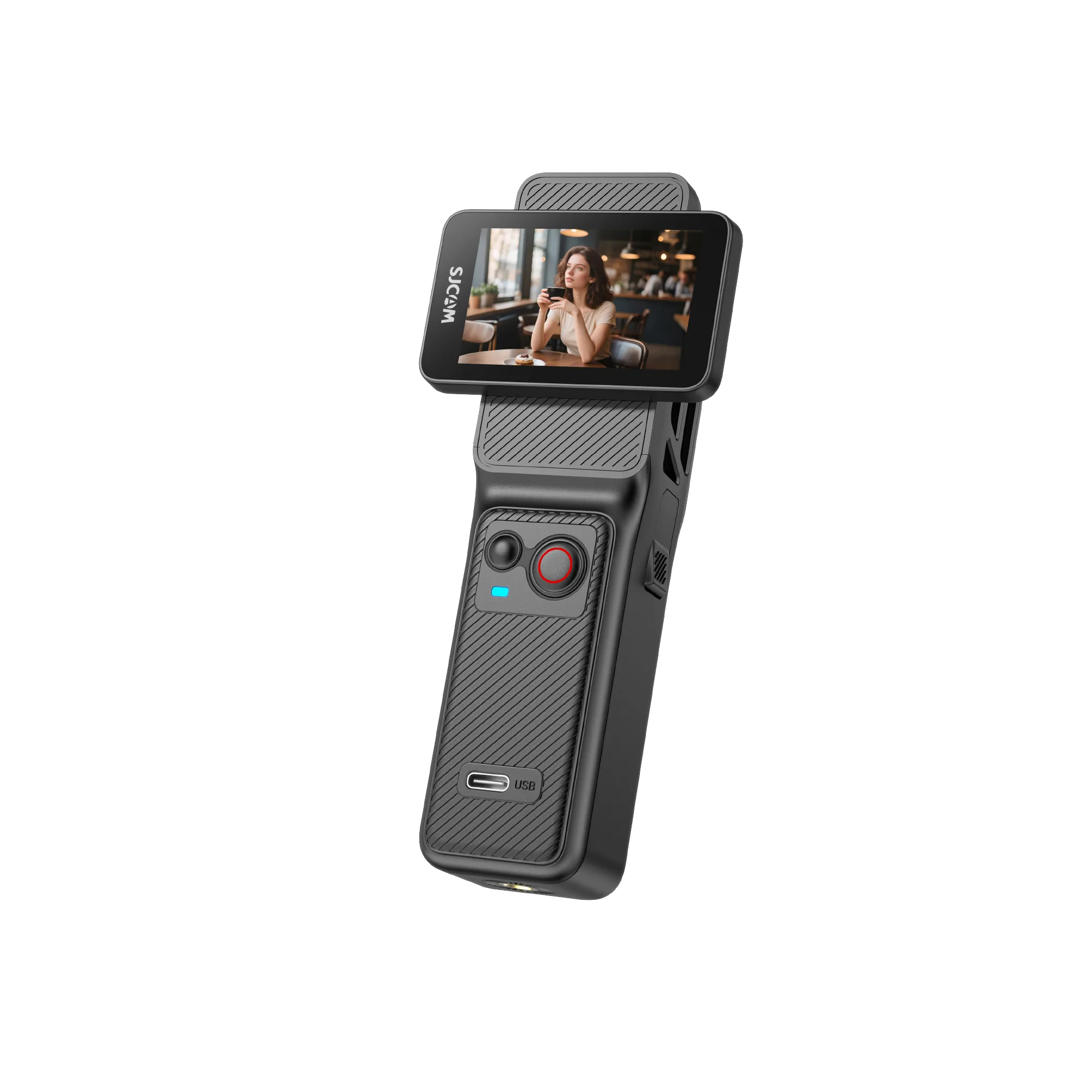
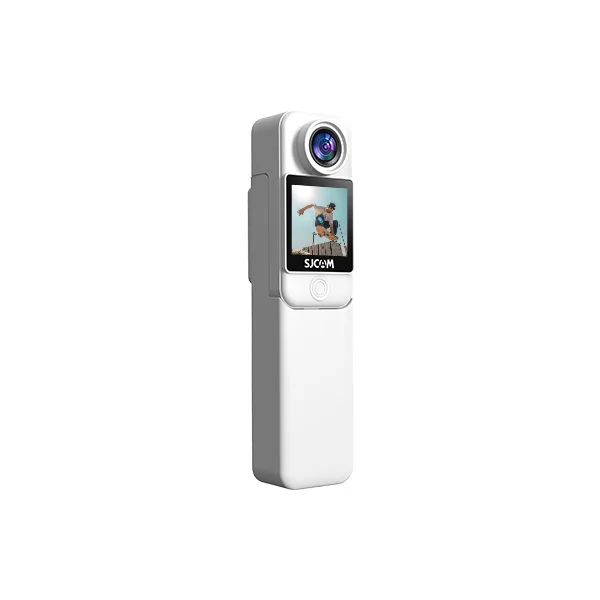
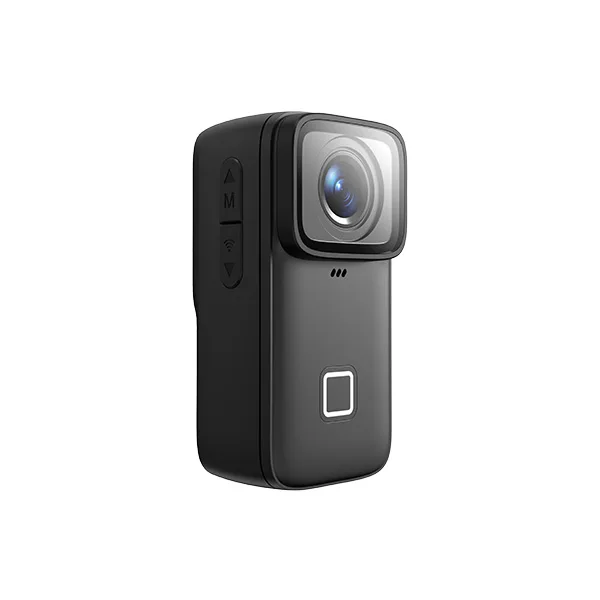
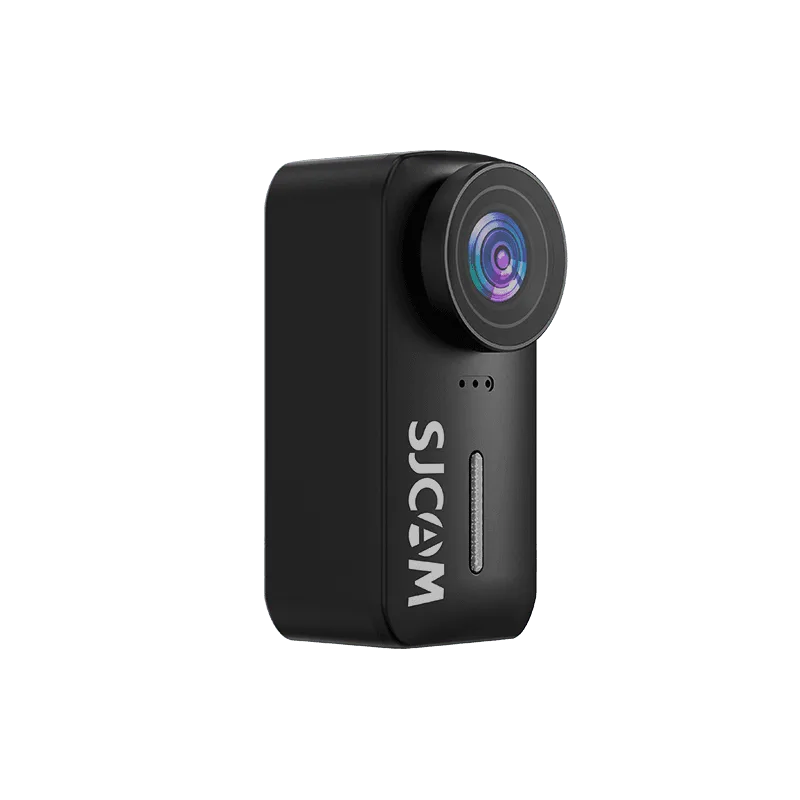
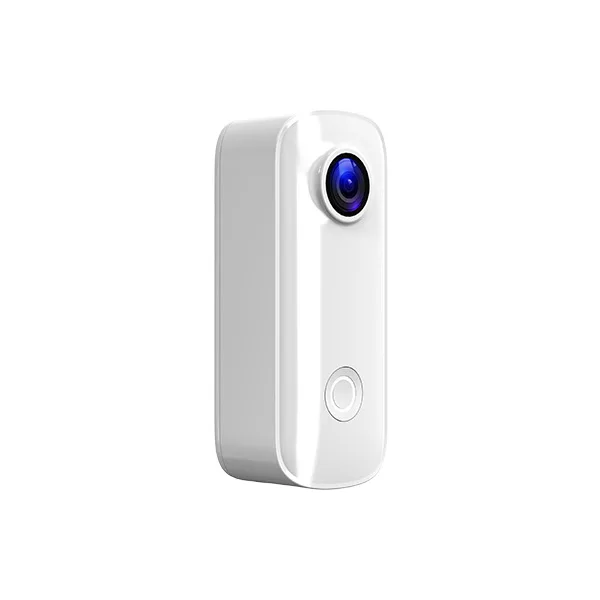
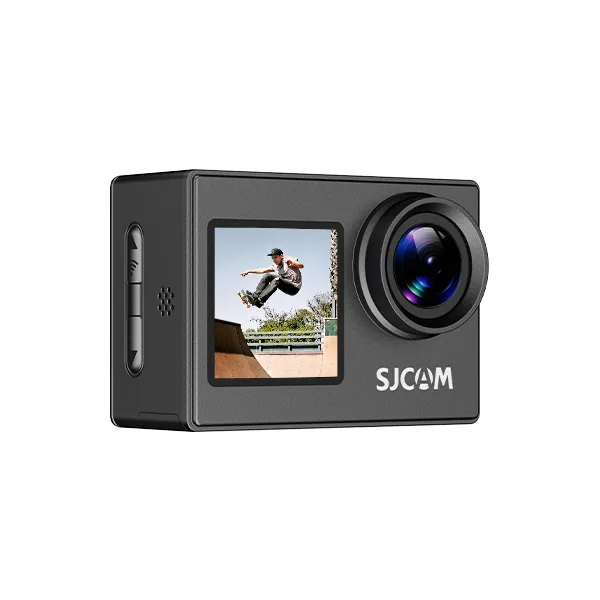
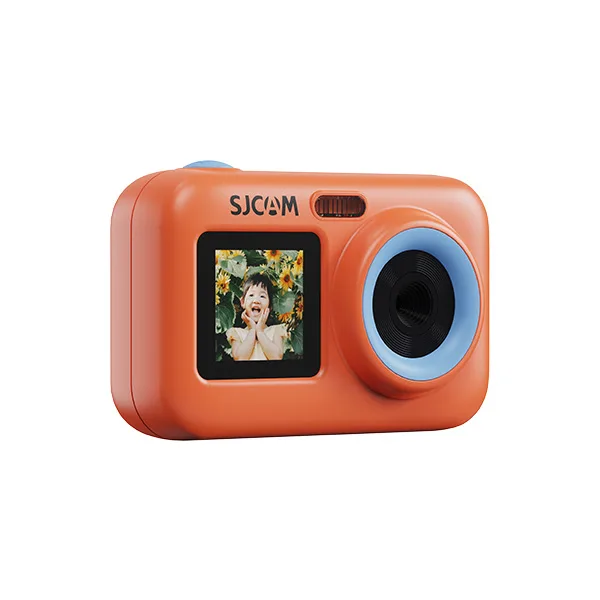
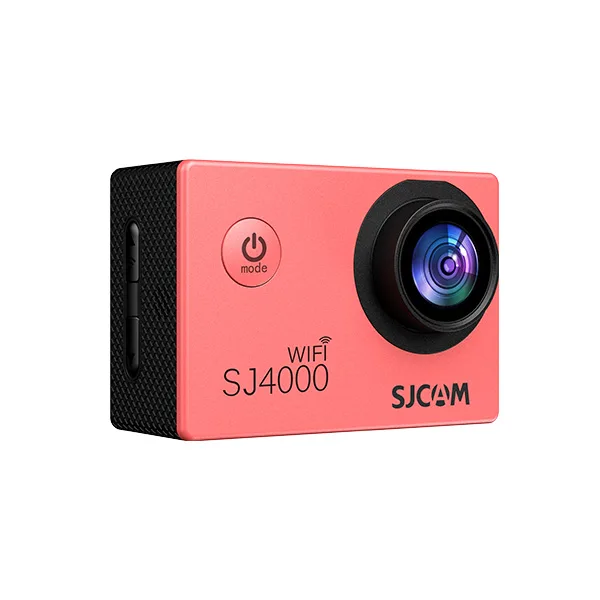
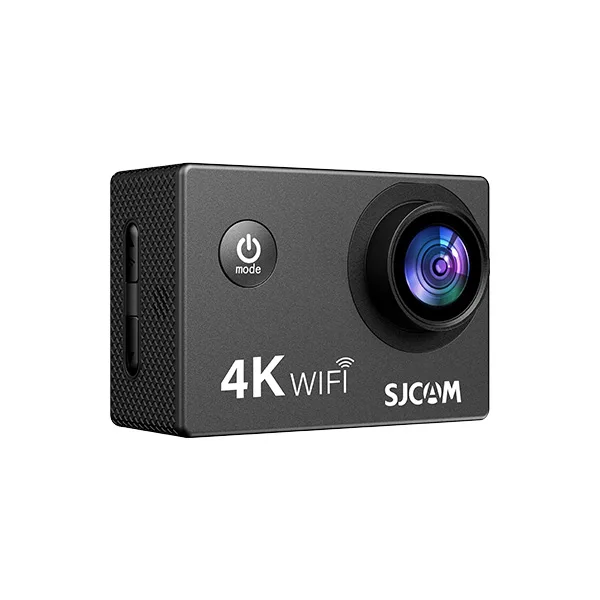
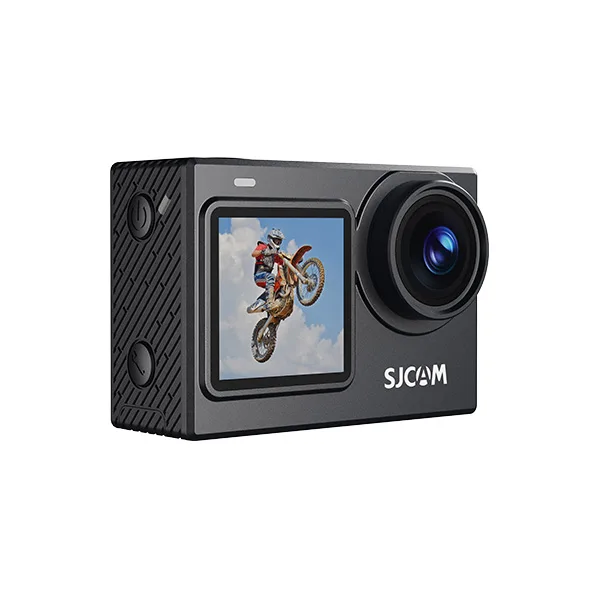
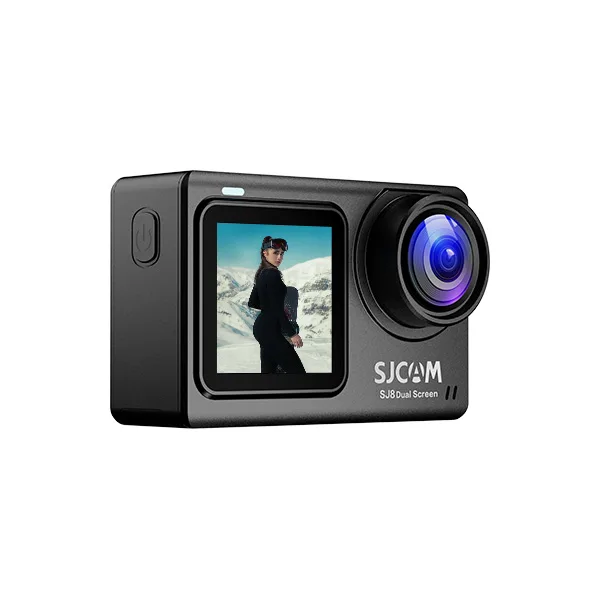
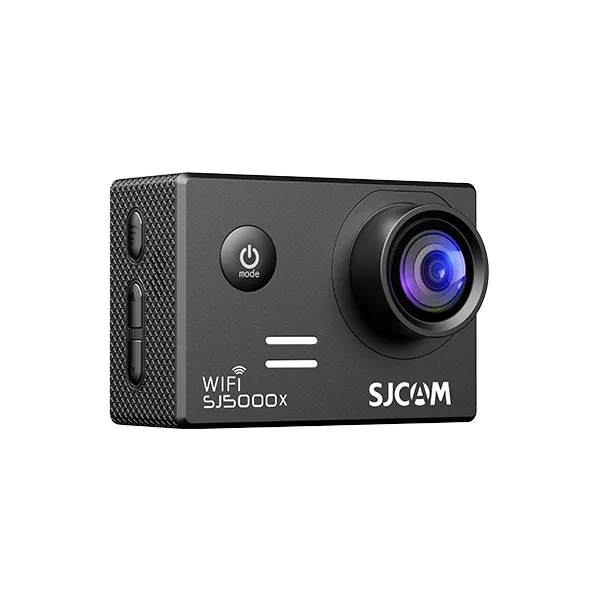




Capturing underwater moments is one of the most exciting ways to record your adventures, whether you are snorkeling in tropical waters, diving near coral reefs, or simply enjoying a pool day.
However, underwater filming is different from shooting on land. Water changes colors, reduces light, and makes stable footage harder to achieve.
With the right underwater action camera, accessories, and shooting techniques, you can capture clearer, smoother, and more immersive underwater videos.
Swimming? Or snorkeling? It would always help to carry an SJCAM sports camera regardless of the underwater sport. Today, we’ll tell you why you should choose SJCAM action cameras and what you should do when using them underwater!

What Kind of Images Can SJCAM Action Cameras Capture?
What kind of video footage can a sports camera take underwater? This is a question many of us are concerned about:
- Shooting video of being in the same frame as a school of fish.
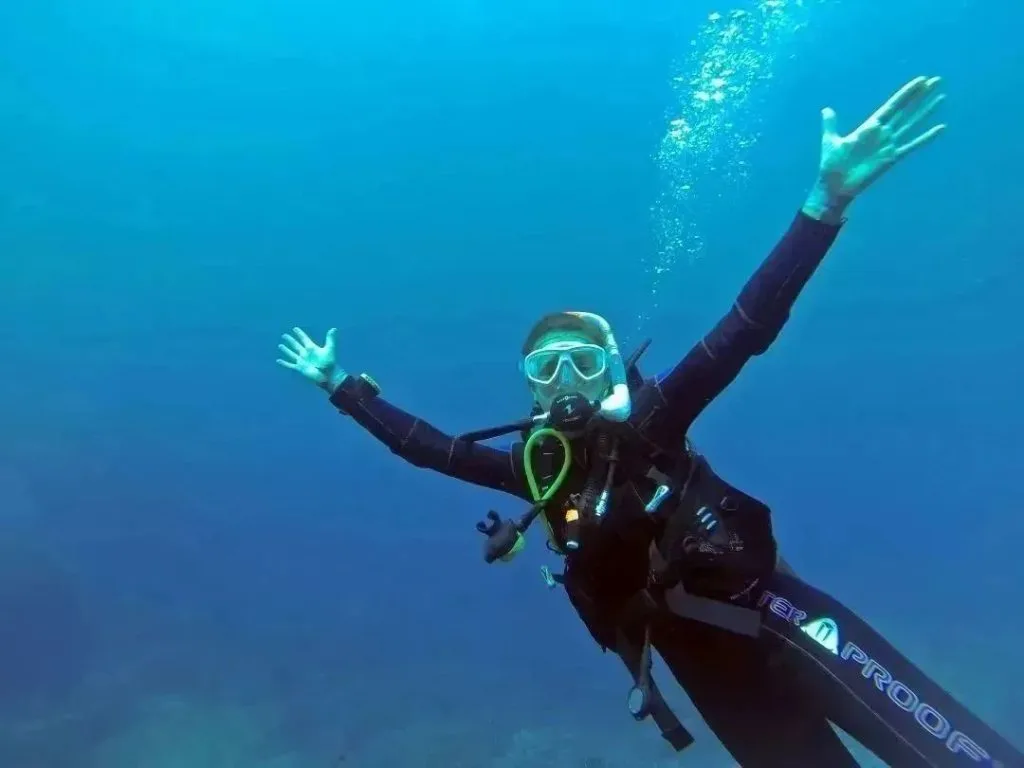
- Record your own experience of diving from a first point of view.
- Record the beautiful world of the ocean.
- Record the waves of the screen.
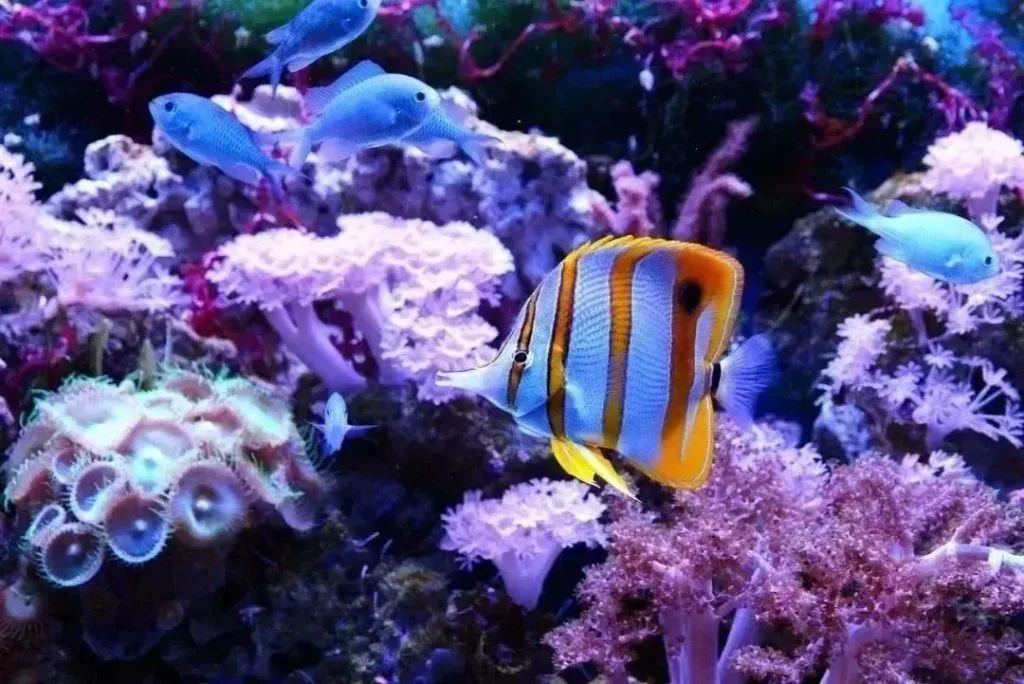
You can share these beautiful photos and videos with your friends on social media.
How Deep Can the SJCAM Action Camera Dive?
SJCAM action cameras come with a waterproof feature, and the exact diving depth depends on the SJCAM sports camera model:
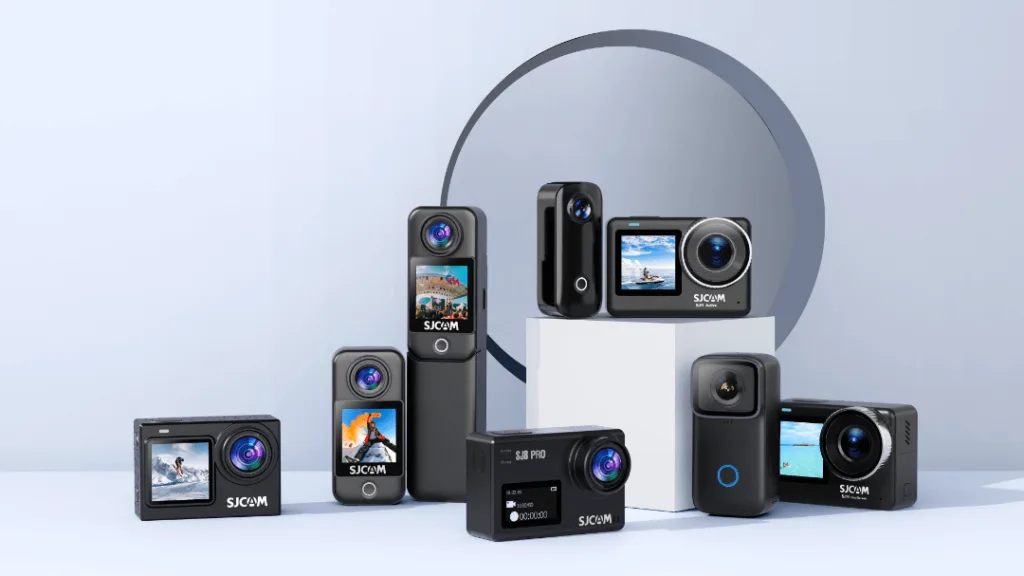
The SJ11, SJ10 Pro dual screen, and C200 action cameras are waterproof up to 5 meters. If you want to dive deeper, you need additional waterproof housing. The C200 and SJ10 Pro dual screens are waterproof to a depth of 40 meters. The SJ11 and C300 are waterproof to a depth of 30 meters.

When Do I Need Waterproof Housing for My SJCAM Action Camera?
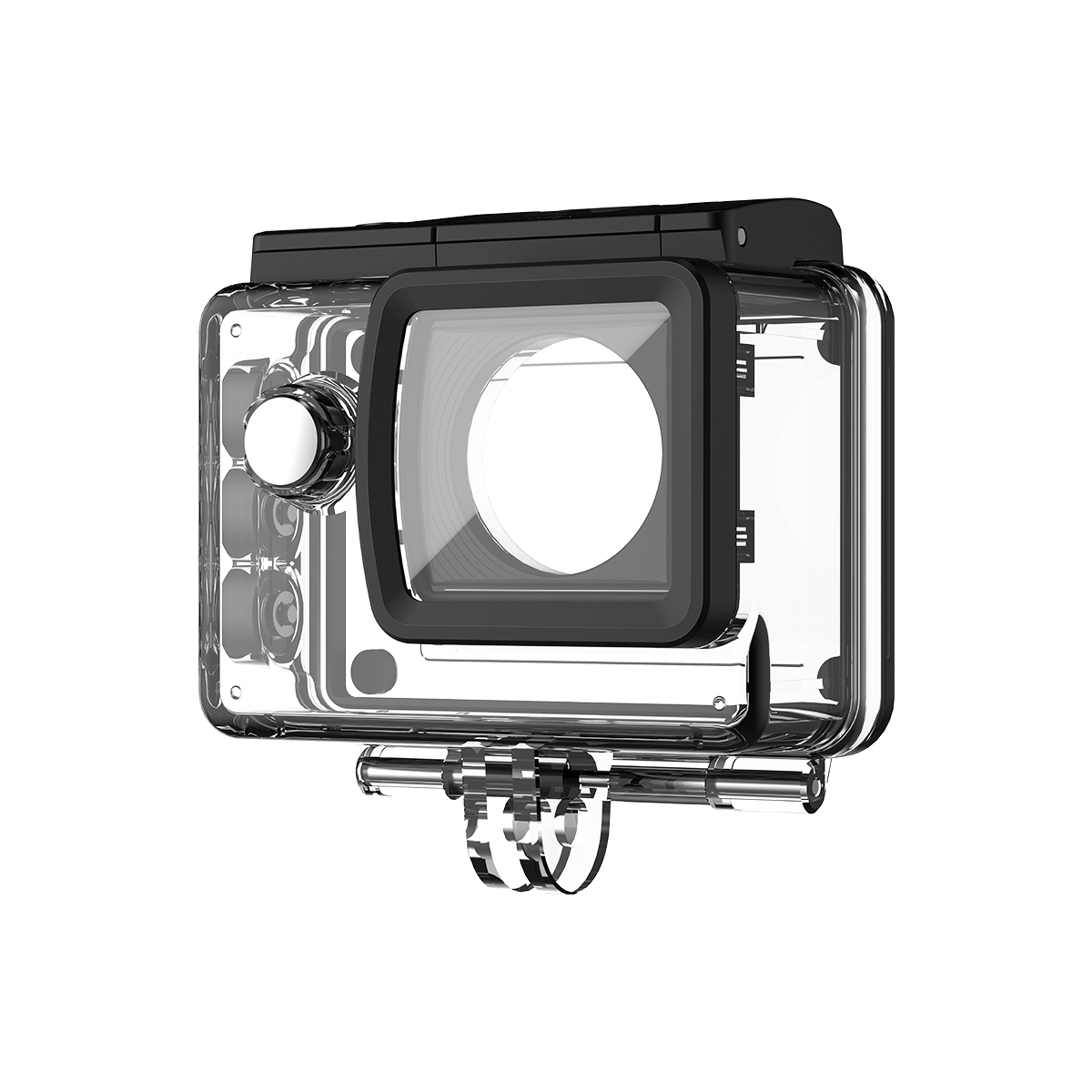
If you want to experience a dive that exceeds a depth of 5 meters, you’ll want an additional waterproof case. With a waterproof case, you can shoot freely underwater without any stress.

Which Accessories Are Used Underwater?
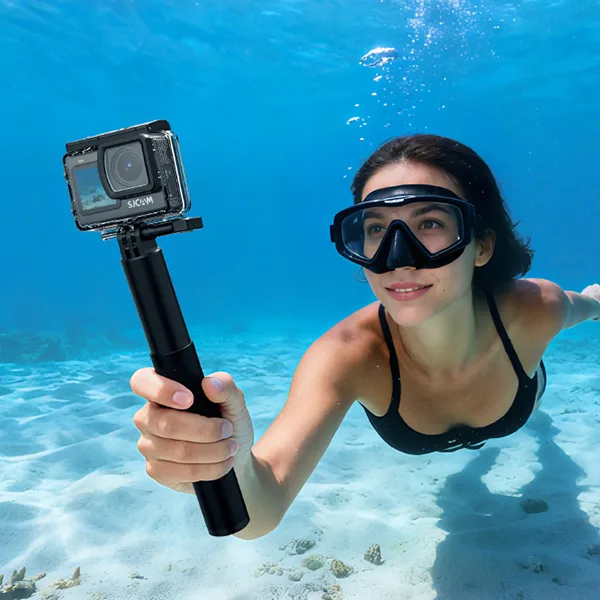
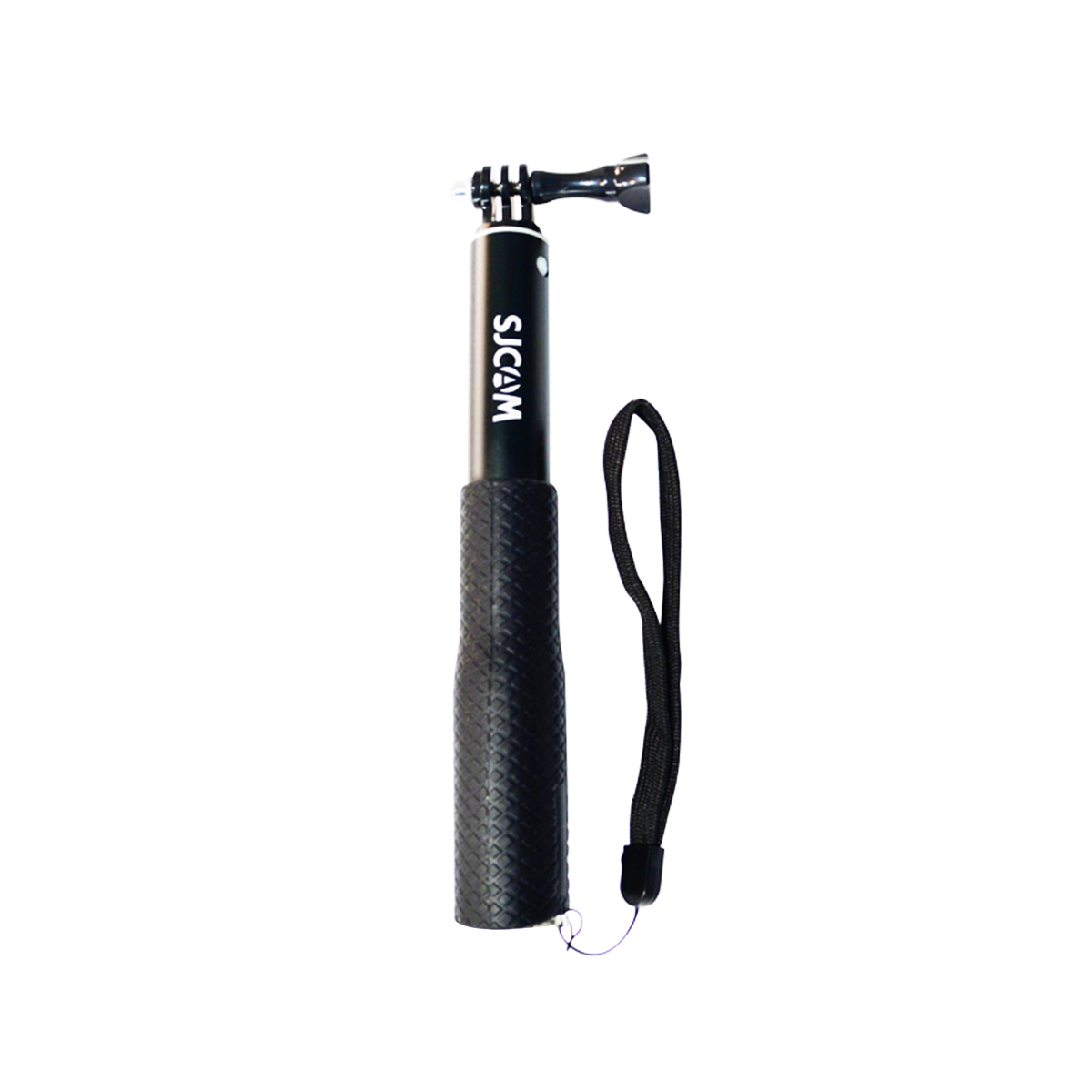
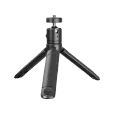
Selfie Stick

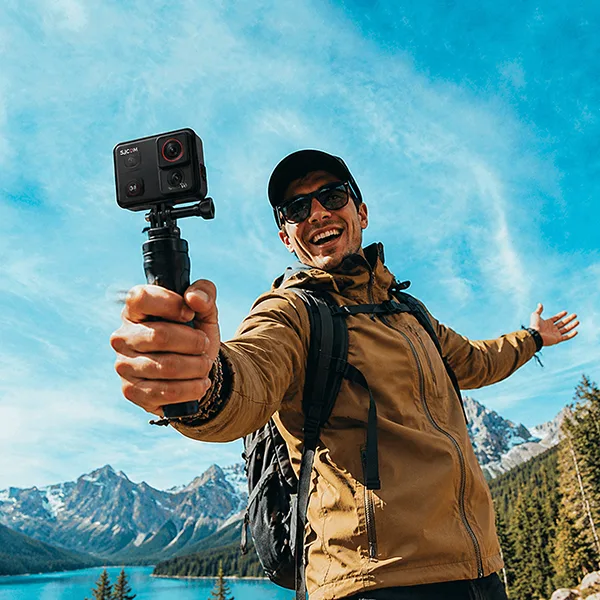
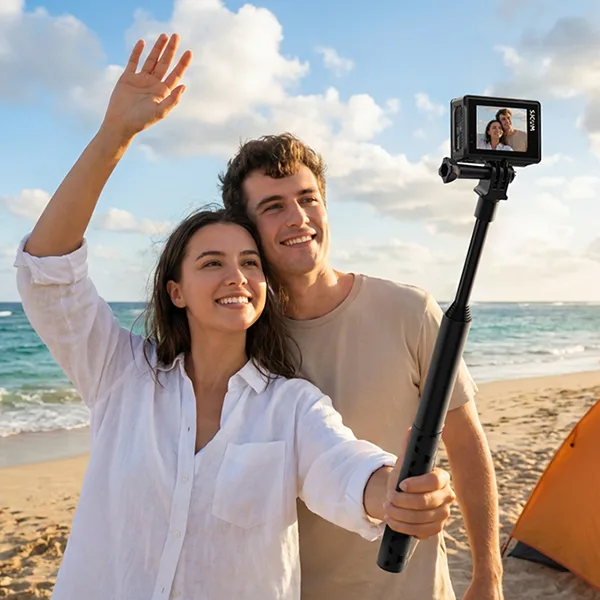
Selfie sticks, needless to say, are the absolute magic weapon, and showing a rod is also very handsome! Holding the selfie stick with one hand, the other can interact with the fish in the water and shoot more unexpected video images.
Before taking one into the water, learn how to mount and use an action camera selfie stick correctly.
Wristband

The wrist strap can be fixed on the arm, with 360° free rotation to adjust the angle. At any time, you can touch the camera and fully control the camera shooting angle, shooting more exciting first-view diving images!
Underwater Action Camera Shooting Tips
Shoot During the Day
Natural sunlight produces clearer underwater footage. Morning and midday usually provide better lighting conditions.
Adjust White Balance
Colors disappear underwater because water absorbs red light. Adjusting white balance helps restore more natural colors.
Move Slowly
Fast movements create shaky footage and disturb marine life. Slow, controlled movements create smoother and more cinematic videos.
Get Close to Your Subject
Water reduces clarity between the camera and subject. Moving closer helps capture sharper details.
Action Camera vs. Traditional Camera for Underwater Shooting
| Feature | Action Camera | Traditional Camera |
|---|---|---|
| Waterproof | Excellent | Requires housing |
| Size | Compact | Bulky |
| Mounting | Multiple mounts | Limited |
| POV footage | Easy | Difficult |
| Sports use | Excellent | Limited |
SJCAM Action Camera Underwater Shooting Skills
SJCAM action cameras, such as the SJ11, SJ10 Pro-Dual-Screen, C300, etc., are dual-screen; you can use the front lens to facilitate the preview composition and shoot more images than you want.
The SJCAM sports camera has a wide-angle lens; for example, the SJ10 Pro Dual Screen can shoot up to a 170° wide angle. SJ11 and C300/C200 can reach a 154° wide angle. With the help of a water surface light source, you can take beautiful underwater photos.
You can also shoot from a bottom-up angle. At the same time, the help of natural light from the water’s surface makes the photos more layered. The sea and the sky are half of each other, and the picture is immaculate.
Tested Under Real Water Conditions
When testing underwater cameras, we found that the biggest challenges are not only waterproofing but also color accuracy, stability, and battery management.
The best underwater footage usually comes from combining the right camera settings with smooth movement and proper accessories.
FAQ
For most underwater shooting, 4K resolution is a great choice for capturing detailed footage. Enable stabilization when swimming or diving to reduce camera shake, and adjust white balance or color settings to compensate for the blue tones caused by underwater lighting conditions.
The best underwater action camera should offer reliable waterproof protection, strong stabilization, wide-angle shooting, and good battery life. Models like the SJCAM SJ30 and C400 are suitable options for capturing snorkeling, diving, and underwater adventure videos.
Water absorbs colors differently, especially red and orange tones, which can make footage appear blue or green. Shooting in good natural light, staying close to your subject, and using underwater color correction or white balance adjustments can help produce more realistic colors.
To capture smoother underwater videos, move slowly and avoid sudden camera movements. Using an action camera with built-in electronic stabilization can help reduce shaking caused by swimming, diving, or water movement.
Common underwater accessories include a waterproof housing, floating grip, wrist strap, selfie stick, and extra batteries. A floating grip is especially useful because it prevents your camera from sinking if it is accidentally dropped in the water.