




 Chinese (China)
  Spanish
  German
  French
  Italian
  Japanese
  Korean
  Bulgarian
  Greek
Greek  Indonesian
  Chinese (Hong Kong)
  Russian
  Danish
  Finnish
  Hungarian
  Turkish
  Dutch
Dutch  Portuguese
  Swedish
  Romanian
  Slovak
  Serbian
  Norwegian
  Croatian
  Albanian
  Catalan
  Czech
Czech  Estonian
  Armenian
  Bengali
  Amharic
  Polish
  Thai
Thai  Ukrainian
  Vietnamese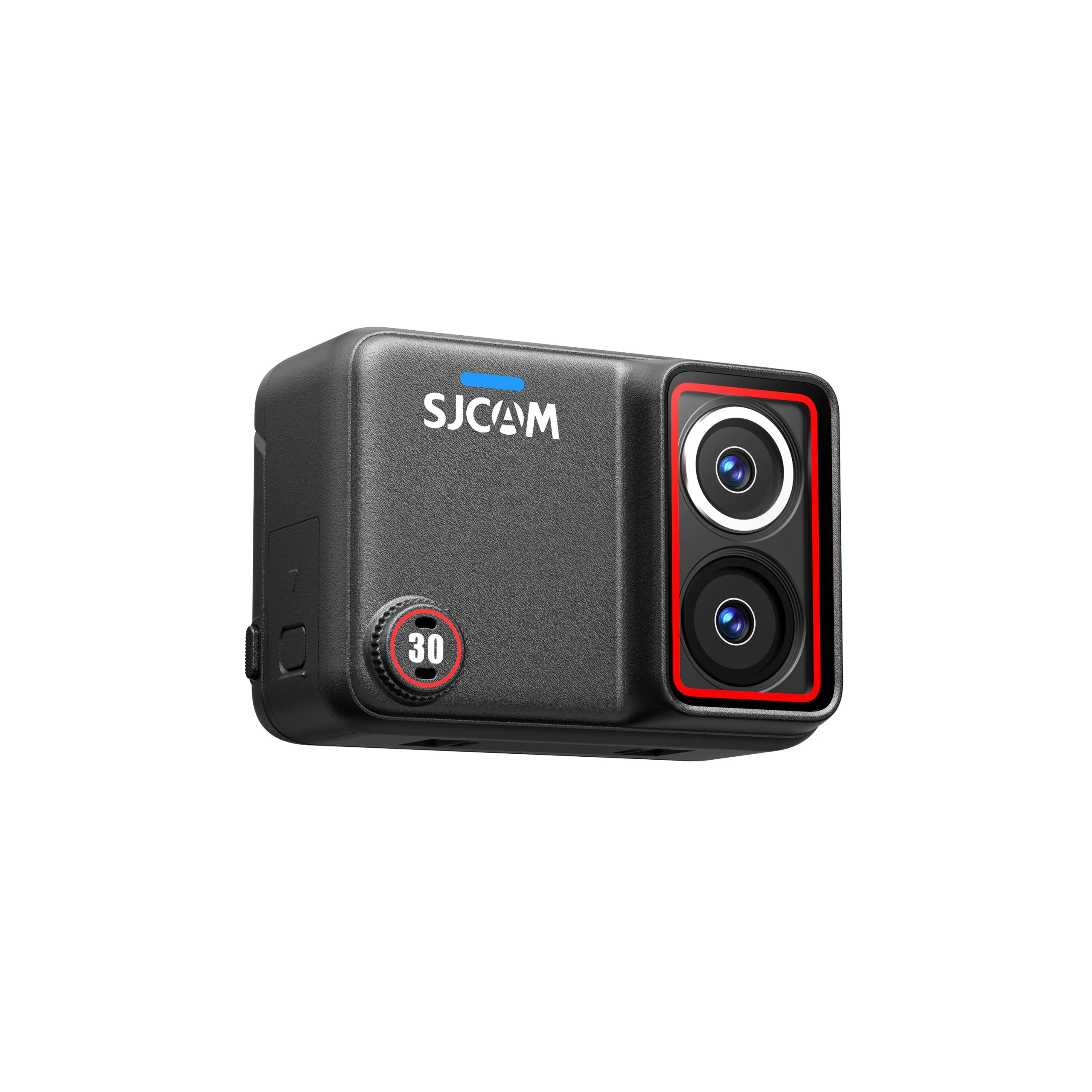
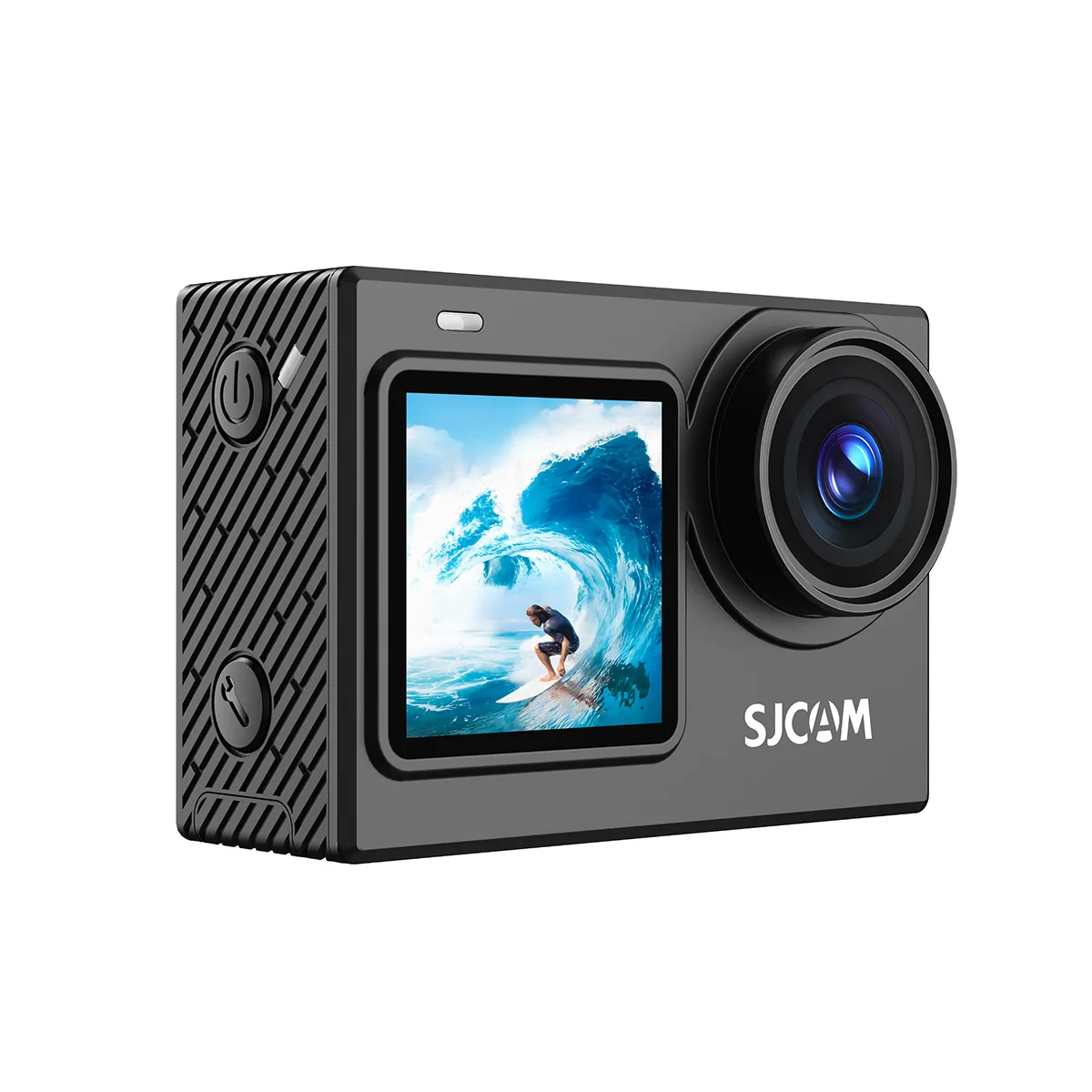
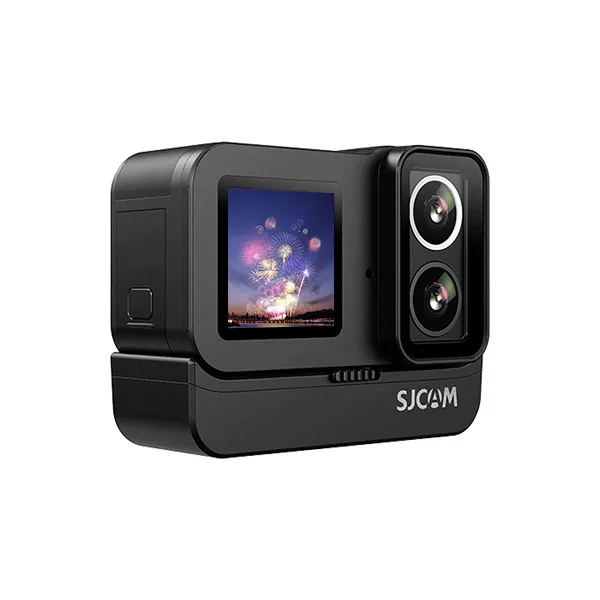
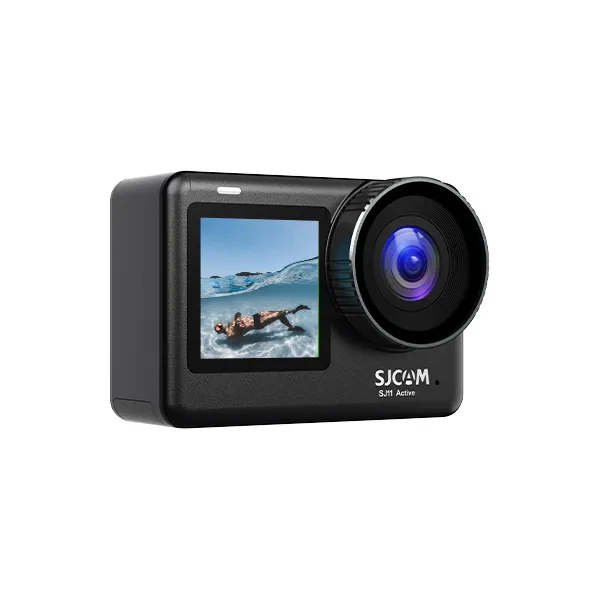
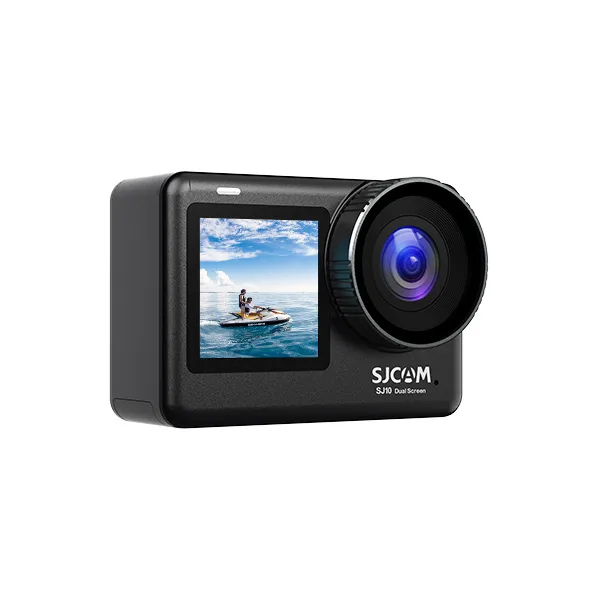
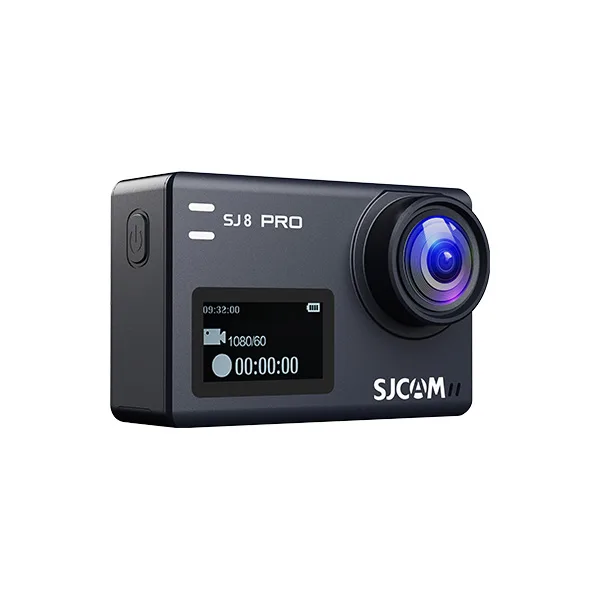
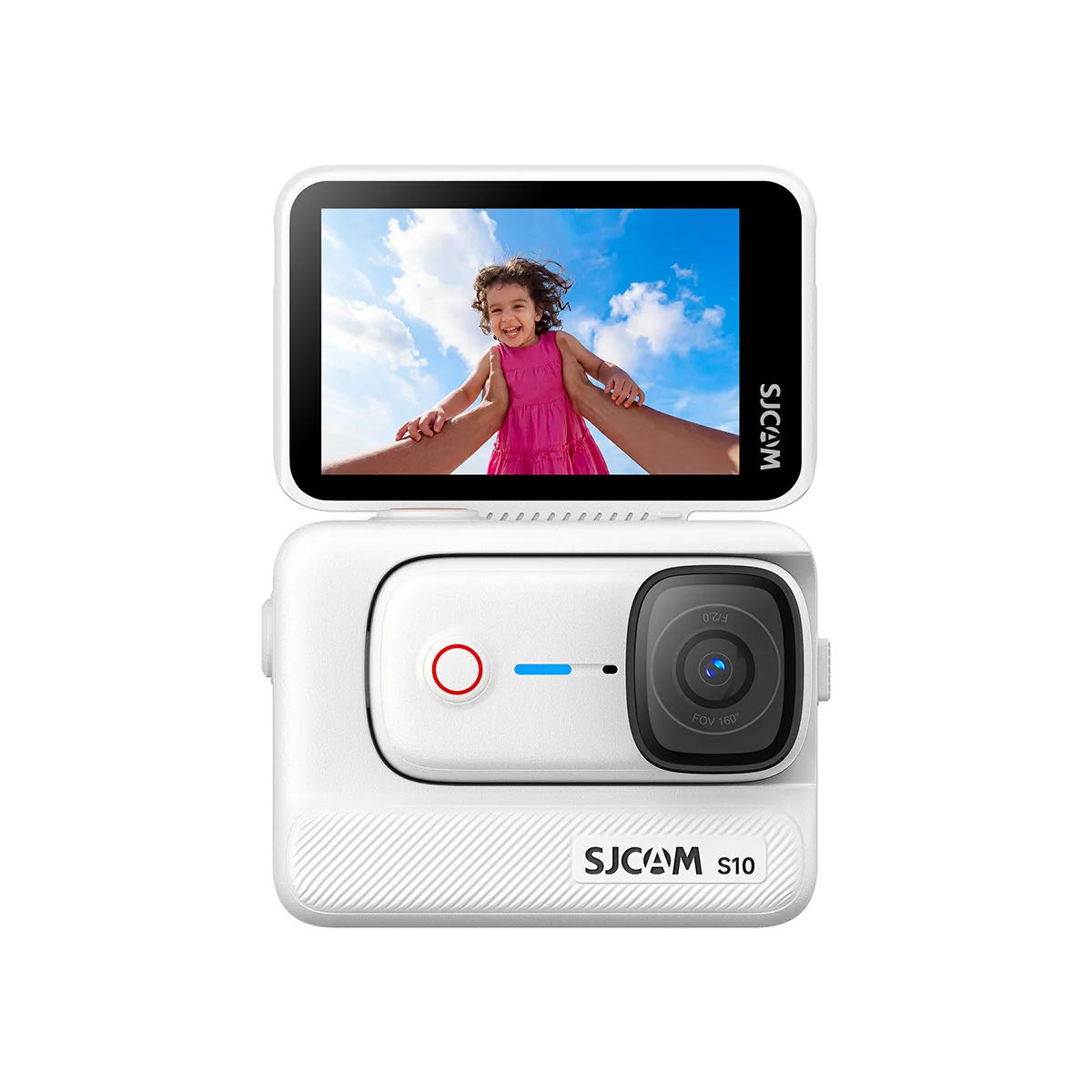
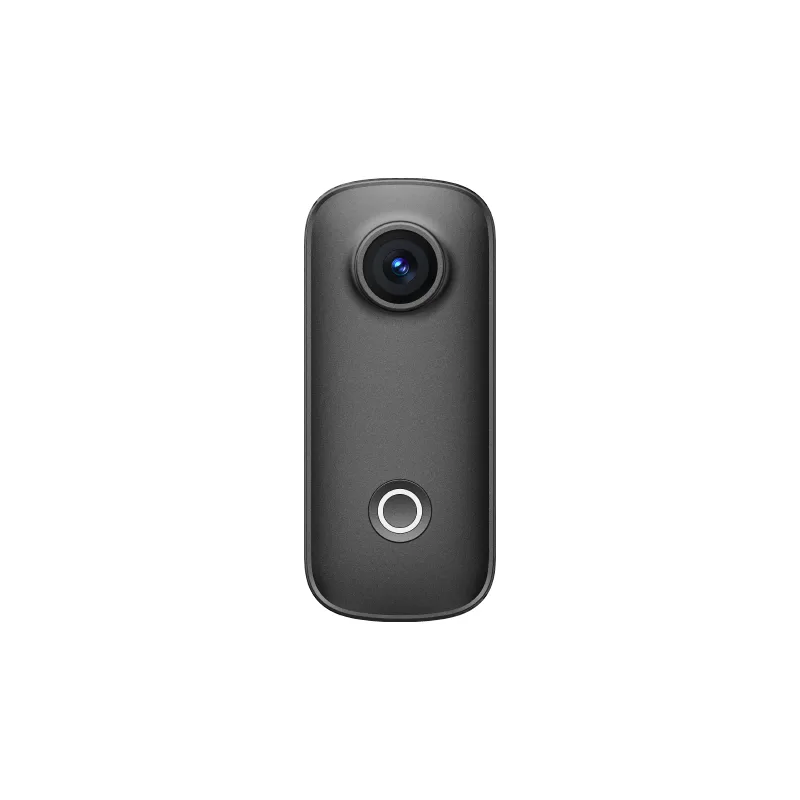
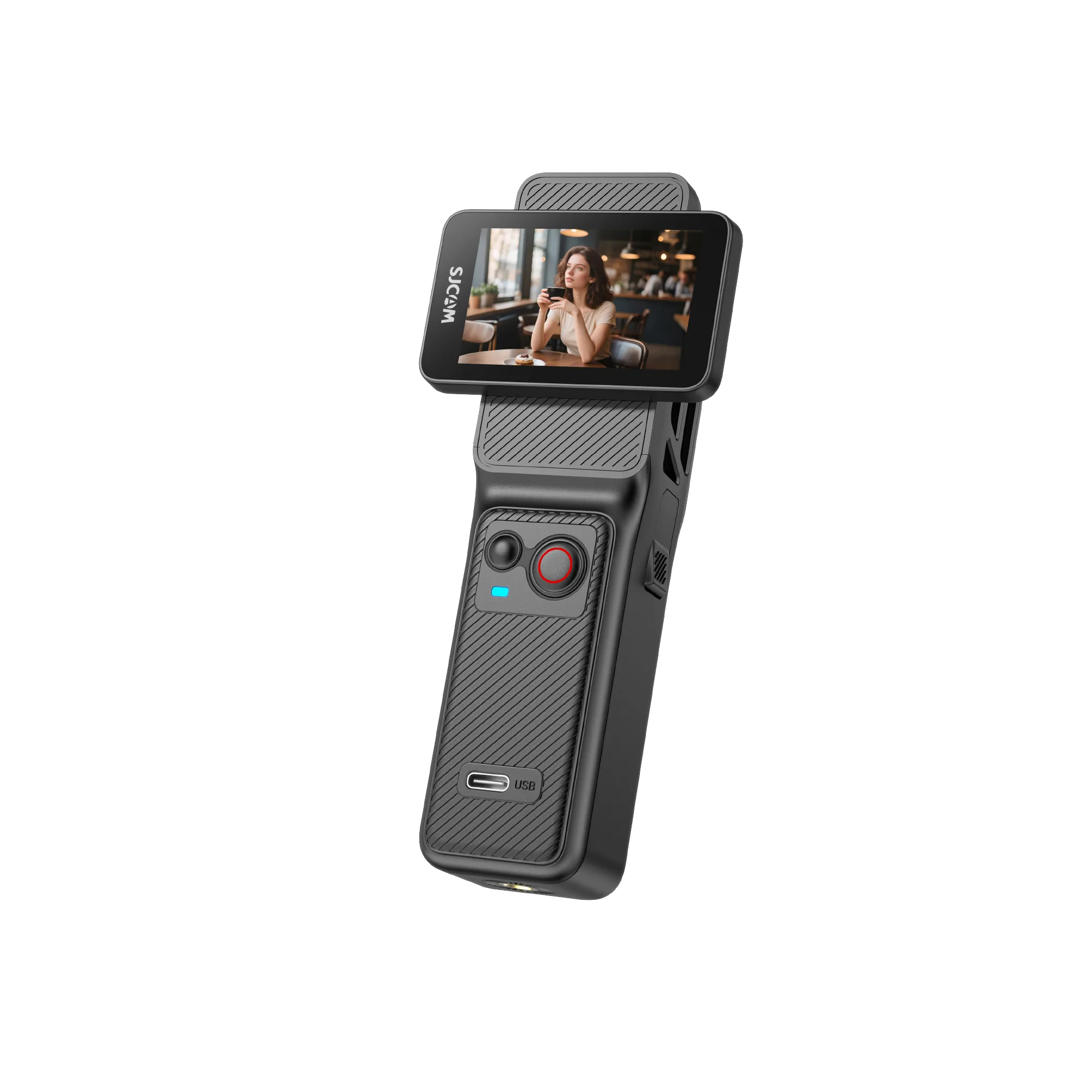
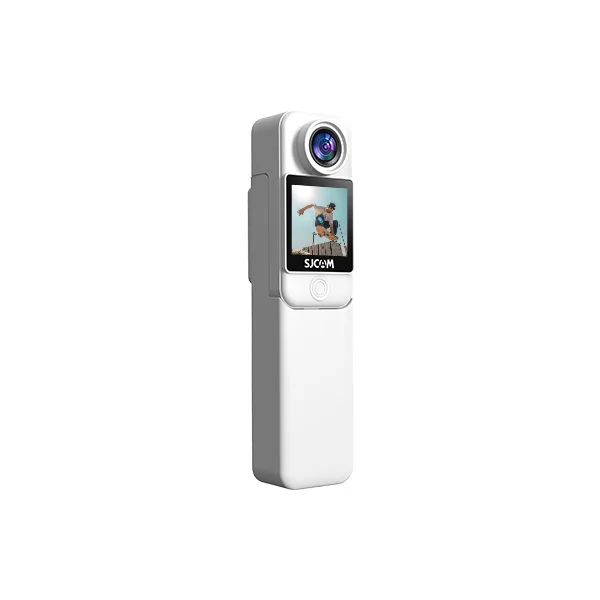
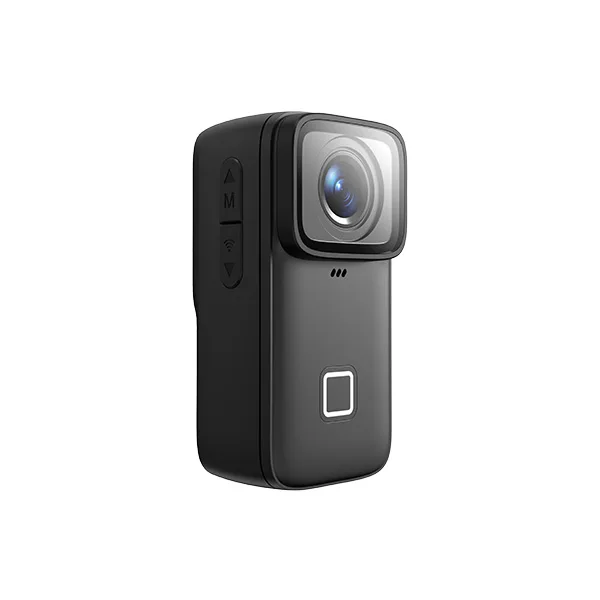
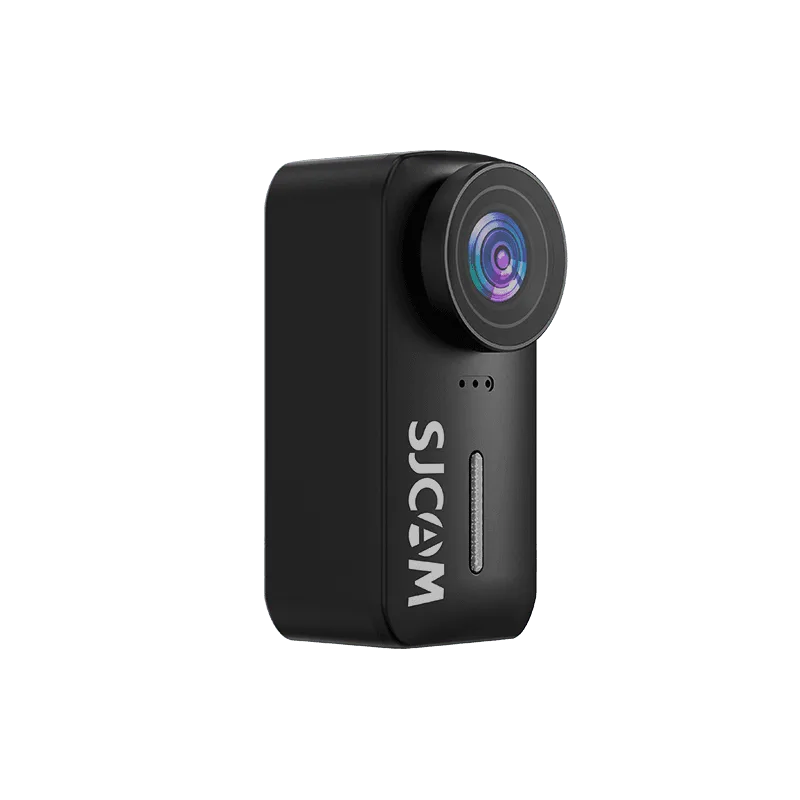
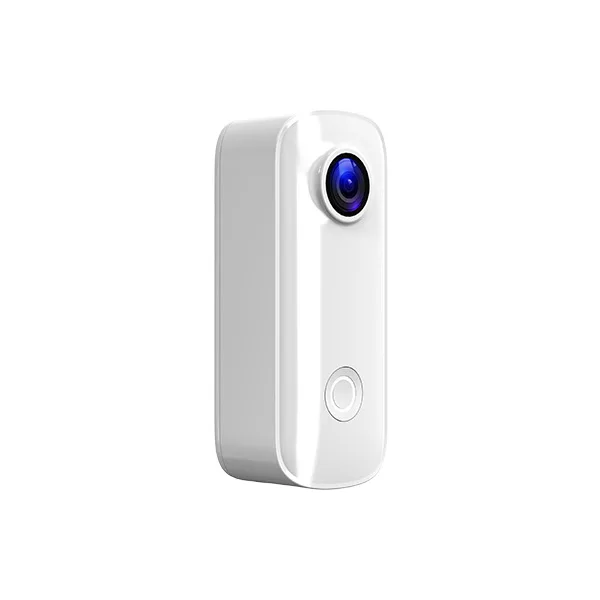
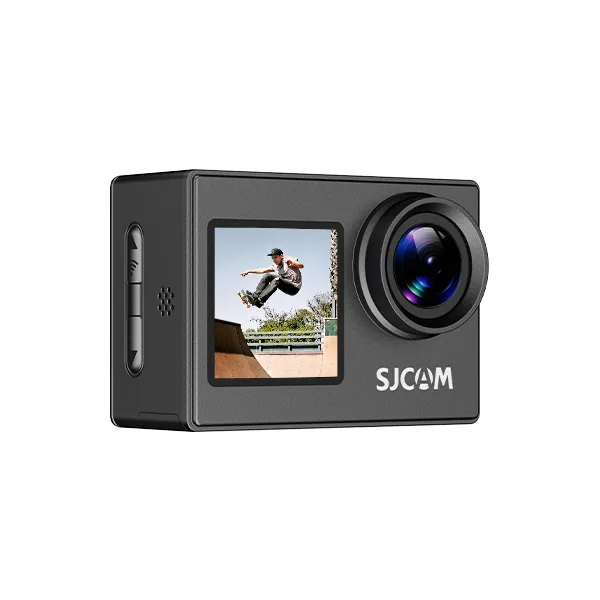
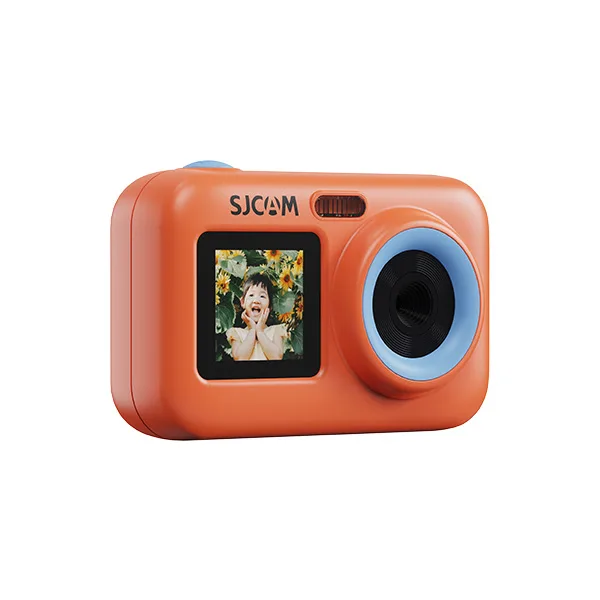
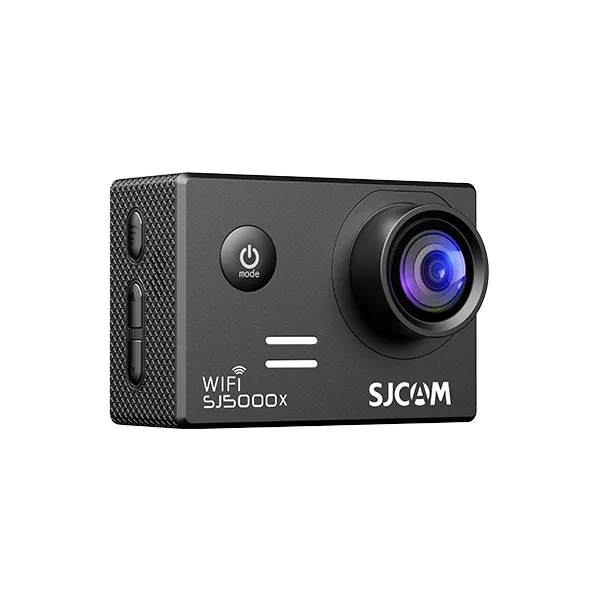

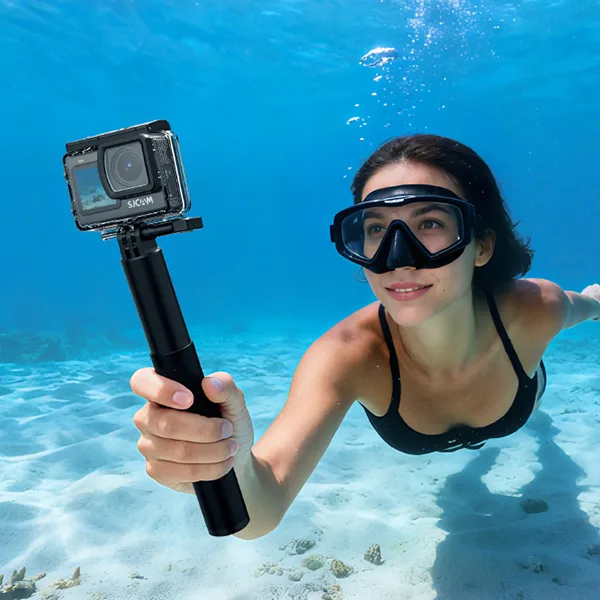
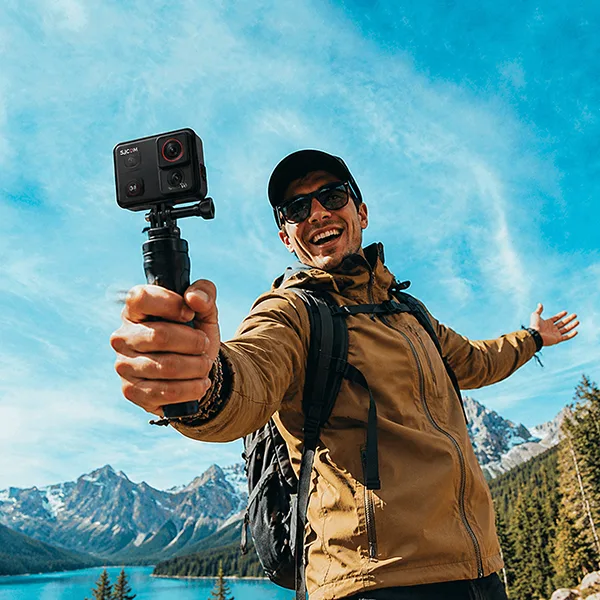
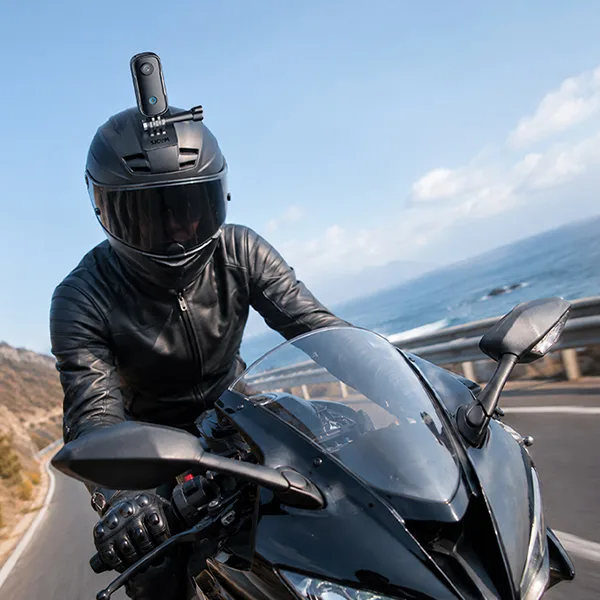
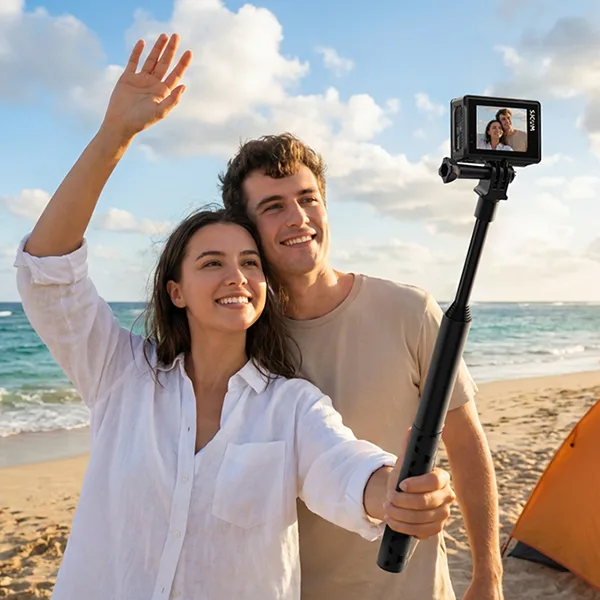
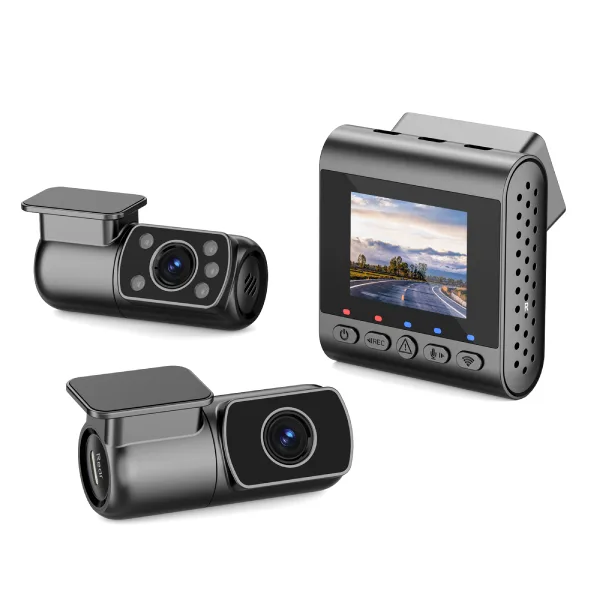
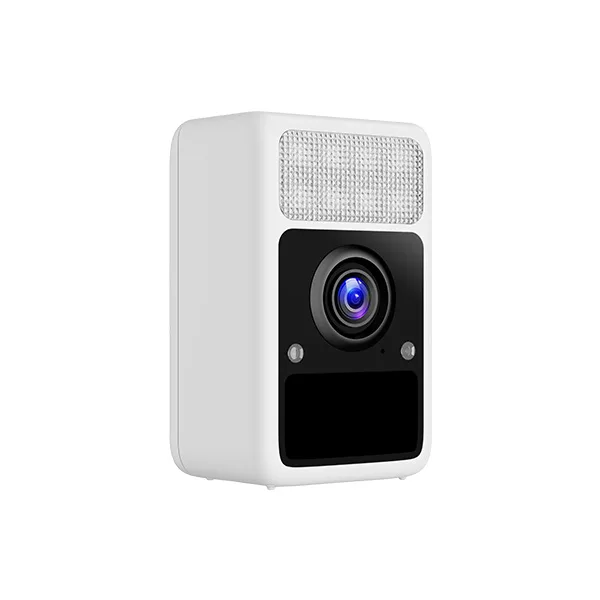
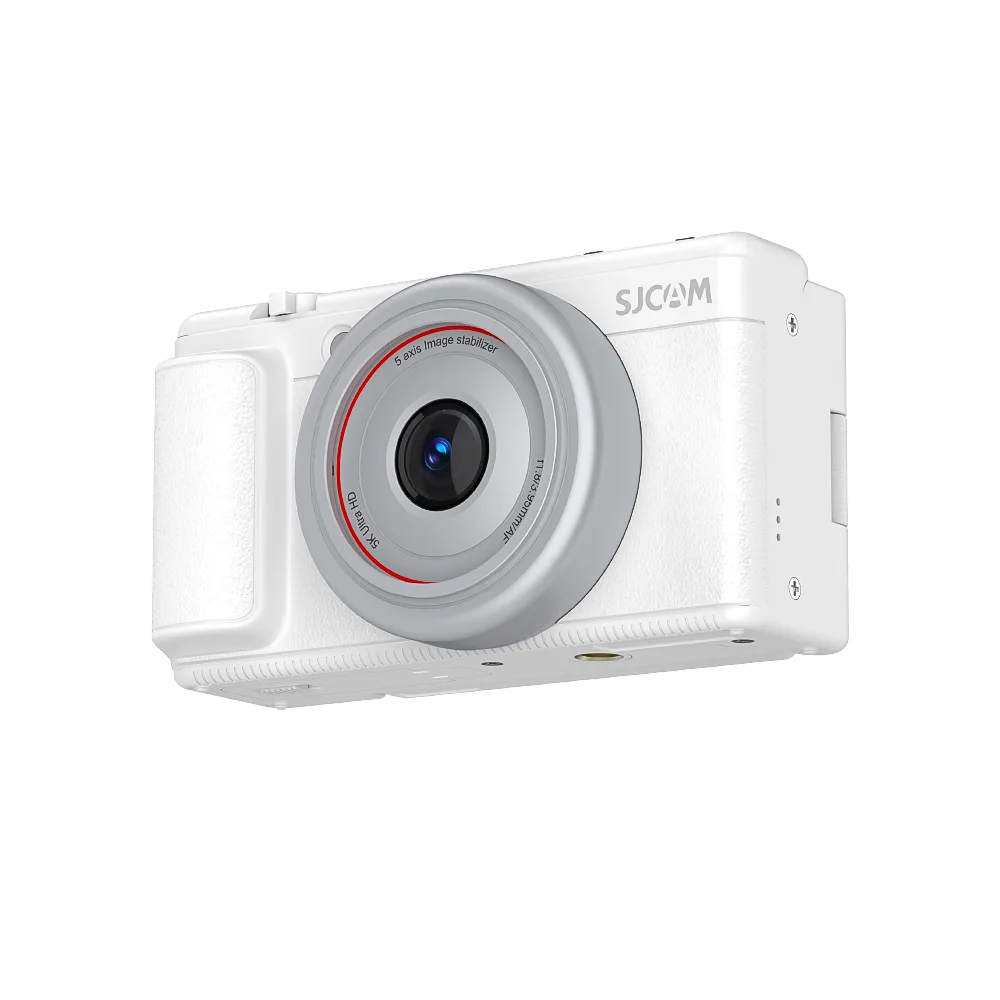
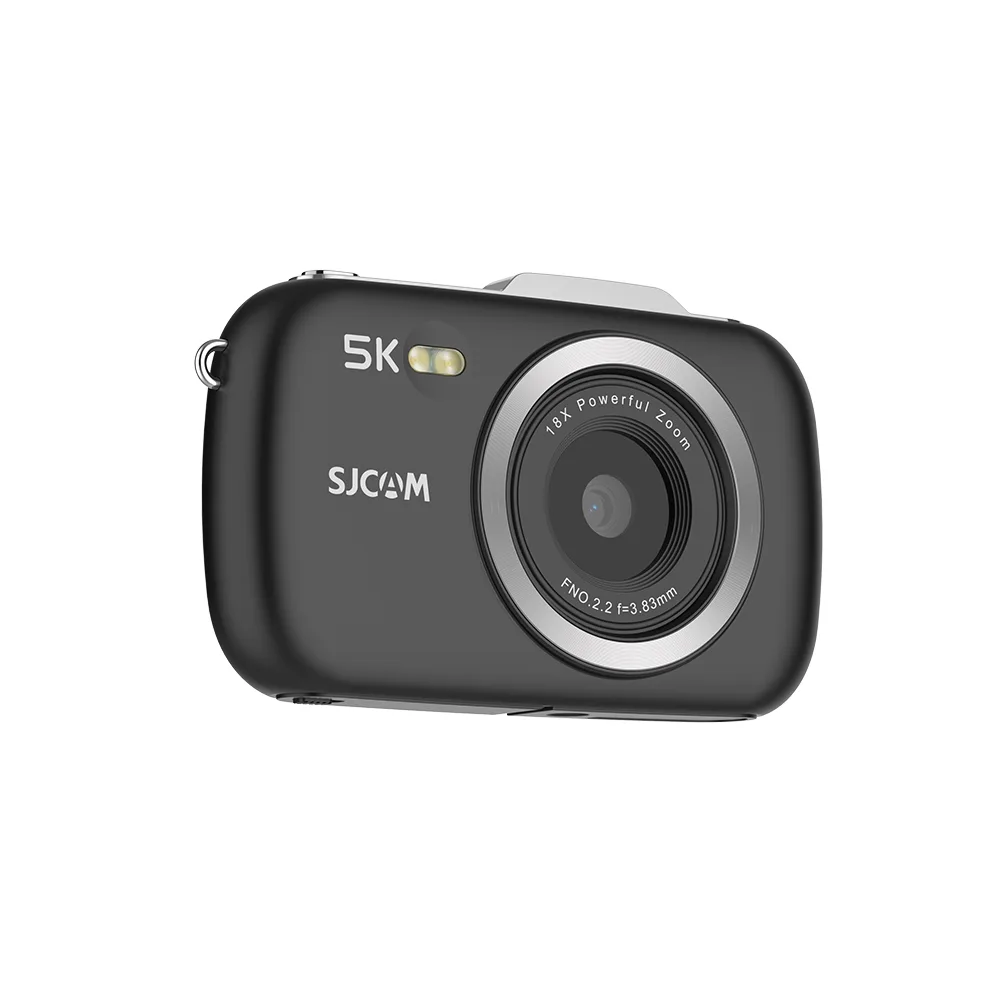

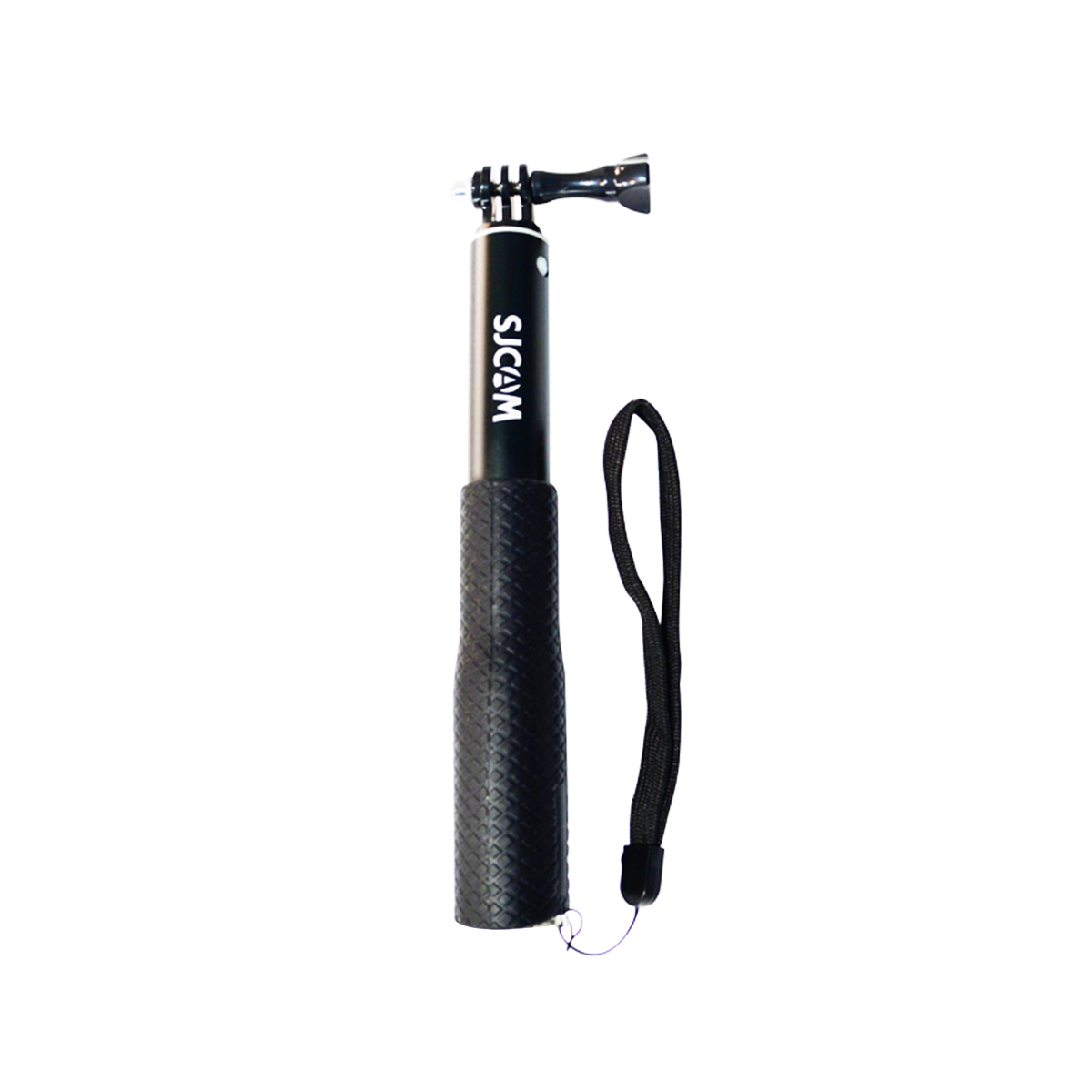

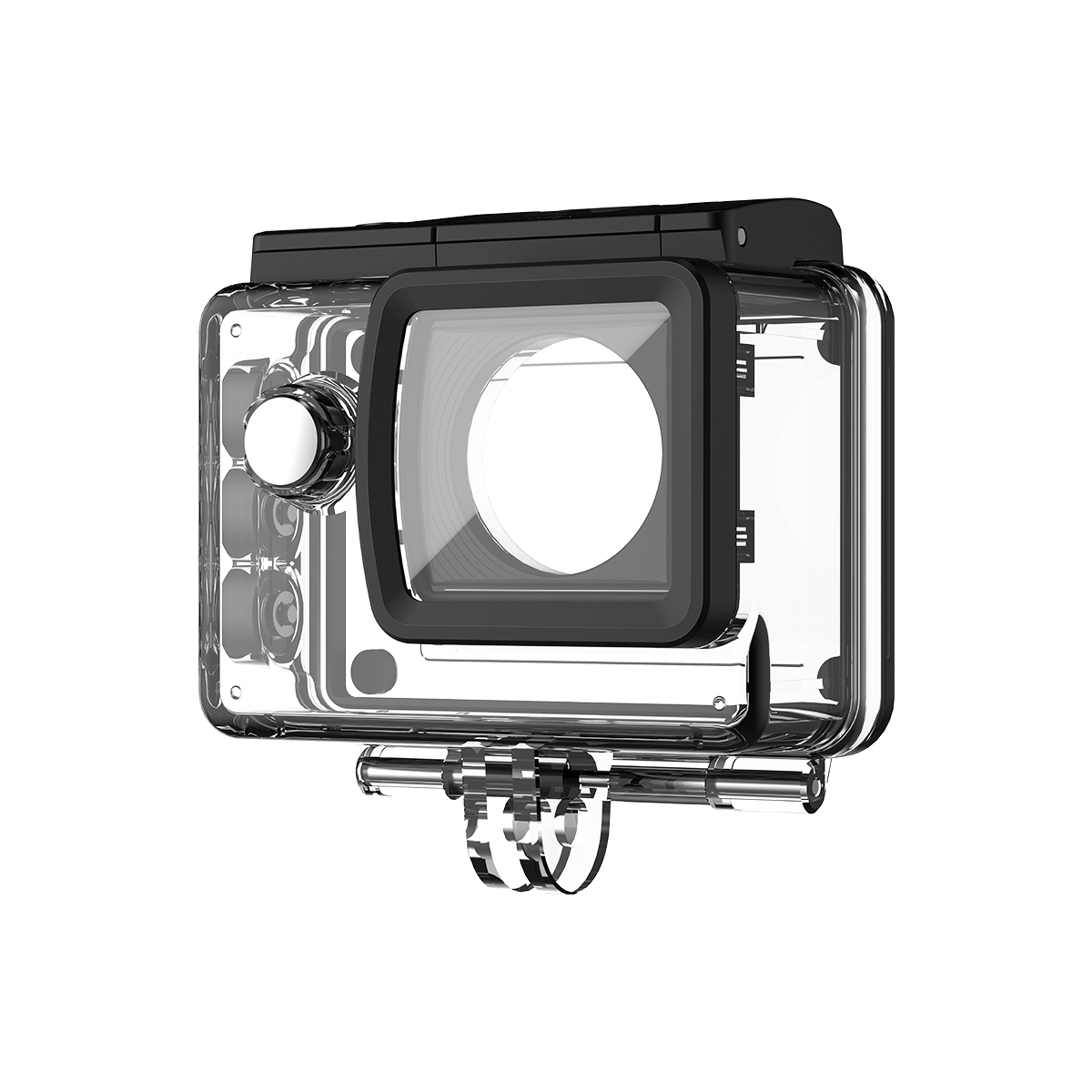
Choosing between the SJCAM C400 vs. C300 can be confusing because both cameras record 4K video and are designed for travel, action, and everyday content. The real difference is not simply image resolution. It comes down to how you want to shoot.
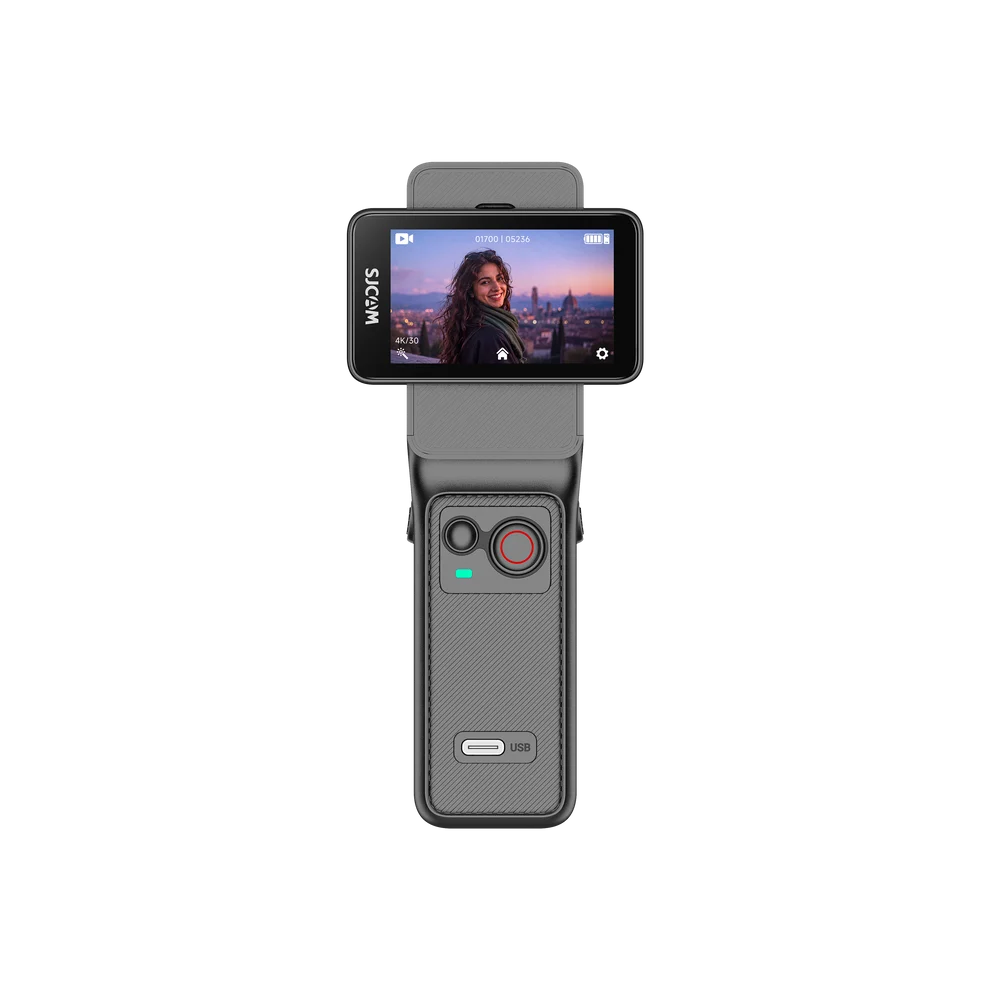
The C400 is built around a more flexible handheld and POV workflow, with a 2.29-inch rotatable touchscreen, wireless handheld control, horizon stability enhancement, and a detachable camera design. The C300 focuses on simplicity, dual touchscreens, six-axis gyroscopic stabilization, and extended battery options.
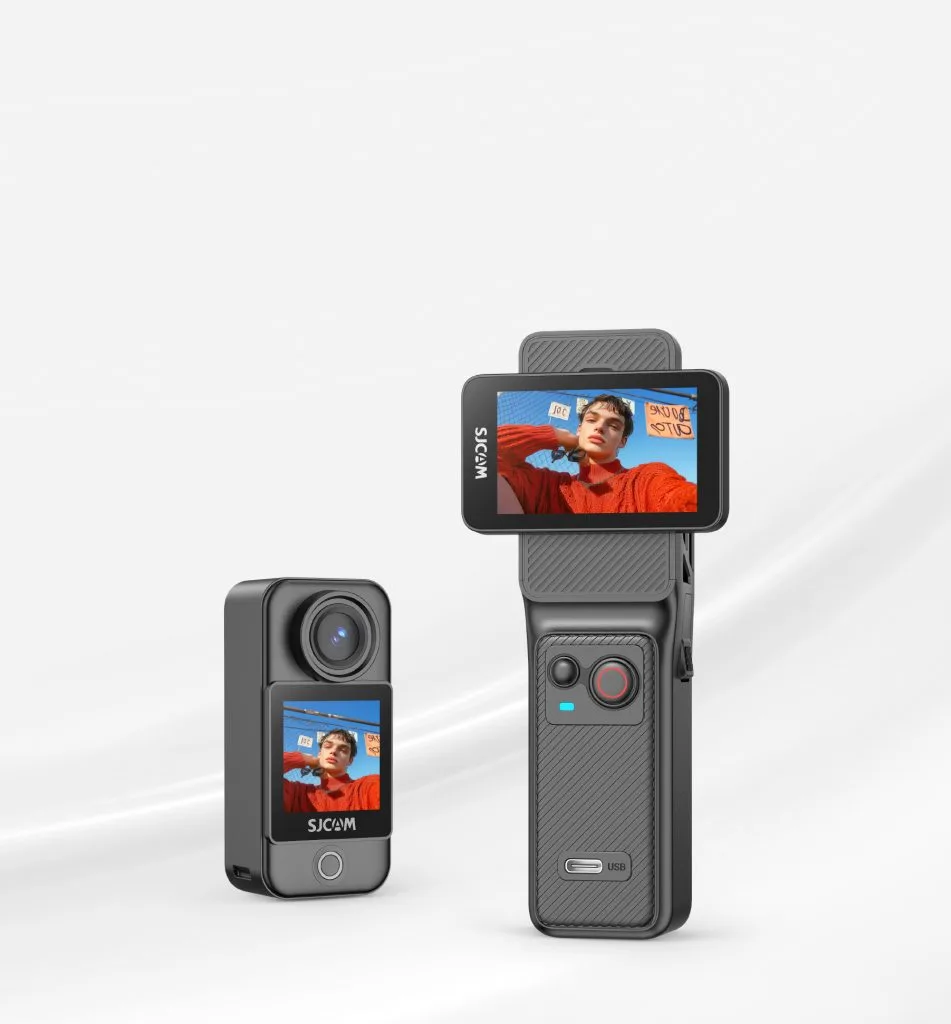
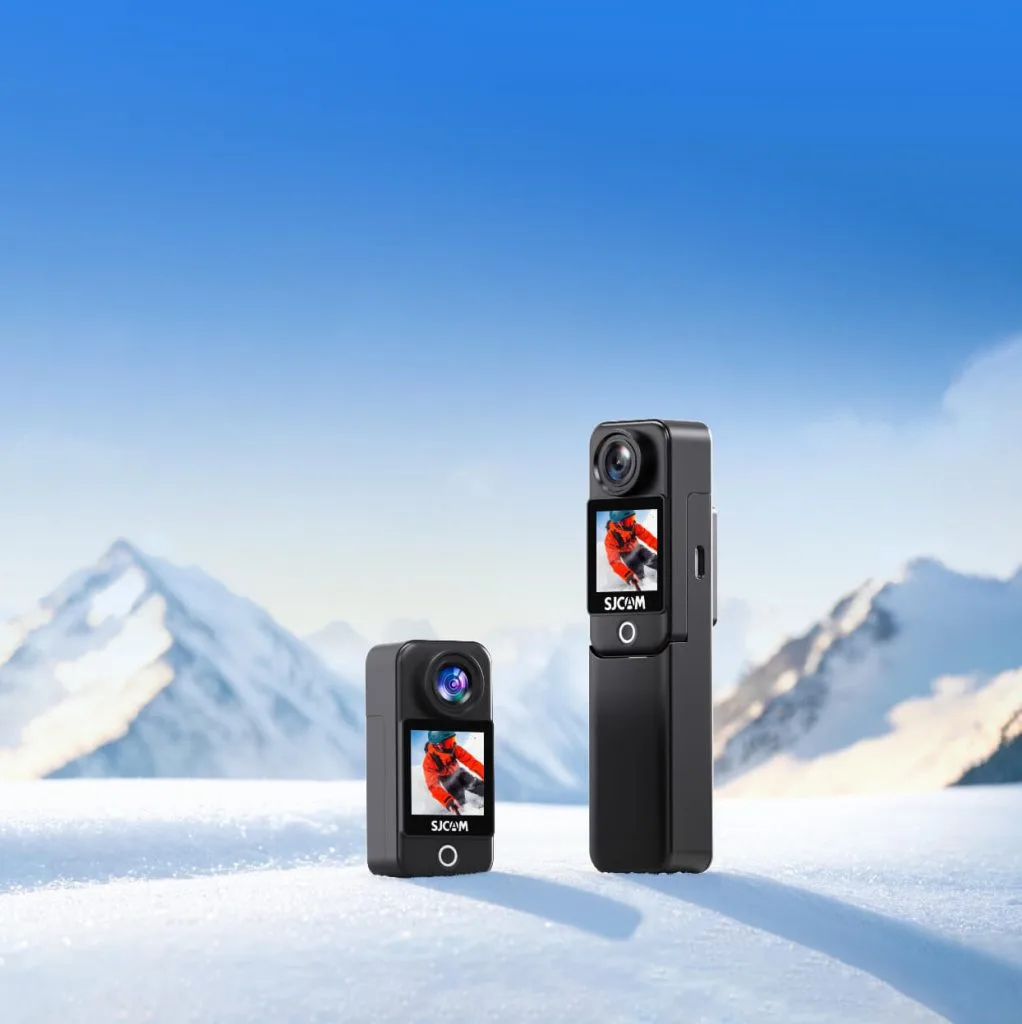
So, which one should you buy? If you vlog frequently or record yourself while traveling, the C400 is the more versatile choice. If you want a straightforward 4K action camera with dual-screen framing and long recording capability, the C300 remains a strong option.
SJCAM C400 vs C300: Quick Comparison
| Feature | SJCAM C400 | SJCAM C300 |
|---|---|---|
| Max Video Resolution | 4K/30 fps | 4K/30 fps |
| Main Display | 2.29″ rotatable touchscreen | 1.3″ dual touchscreens |
| Stabilization | SteadyMotion V1.0 | 6-axis gyroscopic stabilization + EIS |
| Horizon Stability | Yes | No |
| Wireless Handheld Control | Yes | No |
| Field of View | 154° | 154° |
| Battery | 1250 mAh + 3000 mAh handle | 2800 mAh battery |
| 4K/30 fps Runtime | Up to 172 min standalone / 437 min with handle | Up to 120 min standalone / 460 min with battery grip |
| Waterproofing | Up to 30 m with a waterproof case | Up to 30 m with a waterproof case |
| Best For | Vlogging, travel, solo creators, POV | Beginners, travel, everyday action |
The specifications above are based on SJCAM’s current official product information. Battery performance varies depending on configuration and shooting conditions.
SJCAM C400 vs C300: What Are the Main Differences?
Both cameras can shoot 4K/30fps, so resolution alone doesn’t tell the whole story. The biggest differences are the screen design, shooting workflow, stabilization features, and modularity.
Screen and Framing
The C400 has a 2.29-inch rotatable touchscreen alongside a 1.3-inch display. Its rotating screen is particularly useful when switching between horizontal and vertical compositions or when recording yourself.
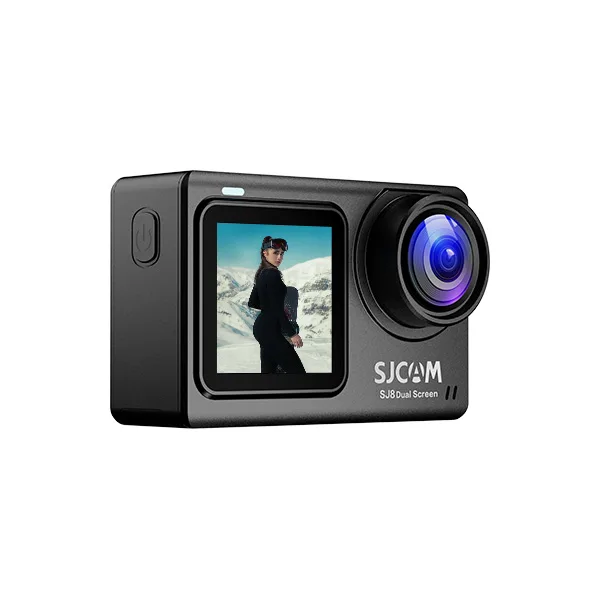
The C300 uses dual 1.3-inch touchscreens. Having a screen on both sides makes it easy to check framing when shooting selfies, vlogs, or action footage.
Winner for flexible framing: C400
Winner for simple dual-screen shooting: C300
Stabilization
The C400 uses SJCAM’s SteadyMotion V1.0 stabilization system and includes Horizon Stability Enhancement. These features are particularly useful for walking, cycling, handheld vlogging, and other situations where the camera is constantly moving.
The C300 uses six-axis gyroscopic stabilization with EIS, providing stabilization for moving footage such as hiking, cycling, and everyday action recording.
The important point is that stabilization performance depends on the shooting situation. Neither camera eliminates every type of camera movement, but both are designed to reduce shake without requiring a separate gimbal.
Winner for stabilization features: C400
Battery Life
Battery life is one area where the answer is less straightforward.
The C400 can record for up to 172 minutes at 4K/30fps without its battery handle and up to 437 minutes with the battery handle, according to SJCAM’s specifications.
The C300 is rated for up to 120 minutes without its battery grip and up to 460 minutes with its extended battery configuration.
That means you shouldn’t simply assume the newer C400 automatically has longer battery life.
Winner for maximum rated runtime: C300
Winner for a balance of compact size and runtime: C400
Actual runtime will depend on resolution, frame rate, screen brightness, Wi-Fi, stabilization, temperature, and other settings.
C400 vs. C300 for Vlogging
If your main reason for buying an action camera is vlogging, the C400 has a clear advantage in terms of shooting flexibility.
The larger rotatable display makes it easier to monitor your composition, while the wireless handheld controller allows you to monitor and control the camera remotely. This is particularly useful when you’re filming yourself without another person behind the camera.
The C300 is still capable of vlogging. Its dual screens make self-recording straightforward, and its compact design works well for casual travel and everyday videos.
Choose the C400 for:
- Solo travel vlogging
- Walking-and-talking videos
- Handheld content
- POV footage
- More flexible framing
- Creators who frequently switch shooting angles
Choose the C300 for:
- Casual vlogging
- Family travel videos
- Simple selfie videos
- First-time action camera users
- Users who prefer a straightforward dual-screen design
C400 vs. C300 for Travel
Both cameras are well suited to travel because they combine 4K recording with compact action-camera designs.
The difference comes down to how much control you want.
With the C400, you can use the camera as a handheld setup or remove the camera module for a more compact configuration. Its rotatable screen is also useful when shooting yourself against landscapes, architecture, or city scenes.
The C300 is a better fit for travelers who want a simpler camera that can handle a mixture of landscapes, selfies, action shots, and everyday memories. Its dual screens make it easy to check your composition from either side.
C400 vs C300: Which Is Better for Solo Creators?
This is one of the biggest reasons to consider the C400.
When you’re traveling alone, there is no one to stand behind the camera and check your composition. You need to be able to frame, record, and reposition the camera yourself.
The C400’s 2.29-inch rotatable display and wireless handheld controller make this workflow easier. You can monitor the camera remotely while positioning yourself in the scene.
The C300’s dual-screen setup also helps with self-recording, but its approach is simpler: position the camera, check the display, and start recording.
For solo creators who regularly appear in their own videos, the C400 is the stronger choice.
Should You Upgrade From the C300 to the C400?
If you already own a C300, upgrading is not automatically necessary.
The upgrade makes the most sense if you specifically want:
A larger rotatable screen, wireless handheld control, horizon stability, and a more flexible handheld/POV workflow.
If your C300 already provides everything you need for travel, action recording, and casual vlogging, there may be little reason to replace it simply for higher image resolution—the maximum video resolution of both cameras is 4K/30 fps.
This is an important distinction: the C400 is primarily an upgrade in shooting flexibility, not a simple jump from one video resolution to another.
SJCAM C400 vs C300: Final Verdict
There isn’t a single winner for every user.
The SJCAM C400 is the better choice for vloggers, solo travelers, and creators who want flexible framing, wireless control, and a more versatile handheld/POV workflow.
The SJCAM C300 is the better choice for beginners and everyday users who want 4K video, dual-screen framing, stabilization, and strong extended-battery capability in a simpler setup.
There is no universal winner. Start by asking how often you appear in your own videos—that single factor usually points to the better choice.
Frequently Asked Questions
For vlogging and solo content creation, the C400 has advantages, including its 2.29-inch rotatable touchscreen, wireless handheld control, and Horizon Stability Enhancement. The C300 can be the better choice for users who prefer a simpler dual-screen setup and extended battery capability.
The biggest differences are their screen designs, stabilization systems, control options, and shooting configurations. Both cameras record up to 4K/30fps, but the C400 is designed around a more flexible handheld and POV workflow.
Yes. Its rotatable 2.29-inch touchscreen and wireless handheld controller make it particularly useful for solo vloggers who need to monitor and control the camera while recording themselves.
Choose the C400 if you frequently vlog or record yourself while traveling. Choose the C300 if you want a simpler camera for recording travel memories, landscapes, family trips, and everyday activities.