





 Chinese (China)
  Spanish
  German
  French
  Italian
  Japanese
  Korean
  Bulgarian
  Greek
Greek  Indonesian
  Chinese (Hong Kong)
  Russian
  Danish
  Finnish
  Hungarian
  Turkish
  Dutch
Dutch  Portuguese
  Swedish
  Romanian
  Slovak
  Serbian
  Norwegian
  Croatian
  Albanian
  Catalan
  Czech
Czech  Estonian
  Armenian
  Bengali
  Amharic
  Polish
  Thai
Thai  Ukrainian
  Vietnamese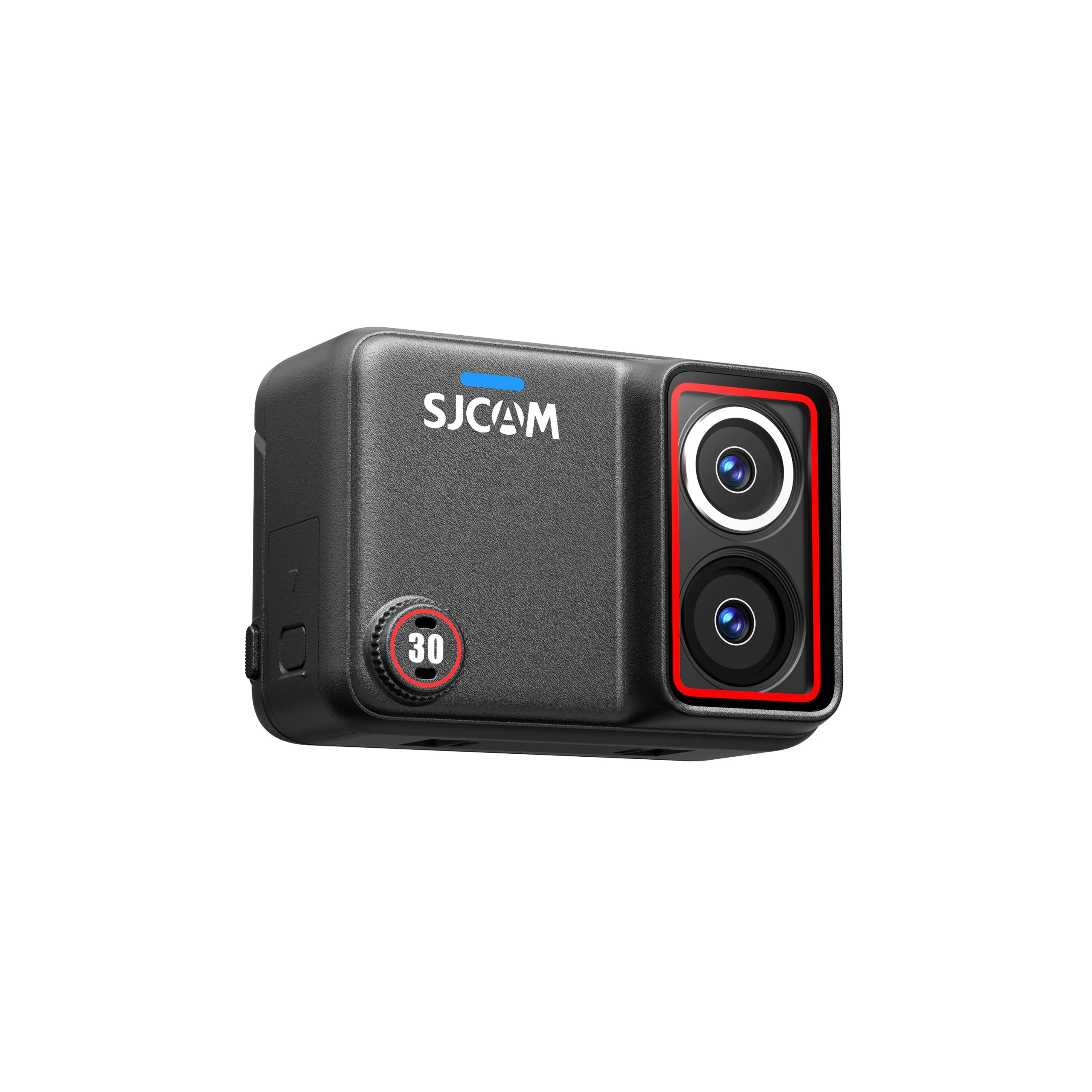
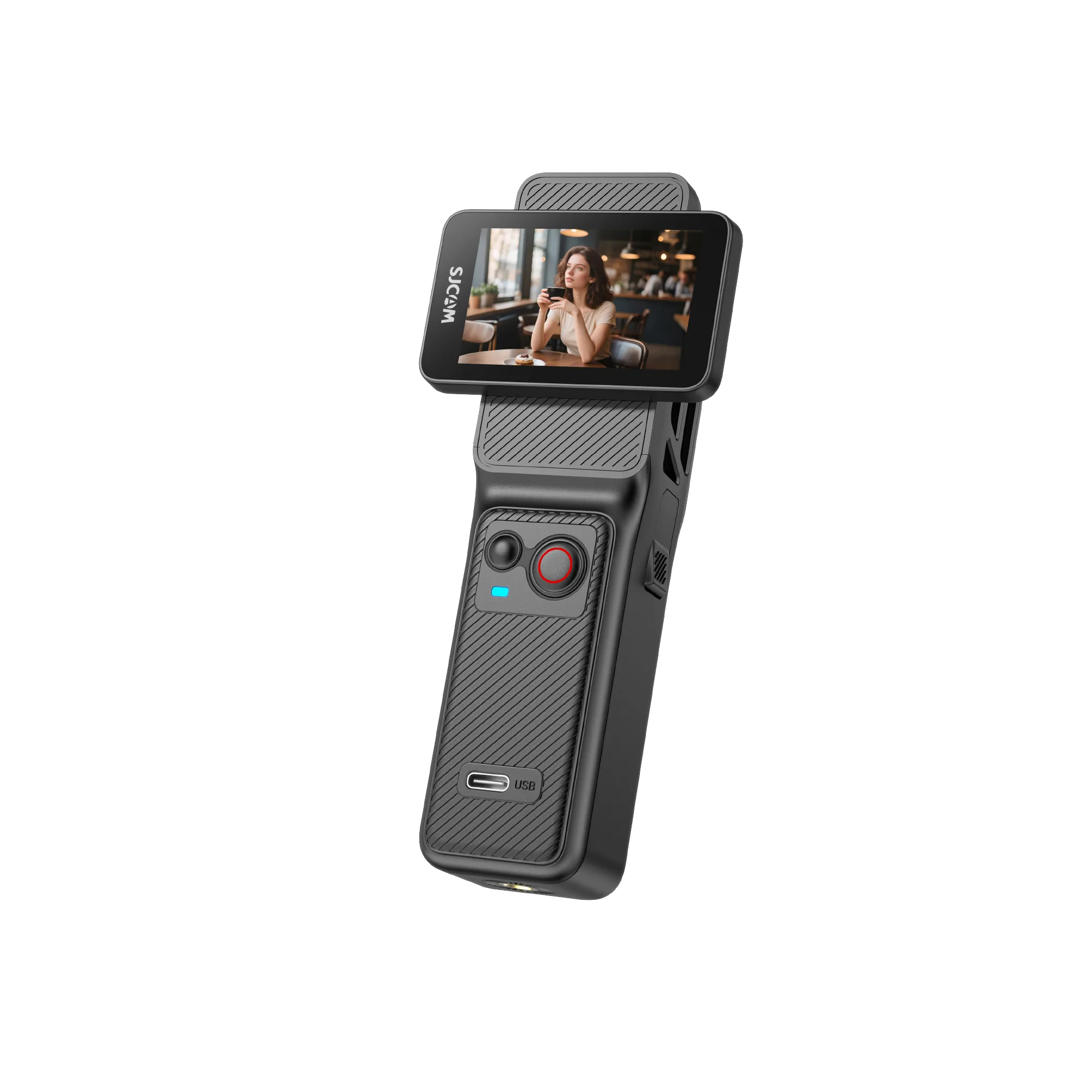
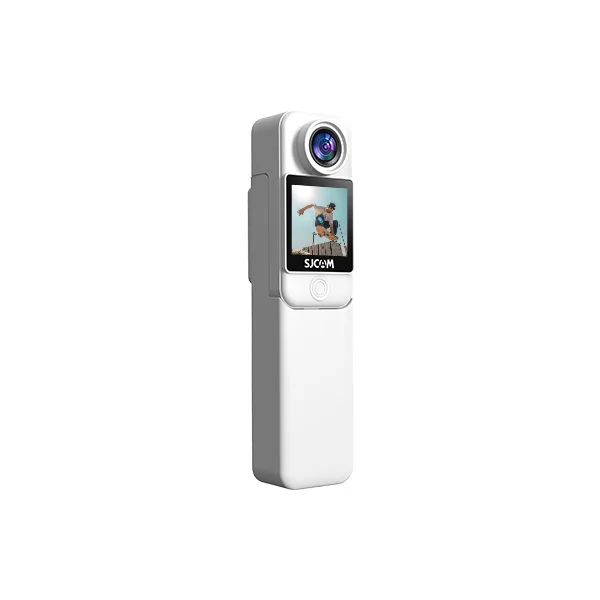
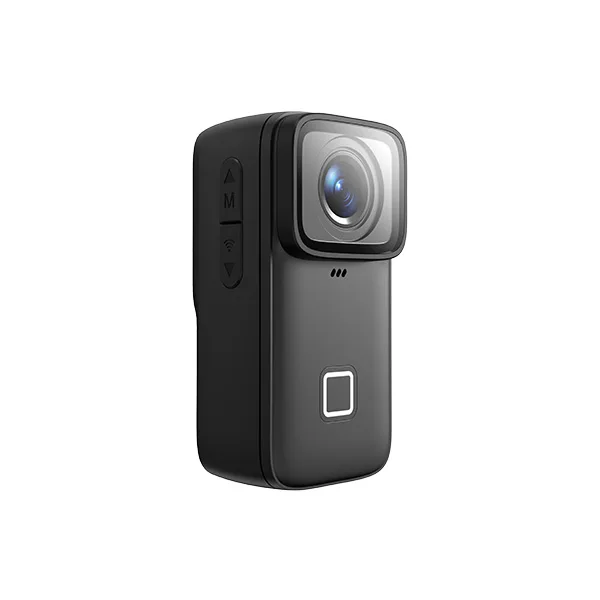
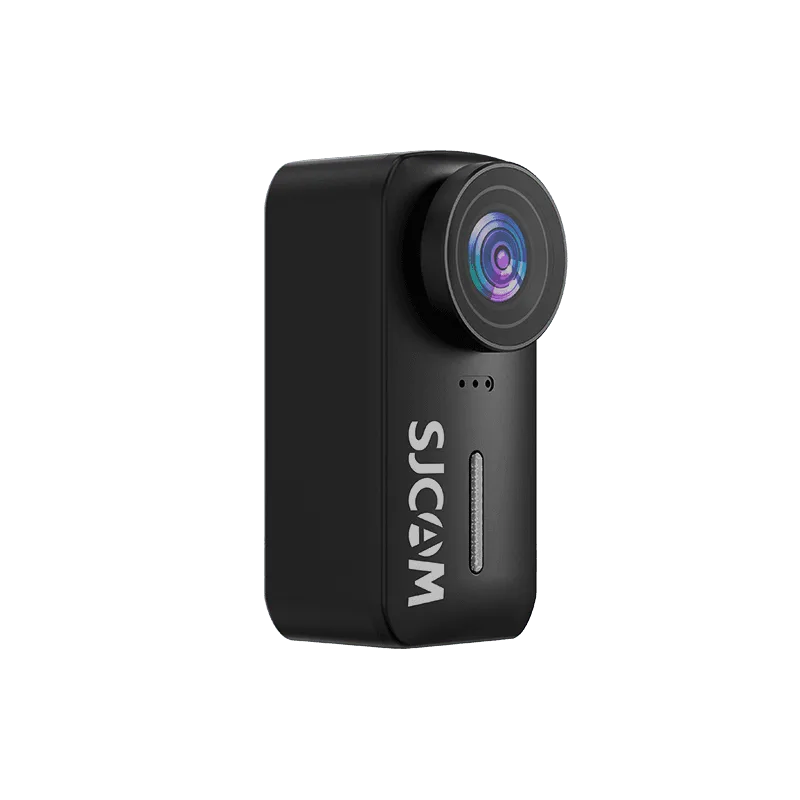
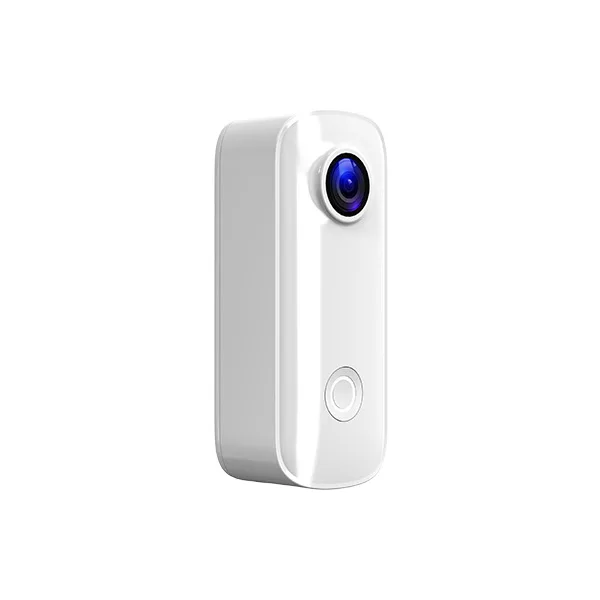
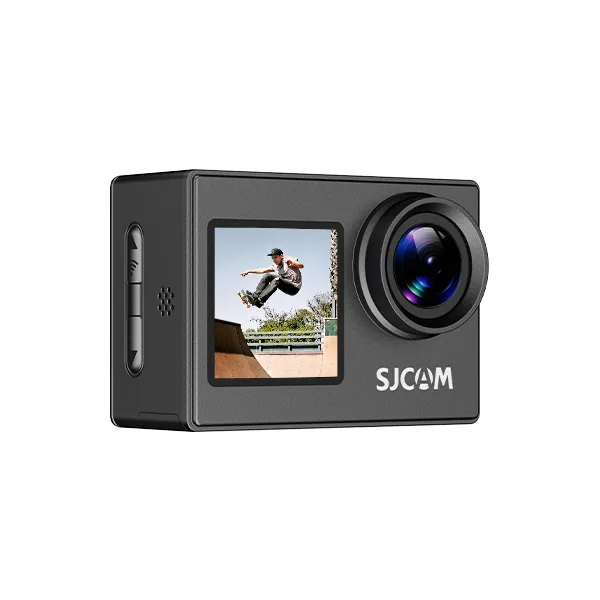
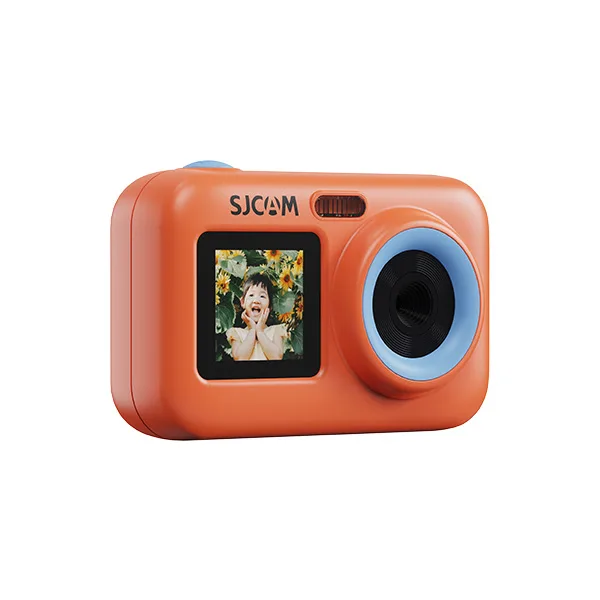
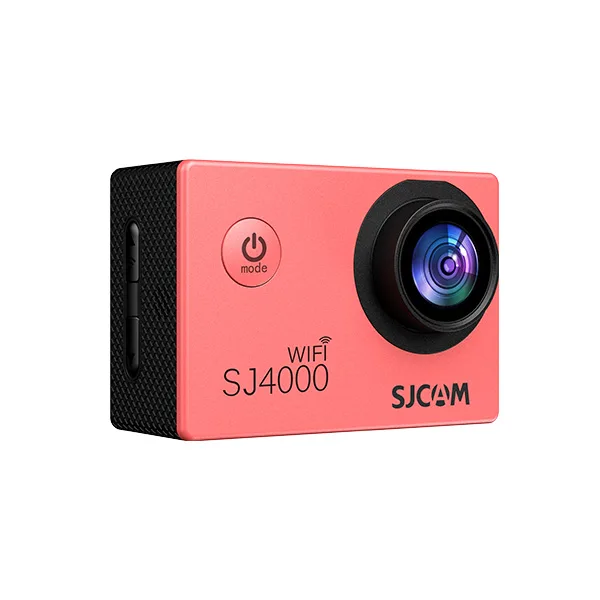


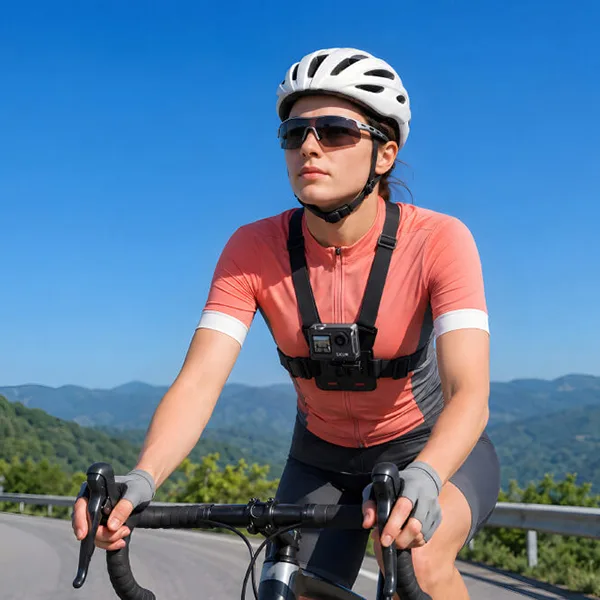
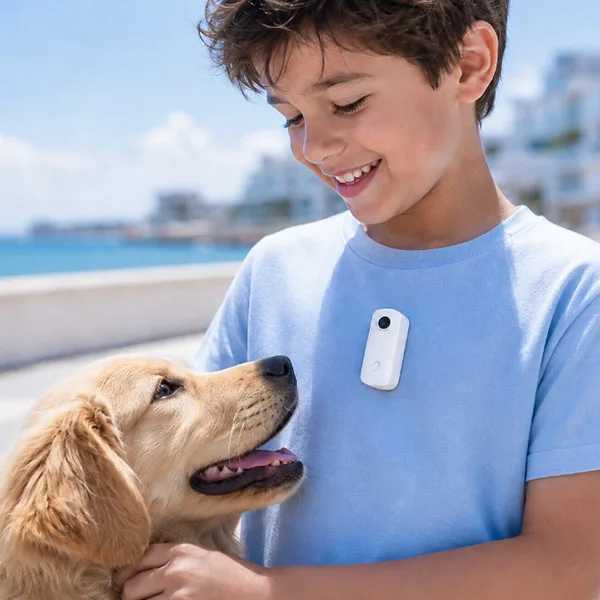
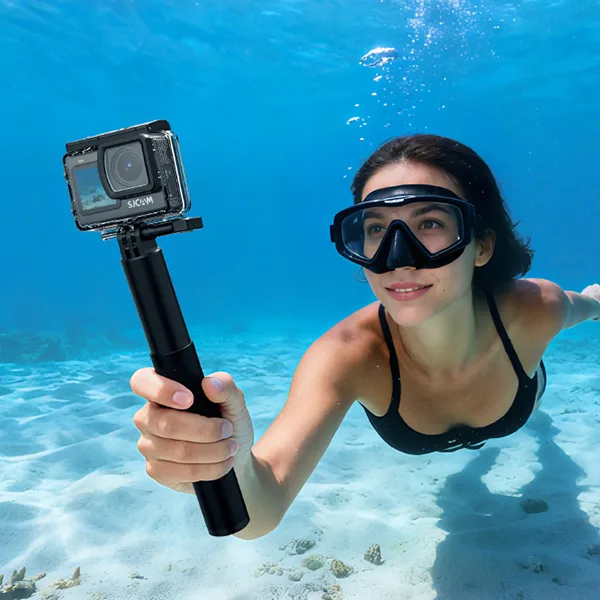
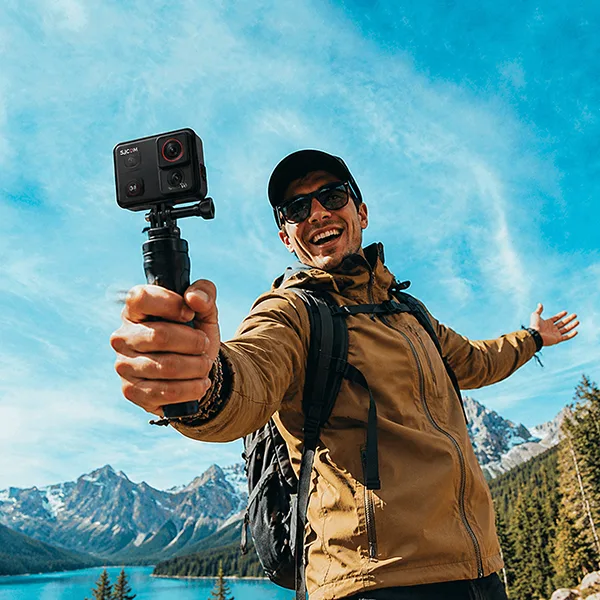
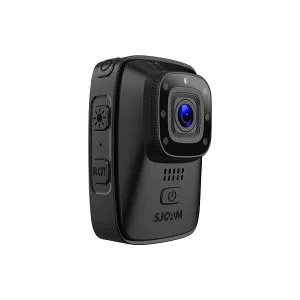


Thirty meters down, there are no second takes. The manta glides past once, and your camera either catches it or misses it—there is no middle ground.
The real test of the best diving camera in 2026 is whether it works down there or not. In dim light and with gloves on?
For most divers, the answer is a compact action camera with a 30-meter housing, 4k video, solid stabilization, and a light sensor for dark environments.
This guide covers the features that actually matter in underwater photography. In this blog, we are also going to take a deep dive into all the necessary aspects that’ll make your decision to buy the best diving camera much easier!
What Makes the Best Diving Camera?
A good underwater diving camera requires four things:
- A depth rating that covers your dives
- Sharp 4K video with accurate color
- Stabilization that smooths out surge and current
- A bright lens (as sunlight fades quickly when you’re underwater)
- A good-enough battery life for long diving sessions.
Let’s find out why these 4 things matter the most in an ideal underwater camera.
Waterproof Depth and Protection
When going for an underwater camera, you must look out for its water protection rating that’s usually printed on the box.
A camera rated to 5 meters is absolutely fine for snorkeling, but not at a reef wall 25 meters down. If you are a recreational diver, the limit set by every major training agency is around 30 meters. So, a 30-meter housing will be more than sufficient for your underwater videography.
| Rating | Safe for |
| 5 m | Snorkeling, swimming, rain |
| 10 m | Shallow dives, freediving practice |
| 30 m | Most recreational scuba dives |
| 40 m+ | Deep specialty dives |
Note: You must check the housing’s button seals before every trip. A minute grain of sand in an O-ring has flooded more cameras than any manufacturing defect ever will.
Video Quality and Resolution
A sensible baseline in 2026 is 4K at 30fps. This configuration gives you room to stabilize, crop, and still export sharp 1080p for your social media posts.
If you’re considering a higher-resolution underwater camera, some models offer up to 8K resolution. Don’t forget to check out the frame rate, as it matters just as much as the resolution. 60 fps footage lets you slow down a turtle glide or a fish strike without stutter.
Image Stabilization for Diving
It’s impossible to be still underwater. Surge keeps pushing you in either direction. The fins that you wear kick, and your body rocks with every breath you take through that mask. Electronic stabilization, like SJCAM’s SteadyMotion system with its 6-axis gyroscope, irons most of this out. Horizon lock is a plus as well. It keeps the seafloor level even when your body is not.
Low-Light Performance Underwater
Every diver faces this physics problem: water eats light, and it eats red first. According to NOAA Ocean Exploration, red wavelengths are filtered out quickly as depth increases. This is why footage from 20 meters deep looks blue-greenish without color correction.
According to a study, roughly half of all visible light is gone within the first 10 meters. A larger sensor and a bright aperture (f/1.8 or f/1.9) recover detail that smaller lenses simply lose.
This is one of the most important specs separating cameras that work at a depth from cameras that only operate in the pool.
Battery Life for Long Diving Sessions
A typical diving session lasts 40 to 60 minutes. A two-tank morning means two hours underwater with surface intervals. Also, you cannot open a sealed housing on a boat with wet hands. To account for these variables, look for a battery life of at least 90 minutes of continuous 4K recording.
Don’t beat yourself up for buying extended battery handles or pods—as they are money well spent.
Action Camera vs. Dedicated Underwater Camera: Which One Should You Choose?
For most divers, an action camera is the smarter buy. An action camera wins on cost, size, and versatility. With a 30-meter housing, it can handle nearly all of your recreational diving sessions.
A dedicated underwater camera still has an advantage over an action camera in terms of sensor size and manual control. However, it costs 3 to 10 times more than an action camera, depending on the config.
For divers who also travel, vlog, or take hiking routes, an action camera is the practical choice.
| Action Camera | Dedicated Underwater Camera | |
| Typical price range | $150 – $400 | $1,200 – $4,000+ |
| Weight | 45 – 200 gm | 700 gm – 2 kg with housing |
| Depth (with housing) | 30 – 40 m | 40 – 60 m |
| Doubles as a travel camera | Yes | Rarely |
| Learning curve | Minutes | Weeks |
Note: If underwater photography is the entire point of your diving, a dedicated underwater camera earns its price. For everyone else, the gap between action cameras and dedicated underwater cameras has narrowed every year. A 2026 action camera model can shoot footage that would have needed professional gear a decade ago.
Best Diving Camera for Different Users
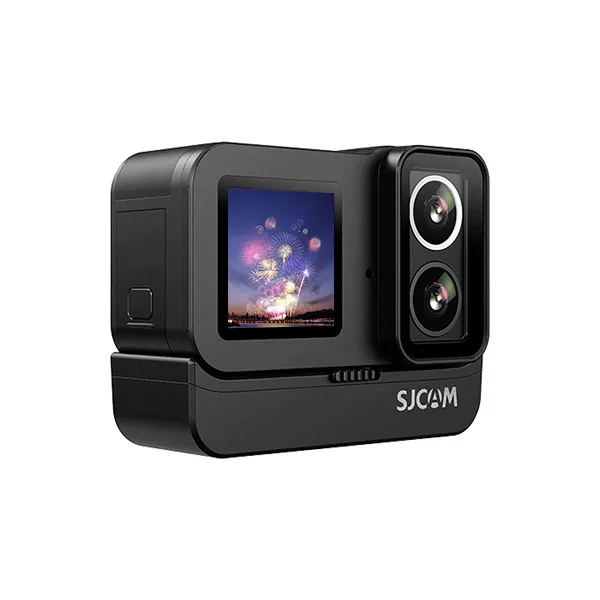
Best Diving Camera for Beginners: SJCAM SJ30
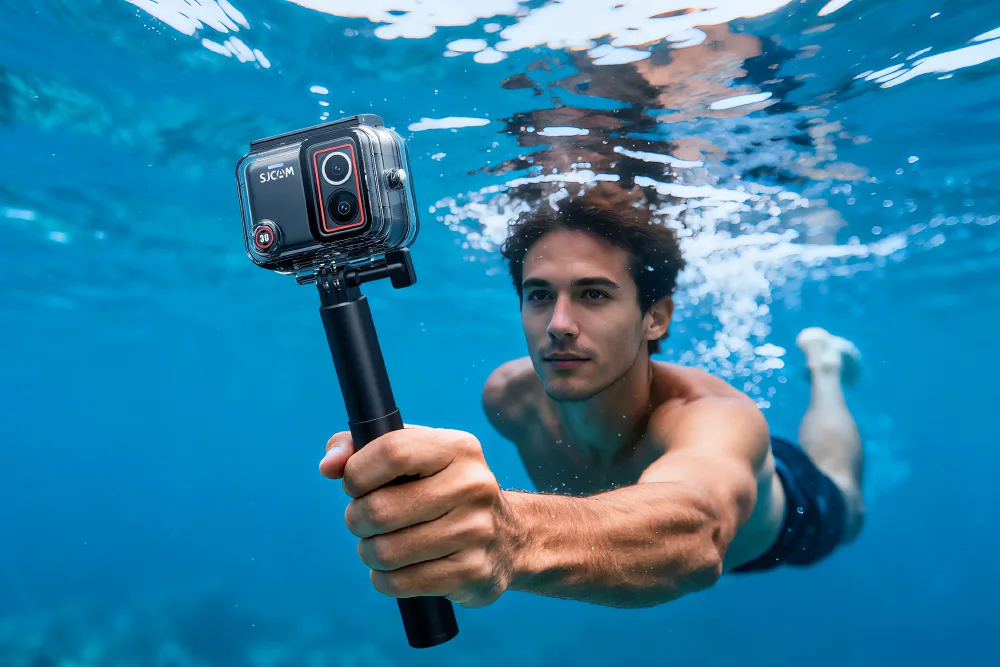
As a new diver, you have enough to think about. Buoyancy, air, navigation, and other important aspects of diving. The SJCAM SJ30 is the best diving camera for a beginner, as it fixes two problems you’ll face the most: dark footage and dead batteries.
This camera is a dual-lens system. A daylight lens handles the bright shallow water, while a dedicated starlight lens takes over when the light gets dim. The starlight lens has a 1/1.8-inch sensor and an f/1.8 aperture that does the magic.
This camera can shoot up to 8K resolution at 20 fps and also offers practical videography with 4K resolution at 60 fps. For stabilization, it comes with SteadyMotion 2.0 technology, which significantly reduces shake and vibration.
The camera’s body alone is waterproof up to 5 meters, and the dive housing extends that waterproofing to 30 meters. It comes with a 2000mAh battery, which, when paired with a 4200mAh power handle, can get up to 7 hours of 4K high-res footage.
Best for: first-time divers, snorkelers, and travelers who dive.
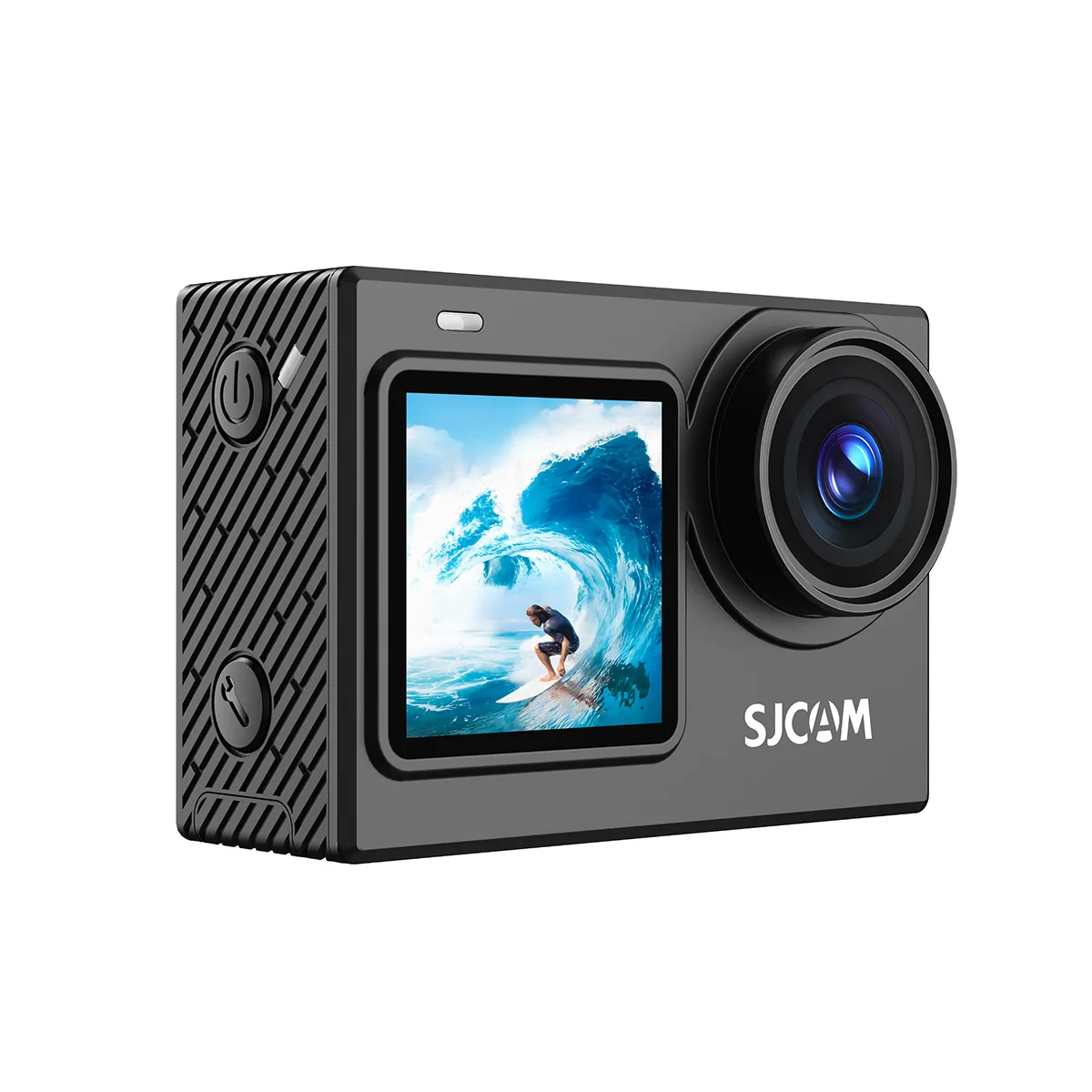
Best Camera for Diving Vlogs: SJCAM SJ6 Ultra
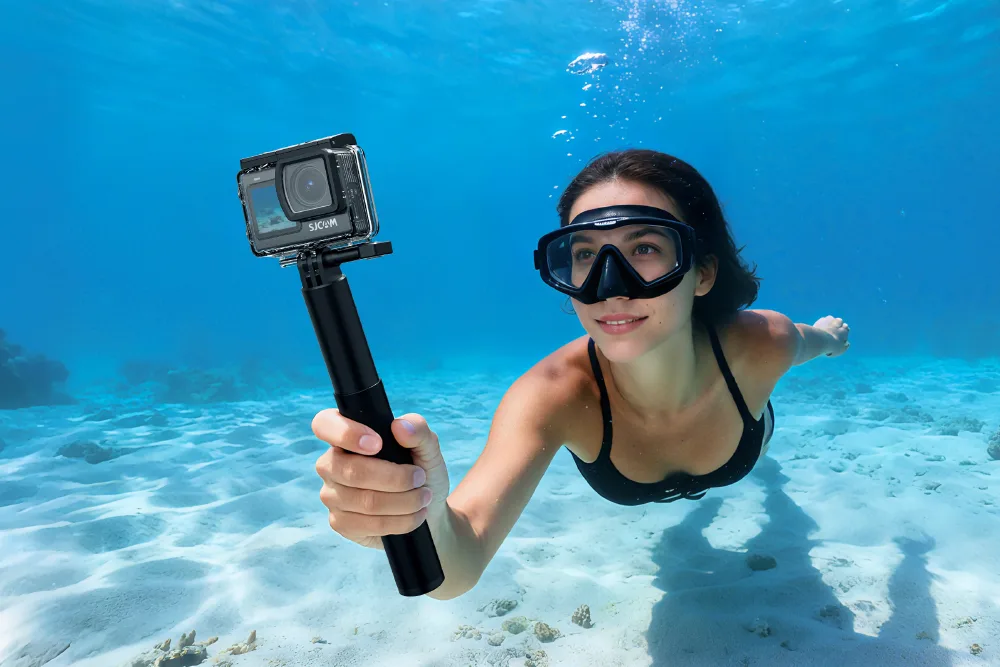
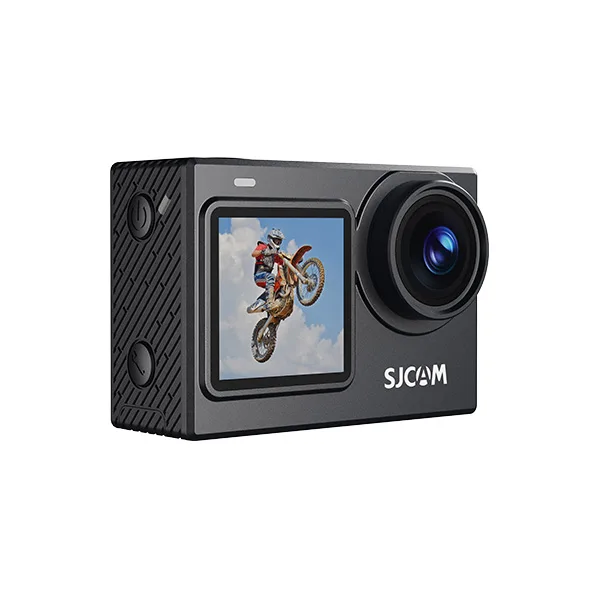
Diving content creators need a compact camera that can keep up with underwater adventures. The SJ6 Ultra from SJCAM is built for action with a lightweight design, dual screens, and advanced stabilization. The front 1.3-inch screen makes framing yourself easier, while the 2.0-inch touchscreen provides quick control when recording your dives and travel vlogs.
The 166-degree wide-angle lens captures more of the underwater world in every shot, making it ideal for reef scenes, marine life, and wide diving landscapes. Its six-axis gyro stabilization helps keep footage smooth and steady, even when swimming through currents or moving quickly underwater.
This camera records 4K videos at 30fps and captures 20MP photos, while the included waterproof case allows diving up to 30 meters deep. With support for wireless microphones, remote control, and Wi-Fi connectivity, the SJ6 Ultra is a versatile choice for underwater creators who want high-quality footage without carrying bulky gear.
Best for: diving creators, travel vloggers, and action camera users.
Underwater Camera Features Comparison
| Feature | SJ30 | SJ20 | SJ6 Ultra |
|---|---|---|---|
| 4K Video | ✓ | ✓ | ✓ |
| 6-Axis Stabilization | ✓ | ✓ | ✓ |
| Low-Light Performance | ✓✓ | ✓ | — |
| Dual Lens | ✓ | ✓ | — |
| Waterproof Housing | ✓ | ✓ | ✓ |
| Best For | Diving | Diving/Exploration | Beginners |
Essential Diving Camera Accessories
Below are the four items that belong in every dive bag:
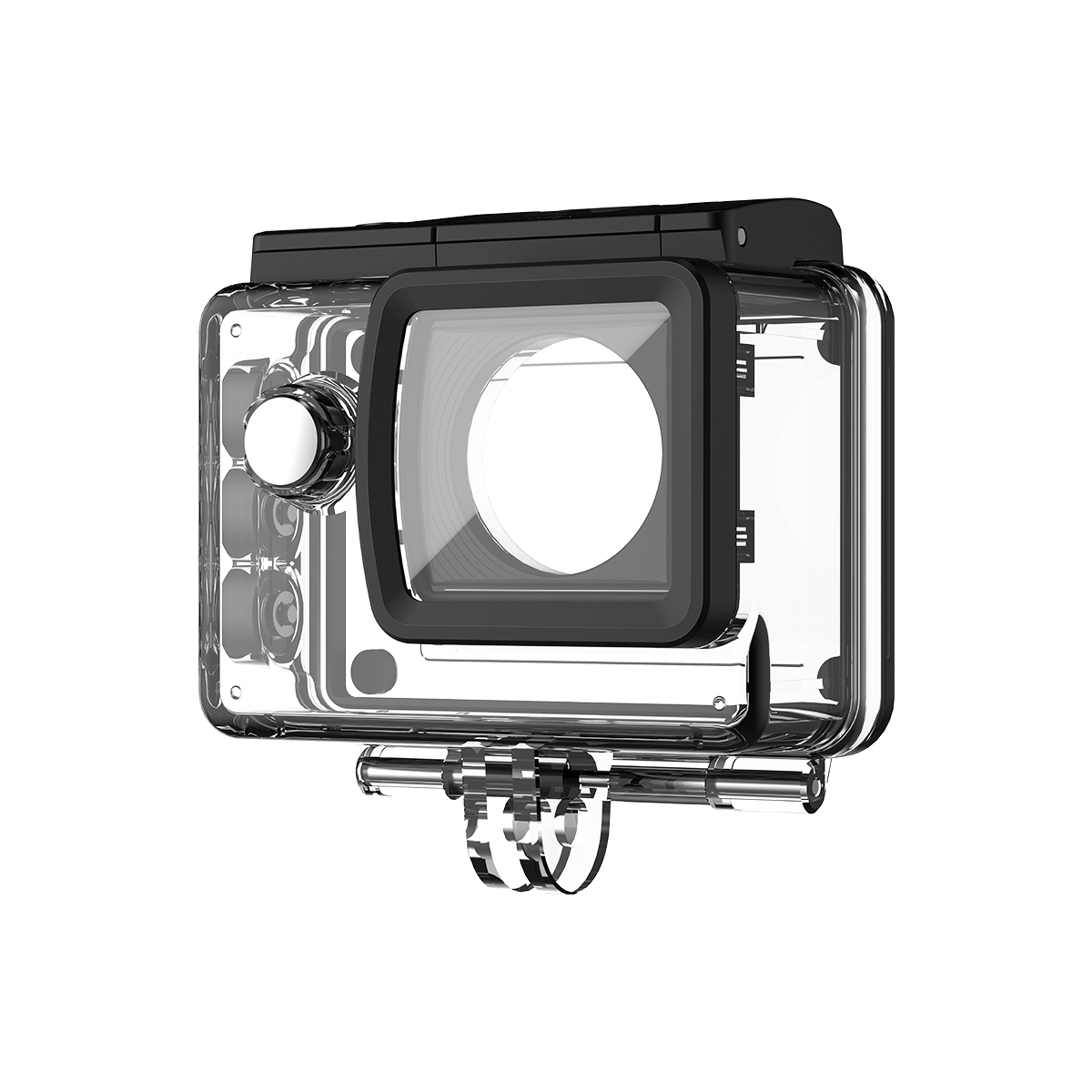
- Waterproof case—It should be rated for deeper than your deepest planned dive and tested in a sink before travel.
- Floaty bobber—If you drop your camera without it, your camera will sink at roughly a meter per second and won’t come back.
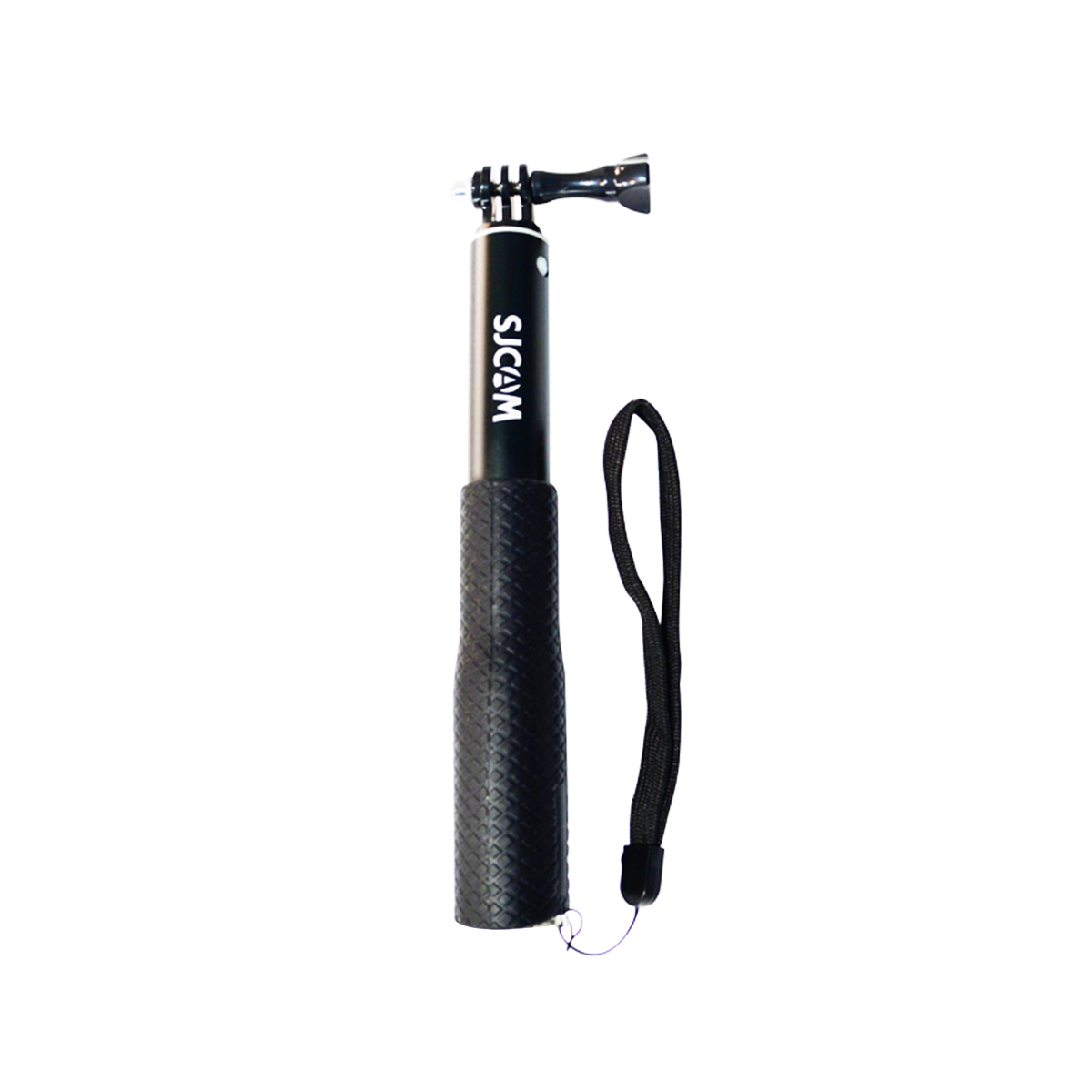
- Selfie stick/tray—It provides steadier framing and comes in handy for maintaining a safe distance from the marine life.
- SD card—A fast SD card (V30 or better) with 256GB storage gives you roughly 8 hours of 4K footage.
How to Take Better Underwater Videos
Keep the Camera Close to Your Subject
Color and sharpness get lost if there’s more water between your lens and the subject. Your goal should be to get within 1 to 2 meters whenever you can do so, without touching anything. Closer is almost always better.
Use Wide-Angle Shooting
A wide lens (140 to 160 degrees) allows you to stay close and still fit the entire scene. It also reduces the amount of water you shoot through, keeping the colors true and videos sharp.
Move Slowly and Smoothly
Even though the stabilization fixes shake, it cannot fix jerky panning. The thumb rule is to move at half the speed that feels natural to you underwater.
Adjust Settings Before Diving
You should set your underwater camera’s resolution, frame rate, and white balance while you’re still on the boat. Even the best divers with their best underwater cameras struggle to operate through the menu when they’re underwater with gloves and housings.
Diving Camera Buying Checklist
- 30-meter minimum waterproof rating with housing.
- 4K at 30fps or higher video quality and frame rate.
- f/2.0 or brighter aperture.
- 6-axis electronic stabilization.
- 90+ minutes of continuous 4K recording battery life.
- Weighs less, is compact, and is travel-friendly.
- Extras: color modes, Wi-Fi transfer
Frequently Asked Questions
Below 5 meters, either a red filter or a good underwater color mode helps restore the lost red color.
You can use a phone housing, but most of them are rated for 15 meters or less. Also, the touchscreens behave weirdly underwater and under pressure.
Yes. Electronic stabilization is designed to work on any motion, underwater or not.
4K is not strictly necessary, but it is recommended for most diving and underwater videos. 4K captures more detail than 1080p and gives you more flexibility to crop, stabilize, and edit footage while maintaining good image quality. For most recreational diving, 4K at 30fps is a good balance between image quality, file size, battery life, and storage. If you want smoother motion or slow-motion footage of marine life, 4K at 60fps can be a better choice.
For most recreational divers, an action camera is the more practical choice. Action cameras are compact, lightweight, easier to use, and versatile enough for diving, snorkeling, travel, and other outdoor activities. With a compatible waterproof housing, many models can also support underwater shooting up to around 30 meters.
A dedicated underwater camera can be a better option for professional underwater photography because it typically offers a larger sensor, more manual controls, and greater flexibility for advanced shooting. However, it is usually more expensive and less portable. If you mainly want to record diving adventures, travel videos, or underwater POV footage, an action camera generally offers the better balance of image quality, portability, and cost.
Final Recommendation
Choose the best diving camera for your next underwater adventure by matching the camera to the diver, not the spec sheet.