






 Chinese (China)
  Spanish
  German
  French
  Italian
  Japanese
  Korean
  Bulgarian
  Greek
Greek  Indonesian
  Chinese (Hong Kong)
  Russian
  Danish
  Finnish
  Hungarian
  Turkish
  Dutch
Dutch  Portuguese
  Swedish
  Romanian
  Slovak
  Serbian
  Norwegian
  Croatian
  Albanian
  Catalan
  Czech
Czech  Estonian
  Armenian
  Bengali
  Amharic
  Polish
  Thai
Thai  Ukrainian
  Vietnamese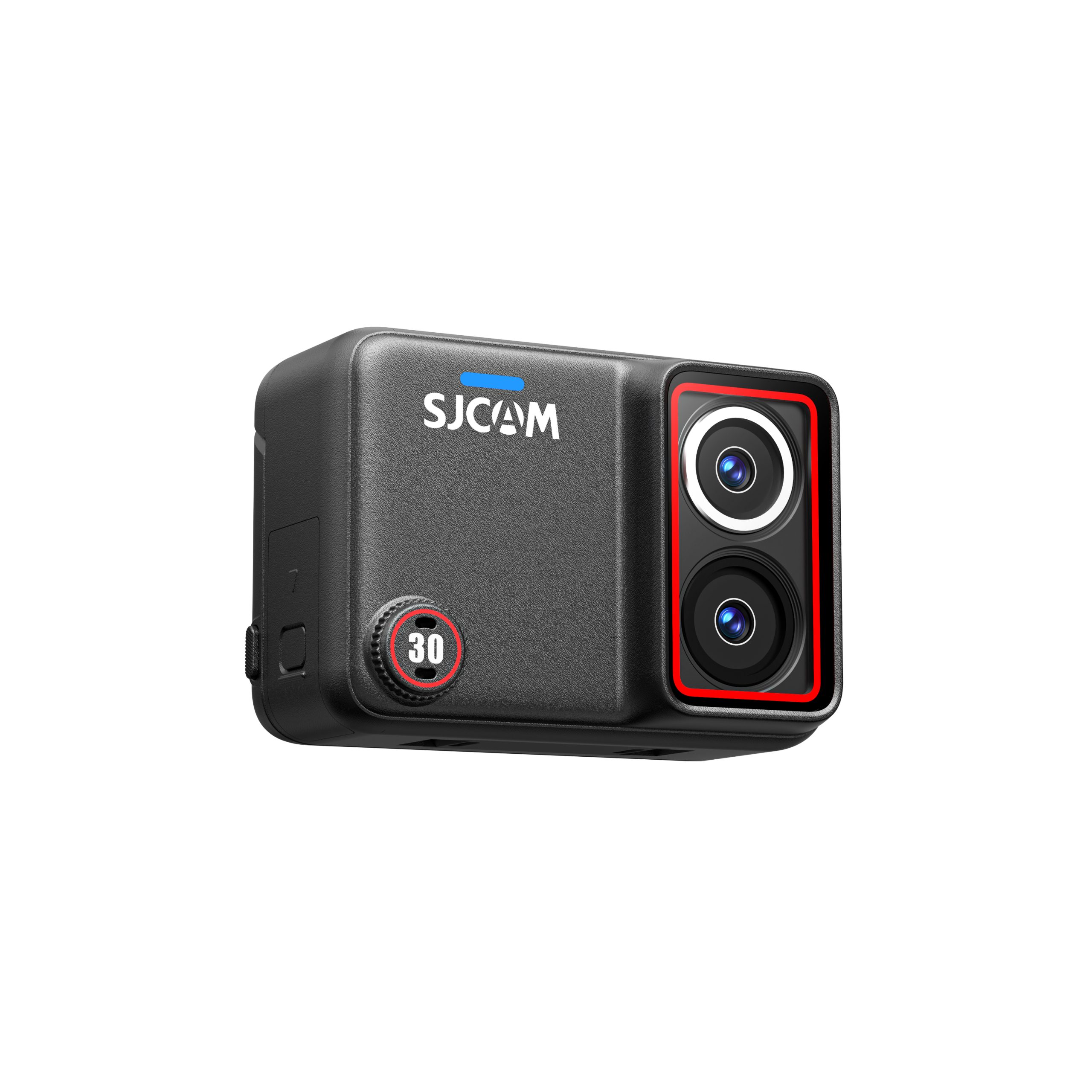






SJCAM SJ30 Review: Real Night Wildlife Test Without Artificial Light
As a wildlife observer, I spend a fair bit of my time filming in those dense forested areas, near babbling streams, and in some pretty remote nature reserves. I’d say daytime filming is a doddle, but night filming has always been a right old challenge.
To be honest, most cameras just aren’t up to scratch in low light. Smartphones churn out pretty rubbish footage with heavy noise, and even some of the newer “night vision” action cameras rely too heavily on software, & they end up putting out footage that looks unnatural and grainy. DSLRs, on the other hand, do a lot better, but they are a real handful—big & bulky, and usually you end up needing artificial lighting to get the job done—but let’s face it, that can scare the wildlife off.
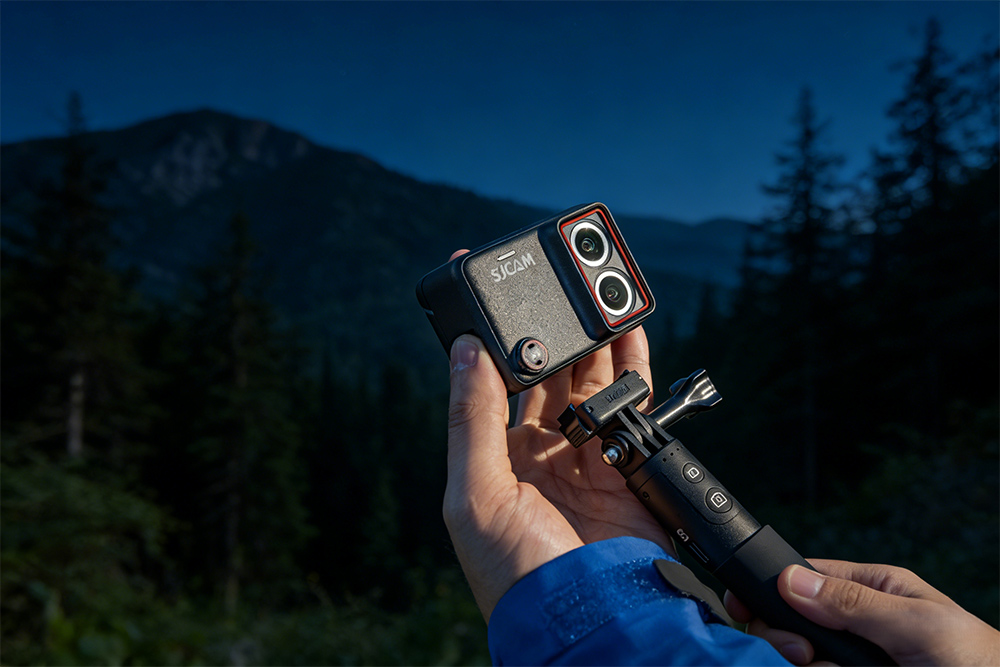
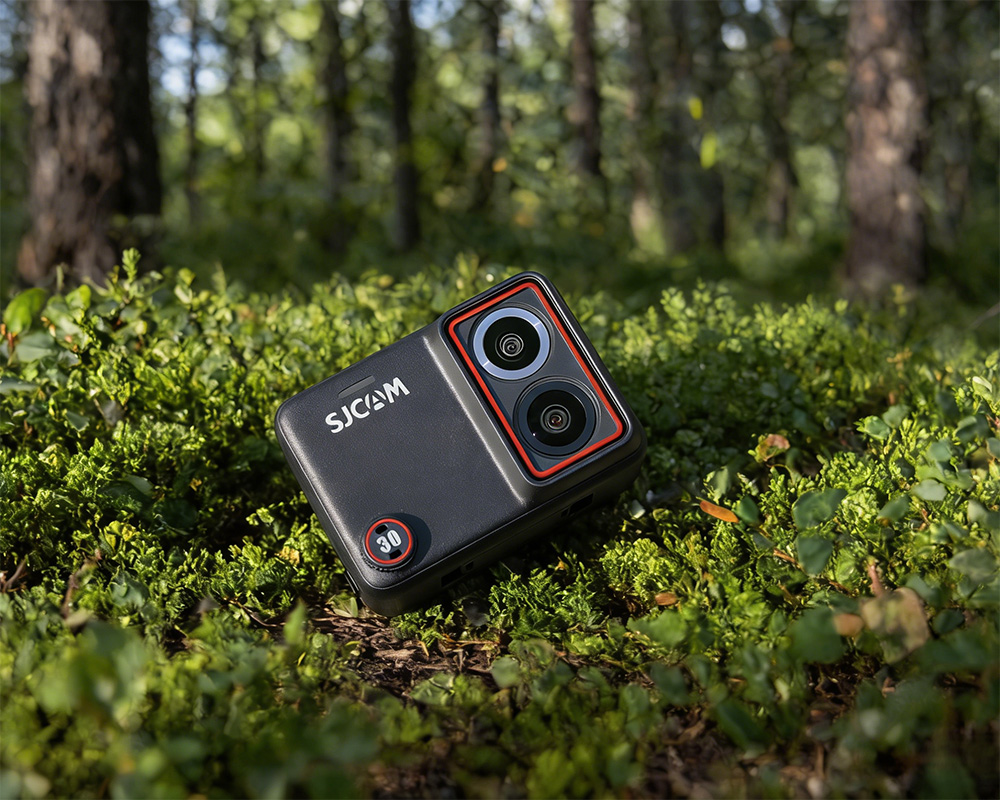
After trying loads of different options, I ended up taking the SJCAM SJ30 8K Dual-Lens camera out for a spin in the real world—in low light conditions, I mean, the sort of environment you’d actually encounter in forests, streams, and even subzero temperatures. This review is based on actual day-to-day use out there in the field.
Quick Verdict: SJCAM SJ30 8K – Worth the Hype?
The SJCAM SJ30 8K is a serious contender for low-light wildlife filming—the kind of thing that’ll let you creep on your wildlife without spooking the whole forest because it’s so quiet and lightweight.
Pros
The low-light performance on this thing is really quite good—better than you’d expect from an action camera.
You can often get away without bothering with artificial lighting.
It’s tiny and completely silent, which makes it perfect for sneaking up on wildlife.
Battery life is pretty respectable when you’re using the power handle.
It’s waterproof, so you don’t need to faff around with a separate case.
Cons
It’s not going to match a DSLR in terms of sharpness when things get really dark.
It struggles to keep up with fast-moving subjects at night.
Its manual controls aren’t quite at the level you’d expect from a pro cam.
Best for: people who are just starting, wildlife nuts, and anyone who wants a compact, portable solution for filming at night
Field Test 1: A Nighttime Deep Dive with the SJ30 – No Artificial Light Needed
Testing this little beast of a camera in the dark of night was a no-brainer—I headed out to a mountain creek at night when visibility was all but zero. In the past I’ve had to resort to using a flashlight, which more often than not sent the wildlife scurrying for cover.
This time around, I stuck the camera on a wee tripod and set it to record in the complete absence of any external lighting.
I have to say, the results were way better than I was expecting. I was actually able to make out the texture of a frog’s skin and the movement of the water—things that, with a budget action camera, usually remain out of sight.
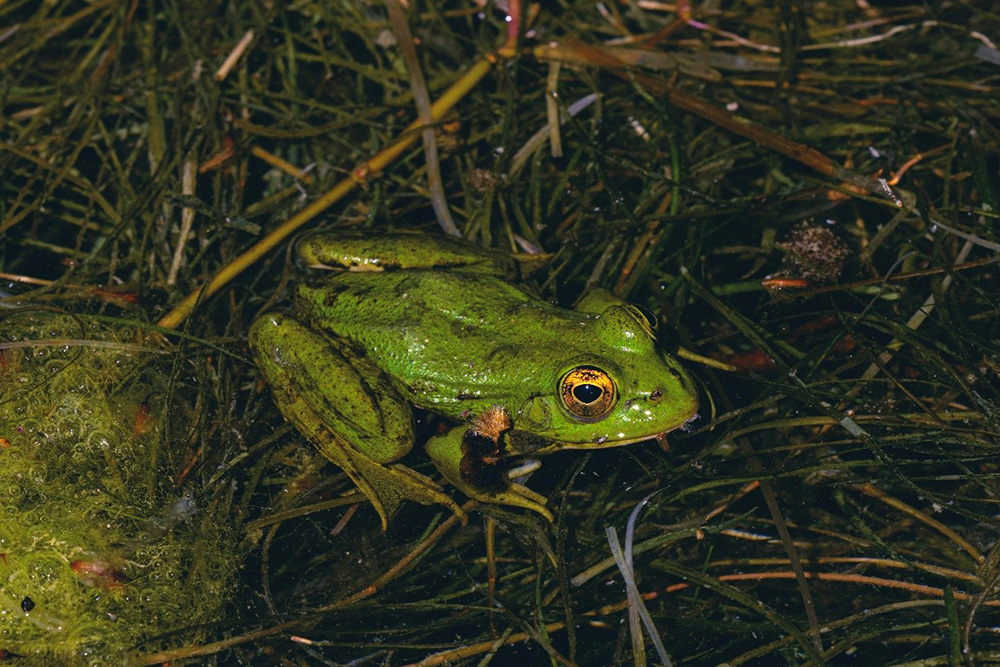
The secret to this success, it seems, is the 1/1.8″ Starlight sensor—this thing is able to soak up more light at the hardware level, rather than relying on the software to brighten things up.
That said, let’s not get too carried away here—the SJ30 still has its limits. Fast-moving subjects tended to leave me with some pretty obvious motion blur, and on the really dark stuff, the image quality just can’t hold a candle to a DSLR. But for an action camera in this bracket, this is a pretty damn impressive showing.
Field Test 2: Owl Recording – Testing Focus & Stability in Low Light Conditions
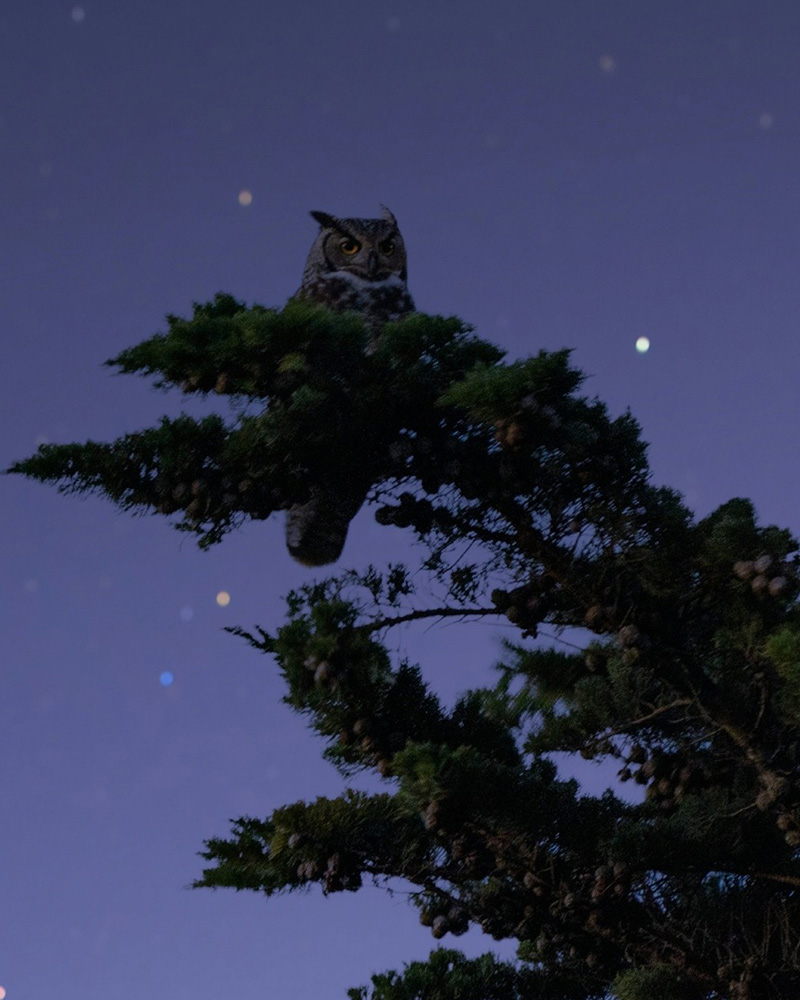
Trying to film owls is a nightmare—they are ridiculously sensitive to noise, and you can barely even flinch, or they will fly the coop.
Compared to my trusty DSLR rig, the SJ30s is a minnow—it’s tiny and almost whisper-quiet, so I could get it in position without scaring the daylights out of the owls or messing with the local ecosystem.
To be honest, the autofocus really exceeded my expectations. Even in ridiculously dim light, it was quick to lock onto its subject, and that’s a major plus in an action camera that’s often happy to drown in a sea of darkness.
The SteadyMotion 2.0 image stabilization does a great job of ironing out the tiny shakes that creep in from a bit of wind. Not as silky-smooth as a good gimbal, obviously, but it’s more than up to the task when you’re shooting static or very slowly moving shots.
And let’s be honest, in one session, I managed to get several minutes of decent owl footage without so much as a single extra light source. That was a first—my old rig just couldn’t hack it in those conditions.
Battery Life & Durability (Real-World Use)
For wildlife filming, battery life is critical.
In my tests, the SJ30 lasted around 5–6 hours when using the power handle, recording continuously from evening to early morning.
In cold conditions (around -20°C), the camera still worked reliably, although battery performance dropped slightly faster than in normal temperatures.
The waterproof body (up to 5 meters without a case) is also useful when filming near water or in light rain. However, for deeper underwater use or harsh conditions, additional protection is still recommended.
Why It Works for Wildlife Filming
What makes the SJ30 useful is not just the specs but how it fits real-world use:
- No need for artificial light → less disturbance to animals
- Small and quiet → better for stealth recording
- Long battery life → suitable for long observation sessions
This combination makes it more practical than many traditional setups for certain situations.
Conclusion:
- Use a DSLR for professional-grade footage
- Use SJ30 for mobility, stealth, and convenience
Who Should Buy the SJCAM SJ30?
This camera is a good choice if:
- You film wildlife at night
- You need a lightweight and portable setup
- You want to avoid using artificial lighting
- You are a beginner or enthusiast
It may not be ideal if:
- You require cinematic-quality footage
- You need advanced manual control
- You frequently shoot fast-moving subjects in very dark conditions
Final Verdict: A Practical Tool for Night Observation
The SJCAM SJ30 8K is not a replacement for professional cameras, but it fills an important gap.
It provides a balance between portability, low-light performance, and ease of use. For wildlife enthusiasts who want to film at night without disturbing animals, it’s a practical and effective option.
If your goal is convenience and real-world usability rather than maximum image quality, the SJ30 is definitely worth considering.