






 Chinese (China)
  Spanish
  German
  French
  Italian
  Japanese
  Korean
  Bulgarian
  Greek
Greek  Indonesian
  Chinese (Hong Kong)
  Russian
  Danish
  Finnish
  Hungarian
  Turkish
  Dutch
Dutch  Portuguese
  Swedish
  Romanian
  Slovak
  Serbian
  Norwegian
  Croatian
  Albanian
  Catalan
  Czech
Czech  Estonian
  Armenian
  Bengali
  Amharic
  Polish
  Thai
Thai  Ukrainian
  Vietnamese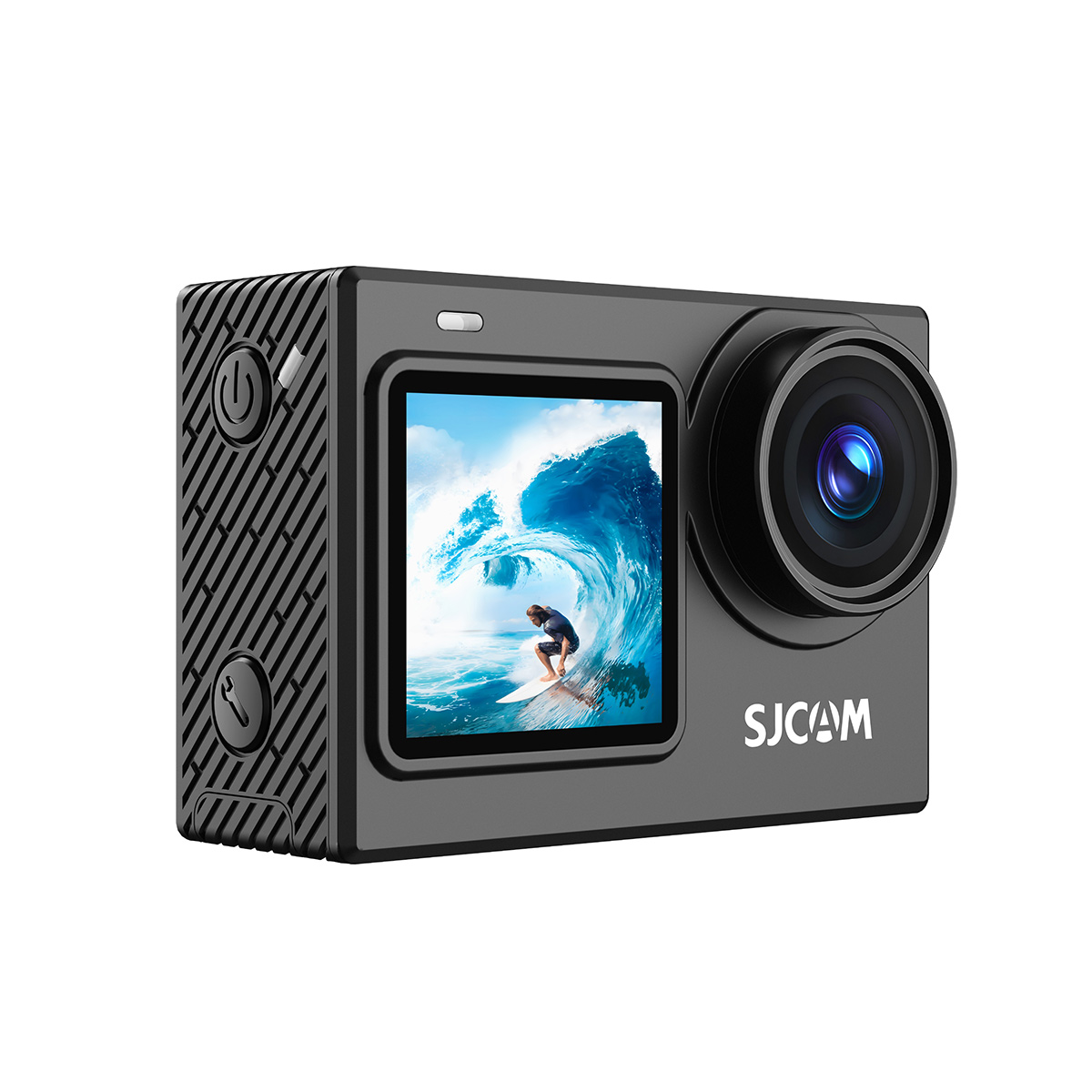




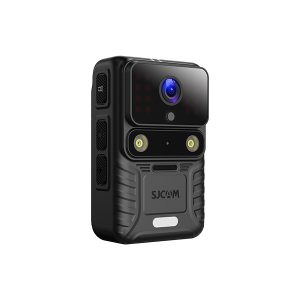
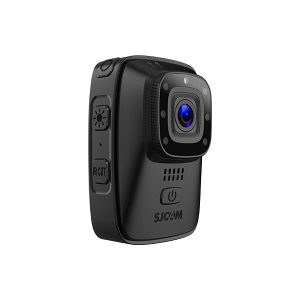


SJCAM SJ30 vs SJ20: Which Action Camera Suits Your Needs?
It’s not an easy choice to pick the right action camera for your use. You want clear recordings. You want steady footage when running, riding, or cycling. At night, you want clean, low-light photos. For extended sessions, you require excellent battery life. Above all, you seek value for your money.
However, many consumers end up with cameras that have shaky video, noisy night recordings, short recording times, and features inappropriate for the cost. That is why it matters to examine models before buying.
To make this choice easier, this guide directly contrasts the latest SJCAM SJ30 flagship with the formerly popular SJCAM SJ20 version. The SJ30 offers improved performance and increased resolution, while the SJ20 made a name for itself as a cheap and dependable option.
This raises the main question: What upgrades does SJ30 bring? Is the price difference worth it?
Quick Specs & Positioning Comparison
There are quite a few differences between the two cameras.
The SJ20 serves as a mainstream and low-cost action camera. It offers good performance for everyday use at a reasonable price. The SJ30, on the other hand, advertises itself as a premium upgrade with increased resolution and greater specs.
Given below is a quick comparison between the two camera models:
| Models | SJCAM SJ20 | SJCAM SJ30 |
| Resolution | 3840×2160 (4K), 2560×1440 (2K), 1920×1080 (1080p), 1280×720 (720p) | 8K, 6K, 5K, 4K, 2K, 1080p, 720p |
| Frame Rate | 30 fps, 60 fps, 120fps | 20fps, 30fps, 45fps, 60fps, 120fps, 240fps |
| Lenses | Dual‑lens system, each with FOV around 135 degrees | Dual‑lens system with a day sensor (1/2.0″) and a starlight night sensor (1/1.8″). Field of view 140 degrees. Aperture f/2.8 (day) and f/1.8 (night) |
| Stabilization | 6‑axis gyro stabilization | SteadyMotion 2.0 electronic image stabilization with 6‑axis gyroscope and 45° horizon correction |
| Battery | Built‑in 800 mAh Li‑ion and external 1050 mAh Li‑ion battery | Built‑in 2000 mAh battery + 4200 mAh power handle |
| Size | 70.5 × 55 × 30 mm | 74 × 52 × 38 mm |
Video & Image Quality
Buyers mostly care about how footage appears in real use. Whether your videos look professional or simply average depends on their visual and audio quality. Factors like resolution, frame rate, lenses, and real-world shooting conditions determine this, and this section examines how the SJCAM SJ20 and SJ30 compare in these areas.
Resolution & Frame Rate
Resolution and frame rate define the base quality of your footage.
SJ20
The SJ20 handles up to 4K at 30 frames per second. It also records in 2K at 60/30 frames per second, 1080p at 120/60/30 frames per second for slow motion, and reduced resolution settings for longer recording periods. From family films to outdoor excursions, these features fit most daily demands.
SJ30
The SJ30 jumps to 8K at 20 frames per second, a rise in pixel count that enables cropping without sacrificing clarity and provides more detail. The SJ30 also offers high frame rates at lower resolutions, such as 4K at 60/30 frames per second and 1080p at 240/120/60/30 frames per second, which improves the fluidity of movement.

Lens and FOV differences
Lens design and field of view determine how much of the scene the camera captures and how natural the edges appear.
SJ20
The SJ20 has a wide-angle lens that lets you see a lot. Its dual-lens edition offers you two views without hardware changes.
SJ30
Refined optics and sensor alignment are used in the SJ30 to increase clarity throughout the frame. For most action pictures, its field of vision remains broad enough yet less stretched.
Daytime Performance
Daytime performance highlights the actual distance between these cameras. Sensitivity, noise, and frame rate interact in low light. High frame rates need greater light. In order to acquire exposure that may be used in dark scenes, both cameras use lower frame rates.
SJ20
Daytime performance illustrates the actual difference between these cameras.
- Under strong lighting, the SJ20 delivers clear, colorful video with rich contrast. Its 4K capture shows excellent detail and vibrant tones across action scenes.
- In night settings, the camera still picks up usable footage with recognizable subjects, and colors remain present even in low ambient light.
- Sensitivity supports a range of lighting conditions for everyday shooting.
SJ30
- SJ30’s 8K sensor captures detailed images in textured scenes, maintains shadow information, prevents highlight loss, and offers balanced color rendering.
- With its greater pixel count, the SJ30 exposes finer textures and lines. In low-light and night photography, the SJ30 maintains better noise suppression and overall clarity.

Night Video Quality
The two cameras approach night recording in different ways. The difference shows in sensor size and light capture.
SJ20
- The SJ20 features a dual-lens design with a day lens and a night lens. The night lens has a wider aperture around f/1.3, which helps brighten dark scenes. Street lights, road markings, and nearby objects stay visible. Night footage works for casual recording, such as rides or simple night walks.
SJ30
- The SJ30 uses a newer dual-lens imaging system with a 1/2.0-inch daylight sensor and a larger 1/1.8-inch starlight sensor. Its f/1.8 aperture gathers more light during night recording. This setup captures stronger detail, clearer colors, and better contrast in dim scenes such as city streets or evening environments.
In short, the SJ20 offers reliable 4K video quality with good color and motion handling for everyday use. The SJ30 provides high-end 8K detail, improved optics, and better low-light performance. Choose based on your need for detail versus budget.
Stabilization & Action Performance
Electronic Image Stabilization (EIS) is crucial for action cameras to keep videos smooth during quick movements. The SJ20 and SJ30 both use EIS but differ in algorithm complexity and processing power.
Stabilization Tech Comparison
SJ20
The SJ20 has a six-axis gyro stabilization system to reduce shakes and vibrations. It combines a gyro sensor and electronic image stabilization for clearer footage during activities like walking or cycling. With stabilization activated, your videos appear more fluid and well-managed.
SJ30
The SJ30 features an improved electronic image stabilization system with a powerful processor that reduces wobble in fast-moving scenes. It ensures smoother video and includes horizon correction to keep the frame level during sudden movements. The stabilization effectively reduces shaking on rough terrain and works well at high resolutions like 8K and 4K at 60 frames per second, preserving natural motion.
Real-World Test
- Both cameras manage small bumps in skiing conditions. The SJ30 gives better results going downhill. It prevents background objects and trees from shaking.
- Driving tests reveal comparable results. The SJ30 clips remain steady on rough roads and have fewer small jitters.
Both models offer EIS benefits. The SJ30 has a better algorithm and reduced crop ratio for quick movement, while the SJ20 is suitable for casual use.
Battery, Heat, and Regular Usability
Your shooting sessions are impacted by heat and battery life. They influence how long you can record in actual settings.
Battery
SJ20
The SJ20 uses two batteries: “800mAh (built-in battery) & 1050mAh (external battery).” At 4K 30fps with stabilization on, it records for about 60~180 mins. At 1080p with lower frame rates, the runtime can reach around three hours. Carry spare batteries for long sessions.
SJ30
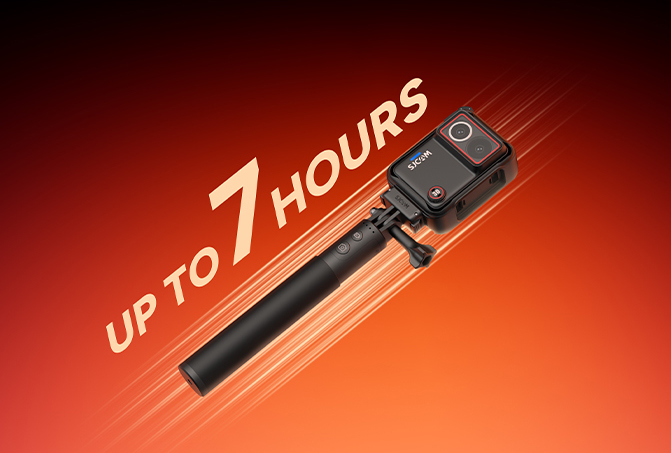
The SJ30 has a built-in 2000 mAh battery. It supports an external 4200 mAh power handle for extended use. Standalone, the SJ30 runs for around 2 hours at high resolutions. Using a power handle significantly increases battery life, up to 7 hours.
Heat
Both cameras support long recording sessions without performance drops or heat issues, letting you capture extended action without interruption.
Regular Usability
Daily use of the cameras depends on their waterproof rating and controls. Both have waterproof casings for immersion, and operations are straightforward with buttons and a touchscreen. Voice control allows for hands-free recording. The SJ20 app helps with previewing and changing settings, while the SJ30 app offers quicker file transfers and better responsiveness for live view and video downloads.
Conclusion & Buying Guide
If your objectives are straightforward, everyday recording without great expense, select the SJ20. It has a good battery life, decent stabilization, and can handle 4K at 30 frames per second. You get straightforward controls and good daytime footage. The SJ20 offers value without pointless extras, whether for family travels, informal vlogs, or outdoor rides on a tight budget. It simplifies settings and maintains file control. Long sessions are possible without overheating; spare batteries are also reasonably priced.
If you seek better resolution, improved low-light performance, and increased stability, then select the SJ30. It captures up to 8K, offering finer detail and more editing possibilities. The improved stabilization method maintains film smoother during dynamic activity like running, riding, or skiing. Pictures taken at night have less noise and more usable detail. The improved optics and app experience of the SJ30 make it more suitable for dedicated content creators or those who intend to edit and publish on a regular basis.
Is the Improvement Worth the Additional Expense?
How you utilize your camera will determine the response. The SJ20 is ideal if you’re shooting simple videos for personal use, social media sharing, or informal projects. It is less expensive and fulfills daily needs without any compromise.
The SJ30 is worth the extra money if you want quality that will last, professional-level output, and better performance in tough situations. It provides an obvious increase in video stability and quality.
Your budget, content objectives, and shooting approach all influence your decision. The SJ20 meets typical criteria. The SJ30 satisfies higher demands and provides film that stands up for tighter projects or displays on larger displays.
Go over your spending plan. Think about how frequently you record and where you distribute your work. Select the model that best suits your needs, then start recording your next trip with certainty.

SJCAM SJ20
The SJCAM SJ20 Dual Lens packs 4K video, dual screens, and long battery life into one rugged action cam built for adventurous creators who want flexible shooting and vivid footage.
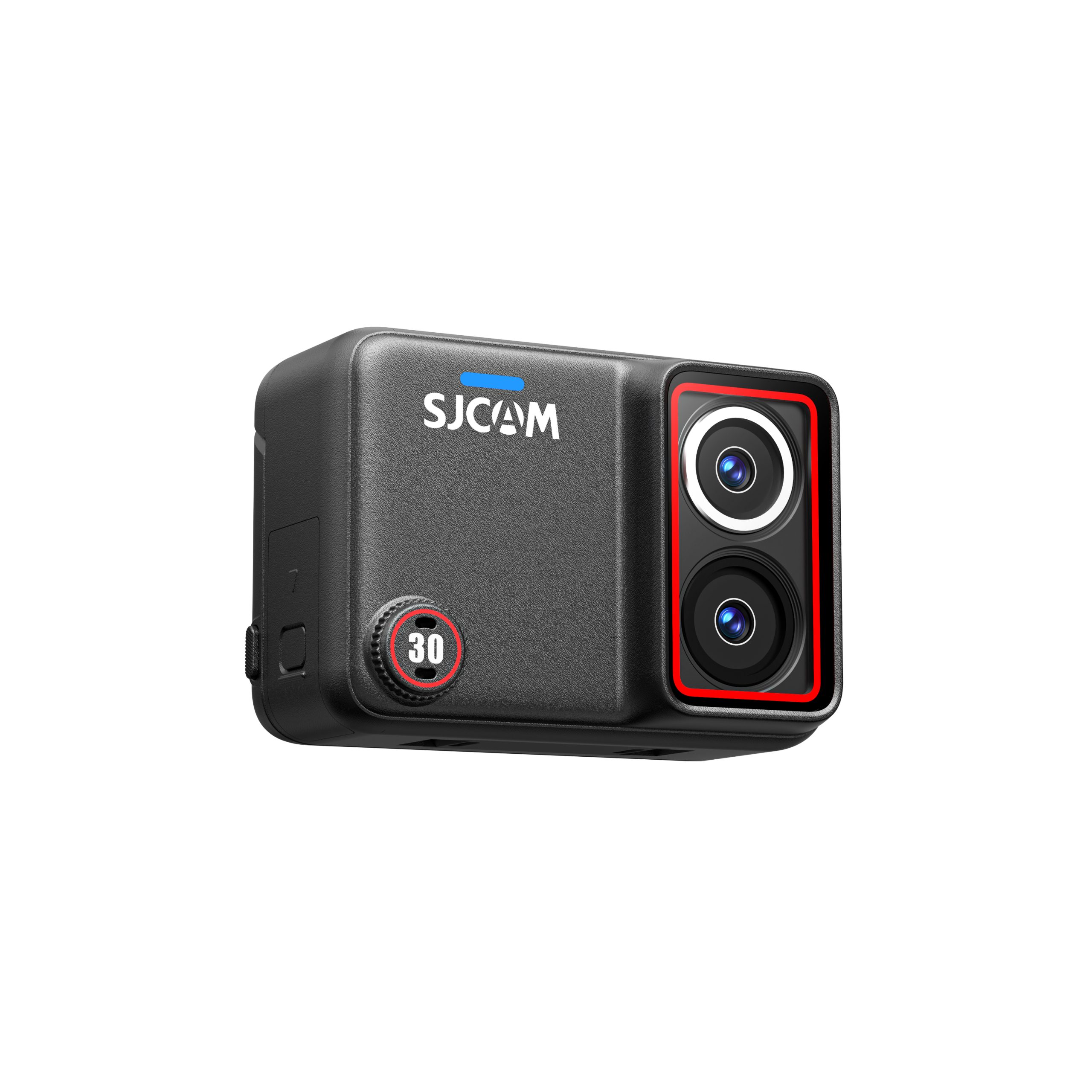
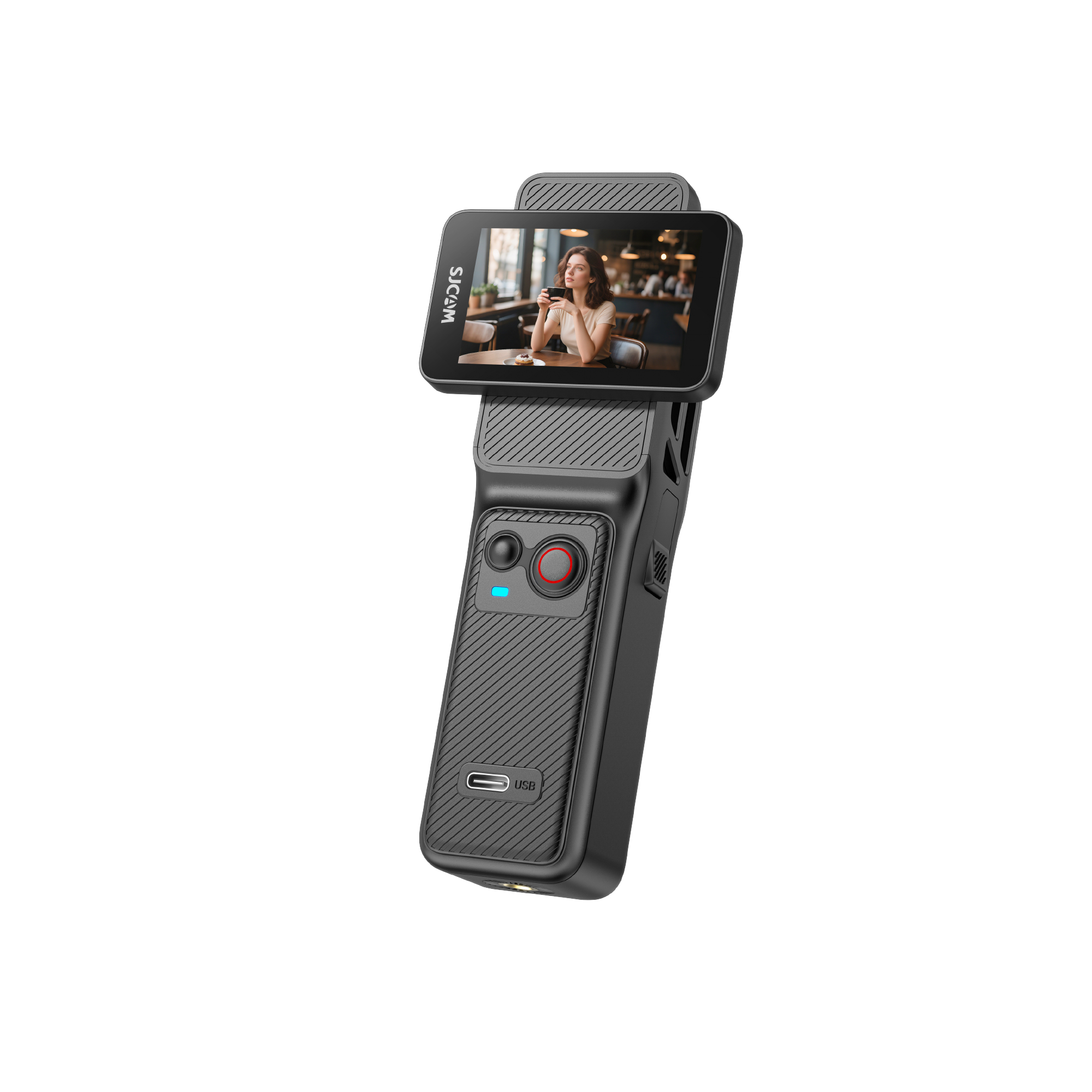
SJCAM SJ30
The SJCAM SJ30 delivers cinema-grade 8K video with dual day and night sensors, advanced stabilization, and a flip touchscreen so you record smooth, detailed action from sunrise to night.