





 Chinese (China)
 Spanish
 German
 French
 Italian
 Japanese
 Korean
 Bulgarian
 Greek
 Indonesian
 Chinese (Hong Kong)
 Russian
 Danish
 Finnish
 Hungarian
 Turkish
 Dutch
 Portuguese
 Swedish
 Romanian
 Slovak
 Serbian
 Norwegian
 Croatian
 Albanian
 Catalan
 Czech
 Estonian
 Armenian
 Bengali
 Amharic
 Polish
 Thai
 Ukrainian
 Vietnamese
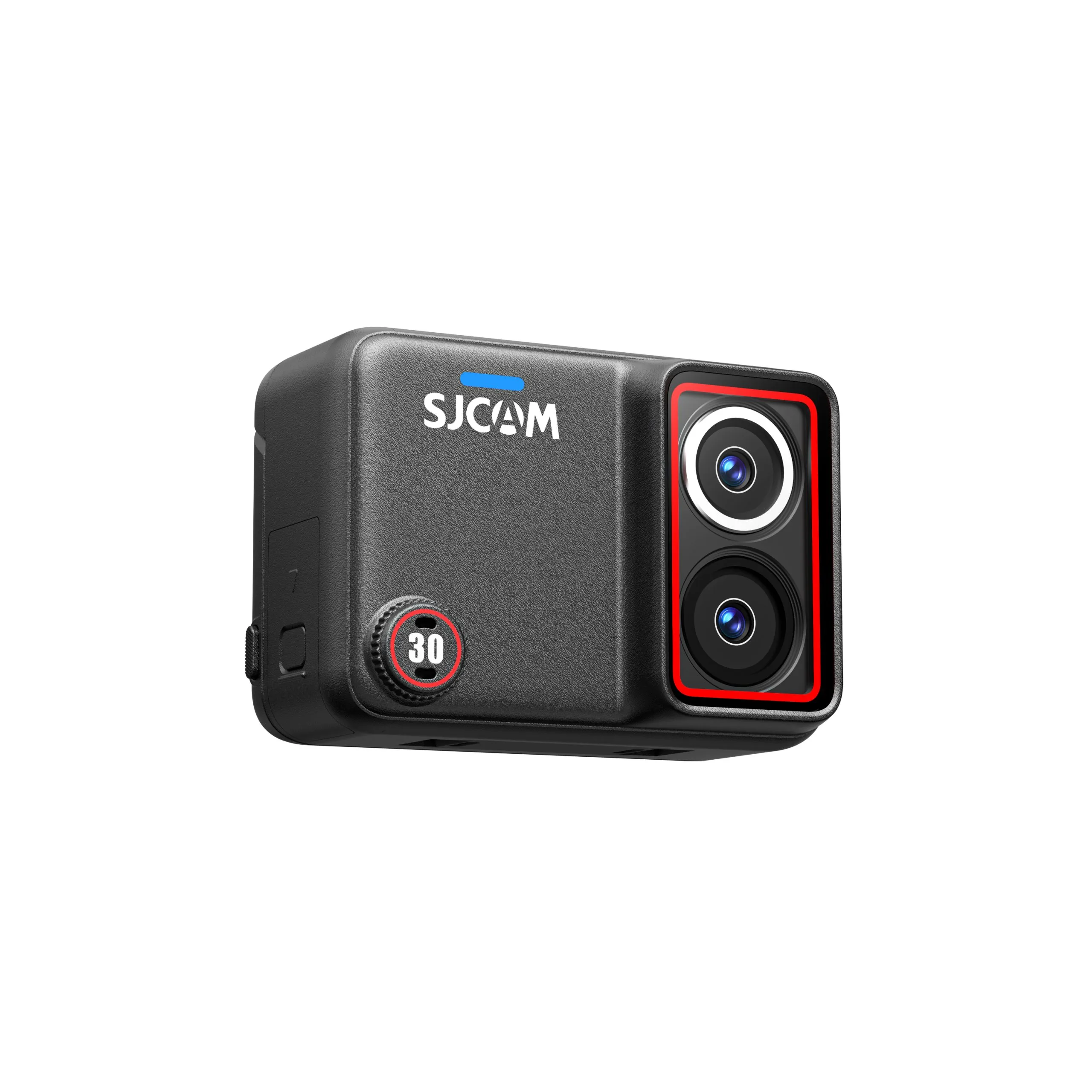
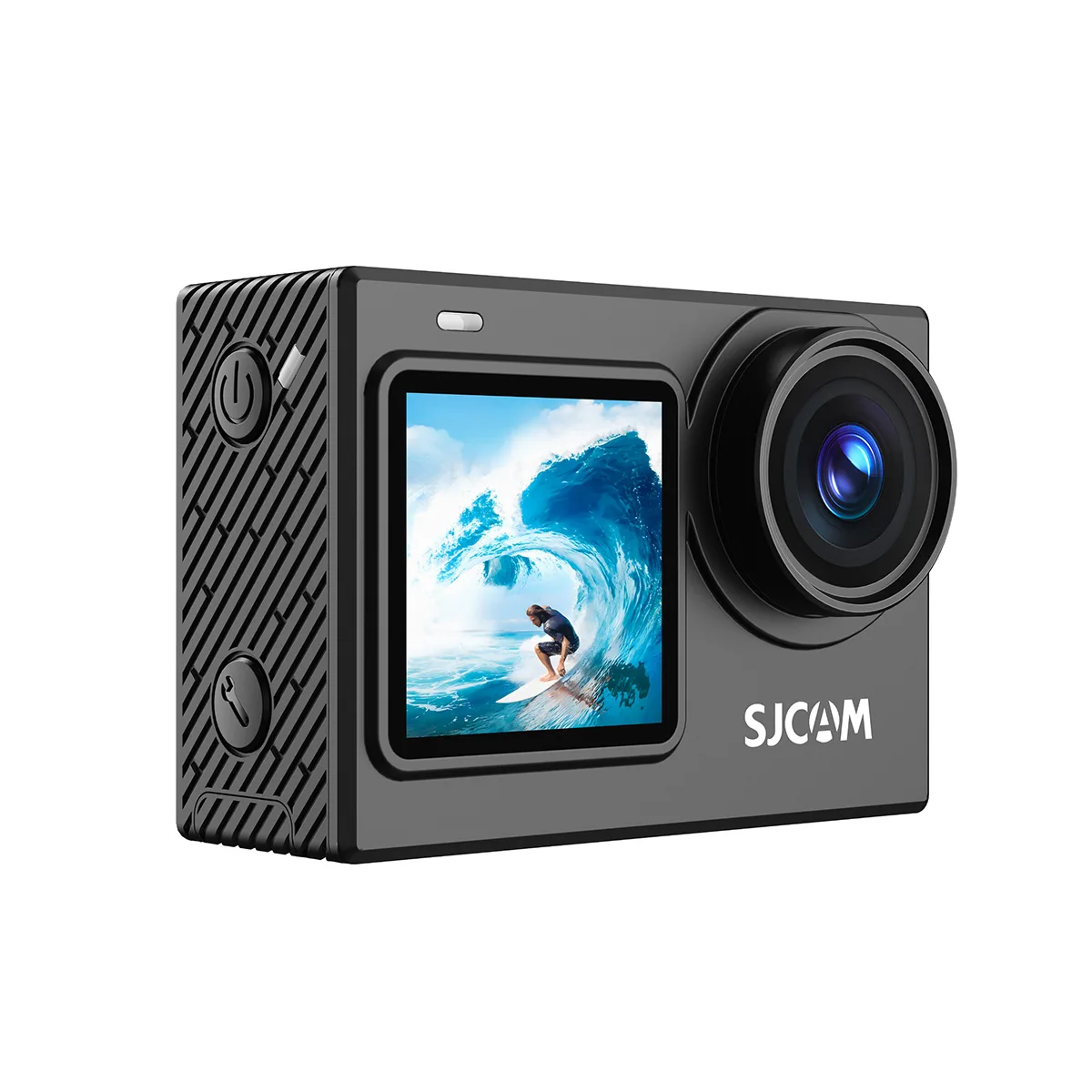
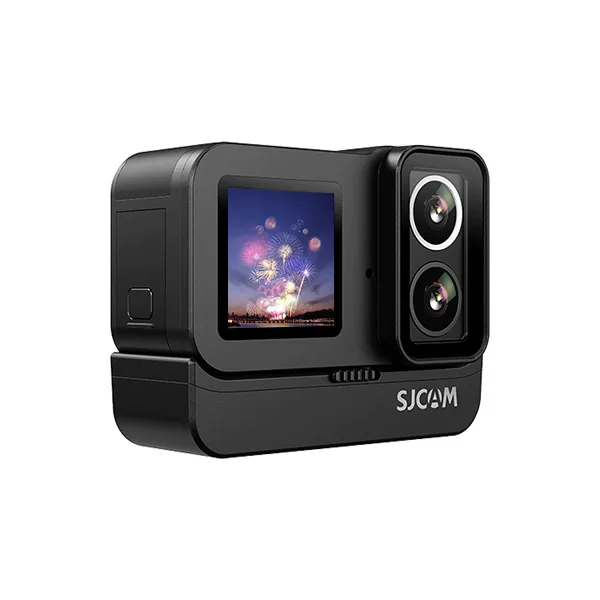
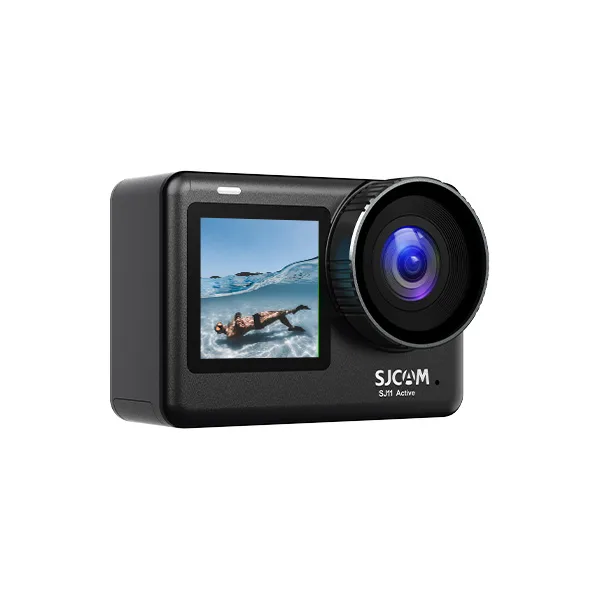
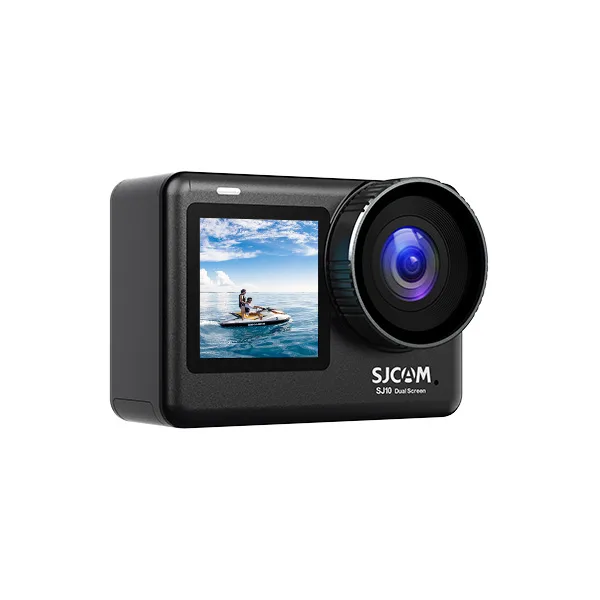
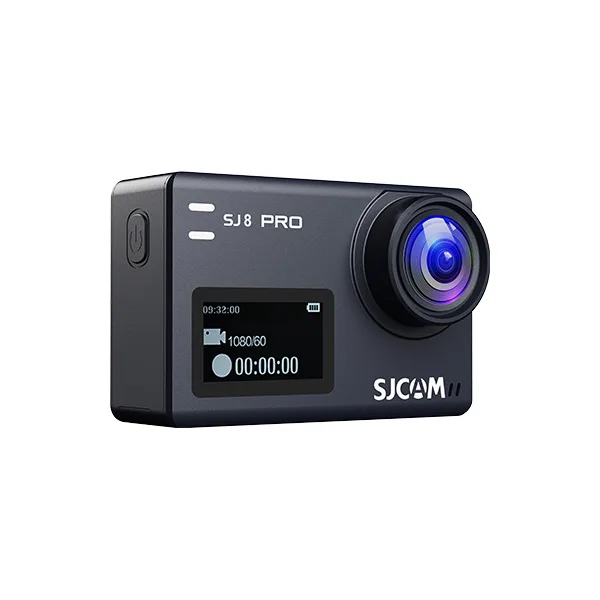
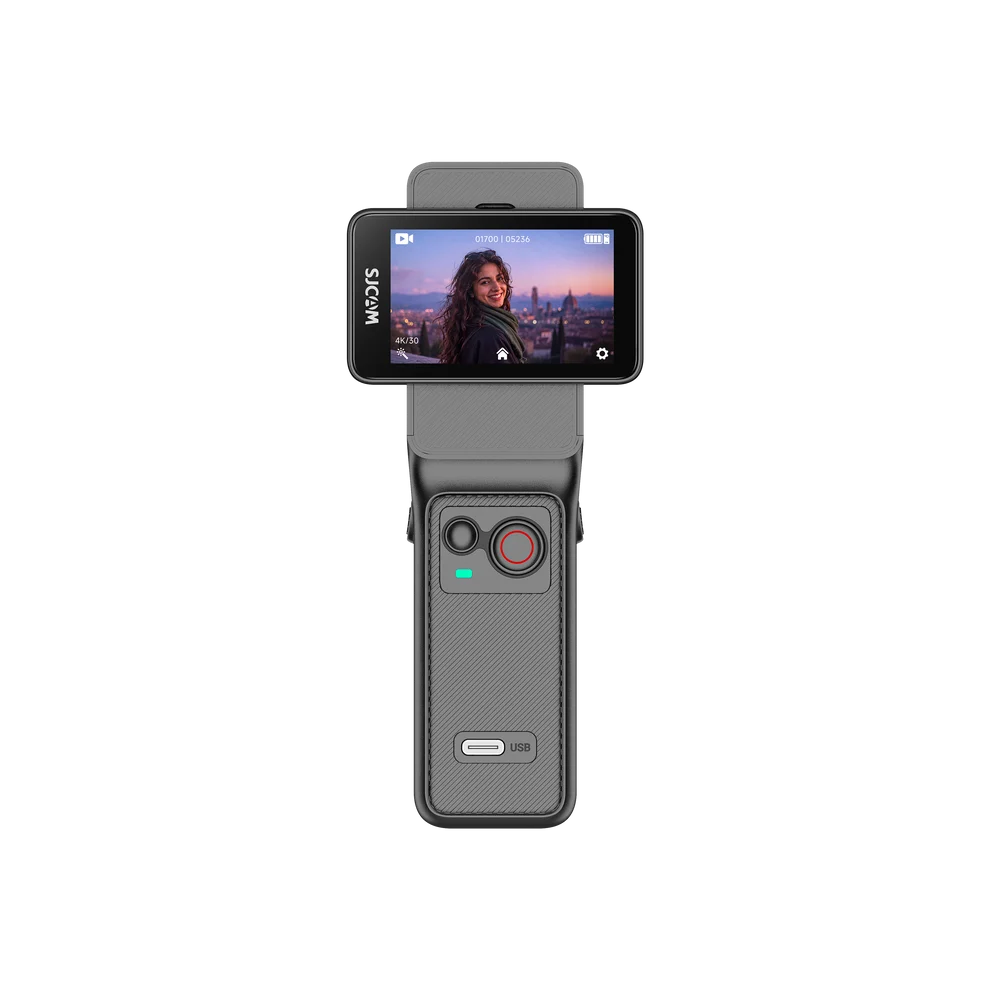
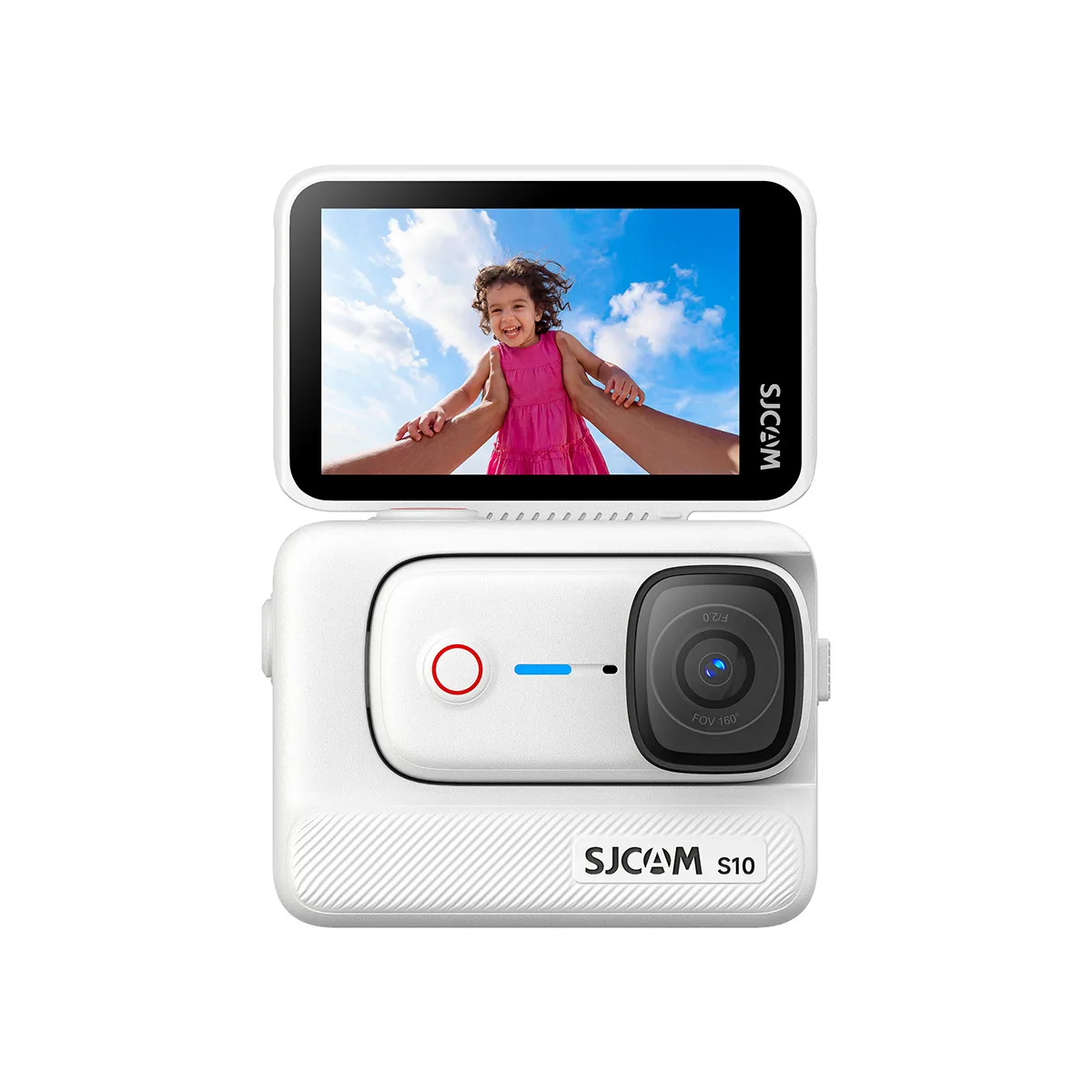
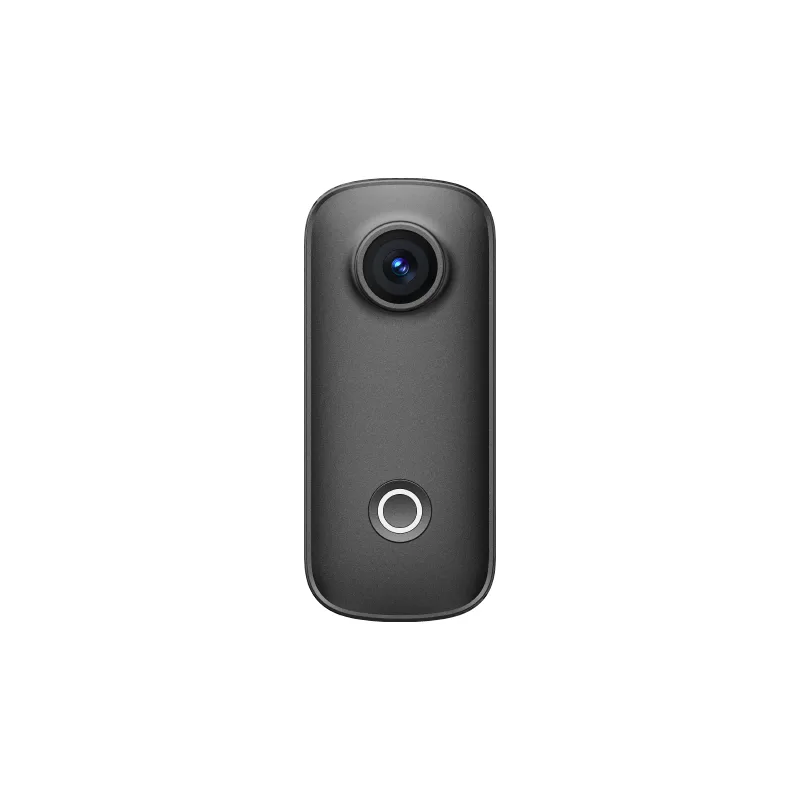
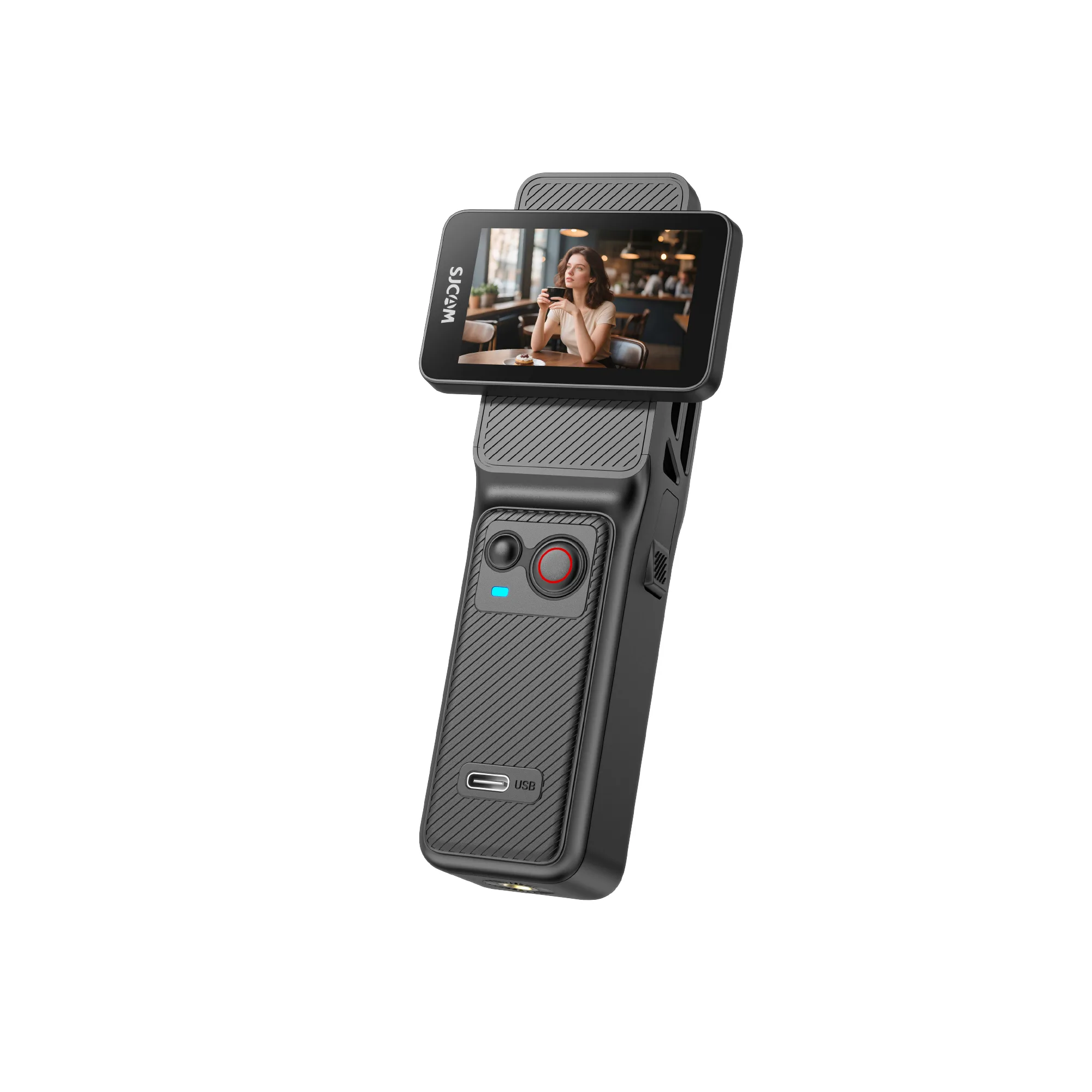
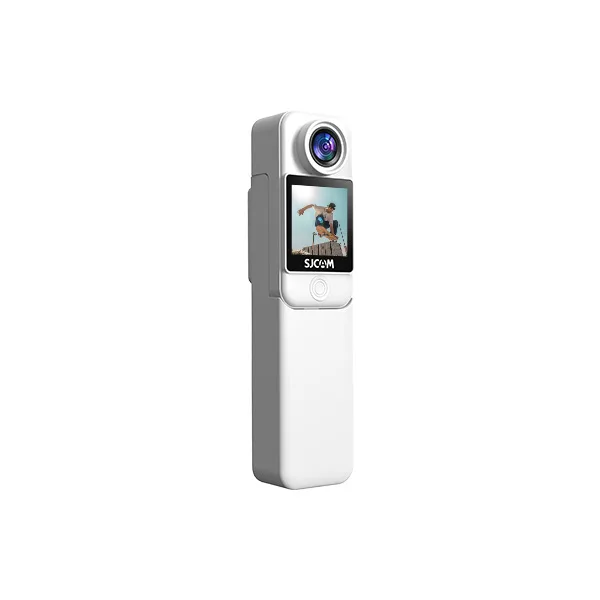
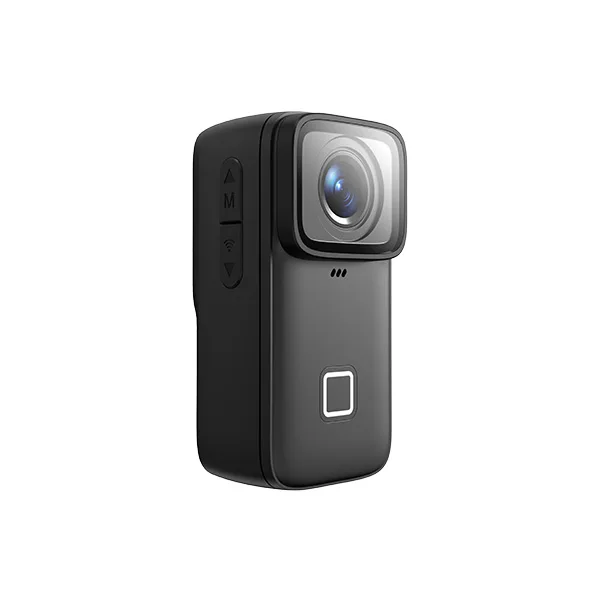
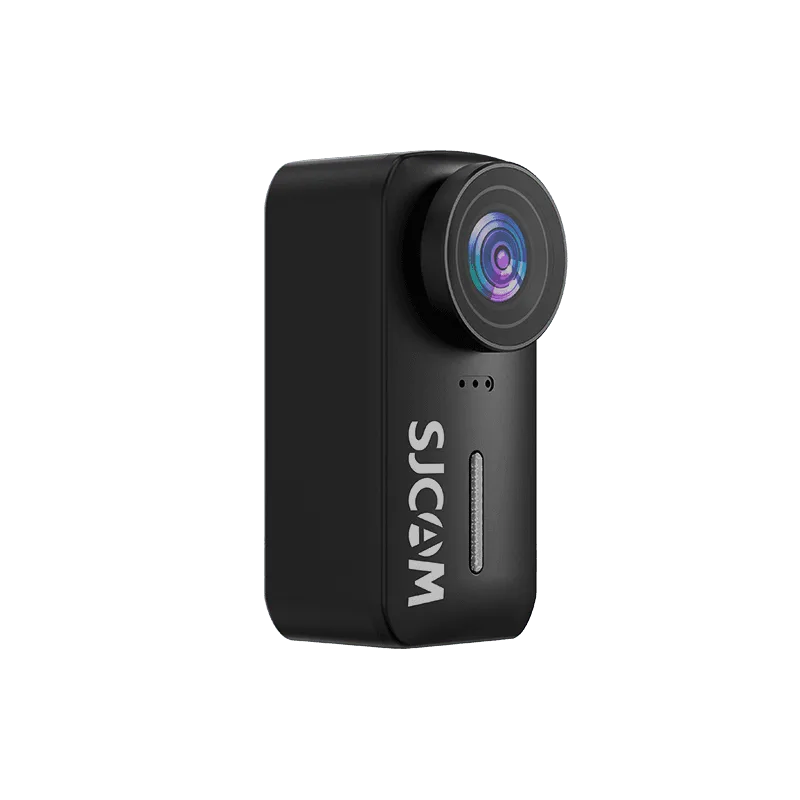
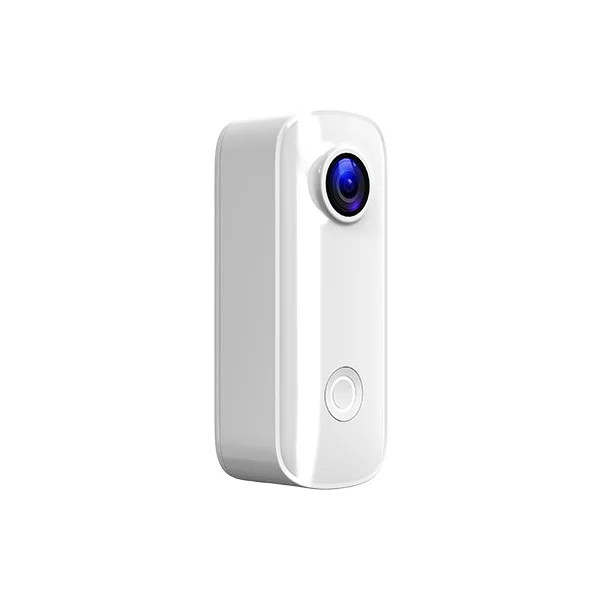
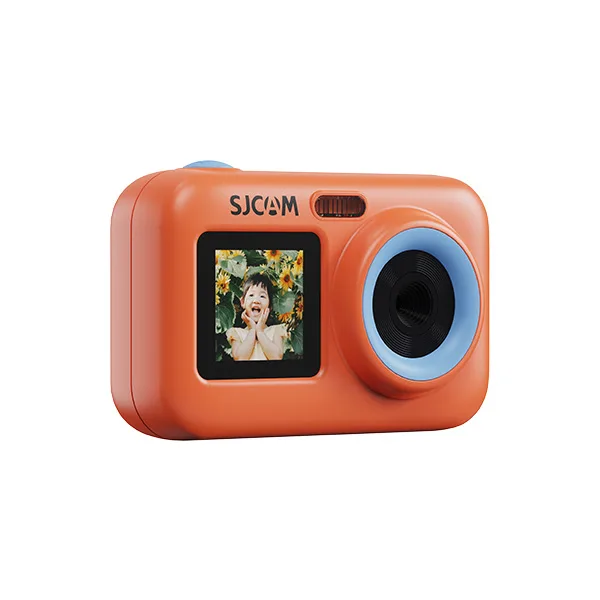
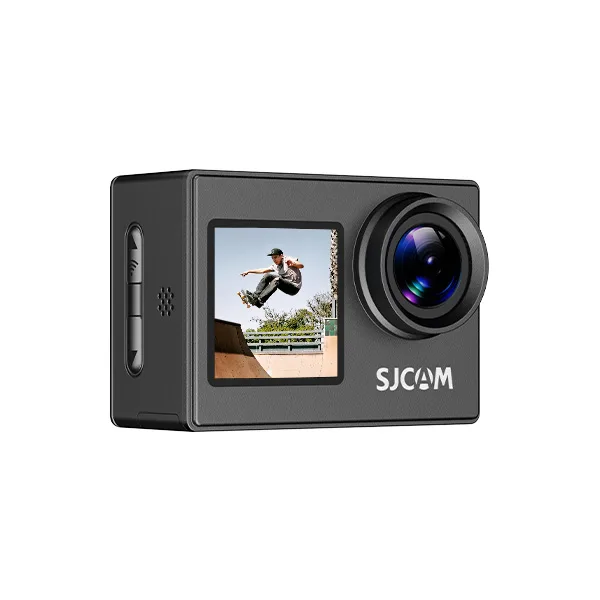
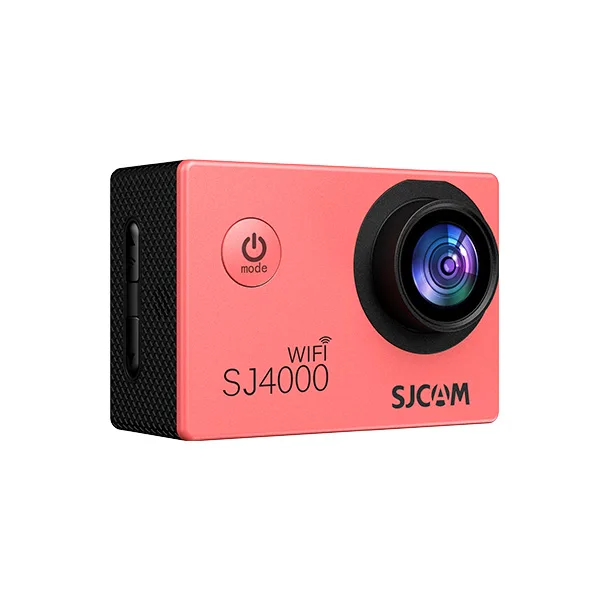
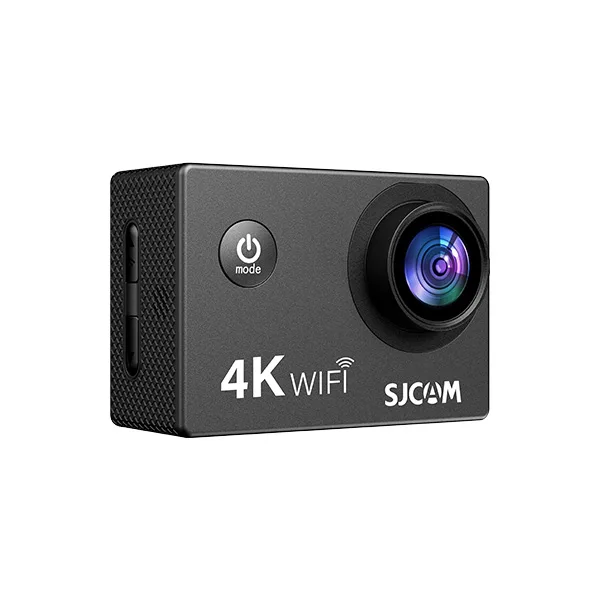
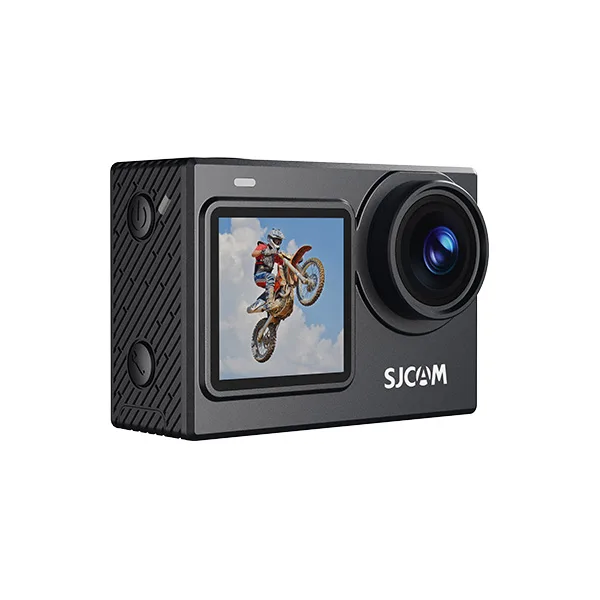
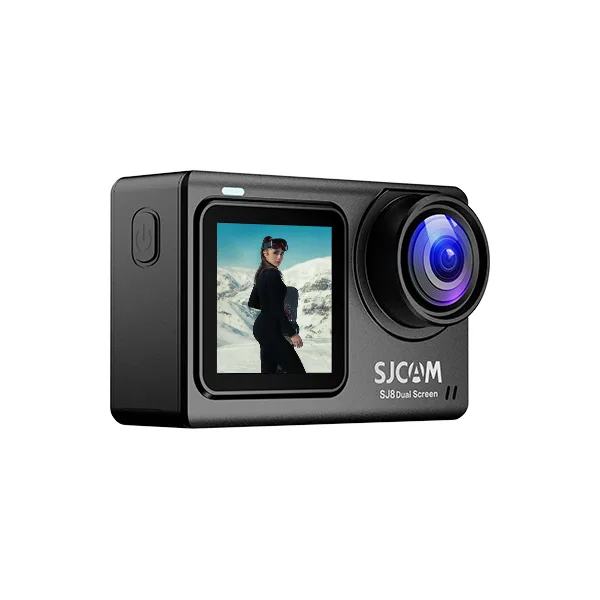
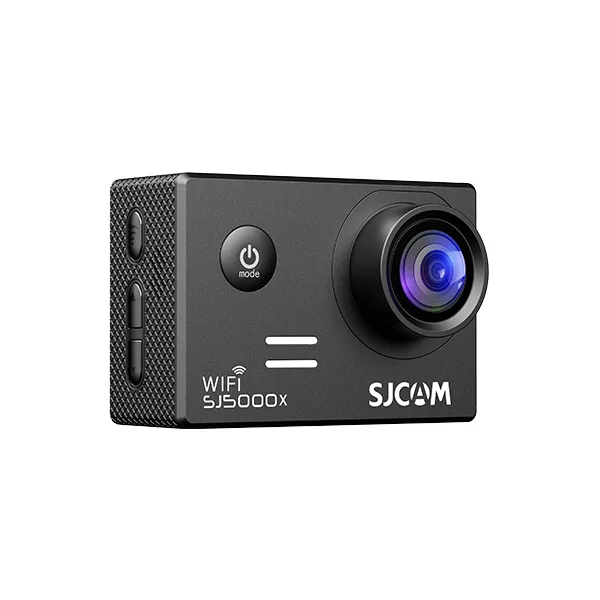
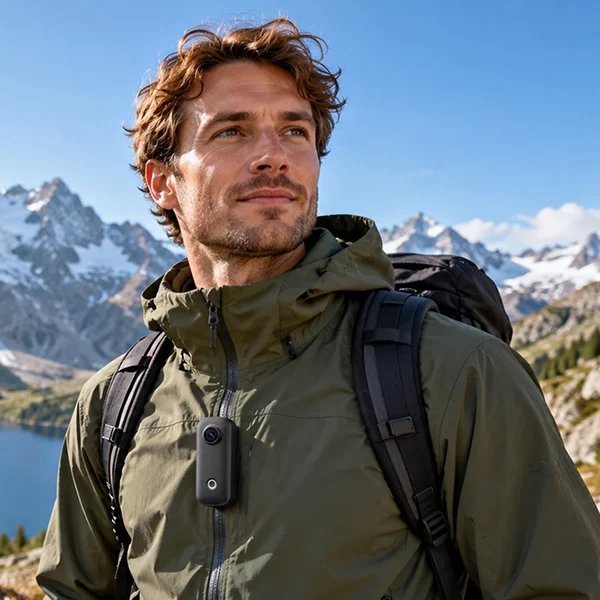
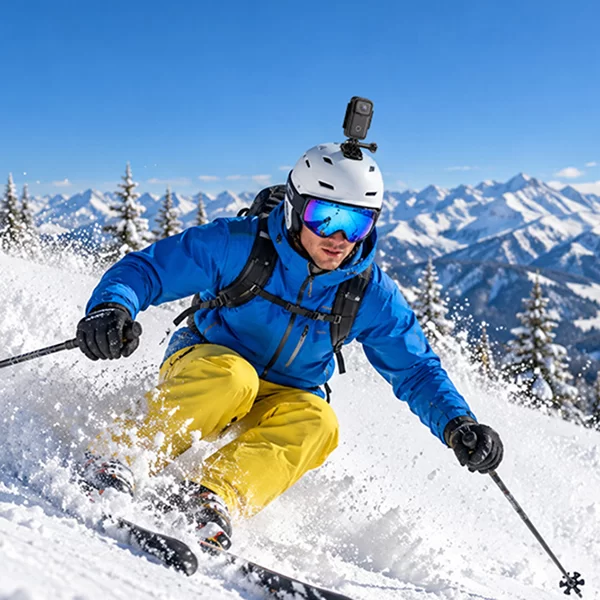

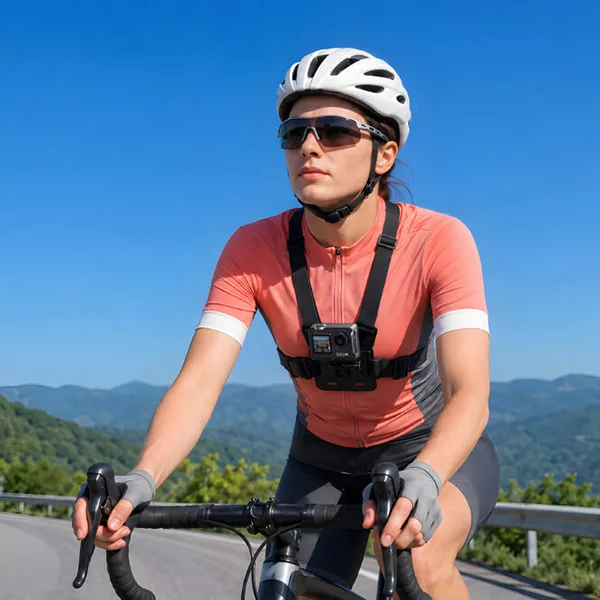
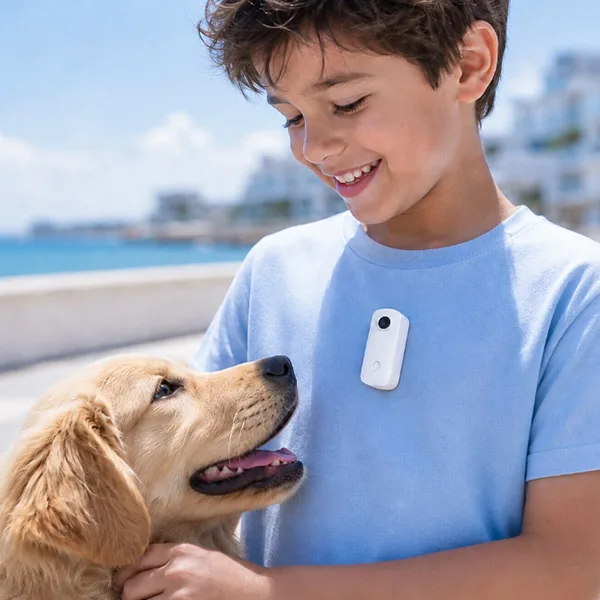
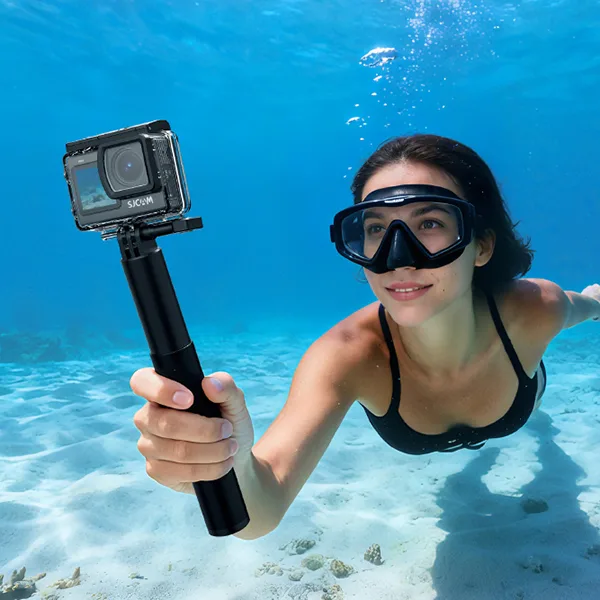
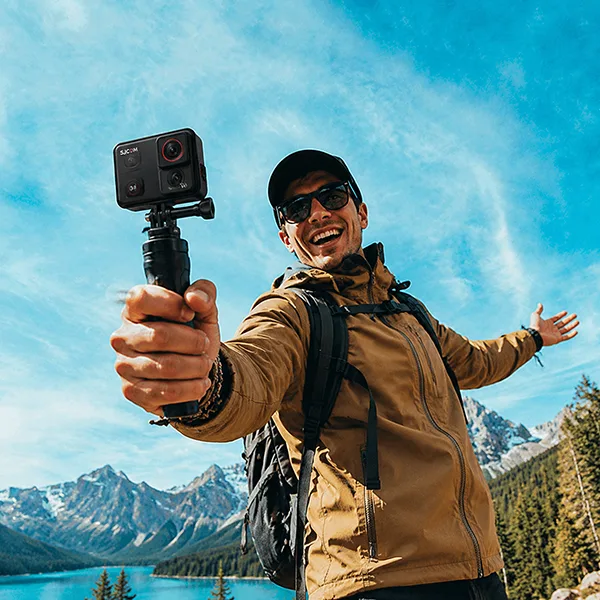
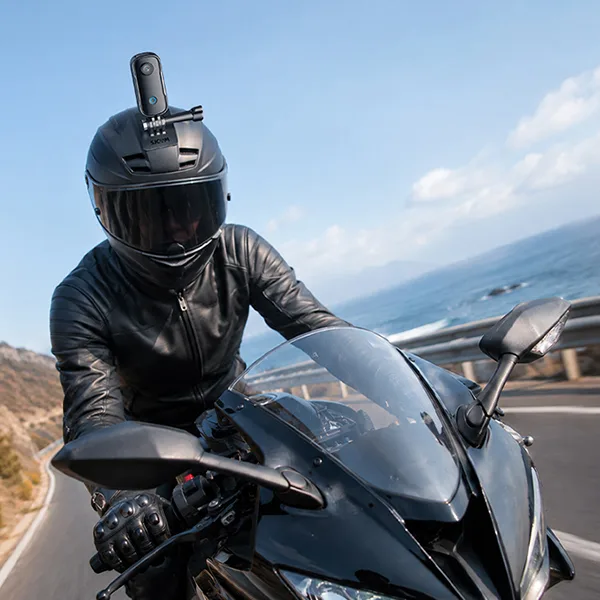
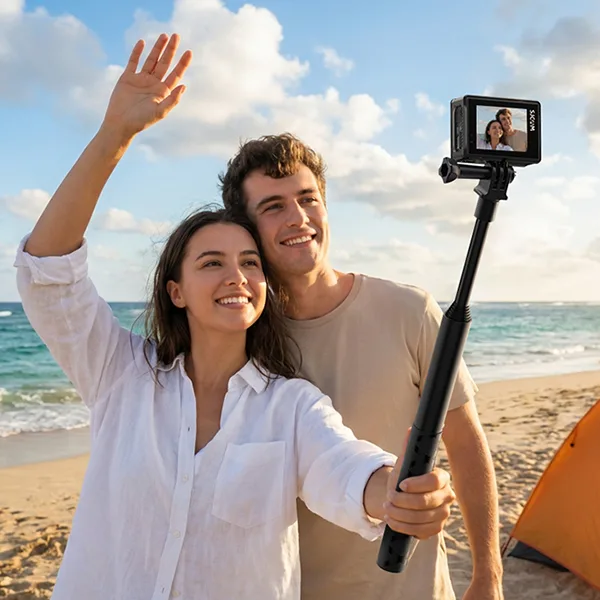
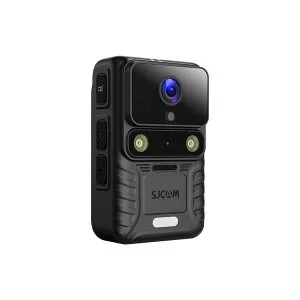
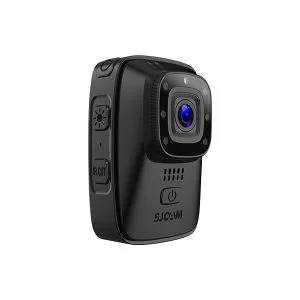
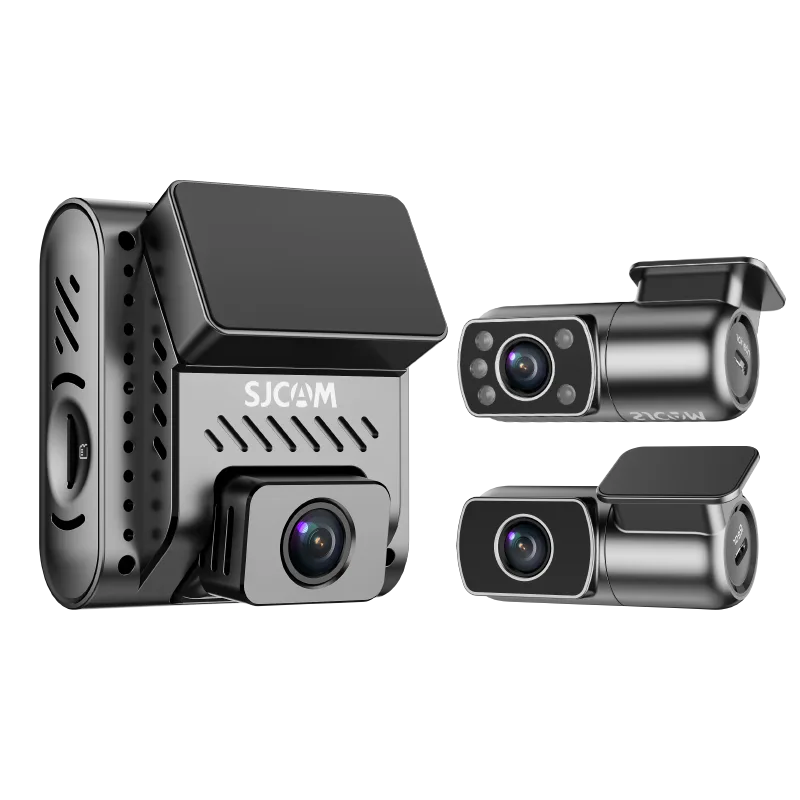
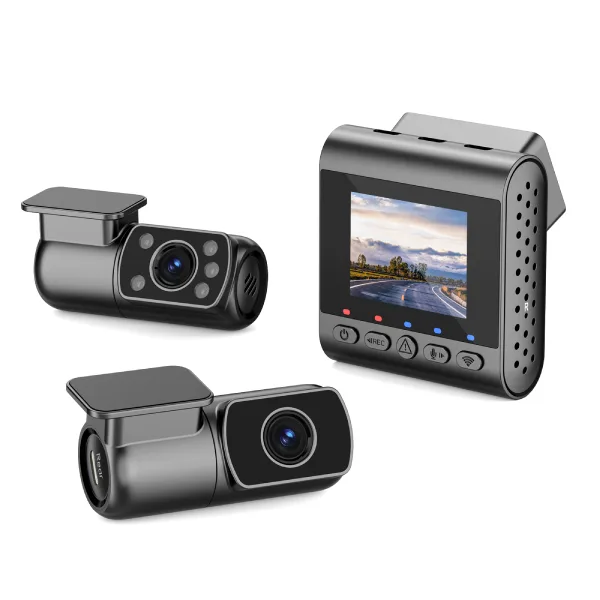
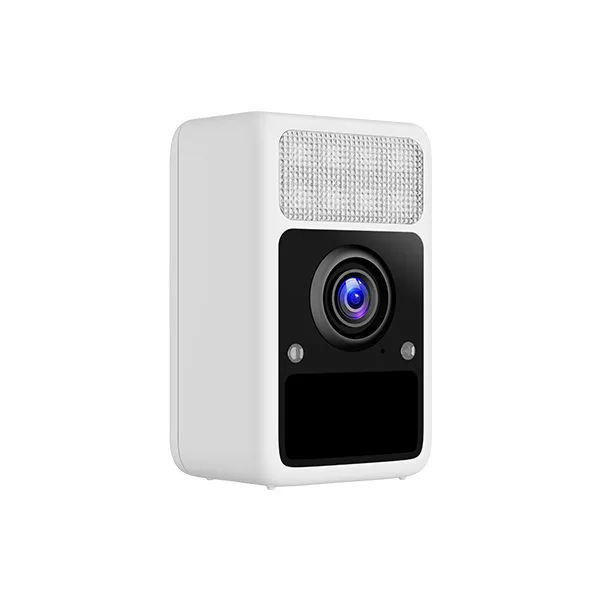
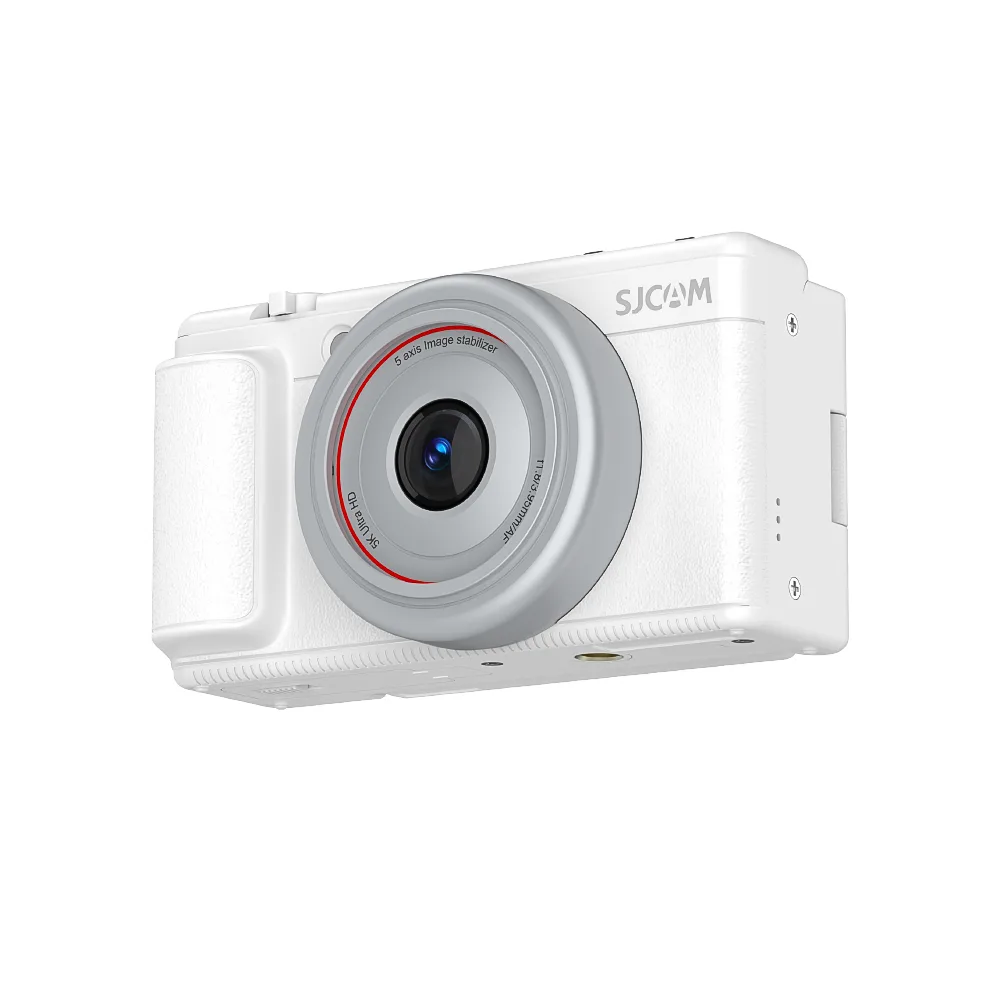
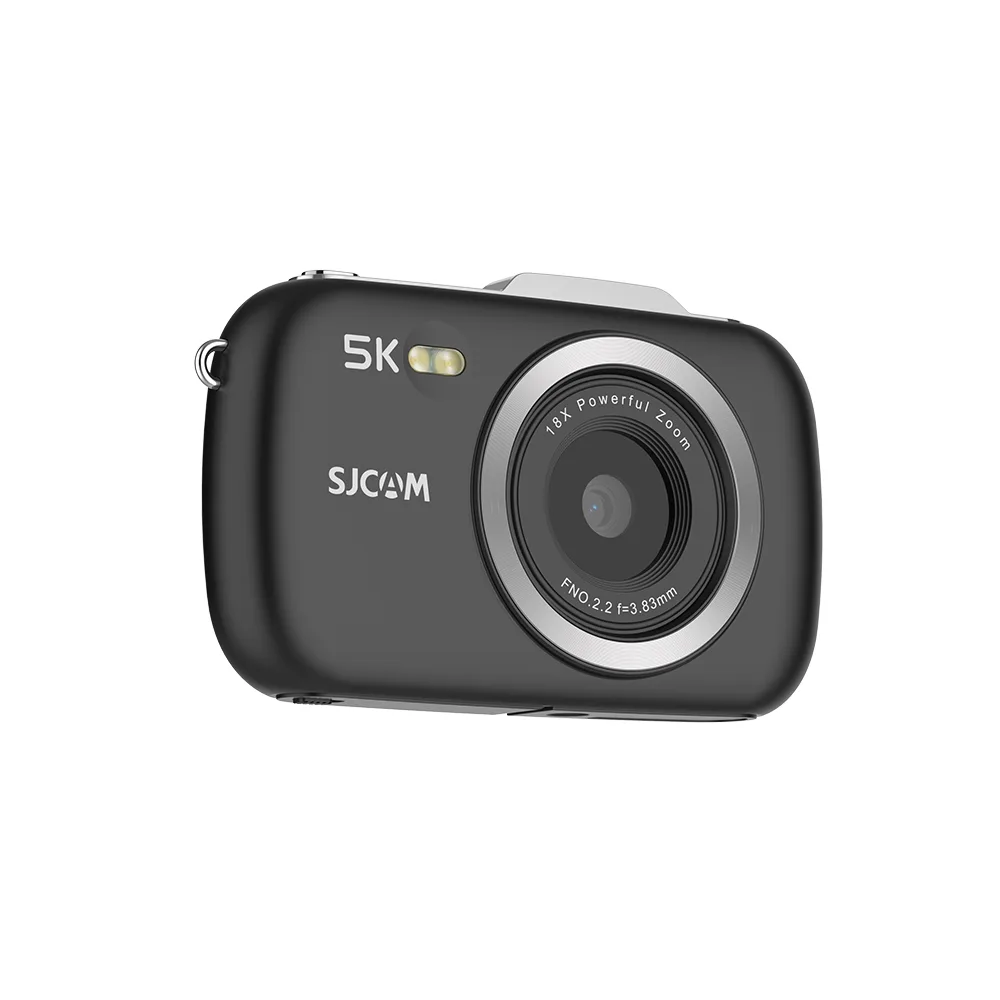

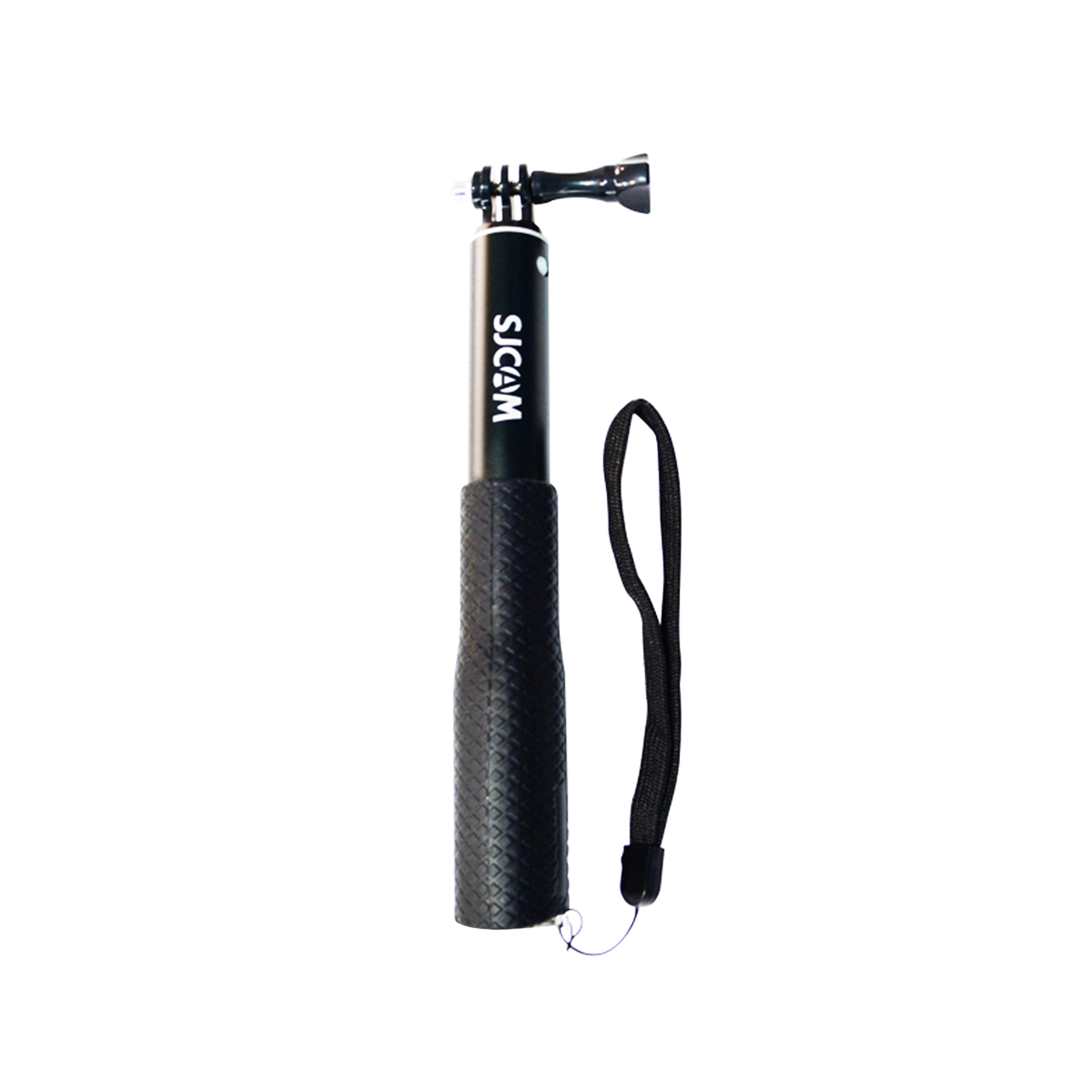

A sports action camera can do much more than record extreme sports. From capturing mountain bike rides and hiking trails to filming travel vlogs and everyday moments, its compact design makes it useful in situations where holding a traditional camera is inconvenient.
You can use an action camera for cycling, hiking, skiing, snorkeling, motorcycle riding, travel vlogging, hands-free POV videos, time-lapse recording, slow-motion sports footage, and everyday family activities.
The biggest advantage is flexibility: you can carry an action camera, mount it on equipment, or wear it using compatible accessories.
Here are 10 practical action camera uses, along with filming tips to help you get better results.
What Is a Sports Action Camera?
A sports action camera is a compact digital camera designed to capture photos and videos during movement and outdoor activities.
Unlike traditional handheld cameras, action cameras are commonly designed with wide-angle lenses and mounting options that make first-person recording easier. Many models also include electronic image stabilization (EIS) to reduce visible camera shake.
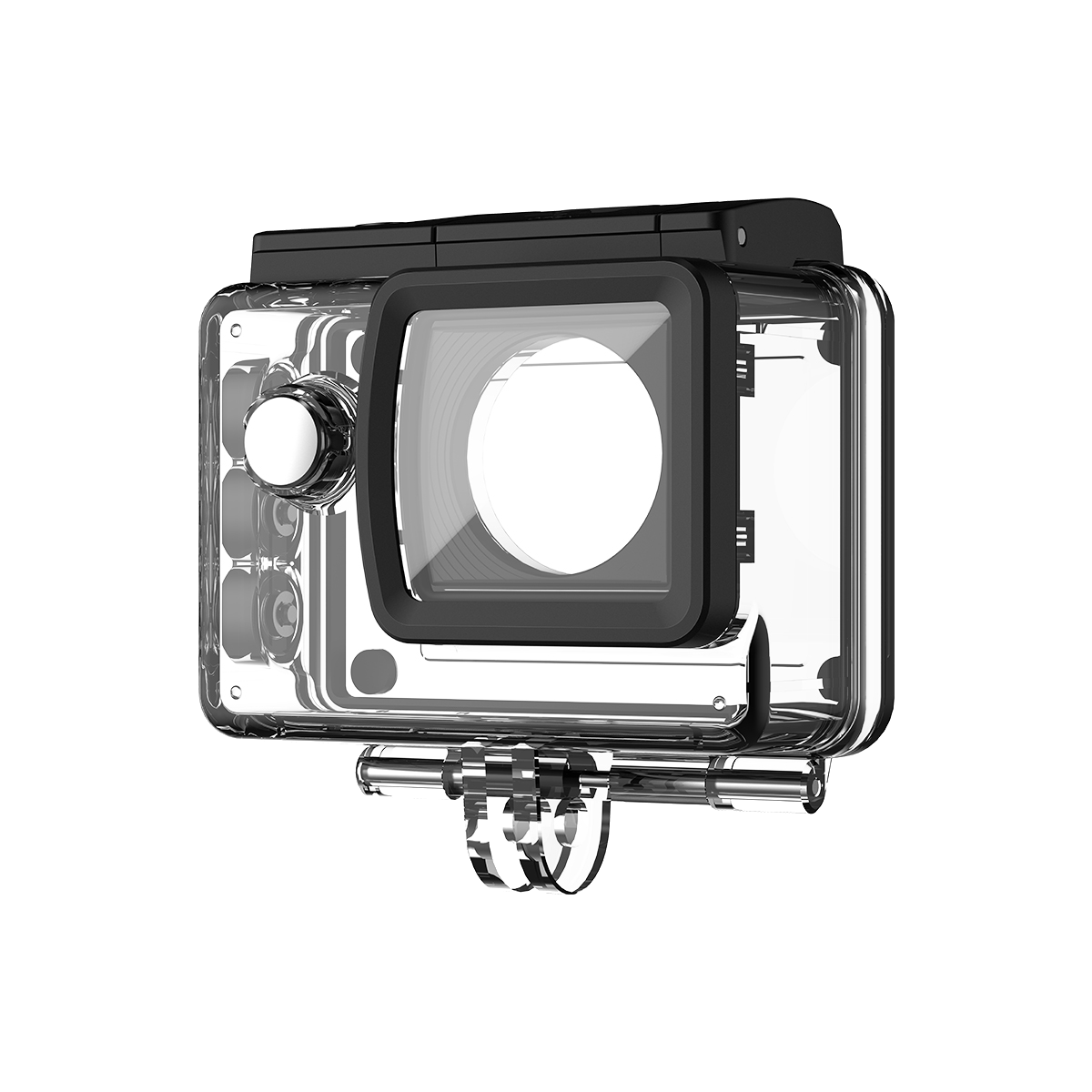
Some action cameras offer built-in water resistance, while others require a protective housing for underwater activities.
Their main advantage isn’t necessarily superior image quality. It’s the ability to capture perspectives that would be difficult or inconvenient with a smartphone or conventional camera.
For a closer look at the technology behind these devices, read our guide on how action cameras work.
10 Practical Uses for a Sports Action Camera
The best way to use an action camera depends on your activity, mounting position, and recording settings.
Here’s a quick overview.
| Activity | Suggested Camera Position | Filming Tip |
|---|---|---|
| Cycling | Helmet or secure handlebar mount | Enable stabilization |
| Hiking | Backpack strap or chest mount | Use a wide field of view |
| Skiing | Helmet or chest mount | Try a higher frame rate |
| Snorkeling | Compatible waterproof housing or rated camera | Check depth limits |
| Motorcycle Riding | Secure helmet or motorcycle mount | Check mounting safety |
| Travel Vlogging | Handheld grip or selfie stick | Check framing and audio |
| POV Recording | Head, chest, or clothing mount | Keep the horizon level |
| Time-lapse | Tripod or fixed surface | Use a stable position |
| Slow-Motion Sports | Fixed or securely mounted camera | Record at 60fps or higher if supported |
| Family and Pet Moments | Handheld or suitable low-angle mount | Use short, natural clips |
1. Cycling and Mountain Biking
Cycling is one of the most popular uses for a sports action camera.
Whether you’re riding through a city or exploring mountain trails, an action camera can capture the route from your perspective without requiring you to hold it.
A helmet mount provides a viewpoint similar to what you see while riding. A compatible handlebar mount can capture the road ahead from a lower angle.
Filming tip: Enable electronic stabilization if your camera supports it. For smoother footage, check that the mount is secure and avoid loose accessories that may vibrate.
Never adjust the camera while riding, and ensure your mounting setup doesn’t interfere with visibility or control.
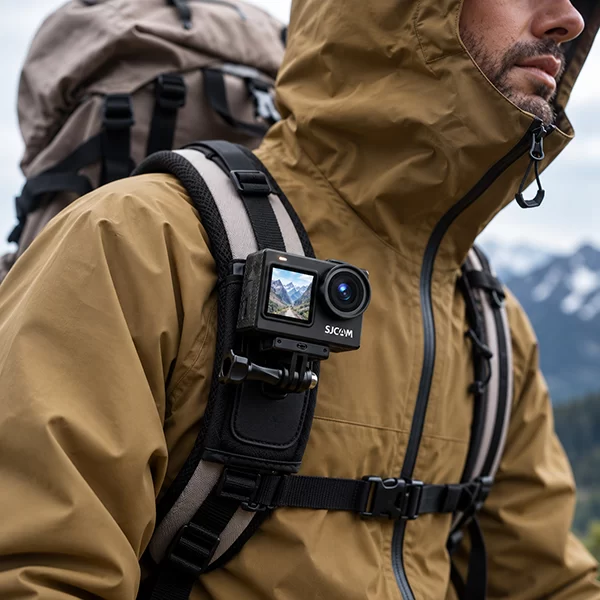
2. Hiking and Backpacking
An action camera is useful for recording hiking adventures because it’s small enough to carry without adding much bulk.
You can attach it to a backpack strap or chest mount to capture trails, forests, mountain views, and memorable moments along the way.
Hands-free recording also allows you to focus on walking rather than constantly holding a camera.
Filming tip: Use a wide field of view to capture more of the surrounding landscape. For scenic viewpoints, stop and hold the camera steady for a few seconds to create more usable footage.
If you regularly explore outdoor trails, discover our action cameras for hiking and their recommended uses.
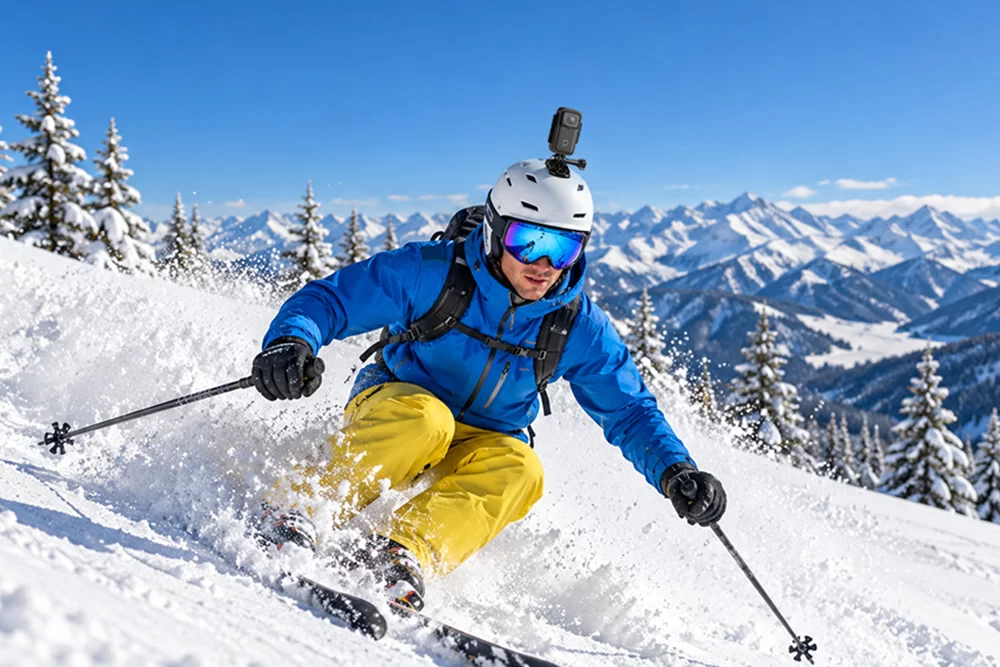
3. Skiing and Snowboarding
Skiing and snowboarding involve fast movement, changing light, and cold temperatures.
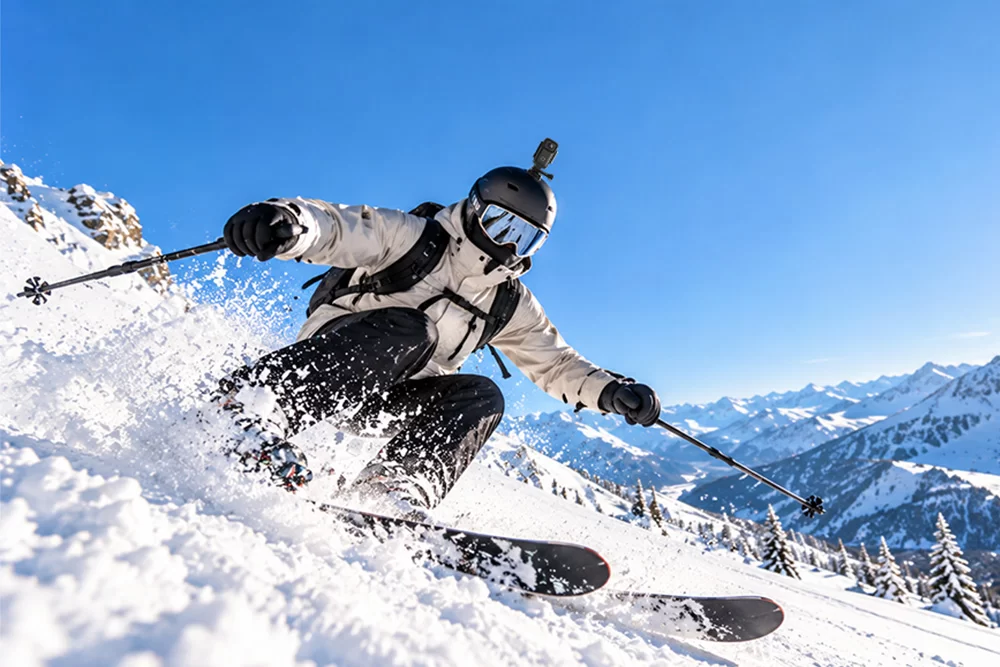
An action camera with suitable stabilization can capture downhill runs, turns, and first-person mountain views.
Helmet and chest mounts are common options, although the best position depends on the activity and the safety requirements of your equipment.
Filming tip: If supported, record at 60fps for smoother motion or to create slow-motion highlights. In bright snow, check exposure to prevent the scene from appearing overly white.
Cold weather can also reduce battery performance, so keep spare batteries protected and follow the manufacturer’s operating temperature guidance.
Explore SJCAM action cameras for skiing for more winter filming ideas.
4. Swimming, Snorkeling, and Underwater Recording
Action cameras can capture underwater scenes that ordinary cameras may not be designed to handle.
You can use a suitably protected camera to record swimming, snorkeling, marine life, and shallow-water adventures.
However, not every sports action camera is waterproof without a housing.
Before entering the water, check the camera’s official waterproof rating, supported depth, and whether a protective case is required.
Filming tip: Record in clear water with plenty of natural light. Keep the lens or housing window clean, and move slowly to reduce motion blur and shaky footage.
After saltwater use, follow the manufacturer’s cleaning instructions for the camera and housing.
Explore SJCAM action cameras for diving for more diving Techniques.
5. Motorcycle Riding
A sports action camera can record motorcycle journeys from a rider’s perspective.
Depending on local laws and equipment compatibility, cameras may be attached to suitable helmet mounts or secure motorcycle mounting points.
This allows riders to capture scenic routes, road trips, and travel footage without holding a camera.
Filming tip: Choose a secure mount, enable stabilization when available, and test the viewing angle before starting your ride.
Avoid mounting a camera where it could obstruct your vision, interfere with helmet protection, or affect motorcycle controls.
For camera selection and mounting considerations, visit our motorcycle action camera guide.
6. Travel Vlogging and Content Creation
Action cameras aren’t limited to sports. They’re also useful for travel videos, walking tours, and social media content.
Their compact design makes them convenient for recording short clips throughout the day, particularly when carrying a larger camera would be impractical.
You can use a handheld grip or compatible selfie stick for walking videos, then switch to a mounted perspective for outdoor activities.
Filming tip: Check your framing before recording, especially if you’re speaking directly to the camera. For dialogue, pay attention to wind noise and microphone placement.
If travel content is your priority, explore our action cameras for travel and adventure.
7. Hands-Free POV Recording
POV stands for point of view. A POV video shows an activity from a perspective close to what the person performing it sees.
Action cameras are particularly useful for this style because they can be mounted on the body or equipment.
Common POV applications include walking tours, cooking, cycling, DIY projects, and outdoor exploration.
A chest mount can capture your hands and the activity in front of you, while a head mount follows your viewing direction more closely.
Filming tip: Test the camera angle before recording. A camera pointed too far downward may capture mostly the ground, while one pointed too high may miss the activity.
For long recording sessions, choose a comfortable mounting position and avoid excessive movement.
8. Time-Lapse Videos
Time-lapse recording compresses a long period of activity into a short video.
It’s useful for capturing slowly changing scenes such as sunsets, moving clouds, city traffic, or a campsite being set up.
Instead of recording every moment at normal speed, the camera captures frames at intervals or uses a dedicated time-lapse mode.
Filming tip: Place the camera on a stable tripod or fixed surface. Choose a suitable capture interval based on how quickly the scene changes.
For example, moving traffic may benefit from shorter intervals than a slowly changing sunset.
Make sure your camera has enough battery power and storage for the recording session.
9. Slow-Motion Sports Videos
Slow-motion footage can make fast movements easier to see and more visually engaging.
An action camera can be used to capture skateboard tricks, bicycle jumps, running, surfing, and other quick movements.
To create smooth slow motion, record at a higher frame rate when the camera supports it.
For example, footage captured at 120fps can be played back at 30fps for approximately four-times slow motion.
Filming tip: Use good lighting when recording at high frame rates. Faster frame rates often require shorter exposure times, which can make low-light footage appear darker or noisier.
Check your camera’s supported resolutions and frame rates before filming.
10. Everyday Family and Pet Moments
You don’t need to be an athlete to enjoy an action camera.
Its small size makes it convenient for recording family outings, park visits, backyard games, and playful moments with pets.
A low camera angle can create an interesting perspective when filming pets, while a handheld setup is useful for spontaneous family videos.
Filming tip: Record short clips from different angles instead of leaving the camera running continuously. This makes your footage easier to review and edit.
For pet filming, use secure equipment that doesn’t restrict movement or cause discomfort, and supervise any wearable setup.
How to Get Better Footage With a Sports Action Camera?
Even an affordable action camera can produce useful footage when you choose the right settings and mounting position.
Choose the Right Resolution and Frame Rate
For everyday recording, 1080p or 4K at 30fps can be a practical starting point, depending on your camera’s capabilities.
For fast-moving activities, 60fps may help capture smoother motion.
Higher frame rates such as 120fps are useful for slow-motion effects, but they may not be available at every resolution.
If you’re unsure which resolution to choose, read our 1080p vs. 4K action camera comparison.
Use Stabilization When Needed
Electronic image stabilization can help reduce visible shake during walking, cycling, and other activities.
However, stabilization may crop the image and can perform differently in low light.
Test the available settings before an important recording session.
Choose a Secure Mounting Position
Mounting position can make as much difference as camera specifications.
For example, a chest mount may provide a more stable view of your hands and equipment, while a head mount creates a more direct first-person perspective.
Always use compatible accessories and check that the camera is securely attached.
Check Battery, Storage, and Weather Protection
Before filming, confirm that your battery is charged, your memory card has enough free space, and your camera is protected for the environment.
Long recordings, high resolutions, and cold temperatures can affect usable battery life.
For wet or dusty environments, follow the camera’s official protection specifications rather than assuming all action cameras offer the same durability.
Which SJCAM Action Camera Fits Your Activities?
Different activities call for different camera designs. If you’re choosing an SJCAM model, consider how you’ll actually use it.
SJCAM C400 Pro – For Travel Videos and Flexible Filming
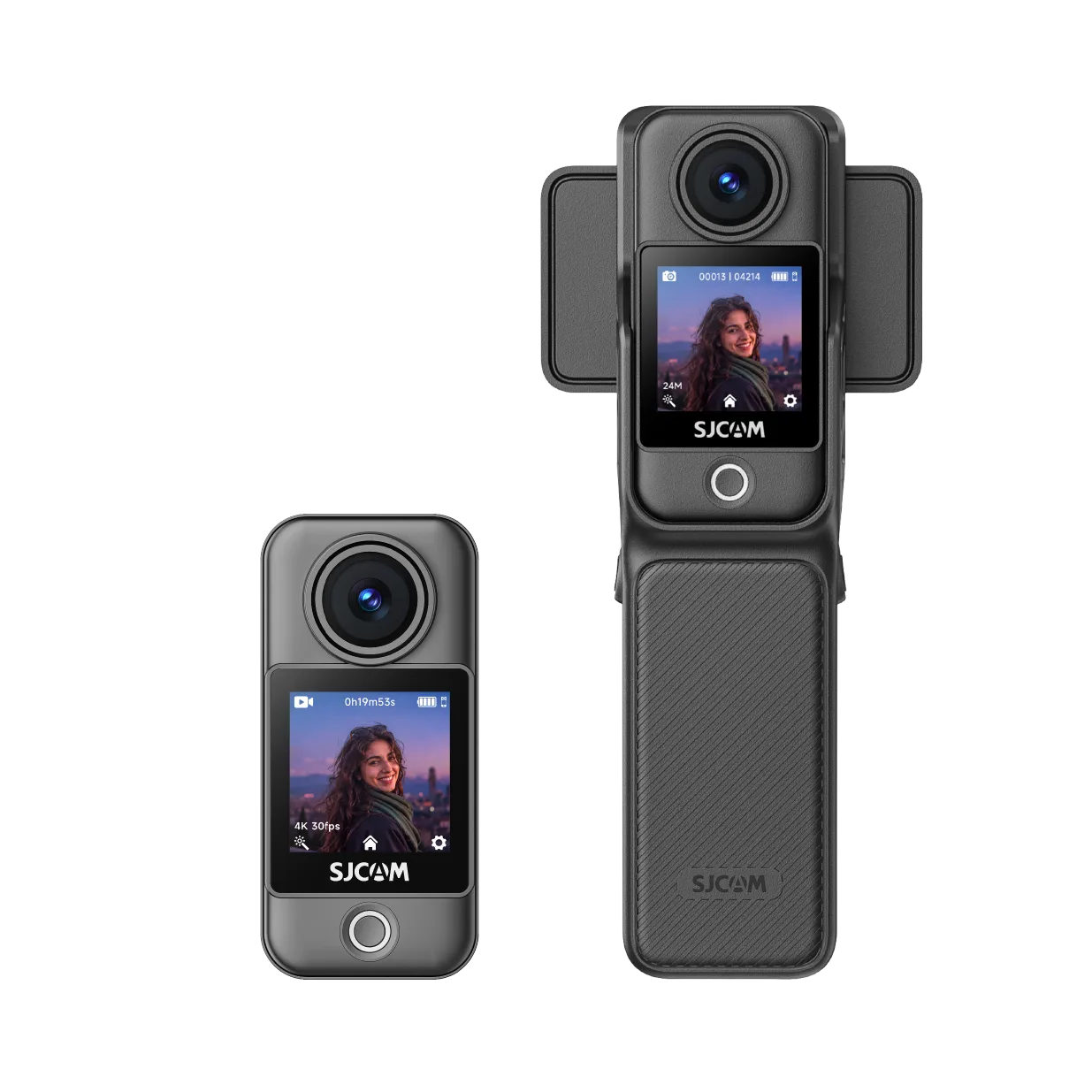
C400 Pro
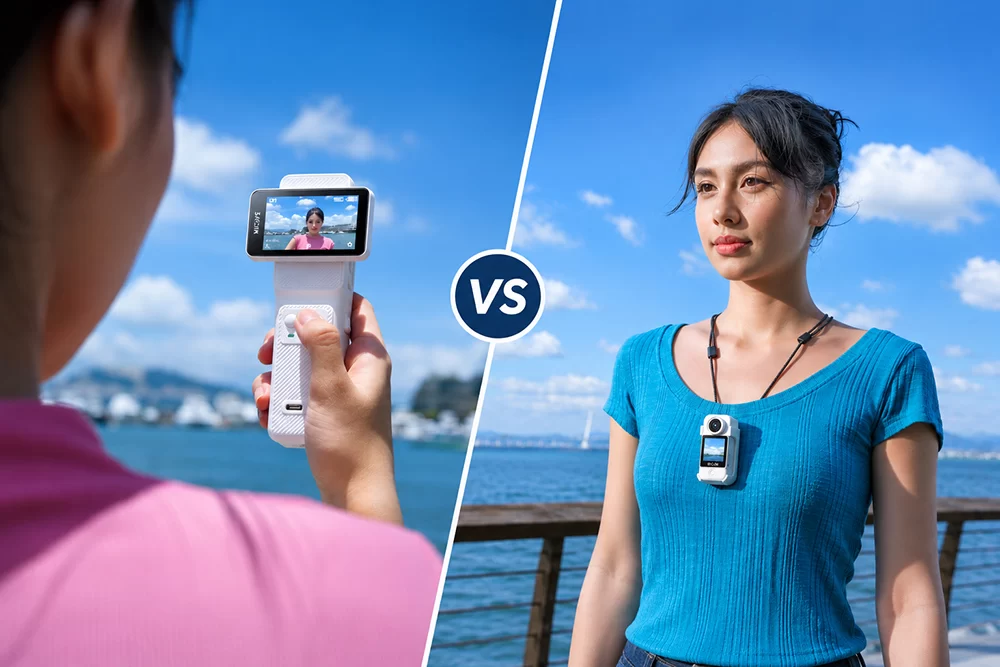
The SJCAM C400 Pro features a 3-in-1 design that makes it suitable for switching between different shooting styles.
It’s a practical option for travelers who want to capture handheld videos, personal travel stories, and wearable POV footage without relying on a single camera position.
Best for: Travel vlogging, sightseeing, and creators who want flexible filming options.
SJCAM S10 – For Lightweight, Hands-Free POV Recording
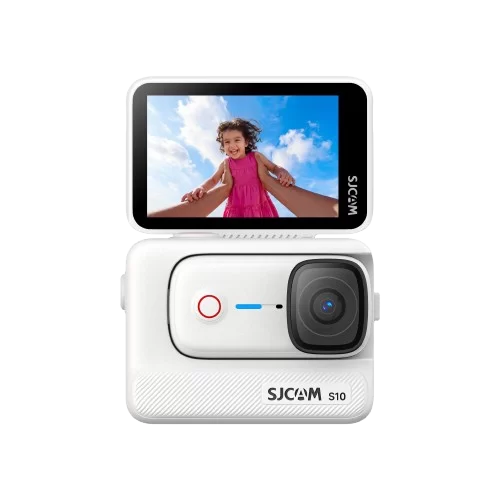
S10
The SJCAM S10 is a compact wearable action camera designed for convenient first-person recording.
Its lightweight design and compatible mounting options make it useful for hiking, casual cycling, and everyday activities where holding a camera would be inconvenient.
Is a Sports Action Camera Worth Buying?
A sports action camera is worth considering if you regularly record activities where holding a phone or traditional camera is inconvenient.
Its main advantages are portability, flexible mounting, wide-angle recording, and the ability to capture first-person perspectives.
However, an action camera isn’t always the best choice. A smartphone may be more convenient for everyday photos and quick sharing, while a dedicated photography camera may offer better optical zoom or low-light performance.
If you mainly take casual photos, you may not need an additional camera. But if you enjoy outdoor activities, hands-free filming, or immersive video perspectives, an action camera can be a useful addition to your equipment.
FAQ
A sports action camera is used to record activities such as cycling, hiking, skiing, swimming, and travel. Its compact design and mounting options make it particularly useful for hands-free and first-person video recording.
Yes. Action cameras can record family activities, travel videos, pets, walking tours, and daily routines. They are especially convenient when you want a small camera that can be carried or mounted easily.
Yes. Most action cameras can capture still photos as well as videos. Their wide-angle lenses are useful for landscapes and outdoor scenes, although traditional cameras may offer more flexibility for portraits and optical zoom.
It depends on the model and activity. Some action cameras offer built-in waterproof protection, while others require a compatible housing. Always check the official depth rating and usage instructions before recording underwater.
The best mounting position depends on the activity. Helmet mounts are commonly used for POV footage, chest mounts can capture a stable forward perspective, and handlebar mounts can work for cycling. Always prioritize secure attachment and safety.
Conclusion
A sports action camera is more than a device for extreme adventures. It can help you capture cycling routes, hiking trails, travel experiences, underwater scenes, creative time-lapses, and everyday memories from perspectives that are difficult to achieve with a traditional camera.
Start with the activities you enjoy most, choose a suitable mounting setup, and experiment with different recording settings.
To explore cameras for your next adventure, browse the SJCAM action camera collection.