





 Chinese (China)
  Spanish
  German
  French
  Italian
  Japanese
  Korean
  Bulgarian
  Greek
Greek  Indonesian
  Chinese (Hong Kong)
  Russian
  Danish
  Finnish
  Hungarian
  Turkish
  Dutch
Dutch  Portuguese
  Swedish
  Romanian
  Slovak
  Serbian
  Norwegian
  Croatian
  Albanian
  Catalan
  Czech
Czech  Estonian
  Armenian
  Bengali
  Amharic
  Polish
  Thai
Thai  Ukrainian
  Vietnamese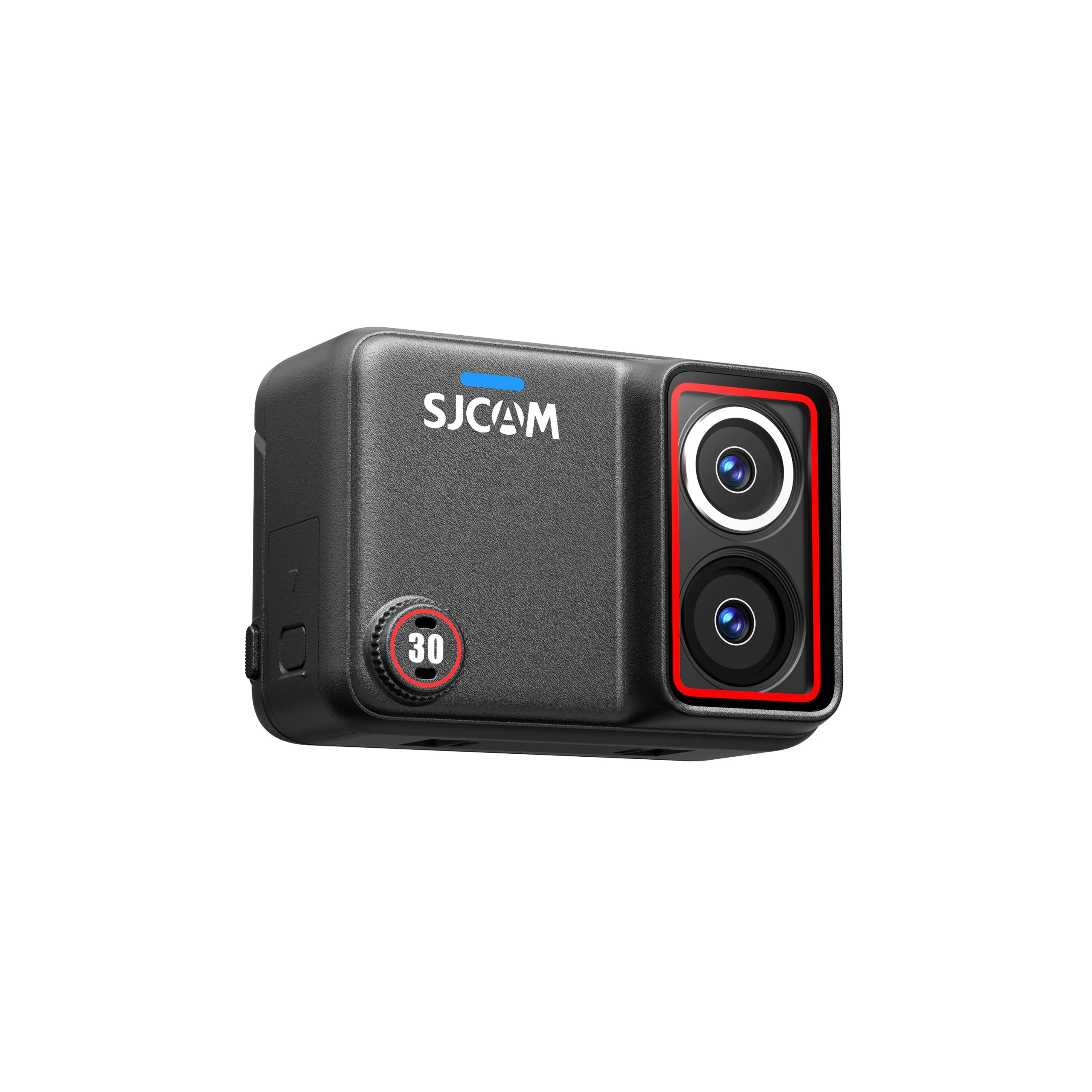
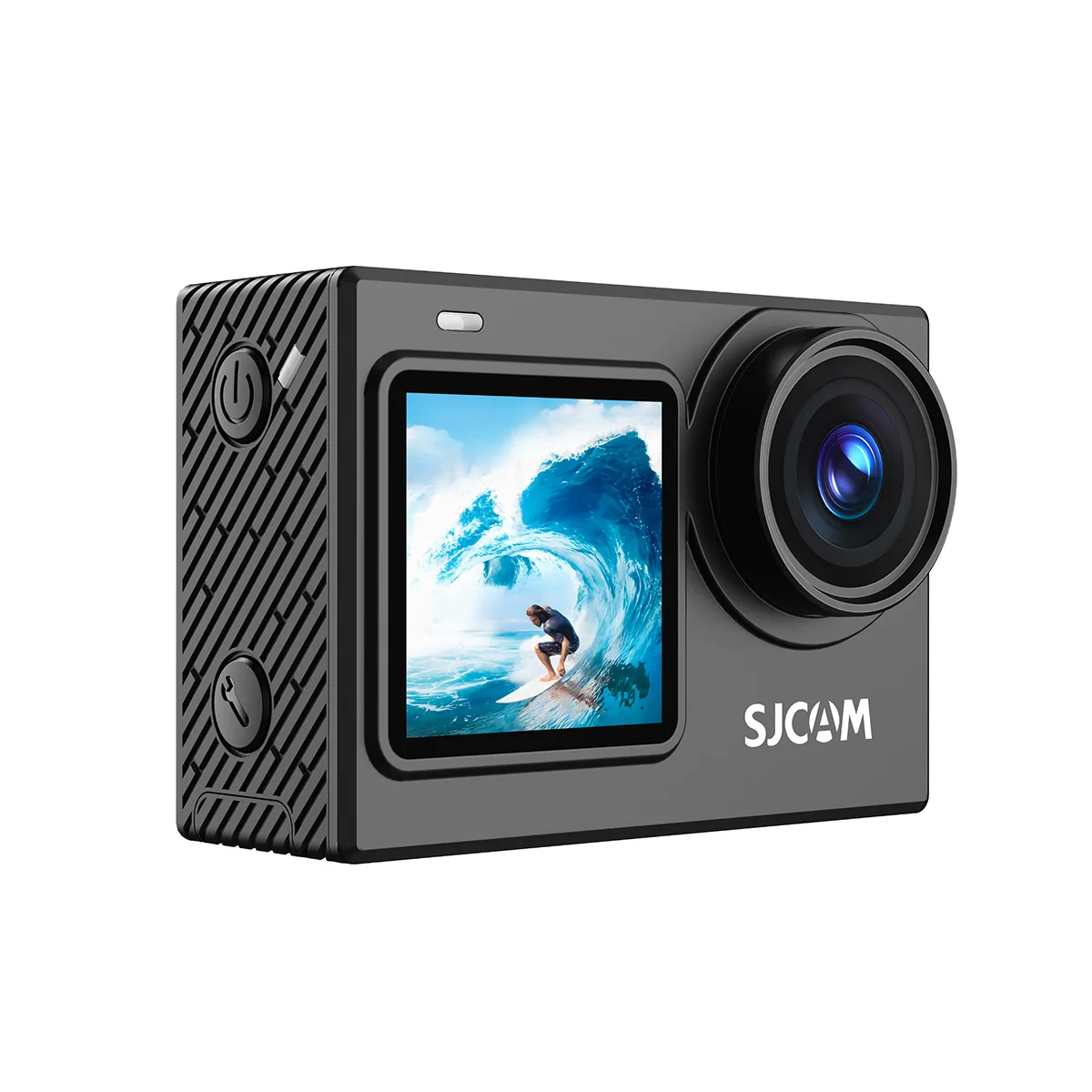
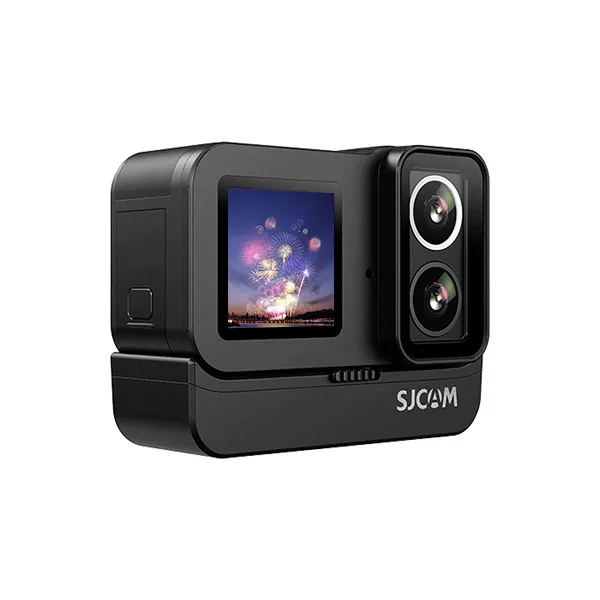
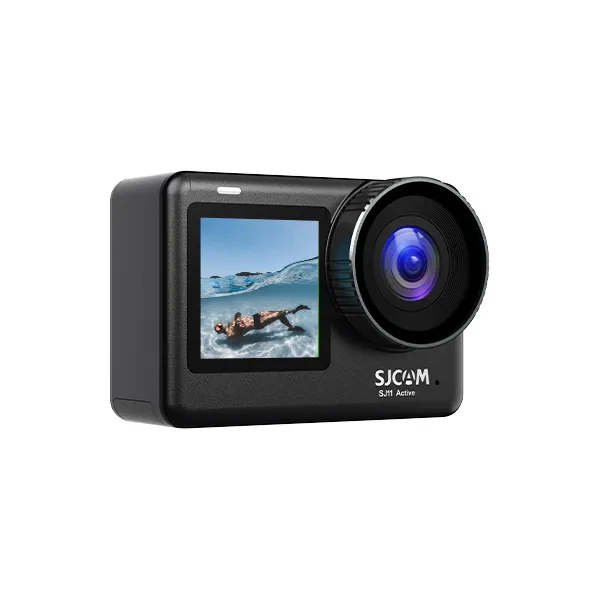
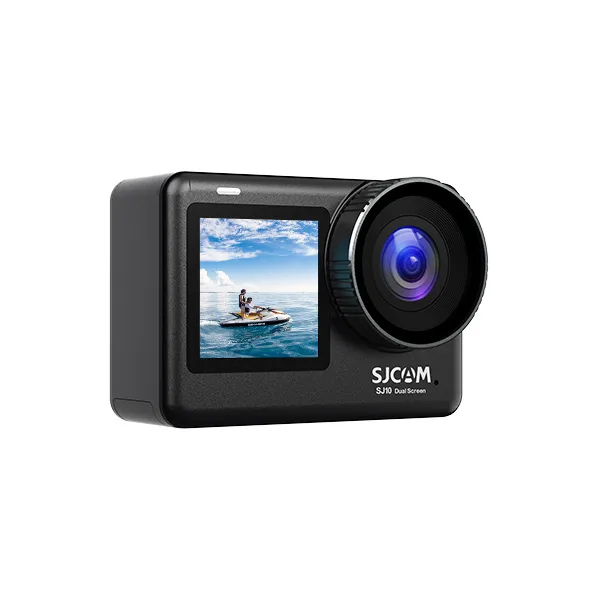
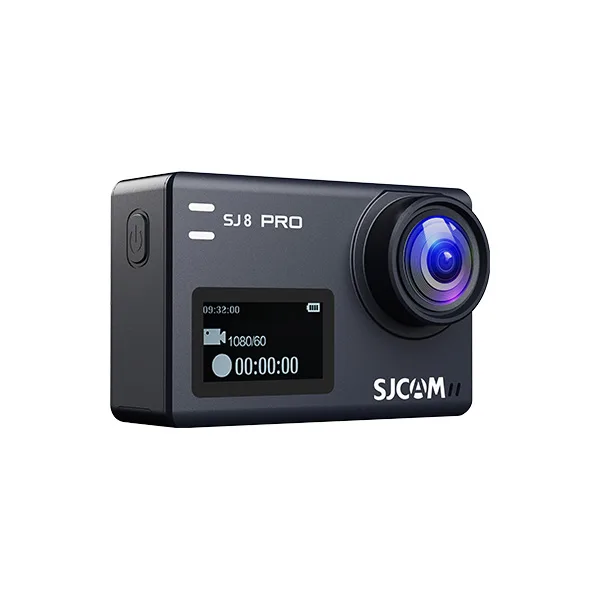
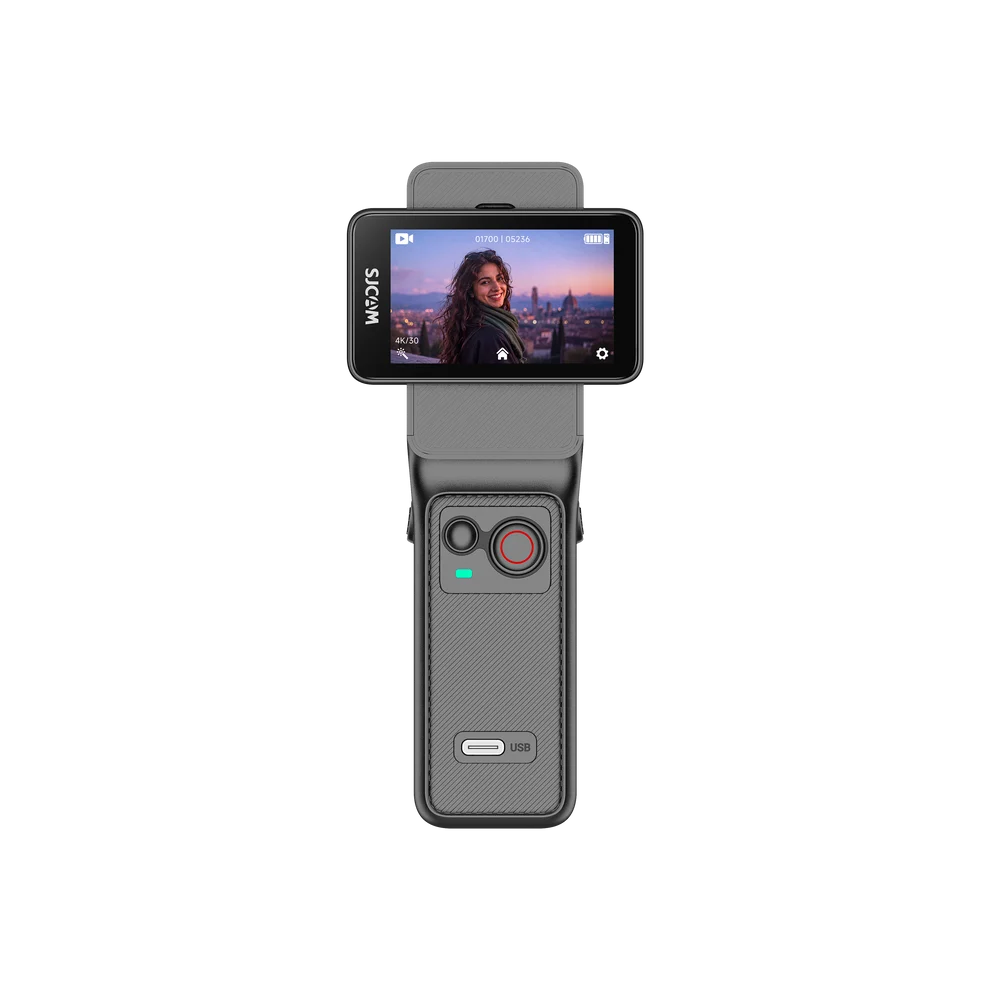
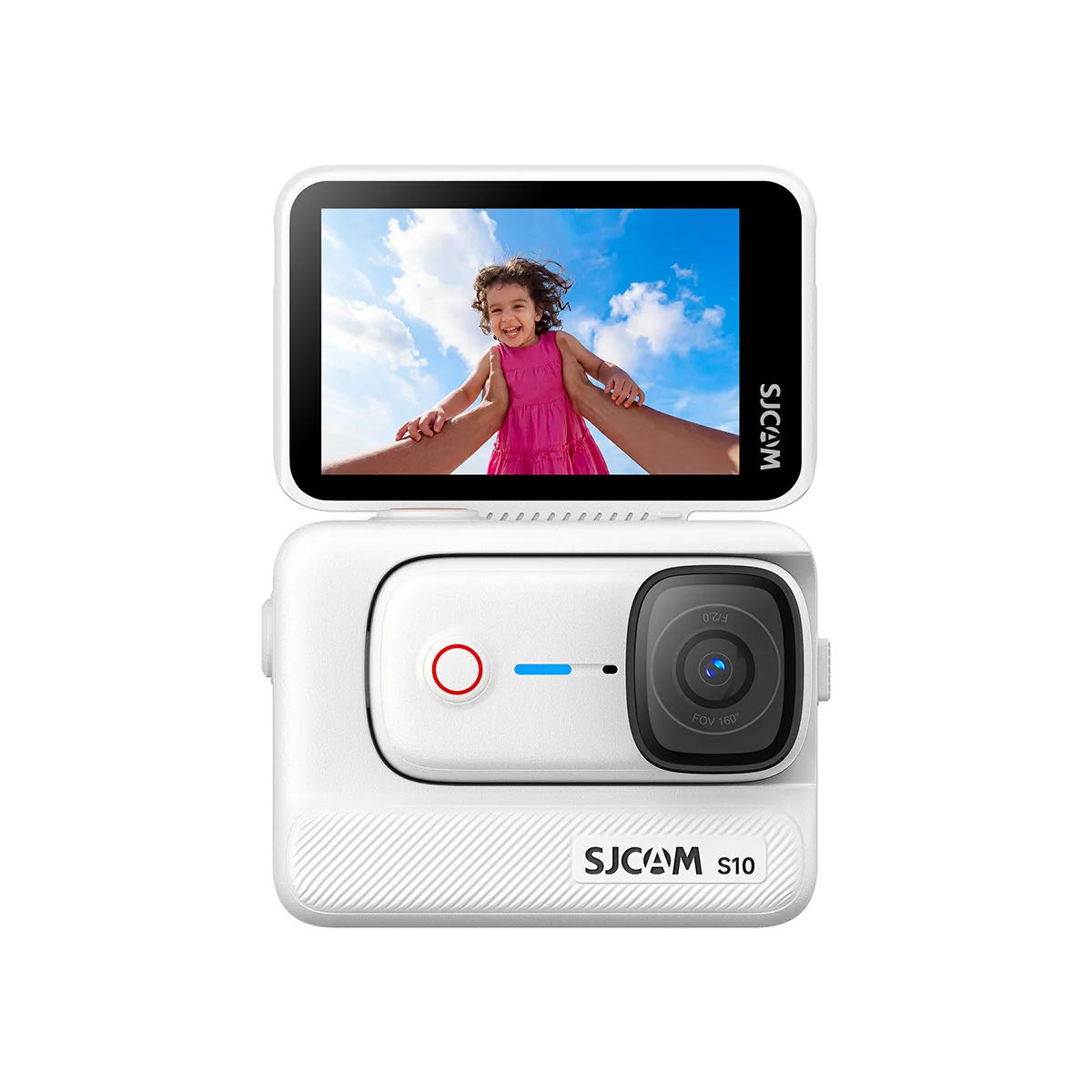
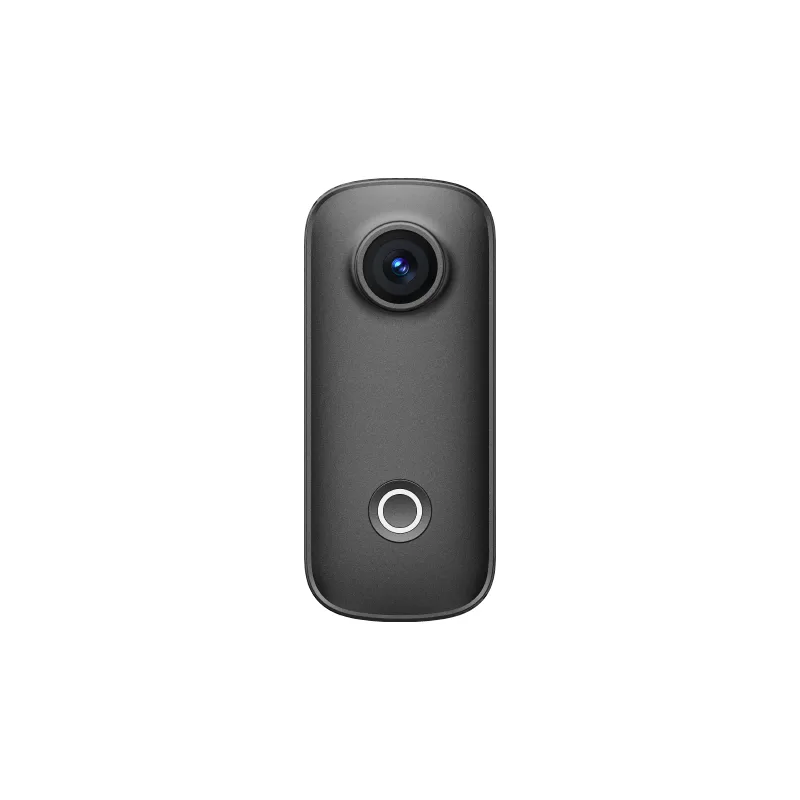
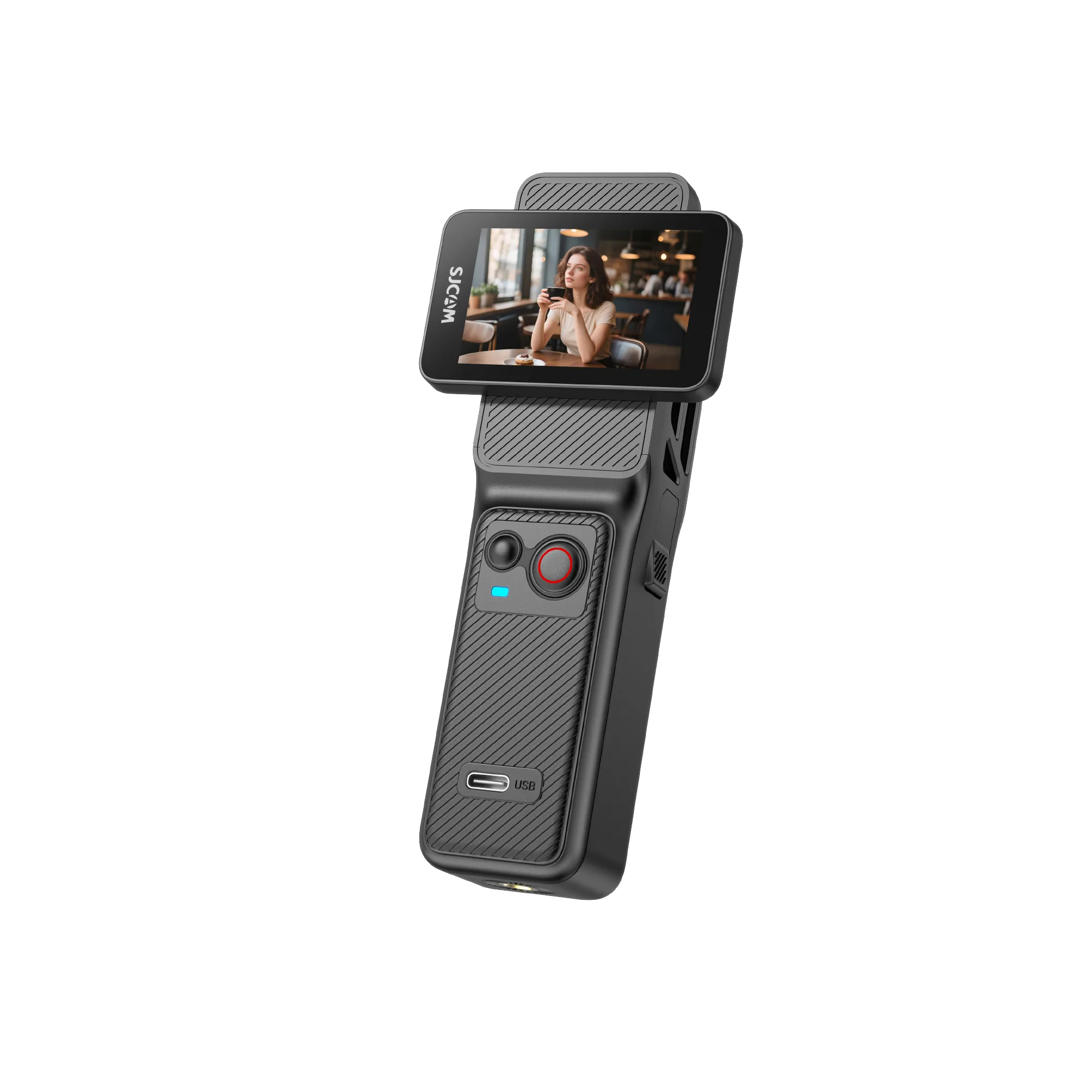
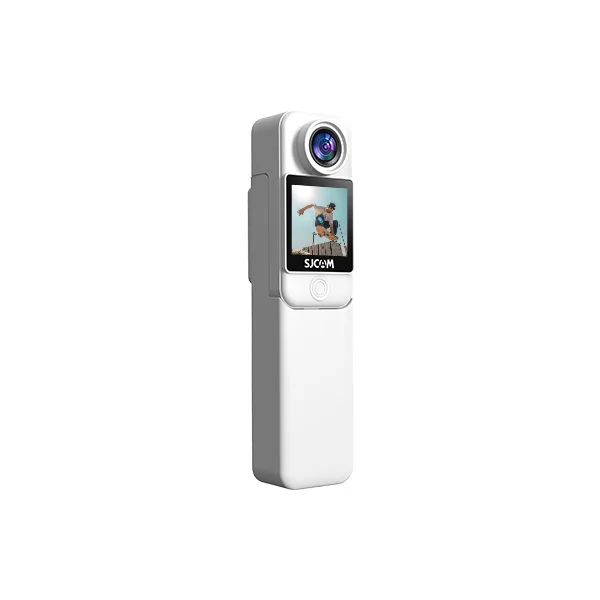
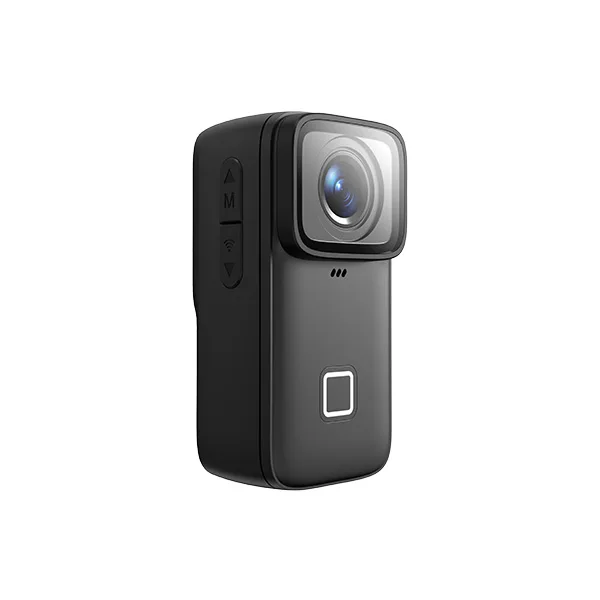
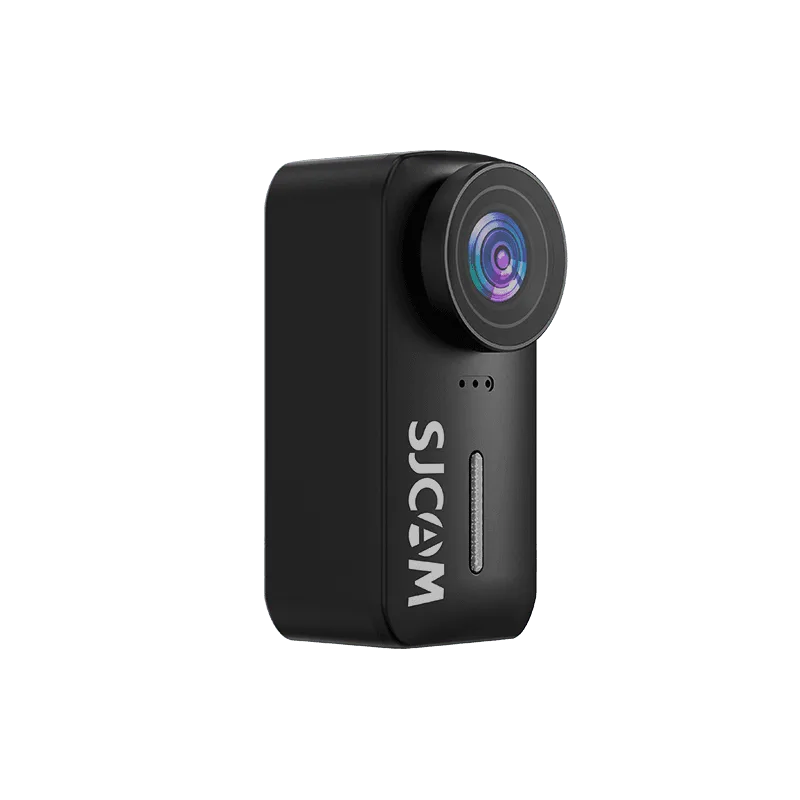
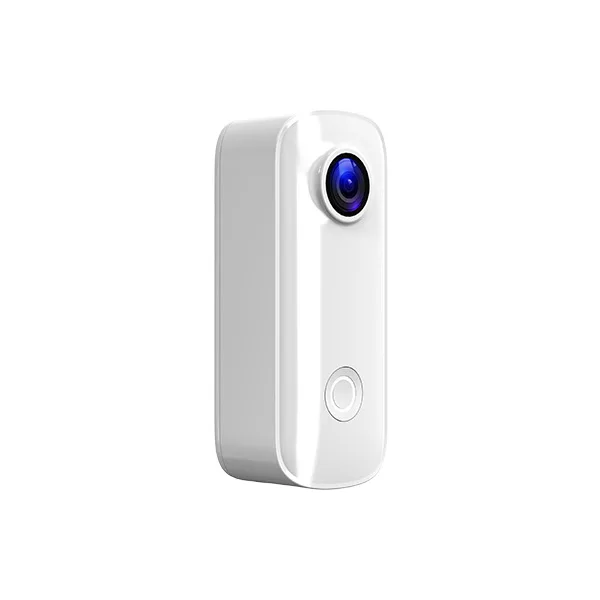
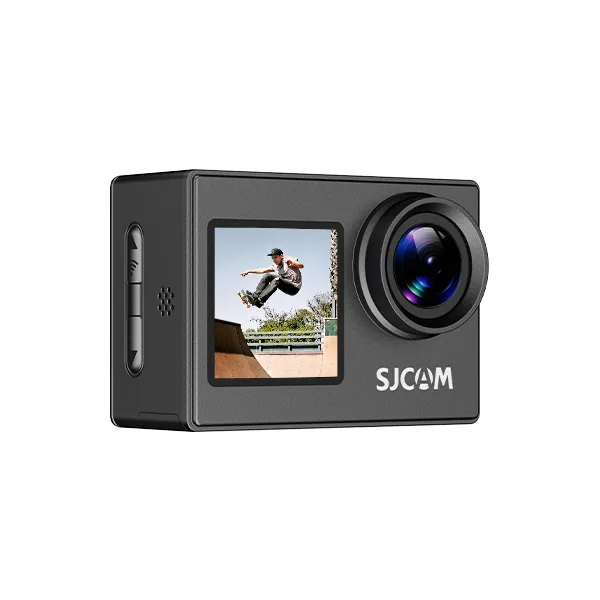
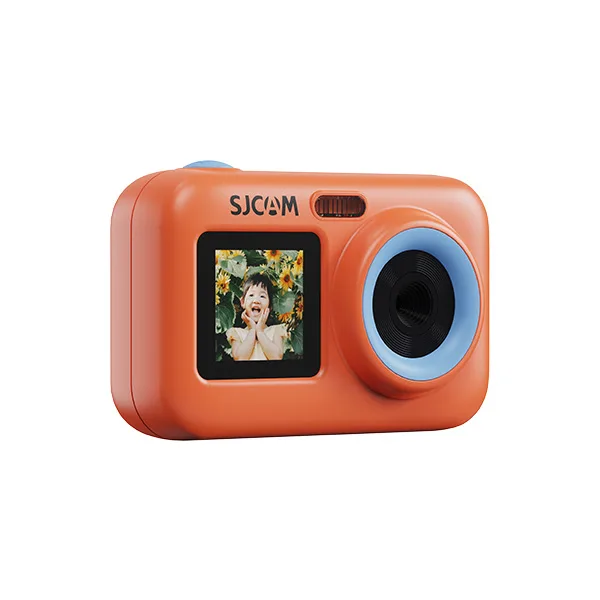
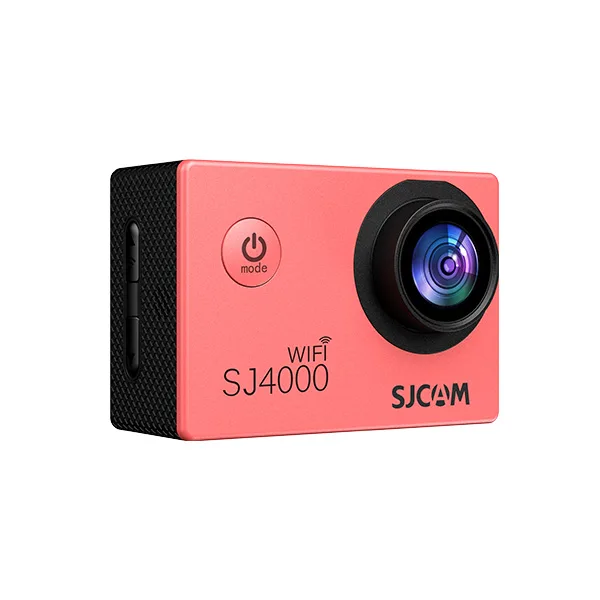
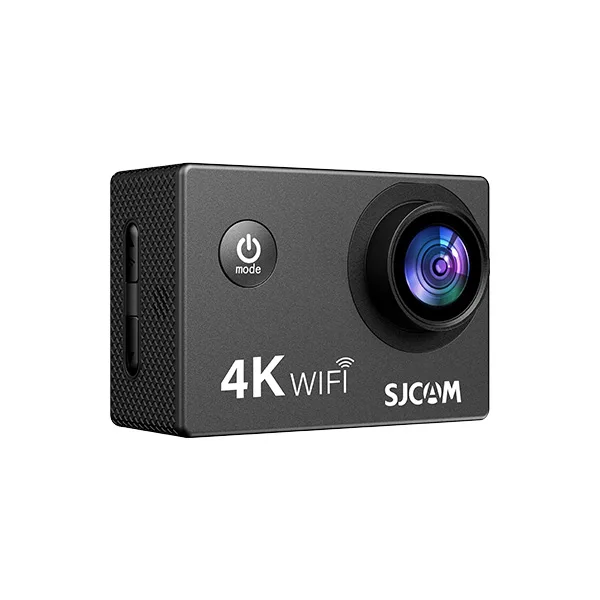
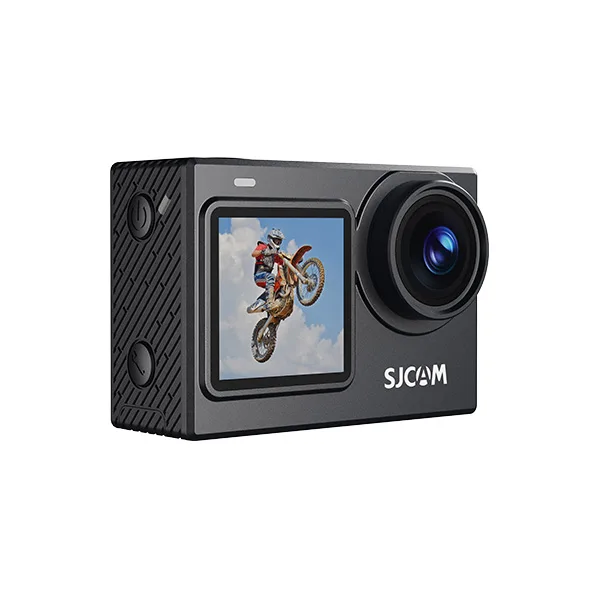
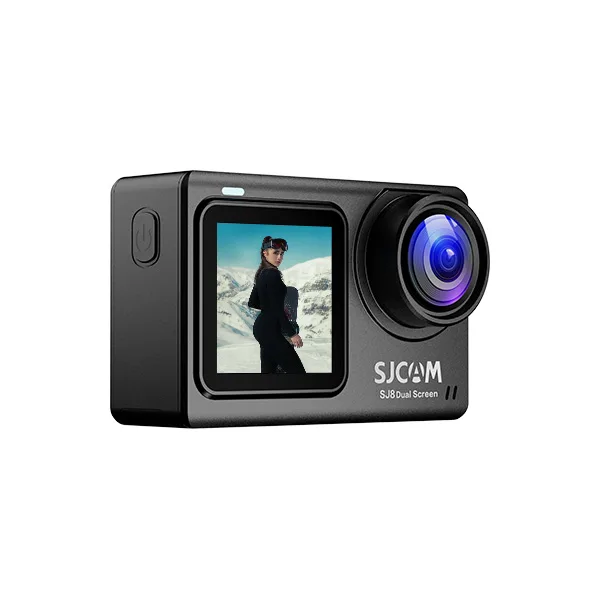
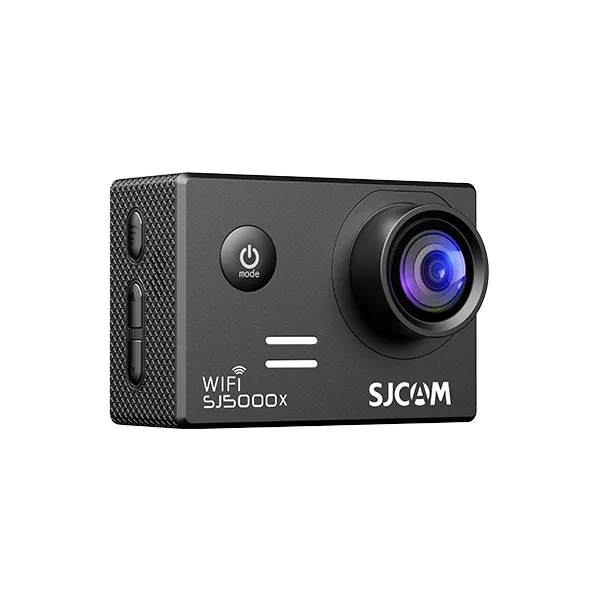


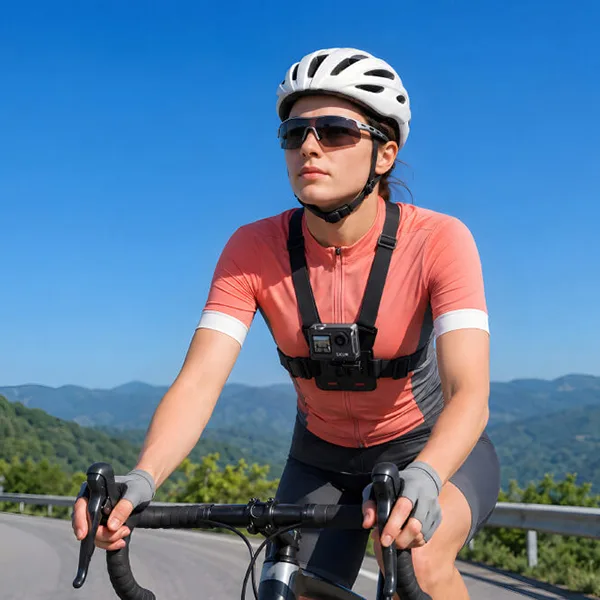

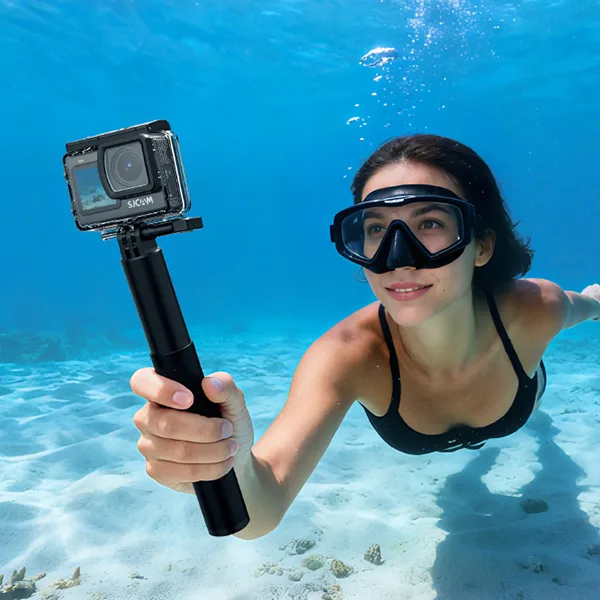
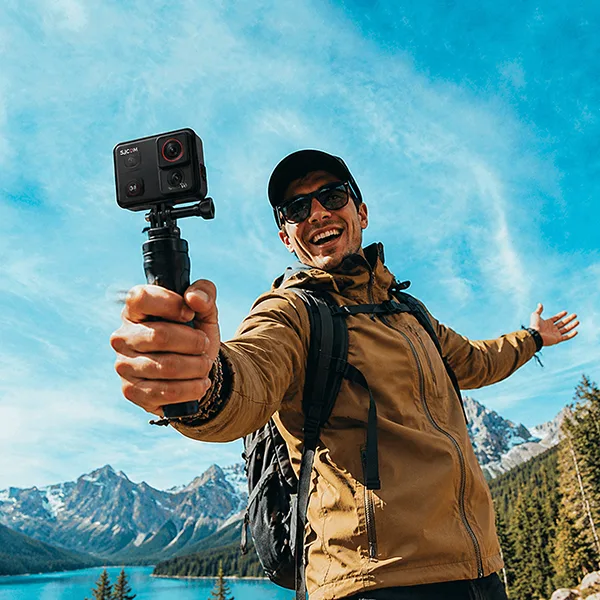
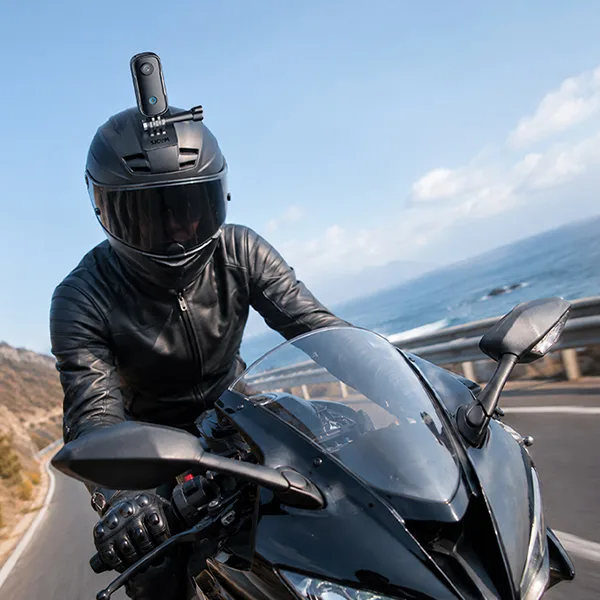
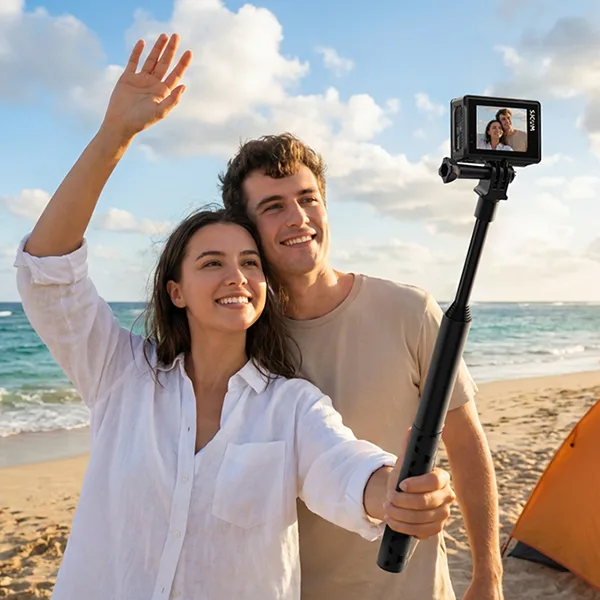

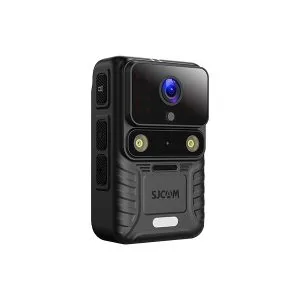
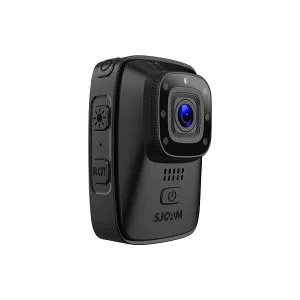
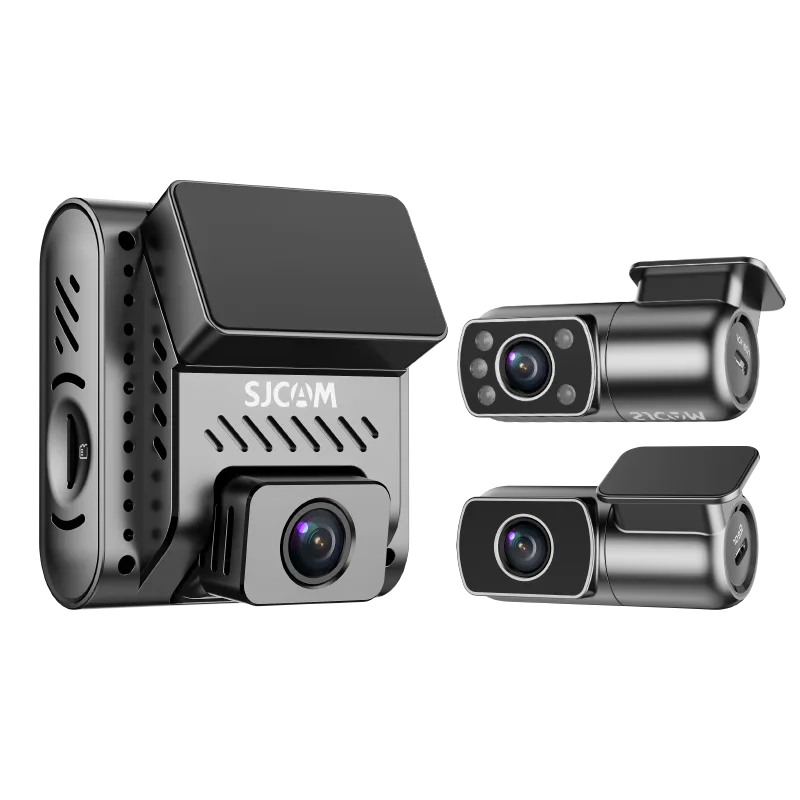
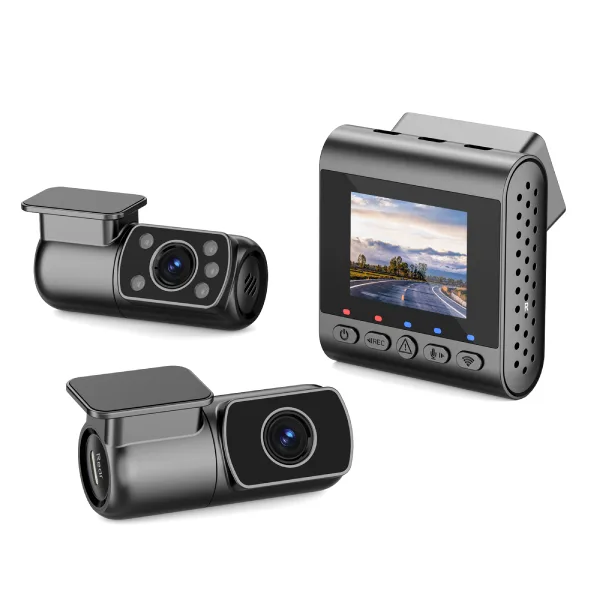
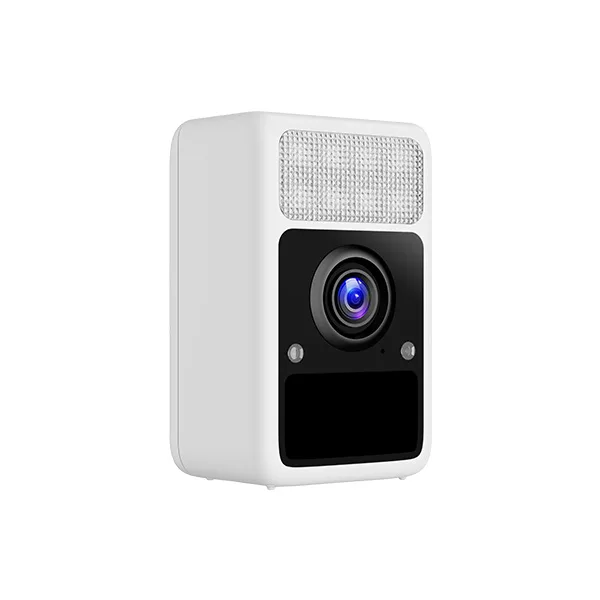
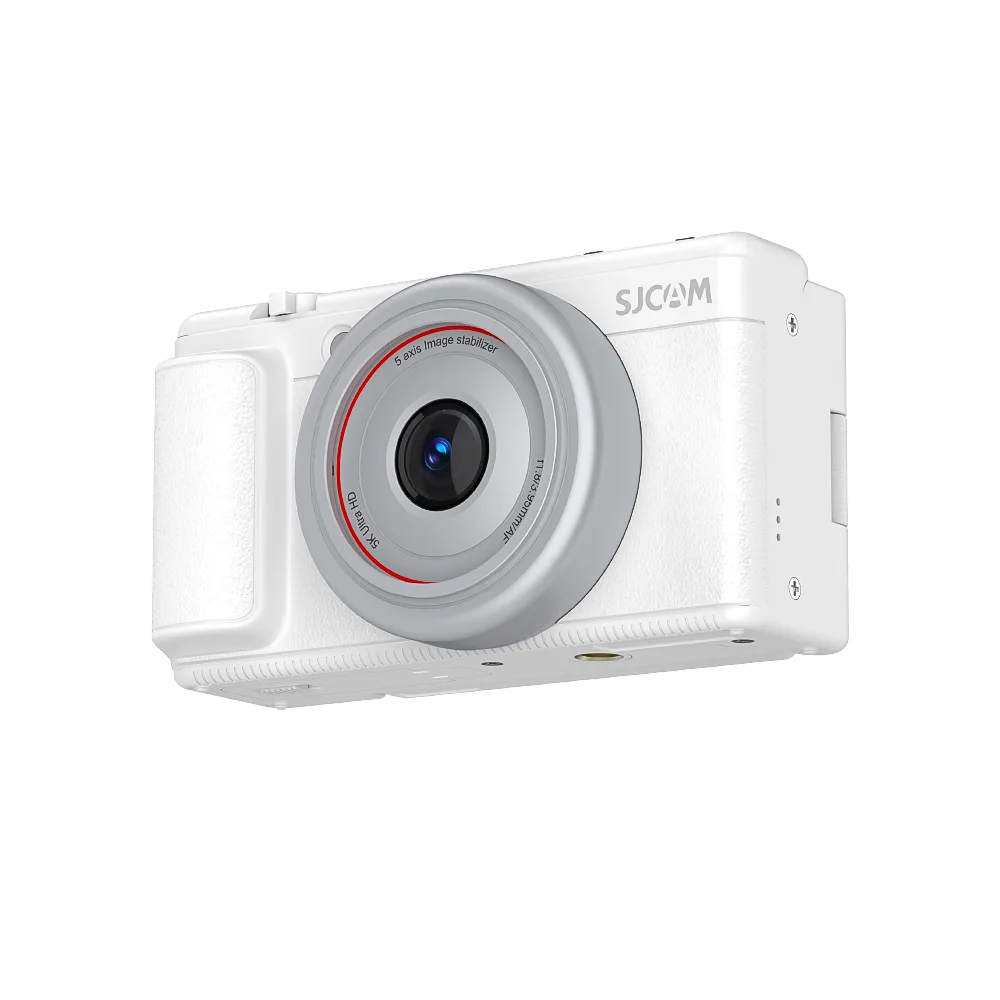
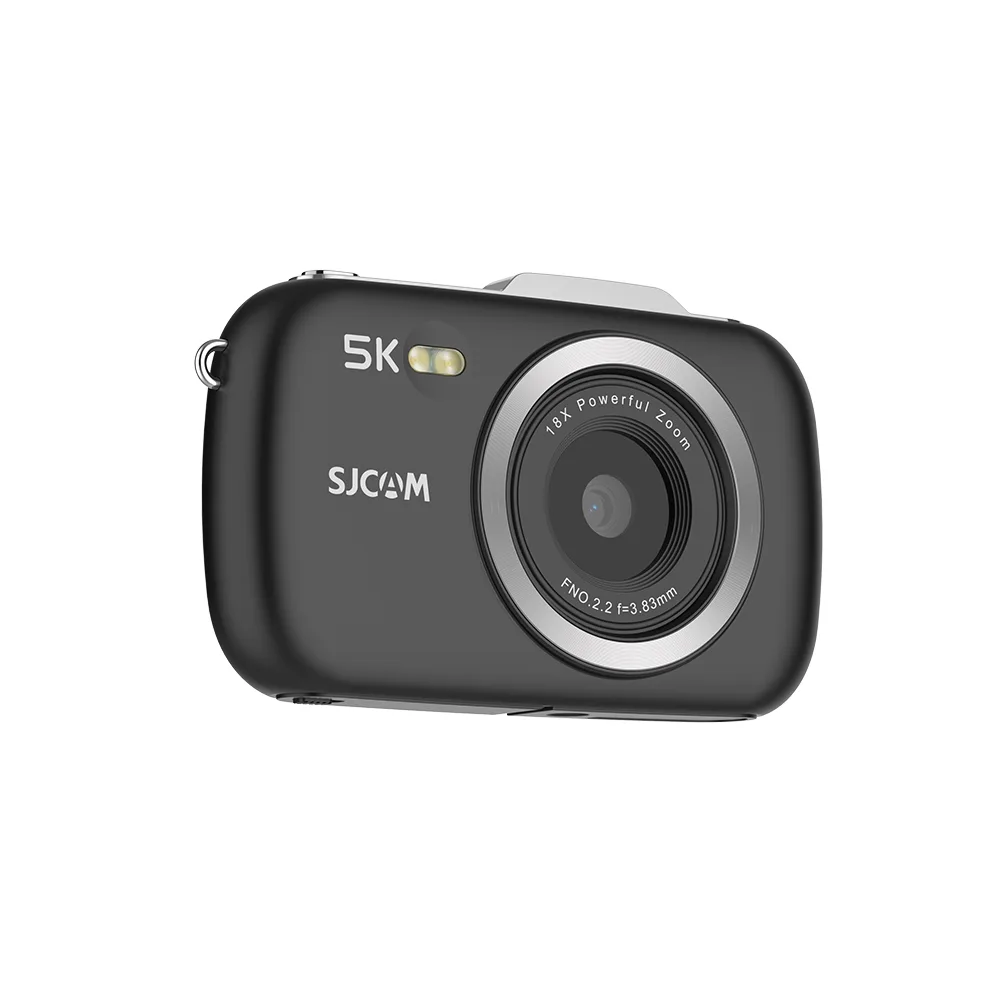

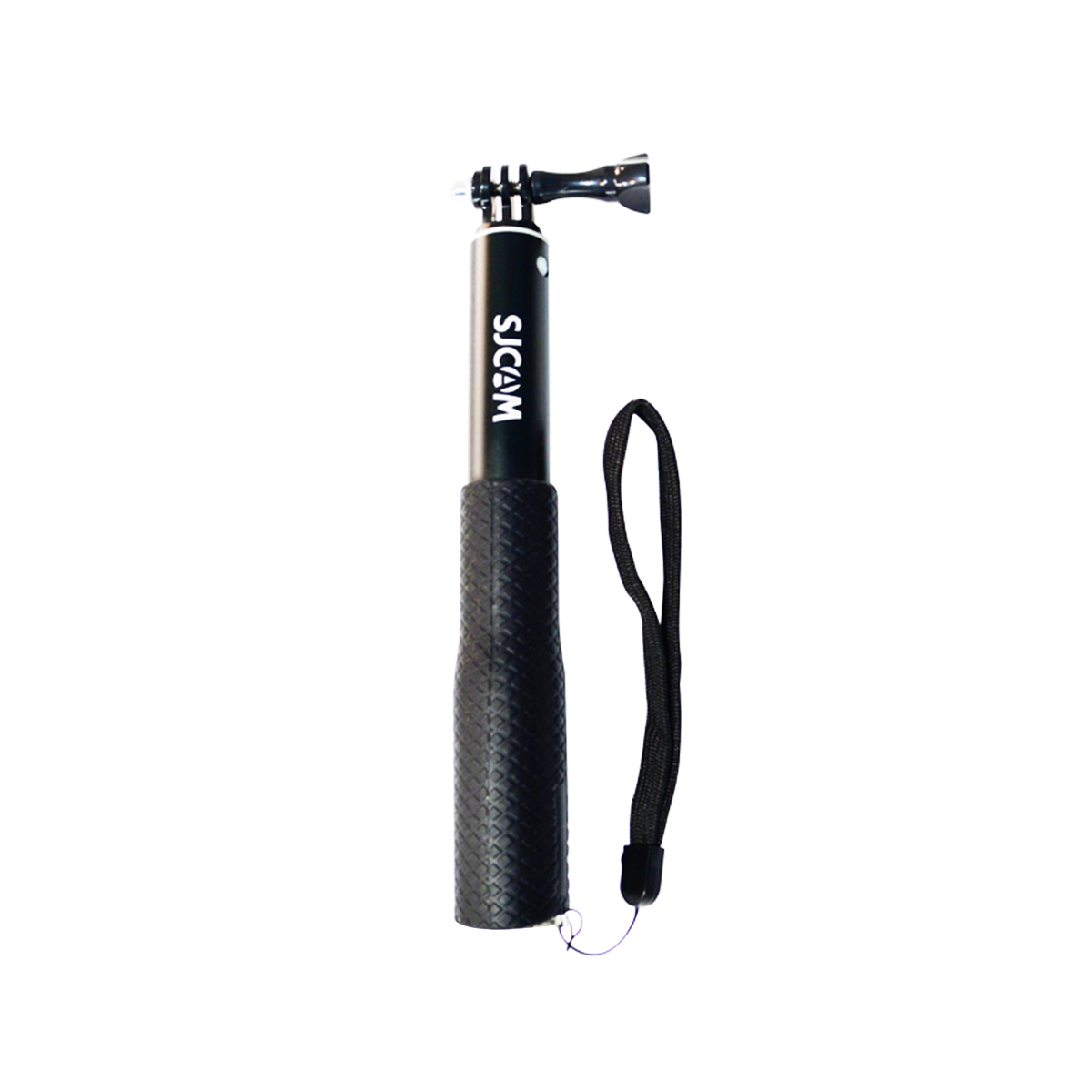


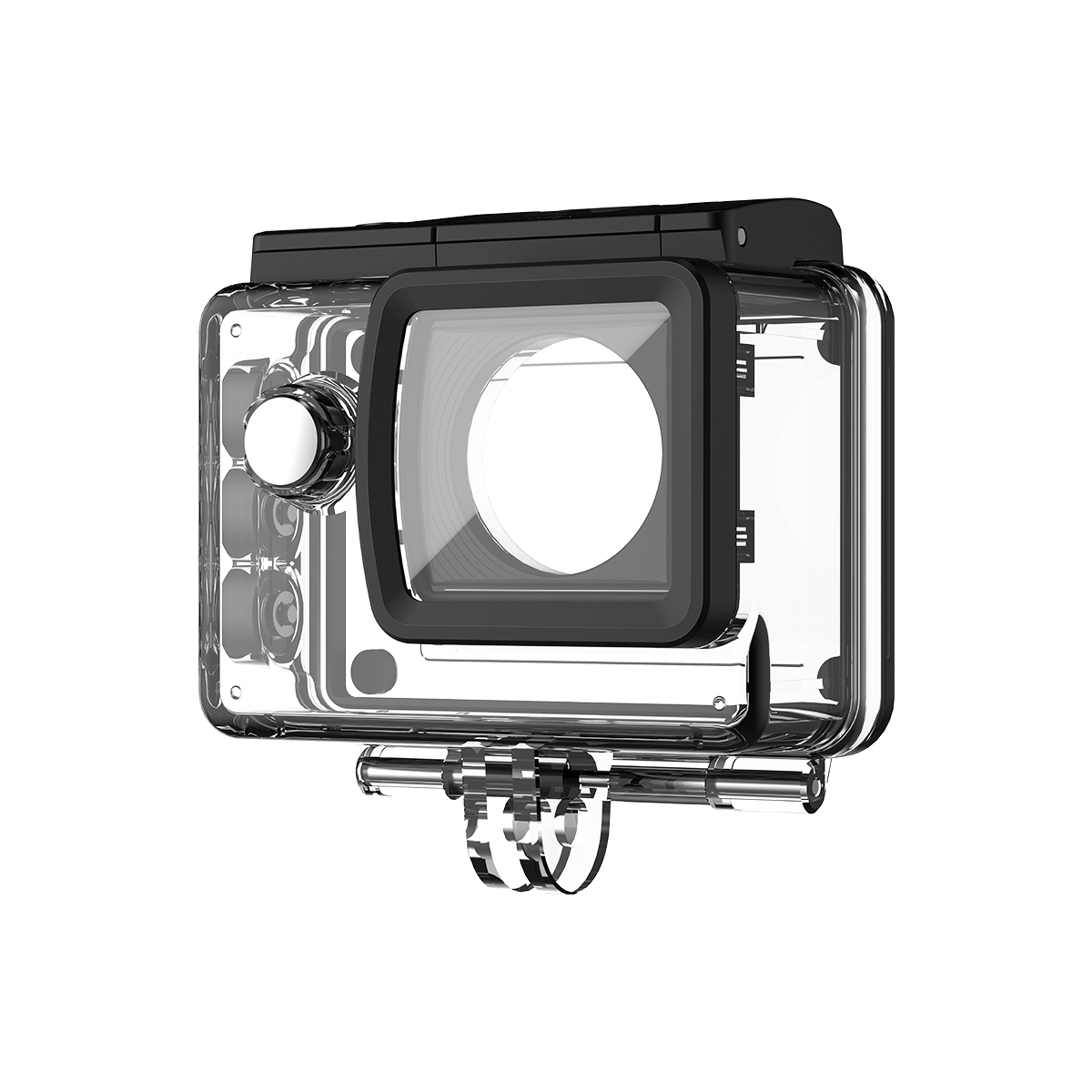
In an era when phones like the iPhone 17 Pro and Samsung Galaxy S26 Ultra provide “pro-grade” cameras, it’s reasonable to wonder: do we still need action cameras?
The argument of action camera vs. smartphone is more relevant than ever. With their ability to take clear photos, record smooth videos, and operate effectively in a variety of situations, modern smartphones provide a powerful all-in-one choice.
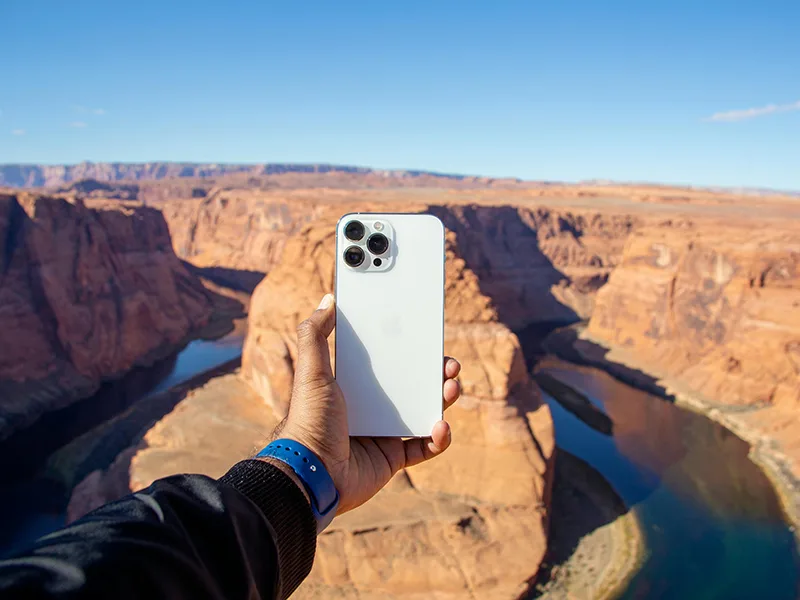
But the reality in 2026 is more complicated. While action cameras rely on optical physics, with durable constructions and broad lenses meant for real-world action, smartphones rely on computational photography to enhance photographs by means of software. These two are going in opposite directions, not becoming the same.
Therefore, the genuine issue is not which one is superior. It’s all about figuring out which camera will be able to withstand the environment you’re going to be in and do well.
Why Your Smartphone Still Wins (The Convenience Factor)
With their widespread use, smartphones provide unmatched ease. One big draw is the capacity to shoot, AI-edit, and upload to sites like TikTok or Snapchat in less than 60 seconds.
For casual vlogging, devices such as the iPhone 17 Pro and Samsung S26 Ultra stand out in computational photography, therefore delivering amazing low-light performance in “night mode” and correct skin-tone presentation.
In the end, the best camera is typically the one you have with you; smartphones are perfect for city walks, food tours, and travel where immediate sharing is essential.
The “Deal-Breakers”: 5 Scenarios Where Your Phone Will Fail
Despite their improvements, smartphones still have restrictions that specialized action cameras can overcome:
1. Thermal Throttling
Due to thermal throttling, phones frequently turn off following about 20 minutes of nonstop 4K/60fps recording. Action cameras, like SJCAM’s, are built for durability and enable lengthy high-resolution recording without overheating.
2. The Fear of the “Heartbreak Drop”
Would you take a chance and fasten a $1,200 smartphone to a surfboard or a mountain bike handlebar? Because flagship phones are naturally fragile and expensive, they are not appropriate for harsh situations where drops and bumps are frequent. Action cameras are made to resist such maltreatment.
3. Field of View (FOV) & Immersion
Although phones usually provide a 120° field of view, action cameras give a 170°+ FOV, delivering a really immersive first-person view (FPV) or point-of-view (POV) angle vital for photographing energetic events.
4. Battery Swapping
One must be able to swiftly change batteries for professional usage or lengthy travels. Action cameras let consumers bring several backup batteries for a full day of shooting during sports like skiing, a feature mostly missing in sealed smartphone designs.
5. The 2026 Sensor Revolution
Action cameras are progressively featuring 1-inch sensors, which are starting to outperform phone sensors in terms of raw video bitrate and dynamic range in 2026, thus providing higher image quality in harsh environments.
2026 Comparison – Smartphone vs. SJCAM Action Camera
| Feature | Smartphone (iPhone 17 Pro/S26U) | SJCAM Action Camera (SJ30/C400) |
| Max FOV | ~120° (Ultra-wide) | 170°+ (Immersive POV) |
| Durability | Fragile glass needs a case. | Rugged, shock-resistant, mountable |
| Waterproofing | IP68 (Freshwater only) | Dedicated housing (Saltwater safe) |
| Recording Time | Limited by heat (20-30 mins) | Unlimited (built-in cooling design) |
| Lens Repair | $500+ (Screen/Unit replacement) | ~$20 (Replaceable lens cover) |
The “Action Camera Advantage” in 2026
There are many significant advantages to using a dedicated action camera:
Mounting Ecosystem
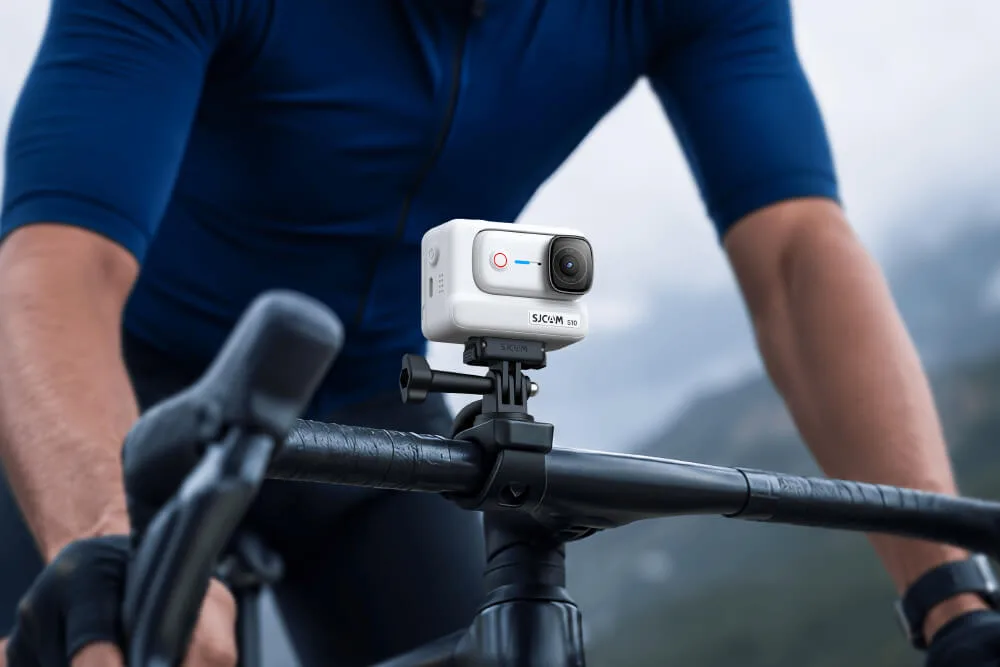
Action cameras provide a large range of mounts for helmets, chests, wrists, and even drones, allowing for perspectives that smartphones are unable to capture.
True Waterproofing
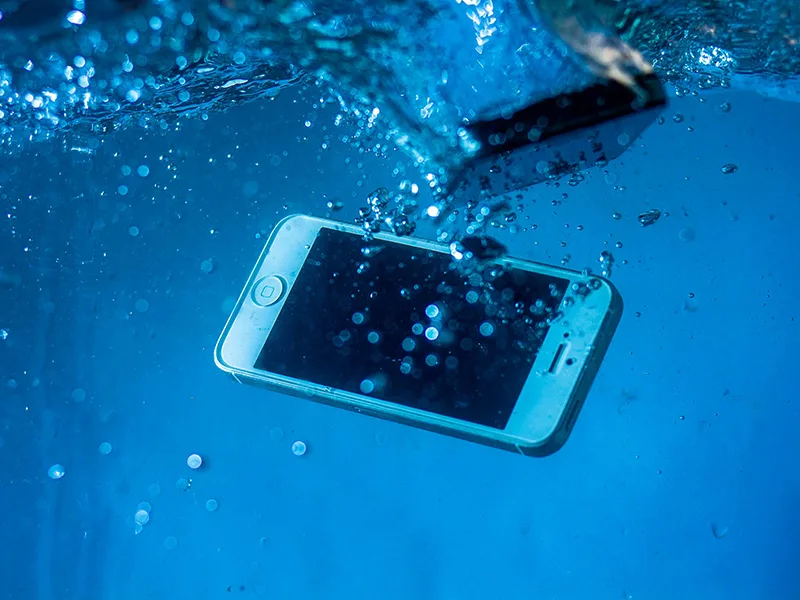
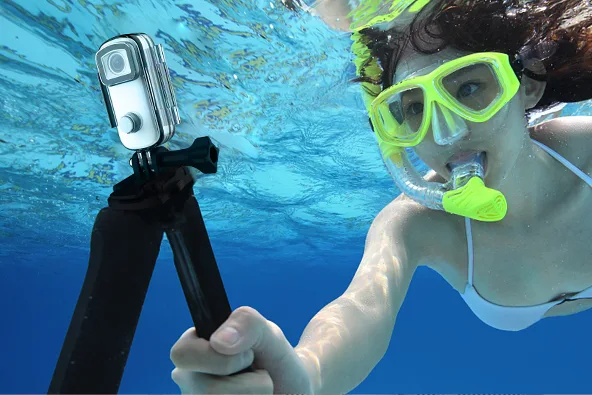
Although many phones are “water-resistant,” action cameras are designed for true waterproofing and excel in saltwater settings where phone seals would quickly fail.
AI Auto-Reframing
Modern action cameras with a wide-angle or 360° capability offer AI auto-reframing, which enables users to “shoot first, point later” and pull numerous viewpoints from a single video.
Cost-Benefit Analysis: The Hidden Value
When considering the long term, action cameras frequently offer a better value proposition:
Replacing a Lens vs. Replacing a Phone
Replacing a broken lens on an action camera could cost about $20, whereas replacing a damaged $1,000+ smartphone would have a significant financial impact.
Longevity
A durable action camera, like an SJCAM, can withstand at least four years of heavy usage. In contrast, the battery life and overall performance of a smartphone might deteriorate quickly due to the ongoing heat and stress of heavy video recording.
The “Pro-Summer” Tech Edge: Why Hardware Beats AI
While smartphones rely on aggressive AI to “guess” what a good photo looks like, action cameras prioritize raw data and physical versatility. Here are three professional-grade advantages that 2026 flagship phones still can’t replicate:
1. High Bitrate & Post-Production Flexibility
Smartphone video often looks great on a small screen, but it’s heavily compressed to save storage space. This low bitrate results in “blocky” artifacts when you try to color grade your footage. Dedicated devices like SJCAM’s latest models support significantly higher bitrates in .mp4 or ProRes-compatible formats. This preserves the raw data of every pixel, giving creators the “dynamic range” needed for professional color grading and cinematic post-production.
2. Physical ND Filters vs. Digital Simulation
In 2026, phones still struggle to replicate natural motion blur. To get that cinematic “film look,” you need to control the shutter speed using physical ND (Neutral Density) filters. Action cameras are designed with threaded lens mounts that allow you to easily snap on an ND filter. This reduces light intake physically, allowing for a slower shutter speed that creates smooth, natural motion. Smartphones try to mimic this using computational “Portrait Video” modes, which often result in weird digital blurring around the edges.
3. The Creator Ecosystem (Cold Shoes & Pro Audio)
A professional setup requires more than just a lens. Action cameras serve as the hub of a modular ecosystem. With integrated cold shoe mounts, you can instantly attach external LED lights or professional directional microphones. While smartphones require bulky, fragile cages and awkward adapters to connect a simple mic, an action camera is built to be “plug-and-play” with pro-audio gear, ensuring your sound quality matches your 8K visuals.
Verdict: Who Really Needs a Dedicated Cam in 2026?
The Hybrid Creator
Many creators will find success using a hybrid approach: employing their smartphones for B-roll footage and casual captures while relying on a dedicated action camera for the “heavy lifting” of high-intensity or extreme scenarios.
“In our lab tests at 25°C, the flagship smartphone triggered thermal shutdown at 22 minutes of 8K recording, while the SJ30 continued for 80 minutes.” — By the SJCAM Engineering Team—Field-tested in extreme surfing and mountain biking conditions.
The Specialist
Divers, mountain bikers, serious vloggers, and anyone participating in sports where toughness, specific mounting choices, or great environmental resistance are most important can find an action camera to be an essential instrument.
Final Checklist
Ask yourself the following to see whether you require an action camera:
- Will I be shooting in harsh circumstances (water, dust, impact)?
- Do I require certain mounting choices or a broad field of vision?
- Is a prolonged, uninterrupted recording at high resolution necessary?
FAQ
Can I use an action camera as a webcam for streaming?
Yes, many modern action cameras have webcam capabilities, allowing you to stream or video conference with high-quality video.
Is 8K really necessary for social media in 2026?
Although 8K provides amazing detail, it’s usually too much for social media networks, which compress video. But 8K does offer future-proofing and makes major cropping possible without compromising quality.