






 Chinese (China)
  Spanish
  German
  French
  Italian
  Japanese
  Korean
  Bulgarian
  Greek
Greek  Indonesian
  Chinese (Hong Kong)
  Russian
  Danish
  Finnish
  Hungarian
  Turkish
  Dutch
Dutch  Portuguese
  Swedish
  Romanian
  Slovak
  Serbian
  Norwegian
  Croatian
  Albanian
  Catalan
  Czech
Czech  Estonian
  Armenian
  Bengali
  Amharic
  Polish
  Thai
Thai  Ukrainian
  Vietnamese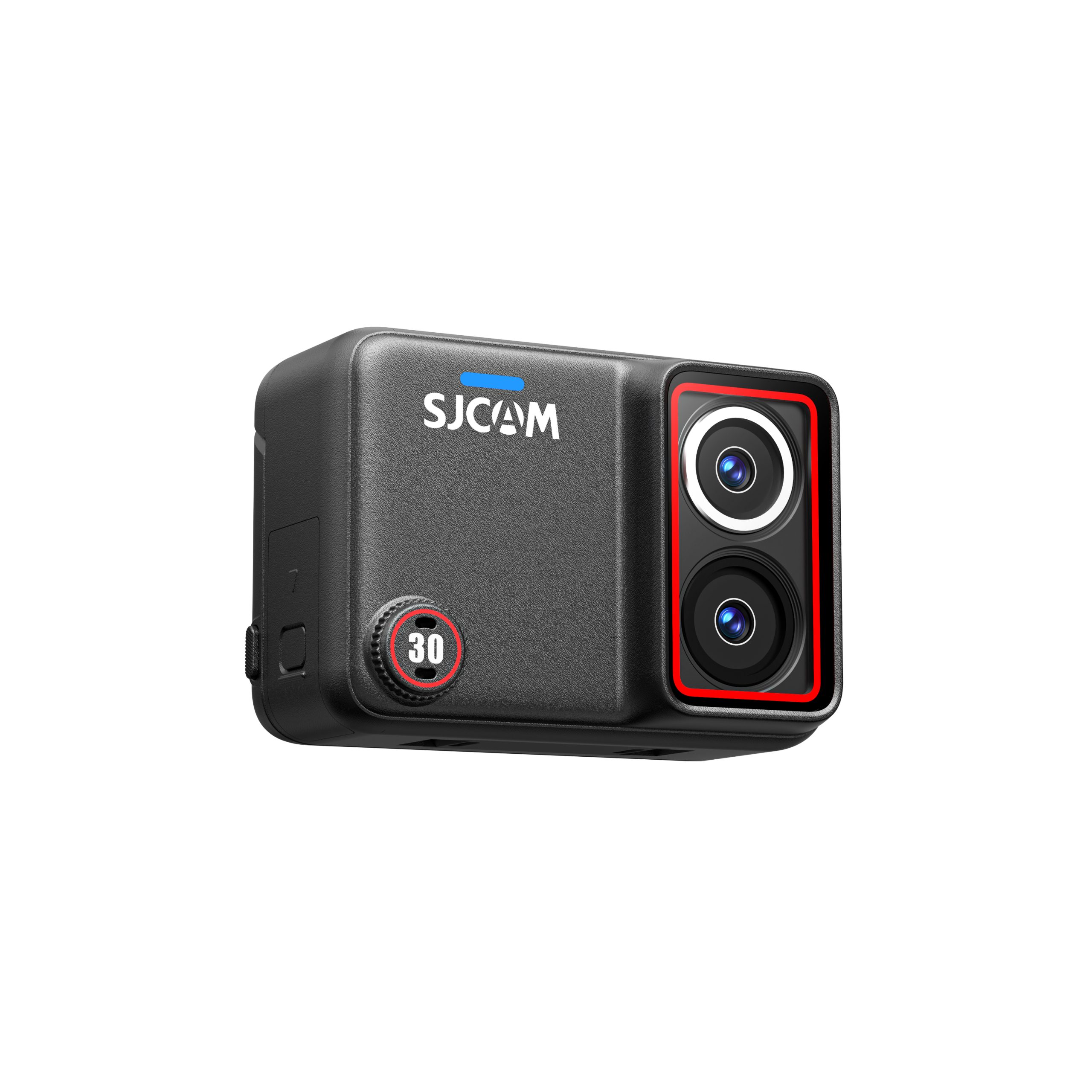






Action Cameras vs. 360 Cameras: Which One Fits Your Adventure?
The world of portable adventure recording has exploded with innovation, giving creators two distinct paths for capturing their experiences. Whether you are climbing mountains or exploring cities, picking an action camera or a 360 camera is important. It can greatly affect your content strategy.
These compact powerhouses have revolutionized how we share adventures, but each serves dramatically different purposes. Knowing when to use a tough action camera or a 360 camera will change how you tell your story. It will help you capture every moment just as you want.
What Are Action Cameras?
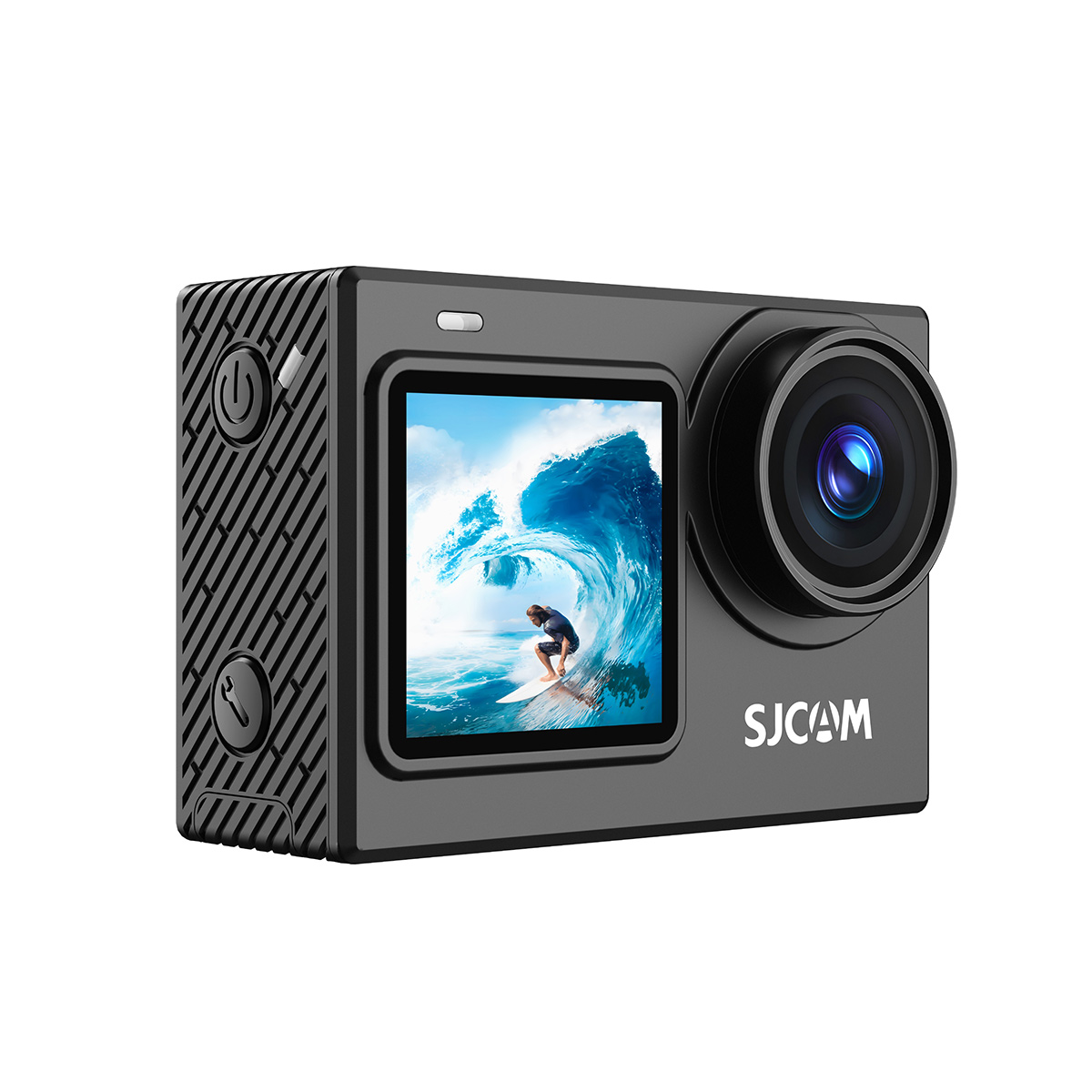
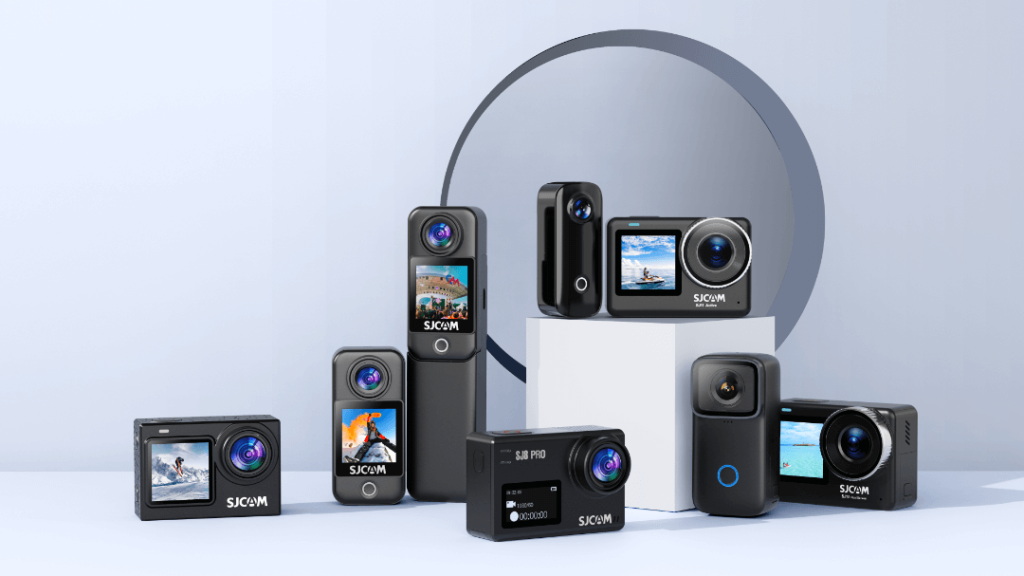
Action cameras represent the gold standard for adventure documentation—compact, nearly indestructible devices engineered for high-impact scenarios. These small cameras work well in places where regular cameras struggle. They are great for surfing big waves and biking on tough trails.
Key Features That Define Action Cameras
Ultra-High Frame Rates:
Modern action cameras provide amazing 4K resolution at 60 frames per second. Some models can record 1080p at 120 frames per second. This allows for smooth slow-motion videos that show every detail of fast action.
Wide-Angle Excellence:
Most action cameras feature 120°–170° lenses, providing expansive coverage while maintaining focus on the primary subject. This wide perspective captures environmental context without losing the intimate feel of first-person footage.
Military-Grade Durability:
Manufacturers design action cameras to handle tough conditions. They are usually waterproof up to 30 meters. They can resist shocks and work in extreme temperatures. These features let them keep recording when other devices stop.
Advanced Stabilization:
Premium models like the SJCAM C400 action camera use advanced anti-shake technology. This provides professional-level stability during high-vibration activities, such as motorcycle racing or helicopter flights.
Ideal Action Camera Applications
Action cameras are popular for sports like surfing, skateboarding, and skiing. They are great for first-person adventure vlogs and cooking tutorials that need hands-free use. These cameras are also perfect for situations that require strong durability and clear framing.
What Are 360 Cameras?
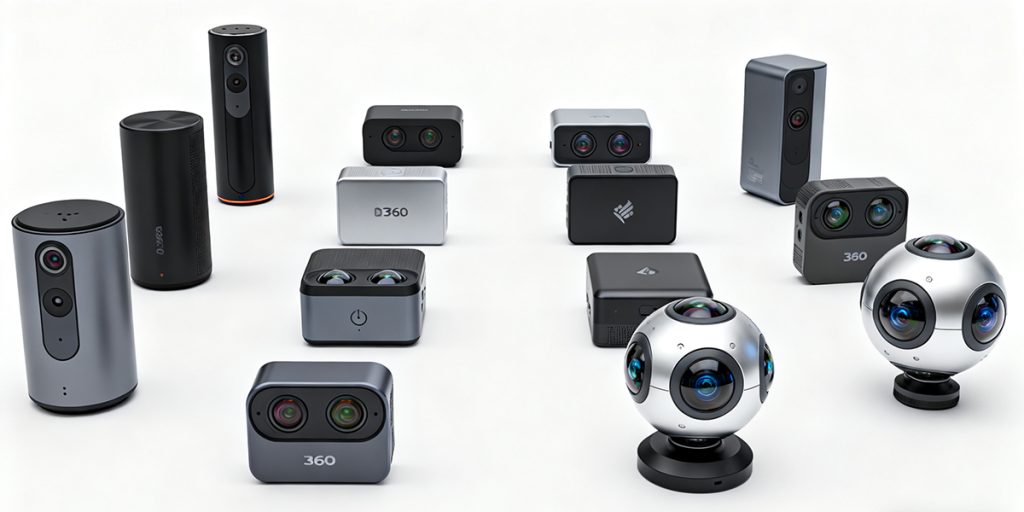
360 cameras change content creation by capturing full spherical views with two ultra-wide lenses. This creates immersive experiences that bring viewers right into the scene.
Revolutionary 360° Camera Technology
Panoramic Coverage:
Unlike traditional cameras with limited fields of view, 360 cameras simultaneously record everything—above, below, and all around the operator—creating truly comprehensive documentation.
Advanced Stitching Technology:
Sophisticated software automatically combines footage from multiple lenses, creating seamless 360° experiences without the visible seams or distortions that plagued early panoramic attempts.
Interactive Viewing Experience:
Viewers control their perspective, looking around scenes naturally using VR headsets, smartphones, or desktop interfaces—transforming passive viewing into active exploration.
Immersive Storytelling:
360 cameras work best in situations where the surroundings are more important than specific actions. This includes real estate tours, travel documentation, concerts, and social events. In these cases, the experience of “being there” adds value.
Prime 360 Camera Use Cases
Travel bloggers share stories about unique places. Real estate agents make virtual tours of homes. Event photographers take pictures at weddings. Content creators design VR experiences for sites like YouTube 360.
Action Cameras vs. 360 Camera: The Critical Differences
| Feature | Action Camera | 360 Camera |
| Field of View | 120°–170° focused | Complete 360° spherical |
| Durability | Military-grade rugged | Moderate protection |
| File Sizes | Standard HD/4K | Massive spherical files |
| Editing Complexity | Simple cut/paste | Specialized 360° software |
| Battery Life | 2-4 hours typical | 1-2 hours (processing-intensive) |
| Price Range | $100-800 | $200-2000+ |
Summary: This comparison shows that action cameras focus on being durable, telling stories, and being easy to use. This makes them great for sports and adventure content. Meanwhile, 360 cameras excel at creating immersive experiences with complete environmental capture, though they require more technical expertise and careful handling.
Field of View Comparison
Action cameras provide directed storytelling through focused wide-angle coverage, perfect for highlighting specific subjects against environmental backdrops.
360 cameras capture everything simultaneously, allowing post-production perspective selection but requiring viewers to actively engage with content navigation.
Durability & Portability Analysis
Action cameras prioritize ruggedness over everything else—most survive drops, submersion, and extreme temperatures without protective housing.
360 cameras, with their protruding dual lenses, require more careful handling and often need specialized cases for adventure activities.
Editing Complexity Considerations
Action camera footage integrates seamlessly into standard editing workflows using familiar software like Adobe Premiere or Final Cut Pro.
360 camera content needs special apps and takes much longer to render. This is because of large file sizes and complex stitching processes.
Use Case Differentiation
Action camera scenarios:
mountain biking POV, cooking demonstrations, sports highlights, travel vlogs with focused storytelling, automotive reviews, and any situation requiring rugged reliability.
360-camera uses include virtual tours for real estate, immersive travel experiences, concert recordings, and social event coverage. They are also great for creating VR content and situations where the environment is more important than specific actions.
Which Camera Should You Buy?
Choose an Action Camera If:
You prioritize bulletproof durability and operational simplicity above all else. Your content focuses on specific activities like skateboarding tricks, cooking processes, or automotive adventures where directed framing enhances storytelling impact.
Ready-to-use footage appeals more than complex post-production workflows. You want reliable performance in extreme conditions without babying expensive equipment. Budget constraints favor proven, established technology over experimental formats.
Choose a 360 camera. If:
Creating immersive, interactive experiences aligns with your content goals. Your audience craves “transportation”—virtually visiting locations or events they cannot physically attend.
You enjoy experimenting with cutting-edge editing techniques and have time for lengthy post-production processes. VR content creation or interactive presentations represent future monetization strategies.
Your shooting scenarios benefit from complete environmental capture—real estate, travel documentation, or social events where missing moments matters more than focused storytelling.
Conclusion
The action camera vs. 360 camera decision ultimately depends on your storytelling philosophy and technical preferences. Action cameras excel at focused, rugged adventure documentation with minimal post-production complexity—perfect for content creators prioritizing reliability and efficiency. 360 cameras thrive in immersive storytelling applications where environmental context and viewer interaction create unique value propositions.
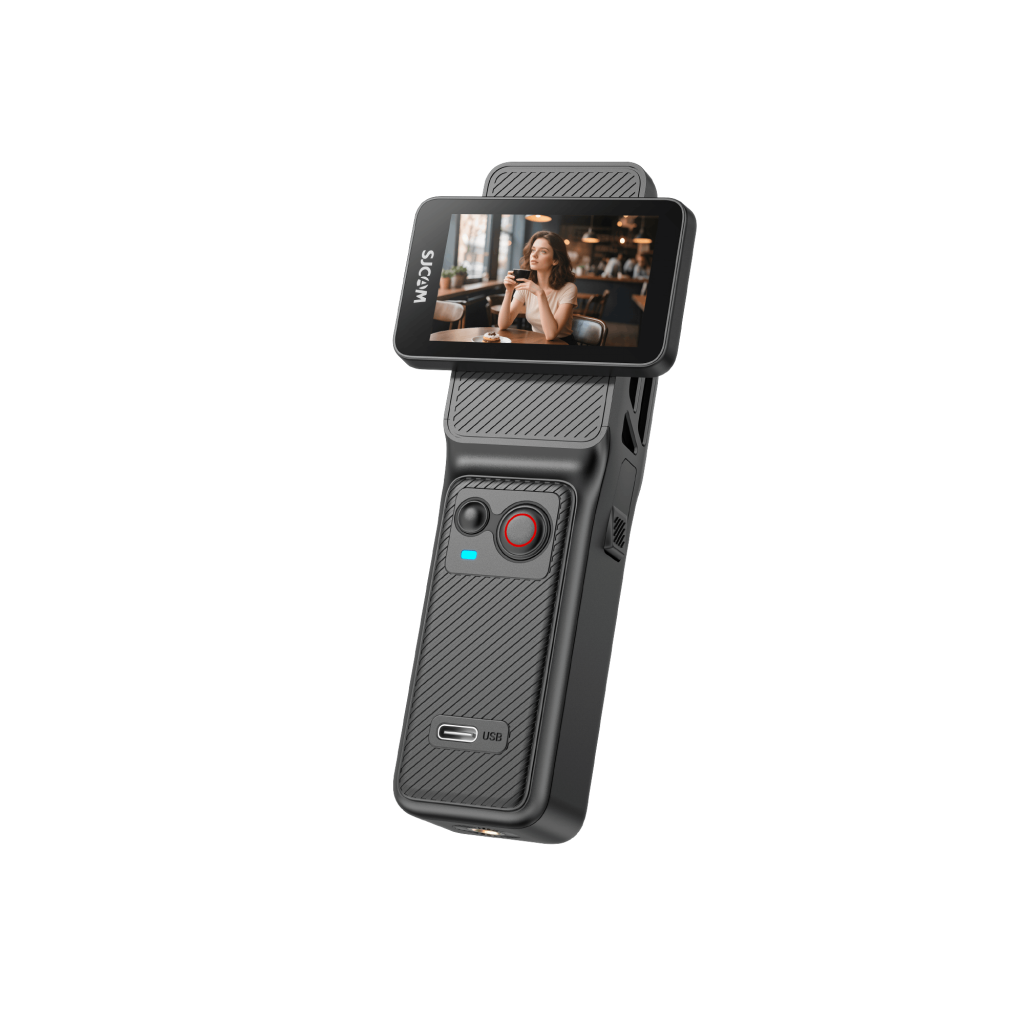
For many adventurers, travel vloggers, and outdoor lovers, action cameras like the SJCAM C400 are great. They provide a good mix of versatility, durability, and ease of use. Their proven reliability, extensive accessory ecosystems, and straightforward workflows make them ideal for consistent content creation across diverse scenarios.
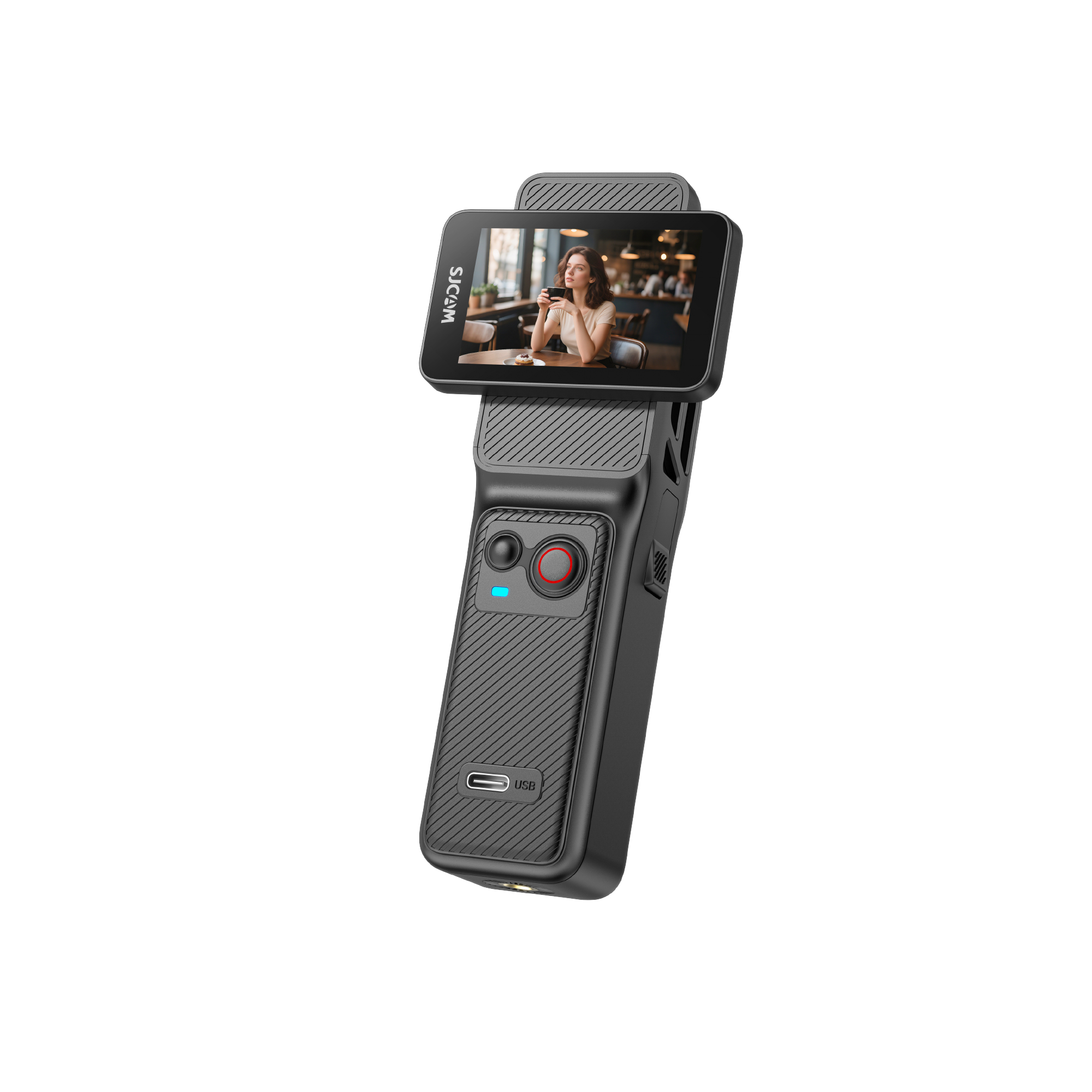
SJCAM C400
The SJCAM C400 is a small but strong handheld action camera. It is made for creators who want flexibility, clarity, and control.
However, content creators focused on immersive experiences, real estate professionals, or those developing VR applications will find 360 cameras indispensable for their unique capabilities. The choice isn’t always permanent. Many professional creators use both technologies wisely. They pick the right tool based on the project needs and audience expectations.
Frequently Asked Questions
Which is more beginner-friendly—an action camera or a 360 camera?
Action cameras are simpler for beginners: they have intuitive controls, require minimal post-editing (just trim footage), and produce ready-to-share content. 360 cameras need more practice with framing (via reframing tools) and editing software to avoid “fish-eye” distortion.
Do 360 cameras require more accessories than action cameras for travel?
Yes, typically. 360 cameras often need tripods or invisible selfie sticks to eliminate the “camera holder” from shots, while action cameras work well with basic mounts (e.g., helmet, handlebar) and are more compact for packing. Some action cameras (like SJCAM models) also offer built-in waterproofing, reducing accessory needs.
Which camera is better for vlogging—action or 360?
It depends on your style: Action cameras are great for first-person, focused vlogs (e.g., hiking, cooking) with smooth stabilization. 360 cameras excel at immersive vlogs (e.g., city tours), letting viewers pan/zoom to explore the scene—though they require more editing time to highlight key moments.