





 Chinese (China)
  Spanish
  German
  French
  Italian
  Japanese
  Korean
  Bulgarian
  Greek
Greek  Indonesian
  Chinese (Hong Kong)
  Russian
  Danish
  Finnish
  Hungarian
  Turkish
  Dutch
Dutch  Portuguese
  Swedish
  Romanian
  Slovak
  Serbian
  Norwegian
  Croatian
  Albanian
  Catalan
  Czech
Czech  Estonian
  Armenian
  Bengali
  Amharic
  Polish
  Thai
Thai  Ukrainian
  Vietnamese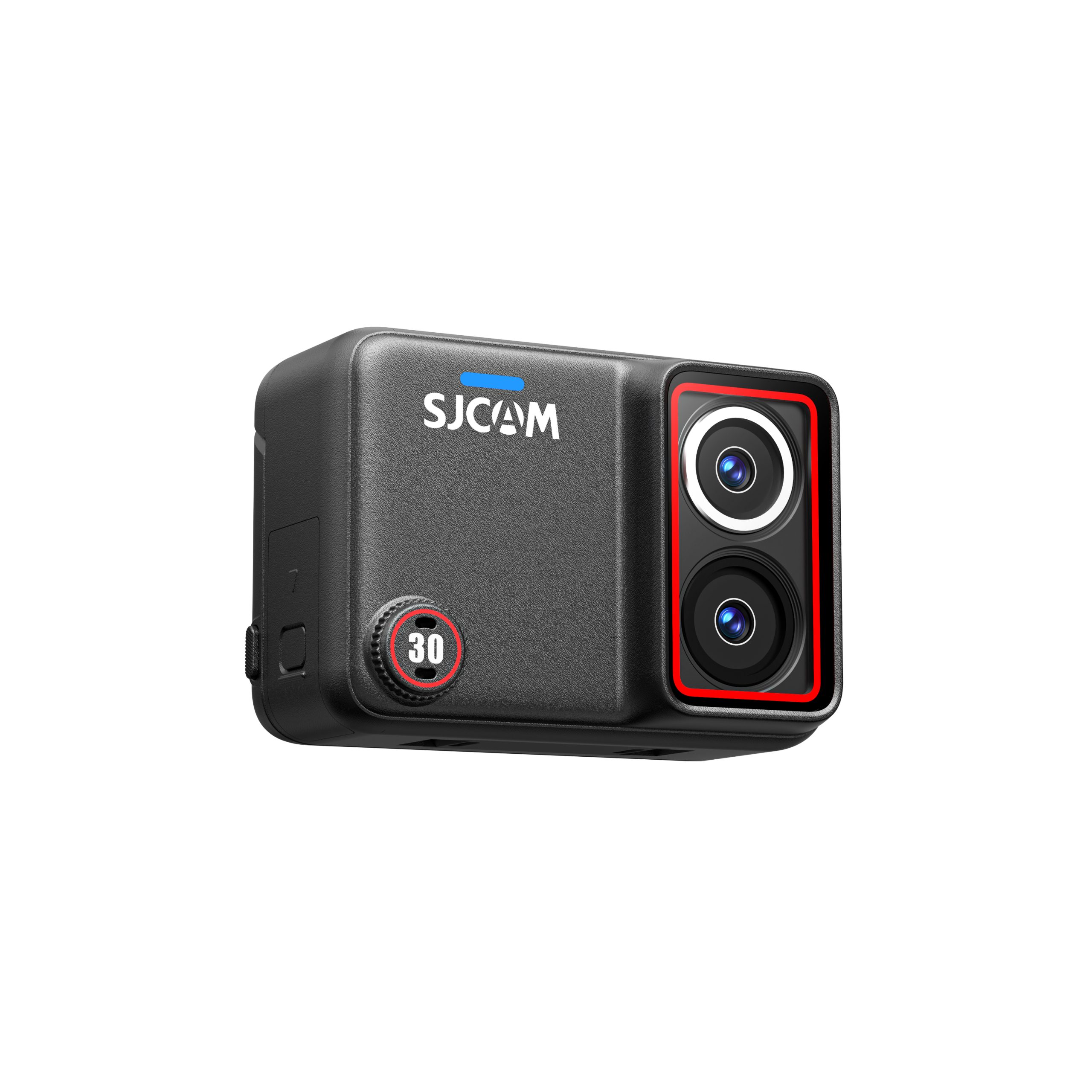









Best Waterproof Action Cameras for Beach Travel in 2026
Modern camera technology is improving when it comes to withstanding a light drizzle or sweaty hands. Still, surfers and snorkeling enthusiasts need a device that holds up against the unique challenges that a beach environment poses.
The best waterproof action cameras for the beach are actually waterproof and not just “resistant,” up to several meters, unlike most phone cameras. At the same time, they should be more accessible, user-friendly, and low-maintenance than your average professional-grade underwater camera.
Why You Need a Waterproof Action Camera for Beach Travel
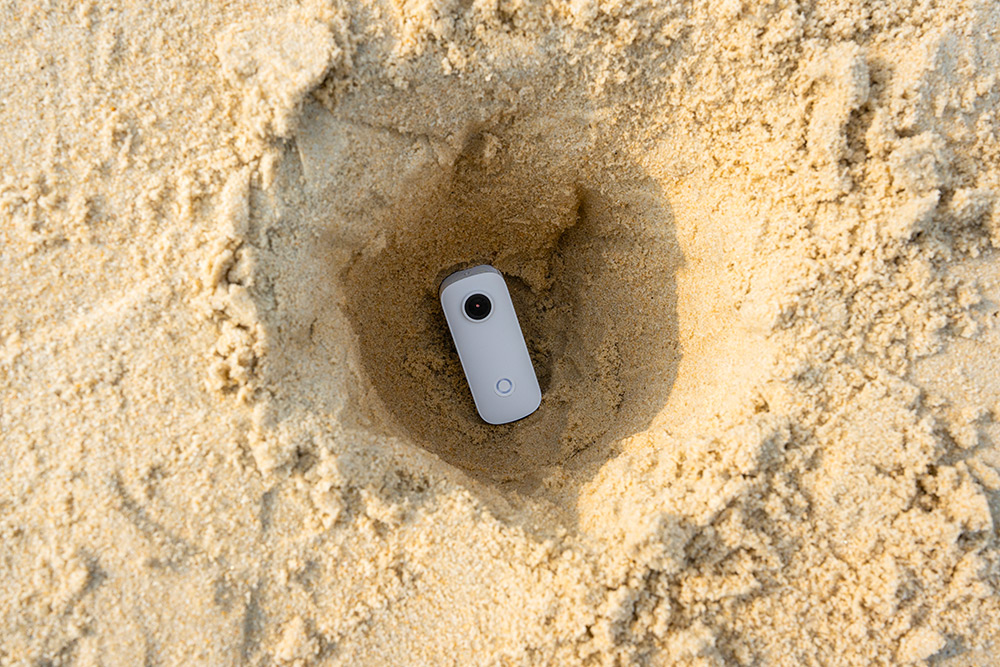
Beaches are full of troublesome elements that can either damage your camera or make filming difficult. Besides the risk of fall or water damage, you also have to worry about fine sand or salt spray.
Common Problems with Using Phone Cameras at the Beach
While smartphones can capture great photos, they are not designed for the harsh conditions of beach environments.
Water & Saltwater Damage
Most phones are only water-resistant, not fully waterproof. Saltwater and ocean spray can damage internal components, especially through charging ports and speaker openings.
Sand Exposure
Fine beach sand can easily enter small gaps around ports, buttons, and lenses, causing scratches or affecting performance.
Poor Stability & Visibility
Shooting in waves or bright sunlight can be challenging. Phone screens are often difficult to see outdoors, and built-in stabilization may struggle with fast-moving activities.
Battery Drain & Overheating
Long recording sessions under direct sunlight can quickly drain phone batteries and cause overheating, leading to reduced performance or automatic shutdowns.
Key Benefits of a Proper Waterproof Action Camera
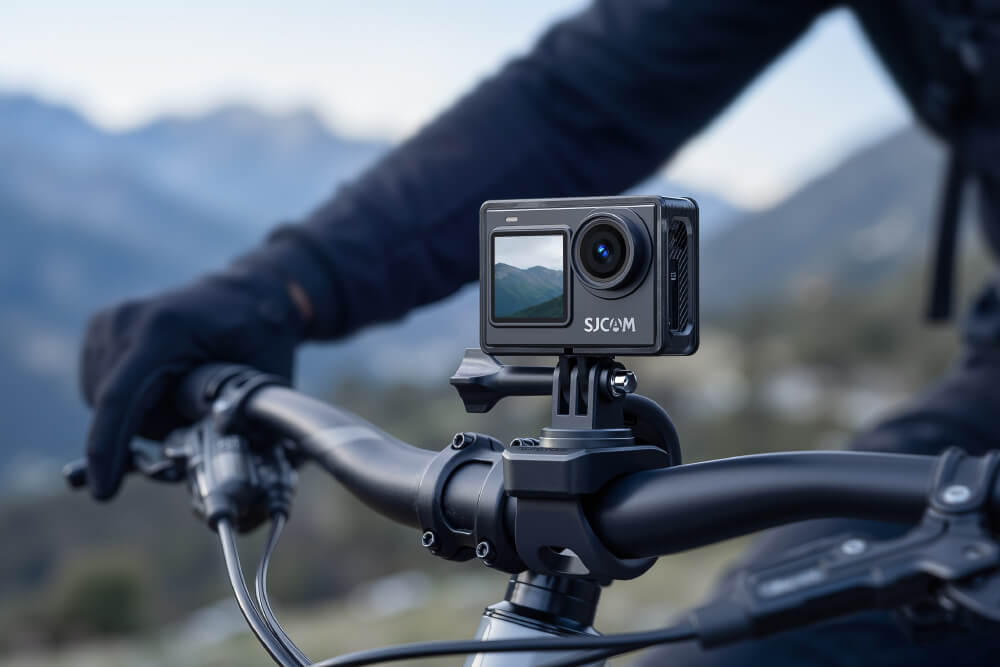
A waterproof action camera is designed for more than just beach trips. With durable construction, flexible mounting options, and reliable performance in challenging environments, it is also ideal for hiking, road trips, water sports, and other outdoor adventures.
Unlike smartphones, action cameras are made to handle water, dust, movement, and extreme conditions, helping you capture your adventures with confidence.
Rugged Design
The best and simplest protection against the majority of physical stresses, including by the shore, is a protective case. Most reliable action cameras have one that effectively absorbs the impact from falls, shore breaks, and rough handling.
True Waterproofing
Waterproof action cameras enable beach travel and filming through two layers of waterproofing.
Innately, they are designed with stronger seals and adhesives than smartphones, protecting them from minor rainfall, dust, and immediate splashes. Specialized underwater cases make deeper snorkeling and diving possible, with high-quality results and intact performance.
Hands-Free Mounting
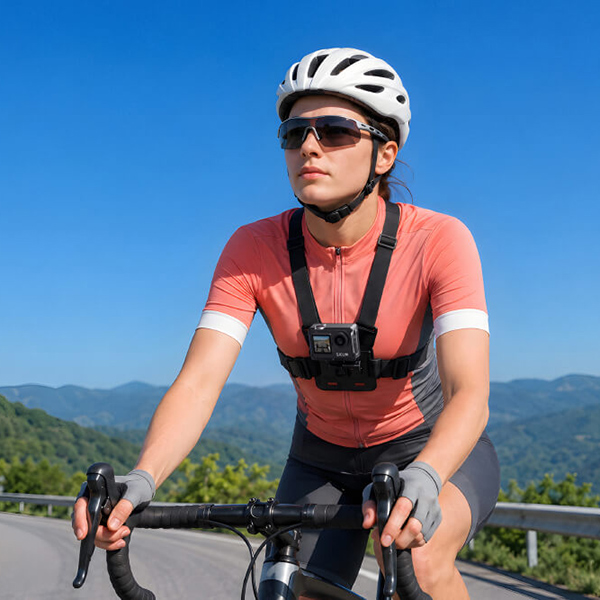
If your hands are too wet or unsteady, you can attach your fully encased action camera to a chest harness, wrist strap, or a physical platform, like your surfboard, with the right mount or grip. This frees your hand for swimming or diving strokes and secures your camera into place.
Advanced Stabilization
Modern action cameras have native features like horizon lock and electronic stabilization that allow them to automatically record smooth footage regardless of the terrain.
Wide-Angle Views
Unlike smartphones, specialized outdoor cams come with ultra-wide lenses that can accommodate the entire scene in one frame. Using them, you can capture every uncropped detail, from your whole extended family sprawled out over the sand to the wide ocean horizon, without having to back up.
What to Look for in a Waterproof Action Camera for Beach & Adventure
Once you’ve understood the features that a beach-safe camera should have, you need to be able to identify them through the relevant specifications.
Waterproof Rating (IPX8 / Depth Rating)
Most waterproof action cameras have an Ingress Protection (IP) rating that measures how deep and how long it can stay underwater while blocking the entry, or ingress, of water.
Ideally, you need a model with an IPX8 rating, which indicates that your camera is waterproof at a depth of over 1 meter. For beachgoers, cameras with native waterproofing can work up to 5 meters (16 feet) deep, which makes them suitable for use while swimming or in shallow splash zones.
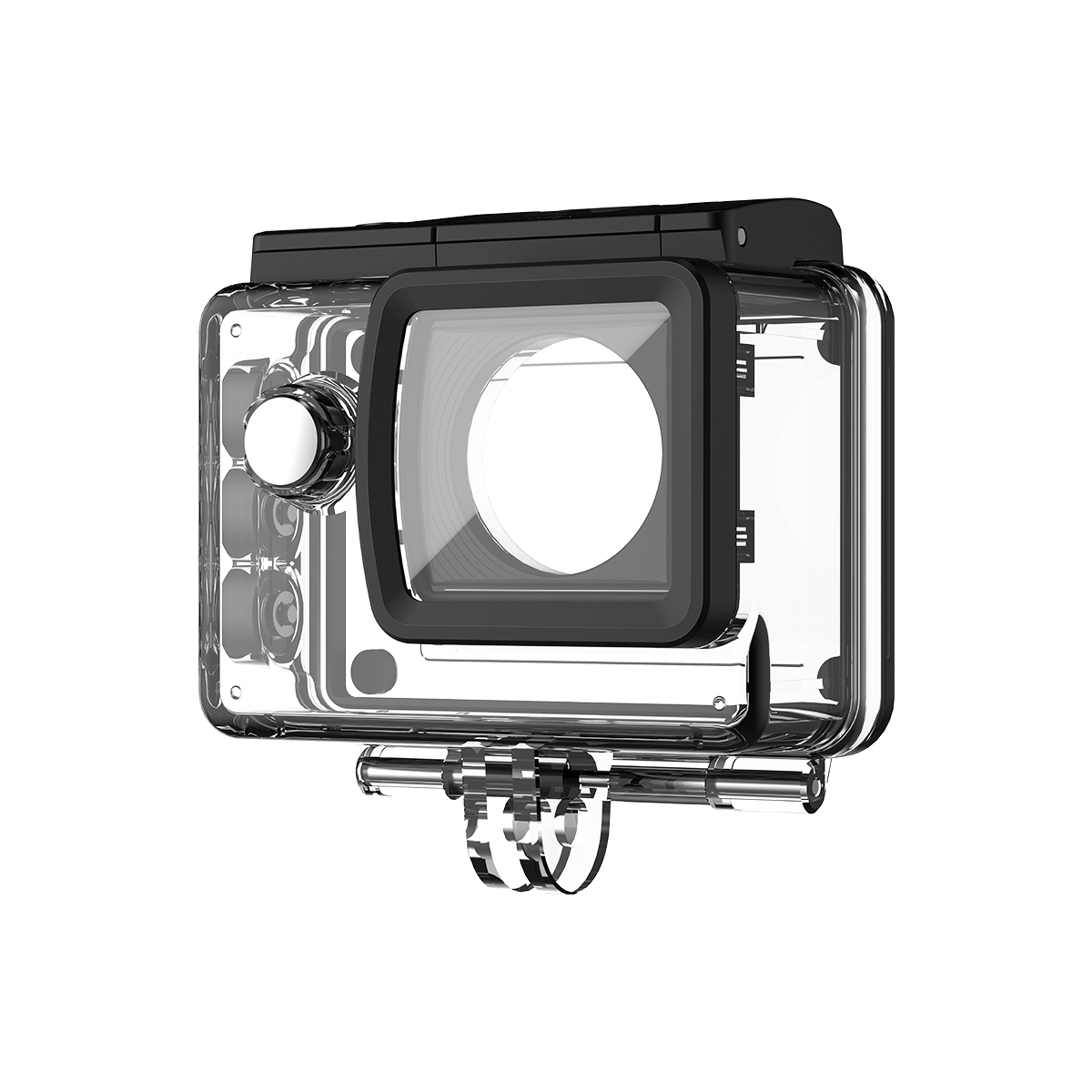
If you plan to snorkel along coral reefs or dive deeper, select a model with a dedicated waterproof case, which protects it for up to 30 meters (98 feet).
Image Stabilization for Waves and Movement
High-grade Electronic Image Stabilization (EIS) allows action cameras to counter vibrations coming from jet skis or undulating boat rides for a smooth video.
For filming, select a camera that has a 45-degree Horizon Lock setting. This feature keeps the scenery level even when you are rolling surf or sudden waves that tip the camera sideways.
Size, Weight & Mounting Flexibility
Smartphones and DSLR cameras are too heavy to carry around in a crowded beach or handle securely on a surfboard. Lightweight design is critical for the action cameras. At less than 200 grams, they are easy to carry without the risk of strain, and they fit easily into a boardshort’s pockets or your daypacks.
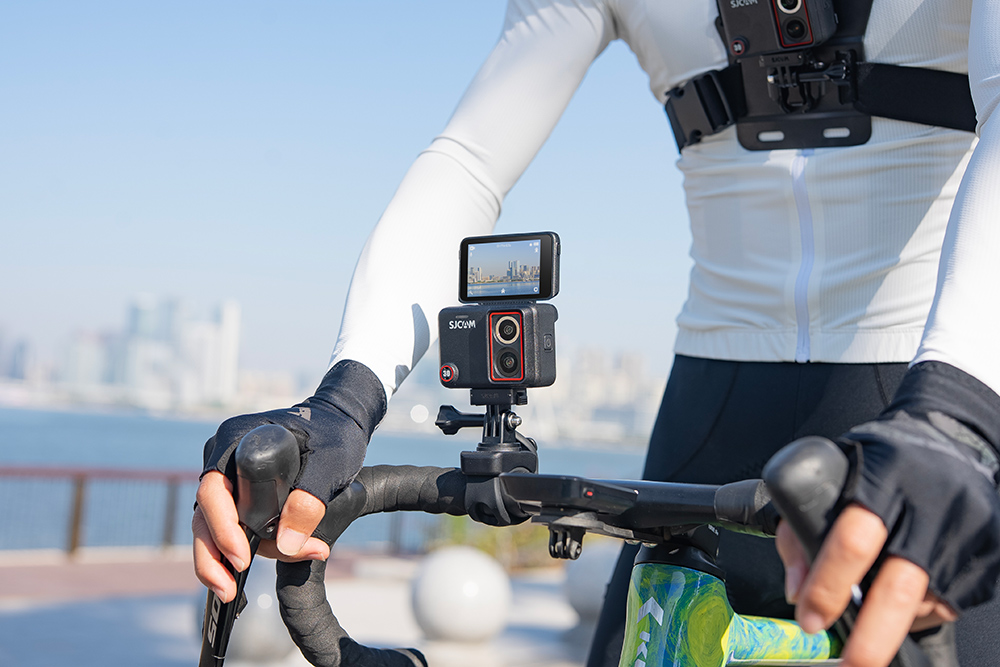
If you prefer to mount your camera, you have a versatile range of options such as magnetic pendants, quick-release clips, and standard tripod threads with which you can secure the device to an umbrella or your swimming gear.
Prolonged Battery Life in Hot Conditions
Filming during a sunny afternoon can drain your battery faster, even in temperate coastal environments. Cameras with high-capacity lithium-ion batteries can film 80 to 120 minutes of footage.
Models with modular battery grips or external power pods offer extra recording time during long days away from the nearest functioning charging facility.
Screen Settings for Framing in Bright Sunlight
The bright coastal sunlight makes standard camera screens difficult to read.
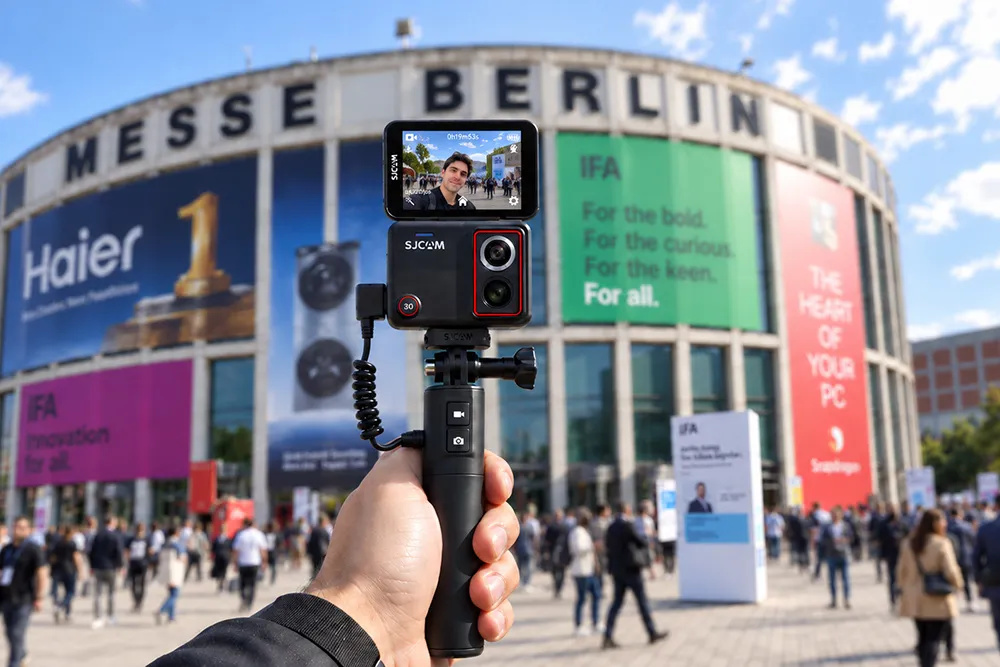
With articulating and flippable displays, you can tilt the screen away from direct sunlight. Flip screens or a dual front-and-back display will also help you frame your selfies and vlogs accurately without having to guess each shot.
Saltwater & Sand Resistance
Saltwater corrodes any exposed metal components that it comes into contact with, while sand can physically jam or scratch screens, open hinges, and buttons.
The best action camera for recording beach adventures and travels uses recessed rubber gaskets, sealed membranes that cover buttons while allowing them to be pressed, and marine-grade materials that prevent grit from entering and interacting with delicate internal parts.
Video Quality (4K vs. Higher Resolutions)
1080p footage is preferred for standard high-resolution images and basic clips, but higher resolutions improve the picture quality and give you more options for editing your media.
4K resolution captures more fine details and allows better zooming.
Higher framerates allow slowing down scenes of splashing waves and surfing moves while keeping the footage smooth.
The Best Waterproof Action Cameras for Beach Travel in 2026
Some camera models are better than others for recording in certain scenarios. So, we’ll be looking at three action cameras that bring something for each coastal outing.
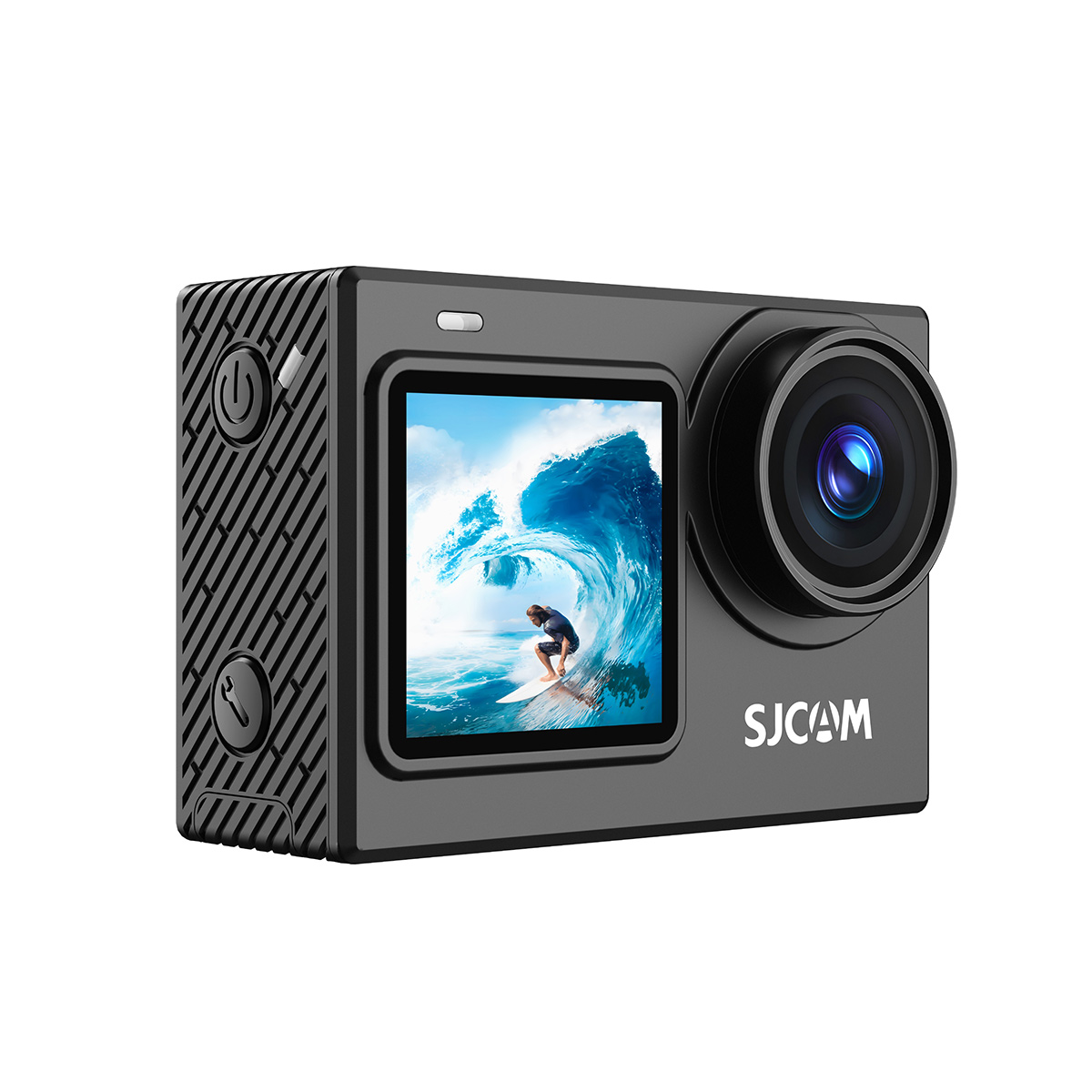
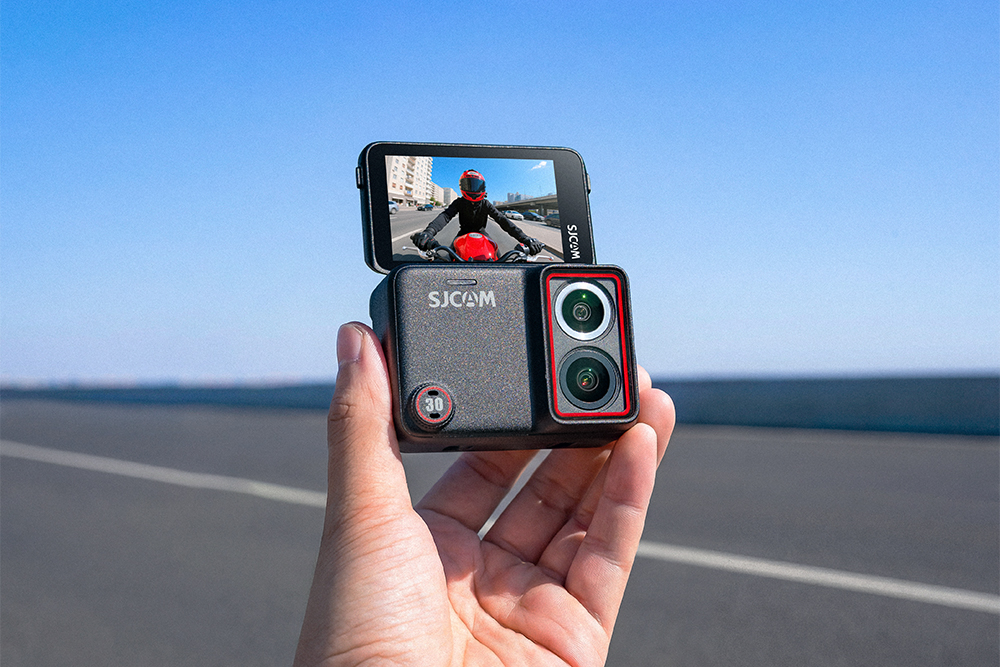
The SJCAM SJ30 – Best Overall for Serious Beach & Adventure Travel
The SJ30 is an all-round option with SteadyMotion 2.0 and 45-degree Horizon Lock to capture level and smooth videos of choppy waves and high-speed boat rides. The 2.51-inch flip touchscreen makes it easier to frame your footage, and its dual directional microphones filter out the noise from heavy coastal winds for clearer-sounding videos.
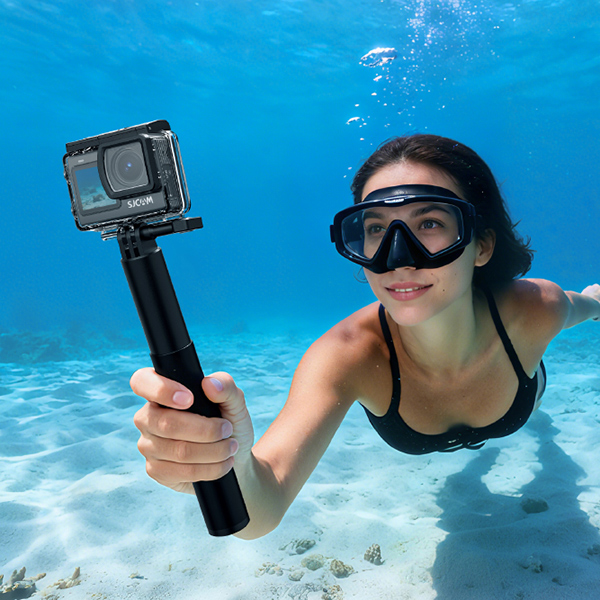
This model can record videos at 60 fps and is waterproof down to 5 meters by itself and 30 meters in its waterproof case.
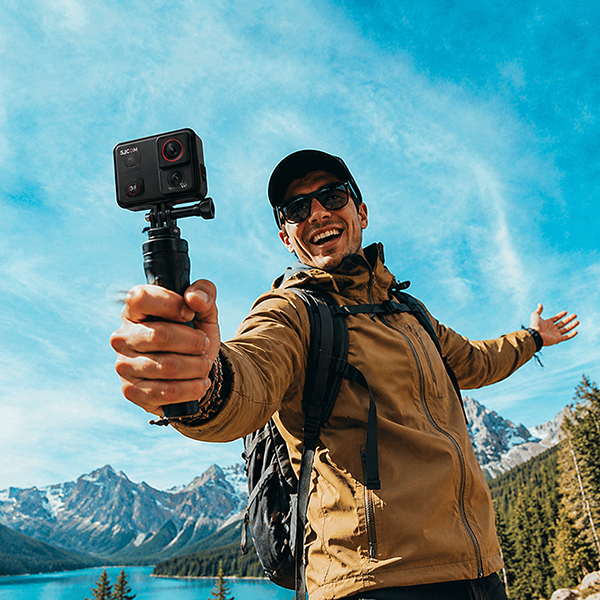
SJ30 Dual Lens
Best for:
✓ Snorkeling
✓ Surfing
✓ Jet skiing
✓ Travelers who need stable 4K footage
Not ideal for:
× Users looking for an ultra-small pocket camera
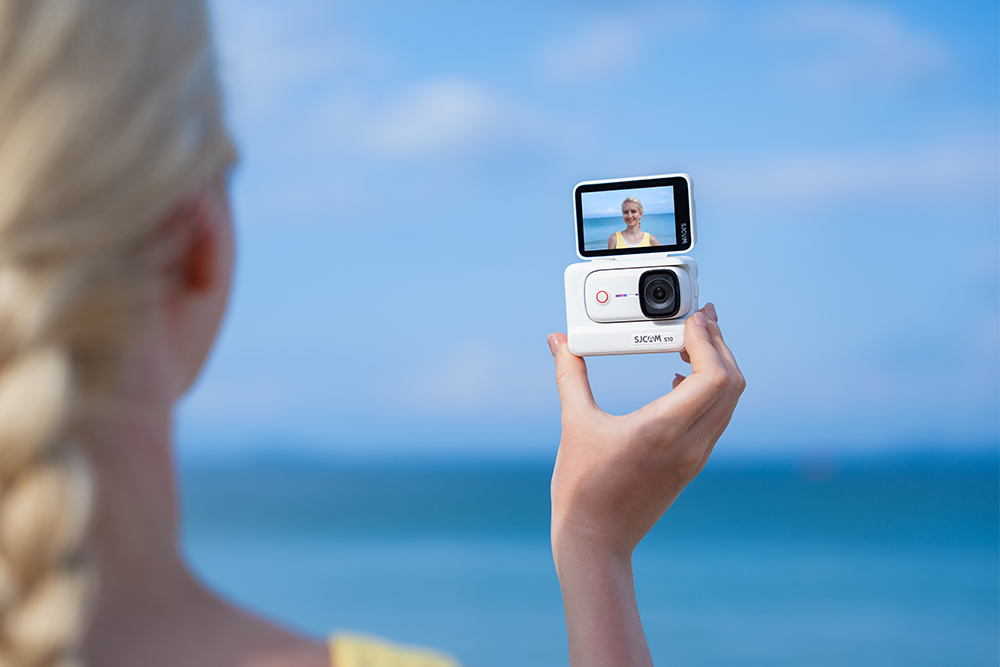
SJCAM S10 – Best Ultra-Compact & Magnetic Option for Beach Vlogging
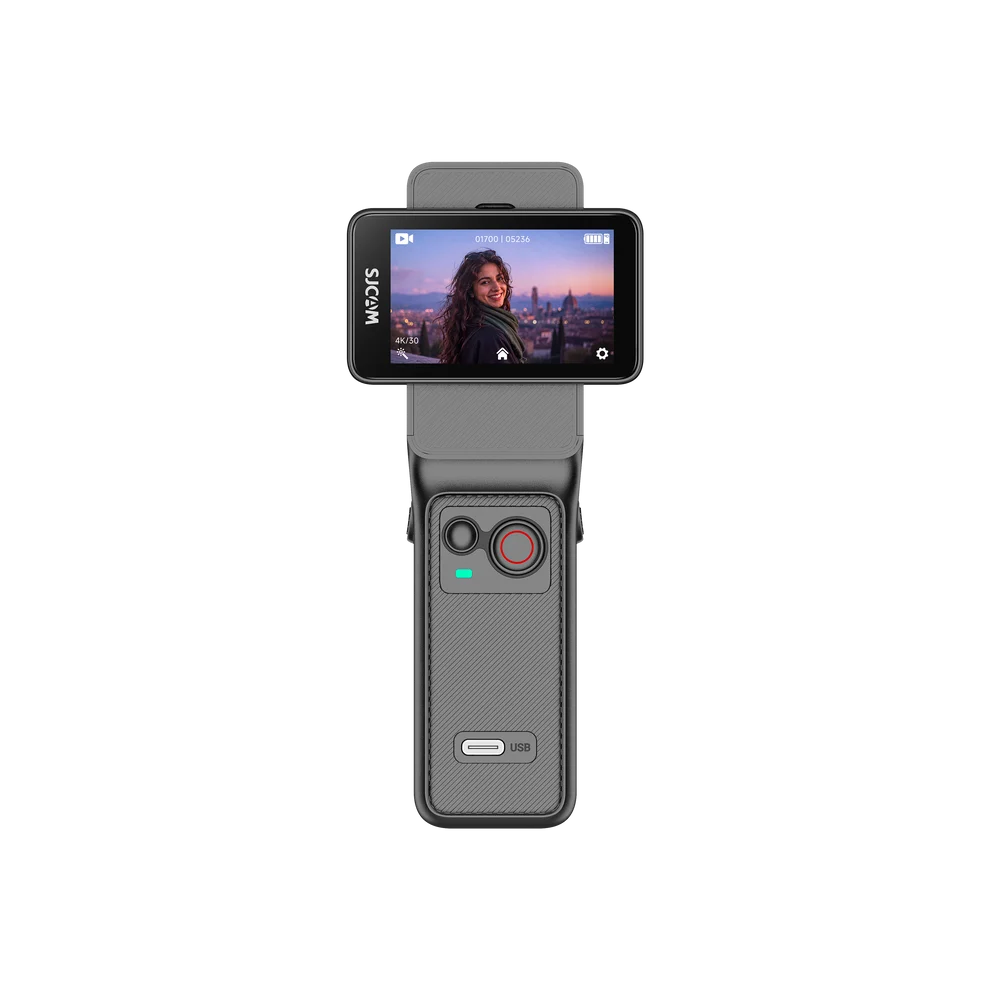
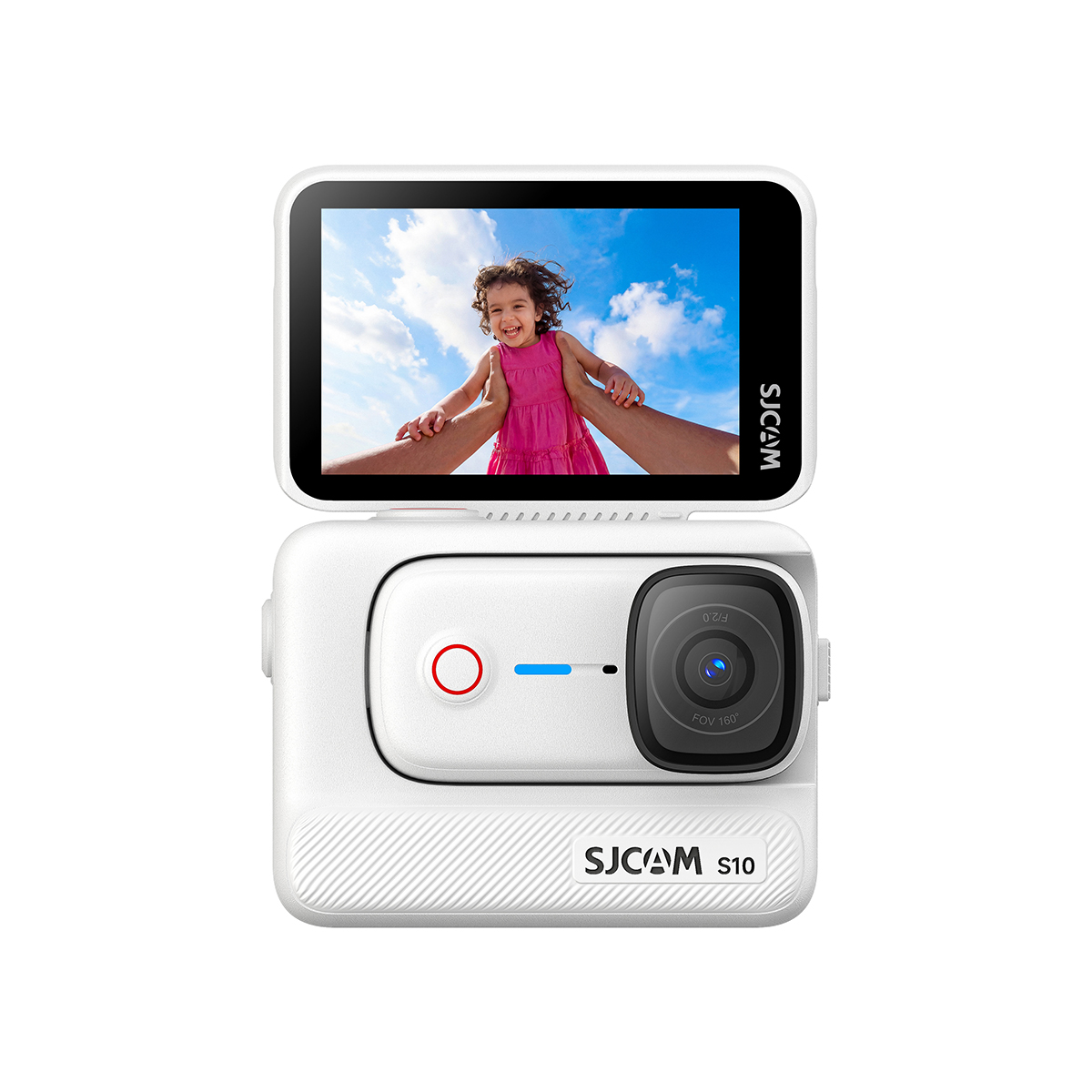
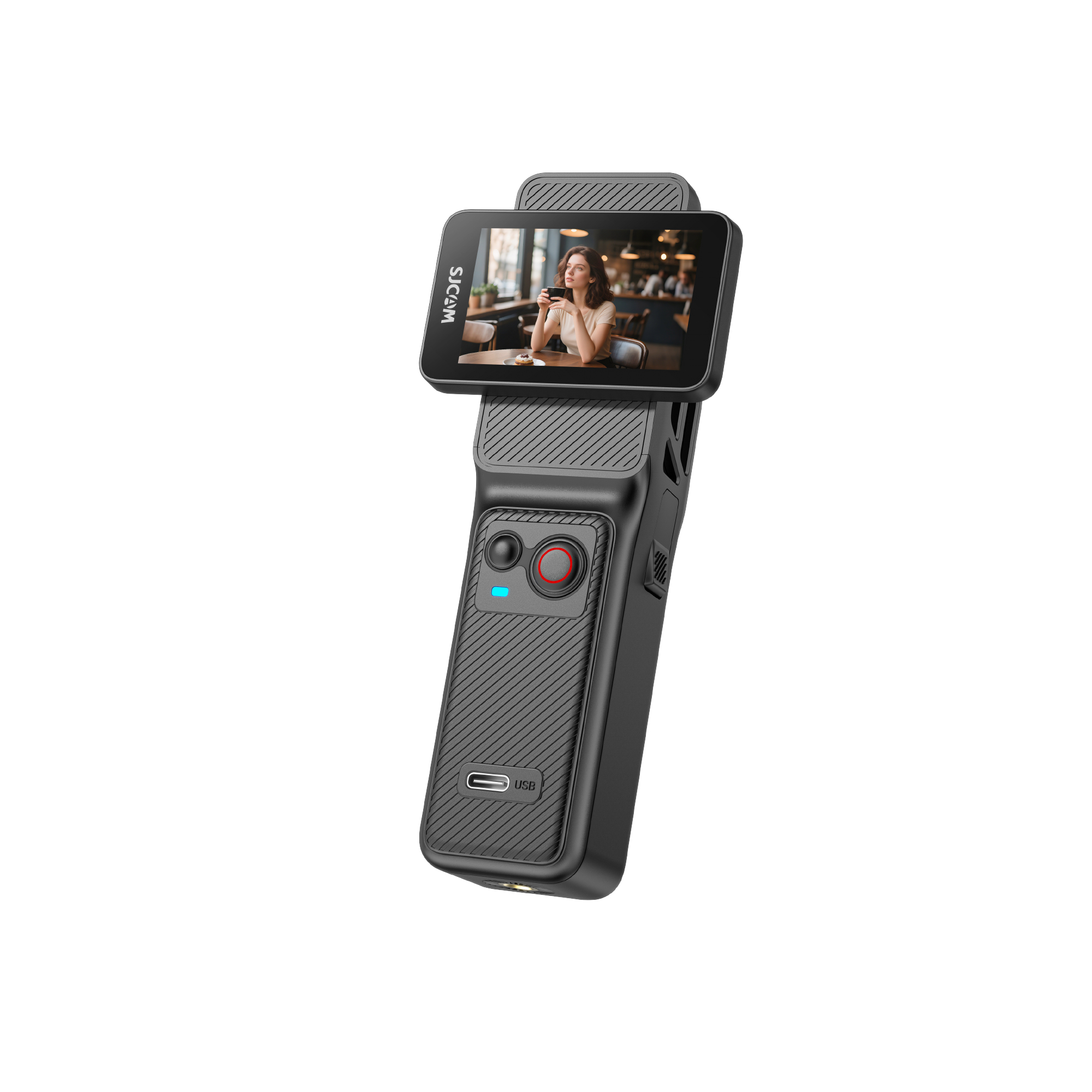
When it comes to super compact design, the SJCAM S10 stands out in the metaphorical sense. It weighs 46 grams, or a tenth of a pound, and can fit comfortably in your pocket or backpack compartments.
Being so light means that you can attach your camera to a wrist mount, shirt collar, or even a beach hat for recording POV videos effortlessly, and you can do that with its magnetic mounting system that pairs with a convenient rear clip.
Despite its size, the S10 is by no means a lightweight when it comes to its features. With its 4k resolution, it is ideal for travelers who want light gear without sacrificing video quality with their choice.
S10
Best for:
✓ Beach vlogging and family vacations
✓ Beach vlogging and family vacations
✓ Travelers who want a pocket-sized action camera
✓ Hands-free POV shots with magnetic mounts
Not ideal for:
× Deep underwater adventures without a waterproof case
×Users who need the highest stabilization performance for extreme sports
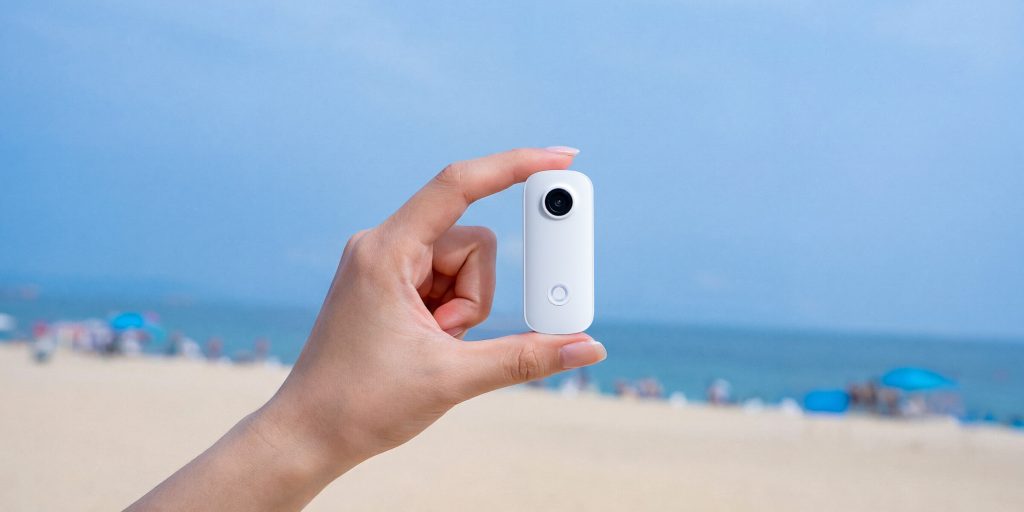
SJCAM C100 Pro—The Best Lightweight Hands-Free POV Camera for Beach Adventures
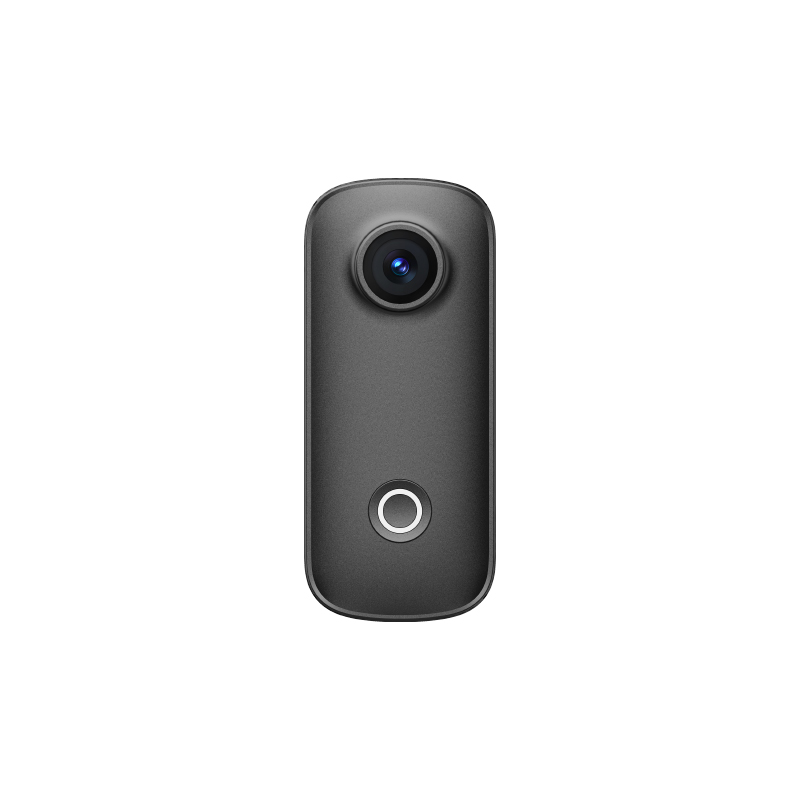
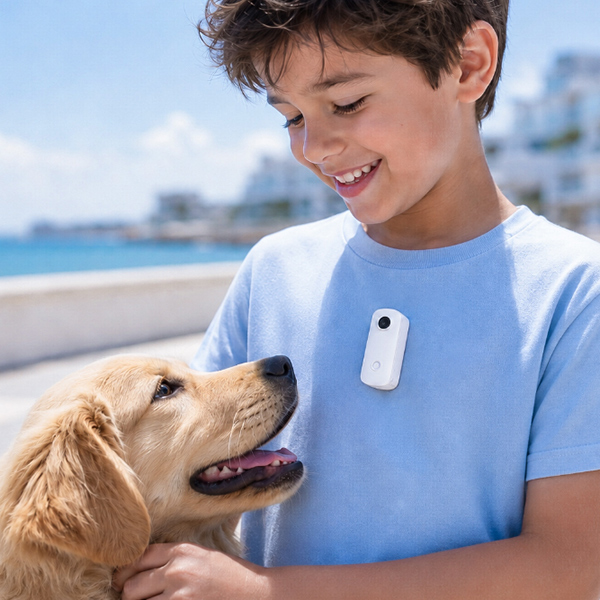
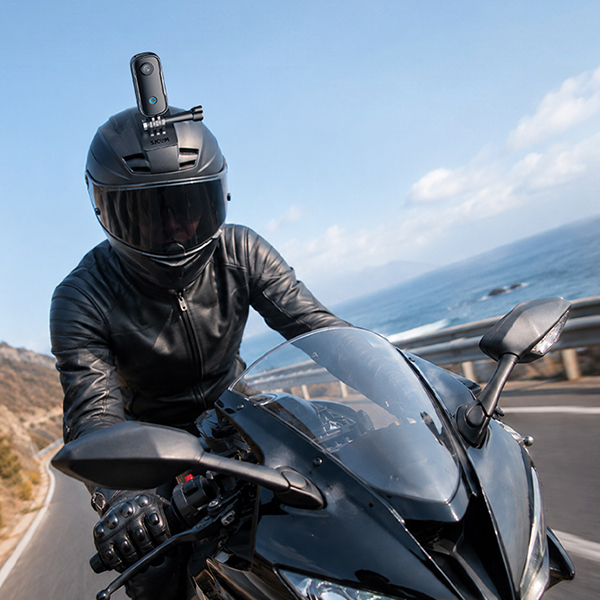
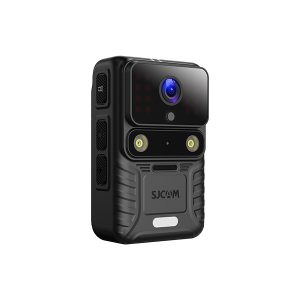
Weighing just 32 grams, the SJCAM C100 Pro comes with a magnetic pendant that fits comfortably under your shirt for hands-free filming while kayaking or playing volleyball.
While the camera body itself is only splash-proof, the waterproof case allows snorkelers to document their dives up to 30 meters.
C100 Pro
Best for:
✓ Hands-free POV videos and casual adventures
✓ Minimalist travelers who pack light
✓ Recording activities without holding a camera
Not ideal for:
×Users who need a built-in display for framing shots
×Professional underwater filming without using the waterproof case
Why is the SJCAM C100 Pro the Best 4K POV Action Camera for Your Next Family Beach Vacation?
Comparison Table
| Feature | SJCAM SJ30 | SJCAM S10 | SJCAM C100 Pro |
| Best For | Fierce adventures & snorkeling | Compact vlogging & family trips | POV footage & hands-free use |
| Waterproof | 5m native / 30m with case | 5m native / 30m with case | Splash-proof body / 30 m with case |
| Weight | Roughly 162g | 46g | 32g |
| Key Strength | Dual-sensor camera Horizon lock | Magnetic clip attachment Flip screen | Ultra-light design Magnetic neck pendant |
| Screen | 2.51″ flip touchscreen | 2.51″ flip touchscreen | App-controlled (no screen) |
| Resolution | 4K @ 60fps / 4K night videos | 4K @ 30 fps | 4K @ 30fps |
How to Choose the Right Camera for Your Beach Style
Each camera brings a particular strength and nifty features. To decide which model is right for you, consider what you’re looking forward to from your beach holiday and whether the specs are up to the job.
For Snorkeling & Light Diving
The ideal waterproof camera for snorkeling and scuba diving at the beach has to be the SJCAM SJ30.
Its light-sensitive system adjusts well to the changing underwater brightness, and its case protects the device against water pressure at nearly a hundred feet down.
For Beach Vlogging & Family Trips
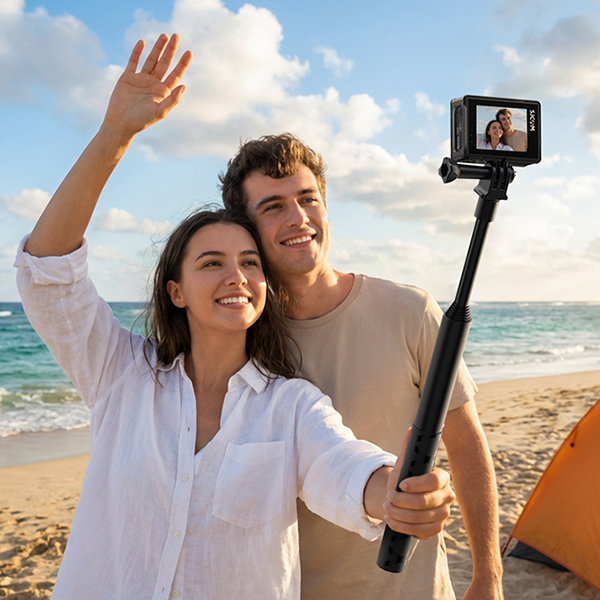
The S10’s flip screen can frame entire groups along with the cameraperson within the 4k frame, while the 46g body makes it easy to carry. You can clip it to a sun umbrella or magnetic chest mount to record everyone playing in the surf without having to hold heavy gear all throughout the day.
For Surfing, Jet Skiing & High-Motion Water Sports
For high-speed action over the sea, your best pick will be an action camera with built-in horizon stabilization. The SJCAM SJ30’s Horizon Lock balances rapid tilts, keeping the view flat even when it is taking hard turns on a jet ski, flyboarding, or balancing on a surf board.
For Minimalist Travelers Who Pack Light
If you’re traveling solo and prefer taking a carry-on or a small daypack to your adventures, the SJCAM C100 Pro offers maximum performance in a tiny package.
SJCAM vs GoPro: Which Waterproof Camera Is Better for Beach Travel?
| Feature | SJCAM | GoPro |
|---|---|---|
| Price | More affordable | Premium |
| Waterproof use | Yes | Yes |
| Stabilization | Advanced stabilization | HyperSmooth |
| Beginner-friendly | Easier | More settings |
| Travel value | High | High |
Essential Accessories for Beach Use
While the right camera can be a perfect all-in-one solution for your photography, the right accessories will make the experience even easier and your media look even better.
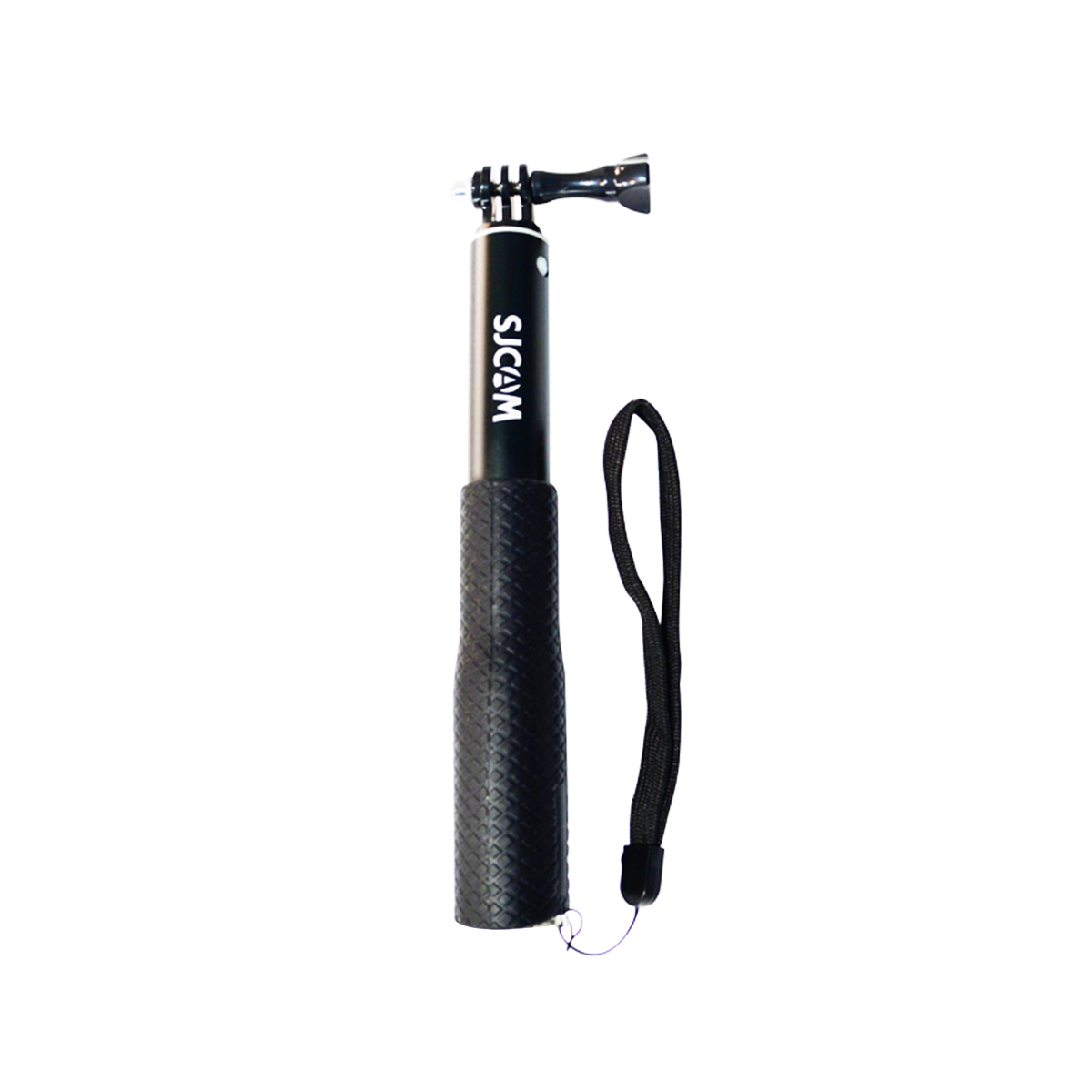
- Floating Hand Grip (Floaty): Dropping or losing your camera is often inevitable in wet conditions. To make sure you don’t lose it, attach a high-visibility orange or yellow floating handle that will prevent it from sinking to the ocean floor.
- Tempered Glass Screen Protectors: Protect touchscreens from scratches caused by abrasive sand particles on wet hands or accidentally dropping your camera onto a rocky surface.
- Anti-Fog Inserts: Condensation from warm water or your soaked body can fog the lens, which can be difficult to wipe off, as there’s no point in carrying tissues or dry napkins to the beach. Placing anti-fog pads inside the housings of your underwater camera keeps the lens clear and the image crisp.
- Microfiber Lens Cloths: Though condensation can be difficult to wipe away, keeping several dry microfiber cloths in a sealed plastic bag gives you something to get rid of salt spray and sand from the camera frame.
- Extra Batteries and Dual Charger: Check out models that come with spare charging materials and keep those in your daypack to ensure that you don’t miss the perfect shots while you’re away at sea.
Maintenance Tips After Saltwater Exposure
Dried saltwater can stain your camera and its housing with white salt residues. These can be hard to wash out and might damage delicate electrical components.
Scott Gietler from California’s Bluewater University has provided the following set of tips for maintaining underwater cameras and their housing. Generally, most of these are applicable for both saltwater and freshwater applications.
Regarding maintenance after use in sea water, he recommends the following:
“Soak the underwater case in fresh water for a few minutes after every saltwater dive, if possible. Soak it for longer if the salt water has a chance to dry. “Work” the buttons and controls for a few seconds while the camera is underwater, if possible. Afterwards, quickly towel-dry the housing.”
Pro Tips for Capturing Better Beach Footage
Adjust Camera Settings for Bright Light
Bright and sunny environments can trick auto-exposure systems into capturing darker images than they should.
Set the “Exposure Compensation” (EV) setting between +0.3 and +0.7 to maintain natural and even colors. Use a manual white balance setting around 5500K–6000K to avoid changes in hues as the glare bounces off the water.
Stabilization & Horizon Lock
Keep electronic stabilization and 45-degree Horizon Lock enabled when recording on moving water. Only turn off the stabilization setting when the camera is mounted to the tripod to preserve battery life and sensor width.
Framing Techniques for Waves and Horizons
Apply the rule of thirds by placing the horizon along the top or bottom third line of your screen rather than in the center. For capturing waves, bring the camera near the water line to emphasize scale and motion.
Avoid These Common Mistakes
Allowing Damage from Water Vapors
Do not open the waterproof housing when you’re still in humid beach air. Swap batteries and memory cards in dry, air-conditioned spaces to avoid trapping moist air inside.
To avoid fogging, don’t let the housing sit in the sun. Keep it under a towel instead and, if possible, keep one or two desiccant packs to limit the condensation.
Overheating
Keep your camera in a shaded spot when you’re not actively recording. This helps avoid thermal shut-offs or quicker battery drainage.
Frequently Asked Questions
For shallow water activities, look for a minimum IPX8 rating or 5-meter native waterproofing. For snorkeling and diving up to 30 meters, a watertight housing is a must.
It’s not recommended. Keep the camera in the waterproof case while snorkeling or free diving.
Rinse it in fresh water after use, keep the battery cover closed while it’s still wet or humid, and store in a sealed pouch before or after use.
4K resolution captures details and textures like coarse sand or rippling waves that lower resolutions cannot make out. It also enables better cropping or zoom-ins during editing.
It depends on your expectations. The SJ30 is the best overall choice. The S10 is a safe pick for general outings and family trips, while the C100 Pro suits light travelers that prefer hands-free recording.
Final Recommendation & Buying Advice
Investing in a dedicated waterproof camera changes how you document your coastal adventures. Instead of worrying about dropping your phone in the surf or clogging ports with sand, you can capture clear 4K video directly from the water.
Quick Decision Guide
- Choose the SJ30 if you want first-rate video quality, stabilization, dual sensors, and filmmaking while swimming and snorkeling.
- Choose the S10 if you prioritize a bright flip screen, lightweight mounting, and simple vlogging for family vacations.
- Choose the C100 Pro if you want an ultra-compact and hands-free POV camera that disappears around your neck until you’re ready to record.
Select the model that fits your travel style, attach a floating grip, and record your next beach trip knowing you made the right choice.