






 Chinese (China)
  Spanish
  German
  French
  Italian
  Japanese
  Korean
  Bulgarian
  Greek
Greek  Indonesian
  Chinese (Hong Kong)
  Russian
  Danish
  Finnish
  Hungarian
  Turkish
  Dutch
Dutch  Portuguese
  Swedish
  Romanian
  Slovak
  Serbian
  Norwegian
  Croatian
  Albanian
  Catalan
  Czech
Czech  Estonian
  Armenian
  Bengali
  Amharic
  Polish
  Thai
Thai  Ukrainian
  Vietnamese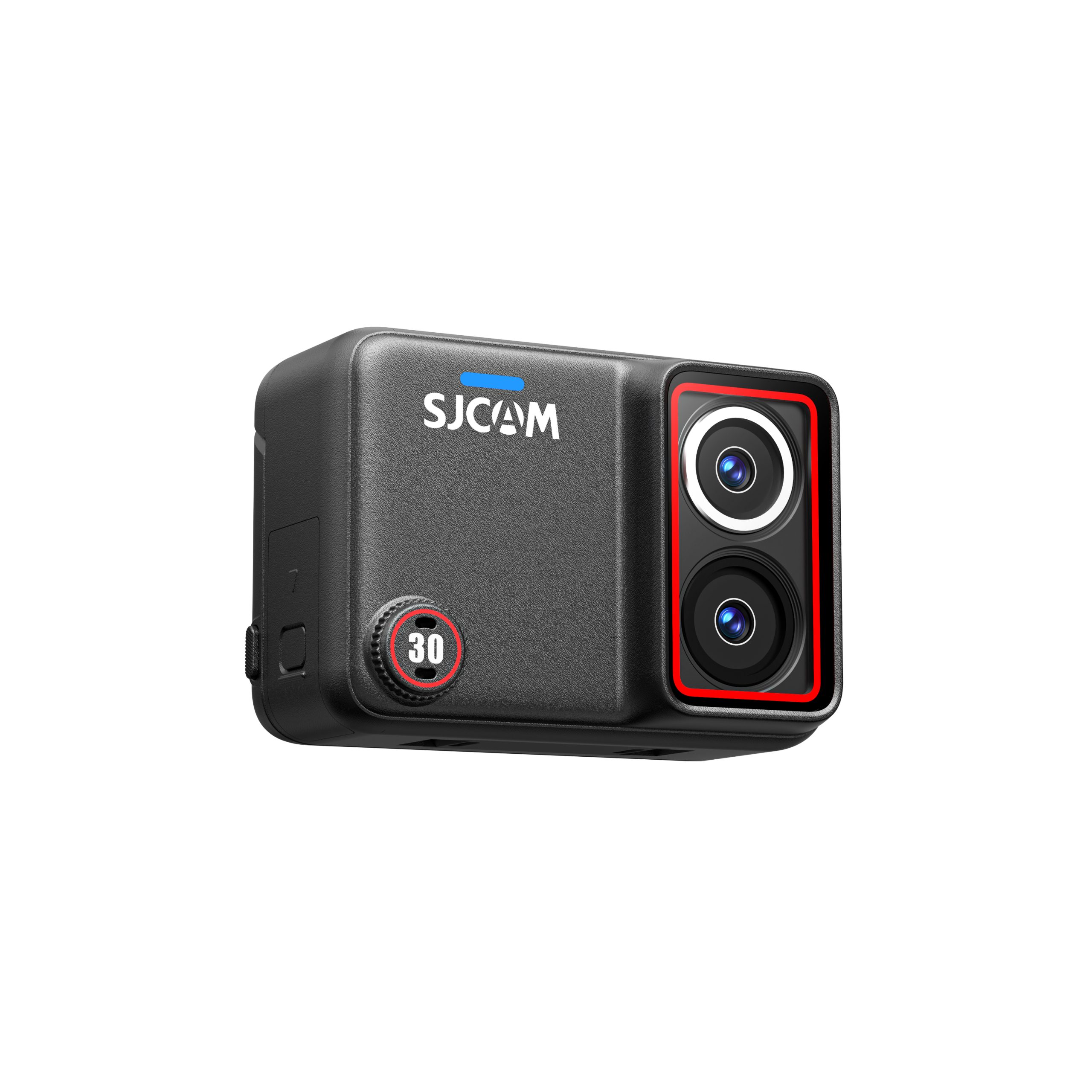


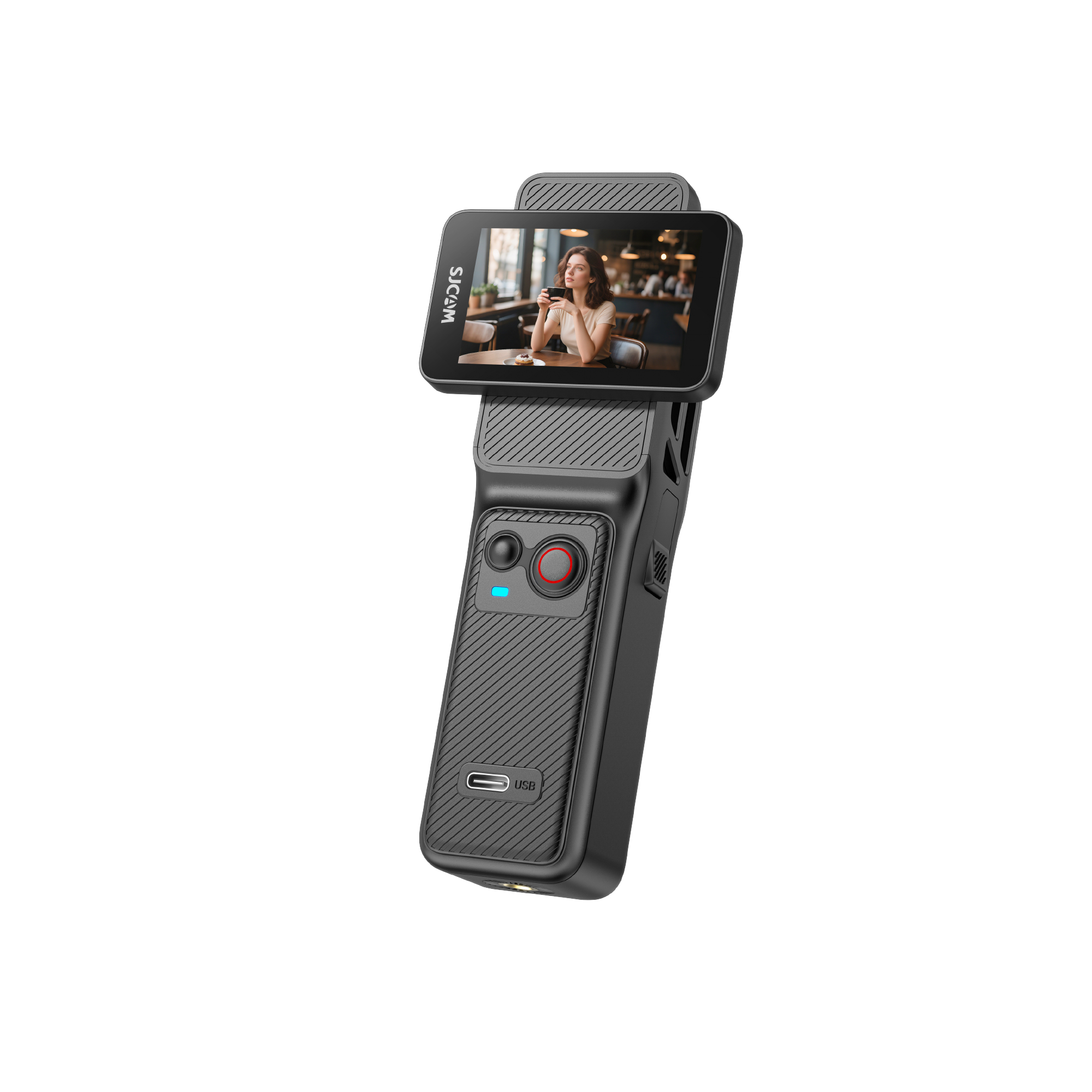




The Ultimate Guide to Choosing Your Handheld Action Camera
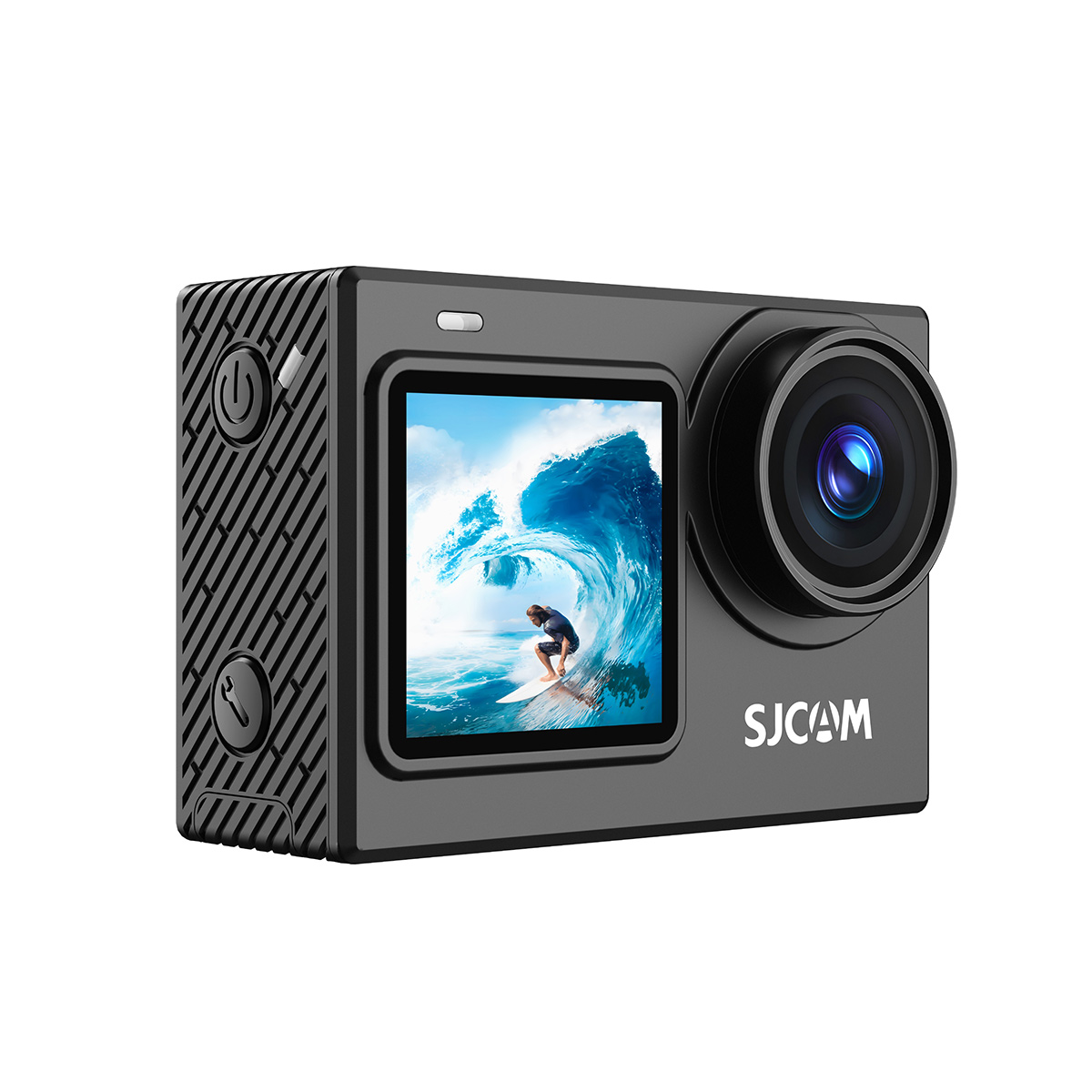
A handheld action camera has become pretty much essential for anyone wanting to capture their adventures. Whether you love extreme sports, travel vlogging, or want better videos of your weekends, these small devices are powerful. What used to require expensive, bulky equipment now fits in your pocket. The right handheld action camera opens up creative possibilities, letting you shoot from angles and in conditions almost unheard of with traditional cameras.

Importance of Action Cameras
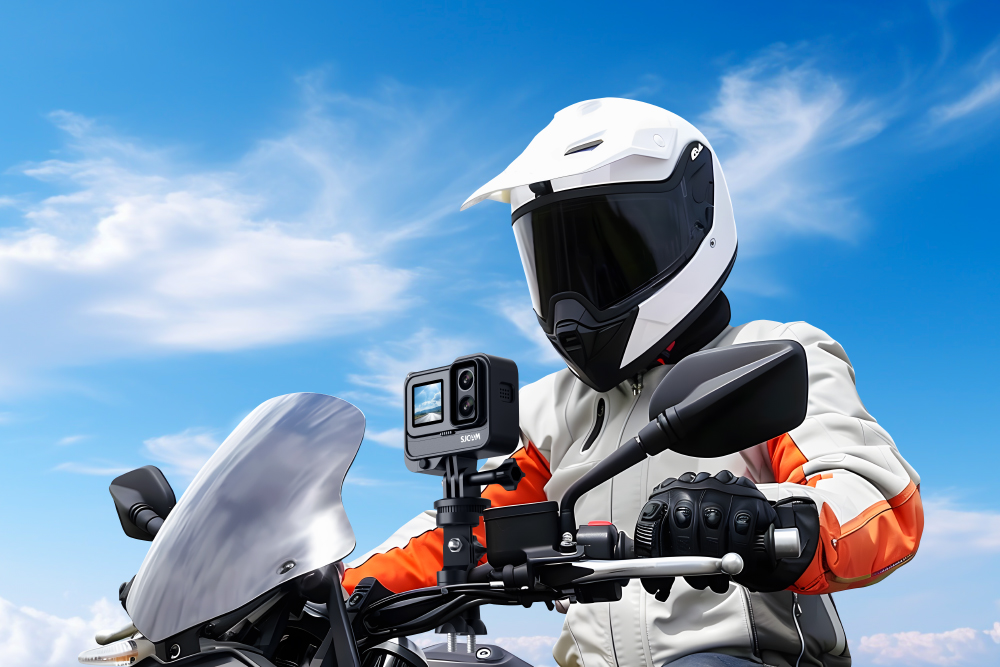
Action cameras are built differently from regular cameras. You can take them places you’d never risk with your phone or DSLR. They can handle rough treatment, water, dust, and most of the challenges associated with actual adventure. But beyond just toughness, they let you capture POV footage that immerses your audience in the experience. That’s why they’re now standard equipment on almost all helmets, handlebars, and surfboards.
Overview of Features
Today’s action cameras are genuinely impressive. They’re offering 4K video, advanced stabilization systems, Wi-Fi connectivity for instant sharing, responsive touchscreens, and extended battery life. Some newer models feature modular designs where components can be attached/detached based on your filming needs.
Types of Handheld Action Cameras
Compact Action Camera
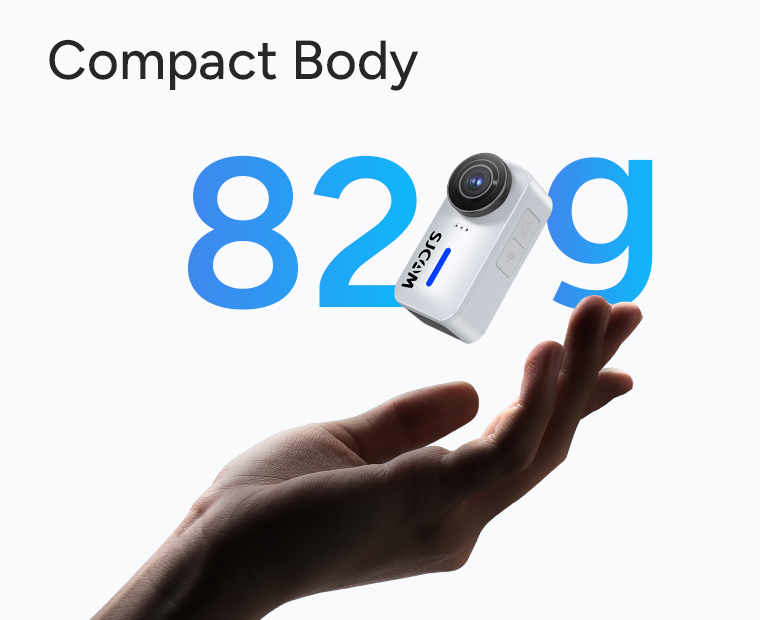
Compact models are small without skimping on quality. Cameras under 70 mm fit in your pocket but still shoot full 4K. They come with proper stabilization and enough mounting options to handle most activities.
Lightweight Action Camera
Weight significantly affects comfort during extended use, particularly with helmet mounts. Lightweight cameras (50-100 grams) reduce fatigue and maintain balance. Mountain bikers and skiers favor these models because they’re barely noticeable when mounted. Despite reduced weight, these cameras include advanced stabilization and high frame rates.

Waterproof Handheld Camera
Most action cameras include waterproof cases rated to 30 meters’ depth, sufficient for recreational diving, surfing, and snorkeling. This waterproof protection also enables filming in rain and dusty environments without equipment damage concerns.

Key Features to Consider
Video Quality
This is probably the biggest deal-breaker for most people. You want at least 4K at 30 fps these days, but frame rates matter as much as resolution. Want smooth slo-mo?
60 fps at 2K allows for smooth slow motion. Meanwhile, 120 fps at 1080p creates 4x slow-motion effects. This is great for professional use.
4K Handheld Camera
4K (3840×2160 pixels) gives you four times more detail than standard HD. Why does this matter?
You can crop your footage later without it looking pixelated. This also gives you space to stabilize shots in editing without losing quality. Plus, your content will stay looking fresh for a longer time.
Durability
You’re looking at action cameras because you plan to use them in situations that aren’t exactly gentle. Build quality counts; therefore, look for solid construction, shock resistance, and materials that can handle temperature swings. Things like protected lenses, sealed ports, and reinforced mount points separate cameras that last from ones that break after a few tumbles.
Battery Life
Nothing’s more frustrating than your camera dying right when needed most. Standard batteries provide 90-180 minutes of 4K recording, which often isn’t enough. Some cameras now come with external battery grips that can push that to 7+ hours.
| Feature | Entry-Level | Mid-Range | Professional |
| Video Resolution | 1080P at 60 fps | 4K at 30 fps | 4K at 60 fps |
| Stabilization | Digital EIS | 6-axis gyro | Advanced multi-axis |
| Battery Life (4K) | 60-90 minutes | 120-180 minutes | 180-450 minutes |
| Screen | Fixed LCD | Touch screen | Rotatable touch screen |
| Waterproof Rating | 10 m with case | 30 m with case | 30 m with case |
Entry-level cameras offer basic 1080p recording and simple stabilization for casual use. Mid-range models step up to 4K, better stabilization, and touchscreens. Professional cameras max out specs with higher frame rates, advanced stabilization, and extended battery life for all-day shooting. Waterproof protection stays solid across all levels at 30 meters.
Choosing the Best Handheld Action Camera
Best Handheld Action Camera for Sports
Stabilization is crucial for filming sports activities. Footage needs to stay smooth even while moving fast.
Choose cameras with good gyroscopic stabilization. They should have at least 120 fps at 1080p. This way, you can capture important moments in slow motion. A wide FOV (around 150-170 degrees) helps too.
Budget-Friendly Options
Budget cameras nowadays offer specifications that were premium-only just a few years ago. You can find solid options with 4K recording, decent stabilization, and even waterproof cases included. These models suit casual users and those new to action cameras.
Professional-Grade Cameras
For consistent results, professional cameras are the way to go. Better sensors, more advanced stabilization, manual controls, and sometimes even professional audio inputs. These cameras handle low light better and give you higher bitrates for reduced compression.
SJCAM C400 3-in-1 Handheld Action Camera
Why the C400 Stands Out
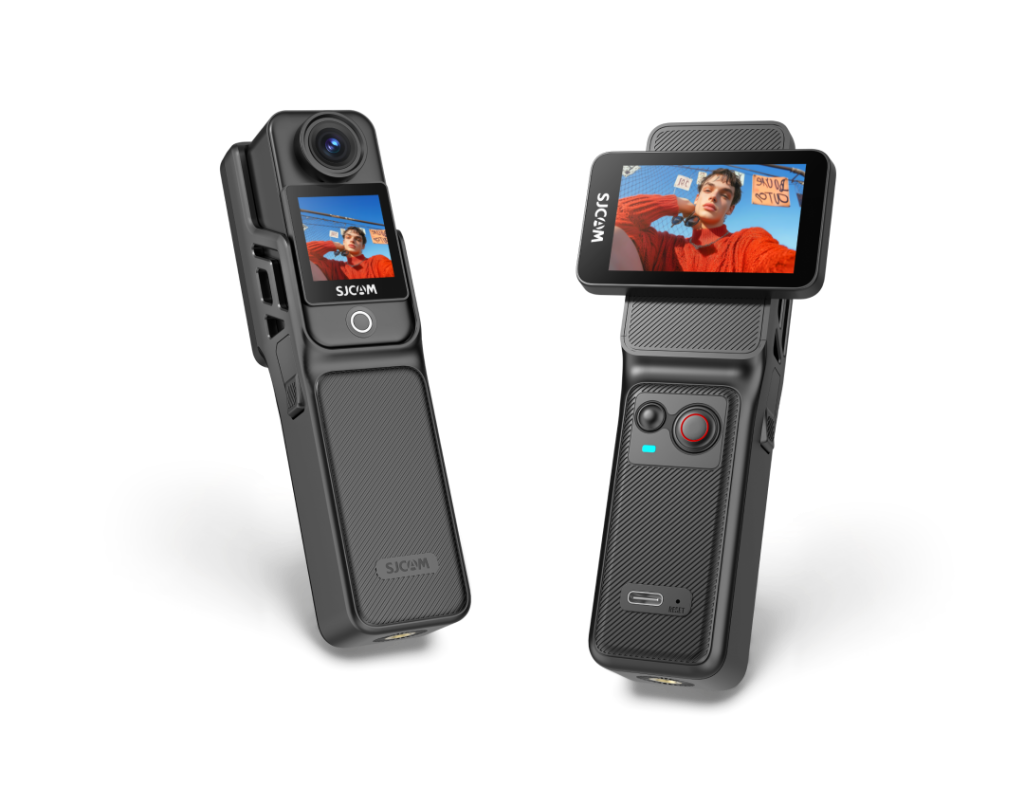
The SJCAM C400 has a 3-in-1 design. The camera can be detached from the wireless handheld controller. This may sound simple, but it changes how you can use the camera. You’re getting a lot of versatility without paying premium brand prices.
Compact and Lightweight Design
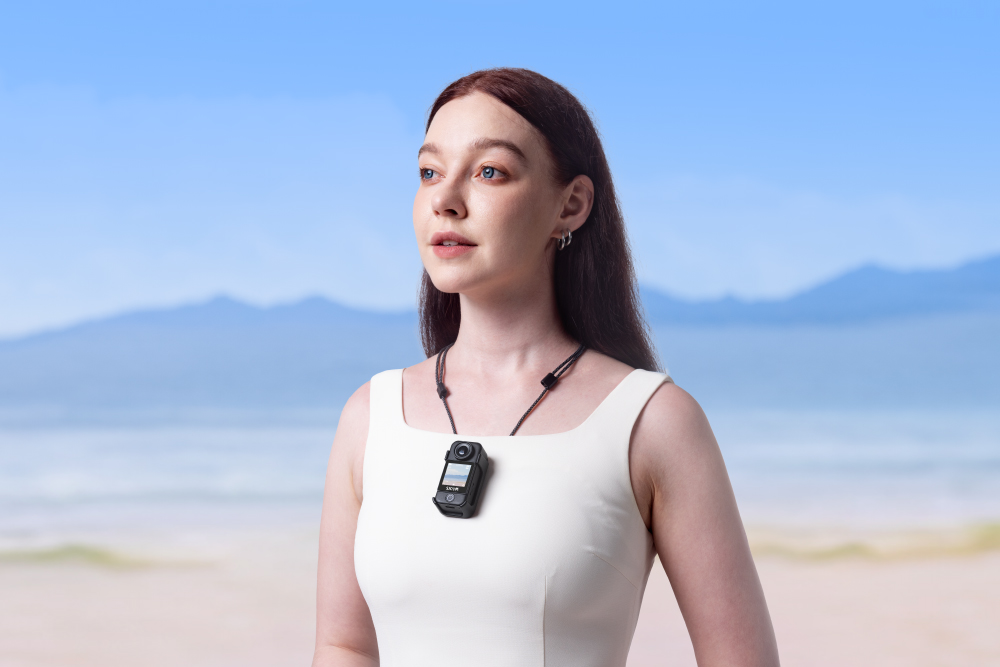
The camera itself is a tiny 68×32×25.5 mm and weighs only 54 grams. With the battery handle attached, the total weight is 189 grams. This lightweight construction enables mounting on helmets, chest harnesses, or handheld use without creating fatigue during extended sessions.
4K Video Quality
The C400 records 4K video at 30 fps using a 1/2.8-inch CMOS sensor with an f/2.0 aperture lens, providing good low-light performance. Additional recording options include 2K at 60 fps and 1080p at 120 fps for slow-motion applications. That means you have coverage whether you want smooth footage or dramatic slow motion.
Extended Battery Life
Here the C400 really shines! The camera itself has a 1250 mAh battery, with the handle adding another 3000 mAh.
Together, you’re looking at 437 minutes. That’s over 7 hours of continuous 4K shooting. The camera alone operates for 172 minutes, offering flexibility between extended runtime and compact portability.
Advanced Features
The C400 uses SteadyMotion V1.0 with a six-axis gyro, so your footage stays smooth even when you’re not. Horizon stability keeps your video level even when you’re tilting around corners—perfect for biking or skiing. The 2.29-inch screen rotates to turn the camera on and switches between horizontal and vertical shooting. The wireless controller lets you monitor and control the camera remotely via Bluetooth.
Conclusion
Final Recommendations
Picking the right handheld action camera comes down to matching features with what you’ll actually use. Content creators should prioritize video quality, while adventure seekers should focus on durability and battery life.
Travelers want something small and light. The SJCAM C400 is great in many ways. It offers professional quality, smart design, long battery life, and good pricing.
Encouragement to Explore
Action cameras keep on evolving, so it’s worth checking out what’s new before you buy. Watch real videos of different models.
Read what actual users say. Compare specifications on the SJCAM website before you buy. The most effective camera is one you’ll consistently carry and use.