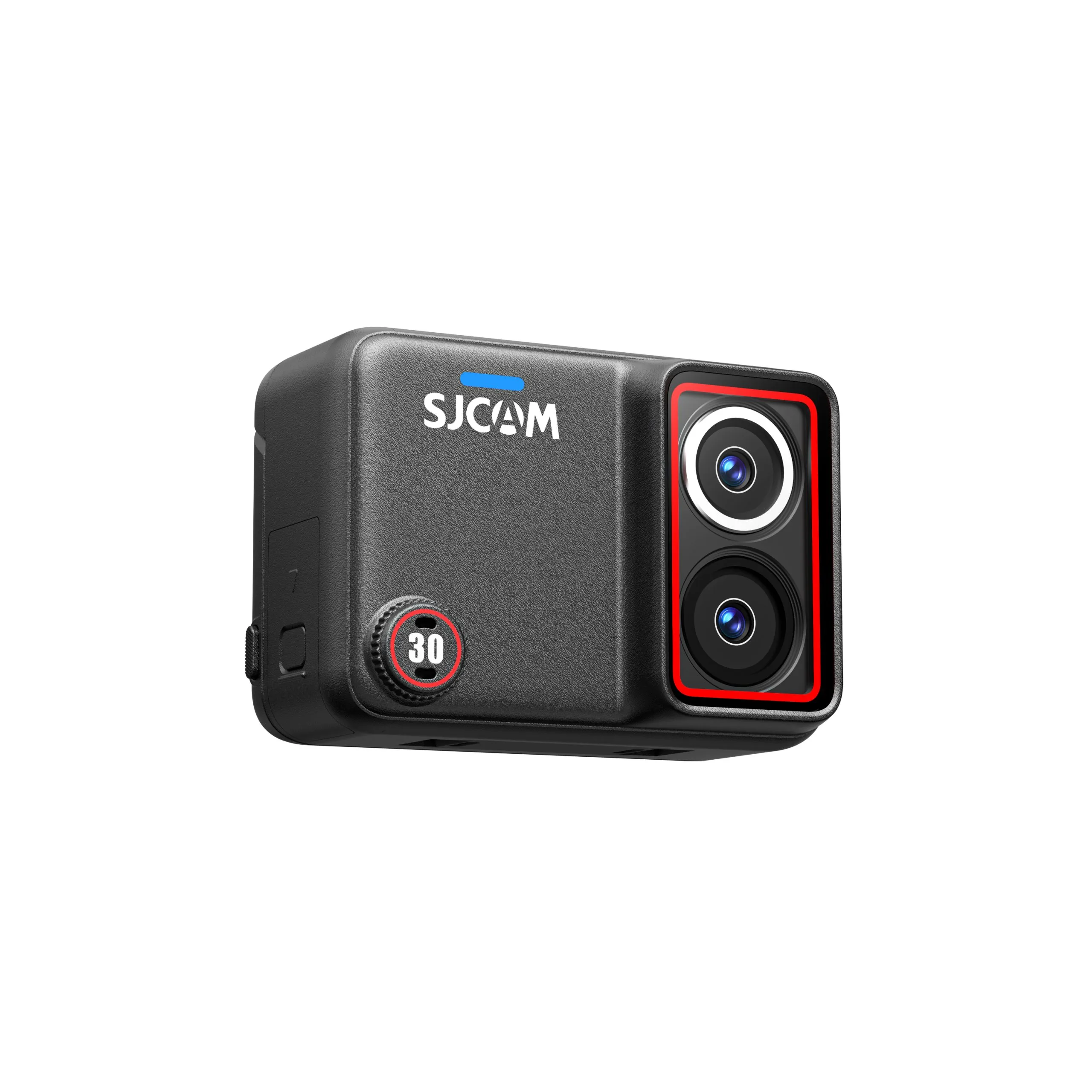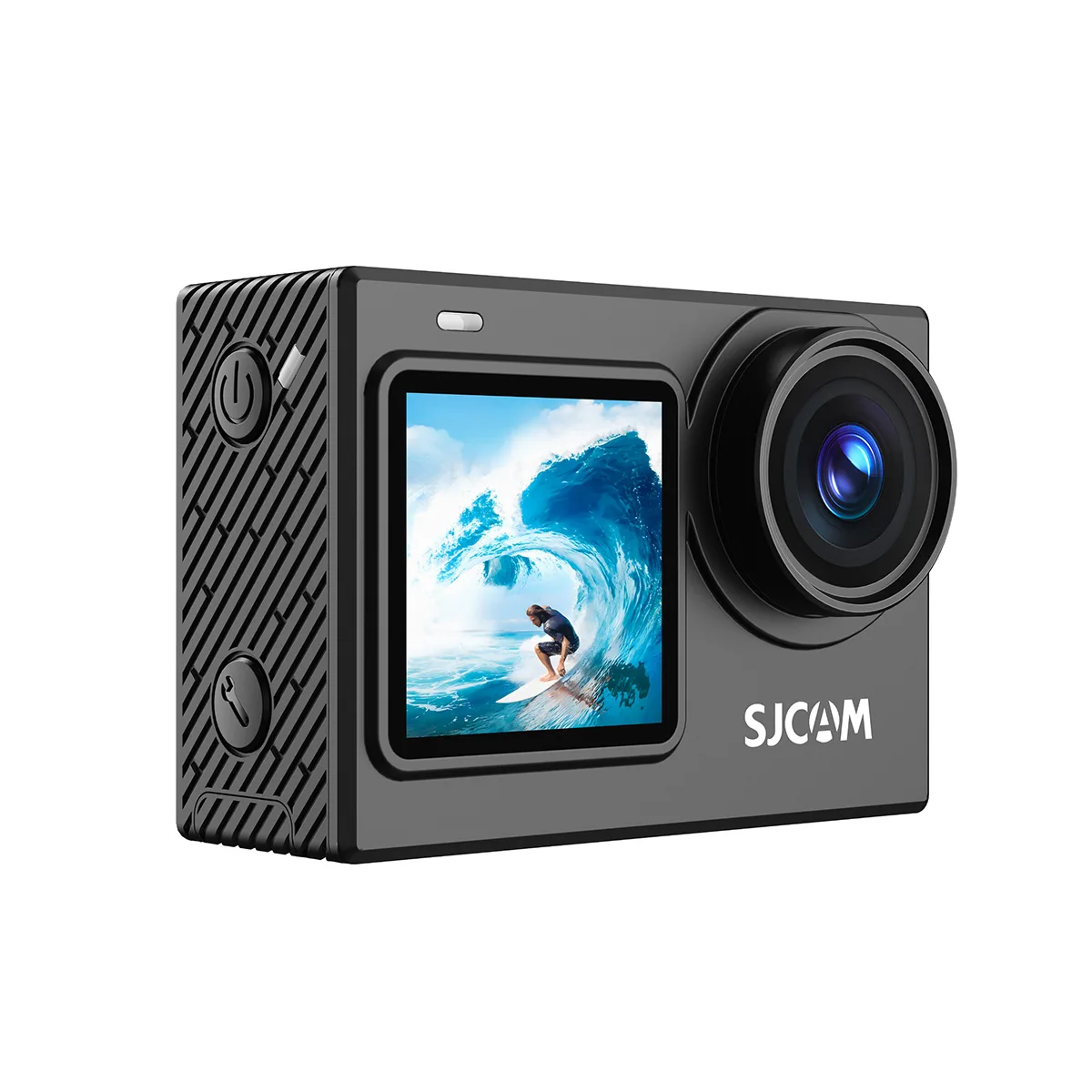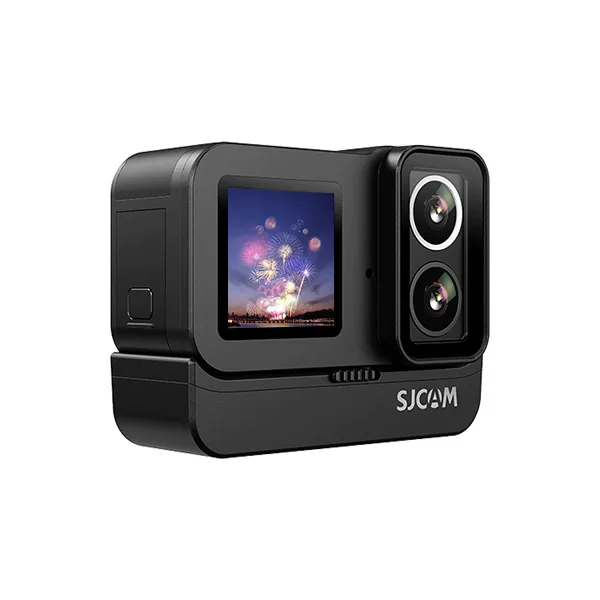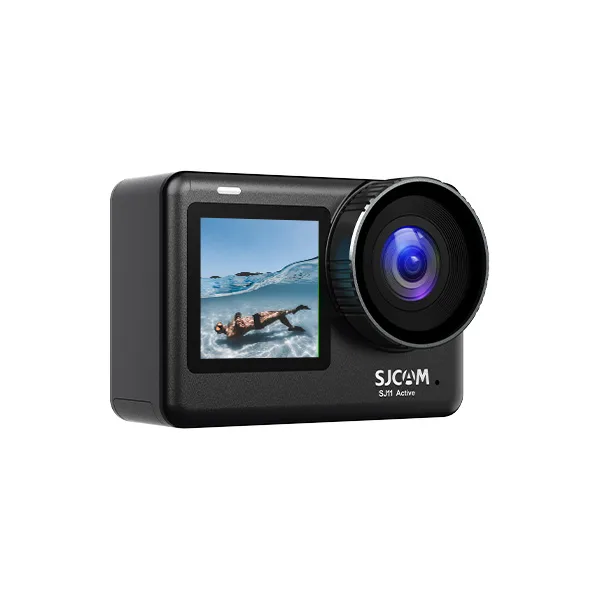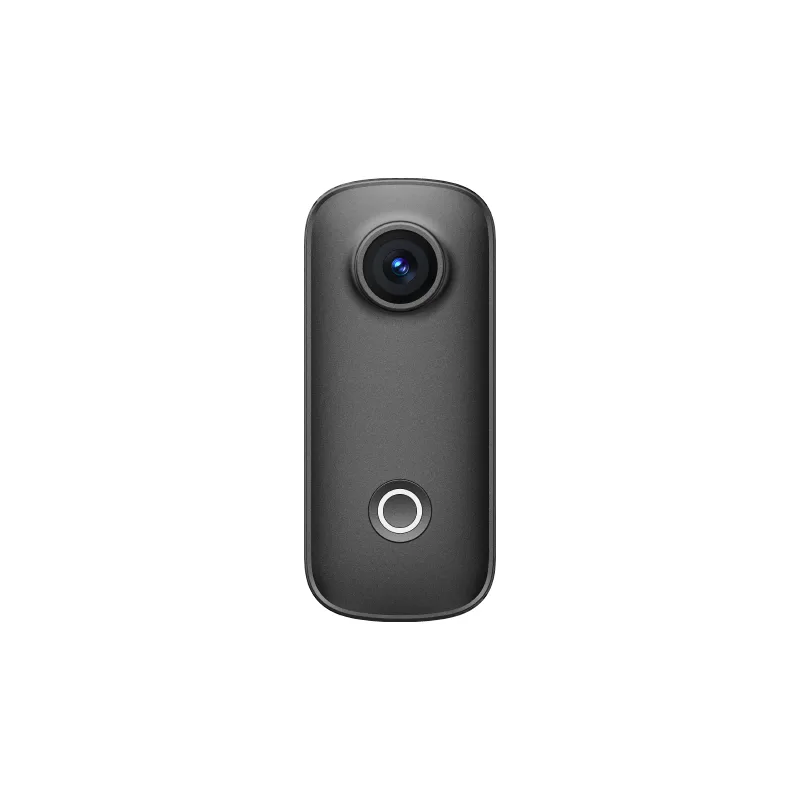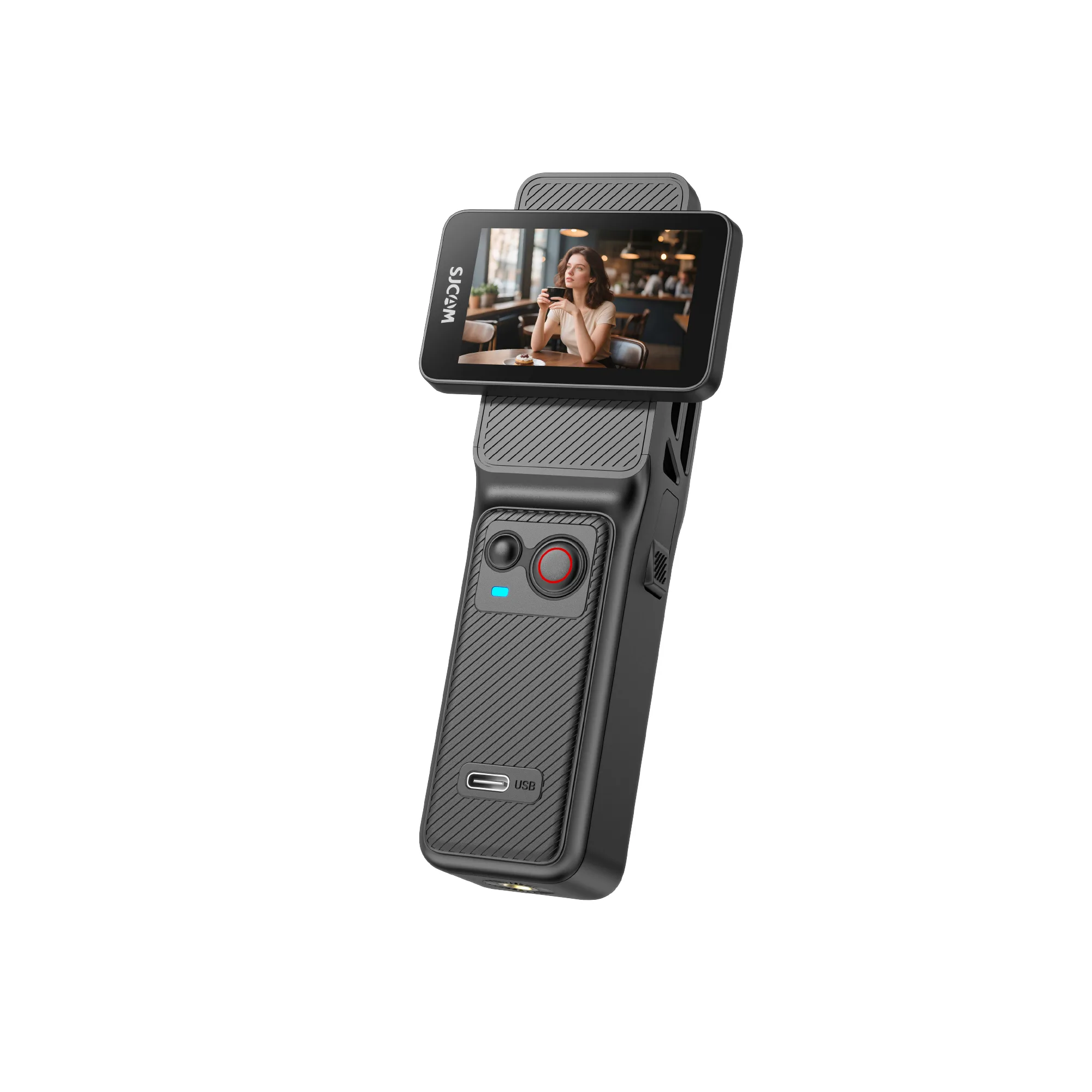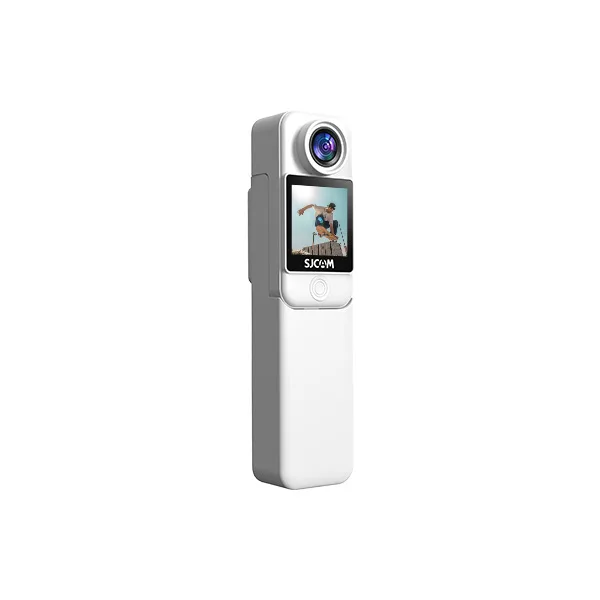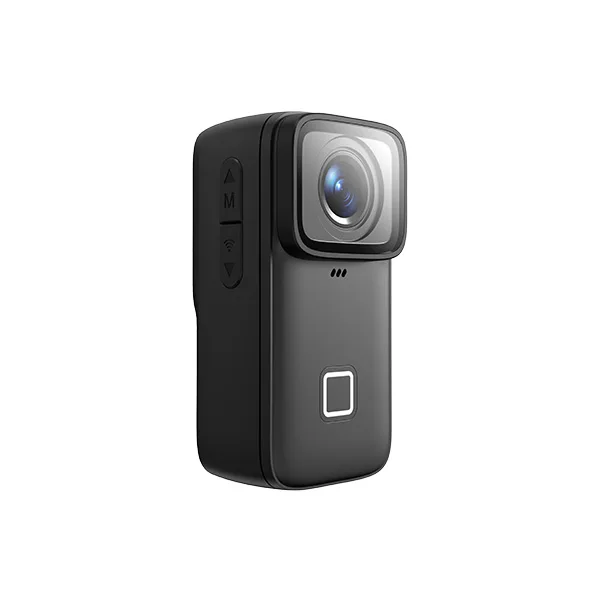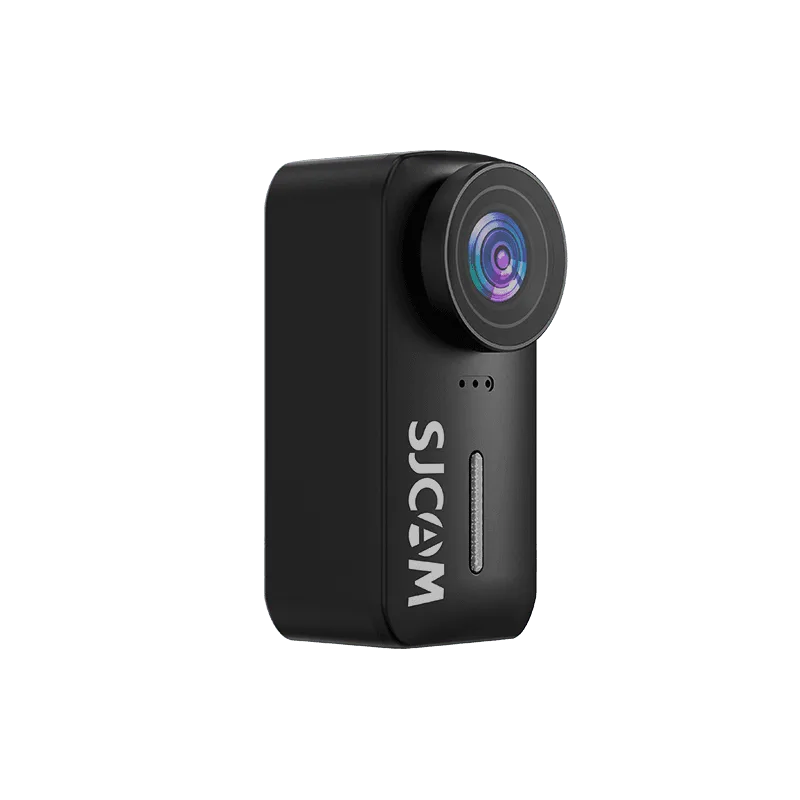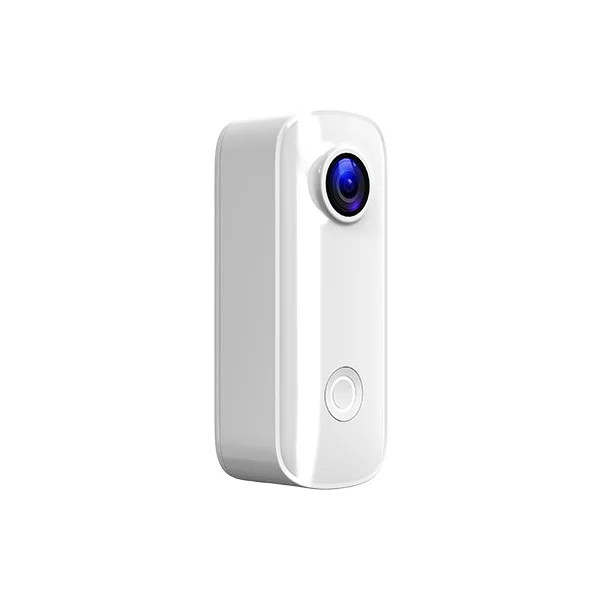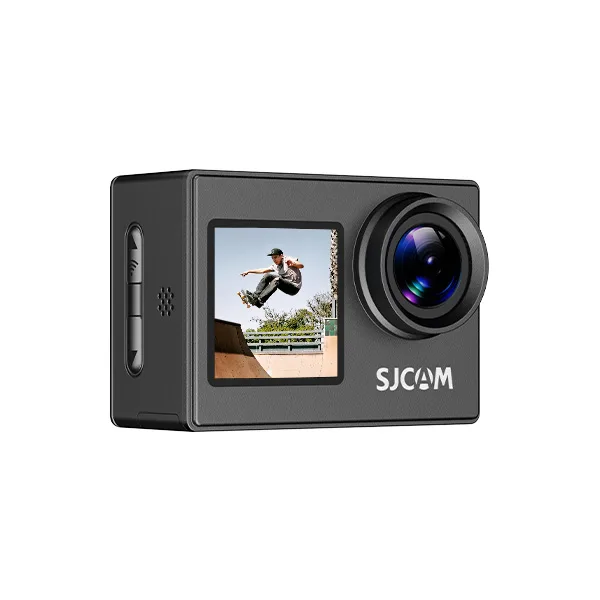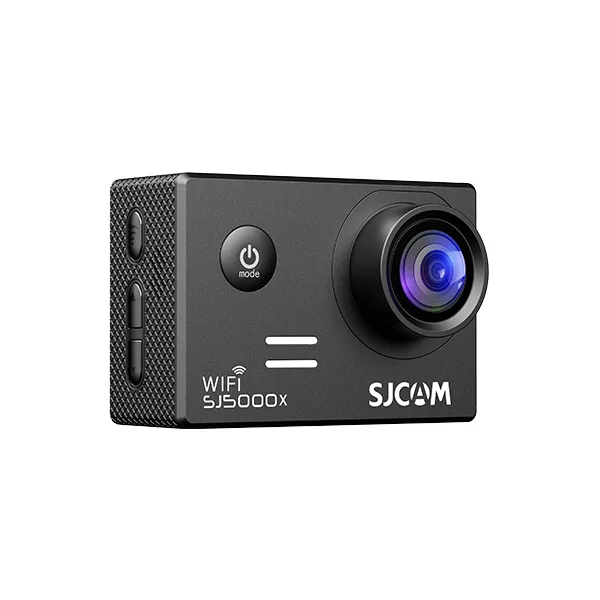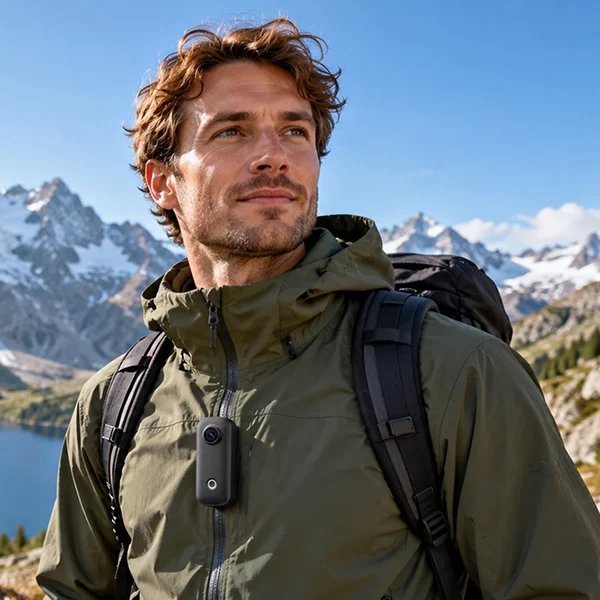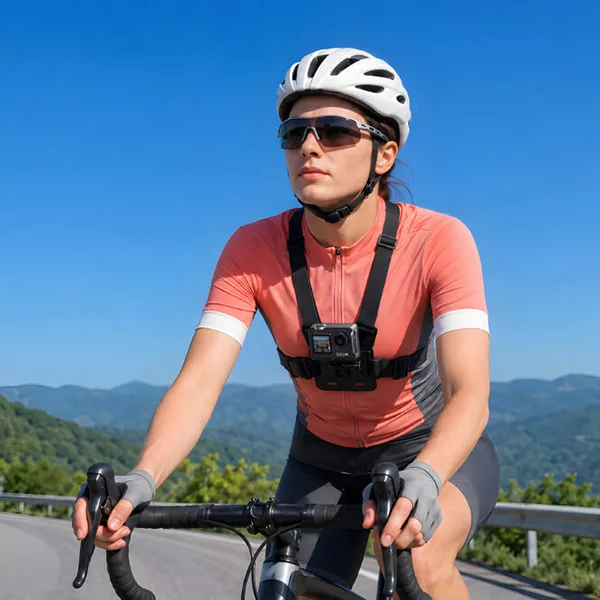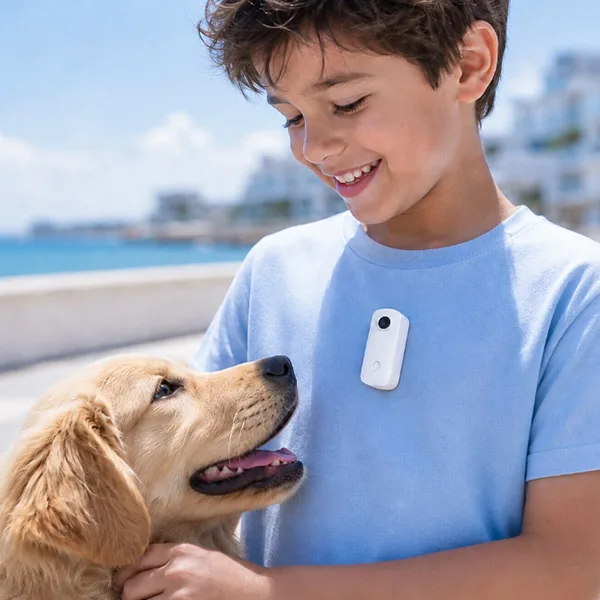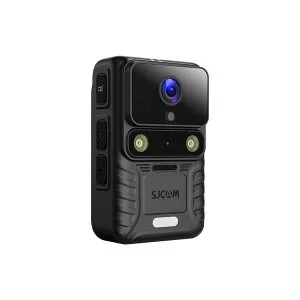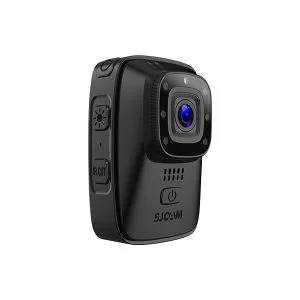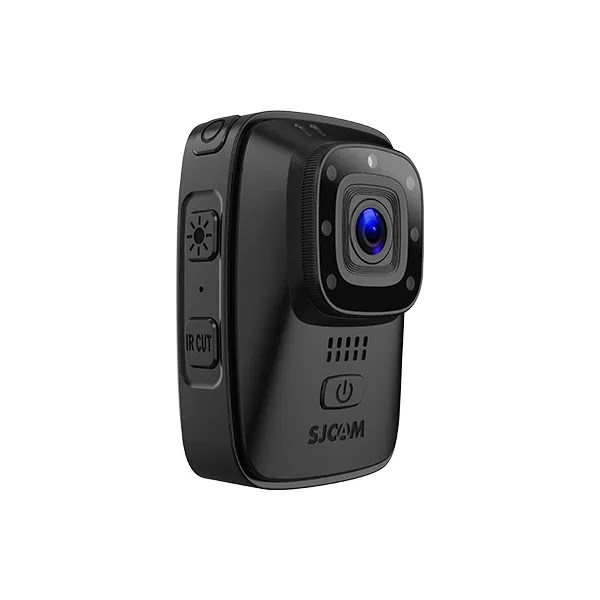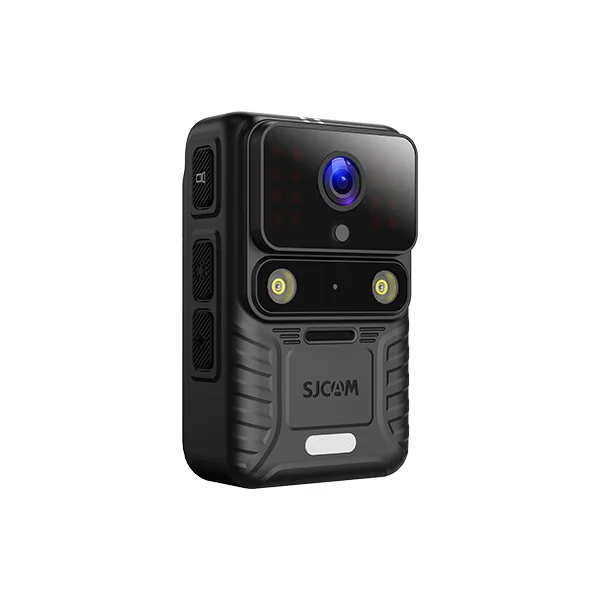







Looking for a body camera that records what actually happens—without paying enterprise prices? SJCAM makes two. The A10 is a 1296P budget workhorse with a 7-hour battery and infrared night vision. The A50 steps up to 4K, adds GPS route tracking, and pairs an LED light with infrared for brighter low-light footage. Both are IP65 rated, both use a 2.0″ touch screen, both run on replaceable batteries that you can swap mid-shift, and both cost a fraction of what law enforcement-grade hardware goes for. The table below compares them on resolution, night vision, battery, GPS, audio, and price, so you can pick the one that matches how you actually use it: patrol, security work, delivery driving, or personal safety.
| A10 | A50 | |
| Video resolution | 1296P 30fps (also 1080P / 720P / VGA) | 4K 30fps (also 2K / 1080P / 720P / WVGA / VGA) |
| Photo resolution | Up to 12MP | Up to 20MP |
| Night vision | Infrared | LED + infrared |
| Field of view | 140° | 135° with distortion correction |
| Battery | 2650mAh removable, up to 7 hours | 2250mAh replaceable, up to 7.5 hours, charges while recording |
| GPS | Not available | Yes—GPS route tracking |
| Audio | 2 built-in microphones | 1 built-in microphone, external mic sold separately |
| Screen | 2.0″ touch screen | 2.0″ touch screen |
| Waterproof | IP65 | IP65 |
| Storage | Supports microSD up to 128GB | microSD (see A50 spec page) |
| Size | — | 87 × 55 × 24 mm |
| Wi-Fi / App | 2.4GHz + SJCAM ZONE app | 2.4GHz + SJCAM ZONE app |
| Car mode | Yes | Yes |
| Remote control | Sold separately | Sold separately |
How to choose: pick the A10 if you want a low-cost, long-battery camera for everyday documentation and night patrol. Pick the A50 if you need 4K detail, GPS proof of where footage was recorded, or a brighter light for near-total darkness.
Body camera pricing tracks three things: resolution, GPS, and how much light the camera can produce in the dark. Units built for police departments—the kind that stream to a cloud evidence platform—can run into the hundreds per camera, and many of them add a monthly subscription on top.
Most buyers don't need that. If you're documenting security incidents, filming deliveries, or recording your own interactions for peace of mind, a camera that records locally to a microSD card does the job for a fraction of the cost.
The A10 sits in the budget tier at $119. The A50 adds 4K, GPS, and the LED illuminator for $229. Neither needs a subscription, and neither locks your footage into a platform you have to keep paying for.
For a longer breakdown of what drives body camera prices across the market, read our guide: How much does a body camera cost
The A50 measures 87 × 55 × 24 mm—small enough to clip to a shirt pocket or a vest strap and forget about. Both cameras use the same 2.0″ touch screen so settings can be changed without a phone, and both take a microSD card rather than internal storage, which means you can swap cards at the end of a shift and keep the original footage untouched.
You'll see these products sold under several names: body camera, body cam, body worn camera, and wearable camera. They all describe the same thing—a small, battery-powered recorder worn on the body. "Mini body camera" and "small body camera" usually refer to lighter units built for all-day wear rather than for shift-length recording.
The A10 records at 1296P with a 2650 mAh battery rated for up to 7 hours and has two built-in microphones. The A50 records at 4K, adds a 20MP photo mode, GPS route tracking, an LED illuminator alongside the infrared light, and a replaceable 2250mAh battery rated for up to 7.5 hours. The A50 also accepts an external microphone (sold separately).
No. GPS is only available on the A50, which records the route your footage was captured on. If location data matters for how you use the camera—delivery routes, patrol logs, insurance claims—choose the A50.
Up to 7 hours of recording on the A10 (2650mAh) and up to 7.5 hours on the A50 (2250mAh), both at the manufacturer's rated conditions. Real-world runtime drops with 4K recording, Wi-Fi use, and cold weather. Both batteries are removable, so carrying a spare covers a double shift.
The A50 supports charging while recording, so it can run from a power bank or car charger continuously. Check the A10 spec page for its charging behavior before relying on it for extended sessions.
Yes. The A10 uses infrared LEDs to record black-and-white footage in low light and also has a laser light for aiming. The A50 combines infrared with a high-output white LED illuminator, so it can light up a scene as well as film it.
Both are IP65 rated: dust-tight and protected against water jets from any direction, which covers rain, snow, and splashes. IP65 is not waterproof for submersion—don't take either camera swimming or leave it in standing water.
Yes. The A10 has two built-in microphones; the A50 has one built-in microphone and supports an external microphone sold separately. Audio quality in wind is the main limitation on any body-worn mic—mounting the camera behind a layer of clothing helps.
Yes. Car mode, plus the suction mount, turns either camera into a dash recorder. Video is saved to the microSD card in the camera, so there's no app or cloud account involved.
The A10 supports microSD cards up to 128GB. Loop recording overwrites the oldest files automatically once the card is full, so the camera keeps recording without you clearing space.
No. Both cameras record locally to microSD and transfer over 2.4GHz Wi-Fi to the SJCAM ZONE app. If you need automatic cloud upload, live streaming to a control room, or a chain-of-custody platform, that requires a law-enforcement-grade system—and a much larger budget.
 Chinese (China)
 Spanish
 German
 French
 Italian
 Japanese
 Korean
 Bulgarian
 Greek
 Indonesian
 Chinese (Hong Kong)
 Russian
 Danish
 Finnish
 Hungarian
 Turkish
 Dutch
 Portuguese
 Swedish
 Romanian
 Slovak
 Norwegian
 Croatian
 Czech
 Bengali
 Polish
 Thai
 Ukrainian
 Vietnamese