





 Chinese (China)
 Spanish
 German
 French
 Italian
 Japanese
 Korean
 Bulgarian
 Greek
 Indonesian
 Chinese (Hong Kong)
 Russian
 Danish
 Finnish
 Hungarian
 Turkish
 Dutch
 Portuguese
 Swedish
 Romanian
 Slovak
 Norwegian
 Croatian
 Czech
 Bengali
 Polish
 Thai
 Ukrainian
 Vietnamese
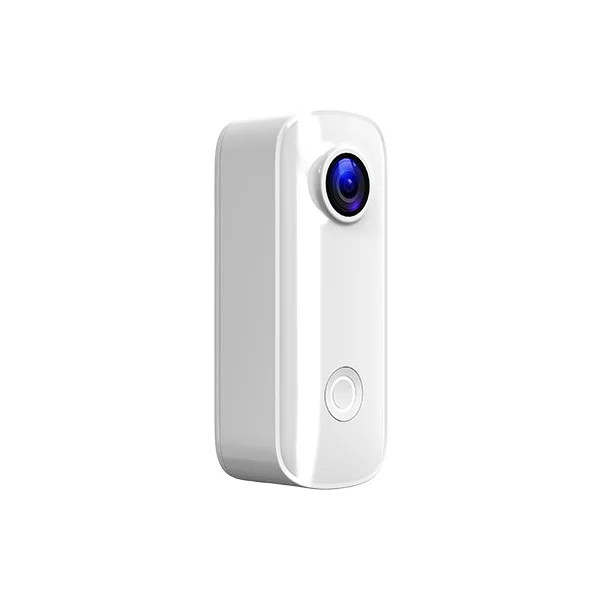
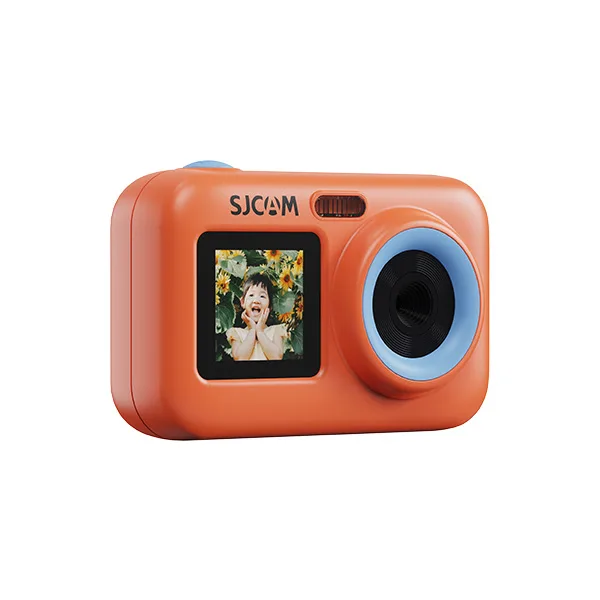
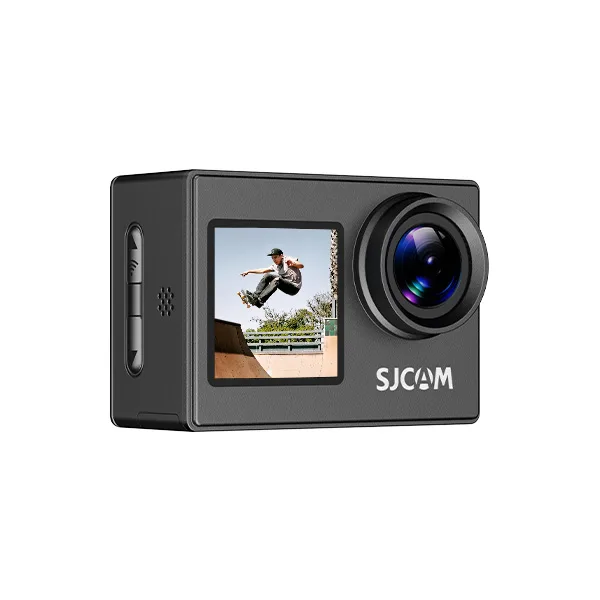
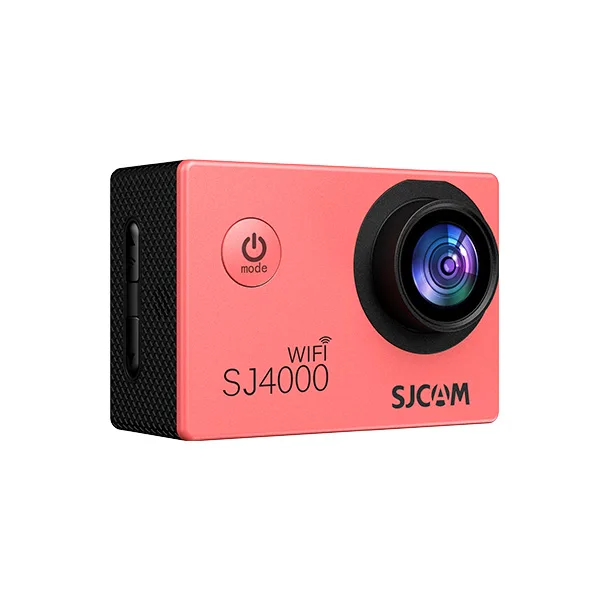
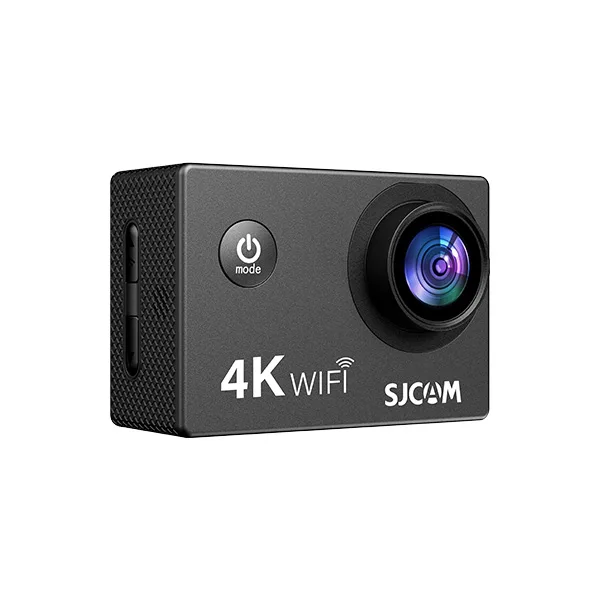
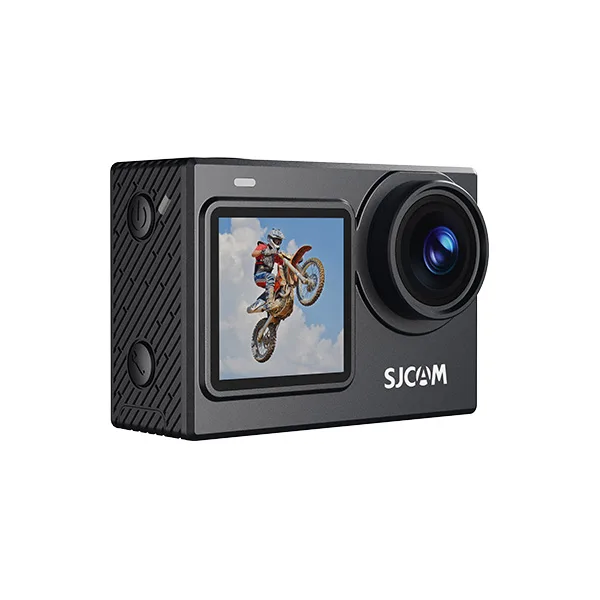
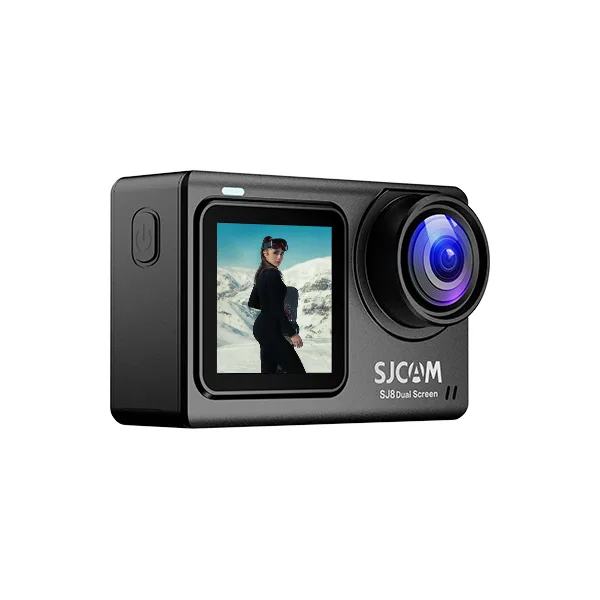
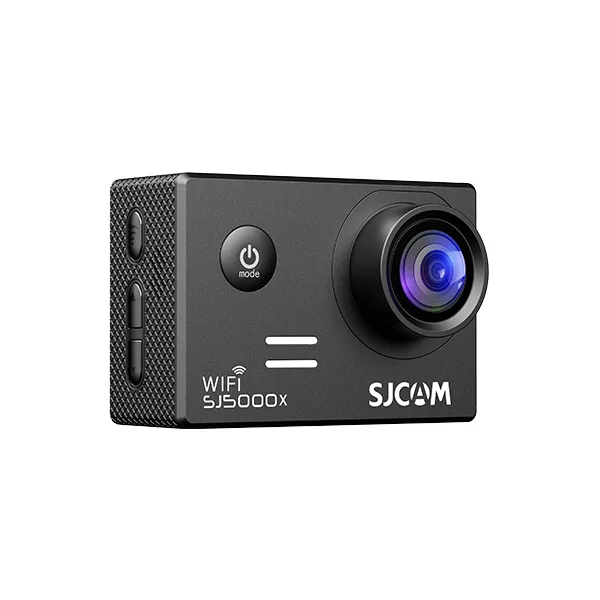
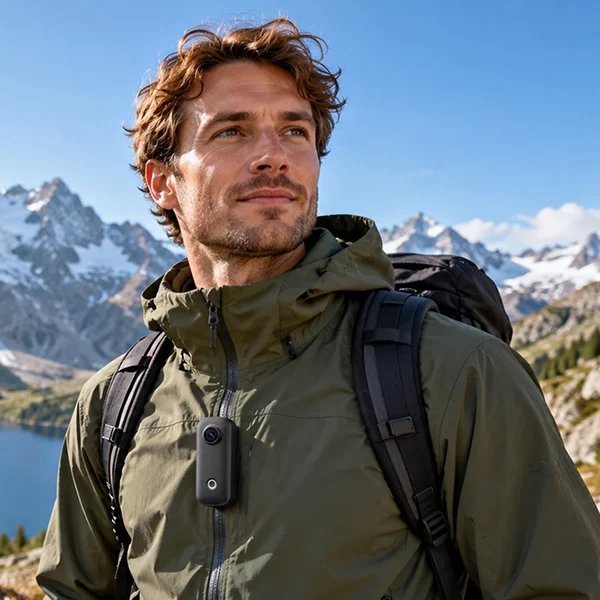
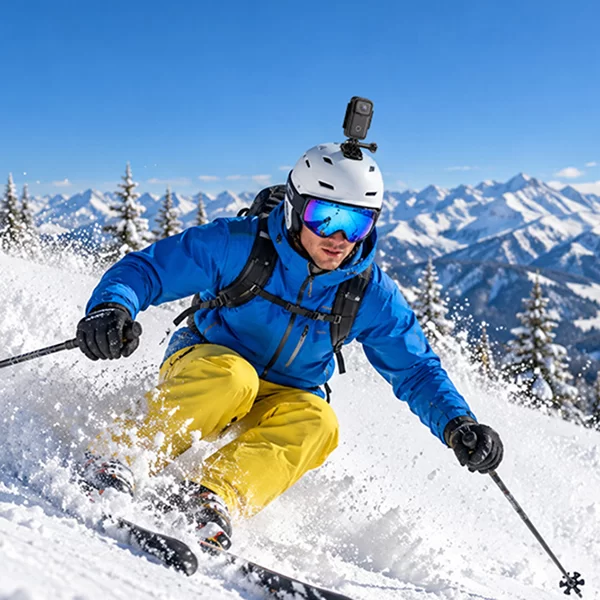

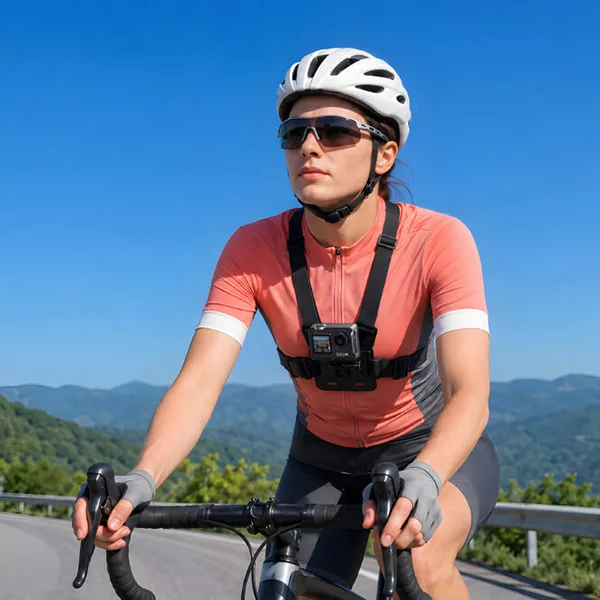
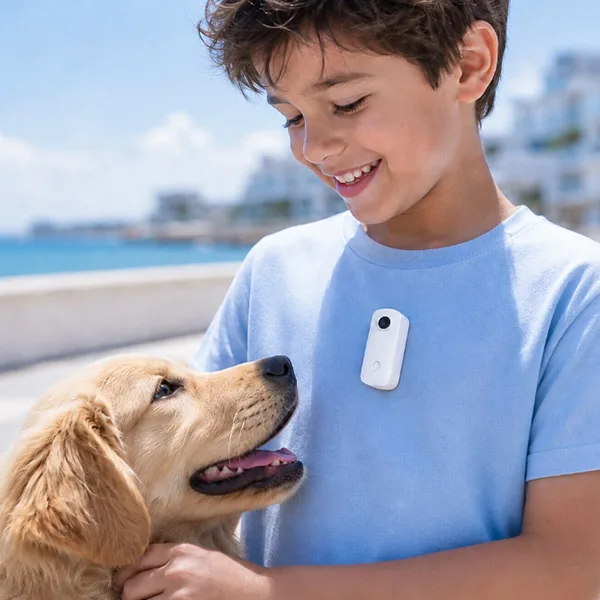


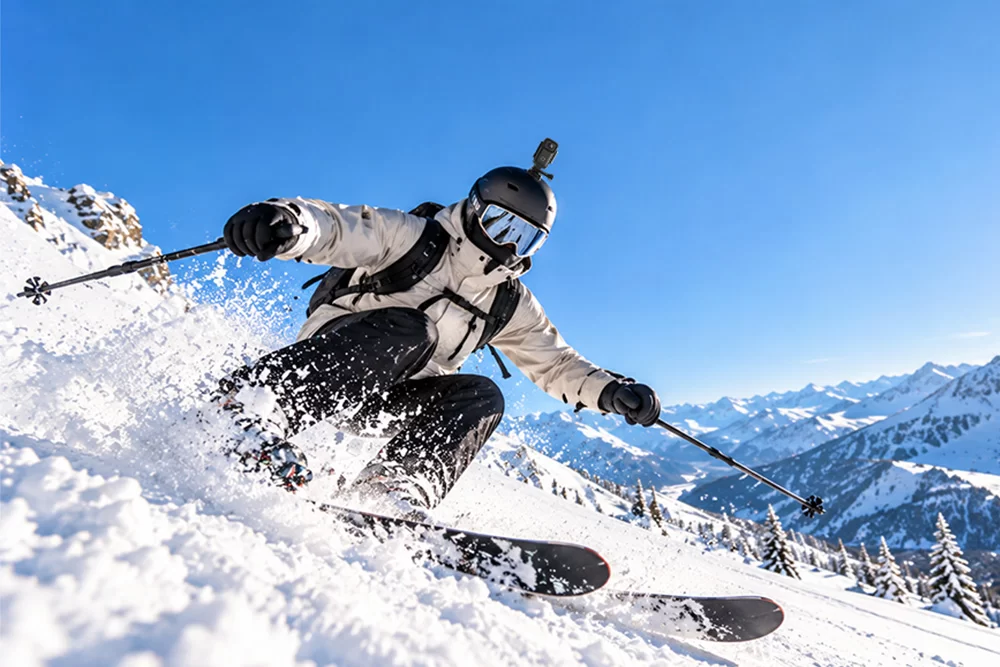
A good bike camera does more than record the road ahead. It can capture mountain bike trails, document your daily commute, and create immersive first-person videos of your cycling adventures.
But which camera is best for cycling?
The best bike camera depends on your riding style. For mountain biking, prioritize effective stabilization and secure mounting. For road cycling, look for clear video, a practical field of view, and reliable battery performance. For commuting, consider recording duration and whether you need front- or rear-facing coverage.
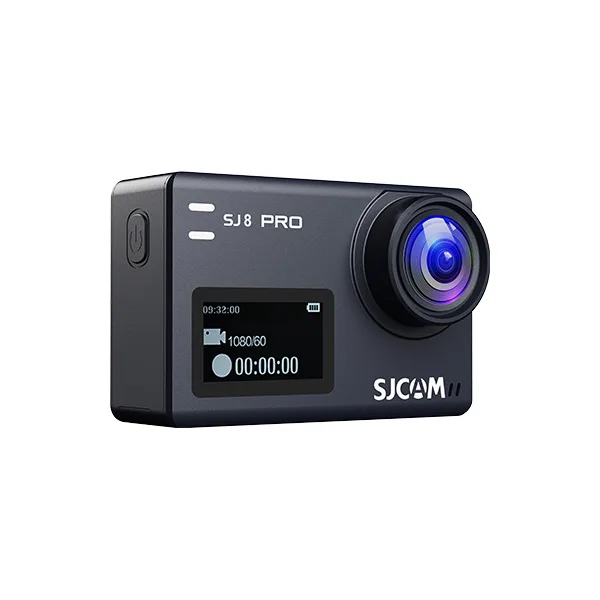
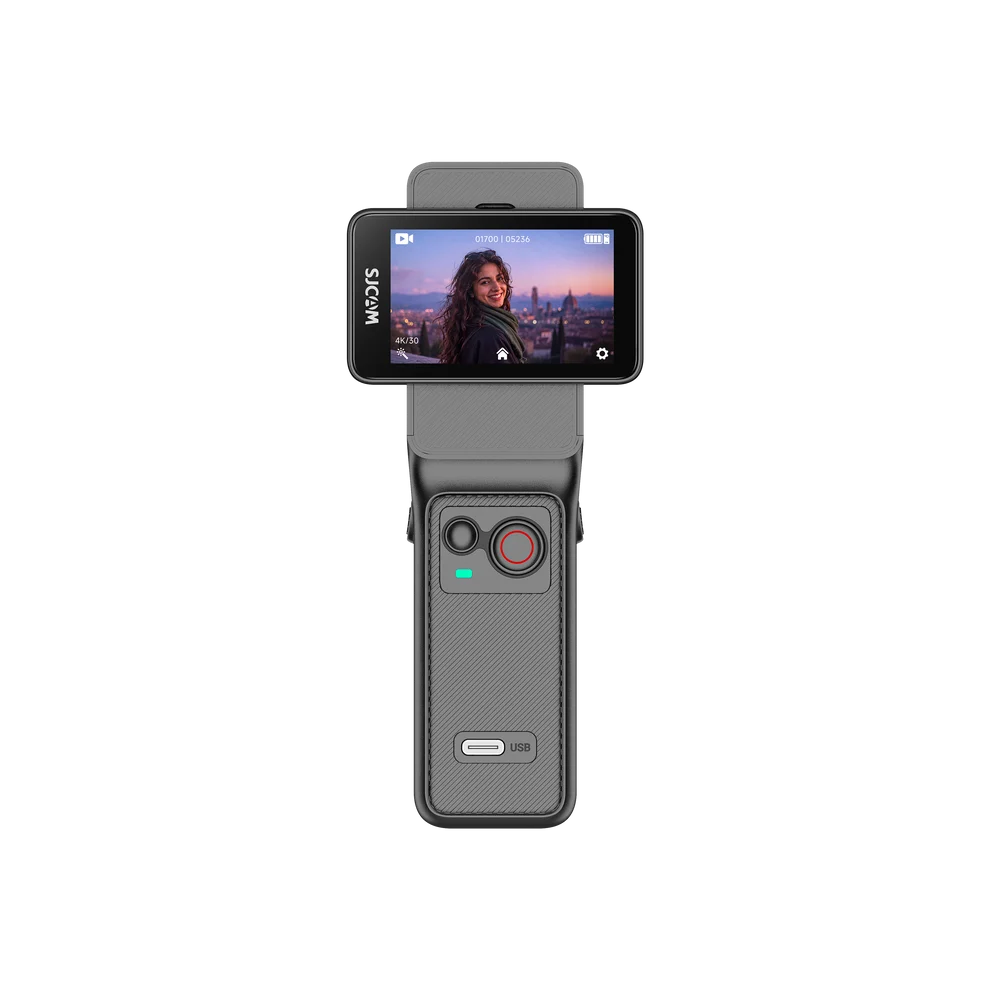
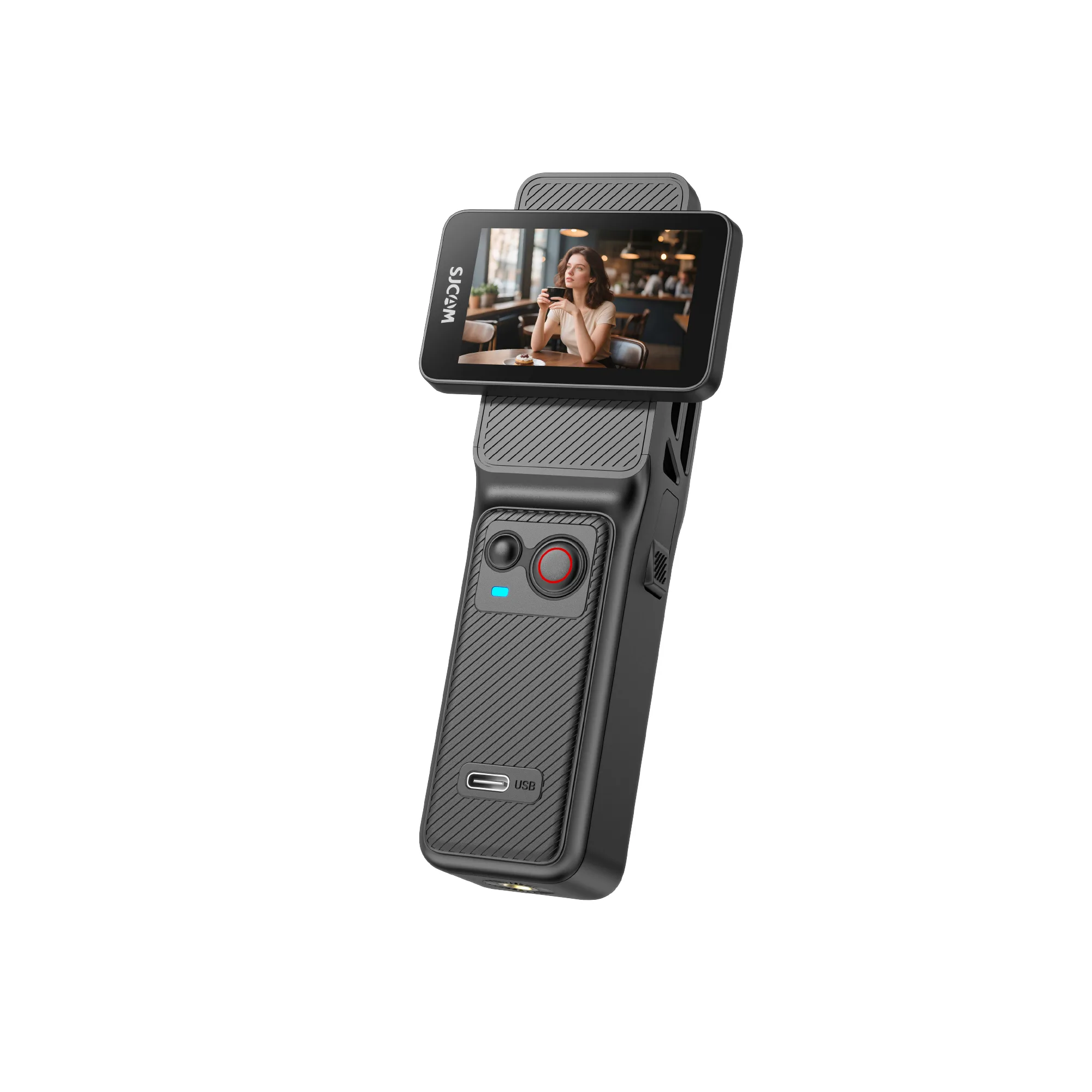
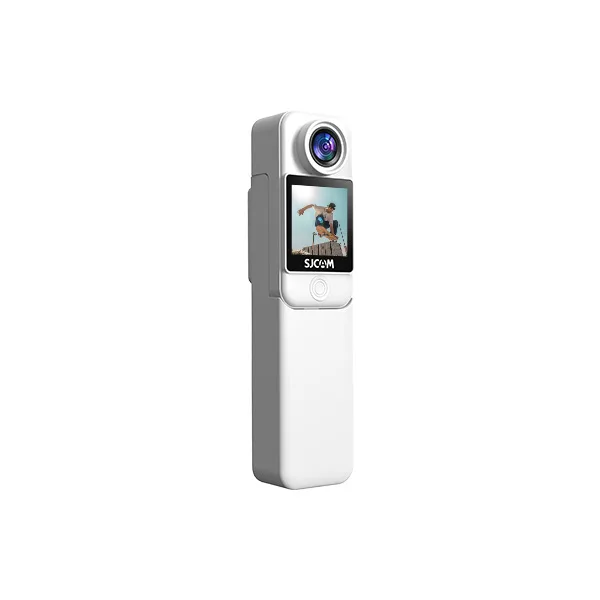
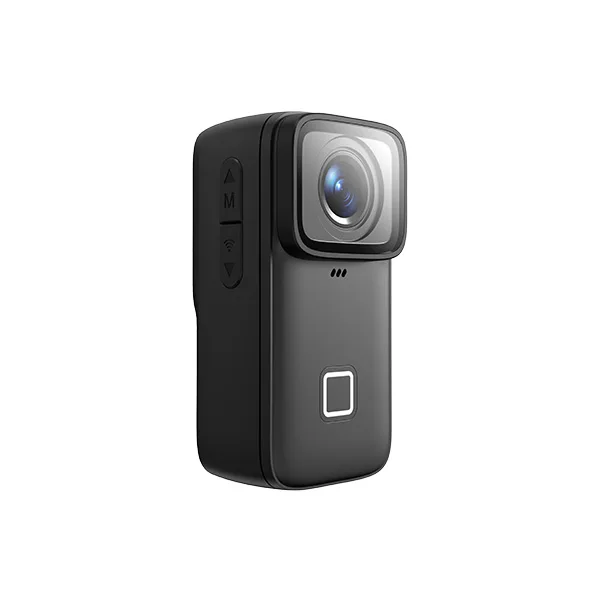
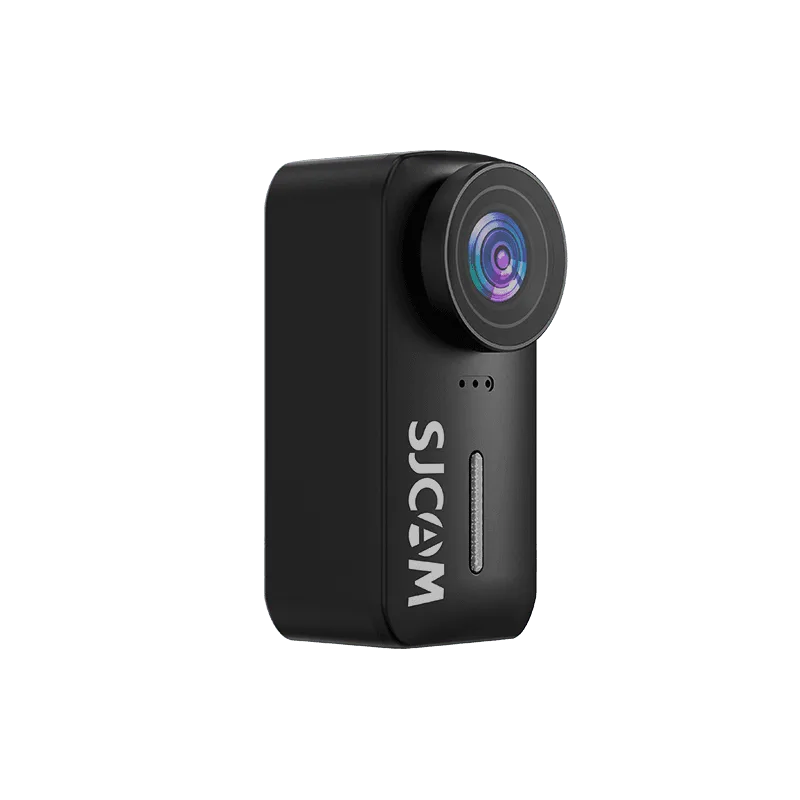
Among SJCAM models, the SJ30 is worth considering for demanding outdoor rides, the SJ6 Ultra for everyday cycling, the S10 for lightweight POV recording, and the SJ8 Pro for riders seeking an established 4K/60fps option.
This guide compares their strengths and explains how to choose a cycling camera that fits your needs.
Best Bike Cameras for Cycling at a Glance
Not every cyclist needs the same features. A mountain biker filming rough trails may prioritize stabilization, while a commuter recording traffic may care more about battery life and camera placement.
Here’s a quick comparison of SJCAM cameras for different cycling activities.
| Bike Camera | Best For | Key Advantage | What to Consider |
|---|---|---|---|
| SJCAM SJ30 | Mountain biking and challenging rides | Dual-lens design and advanced stabilization | Higher recording modes may require more storage |
| SJCAM SJ6 Ultra | Everyday road and outdoor cycling | 4K recording, dual screens, and stabilization | Check supported frame rates |
| SJCAM S10 | Lightweight hands-free POV | Compact wearable design | Mounting position and battery requirements |
| SJCAM SJ8 Pro | 4K cycling videos | 4K/60fps recording | Compare features with newer models |
Quick recommendation: Choose the SJ30 for demanding outdoor filming, the SJ6 Ultra for versatile everyday cycling, or the S10 when portability and wearable recording are your priorities.
You can also explore the full range of SJCAM action cameras for cycling to compare available models.
Best SJCAM Bike Cameras for Different Cycling Needs
1. SJCAM SJ30 – Best for Mountain Biking and Outdoor Adventures
Mountain biking often involves uneven terrain, rapid turns, and constantly changing lighting conditions. A suitable camera needs to handle movement while capturing useful detail.
The SJCAM SJ30 is worth considering for riders who regularly film trails, downhill sections, and outdoor adventures.
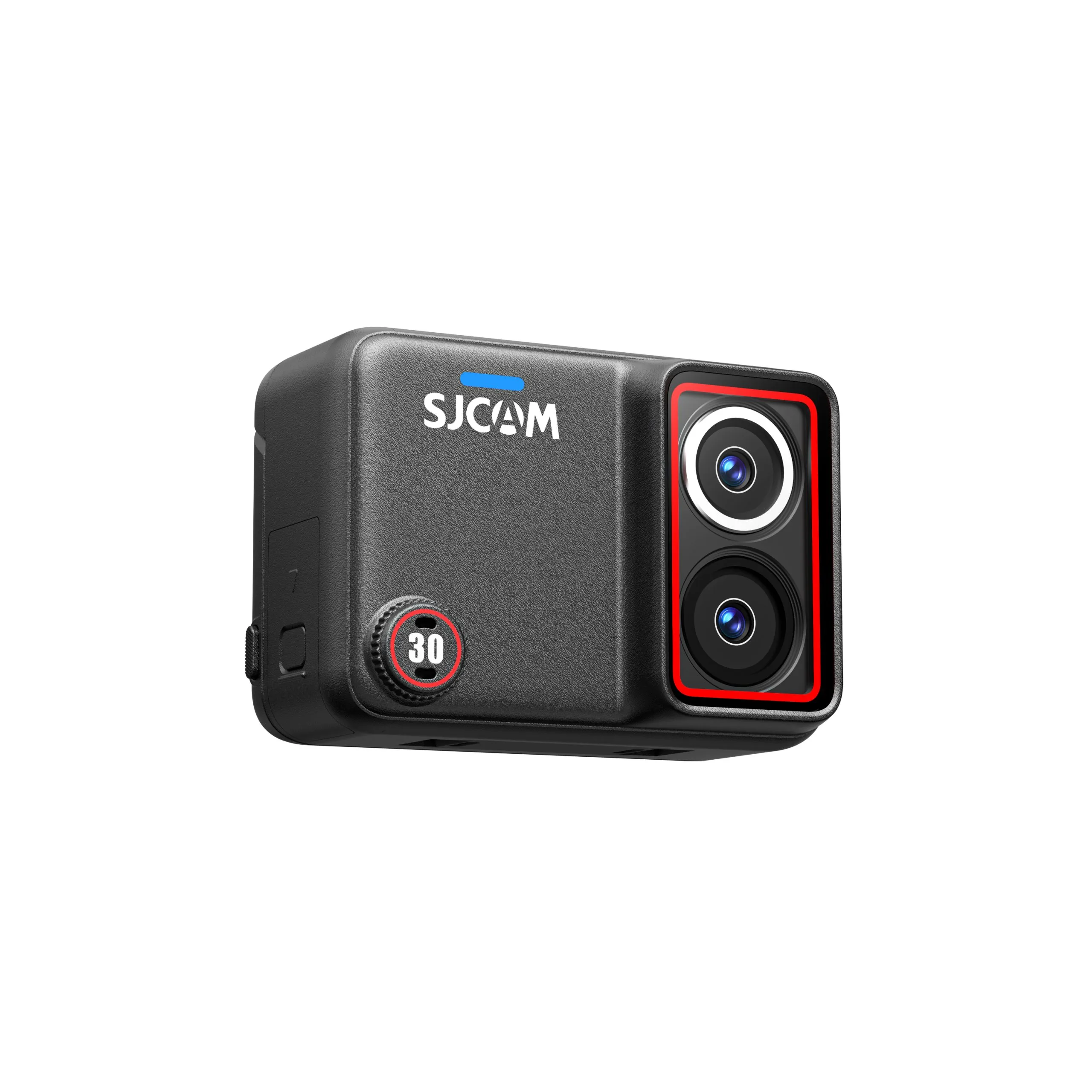
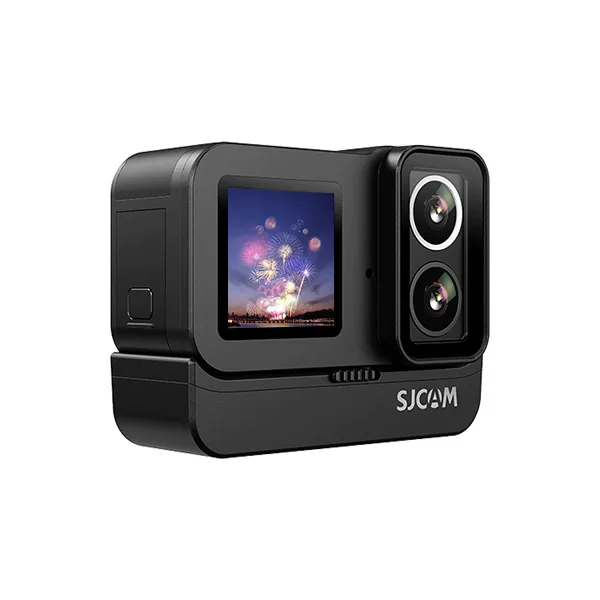
Its dual-lens design provides different shooting options for daytime and low-light conditions, while SteadyMotion 2.0 stabilization is designed to reduce visible shake during movement.
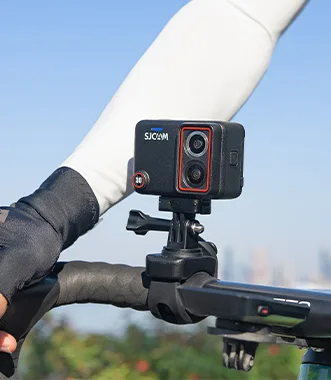
SJ30
- 8K high-resolution recording options for detailed outdoor footage
- Stabilization designed for action recording
- Dual-lens system for different lighting conditions
- Compatibility with different mounting setups, subject to the accessory used
What to consider: Higher resolution isn’t always the best setting for fast-moving footage. Check the supported frame rate for each recording mode and choose the combination that suits your ride.
Best for: Mountain biking, challenging trails, and cyclists who want advanced recording options.
2. SJCAM SJ6 Ultra – Best for Everyday Road Cycling
For regular road rides, weekend cycling, and outdoor adventures, a balanced camera can be more useful than one with the highest advertised resolution.
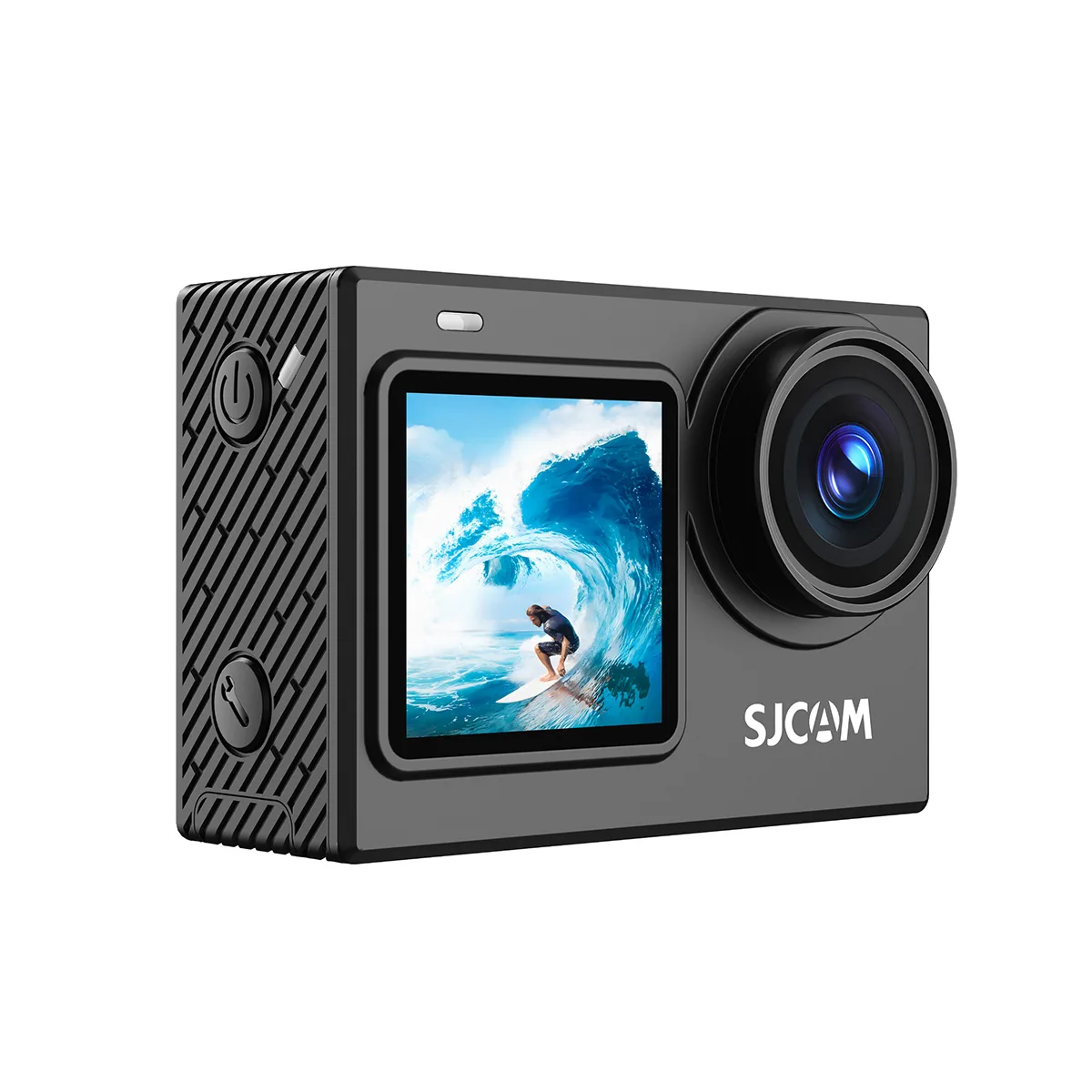
The SJCAM SJ6 Ultra offers 4K recording, dual screens, and SteadyMotion 2.0 stabilization with horizon correction.
Its front and rear screens are useful for framing shots before or after a ride, while its stabilization features make it worth considering for moving footage.
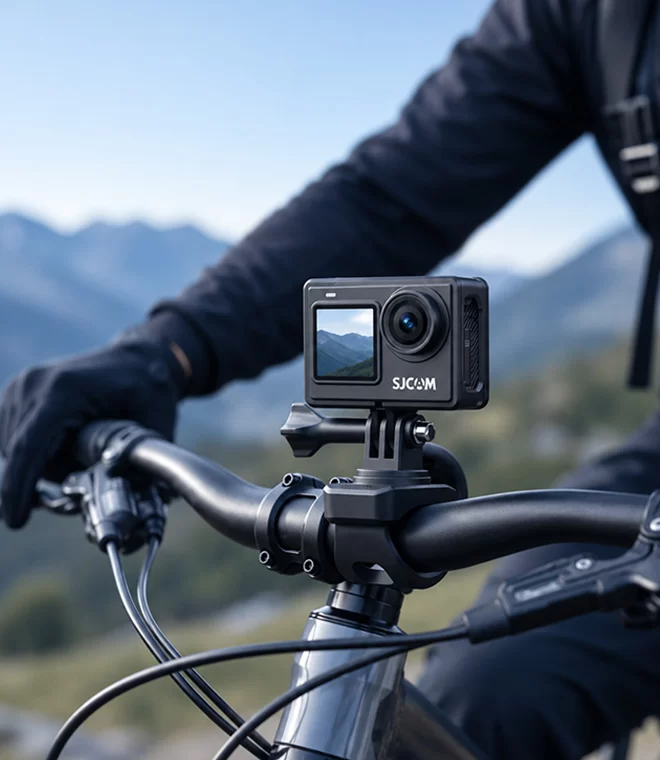
SJ6 Ultra
- 4K video for recording routes and scenery
- Stabilization for reducing visible camera shake
- Dual screens for easier framing and camera operation
- Suitable for road cycling and general outdoor recording
What to consider: Review the available resolution and frame-rate combinations before buying, particularly if you want high-frame-rate footage.
Best for: Road cycling, recreational rides, and riders looking for a versatile action camera.
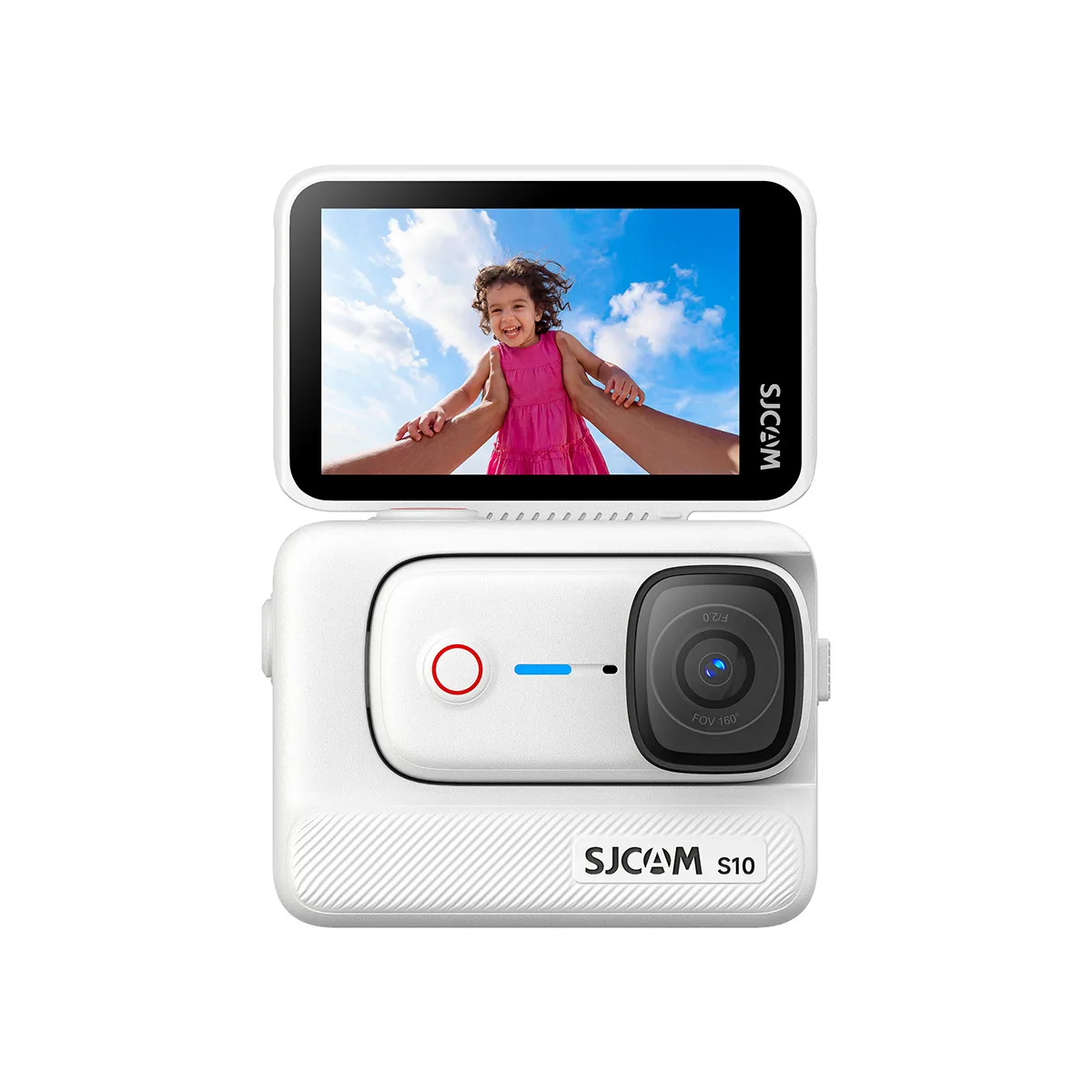
3. SJCAM S10 – Best for Lightweight POV Cycling Videos
Not every cyclist wants a traditional action camera mounted on a large bracket.
The SJCAM S10 is designed for compact, wearable recording, making it an option for cyclists who prioritize portability and hands-free video.
With a suitable mounting setup, it can help capture a first-person perspective without requiring you to hold the camera.
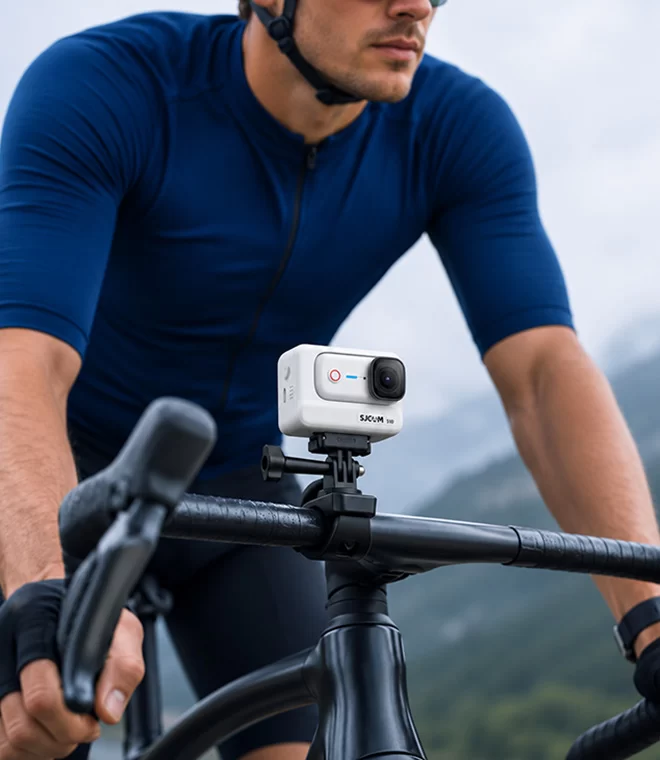
S10
- 46g compact design for convenient carrying
- Wearable recording options
- Useful for casual rides and first-person content
- Suitable for cyclists who prefer a lightweight setup
What to consider: Check the compatibility and security of the intended mount. A compact wearable camera isn’t automatically suitable for every helmet or high-vibration riding situation.
Best for: Casual cycling, lightweight POV filming, and hands-free outdoor recording.
4. SJCAM SJ8 Pro – An Alternative for 4K/60fps Cycling Footage
The SJ8 Pro remains an option for riders comparing established SJCAM action cameras.
Its 4K/60fps recording capability can be useful for capturing fast-moving scenes and producing smoother footage than lower-frame-rate modes.
SJ8 Pro
- 4K/60fps recording
- 170° wide-angle shooting options
- Electronic stabilization features
- Suitable for recording road rides and cycling adventures
What to consider: Compare its available features, accessories, and support with newer SJCAM models before purchasing.
Best for: Cyclists who specifically want an established 4K/60fps camera.
Action Camera vs. Bike Safety Camera: What’s the Difference?
The term “bike camera” can refer to two different types of devices: action cameras used for filming rides and dedicated cycling cameras used primarily to document road conditions.
Although both record video, their priorities may differ.
| Feature | Action Camera | Dedicated Bike Safety Camera |
|---|---|---|
| Primary Purpose | Sports footage and POV recording | Documenting road conditions |
| Video Stabilization | Often a major feature | Varies by model |
| Continuous Recording | Depends on camera and settings | Often prioritized |
| Front and Rear Coverage | May require multiple cameras | Available on some systems |
| Loop Recording | Model-dependent | Common on dedicated systems |
| Best For | Adventures and cycling content | Regular traffic documentation |
Which Type Should You Choose?
Choose an action camera if your main goal is recording cycling adventures, creating videos, or capturing first-person footage.
Consider a dedicated bike safety camera if you mainly want to document daily commutes and surrounding traffic.
Some action cameras can serve both purposes, but features such as loop recording, storage management, and recording duration should be checked before relying on them for continuous documentation.
A camera may capture useful footage, but it cannot prevent accidents or guarantee that every incident will be recorded clearly.
If traffic coverage is your priority, read our front vs. rear bike camera guide to understand the advantages of different recording directions.
What to Look for When Buying a Cycling Camera
The best cycling camera isn’t necessarily the most expensive one. Focus on features that improve the footage you want to capture.
1. Video Quality and Frame Rate
For general cycling videos, 1080p or 4K can both be practical choices.
4K provides additional image detail and more flexibility for cropping during editing, while 1080p generally produces smaller files.
Frame rate also matters.
- 30fps: Suitable for everyday rides and scenic footage.
- 60fps: Useful for smoother motion during faster cycling.
- 120fps: Can create slow-motion clips when supported by the camera.
Higher resolution doesn’t automatically mean better image quality. Sensor performance, exposure, processing, and lighting also affect the final result.
2. Image Stabilization
Cycling exposes a camera to vibrations from road surfaces, tires, handlebars, and body movement.
Electronic image stabilization can reduce visible shake, making footage easier to watch.
For mountain biking and gravel riding, stabilization is particularly important. However, its effectiveness varies by model, mounting position, lighting, and recording mode.
Look for real cycling footage recorded on terrain similar to where you ride.
3. Battery Life and Recording Duration
Battery life becomes important during long rides.
A short commute may require less recording time than a full-day cycling trip. However, the actual runtime depends on resolution, frame rate, stabilization, temperature, and other settings.
Before purchasing, check whether the camera supports spare batteries, compatible external power, or other practical recording options.
For longer journeys, our guide explains how to extend action camera battery life on cycling trips.
4. Weather Resistance
Cycling conditions can change quickly, particularly during long outdoor rides.
Rain, mud, dust, and splashing water can affect your equipment.
Some action cameras offer built-in waterproof protection, while others require a compatible housing.
Check the official waterproof rating and operating instructions for the specific model. Never assume that every action camera can be used in heavy rain without additional protection.
5. Mounting Compatibility
A cycling camera is only as useful as its mounting setup.
Before buying, confirm that compatible helmet, chest, or handlebar mounts are available and suitable for your intended riding conditions.
The camera should remain securely attached without obstructing your view, interfering with bicycle controls, or compromising protective equipment.
Which Bike Camera Is Best for Your Riding Style?
Different cycling activities create different recording challenges.
| Cycling Activity | Camera Priority | Suggested SJCAM Model |
|---|---|---|
| Mountain Biking | Stabilization and outdoor video quality | SJ30 |
| Road Cycling | Balanced video features and usability | SJ6 Ultra |
| Daily Commuting | Recording reliability and practical mounting | SJ6 Ultra |
| Casual POV Recording | Portability and hands-free operation | S10 |
| Fast-Moving Cycling Videos | Higher-frame-rate recording | SJ8 Pro |
| Long-Distance Touring | Battery planning and storage | Compare supported power options |
Mountain Biking
For mountain biking, prioritize stabilization, secure mounting, and video quality during rapid movement.
The SJ30 is worth considering if you want to capture detailed trail footage and use different recording options.
Road Cycling
Road cyclists often benefit from a camera that offers reliable everyday video recording without a complicated setup.
The SJ6 Ultra provides a practical combination of recording features and usability for this type of filming.
Daily Commuting
For commuting, focus on recording duration, camera placement, and whether you need front- or rear-facing footage.
If continuous traffic documentation is essential, compare dedicated bike safety cameras alongside action cameras.
Casual and Hands-Free Riding
For relaxed rides and lightweight first-person footage, a compact camera such as the S10 may be more convenient than a larger setup.
However, always verify mount compatibility and camera security before riding.
Where Should You Mount a Bike Camera?
The mounting position affects both the perspective and stability of your footage.
| Mounting Position | Main Advantage | Best For |
|---|---|---|
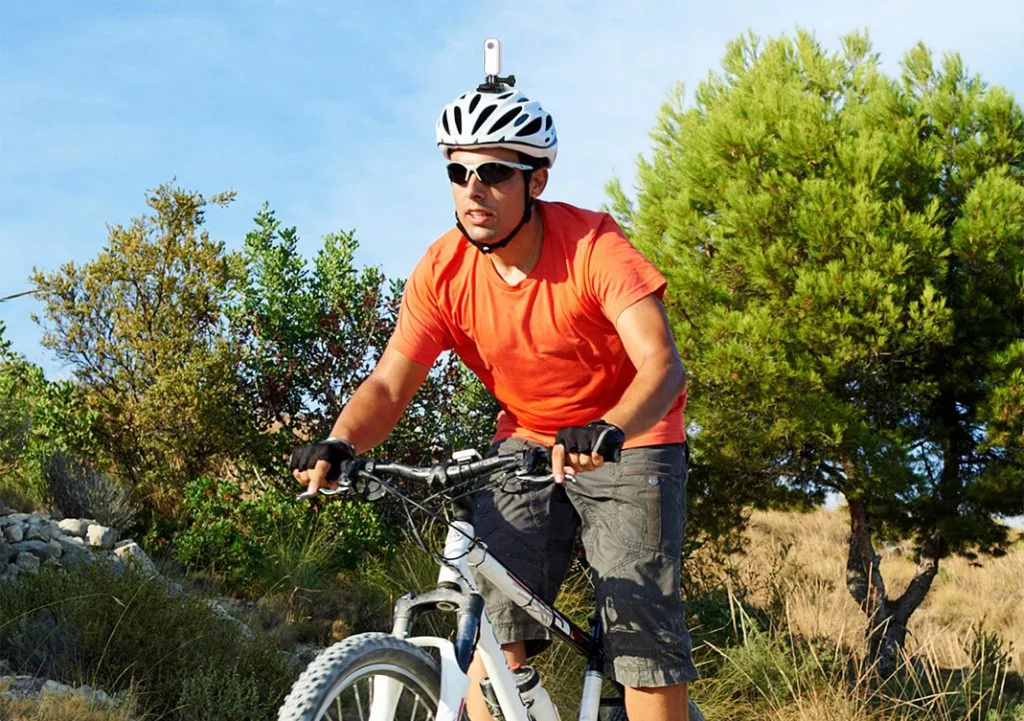
| Helmet Mount | Follows the rider’s viewing direction | Immersive POV |
| Chest Mount | Captures handlebars and the road ahead | Mountain biking and gravel |
| Handlebar Mount | Provides a straightforward forward-facing view | Road cycling and commuting |
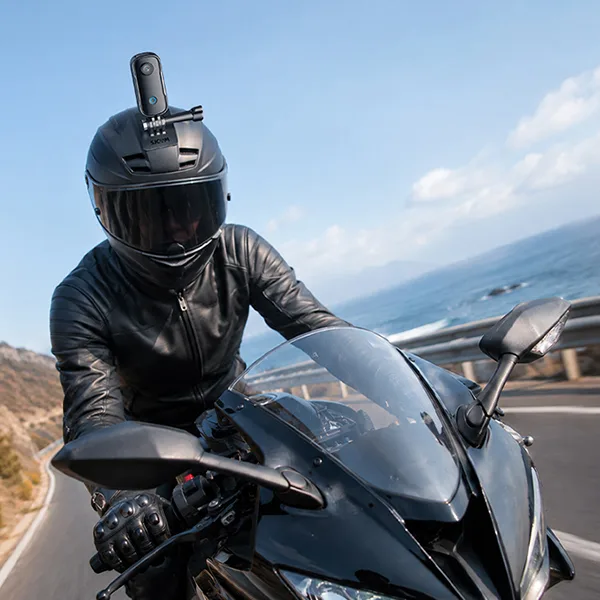
A helmet mount can provide a natural first-person perspective, but it may add weight or affect helmet compatibility.
A chest mount is useful for recording the trail and handlebars together.
A handlebar mount is convenient for forward-facing video, although road vibrations can affect the footage.
For a detailed comparison, read our guide to chest mounts vs. helmet mounts vs. handlebar mounts for cycling.
You can also explore compatible bike camera mounting accessories for different setups.
Safety reminder: Never modify a helmet or attach accessories in a way that conflicts with the helmet manufacturer’s instructions. Check mounting security before every ride and avoid adjusting the camera while moving.
Recommended Action Camera Settings for Cycling
Choosing suitable recording settings can improve your footage without requiring a more expensive camera.
The following settings are useful starting points, provided your camera supports them.
| Cycling Situation | Suggested Settings | Main Goal |
|---|---|---|
| Road Cycling | 4K/30fps, EIS on | Detailed everyday footage |
| Mountain Biking | 4K/60fps or 1080p/60fps, EIS on | Smoother fast movement |
| Gravel Riding | 1080p/60fps, EIS on | Manage vibration and file size |
| Scenic Touring | 4K/30fps | Capture landscape detail |
| Slow-Motion Highlights | 1080p/120fps | Slower playback |
| Low-Light Cycling | Supported low-light mode, appropriate frame rate | Improve exposure |
These are general recommendations rather than confirmed modes for every SJCAM camera.
Enable Stabilization When Appropriate
Use electronic stabilization for moving footage if your selected resolution and frame rate support it.
Keep in mind that stabilization may crop the frame, and results can vary in low light.
Check the Field of View
A wide field of view is useful for capturing the road and surrounding scenery.
However, very wide angles may distort objects near the edges of the frame.
Choose a field of view that matches your recording goal rather than automatically selecting the widest option.
Test Before a Long Ride
Record a short test clip to check the camera angle, mounting security, audio, and stabilization.
A few minutes of preparation can prevent an entire ride from being recorded with the wrong framing.
FAQ
The best bike camera depends on your riding style. The SJCAM SJ30 is worth considering for mountain biking and demanding outdoor footage, while the SJ6 Ultra offers a balanced option for everyday cycling. The S10 is suitable for riders who prioritize compact, hands-free POV recording.
Yes, an action camera can record daily cycling routes and surrounding traffic. However, if your main goal is continuous road documentation, check recording duration, storage management, loop recording availability, and whether you need front- or rear-facing coverage.
A helmet camera follows the rider’s viewing direction and is useful for POV footage. A handlebar camera provides a more consistent forward-facing perspective but may experience more vibration. The better choice depends on your riding conditions, equipment compatibility, and filming goals.
4K is useful for detailed cycling footage, while 1080p can reduce file size and storage requirements. For fast-moving scenes, 60fps may be more useful than simply choosing the highest resolution. Always check the frame rates supported by your camera.
A front-facing camera records the road ahead, while a rear-facing camera captures traffic approaching from behind. If documenting surrounding traffic is your priority, both directions may be useful. The right setup depends on your riding environment and recording needs.
Final Verdict: Which Bike Camera Should You Buy?
The best cycling camera is the one that fits your riding conditions and recording goals.
Choose the SJCAM SJ30 if you want advanced recording options for mountain biking and outdoor adventures. Consider the SJ6 Ultra for versatile road cycling and everyday rides, or the S10 if you prefer a compact camera for hands-free POV videos.
If you’re comparing older 4K models, the SJ8 Pro remains an option worth evaluating against newer alternatives.
Before buying, prioritize stabilization, mounting compatibility, battery performance, and the recording modes you’ll actually use.