





 Chinese (China)
 Spanish
 German
 French
 Italian
 Japanese
 Korean
 Bulgarian
 Greek
 Indonesian
 Chinese (Hong Kong)
 Russian
 Danish
 Finnish
 Hungarian
 Turkish
 Dutch
 Portuguese
 Swedish
 Romanian
 Slovak
 Norwegian
 Croatian
 Czech
 Bengali
 Polish
 Thai
 Ukrainian
 Vietnamese
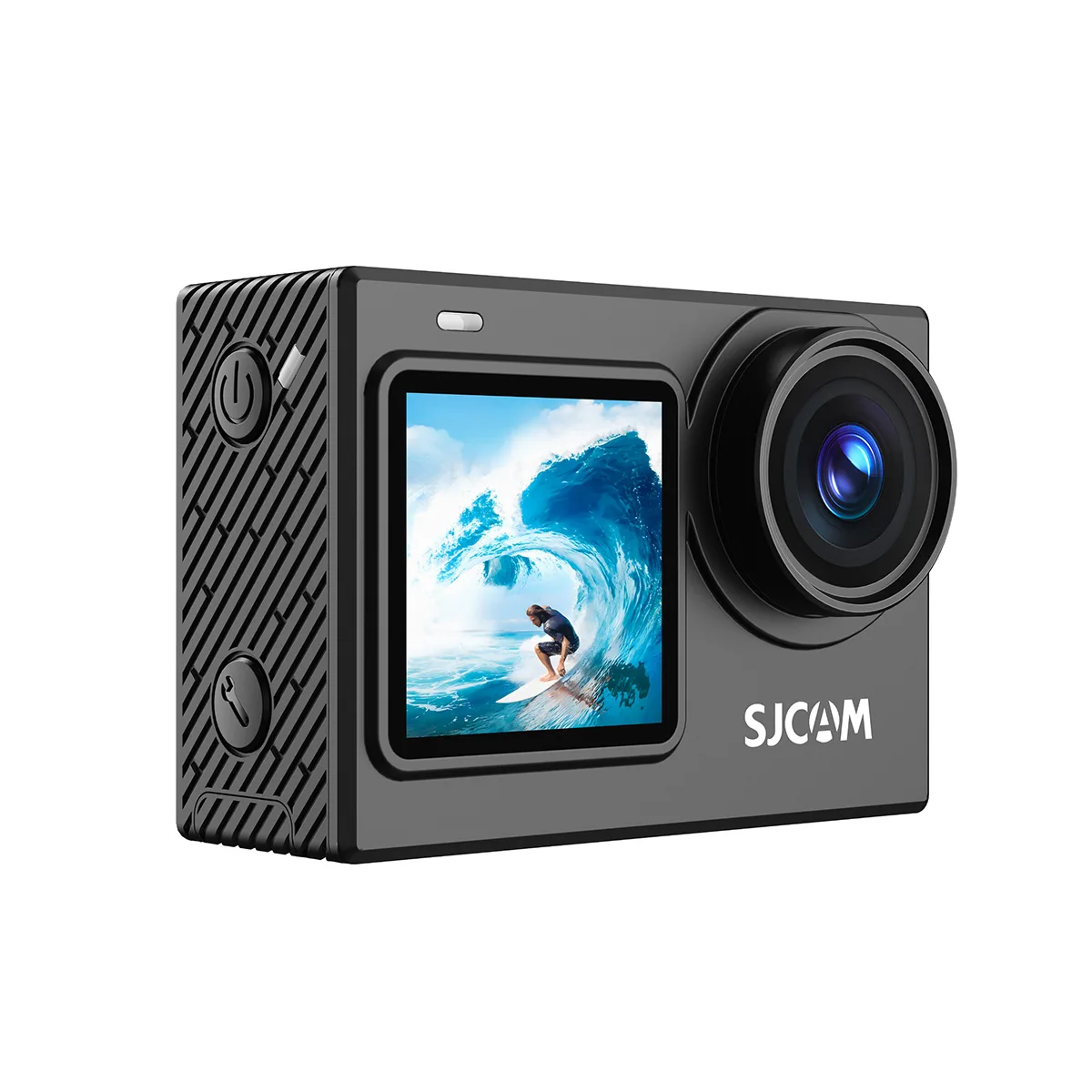
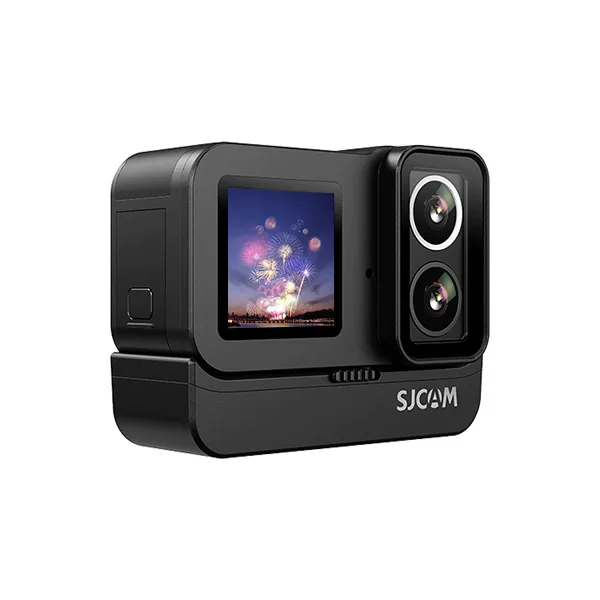
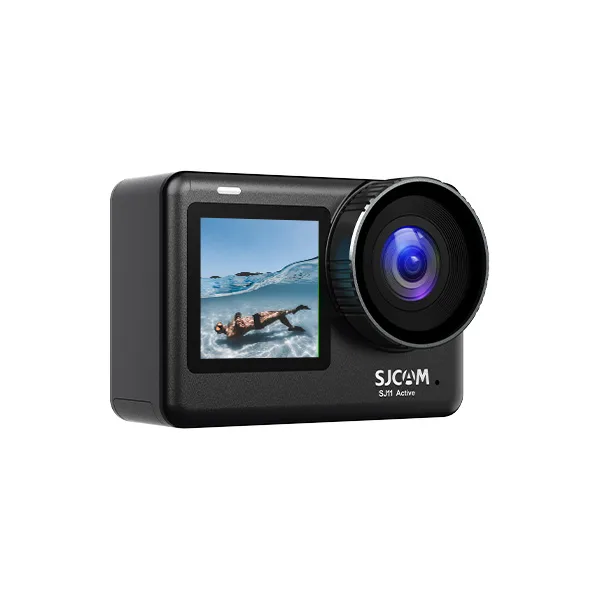
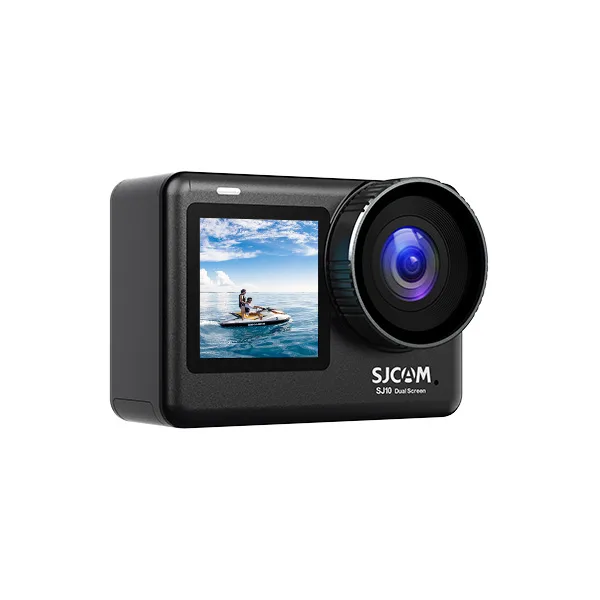
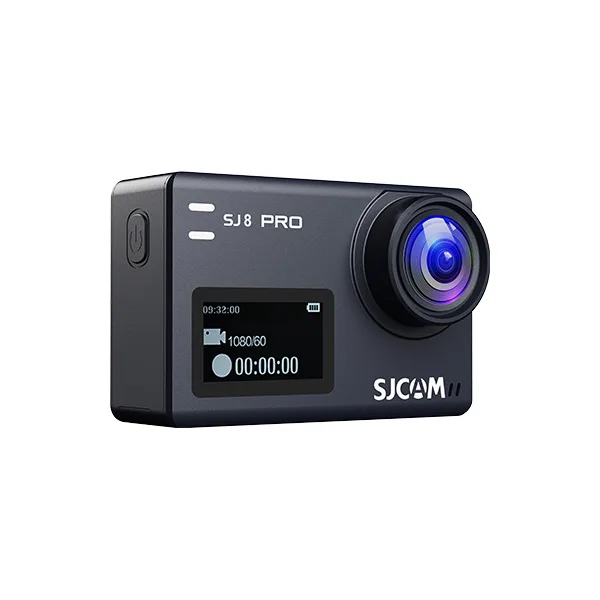
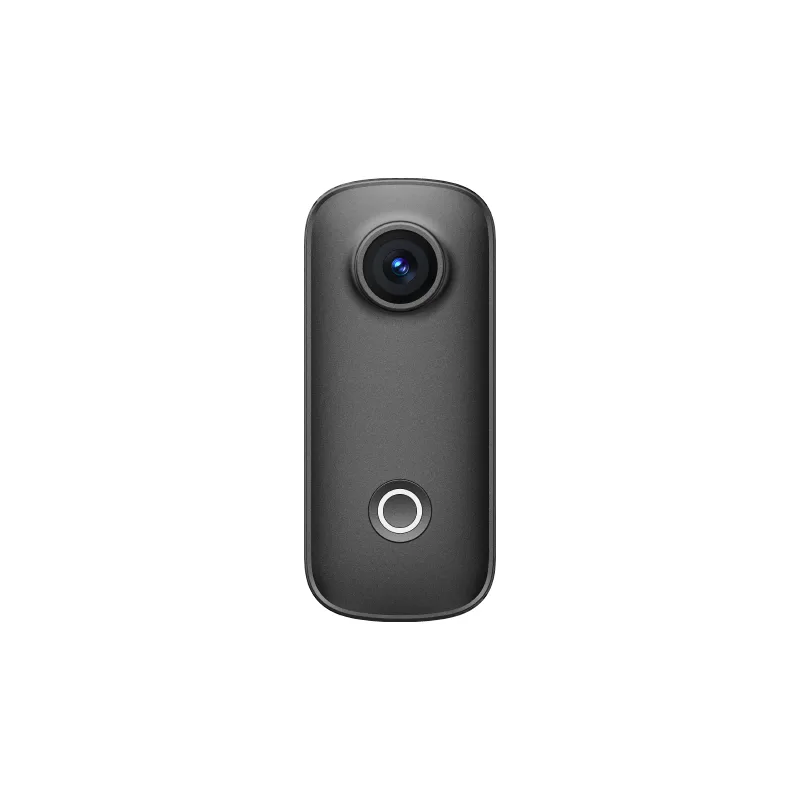
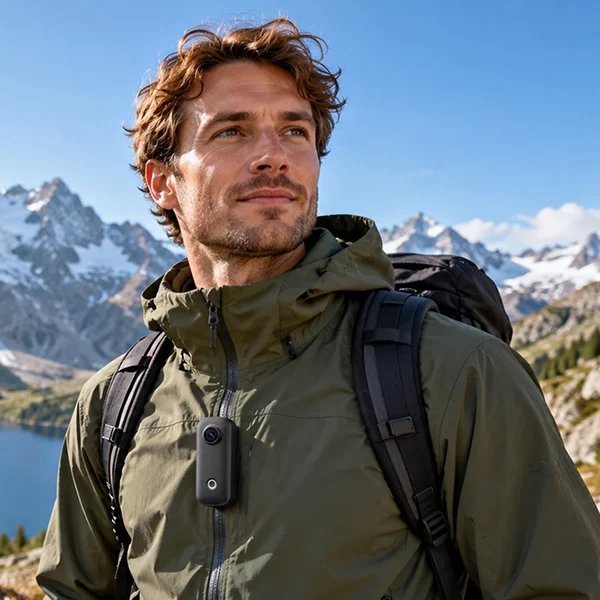
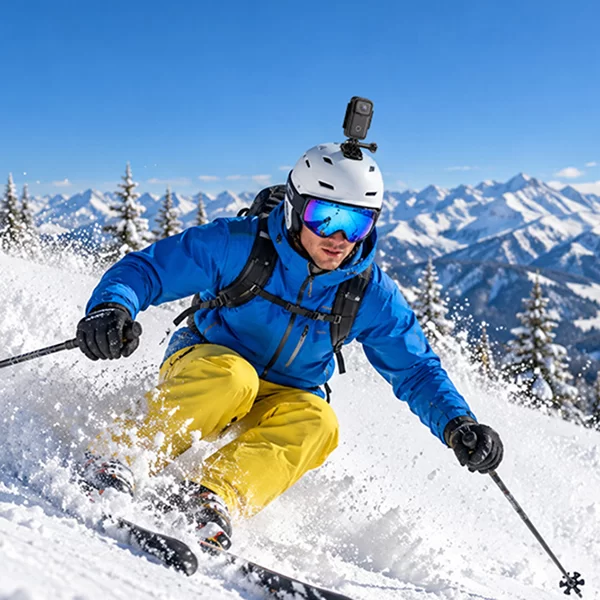

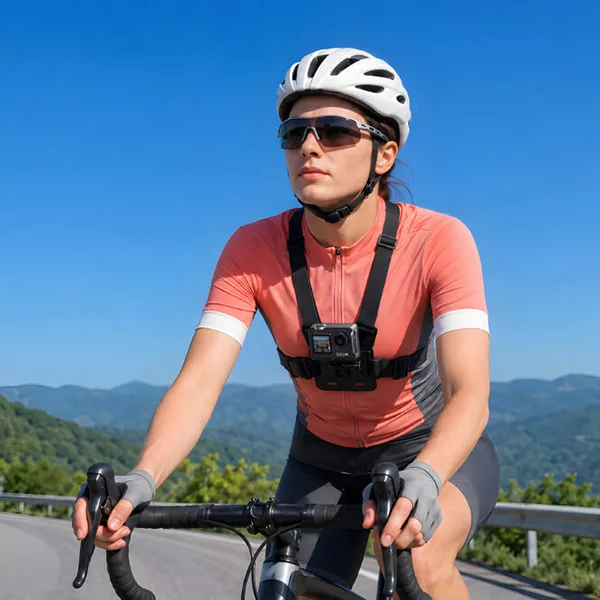
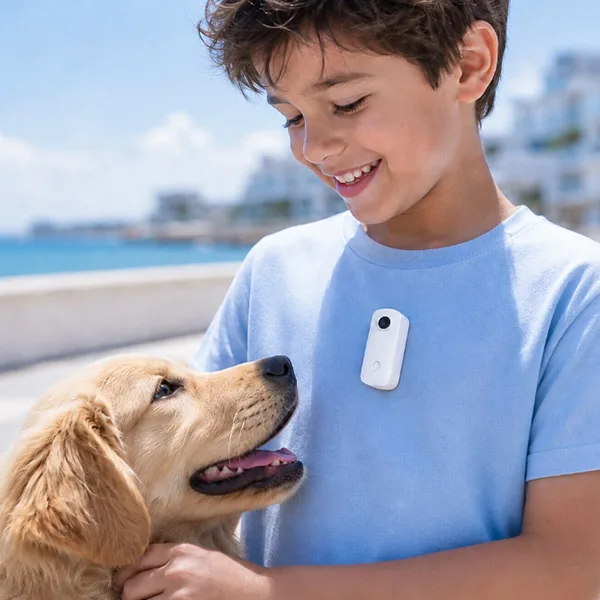
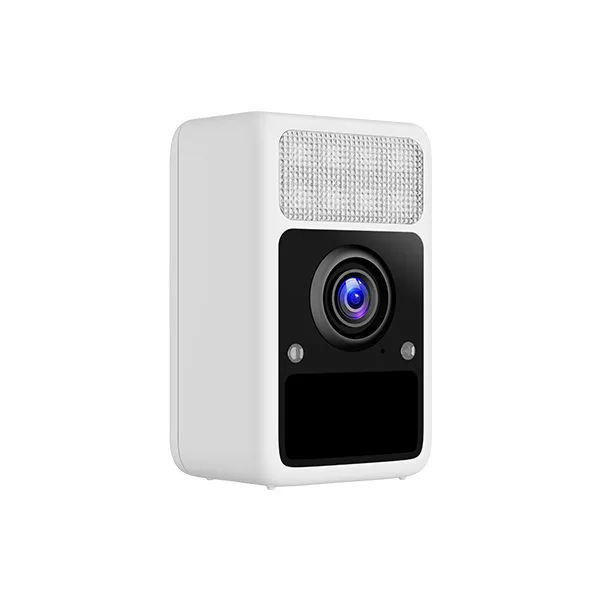
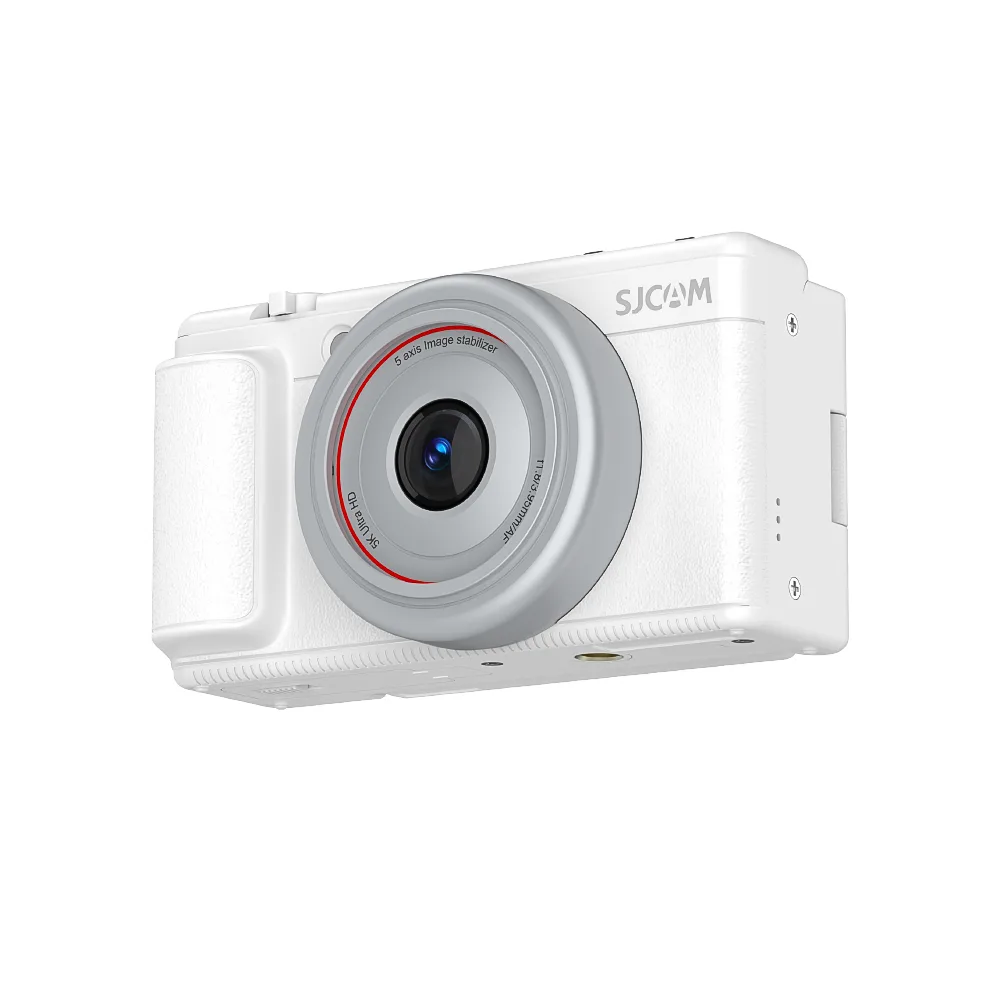
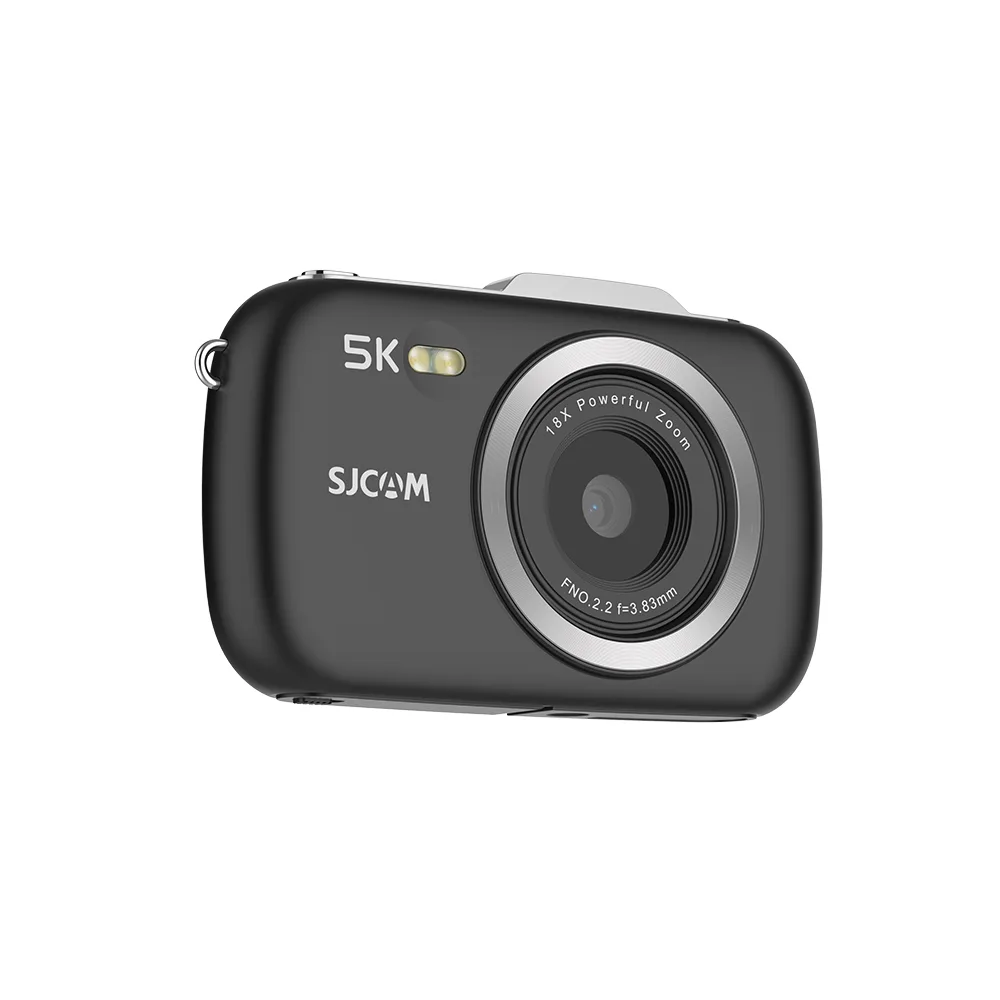

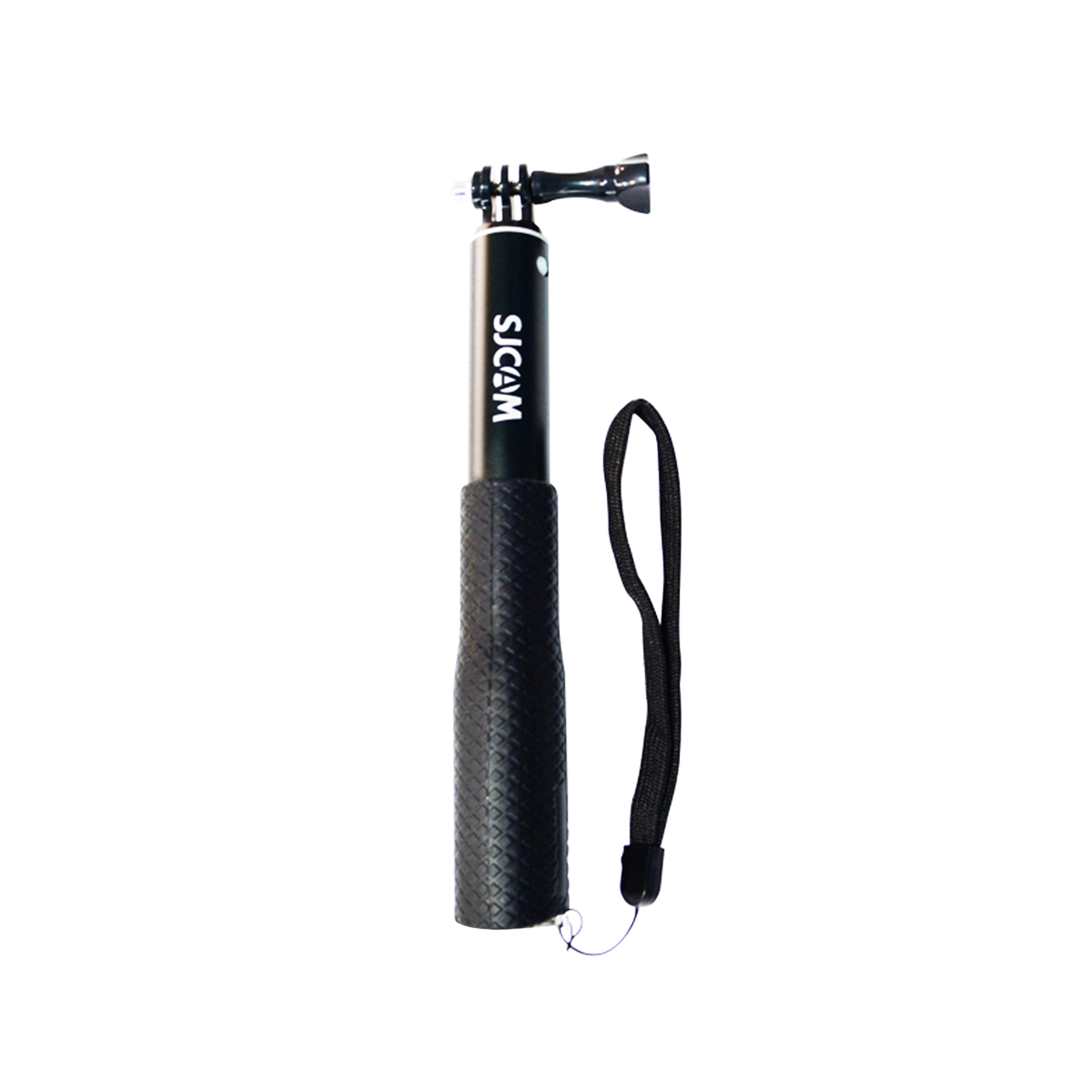
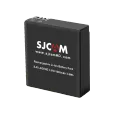

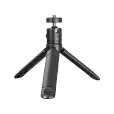
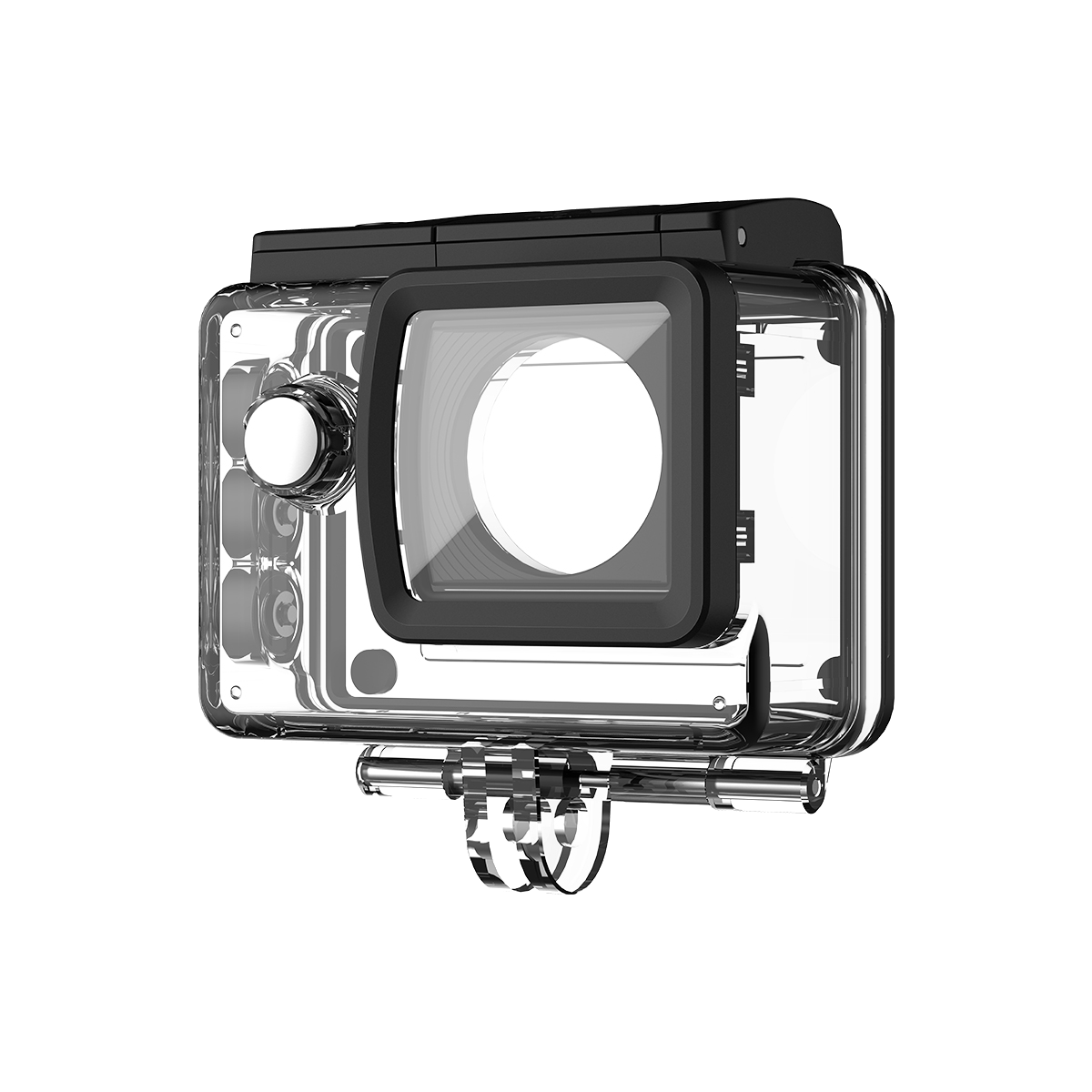
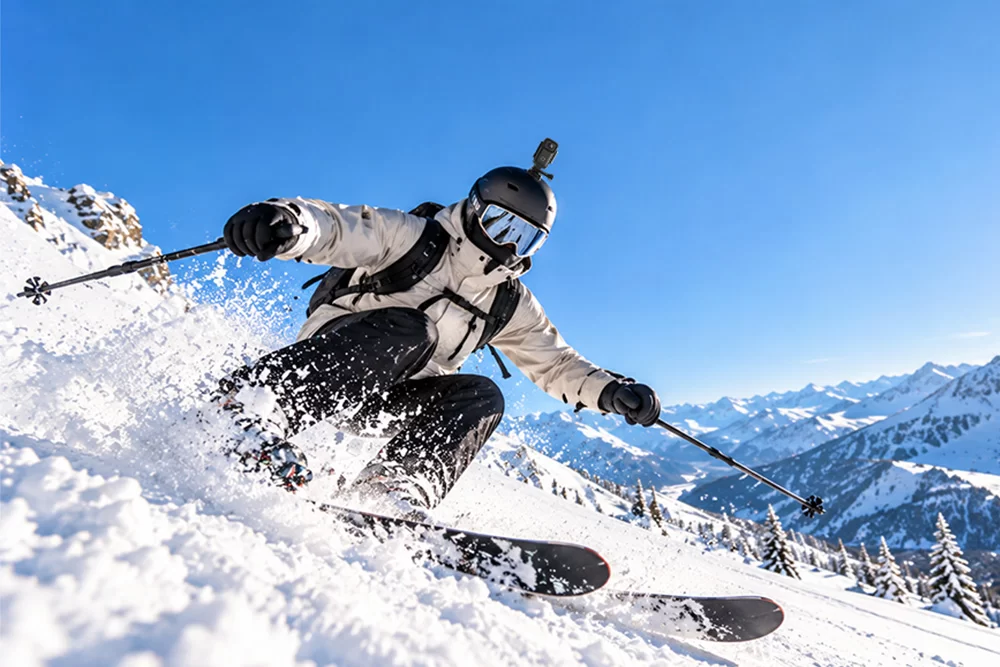
Whether you’re recording a morning jog, exploring mountain trails, or documenting marathon training, the right running camera should capture your experience without slowing you down.
Unlike ordinary handheld cameras, a good camera for runners needs to be lightweight, easy to mount, and capable of recording stabilized footage while you’re moving.
The best running camera is one that combines comfortable hands-free mounting, reliable stabilization, and enough battery life for your recording needs. For lightweight POV filming, the SJCAM S10 is worth considering. For runners who want more flexibility between lightweight recording and extended battery life, the SJCAM C300 offers a versatile alternative with its detachable battery design.
This guide compares both cameras and explains how to choose the right setup for road running, trail running, and longer-distance activities.
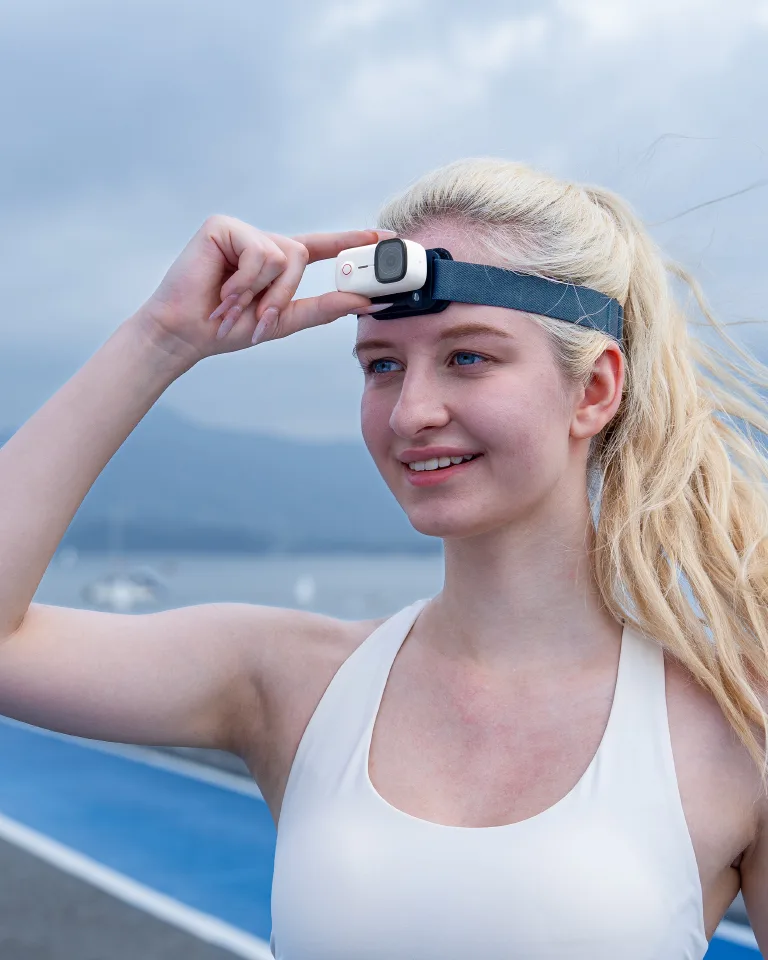
What Is the Best Camera for Runners?
For most runners, a compact action camera is more practical than a traditional handheld camera because it can be attached to your body or running gear.
The ideal choice depends on how you plan to record:
- For lightweight hands-free POV: Consider the SJCAM S10, which weighs just 46g as a standalone camera.
- For running and general outdoor activities: Consider the SJCAM C300, which features a detachable design. The 55g C300 Pocket is convenient for lightweight recording, while the complete C300 configuration provides extended battery life.
- For longer running sessions: Prioritize battery runtime, comfortable mounting, and the ability to capture the moments you want without unnecessary interruptions.
Both SJCAM models support 4K/30fps recording, but their designs and mounting options suit different preferences.
Best Running Cameras at a Glance
| Feature | SJCAM S10 | SJCAM C300 |
|---|---|---|
| Best For | Lightweight hands-free POV | Running and outdoor adventures |
| Camera Weight | 46g (standalone) | 55g (Pocket) / 132g (complete C300) |
| Maximum Video Resolution | 4K/30fps | 4K/30fps |
| Stabilization | SteadyMotion V2.0 | Six-axis gyro stabilization |
| Waterproofing | Up to 5m (standalone) | Up to 30m with waterproof case |
| 4K/30fps Battery Runtime | Up to 115 minutes (standalone) | Up to 120 minutes (Pocket) / 460 minutes (complete C300) |
| Main Advantage | Lightweight wearable design | Detachable design and extended battery life |
Specifications are based on SJCAM’s published product information. Actual battery life varies with recording settings, environmental conditions, and usage. The S10’s longer 290-minute rating requires the Boost Pod, while the C300’s 460-minute rating applies to the complete camera configuration with its extended battery module.
Quick recommendation: Choose the S10 if minimizing camera weight is your priority. Choose the C300 if you want the flexibility of a 55g Pocket camera for shorter runs and a longer-lasting configuration for extended outdoor recording.
Best SJCAM Action Cameras for Running
1. SJCAM S10 — Best for Lightweight Hands-Free Running
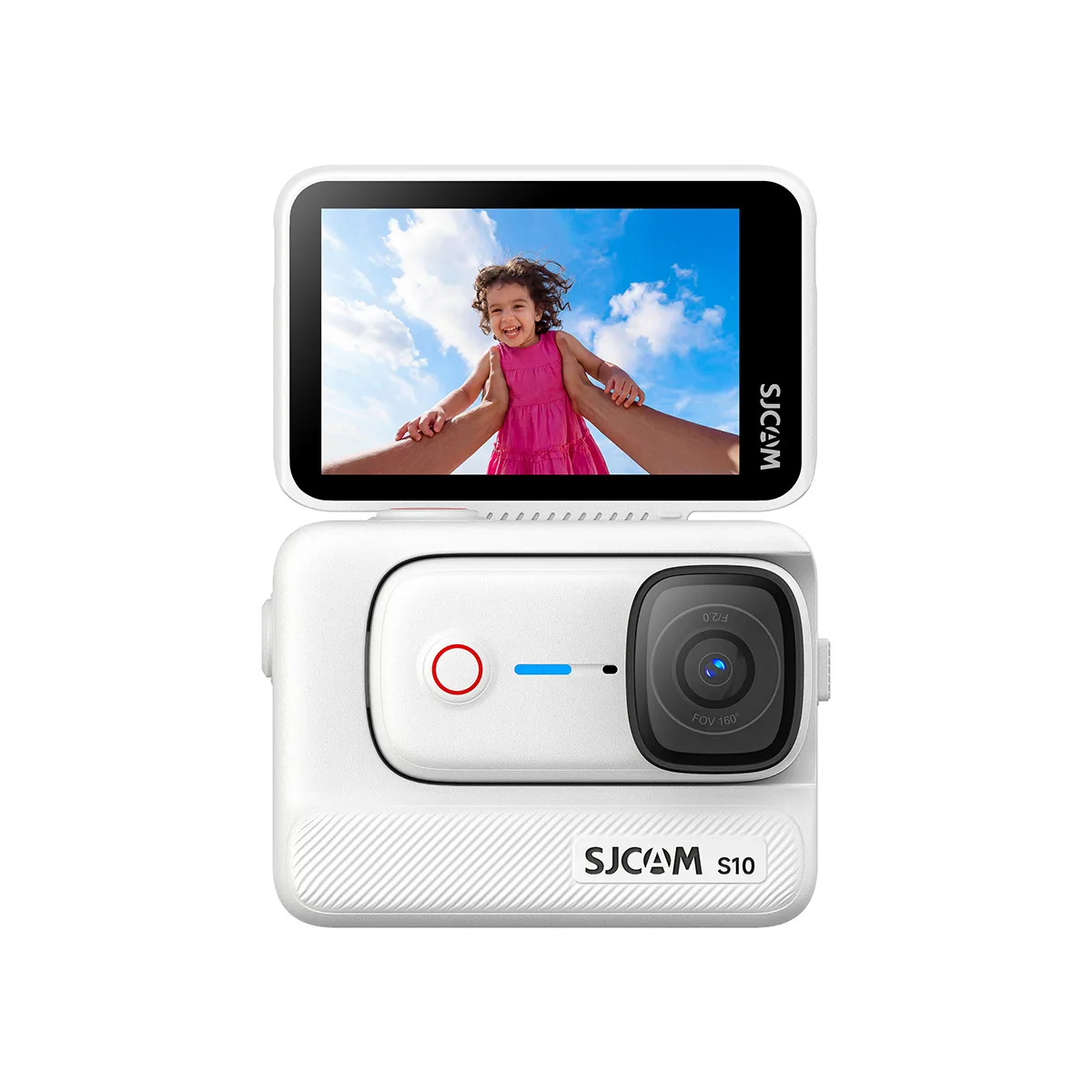
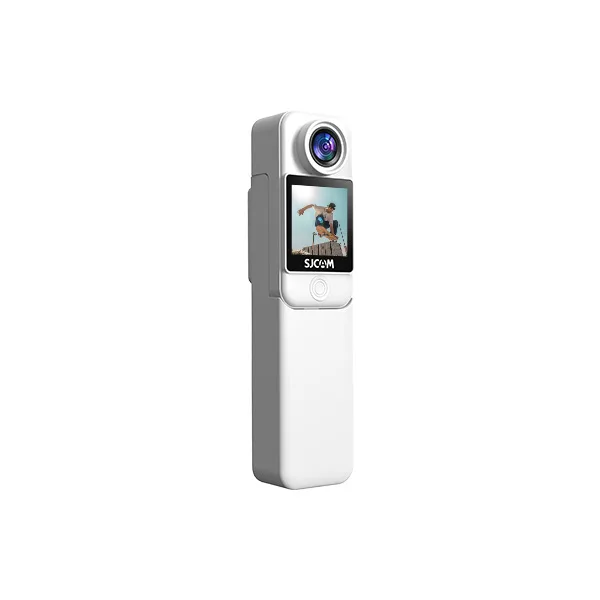
The SJCAM S10 is designed for compact, wearable POV recording.
Weighing just 46g as a standalone camera, it is a useful option for runners who don’t want to carry a larger camera or hold a device while moving.
The S10 supports 4K/30fps video and SteadyMotion V2.0 stabilization. Its magnetic mounting system also provides several ways to capture first-person footage, including compatible chest straps, head straps, and clips.
Why consider the S10 for running?
- Its 46g standalone design helps minimize the weight of your recording setup.
- Hands-free mounting lets you focus on running rather than holding a camera.
- SteadyMotion V2.0 helps reduce visible camera shake.
- 4K recording provides detail for outdoor scenery and running vlogs.
- The standalone camera is waterproof up to 5m under the manufacturer’s specified conditions.
According to SJCAM’s published specifications, the standalone S10 can record for up to 115 minutes at 4K/30fps in controlled testing. The longer 290-minute figure requires the Boost Pod.
Best for: Daily jogging, running vlogs, lightweight POV recording, and runners who prioritize portability.
2. SJCAM C300 — Best for Versatile Outdoor Running
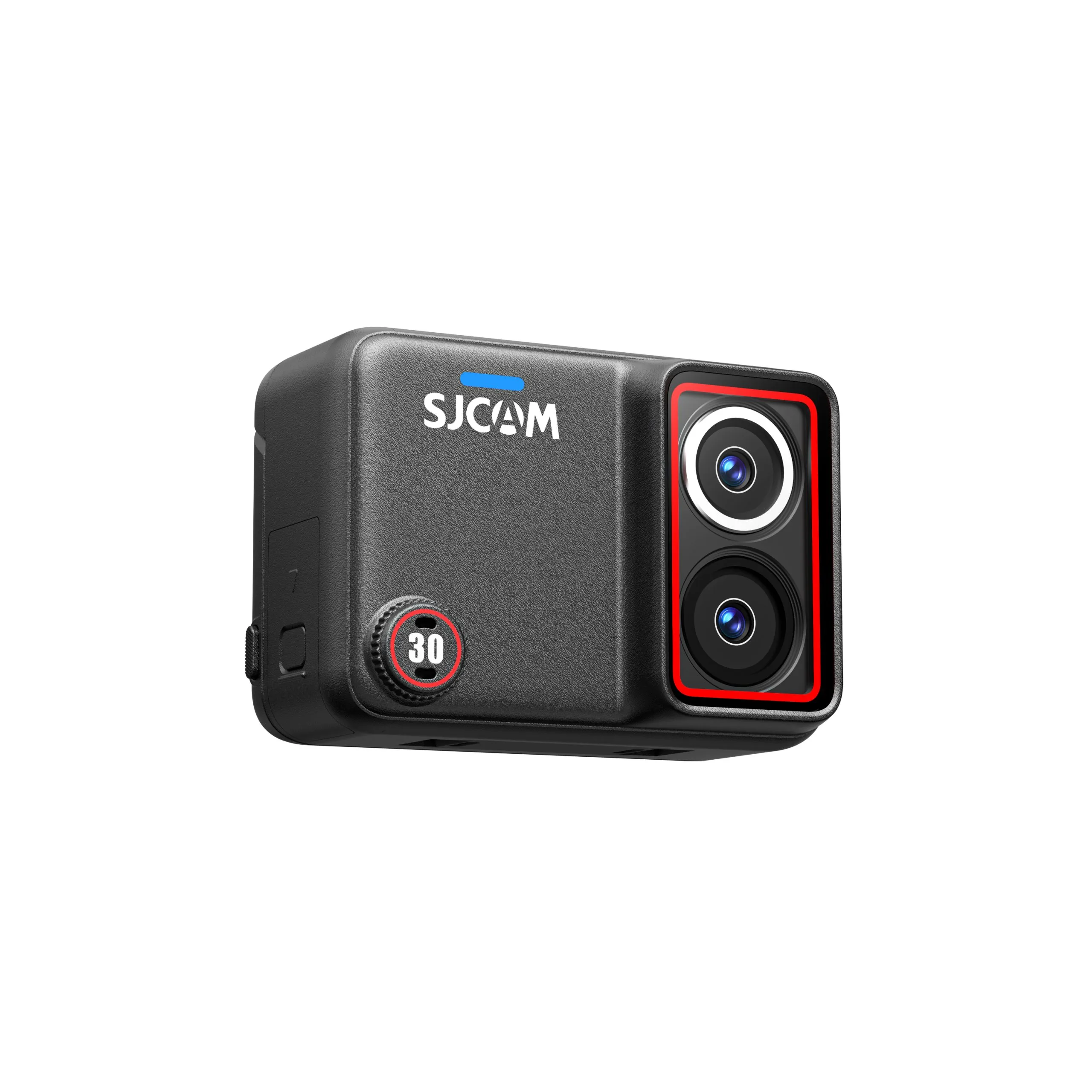
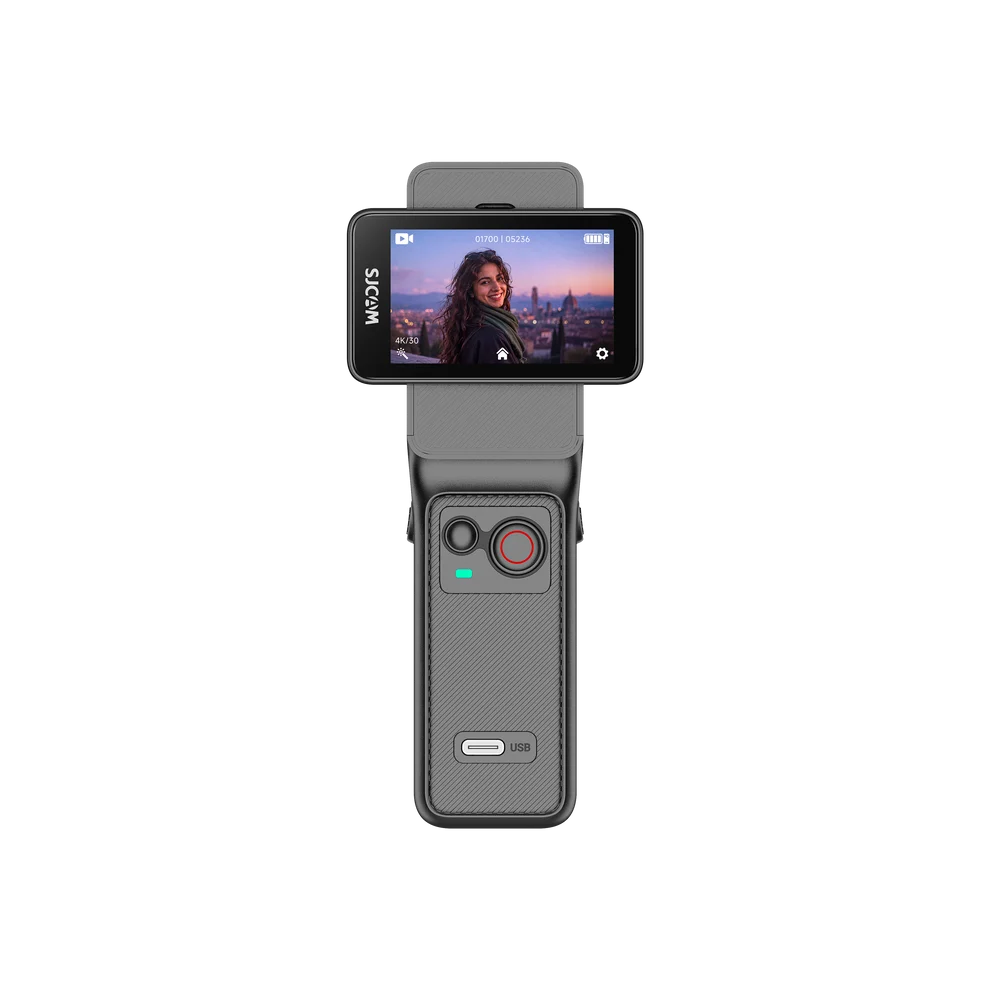
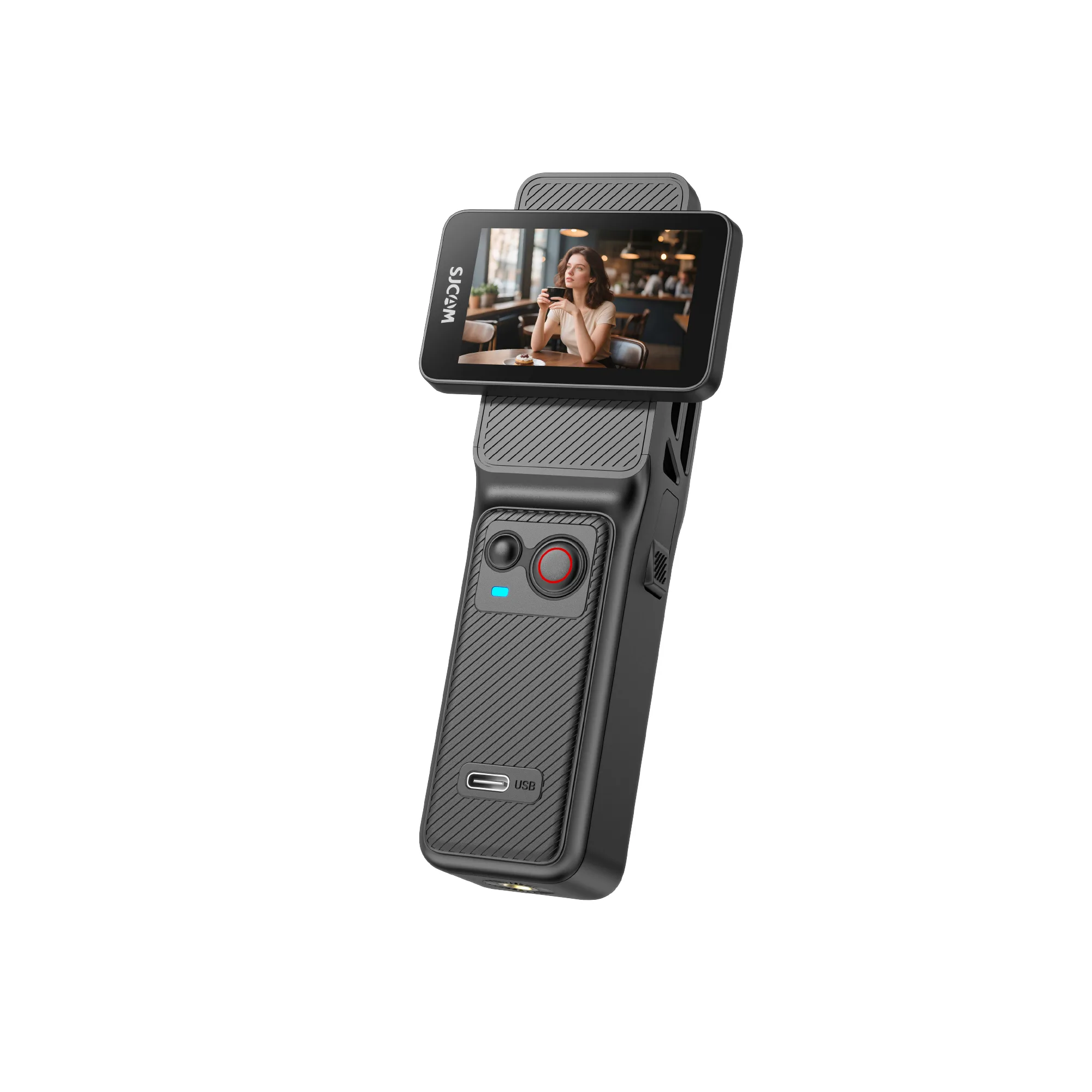
The SJCAM C300 Action Camera is a versatile option for runners who want a camera that can adapt to different recording needs. Its detachable battery design allows users to switch between the lightweight C300 Pocket configuration and the complete C300 setup with extended battery life.
Weighing just 55g, the C300 Pocket is convenient for runners who prefer a compact camera for capturing highlights along the route. For longer trail runs, hiking trips, or outdoor adventures, the complete C300 configuration offers additional recording time.
The camera supports 4K/30fps video recording and six-axis gyro stabilization, helping reduce visible camera shake when filming movement. Its dual 1.3-inch touchscreens in the complete C300 configuration also make framing and reviewing shots more convenient.
Why consider the C200 Pro for running?
- Flexible detachable design: Switch between the 55g C300 Pocket and the complete C300 configuration based on your recording needs.
- 4K video recording: Capture detailed footage of running routes, trails, and outdoor scenery.
- Six-axis stabilization: Helps reduce camera shake when recording while moving.
- Extended battery life: The C300 Pocket offers up to 120 minutes of recording, while the complete C300 configuration is rated for up to 460 minutes at 4K/30fps.
- Versatile mounting: Compatible mounting accessories allow runners to explore hands-free POV and other recording angles.
- Outdoor protection: An optional waterproof case provides protection for wet environments and supports underwater use up to 30 meters under the manufacturer’s specified conditions.
For runners who primarily record short highlights, the C300 Pocket offers a lighter setup. Those planning longer recording sessions may prefer the extended battery configuration, although the extra weight should be considered when choosing a wearable mount.
What Makes a Good Running Camera?
Not every action camera is equally convenient for running. Before choosing one, consider the following features.
1. Lightweight Design and Comfortable Fit
Camera weight matters because running involves continuous movement.
A heavy camera or poorly positioned mount can become distracting, especially during longer runs.
For wearable recording, consider both the camera’s weight and the complete mounting setup. A lightweight camera attached to a bulky or uncomfortable mount may not provide the experience you expect.
The S10’s standalone design is particularly relevant for runners who want to minimize carried weight.
2. Image Stabilization
Running creates repeated vertical movement with every stride. Without effective stabilization, this can result in footage that is uncomfortable to watch.
Electronic image stabilization helps compensate for some camera movement, but its effectiveness depends on the camera, recording mode, lighting, and mounting position.
The S10 uses SteadyMotion V2.0 stabilization, while the C300 features six-axis gyro stabilization to help reduce visible shake during movement. Both can be useful for running footage, but neither system can completely eliminate excessive movement caused by a loose or poorly positioned mount. A secure fit remains essential.
Neither stabilization system can completely eliminate excessive movement from a loose mount. A secure fit remains essential.
For a broader explanation of camera sensors and stabilization, read our guide to how action cameras work.
3. Battery Life for Your Running Distance
Battery requirements depend on how much of your run you want to record.
A short jogging vlog may need only a few minutes of footage, while recording an entire training session requires more planning.
Check the manufacturer’s runtime at your intended resolution and frame rate. Battery performance may change with temperature, stabilization, screen usage, and other settings.
For long-distance events, consider recording selected highlights rather than assuming a compact camera can continuously capture the entire activity.
4. Waterproofing and Weather Protection
Runners may encounter rain, mud, splashes, or changing weather.
A water-resistant or waterproof action camera can be useful, but always check the manufacturer’s specific limitations.
The standalone SJCAM S10 has a published waterproof rating of up to 5 meters, although its Boost Pod is not waterproof.
The SJCAM C300 requires a compatible waterproof case for underwater use, with a published waterproof depth of up to 30 meters when properly installed.
For runners who frequently encounter rain, mud, or wet trails, choosing the right protective setup is important. Always check the manufacturer’s waterproofing instructions before exposing your camera to water.
After exposure to rain or moisture, follow the manufacturer’s cleaning and drying instructions.
5. Easy Controls and File Transfers
During a run, simple controls are more convenient than complicated menus.
Look for accessible recording buttons, straightforward settings, and a practical way to transfer footage after your run.
App connectivity can help with reviewing clips, but it is not a substitute for secure mounting or reliable recording performance.
Best Camera Mounts for Running: Chest, Head, or Vest?
Choosing the right mounting position is just as important as choosing the camera.
A good mount should remain secure, avoid interfering with your movement, and provide a useful viewing angle.
| Mounting Position | Main Advantage | Potential Limitation |
|---|---|---|
| Chest Mount | Natural forward-facing POV | Can bounce with each stride |
| Head Strap | Captures your viewing direction | May become uncomfortable |
| Running Vest Strap | Convenient for trail running | Loose fabric can cause movement |
| Magnetic Pendant | Compact hands-free setup | Requires compatible, secure attachment |
| Handheld | Easy to adjust framing | Occupies one hand |
Chest Mount: Good for Forward-Facing POV
A chest-mounted camera captures the trail or road ahead from a relatively natural perspective.
It can work well for trail running and outdoor footage, but the mount must fit snugly.
If the camera bounces against your body, stabilization alone may not solve the problem.
Head Strap: Good for First-Person Views
A head strap follows the direction you’re looking, making it useful for recording scenery, turns, and changing viewpoints.
However, head movement can introduce rapid changes in framing.
Make sure the strap is comfortable and does not obstruct your vision.
Running Vest or Backpack Strap: Convenient for Trails
For runners already wearing a hydration vest or running backpack, a compatible strap mount may be convenient.
The main concern is movement. Loose straps can shift as you run, so check the mounting position before starting.
Magnetic Mount: Lightweight and Convenient
A magnetic pendant can provide a simple hands-free setup with compatible cameras such as the S10.
However, mounting security matters more than convenience. Check that the camera remains firmly attached during movement and consider a secondary retention method where appropriate.
Best mounting advice: Test your camera on a short run before using it for an important event. Review the footage for bounce, tilted framing, and excessive movement.
Which Running Camera Is Best for Different Activities?
Different running styles require different priorities.
| Running Activity | Main Priority | Suggested Camera |
|---|---|---|
| Daily Jogging | Comfort and low weight | SJCAM S10 |
| Trail Running | Stabilization and secure mounting | SJCAM C300 |
| Running Vlogs | Hands-free POV recording | SJCAM S10 |
| Marathon Training | Comfortable mounting and battery planning | SJCAM S10 / C300 |
| Hiking and Running Adventures | Versatile outdoor recording | SJCAM C300 |
Road Running
For road running, prioritize comfort, simple controls, and a secure mount.
A lightweight camera is convenient for recording occasional highlights without interrupting your pace.
Trail Running
Uneven ground, sudden turns, and changing elevation make stabilization and mounting security particularly important.
The SJCAM C300 is a practical option for recording trail scenery and outdoor adventures. Its six-axis gyro stabilization helps reduce visible camera shake, while its detachable design allows runners to choose between a lightweight Pocket configuration and extended battery life.
For trail running, make sure the camera is attached to a secure and comfortable mount. A heavier battery setup may be more suitable for occasional recording stops than continuous body-mounted filming.
If you also enjoy hiking, explore our action cameras for hiking for additional outdoor filming ideas.
Marathon Training
For marathon training, think carefully about how long you intend to record.
Recording an entire run may exceed a camera’s standalone battery runtime. Consider filming the start, selected sections, and finish instead.
Choose a mounting setup that remains comfortable over distance and complies with event rules.
Running Camera vs. Smartphone: Which Is Better?
Modern smartphones can record excellent video, so do runners really need a separate camera?
The answer depends on how they want to film.
| Feature | Action Camera | Smartphone |
|---|---|---|
| Hands-Free POV | Designed for compatible mounts | Usually requires additional accessories |
| Portability While Recording | Compact wearable options available | Often larger and harder to mount |
| Stabilization | Designed for active recording | Strong on many modern phones |
| Everyday Photography | More specialized | Usually more versatile |
| Editing and Sharing | May require file transfer | Convenient all-in-one workflow |
A smartphone is often the better choice for stationary clips, selfies, and immediate social sharing.
An action camera becomes more useful when you want to record from your chest, head, or running gear while keeping your hands free.
Choose an action camera for wearable POV footage. Choose a smartphone for convenient everyday photography and quick sharing.
For a more detailed comparison, read Action Camera vs. Smartphone: Which One Should You Choose?.
Best Action Camera Settings for Running
Even a good camera for running can produce disappointing footage with unsuitable settings.
Use the following as a starting point.
| Recording Scenario | Suggested Setting | Reason |
|---|---|---|
| Everyday Running | 1080p/60fps | Smooth motion |
| Scenic Trail Running | 4K/30fps | More landscape detail |
| Running Vlogs | 4K/30fps | Detail and editing flexibility |
| Slow-Motion Highlights | 1080p/120fps | Slower playback |
| Longer Recording Sessions | 1080p/30fps | May reduce storage requirements |
Should You Record Running Videos in 4K or 1080p?
4K provides more image detail and flexibility for cropping.
However, 1080p/60fps can be a practical choice for fast-moving footage because it captures more frames per second than 4K/30fps.
For slow-motion clips, use a supported high-frame-rate mode.
Always confirm that stabilization is available in your chosen recording mode.
For more information, see our 1080p vs. 4K action camera comparison.
Additional Tips for Better Running Footage
- Secure the mount before recording.
- Keep the lens clean, especially on muddy or rainy trails.
- Check framing before starting your run.
- Use stabilization when appropriate.
- Record short test clips to evaluate camera movement.
- Avoid repeatedly adjusting the camera while running.
Good footage depends on more than resolution. Camera placement and mounting stability can make a significant difference.
FAQ
The best camera for runners is lightweight, comfortable to mount, and capable of recording stabilized video. The SJCAM S10 is worth considering for lightweight hands-free POV recording, while the SJCAM C300 is a versatile option for runners who want flexible battery configurations and 4K outdoor recording.
Yes. Action cameras can be attached to compatible chest mounts, head straps, and other wearable accessories. A secure mounting setup is important to reduce bouncing and keep the camera comfortable during movement.
For trail running, prioritize stabilization, secure mounting, manageable weight, and suitable weather protection. The SJCAM C300 is one option to consider, thanks to its six-axis gyro stabilization, 4K recording, and detachable battery design. The best configuration depends on how long you plan to record and where you intend to mount the camera.
An action camera is generally more convenient for hands-free POV recording because it can be attached to compatible wearable mounts. A smartphone may be preferable for stationary videos, selfies, and quick editing or sharing.
Chest mounts, head straps, and running vest mounts are common options. Chest mounts provide forward-facing footage, head straps follow your viewpoint, and vest mounts can be convenient for trail running. The best position is one that remains stable and comfortable.
It depends on the camera’s battery runtime, recording settings, and the duration of the event. Many compact cameras cannot record an entire marathon continuously on their standalone battery. Plan your recording time in advance and check event rules.
No. 1080p is sufficient for many running videos, especially when smooth motion and smaller files are priorities. 4K is useful for capturing detailed scenery or cropping footage during editing.
Conclusion: Which Running Camera Should You Choose?
The best running camera is not necessarily the one with the highest resolution or the most features. It is the one that fits your running style and allows you to record comfortably.
For lightweight hands-free POV recording, the SJCAM S10 is a practical choice thanks to its compact standalone design and wearable mounting options.
For runners who want more flexibility, the SJCAM C300 offers 4K recording, six-axis stabilization, and a detachable battery design. Its 55g Pocket configuration is convenient for shorter runs, while the complete setup provides longer recording time for extended outdoor adventures.
Whichever camera you choose, prioritize a secure mount, suitable recording settings, and enough battery life for your intended footage.
The right setup lets you focus on the run while capturing the moments worth remembering.