





 Chinese (China)
  Spanish
  German
  French
  Italian
  Japanese
  Korean
  Bulgarian
  Greek
Greek  Indonesian
  Chinese (Hong Kong)
  Russian
  Danish
  Finnish
  Hungarian
  Turkish
  Dutch
Dutch  Portuguese
  Swedish
  Romanian
  Slovak
  Serbian
  Norwegian
  Croatian
  Albanian
  Catalan
  Czech
Czech  Estonian
  Armenian
  Bengali
  Amharic
  Polish
  Thai
Thai  Ukrainian
  Vietnamese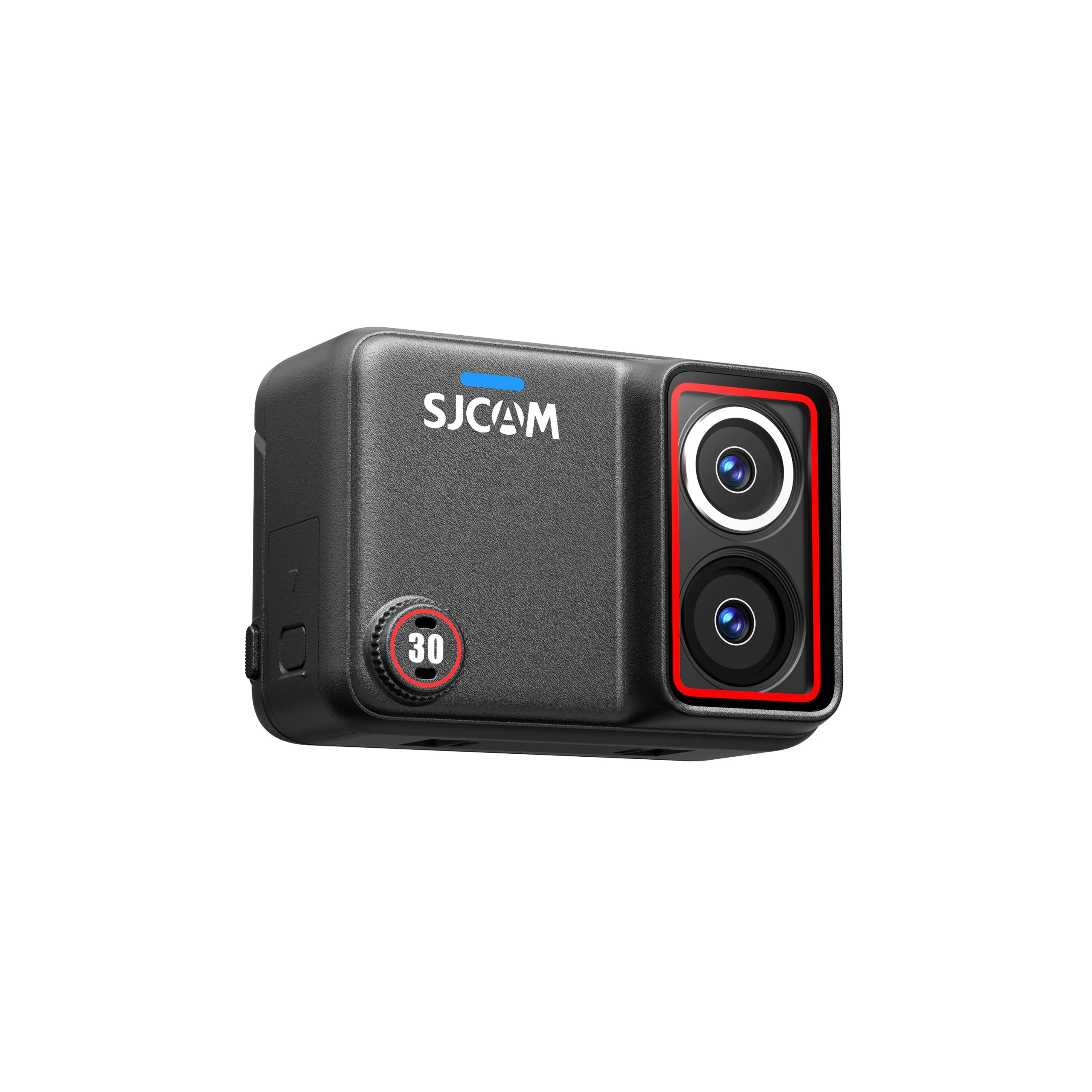
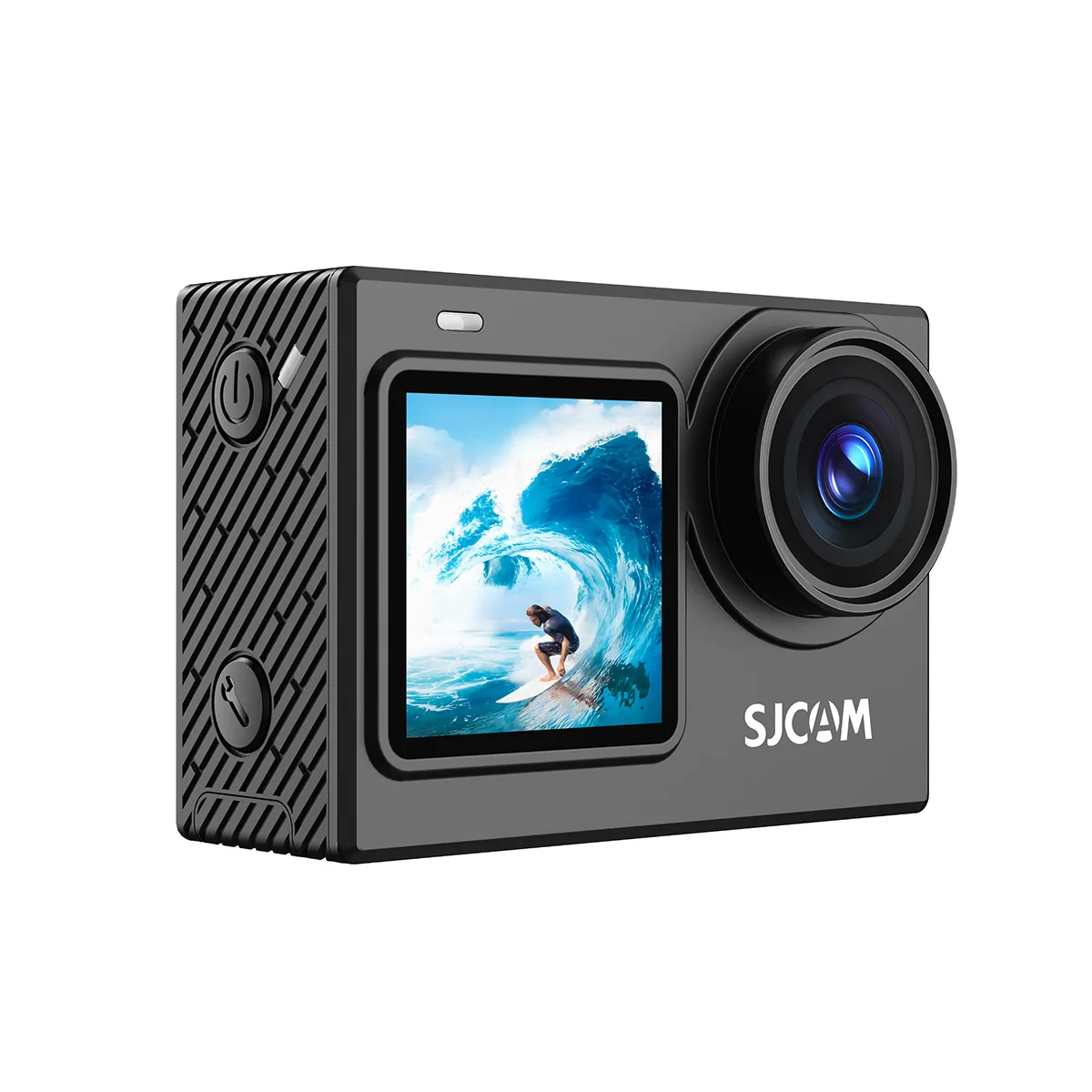
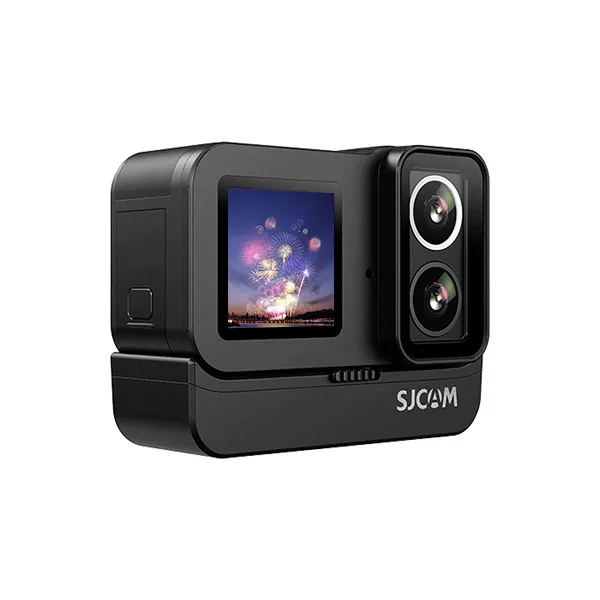
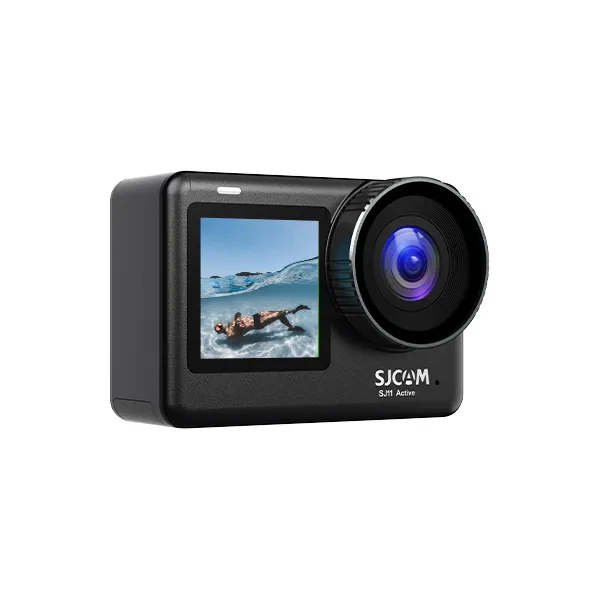
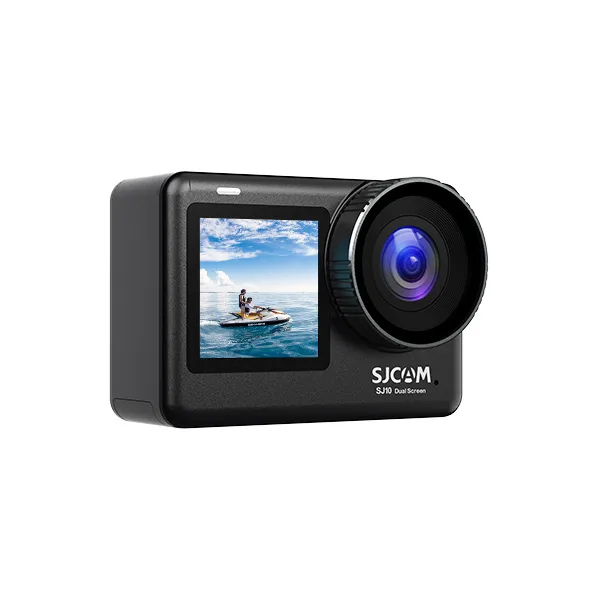
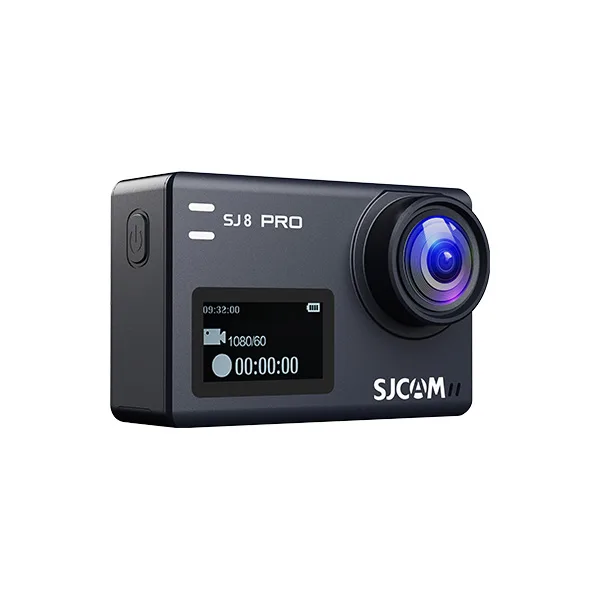
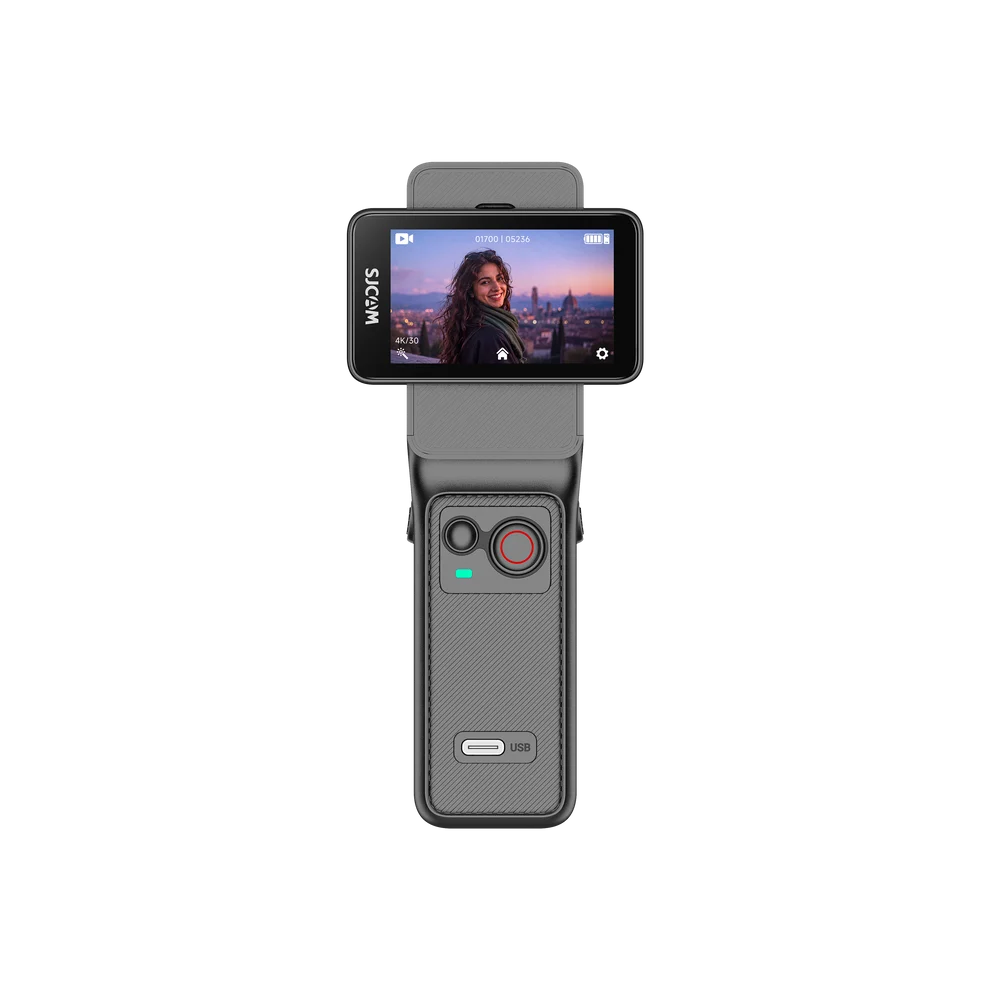
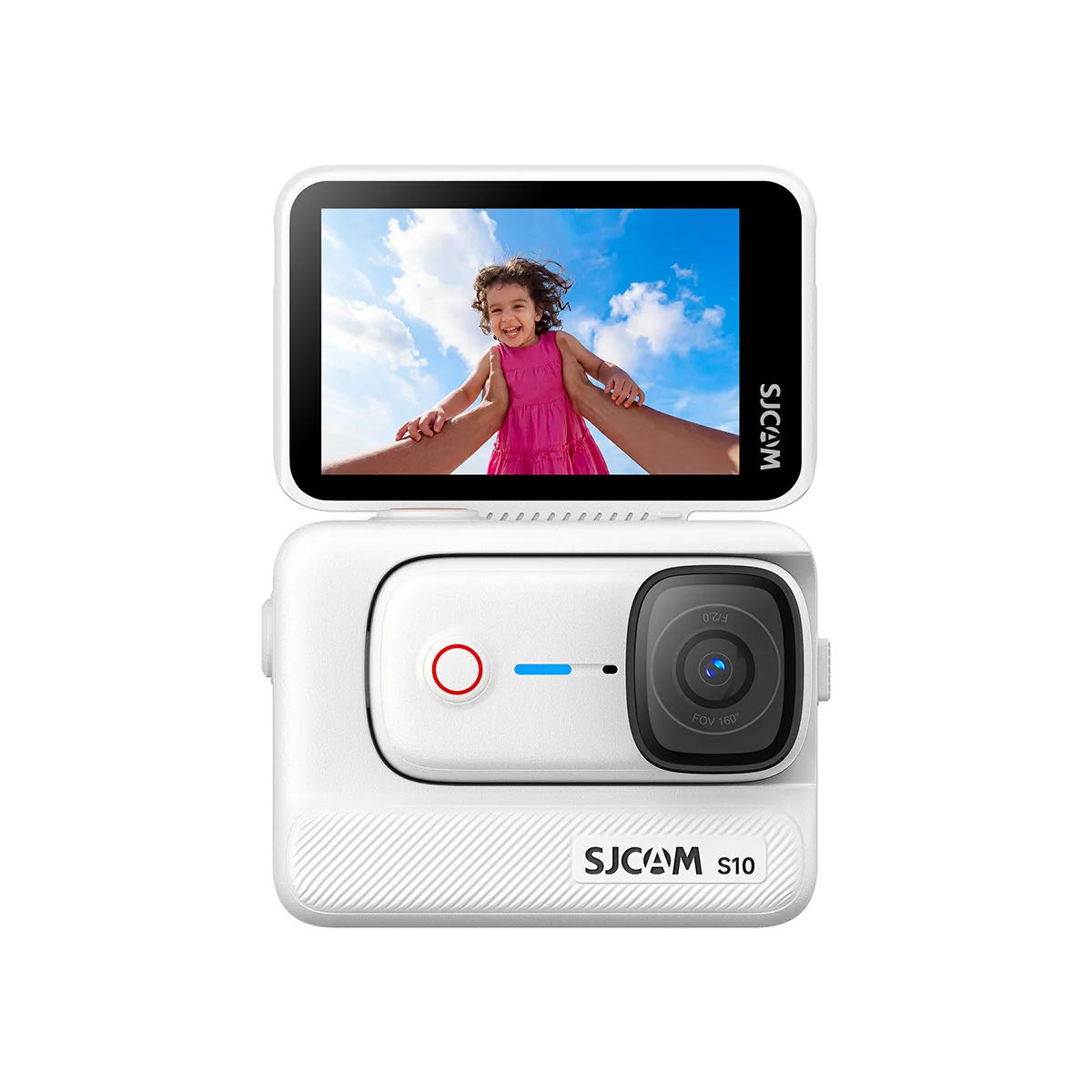
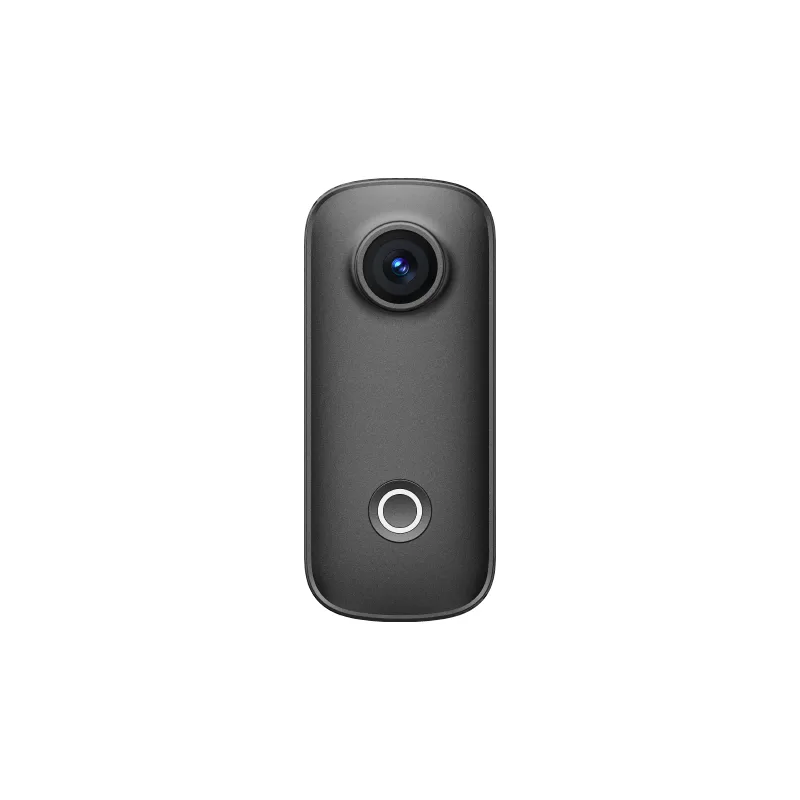
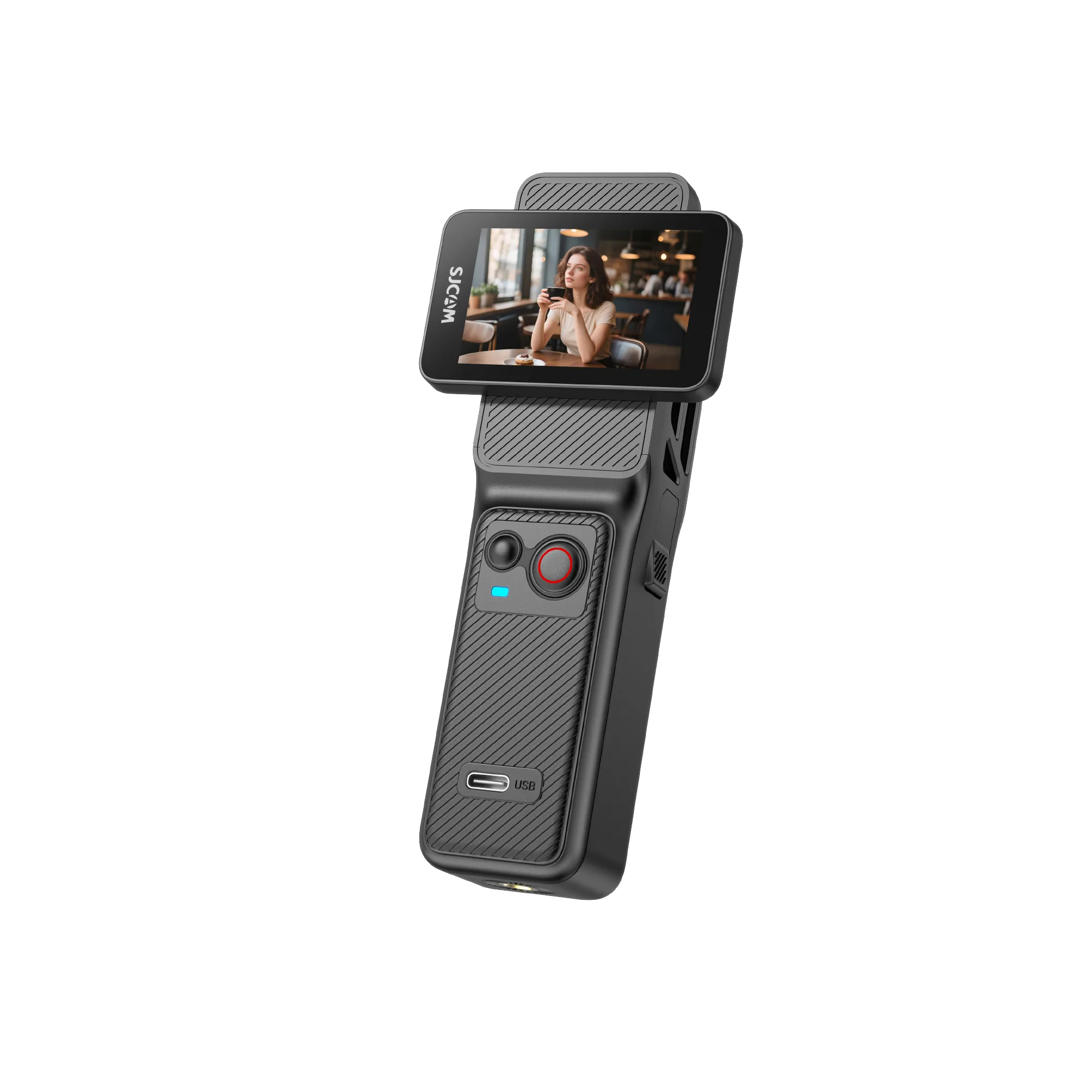
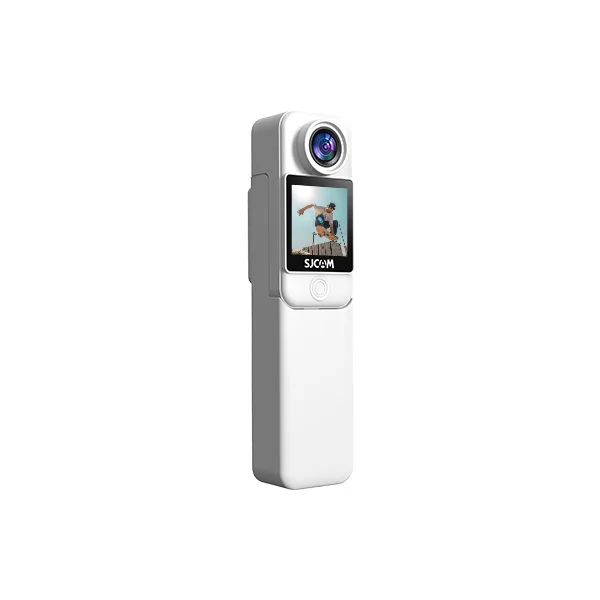
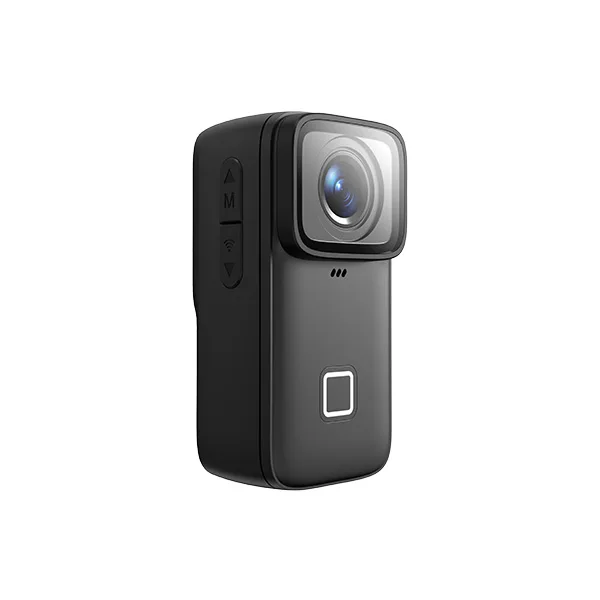
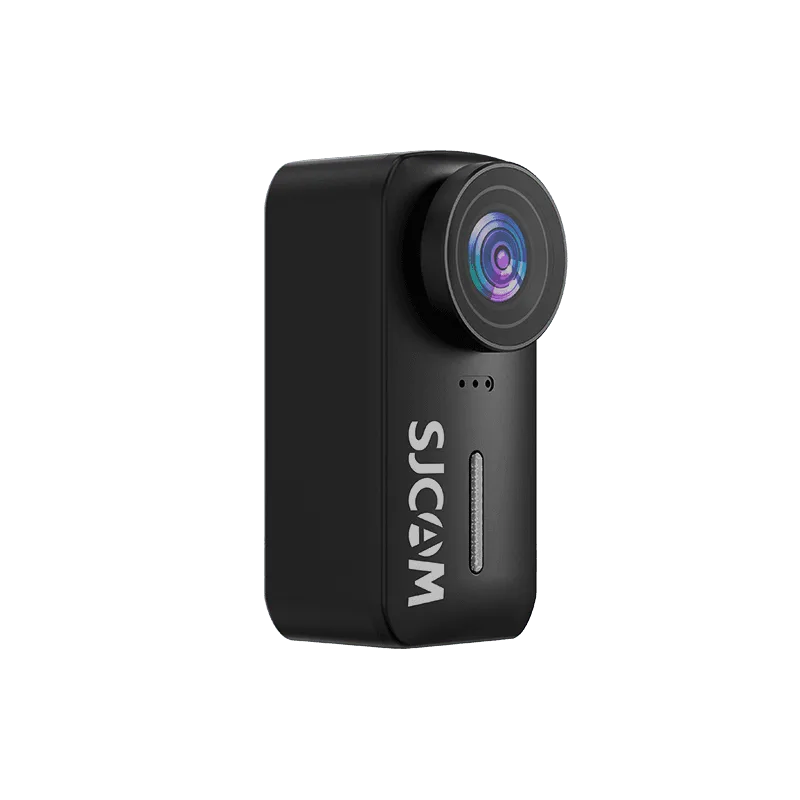
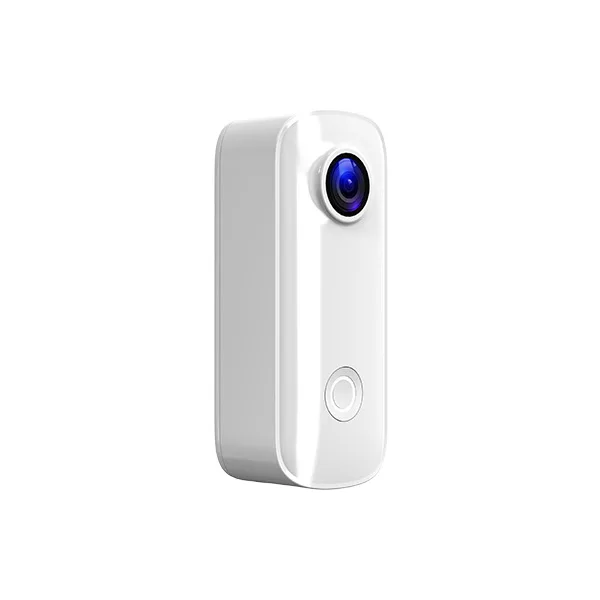
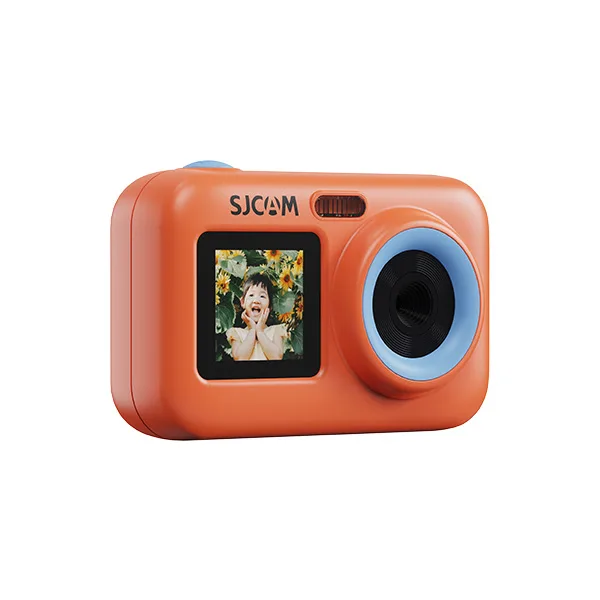
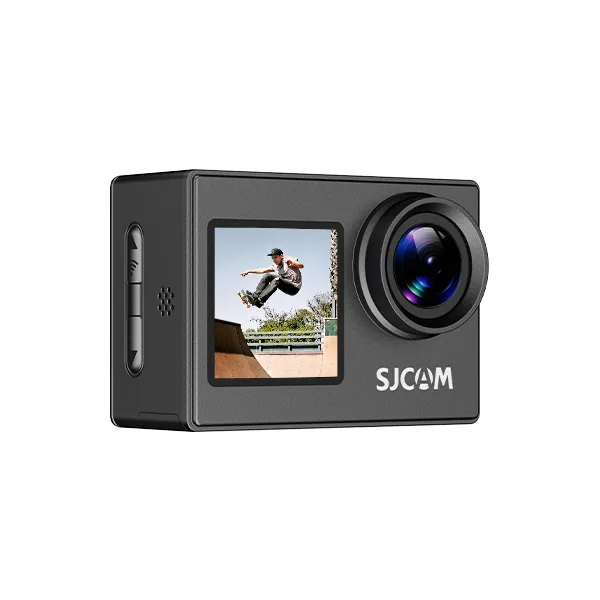
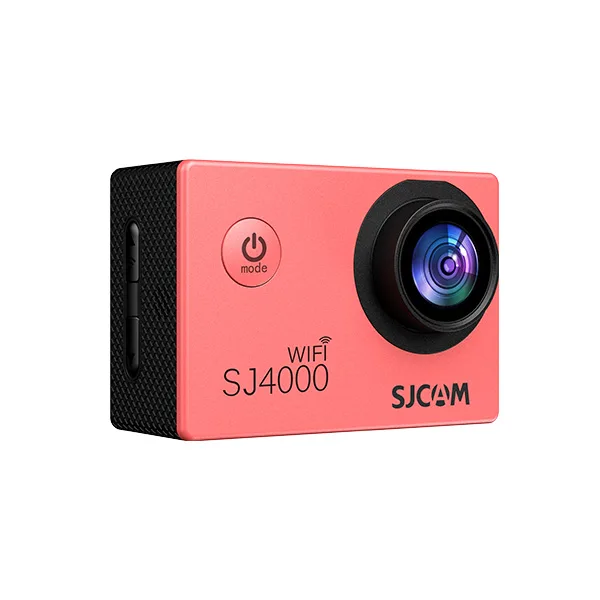
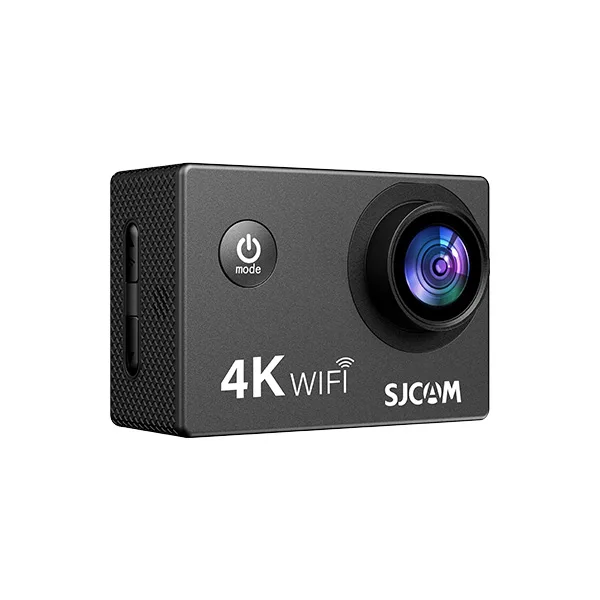
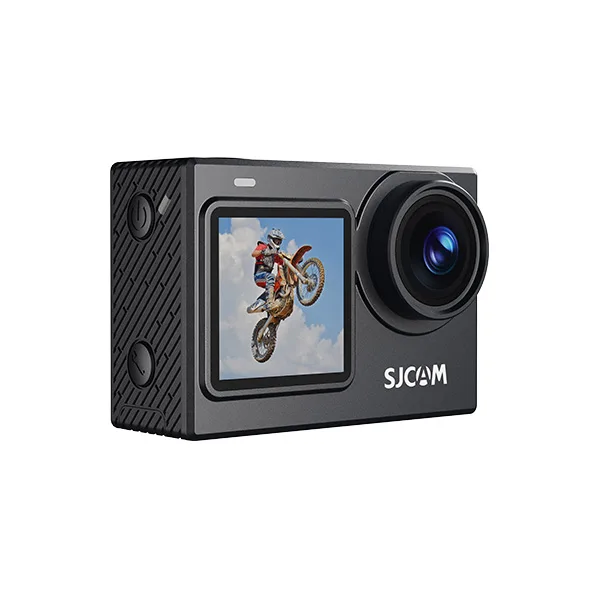
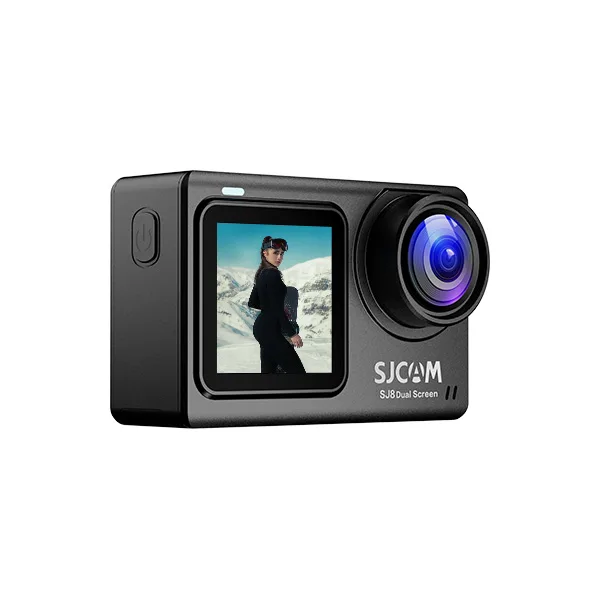
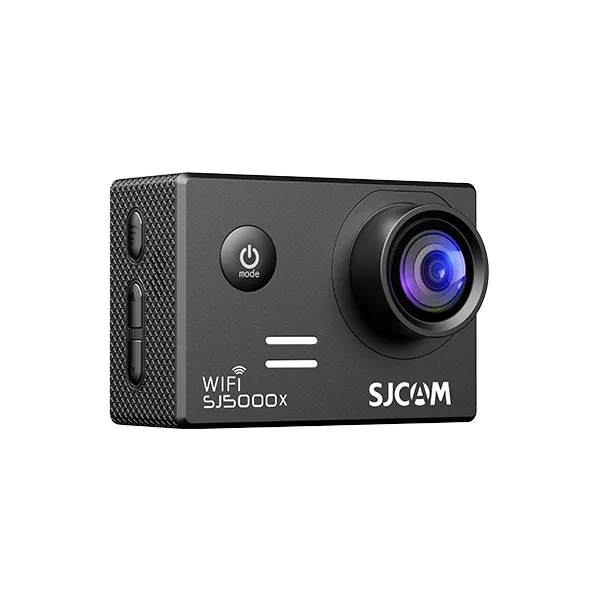


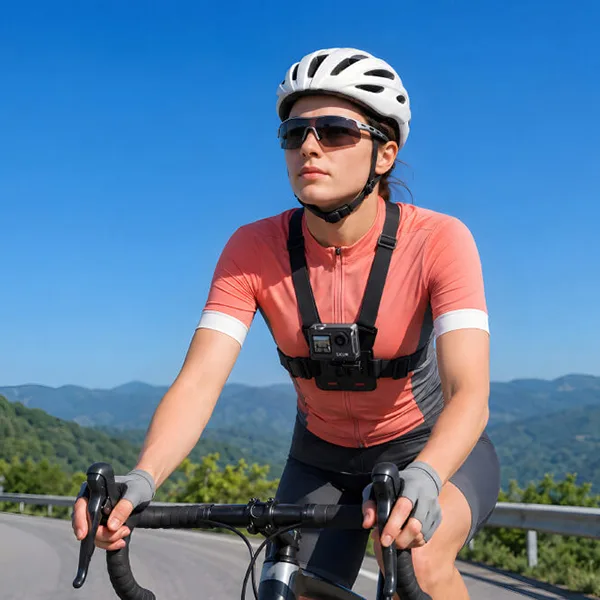

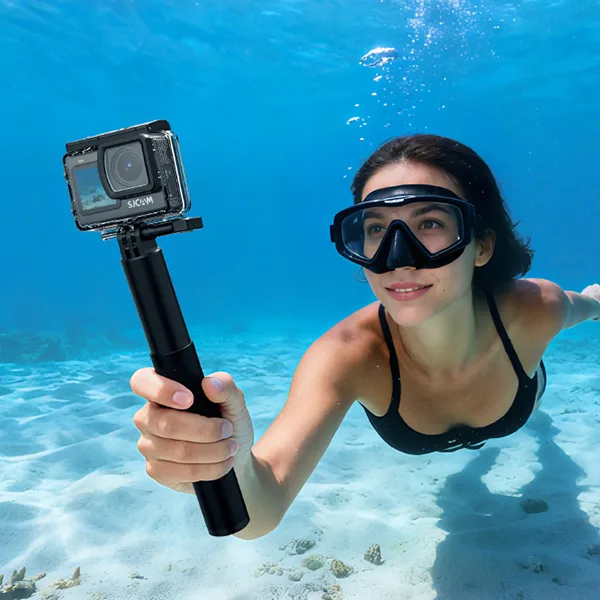
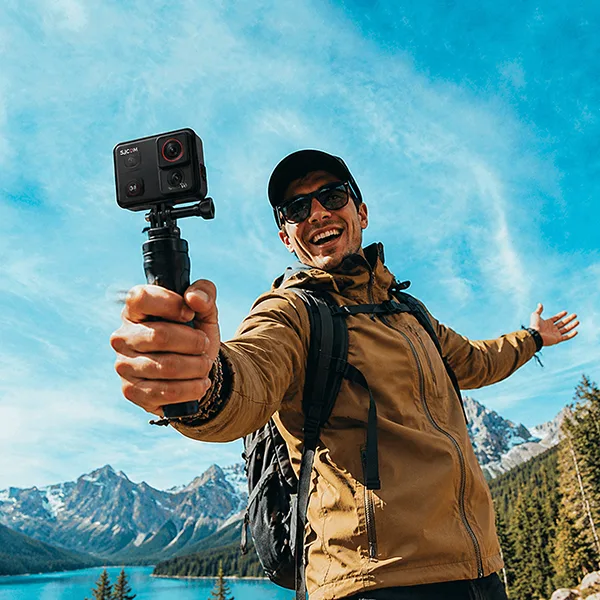
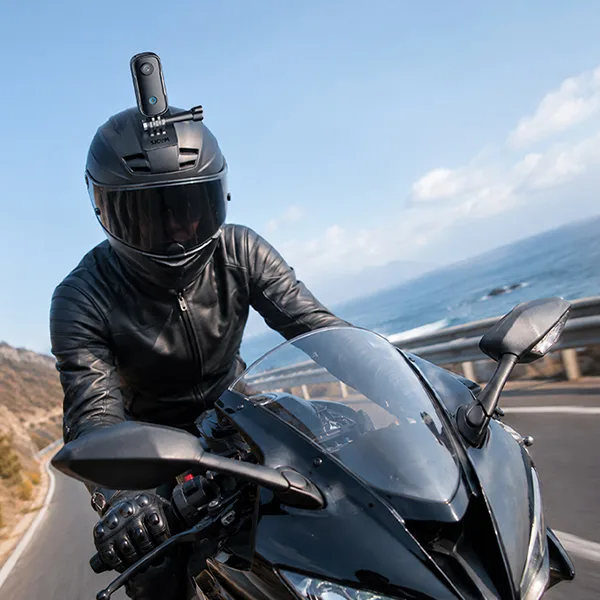
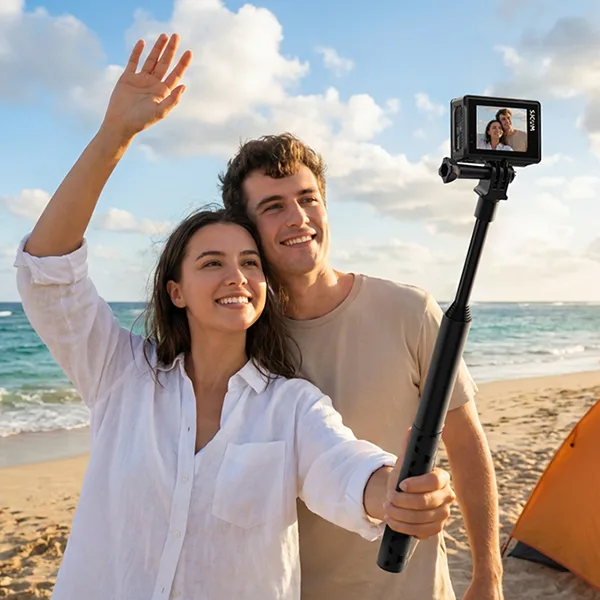
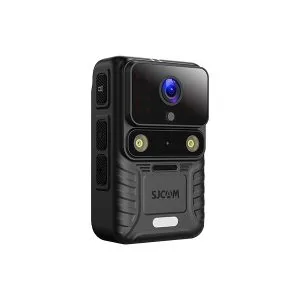
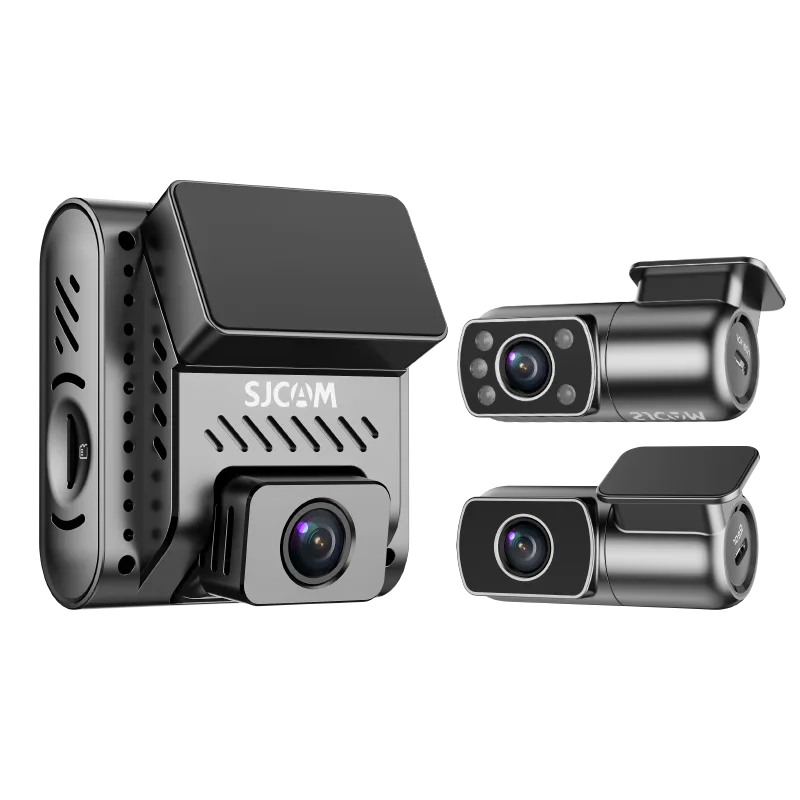
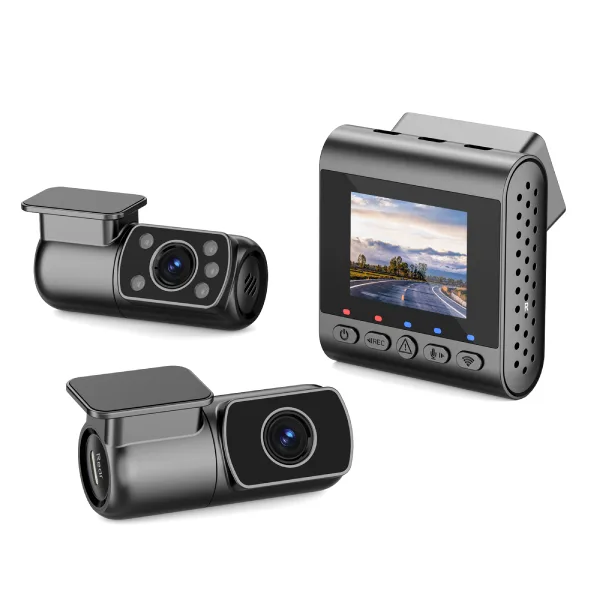
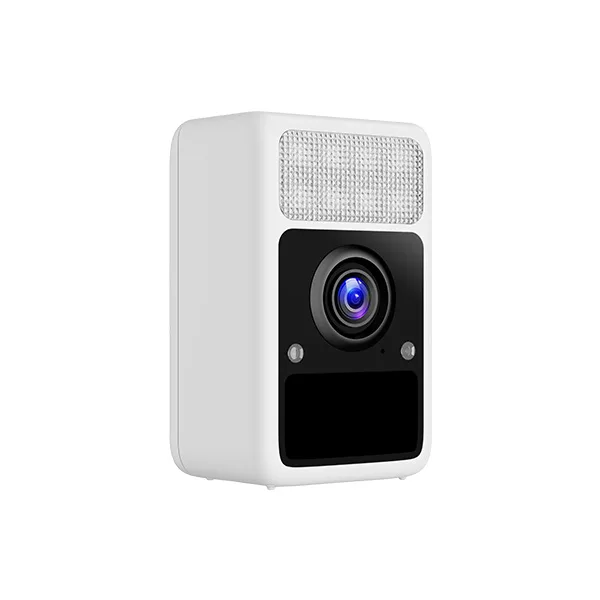
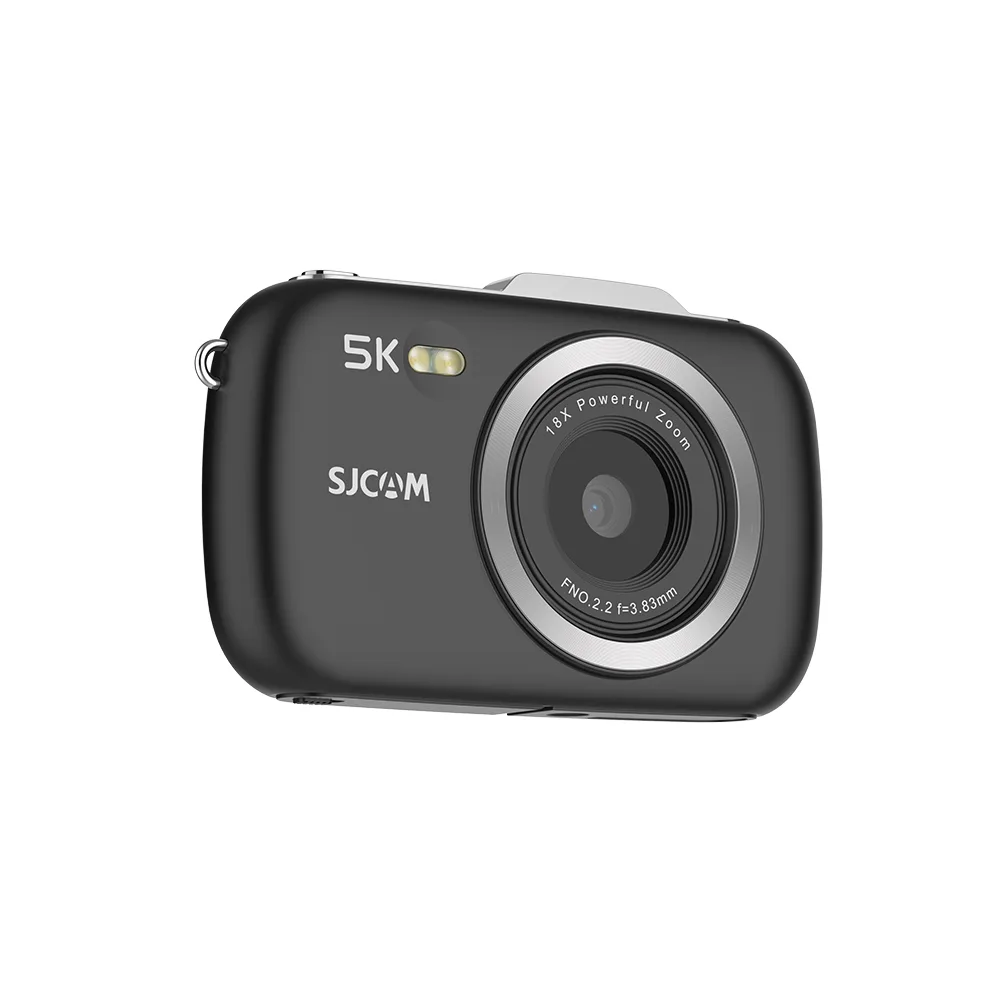
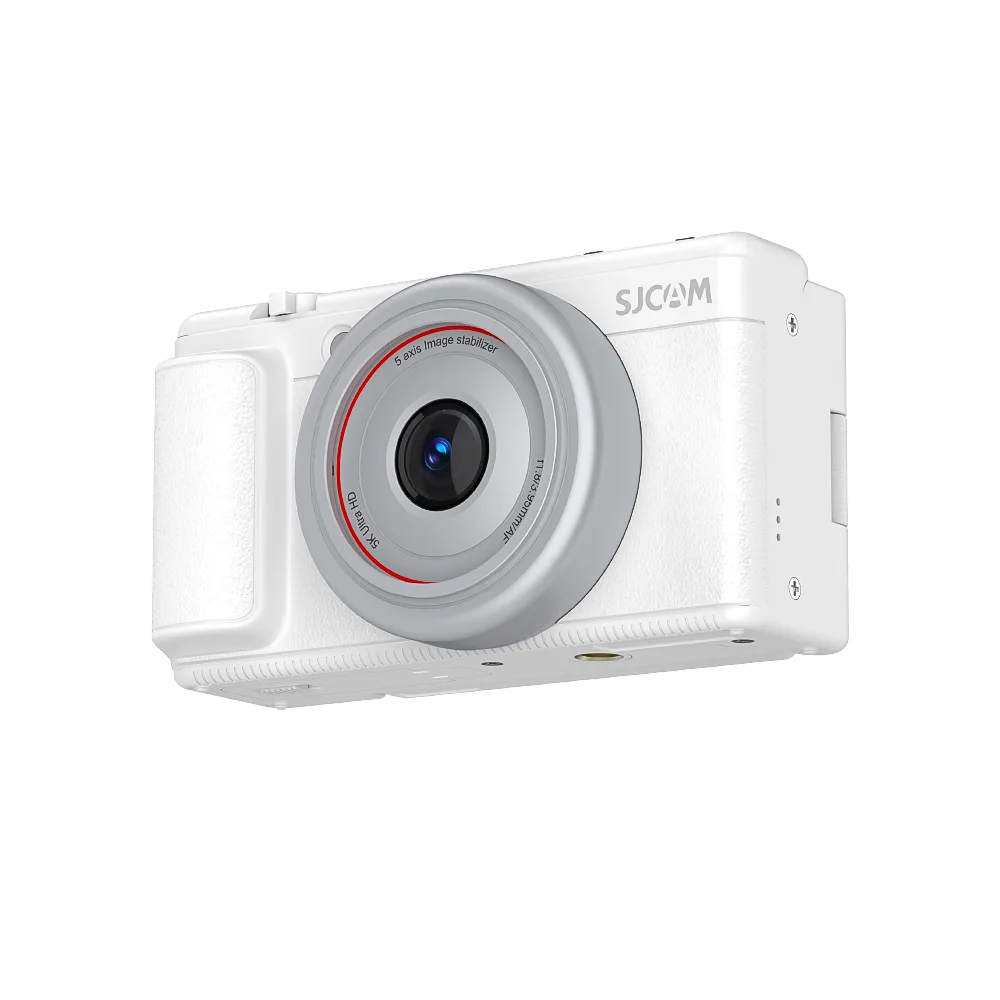

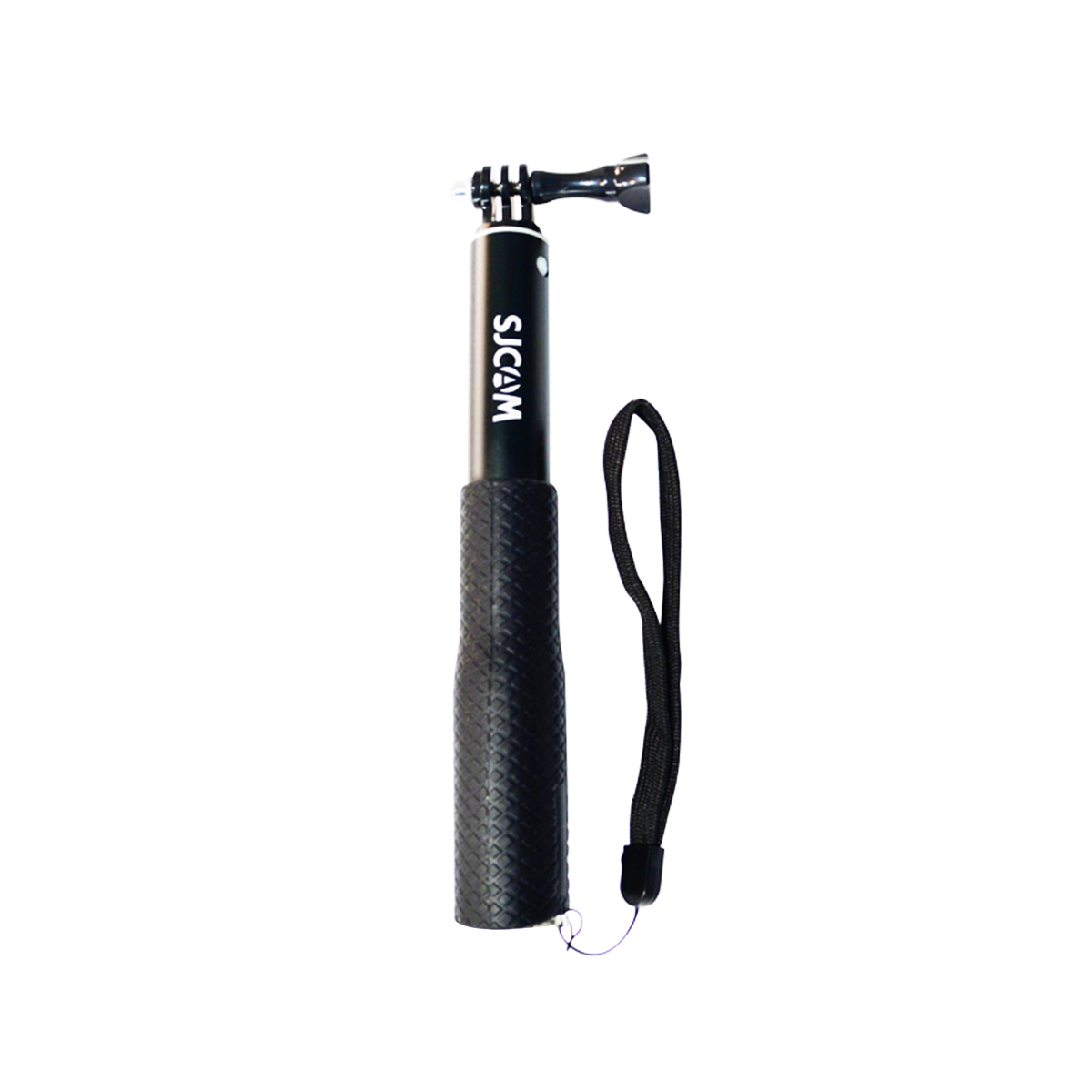

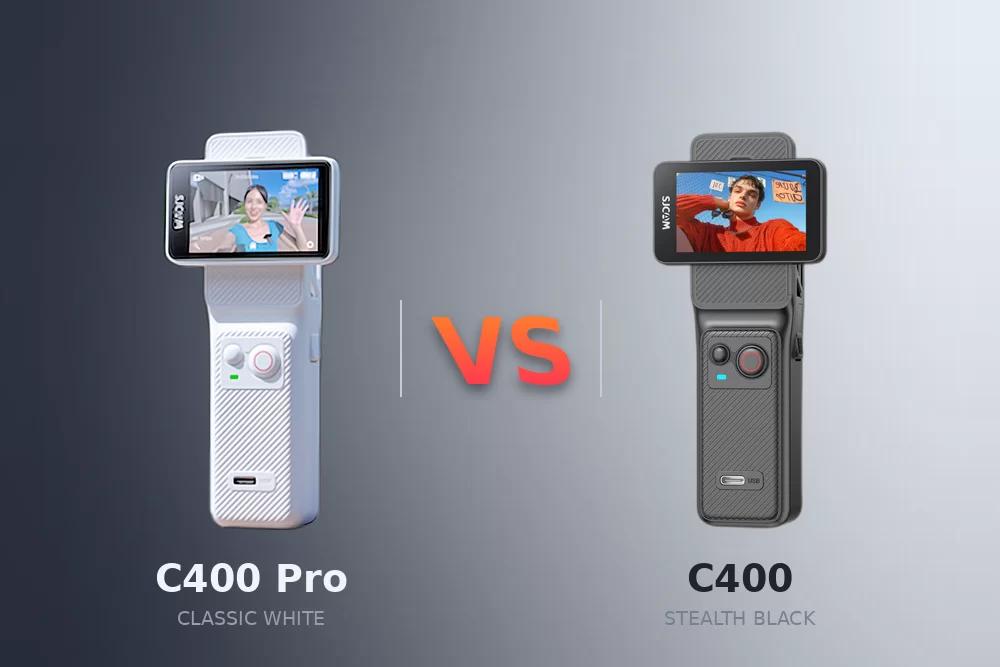
Expert reviews are one of the toughest tests that any device can endure. Recently, tech critic Erin Lawrence put the new SJCAM C400 through its paces and praised the stunning quality of its 4K images and its innovative modular design, and a huge 7-hour total battery lifespan.
She also addressed two major issues that are shared by a lot of action camera owners, such as low-light noise and the interference of wind from outside.
From an engineering standpoint, these aren’t problems with structural integrity; rather, they are the ultimate physical limits of ultraportable hardware design. Here’s a deeper dive into the science that explains these limits and concrete solutions to maximize the potential of your device.
The Physics of Low-Light: Why Tiny Cameras Struggle in the Dark
Erin pointed out that, while the C400 is an ideal daytime video vlogging device, it is hard to capture footage when the sun goes down.
Sensor Size vs. Electronic Stabilization
To create the look that is required to create a camera that fits with ease on a neck lanyard, engineering demands sacrifice. A smaller body shows an image sensor that is smaller compared with a larger DSLR or even a one-inch-sensor vlog camera. If you shoot at night, it is possible that the sensor will receive fewer photons. The camera’s firmware increases its ISO (gain) to compensate and make images vibrant.
In addition, the C400’s sturdy electronic image stabilization (EIS) demands rapid shutter speeds to stop blurring between frames. In dim environments, requiring the shutter to be fast deprives the sensor of light more.
Engineering Workarounds for Night Shooting:
Mount it and kill EIS. When you’re taking photos of a nighttime scene like at a campfire or in an automobile , you can mount the C400 onto the mini-tripod and switch off EIS by changing the settings. This will allow the firmware to decrease the shutter speed significantly, increasing light consumption and decreasing grain.
Set the ISO limit manually by setting the maximum ISO limit at 800 or 1600 from the settings menu for professional photographers. It’s always best to create a dark image that you can easily brighten in post-production, rather than a noisy and blown-out image that is caused by an overactive auto-ISO algorithm.
Acoustic Realities: Managing Wind Noise in the Wild
Another issue that was highlighted by the writer was the lack of clarity in sound in windy conditions at the beach. The absence of an external microphone exacerbated this.
Waterproof Membranes and Turbulence
Action cameras are made to work in all weather environments. In order to protect the delicate inside microphone array from water, the high-density waterproof material covers the mic ports. If strong winds hit the body of the camera, it generates micro-vortices across the ports. The pressure of the air slams against the membrane’s waterproofness, causing it to overwhelm the audio processor, resulting in a quiet “rumbling” sound.
The Modular Audio Architecture
The C400 features a distinct dual-channel Bluetooth protocol, which allows both the main pocket camera and the remote handle to separate into two while retaining real-time video controlling and monitoring. For seamless syncing and low battery power when wireless splits initially, the firmware limits the USB-C port’s use to power and data delivery. This temporarily disables the external inputs for analog and digital mics.
Engineering Workarounds for Clearer Audio:
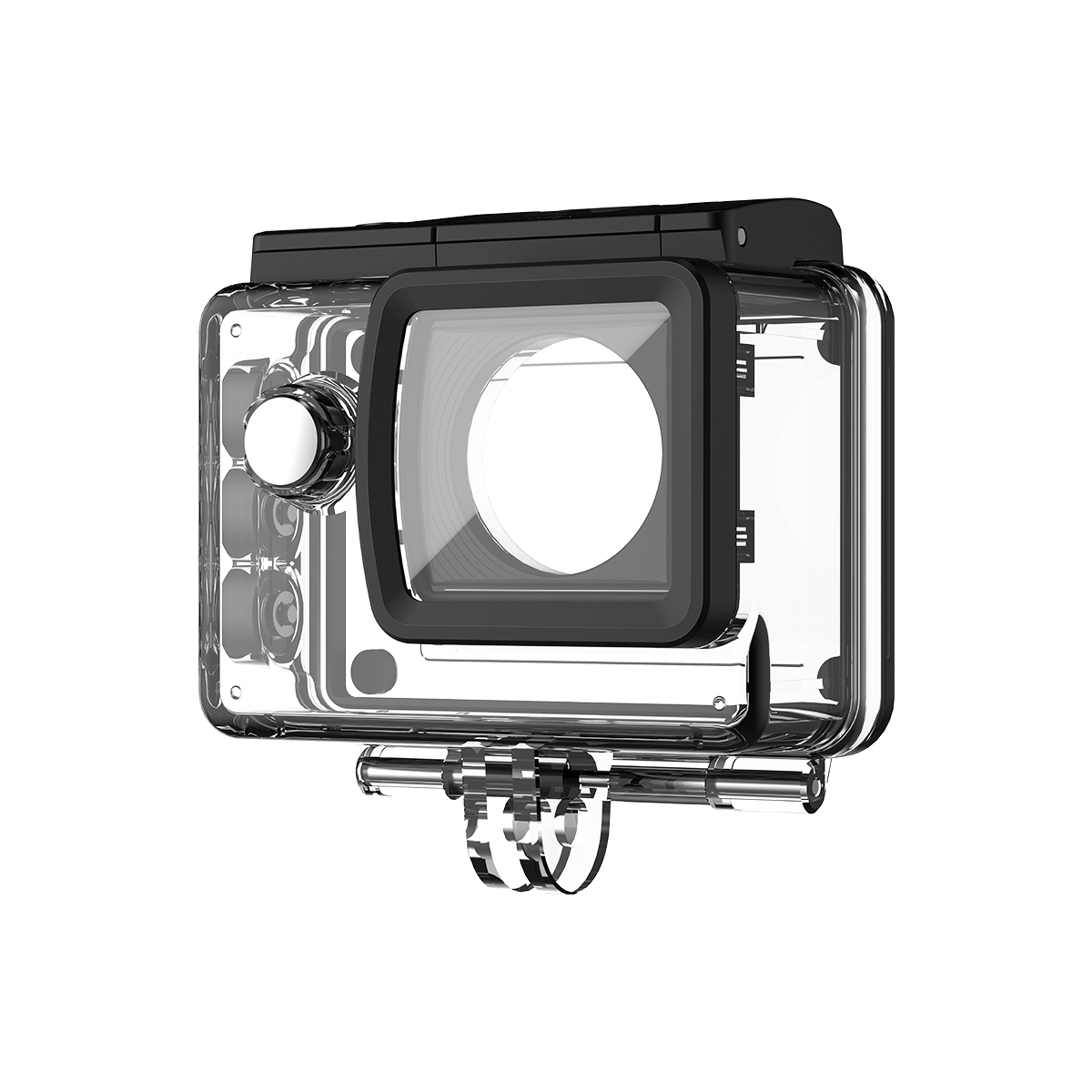
Install the physical windbreak. Erin mentioned her “boatload of accessories” included inside the package. If you are shooting in a high-wind environment, always place the camera in its bracket’s shell. The edges of the shell naturally direct airflow away from microphone holes, making it an extremely efficient physical windbreak.
Benefit from Split-Module because the handle and camera wirelessly sync, and you can clip the camera to your camera for a point-of-view image and hold the remote handle close to your mouth. This will be a receiver that is localized and improves vocal clarity.
Demystifying the 7-Hour Battery Benchmark
The one thing that had readers awestruck was the battery’s 7-hour total lifespan. This feat of engineering was made by using a custom Dual-Battery Management System (BMS).
When a pocket camera is connected to the handle of the remote, it is not able to just transfer the power from one device to another (which could generate temperature and harm battery health). The remote handle acts as the energy source that powers the Image Signal Processor (ISP) directly, while putting the camera’s battery into the low-draw “chaperone” state.
Summary and Next Steps
The SJCAM C400 has pushed the boundaries of what a modular camera is capable of, offering stunning daytime clarity in 4K and outstanding battery design against the inherent physical limits of compact optics and acoustics.
To achieve the most optimal performance, try using 4K/30 fps with EIS active for your video clips during the day, but use a tripod instead and then switch off EIS when shooting at night. Also, make sure that your camera is linked to the SJCAM Zone app to be notified of future firmware updates that are designed to enhance audio frequency and minimize wind noise.