





 Chinese (China)
  Spanish
  German
  French
  Italian
  Japanese
  Korean
  Bulgarian
  Greek
Greek  Indonesian
  Chinese (Hong Kong)
  Russian
  Danish
  Finnish
  Hungarian
  Turkish
  Dutch
Dutch  Portuguese
  Swedish
  Romanian
  Slovak
  Serbian
  Norwegian
  Croatian
  Albanian
  Catalan
  Czech
Czech  Estonian
  Armenian
  Bengali
  Amharic
  Polish
  Thai
Thai  Ukrainian
  Vietnamese





Whether you’re a seasoned hunter, wildlife enthusiast, or property owner looking to monitor game activity, a deer camera has become an essential tool for observing and tracking deer movements. These specialized cameras have revolutionized the way we study and interact with wildlife, providing invaluable insights into deer behavior patterns, feeding times, and travel routes. In this comprehensive guide, we’ll explore everything you need to know about deer cameras, from their basic functionality to advanced features that can enhance your wildlife monitoring experience.
What is a Deer Camera?
A deer camera, also known as a trail camera, game camera, or hunting camera, is a specialized outdoor camera designed to automatically capture photos or videos of wildlife when motion is detected. These rugged, weatherproof devices are specifically engineered to withstand harsh outdoor conditions while operating independently for extended periods.
Key Features of Deer Cameras
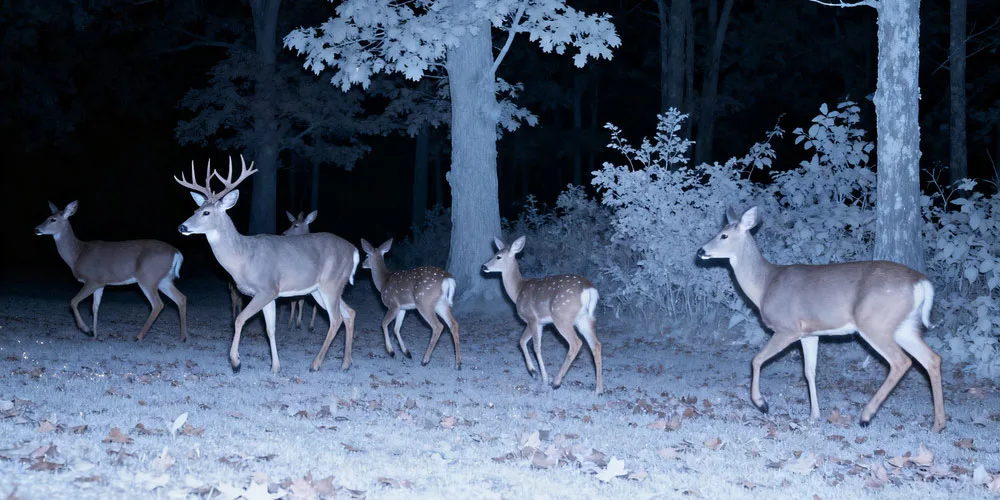
The core technology behind deer trail cameras revolves around passive infrared (PIR) sensors that detect heat signatures and movement within their detection range. When an animal passes through the camera’s field of view, the PIR sensor triggers the camera to capture images or record video footage automatically. This hands-off approach allows you to monitor wildlife activity without being physically present, making it ideal for studying deer patterns over days, weeks, or even months.
Modern deer cameras typically offer high-resolution imaging capabilities, ranging from 12MP to 24MP for photos and 1080P to 1296P for video recording. They also feature infrared night vision technology, enabling them to capture clear footage even in complete darkness without disturbing the animals with visible light. The infrared LEDs illuminate the scene with light invisible to both humans and deer, ensuring natural behavior is captured without alerting your subjects to the camera’s presence.
Common Applications
Beyond hunting applications, deer cameras serve multiple purposes, including wildlife research, property surveillance, scouting potential hunting locations, and simply enjoying nature photography. Their versatility and ease of use have made them popular among outdoor enthusiasts, researchers, and property owners alike.
Does a Deer Camera Need Wi-Fi?
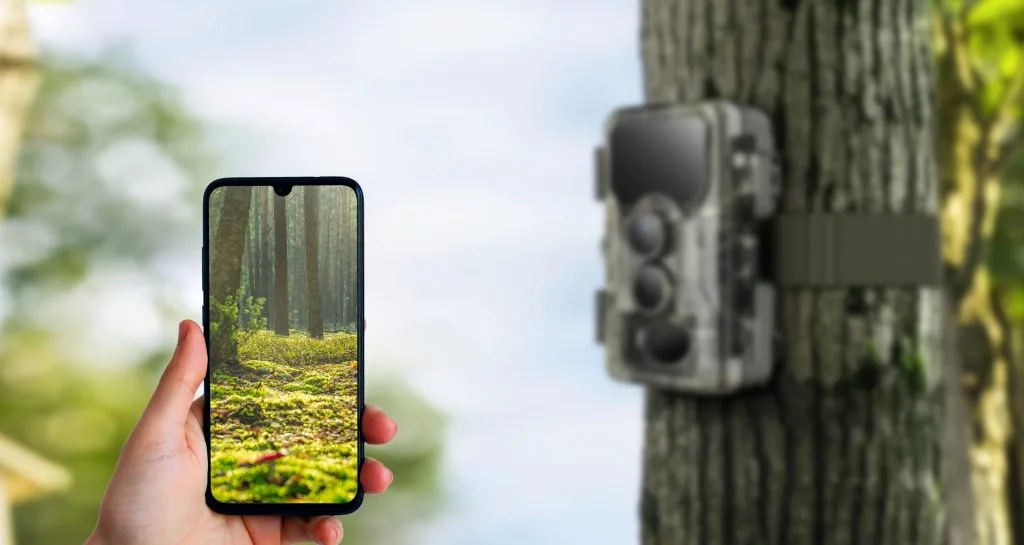
One of the most common questions about deer cameras concerns Wi-Fi connectivity. The short answer is: no, most deer cameras do not require Wi-Fi to function. Traditional trail cameras operate completely independently, storing captured images and videos on internal memory cards without any wireless connectivity.
Traditional vs. Wi-Fi-Enabled Cameras
Standard deer cameras function as standalone devices that record footage directly to SD cards or internal storage. To view your captured images, you need to physically visit the camera location and either review the footage on the camera’s built-in screen or remove the memory card to transfer files to your computer or smartphone. This traditional approach remains popular because it’s simple, reliable, and doesn’t depend on cellular or Wi-Fi signal availability in remote locations.
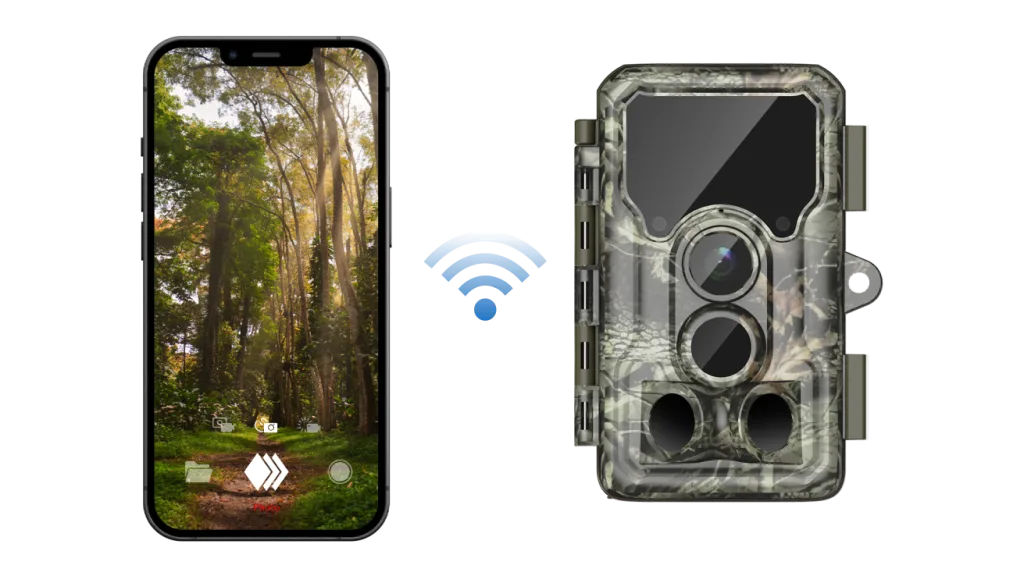
However, Wi-Fi enabled deer cameras offer additional convenience by allowing wireless transfer of images and videos to your smartphone or tablet when you’re within Wi-Fi range. This feature is particularly useful because it eliminates the need to disturb the camera setup or spook nearby deer by approaching the camera location frequently. Instead, you can retrieve photos remotely during periodic check-ins without physically handling the device.
Cellular vs. Wi-Fi Connectivity
It’s important to distinguish between Wi-Fi and cellular trail cameras. Cellular trail cameras use mobile data networks to send images directly to your phone or email in real-time, regardless of your location. These require a cellular data plan and ongoing subscription fees. Wi-Fi trail cameras, on the other hand, only transmit data when you’re nearby and connect to the camera’s Wi-Fi network, making them more cost-effective while still offering some wireless convenience.
Choosing Based on Your Needs
For most hunters and wildlife enthusiasts who place cameras in remote locations without reliable Wi-Fi coverage, traditional non-Wi-Fi cameras remain the most practical choice. They’re typically more affordable, have longer battery life, and offer greater reliability since they don’t depend on wireless connectivity to perform their primary function of capturing wildlife footage.
Can You Use a Deer Camera for Home Security?
Absolutely! Deer cameras can double as effective home security cameras, and many property owners are discovering this versatile application. While they’re designed primarily for wildlife monitoring, the same features that make them excellent for capturing deer also make them suitable for security purposes.
Advantages for Security Applications
Trail cameras offer several advantages for home security applications. Their weatherproof construction means they can withstand rain, snow, and extreme temperatures, making them ideal for outdoor surveillance. The motion-activated functionality ensures that recording only occurs when there’s activity, conserving battery power and storage space while capturing relevant events.
The infrared night vision capability is particularly valuable for security purposes, allowing these cameras to record clear footage in complete darkness without visible light that might alert intruders to the camera’s presence. Many would-be trespassers won’t even realize they’re being recorded, as modern trail cameras are designed to be discreet and blend into outdoor environments.
Limitations to Consider
However, there are some limitations to consider when using deer cameras for home security. Unlike dedicated security cameras, most trail cameras don’t offer continuous recording – they only capture footage when motion is detected. This means there may be gaps in coverage if the triggering mechanism misses an event or if intruders move too slowly to activate the sensor.
Additionally, traditional deer cameras require manual retrieval of footage, which means you won’t receive immediate alerts if someone is on your property unless you have a cellular-enabled model. The field of view is also typically narrower than dedicated security cameras, potentially requiring multiple units for comprehensive property coverage.
Best Practices for Security Use
Despite these limitations, deer cameras can be an excellent supplemental security solution, especially for monitoring remote areas of your property, driveways, outbuildings, or entry points where running electrical wiring would be impractical. They’re particularly effective for documenting wildlife causing property damage, monitoring deliveries, or keeping an eye on vacation properties.
Where to Put a Deer Camera?
When mounting your deer camera, face it north or south when possible to avoid direct sunlight that can cause overexposure and trigger false activations. Ensure the camera is firmly mounted and level to prevent wind movement that could trigger unnecessary photos. Clear any brush or branches within 10 feet directly in front of the camera that could wave in the wind and cause false triggers.
Consider the detection zone of your specific camera model. Most deer cameras have a detection range of 30-50 feet, with a field of view between 40 and 60 degrees. Position the camera to maximize coverage of the area while keeping subjects within optimal range for clear, detailed images.
For standard deer monitoring, mount cameras at waist height (3-4 feet) pointing slightly downward. This height provides good perspective on deer while minimizing the amount of sky in the frame that can affect exposure. For security applications or capturing larger animals, higher mounting positions (5-6 feet) may be preferable.
What Is the Best Camera for Deer?
Selecting the best deer camera depends on your specific needs, budget, and intended use. However, certain features and specifications consistently deliver superior performance for wildlife monitoring. After reviewing numerous trail cameras, one model that stands out for its combination of features, reliability, and value is the SJCAM M50 Trail Camera.
Essential Features to Look For
Before recommending a specific model, let’s examine the key features that define an excellent deer camera:
High Resolution: Look for cameras offering at least 20 MP photos and 1080P video. Higher resolution provides better detail for identifying individual deer, assessing antler size, and capturing quality wildlife footage.
Fast Trigger Speed: A trigger speed of 0.5 seconds or less ensures the camera captures deer as soon as they enter the detection zone, rather than photographing their rear ends as they exit.
Long Detection Range: Quality cameras detect motion from 50 to 80 feet away, giving you advance warning of approaching deer and capturing images while they’re still clearly visible.
Effective Night Vision: Multiple infrared LEDs (30 or more) provide illumination for clear nighttime images without spooking deer with visible light.
Weather Resistance: An IP65 or higher rating ensures the camera withstands rain, humidity, dust, and temperature extremes throughout hunting seasons.
Why Choose the SJCAM M50?
For hunters seeking a reliable, feature-rich deer camera that doesn’t break the bank, the SJCAM M50 represents an exceptional value. It combines professional-grade specifications with practical features like Wi-Fi connectivity and easy charging, making it suitable for both serious hunters and casual wildlife enthusiasts. The extensive LED array and high-resolution sensors ensure you don’t miss critical details, while the weatherproof construction guarantees years of dependable service in demanding outdoor environments.
Whether you’re scouting for trophy bucks, conducting wildlife surveys, monitoring food plots, or simply enjoying nature photography, the SJCAM M50 Trail Camera provides the performance and reliability needed to capture stunning wildlife footage season after season.
Conclusion
When selecting a deer trail camera, prioritize models with high resolution, fast trigger speeds, excellent night vision, and robust weatherproofing. The SJCAM M50 Trail Camera embodies these essential qualities while adding modern conveniences like Wi-Fi connectivity and Type-C charging, making it an outstanding choice for anyone serious about wildlife monitoring.
Investing in a quality deer camera like the SJCAM M50 and applying the knowledge from this guide will enhance your hunting success, deepen your understanding of local wildlife, and provide countless hours of entertainment as you discover what happens in the woods when nobody’s watching. Start your wildlife monitoring journey today and unlock the hidden world of deer behavior on your property.