





 Chinese (China)
  Spanish
  German
  French
  Italian
  Japanese
  Korean
  Bulgarian
  Greek
Greek  Indonesian
  Chinese (Hong Kong)
  Russian
  Danish
  Finnish
  Hungarian
  Turkish
  Dutch
Dutch  Portuguese
  Swedish
  Romanian
  Slovak
  Serbian
  Norwegian
  Croatian
  Albanian
  Catalan
  Czech
Czech  Estonian
  Armenian
  Bengali
  Amharic
  Polish
  Thai
Thai  Ukrainian
  Vietnamese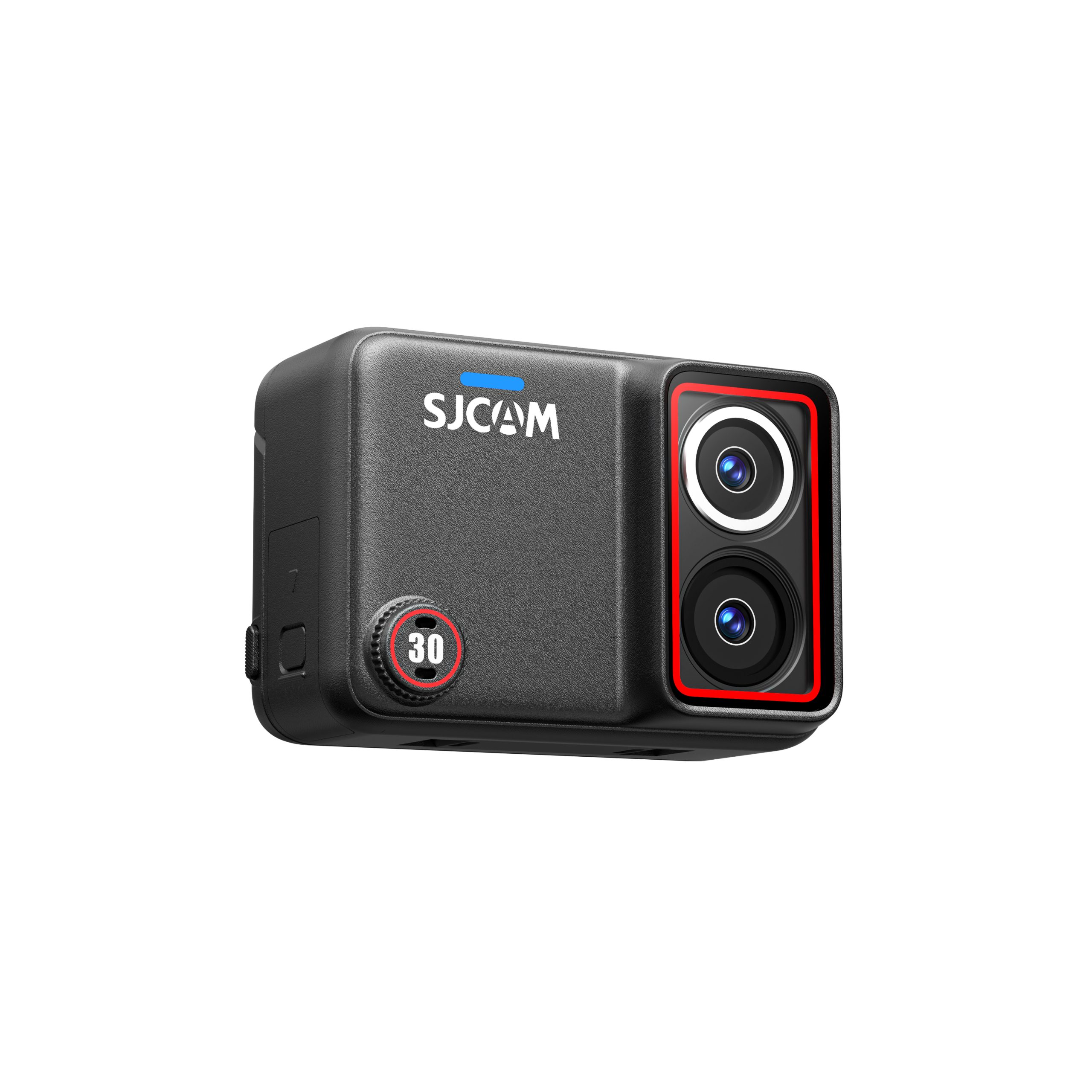





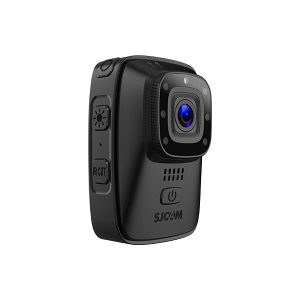


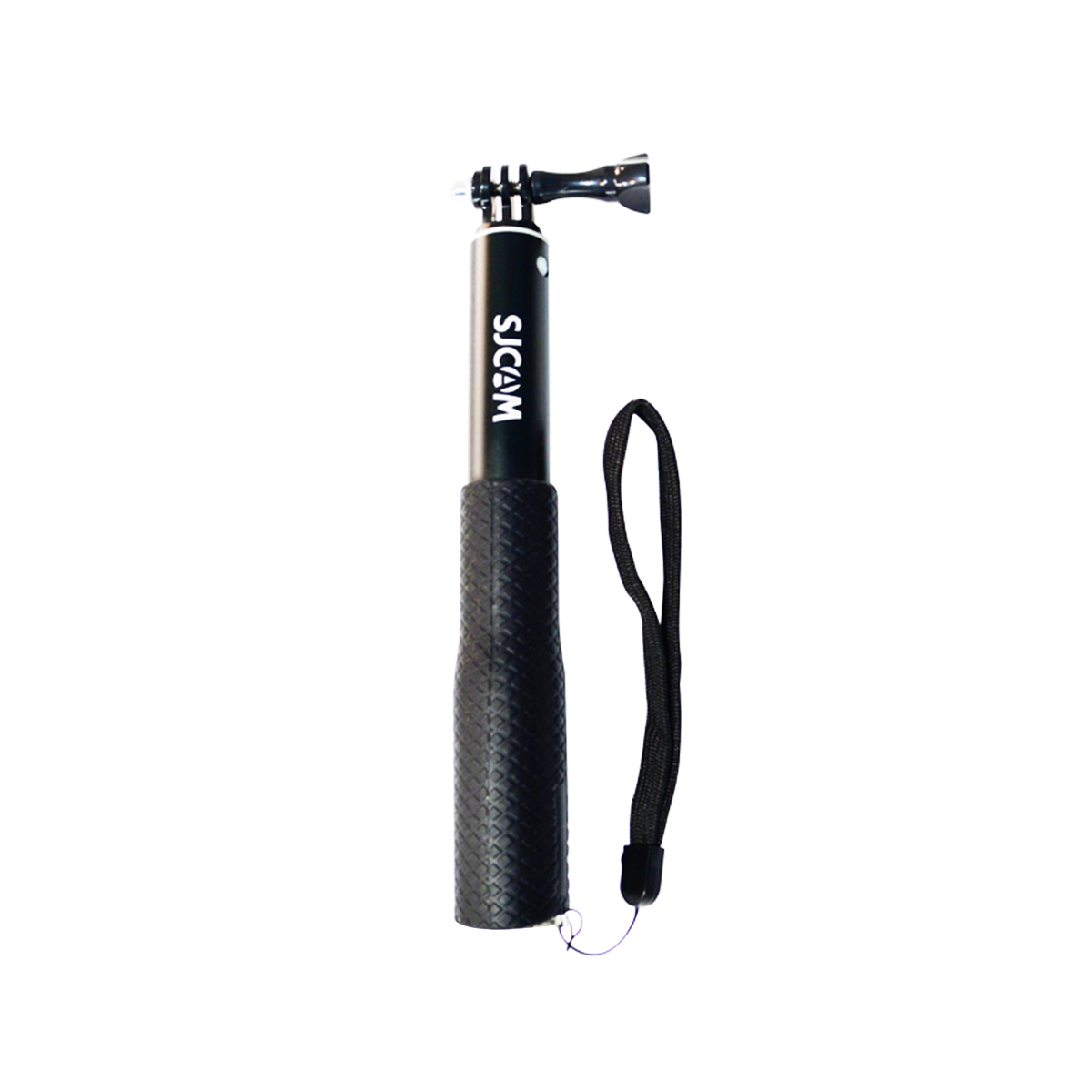


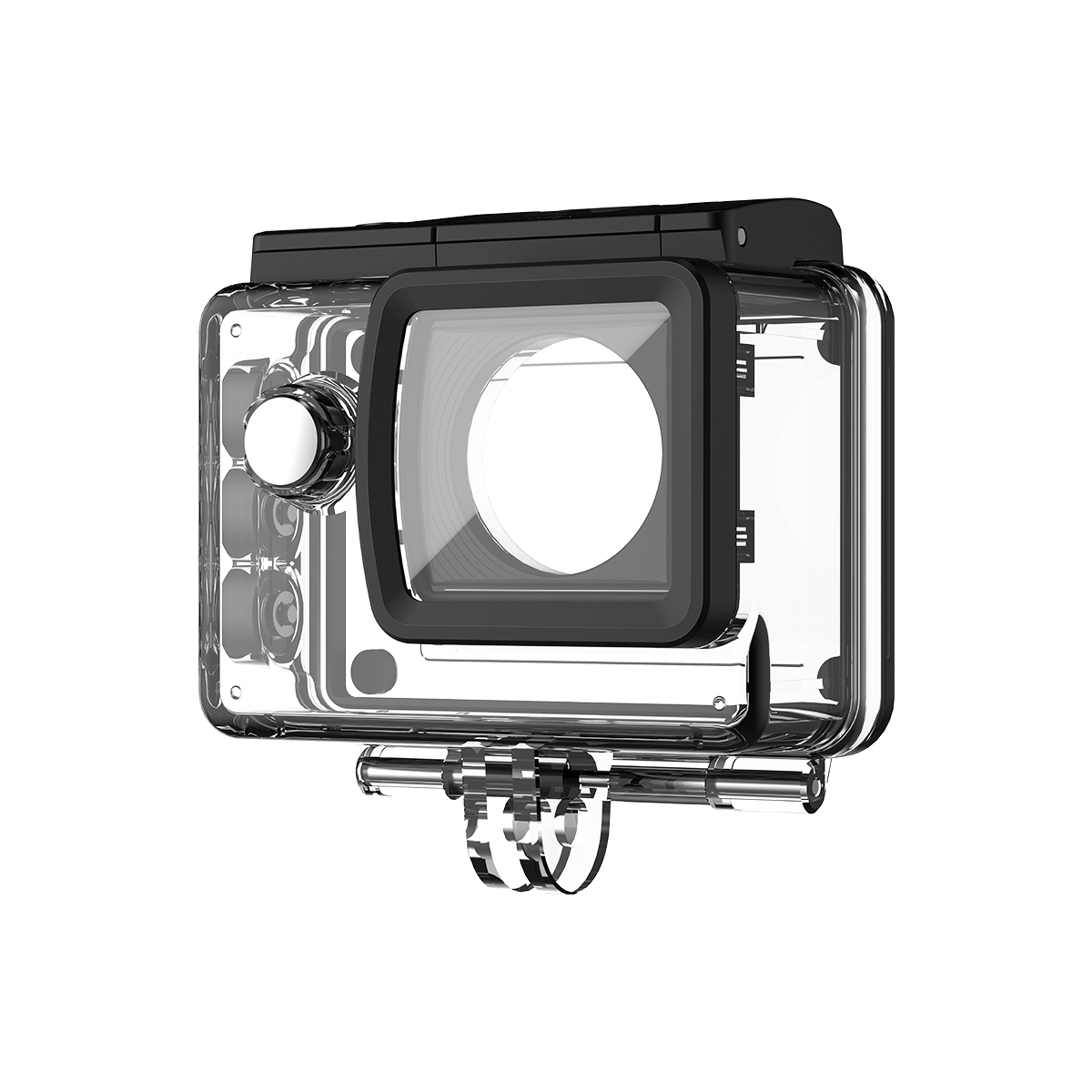
Motorcycle Camera Mount Guide: Helmet Mount vs Handlebar Mount
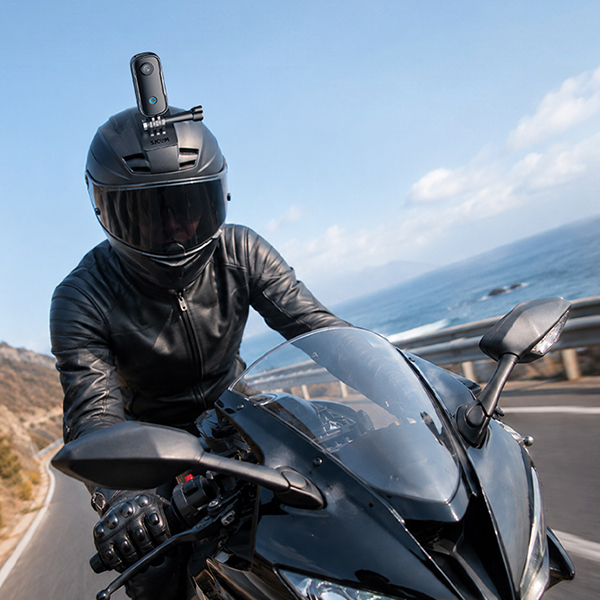
A high-quality action camera can make your bike ride more exciting if you’re a vlogger and reassuring if you prefer to travel safely. However, user experience and comfort are just as important as quality when you’re on the road. For motorists, the choice is usually between a motorcycle camera with a helmet mount versus a handlebar mount. Handlebar mounts are usually safer and more stable.
Helmet-mounted cams can be tricky to use and can interfere with your headgear. Having said that, they provide an unmatched point of view when you’re recording. To help you make your choice, this guide will take a look at both kinds of equipment and what they have to offer.
Helmet-Mounted Cameras

The Pros
Unparalleled Views
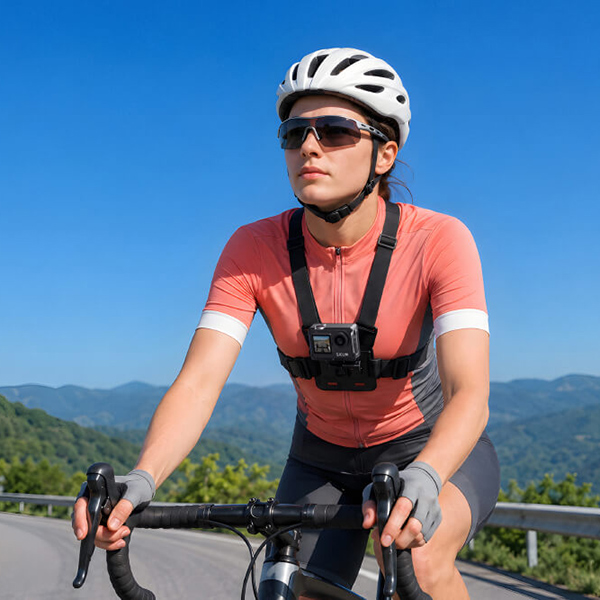
Helmet-mounted action cameras can see all the things that the rider can. They can capture surrounding buildings and oncoming cars without a blind spot.
Uniform Recording
If it can be securely mounted to your headgear, these action cameras will be able to record without as much shaking. That is because the device has the support of your neck, which can naturally adjust itself to a bumpy ride compared to a static handlebar.
Hands-Free Operation
As the camera sees exactly the same things as you do, there is no need to keep fiddling with it on the go just to make it see where you want it to.
The Cons
A Pain in the Neck
The added weight can create stress for your head and neck, making your ride quite uncomfortable.
The helmet setup will be directly facing the elements while you’re riding. In that position, it can create aerodynamic drag at high speeds. As a result, the rider will have to constantly strain their neck to keep things stable.
Added Downward Force
The camera adds a downward force on the helmet and the rider’s head. So, if you have to suddenly use the brakes or change direction, the force of the mount can cause your head to jerk forward if you’re not careful.
Limited Adjustability
If, for some reason, you do have to tinker with your camera setup, that becomes considerably harder when it is out of sight.
Making Your Gear Less Safe
Some standard helmet cameras can only be added with the help of a special glue or drilling through the shell of the headgear, which is a problem.
If you tamper with the outer side of your helmet, you could damage the polystyrene that is supposed to protect you from head injuries in an accident.
A report by the UK’s Transport Research Laboratory, commissioned in 2015, tested different helmet cameras mounted at different positions.
While it was not all bad news, chief research scientist Richard Cuerden warned readers against being too optimistic, saying that while the results are promising, “it’s important we don’t assume the outcome will be the same for all helmet and camera configurations. Other variables not tested could result in different injury outcomes, so further research and testing is required before we can confidently say that all helmets, scenarios, and designs will achieve the same result.”
Handlebar Mounts
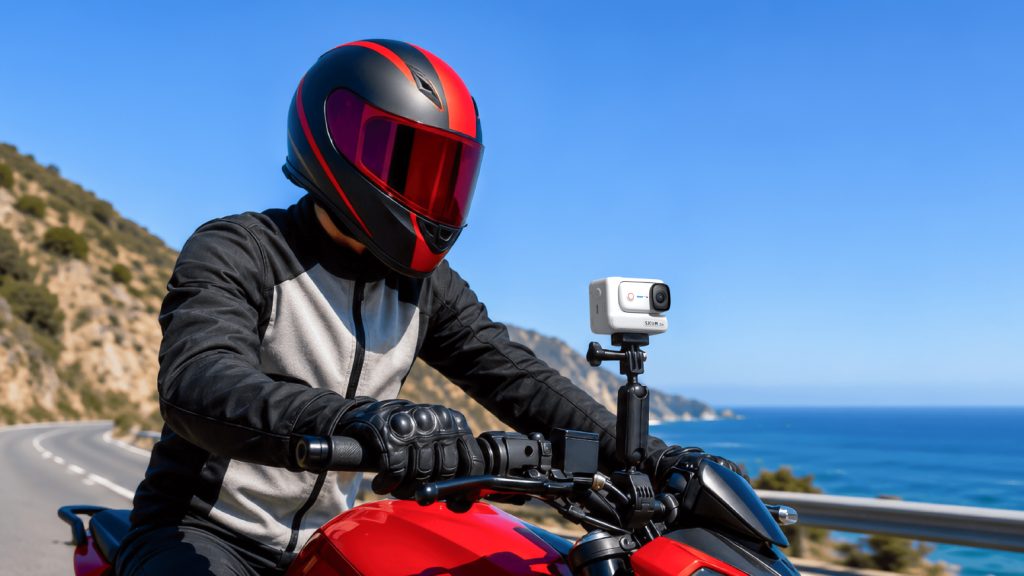
The Pros
Amazing Stability
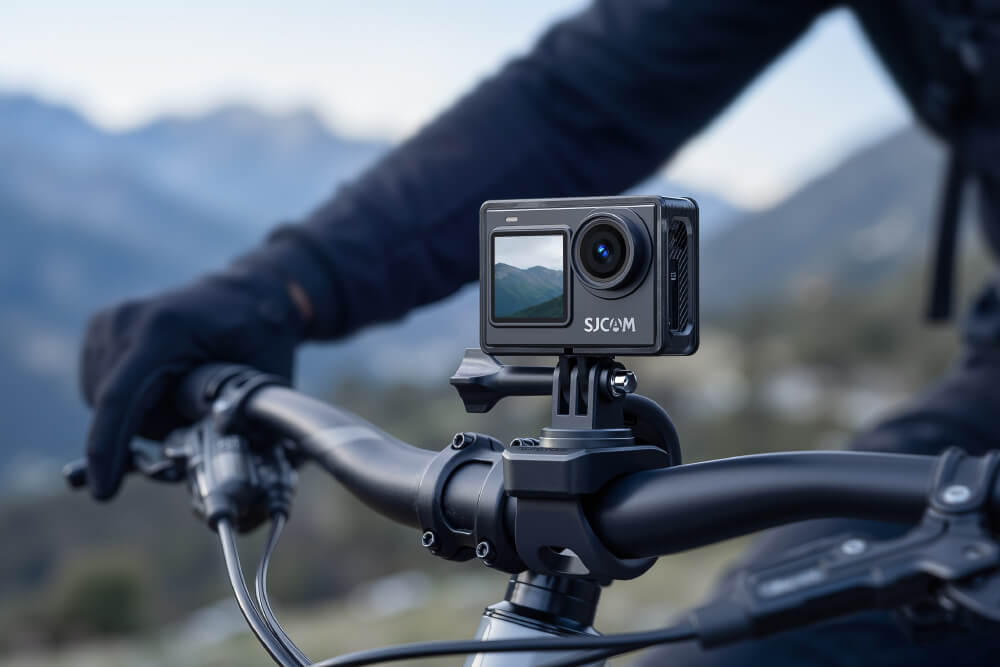
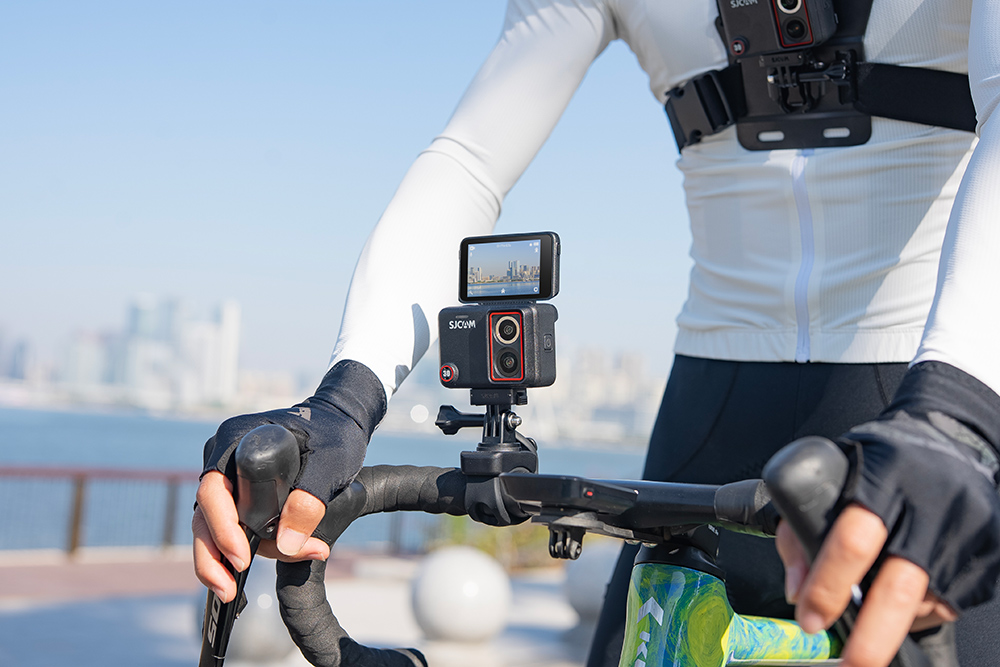
By being fixed to the handlebar, your camera will not have to face any wind resistance. It will remain in place and allow you to go about your routine comfortably.
Constantly Recording
A handlebar-mounted camera will be facing forward all the time. They can keep on recording without any interruption or distraction.
Improved Convenience and Safety
The device will be right in front of you. So, if you want to check that it is recording and fully charged or if you need to change its settings, you can do it while keeping your eyes on the road. No need to remove your hands to feel for buttons on the busy streets.
The Cons
Structural Vibrations
Vibrations from uneven roads or the engine’s whirring travel easily through the solid frame of the bike until they reach the handlebar clamps. When you’re going too fast, your camera will be unable to record smoothly and miss important details like road signs or license plate numbers.
Limited Data Collection
Although the camera will keep recording, its lens will be fixed into position. So, it will not be able to capture traffic coming from side intersections or see what is in your blind spot unless the bike is already facing the hazard.
Adding Your Camera on the Handlebars vs. The Helmet: Your Choice
Whether you add your camera to your headgear or the front of the actual motorcycle depends on its usability and recording quality as well as your personal comfort.
The following table weighs both options based on six key parameters.
| Performance Metric | Handlebar Mount | Helmet Mount |
| Footage Stability | Very stable via fixed chassis | Often shaky due to air resistance |
| Ease of Use | Easily accessible; quick adjustments via peripheral sight | Hard to adjust on the go without stopping |
| Field of View | Fixed forward; wide-angle view locked to frame | True point of view; follows rider’s ocular trajectory |
| Versatility | Fits various bike positions, frames, and control angles | Limited strictly to helmet shell placements |
| Safety Documentation | Great as a continuous dashcam for incident logging | Can capture details directly where the rider looks |
| Comfort During Use | Lower physical impact; zero rider fatigue | Higher physical impact; added weight induces neck strain (added weight and frequent mounting may be required) |
Choose Helmet Mount If:
✔ You create moto vlogs
✔ You want a rider’s-eye perspective
✔ You record adventure trails
Choose a handlebar mount if:
✔ You want stable footage
✔ You use the camera as a motorcycle dash cam
✔ You prefer easier operation
The Solution: Tailoring Your Setup with SJCAM Flagship Gear
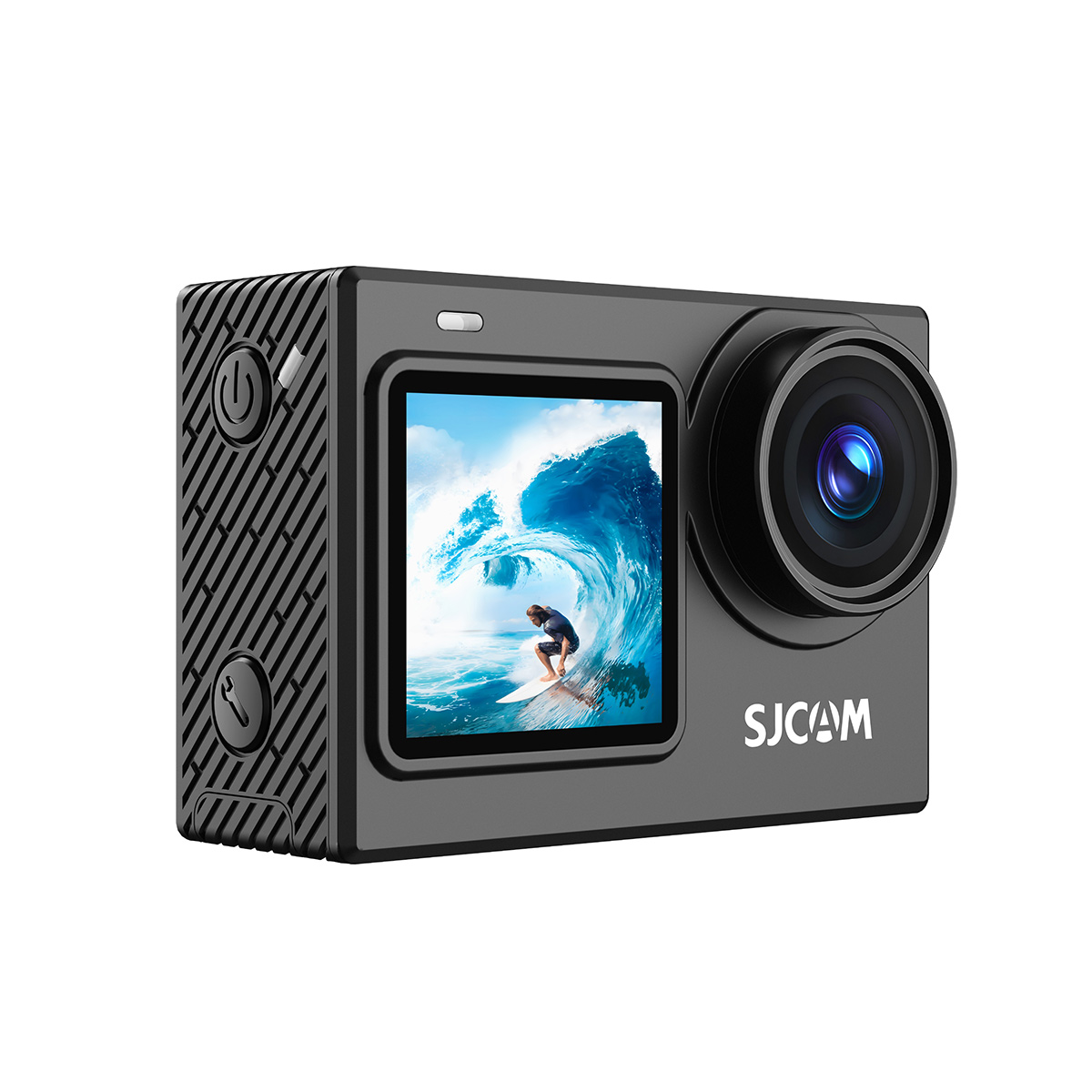
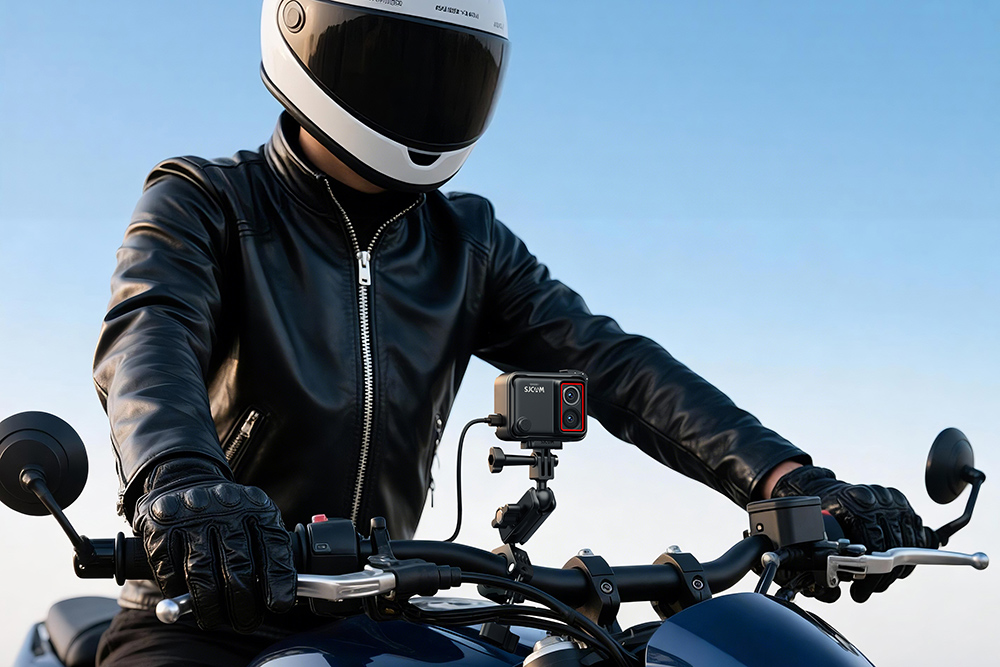
The SJ30 8K: Your Handlebar Solution of Choice
Flawless Recording
The SJCAM SJ30 8K action camera for motorcycle riding protects your recording from the engine’s hum and the shocks coming from the road with its 6-axis gyroscopic stabilization framework. It works without mechanical gimbals, which would wear down from the constant vibrations.
Range of Vision
Since you cannot point the camera manually to what you need to record, the answer lies in that resolution density is paramount. The SJ30 records video at an ultra-high-definition 8K resolution and can capture 20 frames in a second.
It uses a dual-lens system with a 1/2.0-inch daylight sensor and a 1/1.8-inch CMOS starlight sensor with a bright f/1.8 aperture. It can record at 48 megapixels, so you can zoom into license plates or distant road signs without blurriness, even in relative darkness.
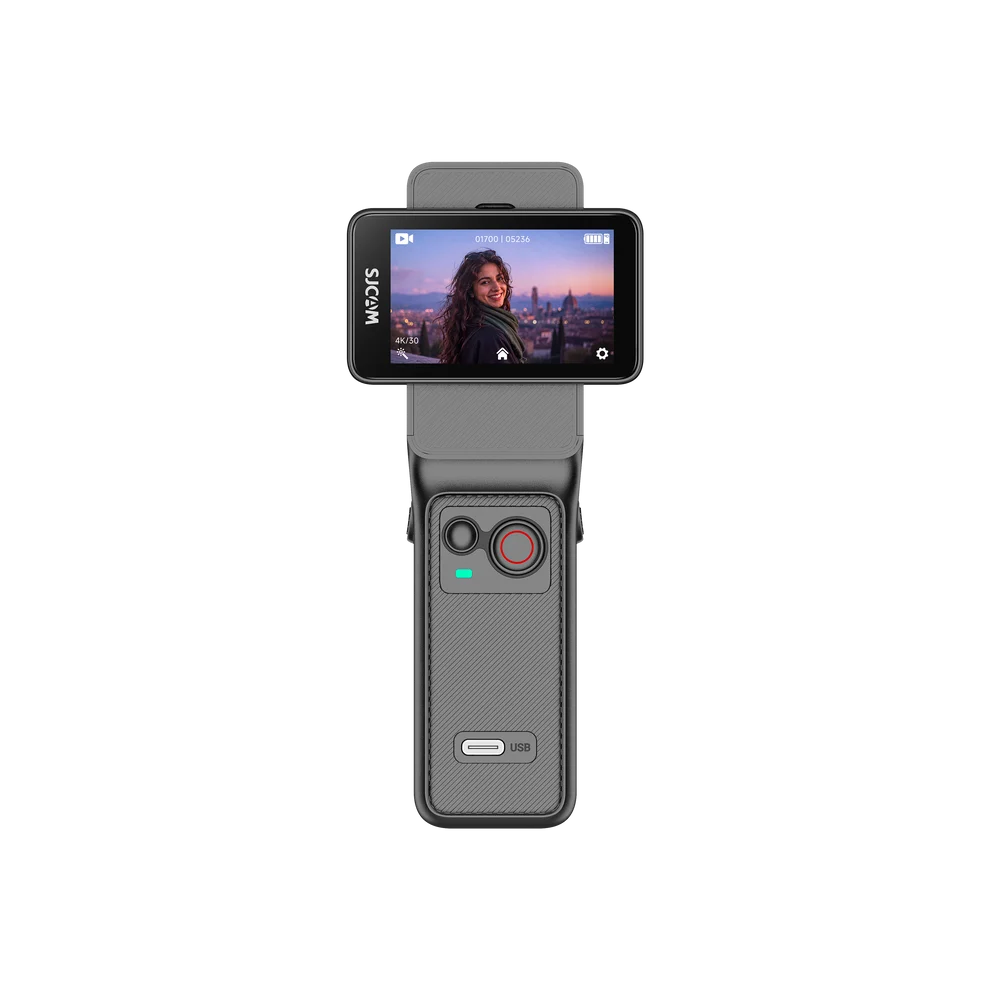
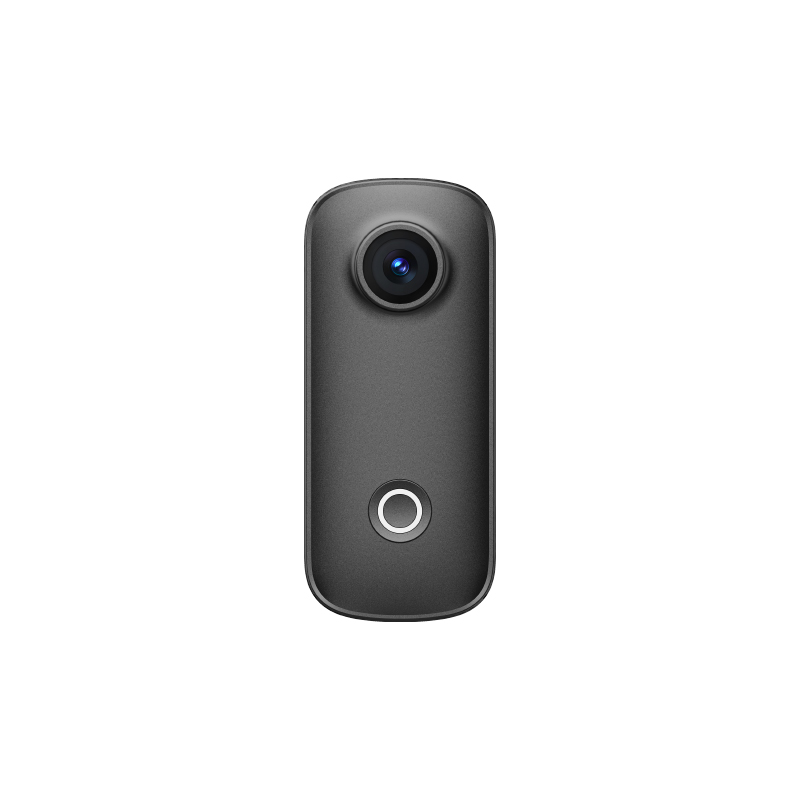
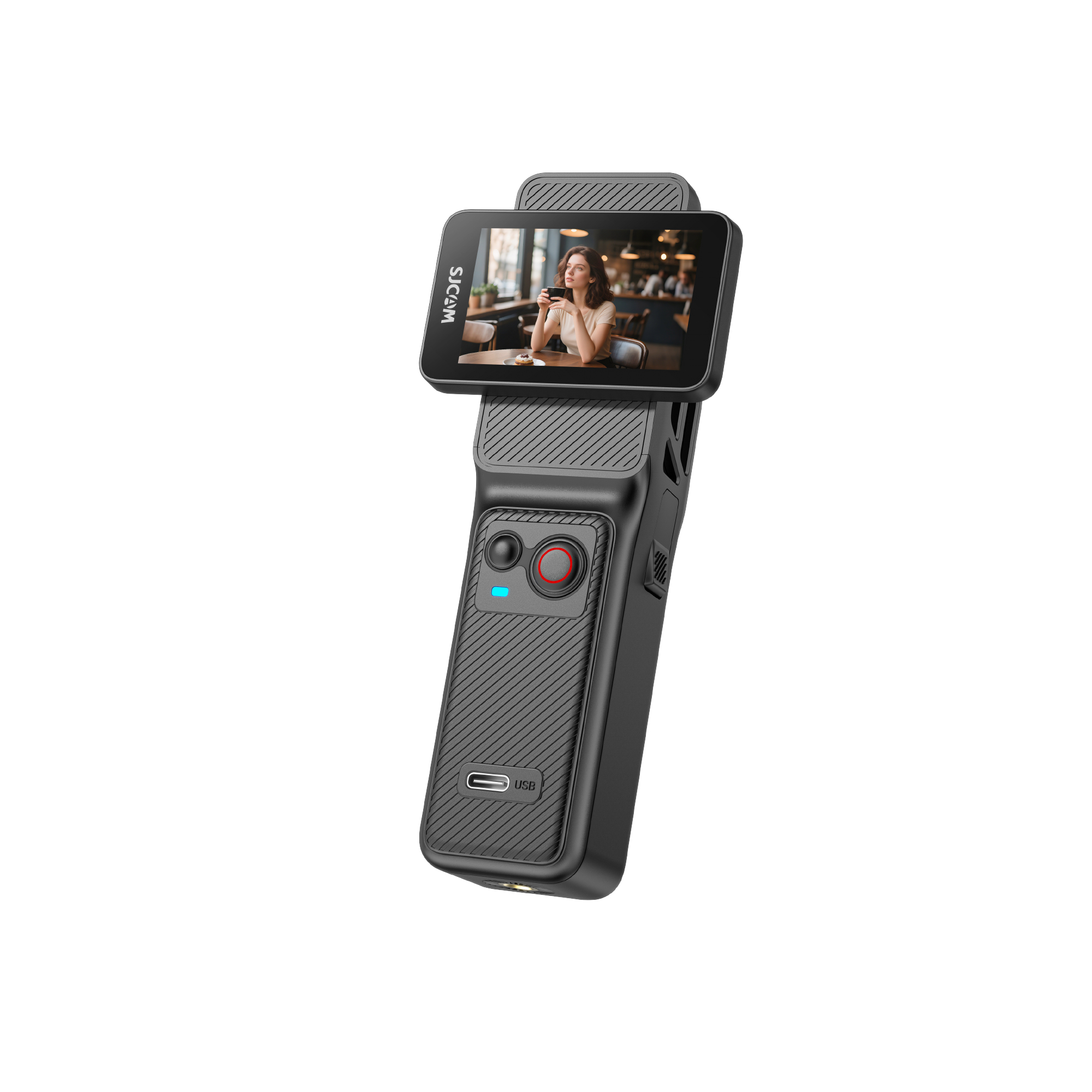
The SJCAM C400: A Lightweight Pick for Your Helmet
Lightweight Build
At just 68 × 32 × 25.5 mm and weighing an incredibly low 54 g, the C400 Pocket faces less resistance at high speeds and protects the rider’s neck from constant strain.
Power Management
The SJCAM C400 lightweight action camera for moto vlogging can keep recording in 4K for over 170 minutes thanks to its 1250 mAh battery. It also has a secondary battery, which gives you a total of 400 minutes.
Rotatable Screen
This model can switch between vertical and horizontal formats for your vlog, so you can record in both landscapes and turn to vertical settings that are perfect for social media or short videos.
Premium Maintenance: Preventing Moto-Cam Failures
MicroSD Problems
Vibrations, engine heat, and heavy recording can cause low-quality microSD cards to fail. Premium memory cards are rated at U3 and Video Speed Class 30 (V30) or higher and have 512GB of space. They can withstand intense write speeds and process data without overheating or losing frames.
Tether Insurance
If you’re using glue, plastic clips, or aluminum brackets to secure your camera, they can lose their grip due to UV light, strong winds, or dirt from the road. Before you know it, your expensive recording gear will fall directly into moving traffic, which is inconvenient for you and possibly dangerous for other drivers.
A secondary nylon or steel safety tether helps keep your camera in place if the primary mount fails. Always attach a strong safety wire directly from the camera’s housing to a strong point on the motorcycle or a heavy strap on the helmet.
Rider’s FAQ: Addressing Your Moto-Vlogging Frustrations
Will mounting a camera on my helmet void its manufacturer warranty?
Yes. Many helmet manufacturers will tell you that putting a permanent glue mount or aftermarket brackets or drilling holes into the shell will void the helmet’s warranty.
How should I position my handlebar mount to keep it from blocking the speedometer or clutch levers?
Use an offset extension arm placed directly on the inner rail of the handlebar, keeping the body of the camera below the speedometer and away from the control levers.
How can I prevent wind noise from destroying my audio at speeds over 60 mph (96 km/h)?
Install a foam windscreen over the microphone or use an external wireless microphone, like the SJCAM M4, fitted with a specialized deadcat windjammer inside the chin curtain of your helmet.